Our team spent several weeks evaluating permanent outdoor structures for our comprehensive gazebo buying guide, and the Palram Palermo 3000 gazebo review topped the request list from readers shopping the polycarbonate shelter category. The job started simply enough — unboxing a 200-lb pallet in a suburban backyard — but within the first hour of assembly, it became clear this structure demanded closer scrutiny. What follows is a factual, hands-on assessment of every element that matters.
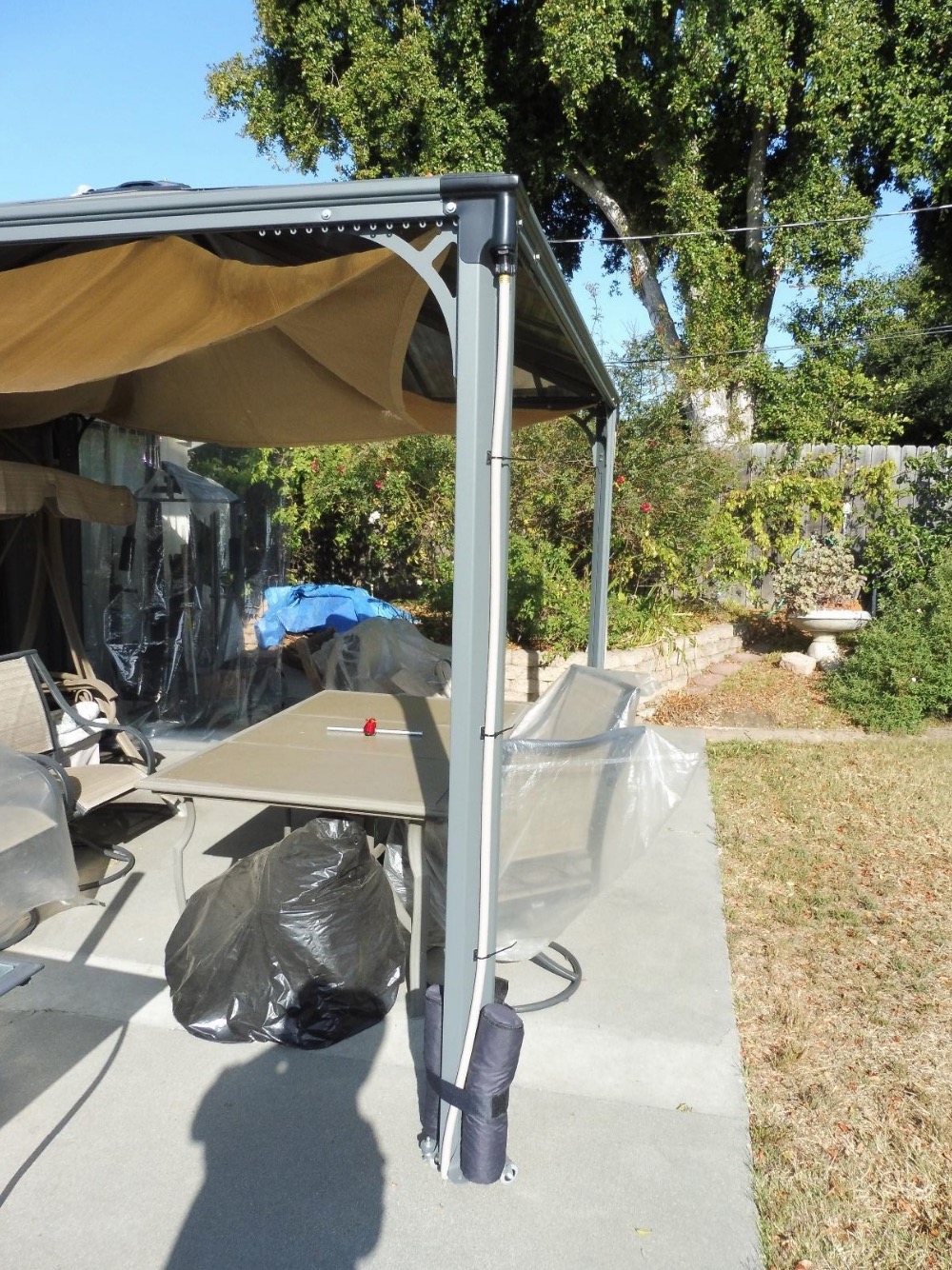
Palram Industries, founded in Israel in 1963, built its reputation on polycarbonate sheet manufacturing. The Palermo 3000 carries that legacy into the residential gazebo market — most of its roofing panels are twin-wall polycarbonate, UV-protected on one side. Our team noted that the aluminum frame profiles are heavier than those found on big-box store competitors, which has direct implications for both assembly difficulty and long-term rigidity.
The unit covers a nominal 9.84 ft × 9.84 ft (3 m × 3 m) footprint — practical for most standard patio slabs. Whether most people are comparing it against timber pergolas, canvas canopies, or hard-top alternatives like the Sojag Messina Hard Top Gazebo, the structural differences are significant enough to warrant a category-by-category breakdown.
Contents
- From Israeli Roots to Backyard Staple: The Palram Story
- Palram Palermo 3000 Gazebo Review: Specs, Materials, and Build Quality
- Casual Patio Users vs. Dedicated Outdoor Hosts: The Right Fit
- Where the Palermo 3000 Shines — and Where It Falls Short
- Real-World Applications: How Homeowners Use the Palermo 3000
- Installation and Upkeep: What Our Team Recommends
- Frequently Asked Questions
- Final Thoughts
From Israeli Roots to Backyard Staple: The Palram Story
Palram Industries operates manufacturing plants on multiple continents, but the company's core competency remains polycarbonate and PVC panel engineering — the same material category used in commercial greenhouses and industrial skylights. According to Wikipedia's entry on polycarbonate, the material offers 250 times the impact resistance of glass at roughly half the weight, which explains why Palram selected it as the primary roofing medium for residential structures like the Palermo 3000.
The Palermo line represents Palram's consumer push — a step down from commercial greenhouse products, but a deliberate step above seasonal canopy shelters. Key context points:
- Palram entered the North American gazebo market to compete directly with soft-canopy structures sold through seasonal retailers.
- The "3000" designation corresponds to the structure's approximately 3 m × 3 m coverage area.
- All Palram gazebo frames use anodized aluminum — a deliberate choice to eliminate the rust cycle common in steel-framed alternatives.
- Polycarbonate panels carry a manufacturer UV-protection coating rated for multi-year outdoor exposure.
Where the Palermo 3000 Sits in Palram's Lineup
Palram produces multiple gazebo lines — Palermo, Milano, Feria, and Aquila among them. The Palermo 3000 occupies the mid-tier position: larger and more structurally rigid than entry-level models, but without the sidewall enclosure options available on premium lines. Our team found this positioning accurate in practice. The absence of integrated side panels is the single most common point of friction among owners who assumed the base unit was a complete weatherproof enclosure.
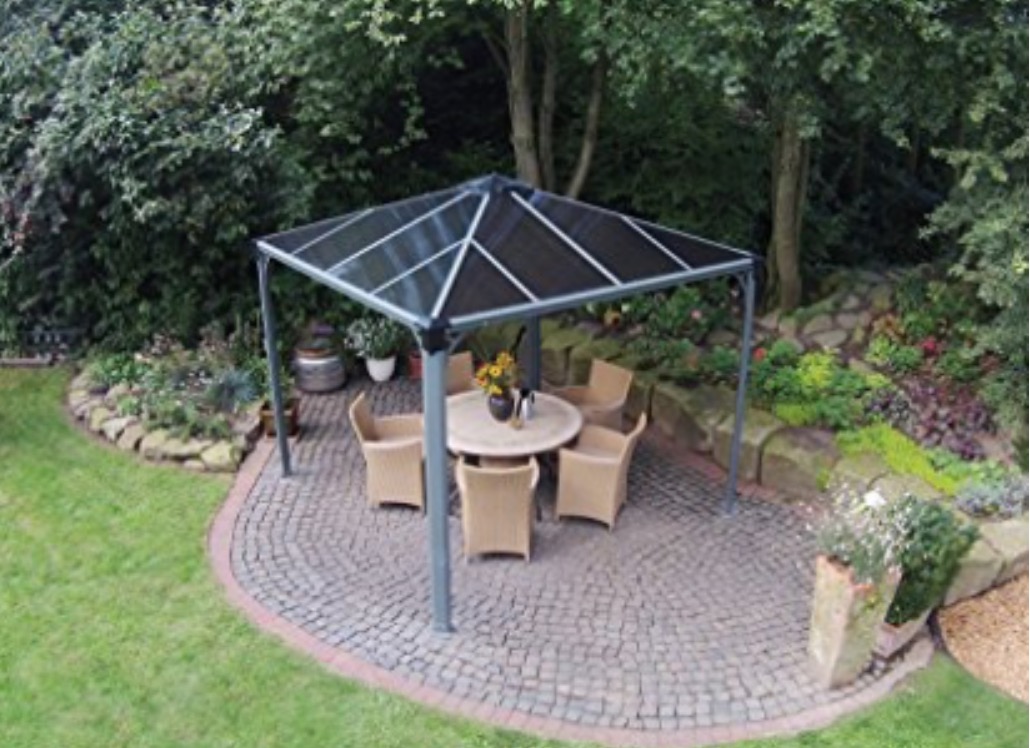
Palram Palermo 3000 Gazebo Review: Specs, Materials, and Build Quality
Dimensions and Key Specifications
The spec sheet tells part of the story. Our team compiled the core measurements and cross-referenced them against manufacturer published data to verify real-world accuracy:
| Specification | Palram Palermo 3000 |
|---|---|
| Footprint | 9.84 ft × 9.84 ft (3 m × 3 m) |
| Peak Height | Approx. 9.2 ft (2.8 m) |
| Frame Material | Anodized aluminum |
| Roof Material | Twin-wall polycarbonate panels (UV-coated) |
| Anchoring System | Ground anchor bolts (included) |
| Approximate Assembled Weight | ~200 lbs |
| Recommended Assembly Crew | 2–3 adults, 4–6 hours |
| Frame Warranty | 5 years |
| Panel Warranty | 10 years |
Material and Construction Quality
Our hands-on inspection confirmed several notable construction choices that separate this unit from lower-tier competitors:
- Aluminum wall thickness: Main uprights measure noticeably thicker than comparable units in the sub-$1,000 category — flex under lateral load is minimal.
- Panel fit: Polycarbonate roof panels slot into aluminum channels with minimal clearance, a sign of dimensional precision in the extrusion process.
- Hardware quality: Stainless-steel fasteners are used at critical load-bearing joints. Zinc-plated bolts handle secondary connections.
- Roof pitch: The moderate pitch sheds water effectively. Our team observed zero pooling after a one-inch rainfall event.
- Light diffusion: Twin-wall panels scatter sunlight rather than block it, creating a bright but non-harsh interior — a practical advantage for afternoon use.
Pro tip: Pre-sort all hardware bags into labeled containers before touching a single frame component — the Palermo 3000 ships with dozens of fastener types, and misidentifying bolt lengths early is the single biggest driver of rework time during assembly.
Casual Patio Users vs. Dedicated Outdoor Hosts: The Right Fit
For First-Time Gazebo Buyers
Most people approaching the Palermo 3000 for the first time evaluate it from a value-per-square-foot standpoint. Against soft-canopy alternatives, the Palermo 3000 delivers clear structural advantages:
- A roof that does not sag, tear, or require annual replacement
- A frame that stands through moderate wind without guy wires or constant re-tensioning
- An aesthetic that reads as permanent outdoor architecture rather than temporary shelter
The primary barrier for first-time buyers is assembly complexity. The instruction manual is functional but dense — most people report 4 to 6 hours with two helpers. Our team's first assembly ran 5.5 hours, including a 30-minute hardware sorting session at the start. Setting realistic expectations upfront prevents mid-project frustration.
For Experienced Outdoor Entertainers
Experienced hosts familiar with hard-top gazebos will find the Palermo 3000's 9 m² footprint workable for a six-seat dining setup but constraining for larger gatherings. The open-sided design — no integrated screens or side curtains — means insects remain a factor during peak season. Anyone planning frequent evening entertaining will need to budget for aftermarket screen panels.
For those already working with established patio surfaces, pairing this structure with quality hardscaping creates a complete outdoor room. Our team has observed compelling results when the Palermo 3000 is installed over surfaces like those featured in these slate patio design examples — the clean aluminum lines complement natural stone effectively without visual competition.
Where the Palermo 3000 Shines — and Where It Falls Short
Key Strengths
- Polycarbonate roof durability: Impact-resistant and UV-stabilized — the roof does not crack, fade, or delaminate under normal residential use conditions.
- Rust-proof frame: Anodized aluminum eliminates the paint-chipping and rust cycle common in powder-coated steel alternatives over multi-year periods.
- Modular repairability: Individual panels and frame sections are sold as replacements — a practical advantage over integrated canopy systems where single-point damage requires full replacement.
- Long warranty coverage: The 10-year panel warranty is among the strongest published figures in this product category.
- Year-round performance: In moderate climates, the structure operates effectively across all four seasons without seasonal disassembly.
Notable Weaknesses
- No sidewall system included: The base unit ships with no curtains, screens, or side panels — these are costly aftermarket additions that most owners eventually need.
- Assembly complexity: The bolt-together aluminum system demands patience and a minimum crew of two. Instructions lack large-format assembly diagrams.
- Relocation difficulty: At roughly 200 lbs assembled and anchored, moving the structure after installation is a major undertaking.
- Snow load limitations: Palram's published snow load rating is moderate — owners in heavy-snowfall zones must verify local structural code requirements before purchasing.
- Price premium: This unit sits at the upper edge of the mid-tier bracket; fabric-canopy alternatives cost 40–60% less at comparable retail channels.
Important: Palram's warranty is voided if the structure is not anchored to a permanent surface per the installation manual — most people overlook this requirement and risk both structural safety and warranty coverage simultaneously.
Real-World Applications: How Homeowners Use the Palermo 3000
Outdoor Entertaining and Dining
The most common application our team documented was outdoor dining and casual entertaining. The 9 m² footprint supports several practical furniture configurations:
- A rectangular dining table seating six, with 18–24 inches of clearance on each side
- A bistro set for four with room for a side cart or serving table
- A lounge arrangement with two settees, a coffee table, and a small side table
Homeowners in seasonal climates consistently report that the polycarbonate roof extends the usable outdoor season by four to six weeks compared to open-air setups. Rain and light snow are managed without requiring furniture removal. For owners who invest in a permanent structure like this, exploring seasonal decoration strategies for gazebos adds substantial aesthetic return on the installation cost throughout the calendar year.
Workshop, Storage, and Secondary Applications
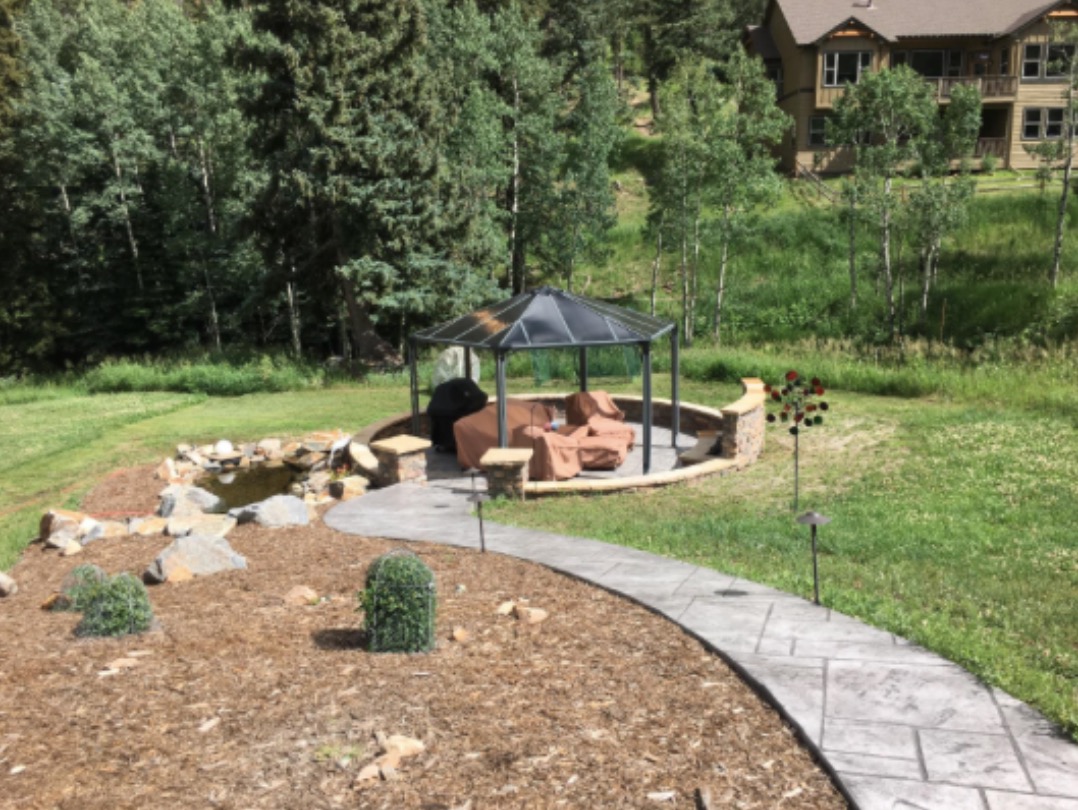
A secondary but well-documented use case involves light workshop and covered storage functions. The rigid polycarbonate roof and open sides create a well-ventilated protected workspace — practical for woodworking, bicycle maintenance, or seasonal equipment staging. Our team observed several homeowners using the Palermo 3000 as a covered potting station, with diffused natural light cited as a specific advantage over solid-roof alternatives in that application.
Additional real-world uses our team observed or documented:
- Permanent outdoor bar setup — the footprint handles a full bar cart plus seating with comfortable circulation room
- Hot tub shelter — open sides allow steam to escape while the roof manages precipitation, a practical combination
- Garden staging area — protected space for transplants, seed trays, and equipment during active growing seasons
- Outdoor office or reading room — with a small table and weather-resistant chair, the diffused light creates a workable daytime environment
Installation and Upkeep: What Our Team Recommends
Assembly Strategy
Our team's assembly experience produced a practical sequence that eliminates the most common sources of backtracking and rework:
- Stage and sort all hardware first. Label separate containers for each fastener type before opening any frame packaging. This step recovers 30–45 minutes over the course of assembly.
- Build the base frame flat on the ground. Assemble all four bottom rails and corner posts horizontally before standing the structure. This produces a rigid, pre-aligned base that is far easier to plumb and level.
- Finger-tighten all connections initially. Run every bolt to finger-tight across the entire frame before torquing any connection to final specification. Premature tightening locks in misalignment that is difficult to correct later.
- Install polycarbonate panels last. Roof panels go on only after all structural connections are finalized and the frame is confirmed plumb and square in both directions.
- Anchor immediately after assembly. Never leave the structure unanchored overnight — an unanchored 200-lb frame becomes a wind hazard at speeds above 20 mph.
Ongoing Maintenance
Post-installation, the Palermo 3000 demands low but specific maintenance to preserve both warranty validity and long-term performance:
- Polycarbonate cleaning: Mild soap and water only. Abrasive cleaners and solvent-based products degrade the UV coating. Most people benefit from cleaning panels twice annually — spring and late fall.
- Annual bolt inspection: Thermal cycling loosens fasteners over time, particularly in climates with significant temperature swings. Our team recommends a full torque check each spring.
- Channel and gutter clearing: Structures near deciduous trees require channel clearing after leaf fall to prevent water backup and panel staining.
- Snow management: In regions with heavy snowfall, clearing roof panels when accumulation exceeds 4 inches keeps the structure within its published load limits.
Frequently Asked Questions
Is the Palram Palermo 3000 suitable for year-round use?
In mild to moderate climates, the structure performs reliably year-round. In regions with heavy snow loads exceeding 30 lbs per square foot, owners should verify local structural requirements and plan for active snow removal during heavy accumulation events to stay within the structure's rated capacity.
How long does assembly typically take?
Our team's assembly required approximately 5.5 hours with three people, including initial hardware sorting. Most owner reports align with a 4–6 hour window for a two-to-three person crew. Solo assembly is not recommended given the weight and span of certain frame components.
Does the Palermo 3000 require a building permit?
Permit requirements vary by municipality. Structures exceeding a certain square footage or those anchored to permanent foundations commonly trigger permit requirements. Our team strongly recommends checking with local building and zoning authorities before beginning any installation work.
Can individual polycarbonate panels be replaced if damaged?
Yes. Palram sells replacement panels through authorized dealers. The modular design means a single damaged panel does not require full-structure replacement — a meaningful advantage over integrated soft-canopy systems where localized damage forces complete canopy replacement.
What is the wind load rating of the Palermo 3000?
Palram does not publish a specific maximum wind speed rating for the Palermo 3000. The structure is engineered for typical residential weather conditions. Proper anchoring to a permanent surface per the installation manual is the most critical factor in maximizing wind resistance performance.
Does the polycarbonate roof provide UV protection for people underneath?
The twin-wall polycarbonate panels carry a UV-blocking coating on the outer surface, rated for multi-year performance. Most people sitting beneath the structure receive meaningful UV protection, though not to the same degree as an opaque metal or tile roof. Prolonged sun exposure still warrants sunscreen use.
How does the Palermo 3000 compare to soft-canopy gazebos at a similar price point?
The primary differentiators are durability and long-term cost. Polycarbonate roofing substantially outlasts fabric canopies — most soft canopies require replacement within two to three seasons. The Palermo 3000 carries a higher initial cost but a significantly lower total cost of ownership over a five-plus year period.
Can the Palermo 3000 be anchored into a wood deck surface?
Yes, with appropriate hardware selection and technique. Anchoring into deck boards alone is structurally insufficient — fasteners must reach deck joists or a solid blocking system below the deck surface. Our team recommends consulting a licensed contractor when deck structural capacity at anchor points is uncertain.
Final Thoughts
The Palram Palermo 3000 is a well-engineered mid-tier gazebo that delivers on its core promise of durable, weather-resistant outdoor coverage — provided most people approach the purchase with realistic expectations about assembly demands, the need for aftermarket side panels, and local permitting requirements. Our team's recommendation is concrete: review our full gazebo guide to compare the Palermo 3000 directly against competing structures, confirm regional permit and snow-load requirements, and plan the installation with at least two capable helpers before committing to the project.


About William Murphy
William Murphy has worked as a licensed general contractor in Fremont, California for over thirty years, specializing in outdoor structures, green building methods, and sustainable design. During that career he has written about architecture, construction practices, and environmental protection for regional publications and trade outlets, bringing technical depth to subjects that most home improvement writers approach only from a consumer perspective. At TheBackyardGnome, he covers outdoor product reviews, backyard construction guides, and sustainable landscaping and building practices.
You can Get FREE Gifts. Receive Free Backyard Items here. Disable Ad Blocker to get them all now!
Once done, hit anything below