What if your backyard could become the most popular spot on the block — without spending thousands on a pre-built playset? Learning how to make a DIY jungle gym is more achievable than most people think, and the payoff goes far beyond saving money. You build exactly what your kids need, sized for your yard, designed for how your family actually plays. If you're exploring backyard projects that deliver real, lasting value, this one belongs at the top of your list.
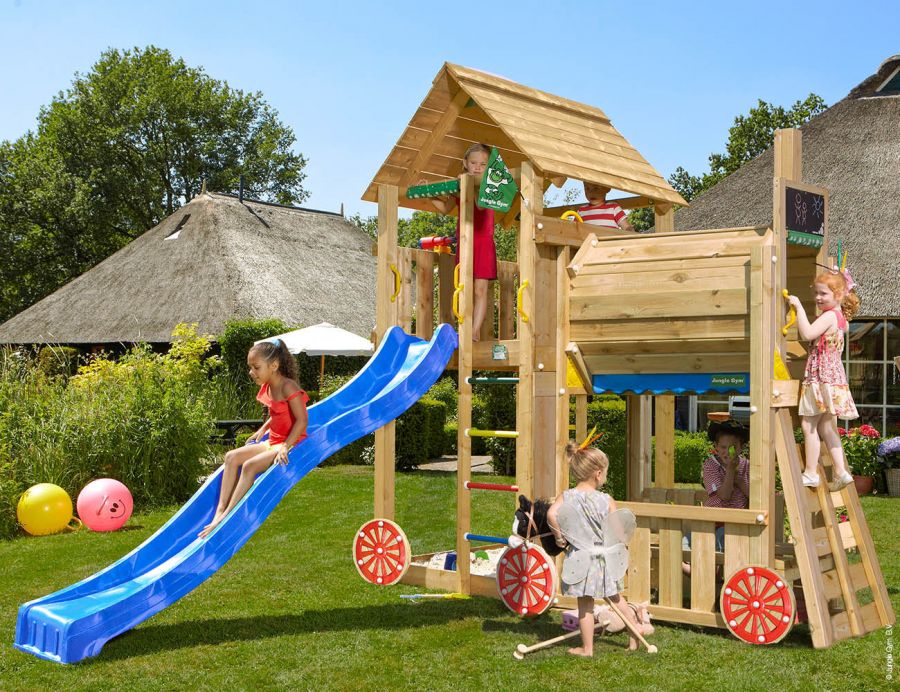
A homemade play structure gives you something a store-bought kit never can: complete control. You choose the dimensions, the features, and the materials. And because you build it yourself, you can add to it as your kids grow — a rock climbing wall one season, a rope bridge the next. The structure adapts to them, not the other way around.
Here's the honest truth about outdoor play: kids with engaging play structures spend less time staring at screens. A jungle gym that actually challenges them — one with monkey bars, a wobbling rope ladder, or a real slide — competes seriously with any device. That's the goal. This guide walks you through smart planning, the mistakes to avoid, how to keep it safe long-term, and which build complexity actually fits your skill level.

Contents
Planning Your DIY Jungle Gym for the Long Haul
Think beyond where your kids are right now. A toddler who loves a low platform and gentle slide will become a six-year-old craving monkey bars and a climbing wall. Design with growth in mind, and you avoid the costly mistake of rebuilding the entire structure a few years down the road. The best jungle gyms aren't built for children — they're built for the children those kids are about to become.
Start with your yard's actual dimensions. Safety guidelines recommend at least a 6-foot clear zone on every side of any climbing structure — that's the buffer where kids land, tumble, and race around. If your yard is tight, go vertical rather than horizontal. A tall single-tower design with a rock wall and slide uses a fraction of the footprint that a wide horizontal frame requires.
Choosing Your Location
Pick flat, well-drained ground away from fences, trees, and overhead lines. Partial shade is a real bonus — a metal bar in direct afternoon sun gets hot enough to burn small hands, so pay attention to how the shade moves across your yard throughout the day. Think about how the jungle gym fits with everything else you have or plan to add. A covered outdoor structure nearby makes a great shaded rest spot for watching parents; the Palram Palermo 3000 Gazebo is one solid option that pairs naturally with an active play area and holds up well in direct sun and rain.
Setting a Realistic Budget
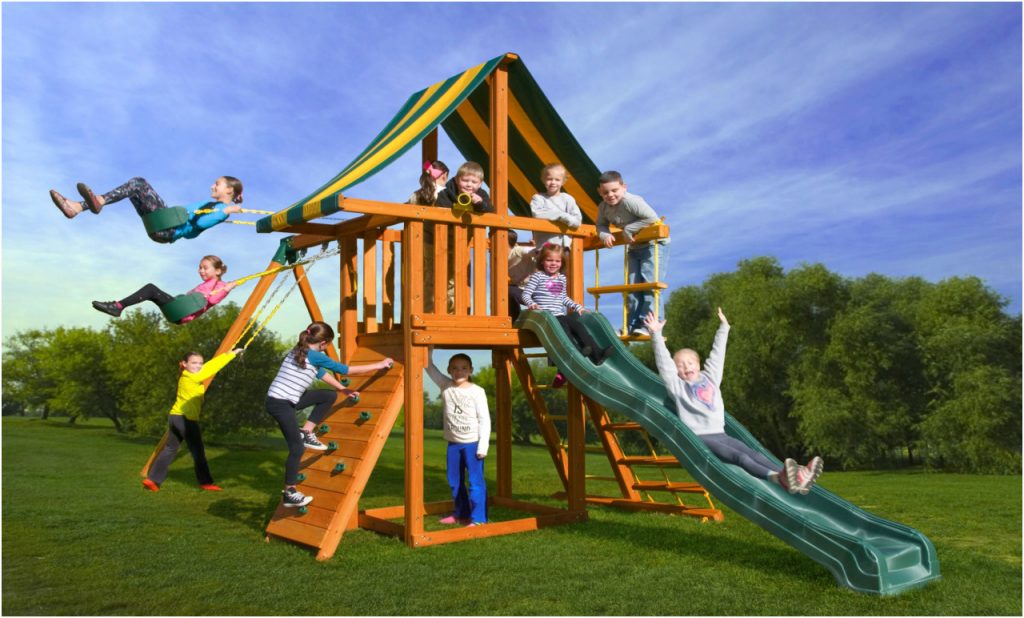
Material costs vary widely by complexity. A basic A-frame swing set runs $200–$400 in lumber and hardware. A single-tower platform with a slide and climbing rope lands at $400–$700. A full multi-tower playset — the kind that becomes the centerpiece of the yard — can push well past $1,500. Know your ceiling before you fall in love with a design that breaks it. Scope creep (when a project slowly grows larger and more expensive than planned) is the number-one reason DIY builds stall half-finished. Set the budget first, then find the best design that fits inside it.
Mistakes That Trip Up First-Time Builders
Even experienced DIYers make avoidable mistakes on their first jungle gym build. The most common one is skipping the concrete footings. Posts buried directly in soil rot faster and shift as the ground goes through freeze-thaw cycles. Set your main support posts in concrete — at least 18 inches deep in most climates — and the structure stays plumb (perfectly vertical) and firm for years.
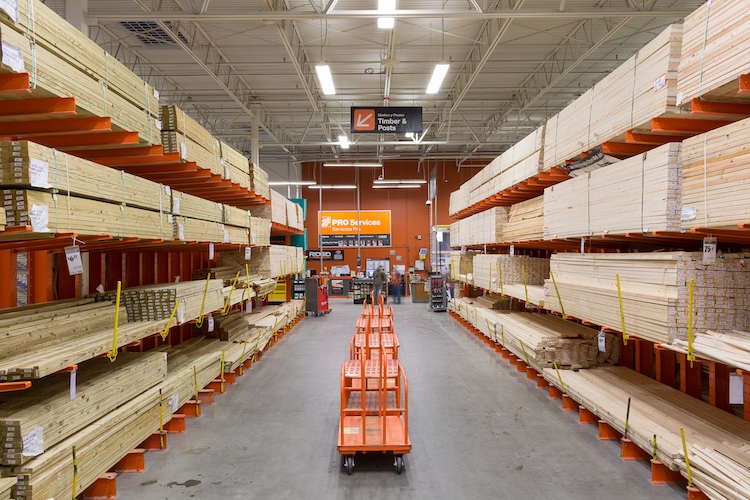
Lumber choice is the second major mistake. Not all wood from the home improvement store is the same. Use pressure-treated lumber (wood chemically treated to resist rot and insects) for any posts that contact soil or concrete. For upper rails, platforms, and any surfaces kids touch regularly, untreated cedar or redwood is the smarter pick — both species resist weather naturally without chemical exposure on small hands. Using standard construction lumber for ground-contact posts is the fastest way to watch a solid build deteriorate ahead of schedule.
Hardware That Fails Early
Cheap fasteners rust, loosen, and eventually fail. Use hot-dipped galvanized or stainless steel bolts, screws, and connectors throughout — no exceptions. Zinc-coated or "bright" hardware looks identical in the store but starts rusting within a season or two of rain and humidity. The price difference between cheap and quality hardware on a typical build is less than $30. The safety difference is not comparable.
Ignoring Weight Limits
Build every attachment point and platform to support at least 250 pounds. Kids invite friends. Parents climb up to inspect things. Grandparents test the swings. A structure engineered only for children's weight fails the moment adults get involved — and that's exactly when the most serious injuries happen. Overbuilding costs almost nothing extra at this scale. Underbuilding costs a trip to urgent care.
Keeping Your Jungle Gym Safe Season After Season
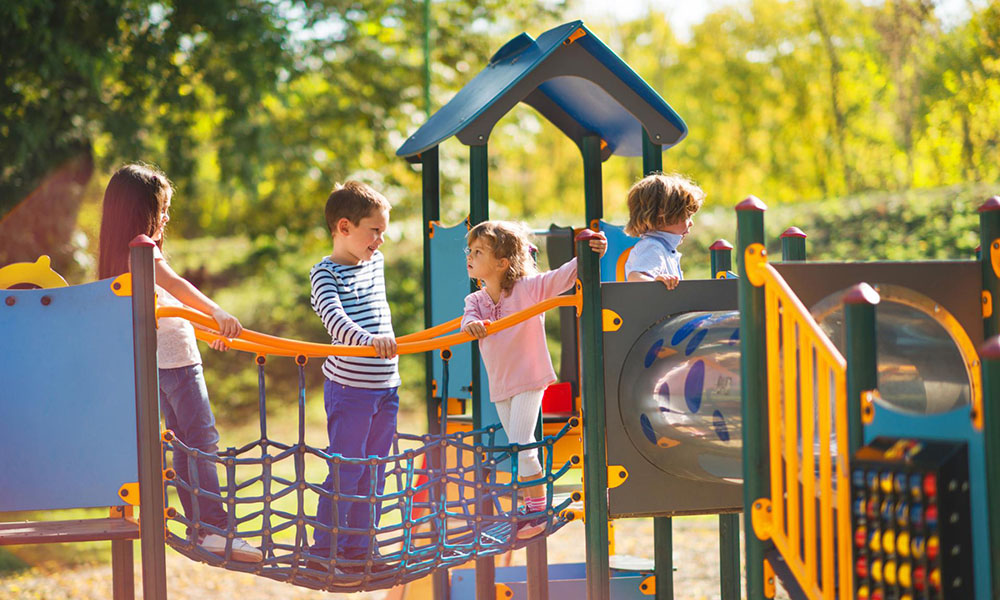
A well-built jungle gym doesn't maintain itself. Walk the structure every few months, grab each post, shake it, and check for any movement. A loose bolt caught early is a 30-second fix. Left alone, that same movement damages the surrounding wood, turning a simple tightening job into a full post replacement — a project that takes a full day and costs real money.
Sand all wooden surfaces once a year and reapply an outdoor sealant or stain. This step prevents splintering, which is the leading cause of minor injuries on wood play equipment. Focus extra attention on ladder rungs and handrails, where hands grip hardest and most often. A quick once-over with 80-grit sandpaper followed by a coat of exterior sealant takes about two hours and adds years to the structure's life.
Check all swing chains and rope components at the start of each season. Metal fatigue shows up as stretched or deformed links well before a chain actually breaks — replace any suspect hardware before anyone uses the structure.
Ground Cover Matters
The surface beneath your jungle gym is part of the safety system, not an afterthought. Grass compacts quickly under heavy foot traffic and provides almost no impact protection for falls. Use wood chips, rubber mulch, or sand laid at least 6 inches deep across the entire play zone. For the surrounding patio or seating area, the material choices open up considerably. Both flagstone patio designs and slate patio layouts look fantastic adjacent to a play structure and hold up well under the same heavy outdoor use. If you're weighing natural stone options, our guide on what bluestone is covers one of the most popular and durable patio stones in detail.

Seasonal Winterizing
If you get hard winters, pull in rope swings and any fabric or webbing accessories before the cold sets in and store them inside. After the first freeze-thaw cycle of spring, walk the whole structure again. Ground movement shifts posts subtly, and loose hardware that takes 60 seconds to tighten now becomes a real problem if you wait until something fails mid-play. Make the spring check a habit and your structure stays solid for the long run.
How to Make a DIY Jungle Gym: Simple Builds vs. Full Playsets
Matching your build's complexity to your actual skill level is the single best decision you can make before picking up a tool. Overshoot too far and you end up with a half-finished frame sitting in the yard for months. Start right-sized and you finish with something you're genuinely proud of — something your kids actually use every day.
Starting Small: The Weekend Build
For beginners, an A-frame swing set is the ideal entry point. Two angled posts, a crossbeam, and a pair of swings. You can build a solid version in a single weekend with a drill, a circular saw, a level, and a post hole digger. Materials run under $250 for most configurations. Once the frame is standing, add a slide platform or rope ladder the following month — no need to tackle everything at once. If you're planning a backyard gathering to celebrate the finished build, learning how to make DIY glitter-dipped balloons is a fun and easy party touch that kids love just as much as the climbing structure.
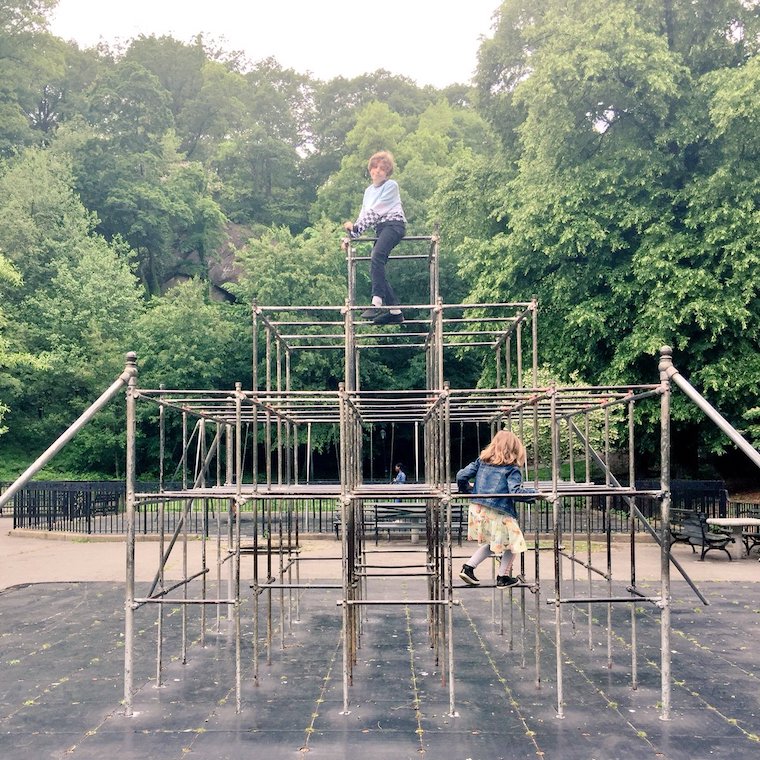
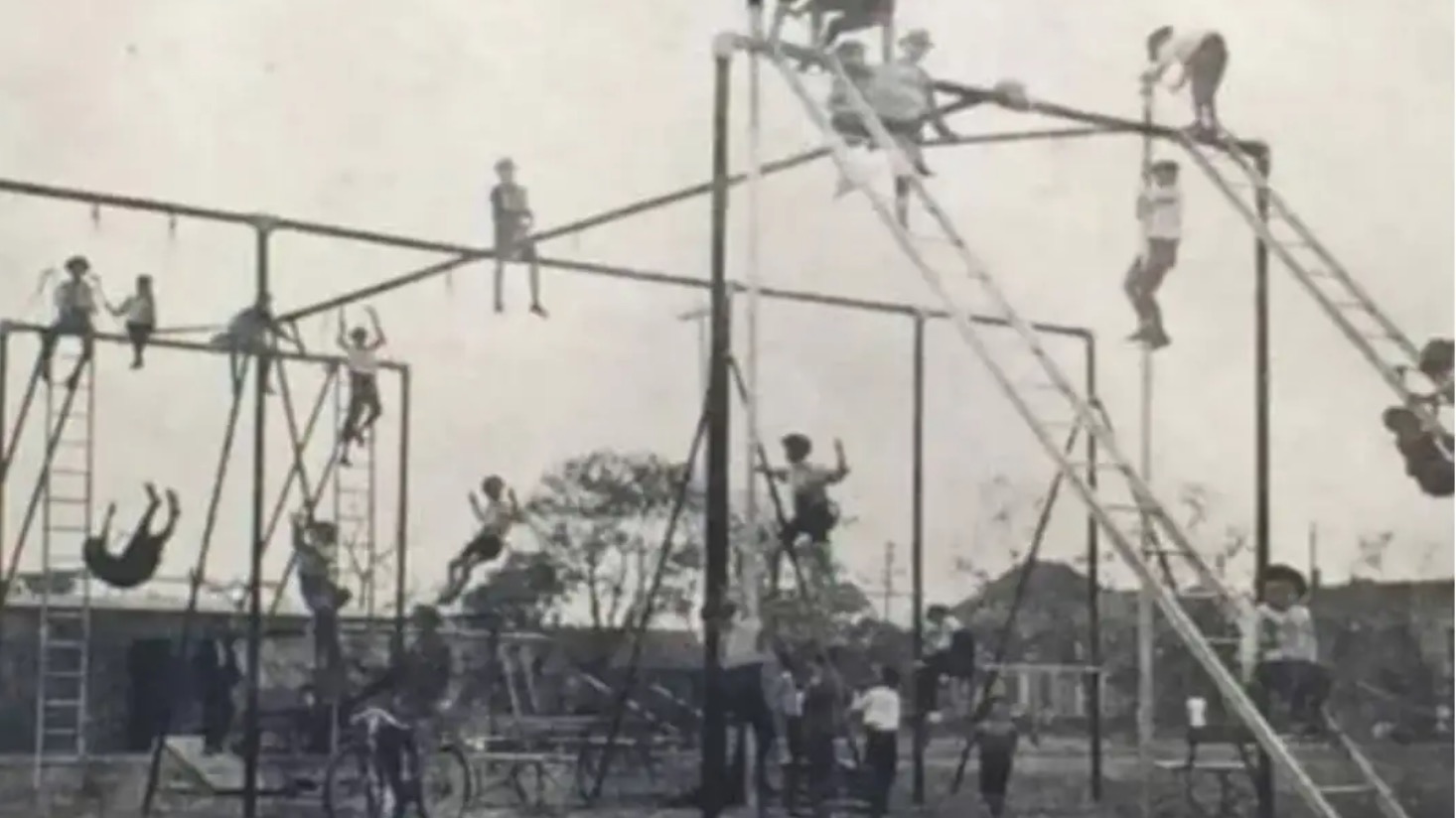
For some context on how the jungle gym evolved from bare metal frames into the elaborate playsets we know today, Wikipedia's history of the jungle gym is worth a few minutes of your time. The original concept was remarkably simple — and the best DIY builds still are.
Going Big: Multi-Tower Designs
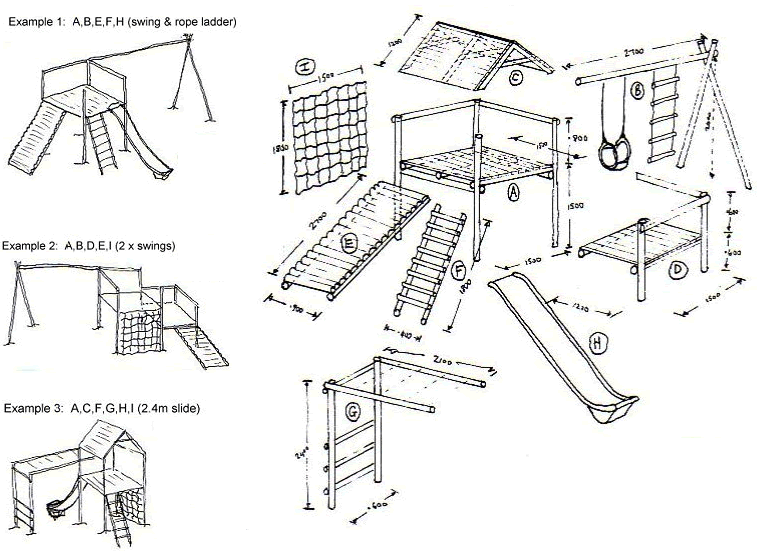
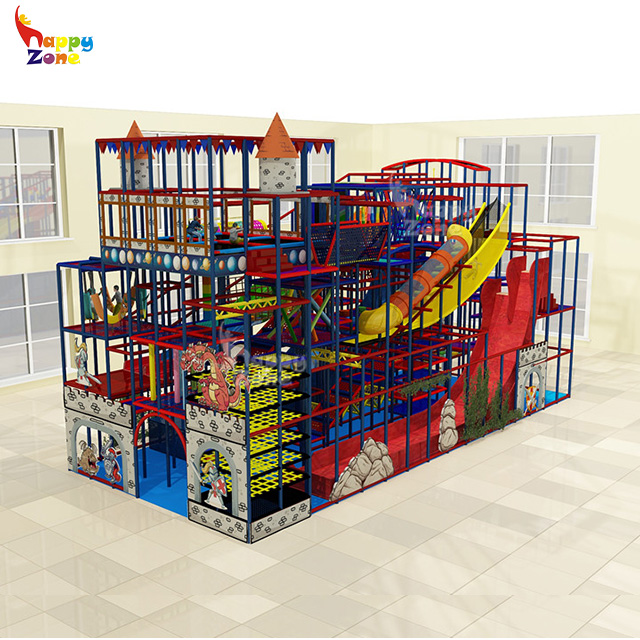
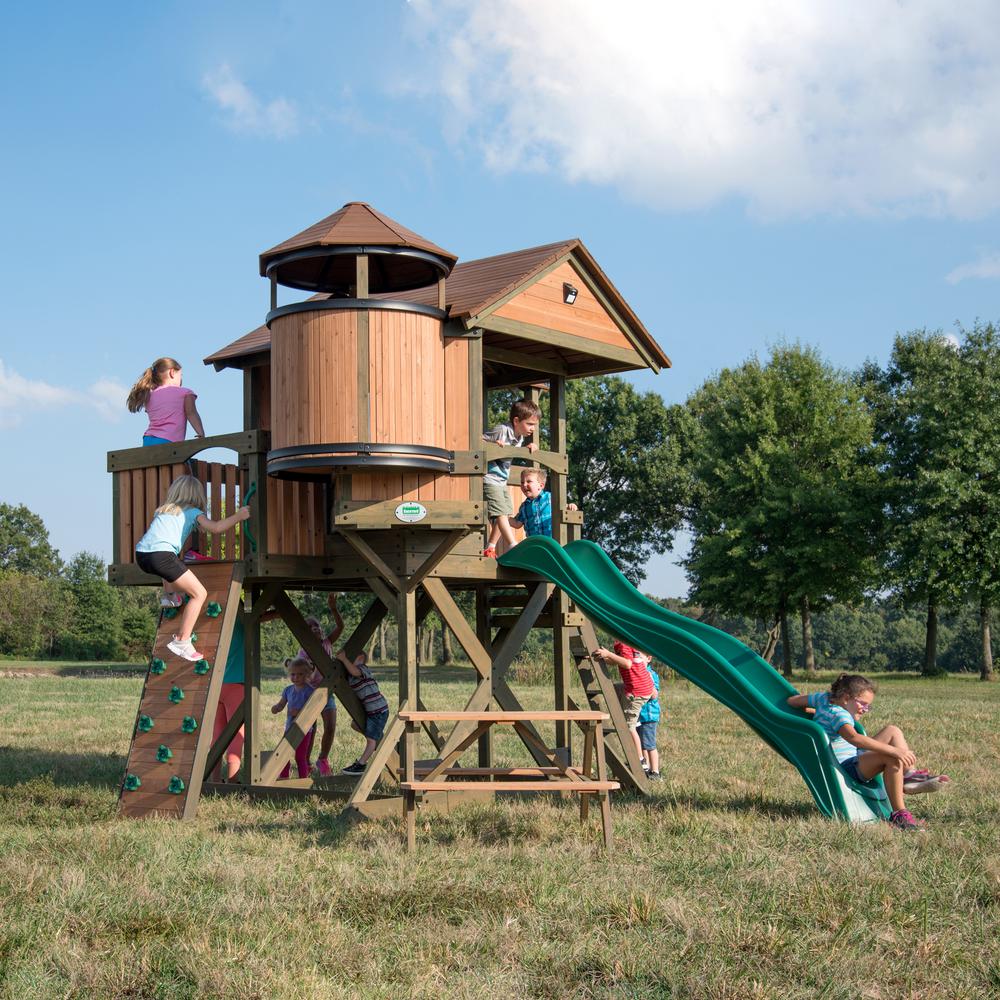
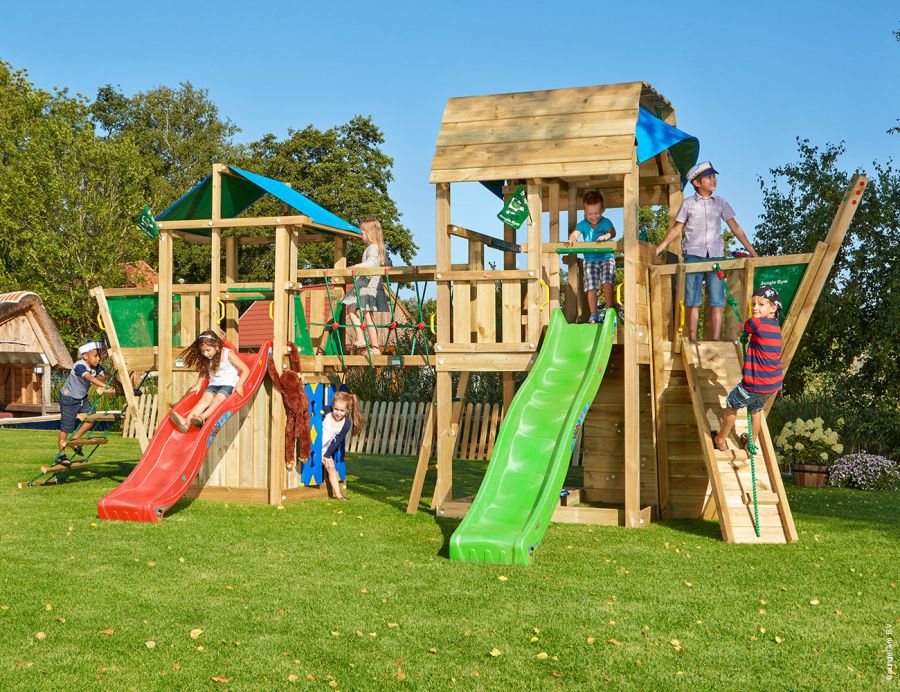
Advanced builders — those comfortable with post-setting, structural framing, and more complex joinery (the way structural pieces connect and lock together) — can take on multi-tower designs with suspension bridges, rock climbing walls, covered fort areas, and integrated sandboxes. These projects take several weekends but create a backyard destination that kids return to for years. If you're investing this much in the outdoor space, it's worth thinking about what surrounds it too. A comfortable outdoor wicker seating area for adults and a backyard water relaxation feature nearby turn the whole yard into something every member of the family wants to spend time in.
Wood vs. Metal vs. PVC: Which Material Wins?
Choosing your material is one of the most consequential decisions in the entire project. Every option has genuine trade-offs, and the right answer depends on your budget, your skill level, and how long you need the structure to hold up. Here's the honest side-by-side breakdown:
| Material | Relative Cost | Expected Lifespan | DIY Difficulty | Best For |
|---|---|---|---|---|
| Pressure-treated lumber + cedar | $$$ | 15+ years with regular maintenance | Moderate | Most backyards, all age groups |
| Galvanized steel | $$$$ | 20+ years | High — requires welding or specialty connectors | Commercial-style builds |
| Cedar only (no PT) | $$$ | 10–15 years | Moderate | Families prioritizing chemical-free surfaces |
| PVC pipe | $ | 5–8 years | Easy | Toddler-only, very small spaces |
Our Pick for Most Backyards
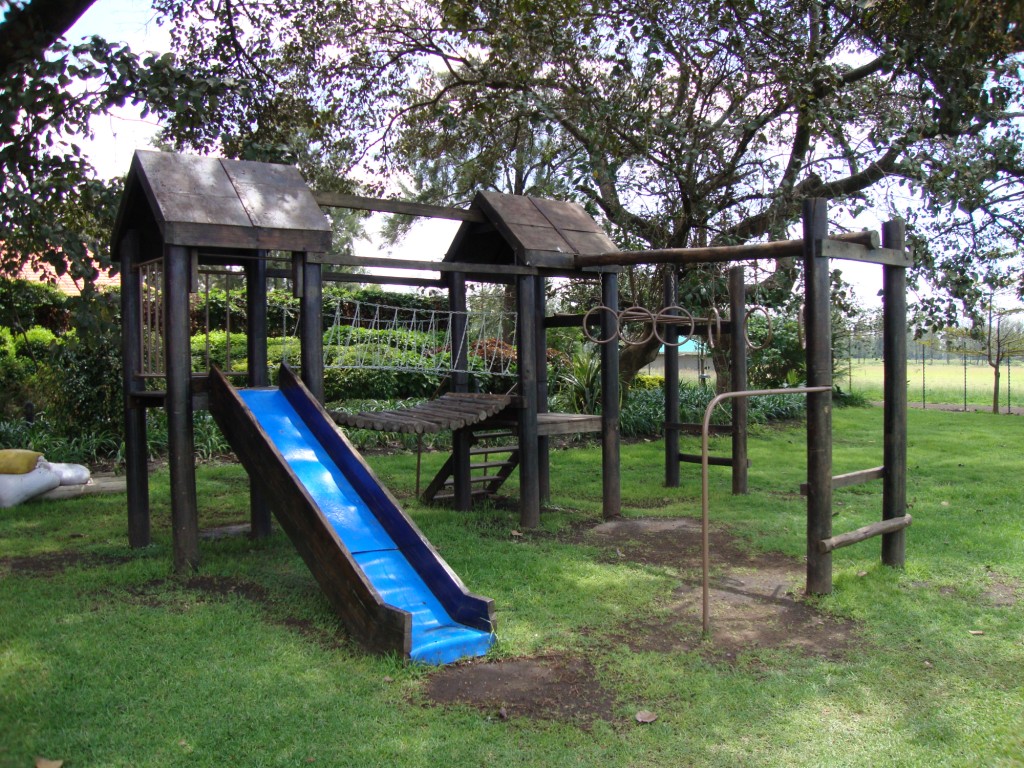
Pressure-treated lumber for the structural frame paired with cedar for all upper surfaces is the winning combination for the vast majority of DIY jungle gym builds. It's durable, looks great, holds up through years of hard use, and works with tools any competent DIYer already owns. Galvanized steel is excellent for commercial-grade equipment but demands either real welding skills or expensive proprietary connector systems most homeowners don't have access to. PVC handles a toddler swing set just fine — but it's nowhere near strong enough for anything a school-age kid will actually push on.
Finishing Touches That Make a Difference
Once the main structure is standing, small additions transform it from a basic frame into something kids compete to use. A rope ladder instead of fixed wood rungs adds wobble and unpredictability that keeps older kids engaged far longer. A pre-made climbing wall panel — available from outdoor retailers — bolts directly to any flat vertical surface in under an hour. A sandbox tucked under the main platform doubles the usable play zone without claiming a single extra square foot of yard. These additions cost little but pay off every time the kids head outside instead of reaching for a screen.

Frequently Asked Questions
What is the best wood for a DIY jungle gym?
Pressure-treated lumber is the right choice for any posts or structural elements that contact soil or concrete. For upper surfaces, platforms, handrails, and ladder rungs — anywhere small hands grip — untreated cedar or redwood is better. Both species resist moisture and decay naturally without the chemical exposure of treated lumber, making them the safer choice for surfaces kids touch every day.
How deep should jungle gym posts be set in concrete?
Set posts at least 18 inches deep in most climates. In regions with significant freeze-thaw cycles, going to 24 inches provides extra protection against seasonal ground movement. Always allow concrete to cure fully — at least 24 to 48 hours — before loading any weight on the structure.
How long does it take to build a DIY jungle gym?
A basic A-frame swing set takes one weekend for most builders. A single-tower platform with a slide and climbing rope typically takes two full weekends. A multi-tower playset with several features requires three to five weekends depending on the complexity of the design and how much help you have. Planning and materials sourcing add time before you break ground, so build that into your timeline.
What tools do I need to build a basic jungle gym?
You need a drill and driver, a circular saw or handsaw, a level, a post hole digger, a tape measure, a rubber mallet, and a socket wrench set for tightening hardware. More advanced builds with angled cuts or notched joints may also require a jigsaw and a speed square. Having the right tools before you start prevents the mid-build hardware store run that kills your momentum.
How do I make a DIY jungle gym safe for young children?
Keep platforms under 4 feet high for children younger than five. Use soft ground cover — wood chips, rubber mulch, or sand — at least 6 inches deep beneath the entire structure. Sand all wooden surfaces smooth before and after assembly, and eliminate any gaps between 3.5 and 9 inches wide where small heads can get trapped. Inspect all hardware every few months and replace anything showing rust, deformation, or looseness before the next play session.
Build it right once, maintain it faithfully, and the jungle gym you make in your backyard becomes the memory your kids carry for the rest of their lives.


About Simmy Parker
Simmy Parker holds a Bachelor of Science in Civil Engineering from Sacramento State University and has applied that technical background to outdoor structure design, landscape planning, and backyard improvement projects for over a decade. Her love for the outdoors extends beyond design — she regularly leads nature hikes and has developed working knowledge of native plants, soil conditions, and sustainable landscaping practices across Northern California. At TheBackyardGnome, she covers backyard design guides, landscaping ideas, and eco-friendly outdoor living resources.
You can Get FREE Gifts. Receive Free Backyard Items here. Disable Ad Blocker to get them all now!
Once done, hit anything below