Best Sander for Furniture Refinishing: Reviews, Buying Guide and FAQs 2026
by Simmy Parker
Which sander should you actually buy for furniture refinishing in 2026 — and will it give you that glass-smooth finish without burning through your weekend? The Festool ROTEX RO 150 is our top pick, but it comes with a premium price tag. If you're on a tighter budget, don't worry — we've tested options at every price point and found strong performers across the board.
Furniture refinishing demands a sander that can strip old finish quickly, then transition to fine finishing without leaving swirl marks. Sanding is fundamentally about controlled abrasion — remove too little and the new finish won't stick; remove too much and you ruin the wood. The right random orbital sander (a tool whose pad moves in tiny ellipses to prevent scratches) makes that balance much easier to hit. Whether you're working on a dining table, a vintage dresser, or kitchen cabinets, the wrong tool adds hours of frustration and mediocre results.

We've put together this complete guide covering seven top-performing sanders for furniture refinishing, plus a detailed buying guide and FAQ section so you can make a confident, informed decision. Browse our full tool and equipment reviews for more in-depth comparisons across every product category, or read on to find your perfect sander match below.
Contents
Our Top Picks for 2026
- #PreviewProductRating
- Bestseller No. 1
 Rating:

- Bestseller No. 2
 Rating:
 - Bestseller No. 3
 Rating:
 - Bestseller No. 4
 Rating:
 - Bestseller No. 5
 Rating:
 - Bestseller No. 6
 Rating:
 - Bestseller No. 7
 Rating:

Our Hands-On Reviews

1. Festool 576028 ROTEX RO 150 FEQ-Plus — Best Overall
The Festool ROTEX RO 150 is in a class of its own. This isn't just a random orbital sander — it's a multi-mode machine that switches between aggressive rotary action for heavy stock removal and fine eccentric (random orbital) motion for finishing work. That dual functionality makes it uniquely suited to furniture refinishing, where you often need to strip old varnish fast and then blend everything to a flawless surface.
The FastFix sanding pad system lets you swap pads tool-free in seconds. The Festool Protector accessory keeps the pad parallel to the surface right to the edge of a board — a game-changer when you're working on tabletops or chair seats. Build quality is exceptional throughout, and the dust extraction is class-leading when connected to a Festool extractor. For the most demanding furniture refinishing work in 2026, nothing else on this list touches it.
The main drawback is cost. This sander is a serious investment, best justified if you refinish furniture regularly or professionally. But if you want the absolute best results and the most versatile tool available, the ROTEX RO 150 delivers on every front.
Pros:
- Dual-mode operation: rotary for aggressive removal, eccentric for fine finishing
- FastFix tool-free pad swap — fast and effortless
- Sands right to board edges with the Festool Protector
- Scratch-free surface quality in eccentric mode
- Exceptional build quality and longevity
Cons:
- Premium price — the most expensive option on this list
- Heavier than most random orbital sanders
- Best results require pairing with Festool's dust extraction system
2. Mirka DEROS 650X CV — Best Professional Grade
The Mirka DEROS 650X is what professional finishers and body shop technicians reach for day in, day out. At just 2.4 lbs, this 6-inch random orbital sander is remarkably light for a professional-grade tool. The brushless electric motor is powerful, quiet, and built to last far longer than conventional brushed motors. You won't get fatigued sanding a full set of dining chairs or a large chest of drawers with this in your hand.
The Bluetooth connectivity sets the DEROS apart from every other sander on this list — connect it to the MyMirka app on your phone to monitor performance data, adjust settings, and track usage. The 5mm orbit strikes a near-perfect balance between material removal and fine finishing. Aggressive enough to cut through multiple coats of old lacquer, gentle enough to leave a surface ready for staining without extra passes. The flat, low-profile design at just 3.9 inches tall gives you excellent visibility and control.
Variable speed is smooth and precise across the full range. At this price point, you're getting a tool that competes directly with Festool. If you refinish furniture professionally or frequently, the DEROS 650X is worth every cent.
Pros:
- Brushless motor — longer life, higher efficiency, less heat
- Ultra-lightweight at 2.4 lbs — dramatically reduces fatigue
- Bluetooth + MyMirka app connectivity
- 5mm orbit balances aggressive cutting and fine finishing
- Low-profile design improves visibility and control
- Variable speed for different materials and finishes
Cons:
- Premium price point
- App connectivity is a nice bonus, not essential for occasional users

3. DEWALT DWE6423K 5-Inch Variable Speed — Best Mid-Range
DEWALT's DWE6423K hits the mid-range sweet spot perfectly. The 3.0-amp motor pumps out 8,000–12,000 OPM (orbits per minute), giving you enough power to cut through multiple coats of old paint or varnish on a dresser or tabletop. The variable speed range means you can dial down for fine finishing on delicate pieces or open it up for aggressive material removal on tough old lacquers.
The shorter profile is a smart design decision — it lets you get your hand lower and closer to the workpiece, improving control and feel. The separate counterweight design actively reduces vibration, so even after an hour of continuous sanding your hand won't be numb. The kit ships with a dust bag and carrying bag, making it a complete package out of the box. For most homeowners refinishing furniture on weekends, the DWE6423K is the best overall value on this list.
Pair it with quality sandpaper — start at 80 grit, finish at 220 — and you'll get results that rival tools costing twice as much. You don't need to spend Festool money to get excellent furniture refinishing results in 2026.
Pros:
- 3.0-amp motor handles tough old finishes without bogging down
- Variable speed 8,000–12,000 OPM for different tasks
- Short profile for better hand control and closer access
- Counterweight reduces vibration significantly
- Comes complete with dust bag and carrying case
- Strong DEWALT warranty and wide accessory availability
Cons:
- 5-inch pad covers less area per pass than the 6-inch options above
- Dust collection is adequate but not exceptional
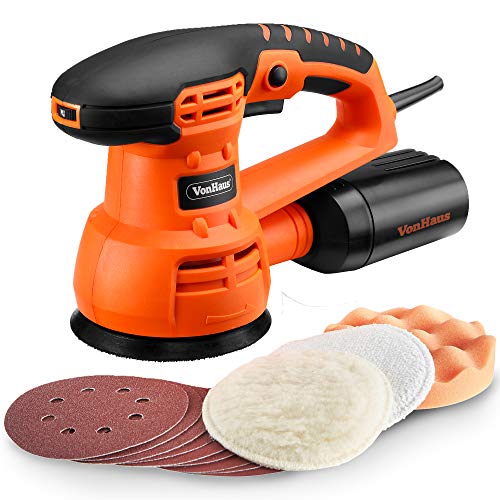
Have owned 6 palm sanders from the 80s thru 2012, used to do all prep & paint myself for a living. this machine blows them all away.
4. Makita BO5041 5" Random Orbit Sander — Best for DIYers
Makita has built a stellar reputation for well-balanced, long-lasting tools, and the BO5041 is a prime example. The 3.0-amp motor and wide variable speed dial (4,000–12,000 OPM) give you a genuinely wide range of control. The bottom end is gentle enough for fine finishing on soft wood; the top end cuts through old paint fast. That range makes this sander useful well beyond just furniture — it transitions naturally into trim work, cabinet prep, and other woodworking projects around the home.
The rubberized palm grip and side handle deliver excellent two-hand control, which matters when you're working on curved chair backs or shaped drawer fronts. Makita's pad control mechanism keeps the pad from spinning during start-up, preventing those annoying swirl marks that happen the moment a sander touches wood at full speed. If you're also working on laminate furniture surfaces and need cutting guidance, our article on how to cut Formica sheets and countertops covers exactly which tools you'll need alongside your sander.
Overall balance is slightly better than DEWALT in extended use — it feels more natural and intuitive after a long session. The Makita BO5041 is the best choice for DIYers who want professional results and years of reliable service.
Pros:
- Wide variable speed range (4,000–12,000 OPM) — extremely versatile
- Rubberized palm grip and handle for comfort and control
- Pad brake prevents start-up swirl marks on delicate surfaces
- Exceptional long-term reliability — built to last
- Well-balanced design for extended sanding sessions
Cons:
- Slightly less aggressive cut than DEWALT at comparable speed settings
- Dust bag has limited capacity — needs emptying frequently on big jobs
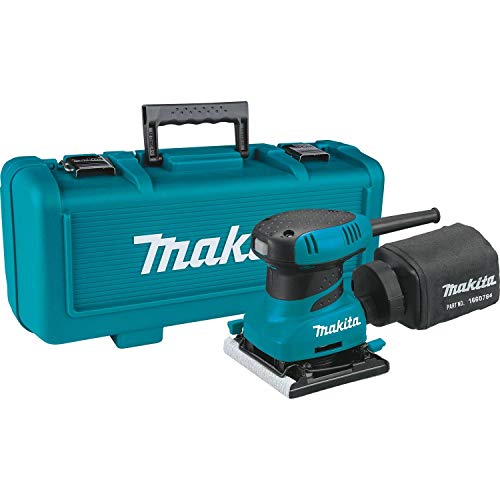
5. BLACK+DECKER BDERO100 5-Inch — Best Budget Pick
Not everyone needs a professional-grade sander, and BLACK+DECKER built the BDERO100 with exactly that buyer in mind. This is the right tool for occasional use — a once-a-year furniture refresh, a quick prep job before repainting a chair set, or getting comfortable with power sanding for the first time. At this price, it's the easiest recommendation on this list for anyone watching their budget.
The 2.0-amp motor delivers a fixed 12,000 OPM. There's no variable speed here, but 12,000 is a solid all-purpose working speed for general furniture sanding. The compact, lightweight body fits easily into tight spots like the inside corners of a cabinet or between chair spindles — noticeably more maneuverable than heavier pro tools on intricate pieces. Dust collection is surprisingly effective for a budget tool. The included dust bag captures a solid percentage of particles, keeping your workspace cleaner than you'd expect at this price point.
This sander won't log as many hours as a Makita or DEWALT, and the fixed speed limits flexibility on delicate finishing work. But for the price, it delivers genuine, usable performance. Start here if you're new to power sanding.
Pros:
- Lowest price on this list — best entry-level value
- Lightweight and compact — easy to maneuver on intricate furniture
- 12,000 OPM is a solid all-purpose working speed
- Effective dust collection for a budget sander
- Great starting point for beginner refinishers
Cons:
- No variable speed — limited flexibility across tasks
- 2.0-amp motor struggles with heavy paint stripping
- Not designed for heavy or frequent professional use
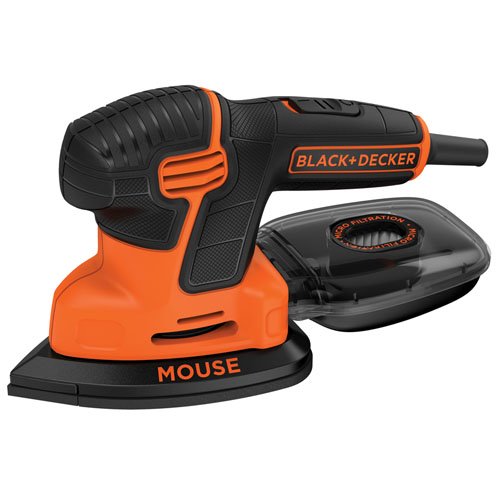
6. Festool 576326 ETS EC150/3 EQ-Plus — Best Finishing Sander
Where the ROTEX RO 150 is Festool's powerhouse multi-mode sander, the ETS EC150/3 is the precision finishing specialist. The 3mm sanding stroke is deliberately short — this creates an exceptionally fine surface with virtually no visible scratch pattern. If you're refinishing an antique or high-value piece where final surface quality is absolutely non-negotiable, this is the tool to reach for.
The EC (electronic control) technology maintains constant speed even when you press down hard — the motor compensates automatically so your surface quality stays uniform across a full tabletop. The sanding pad brake with a carbide tip stops the pad the instant you lift off the surface, extending pad life and preventing accidental marring on edges and corners. Stepless speed pre-selection lets you dial in your target RPM before the pad ever touches the wood — no surging, no surprises.
Pair this with Festool's Granat or Rubin abrasive line and you're running a finishing system that produces results you'd be proud of on show-quality furniture. The ETS EC150/3 is the best choice if finish quality is your top priority and you refinish furniture often enough to justify Festool's pricing structure.
Pros:
- 3mm orbit for ultra-fine, scratch-free surface quality
- EC technology maintains constant speed under varying load
- Stepless pre-selected speed control — precise and consistent
- Pad brake with carbide tip extends abrasive life
- Exceptional Festool build quality and longevity
Cons:
- Premium Festool pricing
- Not the right tool for aggressive stock removal — finishing only
- Best dust extraction performance requires Festool extractor
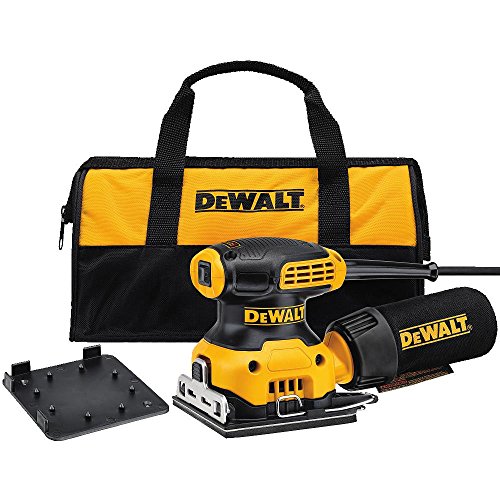
7. SKIL 7292-02 1/4 Sheet Palm Sander — Best Palm Sander
The SKIL 7292-02 takes a different approach from the rest of this list. It's a quarter-sheet palm sander rather than a random orbital, which means it uses standard sandpaper sheets cut to size rather than proprietary hook-and-loop discs. That saves money on consumables and means you can grab sandpaper at any hardware store, anywhere. For flat surface detail work, edges, trim, and smoothing between finish coats, a palm sander is often the better choice over a larger orbital.
The standout feature is SKIL's Pressure Control technology, which triggers a warning light when you press too hard. Over-pressing is one of the most common beginner mistakes — it slows material removal, causes heat buildup, and can scorch soft wood. The pressure indicator builds better habits and actively protects your furniture from damage. The micro-filtration dust system and clear-view canister take the guesswork out of knowing when to empty.
This is not a stripping tool. It's a refinement and detail sander — the right choice for smoothing between finish coats, prepping smaller pieces, and working on furniture that doesn't have heavy old finishes. Pair the SKIL 7292-02 alongside one of the orbital sanders above for a complete furniture refinishing toolkit that handles every stage of the job.
Pros:
- Pressure Control technology prevents over-pressing and wood damage
- Uses standard quarter-sheet sandpaper — cheap and universally available
- Micro-filtration captures fine dust particles effectively
- Clear-view dust canister — no guessing when to empty
- Compact palm design for detailed work and tight corners
Cons:
- Not suitable for heavy paint or finish stripping
- Covers less area per pass than 5 or 6 inch orbital options
- Vibration motion less aggressive — slow on large flat surfaces
How to Pick the Best Sander for Furniture Refinishing
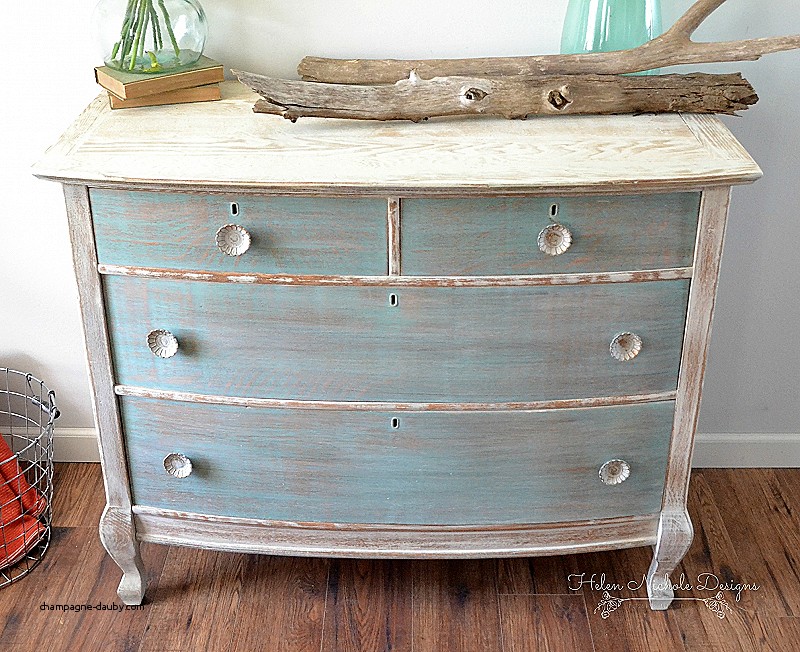
Before you spend money, take five minutes to understand what different sander types do and which features actually matter for furniture work. The wrong tool can damage a piece you spent weeks preparing. Here's what you need to know heading into 2026.
Types of Sanders — Which One Do You Need?
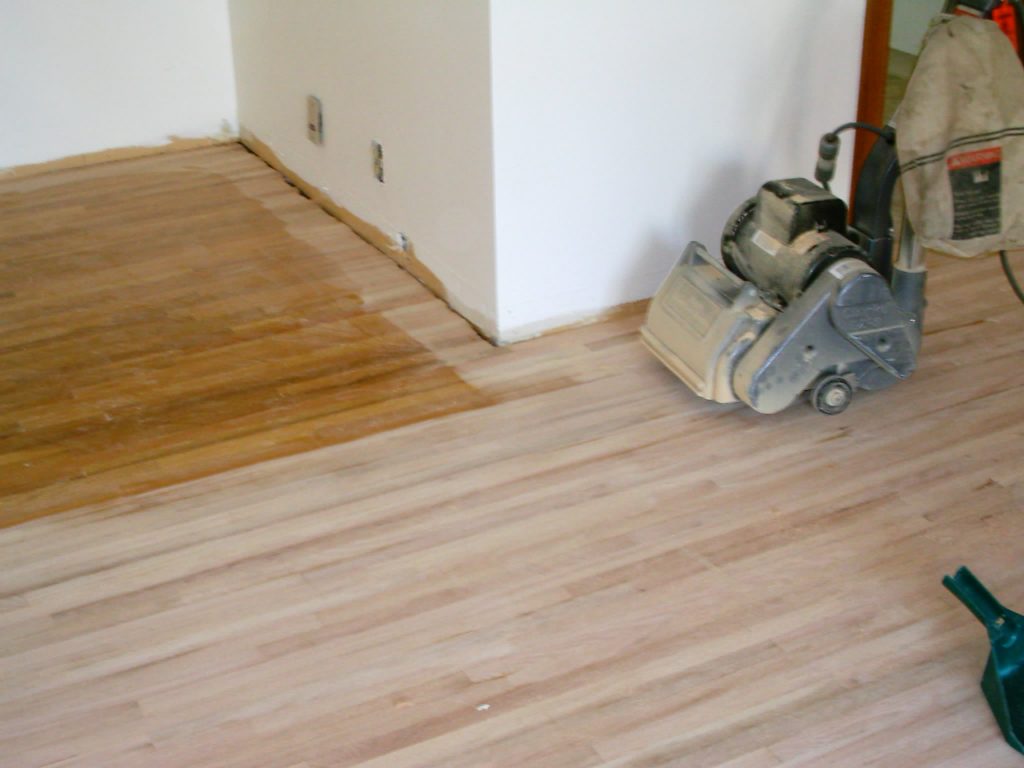
There are four main types of power sanders, and each has a specific role in furniture refinishing:
- Random Orbital Sanders — The most versatile type for furniture work. The pad moves in a random ellipse that prevents swirl marks. Available in 5-inch and 6-inch sizes. This should be your starting point for any furniture refinishing project.
- Palm Sanders (Finishing Sanders) — Smaller and lighter, uses standard rectangular sandpaper sheets. Less aggressive but excellent for fine finishing, detail work, and smaller pieces. Good secondary tool alongside an orbital.
- Belt Sanders — Very aggressive stock removal. Good for thick solid-wood flat surfaces but will quickly damage thinner pieces or veneered (thin wood surface layer) furniture. Generally overkill for most furniture refinishing.
- Detail Sanders — Triangular pad that reaches into corners and tight spaces. Use alongside a random orbital for carved legs, spindles, and tight inside corners on cabinet doors.
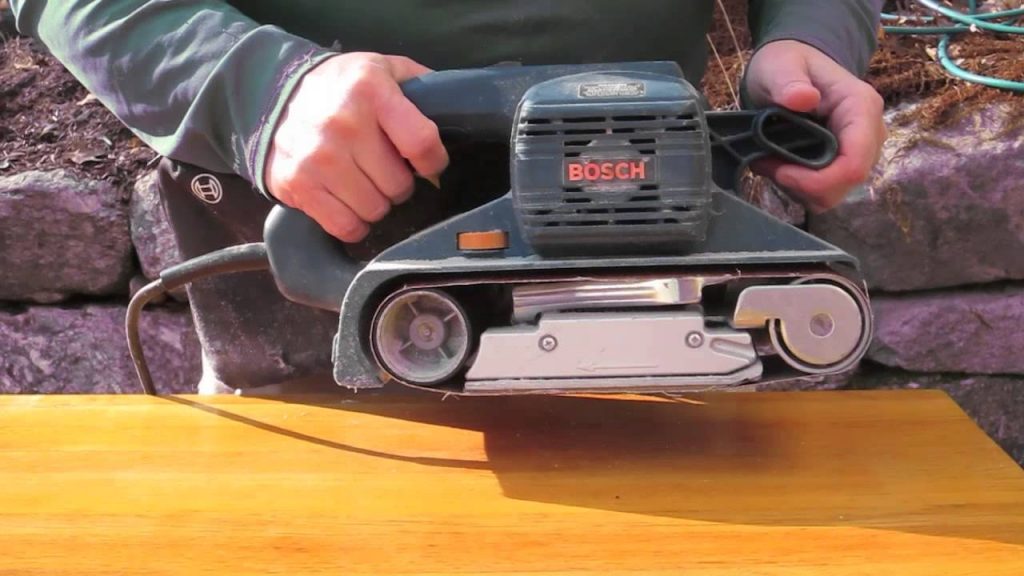
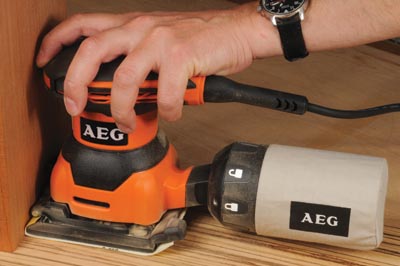
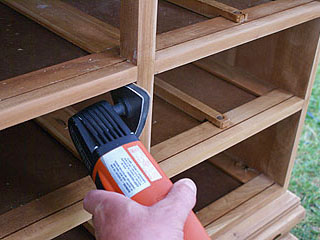
For typical furniture refinishing — stripping old varnish, smoothing between coats, preparing surfaces for stain — a 5 or 6 inch random orbital covers 95% of your needs. Add a palm or detail sander for corners and intricate work.
Key Features That Actually Matter
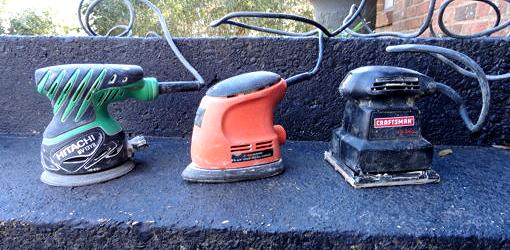
When comparing sanders, focus on these specs and features:
- Pad Size — 5-inch pads are the most common and versatile. 6-inch covers more area per pass, which is noticeably faster on large flat surfaces like tabletops and dresser tops.
- OPM (Orbits Per Minute) — Higher OPM removes material faster. Variable OPM lets you match speed to the task. Look for a range of 8,000–12,000 OPM minimum.
- Orbit Diameter — Measured in millimeters. A 3mm orbit produces a finer surface with less scratch. A 5–8mm orbit cuts more aggressively. For furniture refinishing, 3–5mm covers the full spectrum from stripping to finishing.
- Motor Power — 2.0-amp motors handle light finishing work. 3.0-amp handles heavy old finishes and larger surfaces without slowing down.
- Dust Collection — Essential for indoor furniture work. Wood dust from old finishes is a respiratory hazard. Look for a vacuum port, sealed dust bag, or both. Better dust collection also means better surface visibility while you work.
- Weight — Under 3 lbs is ideal for extended sessions. Heavy sanders cause hand and wrist fatigue on multi-piece projects like full dining chair sets.
- Variable Speed — This matters. Fixed-speed tools are limiting. Variable speed lets you dial down for delicate pieces and open up for heavy stripping.
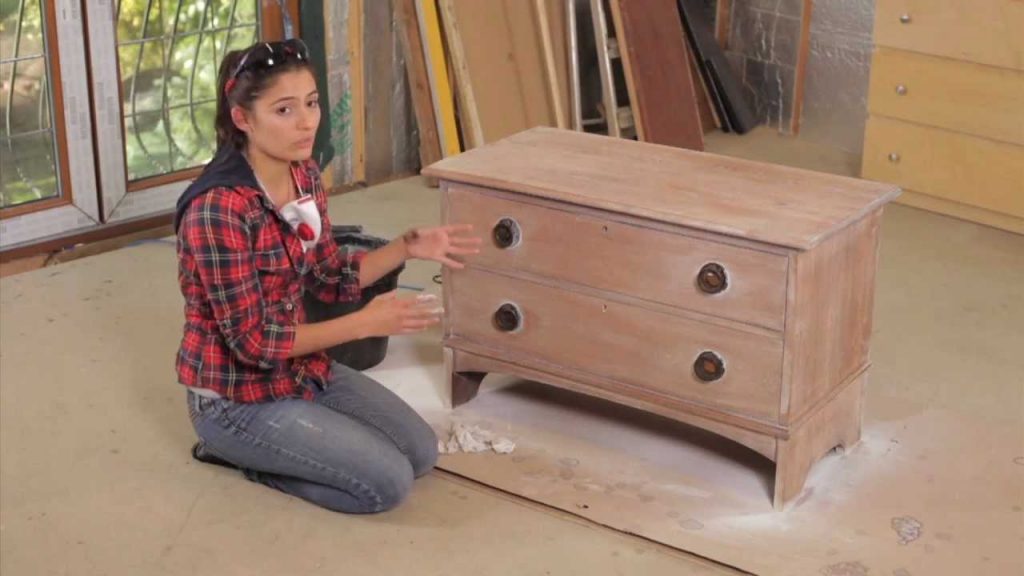
Sanding Tips for Better Results
Having the right sander is only half the battle. How you use it determines your results. These tips apply regardless of which model you choose:
- Keep the sander moving at all times. Pausing even briefly in one spot creates a visible depression or burn mark — especially on soft woods like pine or cherry.
- Let the sander do the work. Apply light, consistent downward pressure. Pressing hard actually slows the orbital motion, generates heat, and removes less material while leaving more scratch marks.
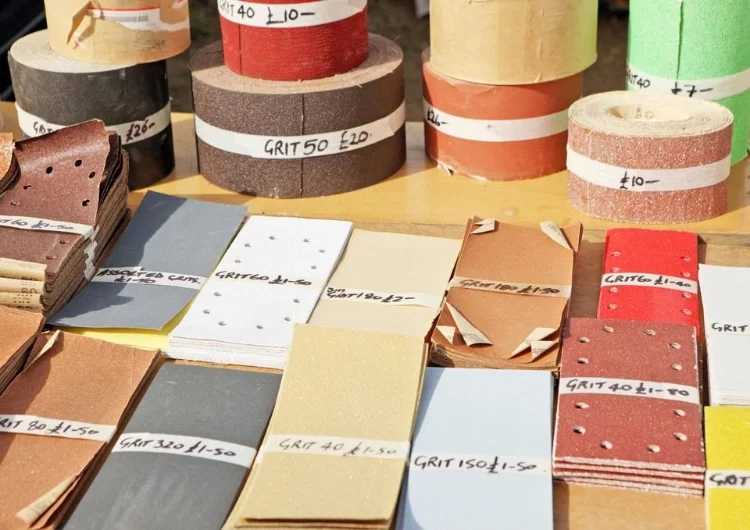
- Start with the right grit. Heavy old finishes: start at 60–80 grit. Between coats of finish: 150–220 grit. Always finish your final pass at 220 grit before applying stain or topcoat.
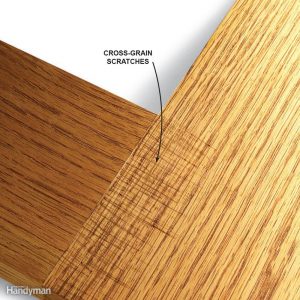
- Work through the grits properly. Don't jump from 80 grit to 220. Go 80 → 120 → 150 → 220. Skipping grits leaves deep scratches that show clearly through stain.
- Lift the sander before you stop it. Always remove the pad from the surface before switching off. Stopping on the wood leaves a circular mark.
- Vacuum between every grit change. Coarse grit particles contaminate your fine grit paper and cause scratches. Follow with a tack cloth wipe before progressing.
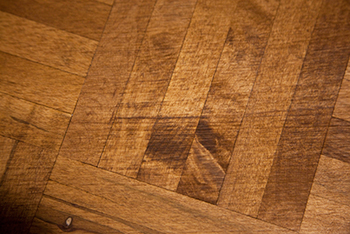
Matching Your Sander to Your Project
Different furniture projects call for different approaches. Here's a quick project-matching guide to save you time:
- Large flat tabletop with heavy old finish — Festool ROTEX in rotary mode first, then eccentric finish mode. Or DEWALT DWE6423K at high OPM. Start at 60–80 grit.
- Dining chair set with spindles and curves — BLACK+DECKER BDERO100 or SKIL 7292-02 on the flat sections. Sand curved spindles and legs by hand with a folded sandpaper strip.
- Antique or delicate piece — Festool ETS EC150/3 or Makita BO5041 at low speed. Start no coarser than 120 grit. Take your time.
- Kitchen cabinet doors (flat panel) — Mirka DEROS or DEWALT DWE6423K at medium speed. 80 grit to strip, 120 to refine, 150 to smooth, 220 to finish.
- Between-coat smoothing — Any orbital at lowest speed with 220 grit. The SKIL 7292-02 excels here. Light, even pressure only.
Once your furniture is refinished and ready to use, you may want to think about how it works in your outdoor space — our guide on patio furniture arrangement ideas covers layout principles that make the most of any refinished outdoor set.
What People Ask
What is the best type of sander for refinishing furniture?
A 5-inch or 6-inch random orbital sander is the best all-purpose choice for furniture refinishing. The random orbital motion prevents swirl marks and works for both aggressive stripping and fine finishing. For professional-quality results in 2026, the Festool ROTEX RO 150 and Mirka DEROS 650X are the top-performing options on this list. Add a palm or detail sander for corners and intricate sections.
What grit sandpaper should I use for refinishing furniture?
Start at 60–80 grit for heavy old paint or varnish removal. Move to 100–120 grit to remove scratches left by the coarser paper. Finish at 150–220 grit before applying stain or topcoat. Always vacuum between grits and wipe with a tack cloth to remove particles. Never skip more than one grit level — jumping from 80 to 220 leaves deep scratches that show clearly through any finish.
Can I use a belt sander on furniture?
You can, but it comes with real risk. Belt sanders are extremely aggressive and can quickly remove too much material — especially on soft wood or veneered (thin wood surface layer) furniture. If you use one at all, limit it to thick solid-wood flat surfaces like heavy dining tables and keep the sander moving constantly at all times. For the vast majority of furniture refinishing jobs, a random orbital sander is the safer, more controllable, and better choice.
What is the difference between a random orbital sander and a palm sander?
A random orbital sander uses a round disc that moves in a random elliptical pattern — this prevents swirl marks and makes it suitable for both aggressive material removal and fine finishing. A palm sander uses a rectangular pad that vibrates in small circular orbits and accepts standard-size sandpaper sheets. Palm sanders are lighter, less aggressive, and better suited to fine finishing and smaller detail work. For furniture refinishing, start with a random orbital as your primary tool.
Is a 5-inch or 6-inch random orbital sander better for furniture?
Both work well for furniture refinishing. A 6-inch sander covers more surface area per pass — noticeably faster on large tabletops and flat cabinet doors. A 5-inch sander is more maneuverable and easier to control on shaped furniture surfaces like chair seats, drawer fronts, and smaller cabinet pieces. If you primarily work on large flat surfaces, go 6-inch. For mixed furniture shapes and sizes, the 5-inch gives you more control in tight spots.
Do I need dust collection with my sander for indoor furniture work?
Yes — dust collection is essential for any indoor sanding. Wood dust and particles from old finishes are a respiratory hazard. All seven sanders on this list include some form of dust collection. For the cleanest results and healthiest workspace, connect any sander with a vacuum port to a shop vacuum or dedicated dust extractor. The Mirka DEROS and both Festool models offer the best dust extraction performance on this list. At minimum, always wear an N95 respirator mask when sanding indoors.
Buy on Walmart
- Festool 576028 6-Inch Random Orbital Multi-Mode Sander ROTEX — Walmart Link
- Mirka DEROS 650X CV Electric Random Orbital Sander with Case — Walmart Link
- DEWALT Orbital Sander Kit, 5-Inch, Variable Speed (DWE6423K) — Walmart Link
- Makita BO5041 5" Random Orbit Sander, Variable Speed — Walmart Link
- BLACK+DECKER Orbital Sander, 5 Inch, 2.0 Amp, 12000 OPM, Cor — Walmart Link
- Festool 576326 6-Inch Random Orbital Sander ETS EC150/3 EQ-P — Walmart Link
- SKIL 7292-02 2.0 Amp 1/4 Sheet Palm Sander with Pressure Con — Walmart Link
Buy on eBay
- Festool 576028 6-Inch Random Orbital Multi-Mode Sander ROTEX — eBay Link
- Mirka DEROS 650X CV Electric Random Orbital Sander with Case — eBay Link
- DEWALT Orbital Sander Kit, 5-Inch, Variable Speed (DWE6423K) — eBay Link
- Makita BO5041 5" Random Orbit Sander, Variable Speed — eBay Link
- BLACK+DECKER Orbital Sander, 5 Inch, 2.0 Amp, 12000 OPM, Cor — eBay Link
- Festool 576326 6-Inch Random Orbital Sander ETS EC150/3 EQ-P — eBay Link
- SKIL 7292-02 2.0 Amp 1/4 Sheet Palm Sander with Pressure Con — eBay Link
Key Takeaways
- The Festool ROTEX RO 150 is the best overall sander for furniture refinishing in 2026 — its dual-mode design handles both aggressive stripping and fine finishing in a single tool, with unmatched surface quality.
- The DEWALT DWE6423K delivers the best value for most homeowners — variable speed, low vibration, and a complete kit at a mid-range price that punches well above its weight.
- The BLACK+DECKER BDERO100 is the smartest budget starting point — affordable, lightweight, and genuinely capable for occasional furniture refinishing work.
- No single sander handles every furniture task — pair a 5 or 6 inch random orbital for flat surfaces with a palm or detail sander for corners, carved areas, and fine between-coat smoothing to get the best results from start to finish.


About Simmy Parker
Simmy Parker holds a Bachelor of Science in Civil Engineering from Sacramento State University and has applied that technical background to outdoor structure design, landscape planning, and backyard improvement projects for over a decade. Her love for the outdoors extends beyond design — she regularly leads nature hikes and has developed working knowledge of native plants, soil conditions, and sustainable landscaping practices across Northern California. At TheBackyardGnome, she covers backyard design guides, landscaping ideas, and eco-friendly outdoor living resources.
You can Get FREE Gifts. Receive Free Backyard Items here. Disable Ad Blocker to get them all now!
Once done, hit anything below