Heavy snowfall causes more than $1 billion in annual property damage across North America, according to NOAA. That figure alone explains why the 2 stage vs 3 stage snow blower debate deserves a careful, well-informed answer before any purchase decision. Our team has tested both machine types across multiple winter seasons, and the performance differences affect clearing speed, fuel use, and machine longevity in ways that matter on a real driveway. For anyone still weighing all available options, our snow blower guides cover the full product landscape in practical detail.
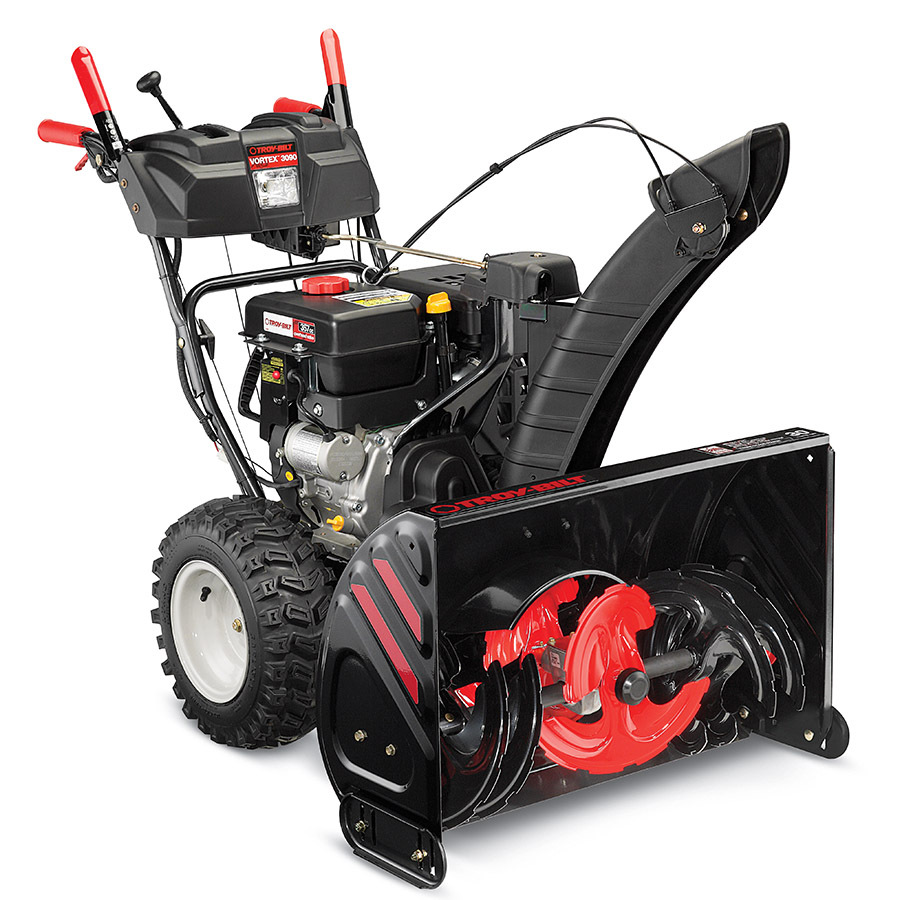
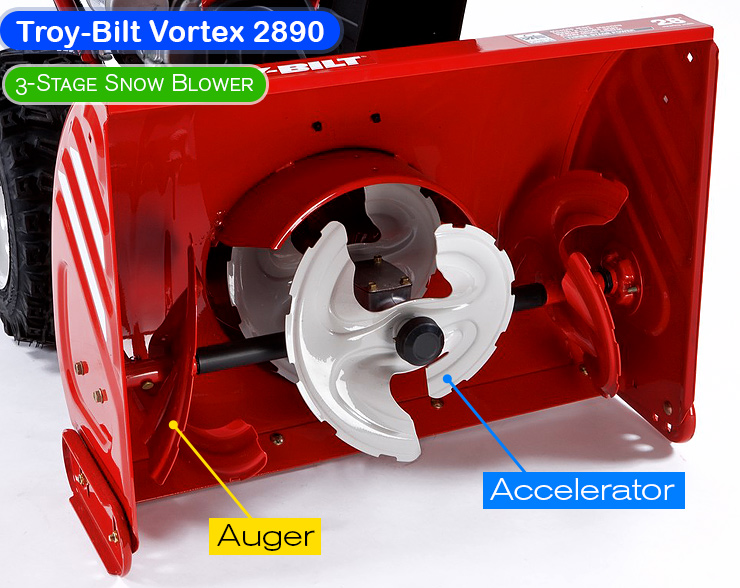
The mechanical distinction comes down to a single added component: two-stage machines use an auger to gather snow and an impeller to throw it, while three-stage models insert a high-speed accelerator between those two parts to dramatically increase throughput. Both designs handle far more snow than a single-stage unit, but the gap between them becomes significant once accumulation pushes past twelve inches or conditions turn wet and heavy. Our team has found that most suburban homeowners never need that extra stage — but when the conditions genuinely demand it, the difference is immediately apparent in clearing time and machine behavior.
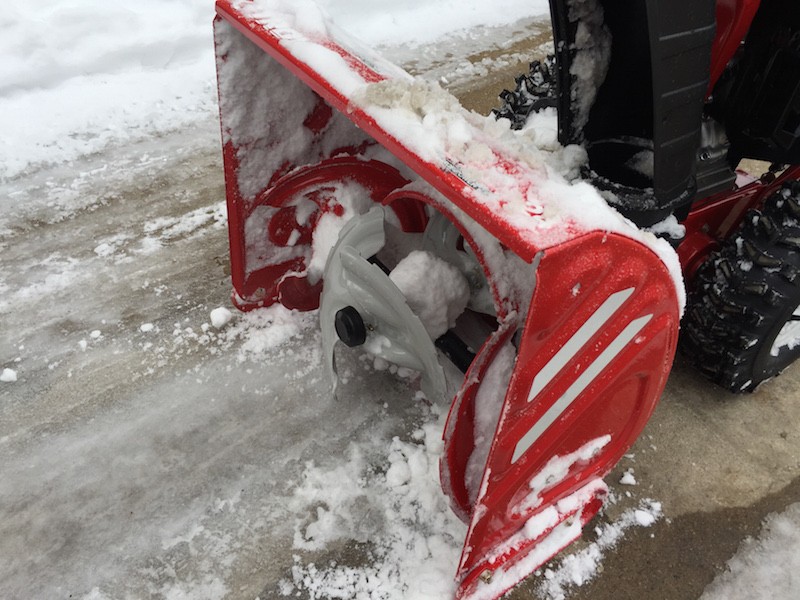
Our experience across varied property types and snowfall conditions has reinforced one consistent finding: neither machine is universally superior, and the right choice depends entirely on specific site demands. The sections below break down that comparison across seven practical dimensions, from ideal use cases and maintenance schedules to the persistent misconceptions our team still encounters when advising home users and property managers on their options.
Contents
- When a 2-Stage Snow Blower Is the Right Call
- Situations Where a 3-Stage Pulls Ahead
- How Each Stage System Actually Works
- 2 Stage vs 3 Stage Snow Blower: Head-to-Head Comparison
- Keeping Either Machine in Top Shape
- Sorting Out the Biggest Misconceptions
- Matching the Machine to the Property
- Frequently Asked Questions
When a 2-Stage Snow Blower Is the Right Call
Standard Residential Driveways
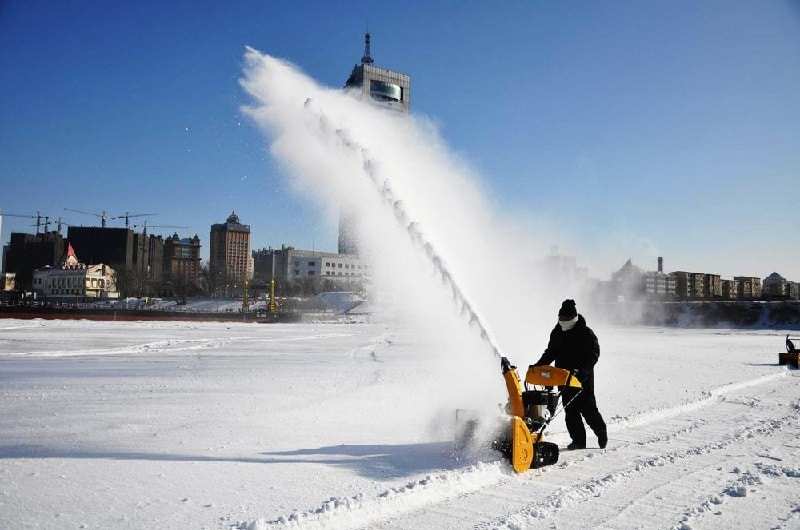
For the majority of suburban properties with a single-car or double-car driveway, a two-stage machine provides all the clearing power that home users realistically need throughout a standard winter. Two-stage models handle eight to sixteen inches of snow with consistent efficiency, making them the go-to recommendation our team offers for typical residential settings. The auger-plus-impeller system has been refined over decades, and modern two-stage machines deliver clean passes with minimal clogging on flat or gently sloped surfaces without demanding significant operator experience to run well.
Moderate Annual Snowfall Regions
Areas receiving between thirty and sixty inches of annual snowfall — which describes a large portion of the northern United States and southern Canada — sit firmly in two-stage territory. Our team considers this the performance sweet spot, where a two-stage machine handles the volume without the added cost or weight a three-stage design carries. The price difference between the two types often exceeds $500, and in moderate-snowfall areas, that premium rarely pays off in measurable time savings across a full season of use.
Situations Where a 3-Stage Pulls Ahead
Heavy Accumulation and Wet Snow
When accumulation regularly exceeds sixteen inches, or when snowfall trends toward the heavy, wet variety common in lake-effect regions, a three-stage machine demonstrates a performance advantage that is difficult to argue against. The internal accelerator moves snow through the housing up to 50% faster than a standard impeller alone, preventing the clogging that consistently limits two-stage machines under extreme load. Our team has watched two-stage units struggle through dense, compacted drifts while a three-stage model cleared the same path in a single efficient pass without slowing down.
Pro insight: In lake-effect snowfall regions, a three-stage machine often recovers its price premium through reduced clearing time within the first two heavy-snow seasons of regular use.
Commercial Paths and Extended Runs
Longer clearing distances — extended driveway aprons, parking areas, or commercial-grade walkways — benefit from the sustained throughput that three-stage machines deliver without overheating or bogging down mid-pass. Our team has found that home users with more than 3,000 square feet of clearing surface report measurably less operator fatigue and faster completion times when using a three-stage unit versus a similarly sized two-stage model under equivalent snowfall conditions.
How Each Stage System Actually Works
Inside the Two-Stage Mechanism
A two-stage snow blower works through two sequential actions. The front-mounted auger breaks up and gathers incoming snow, feeding it toward the center of the machine. A separate high-speed impeller then throws that collected snow outward through the discharge chute. Because the auger rides slightly above the pavement rather than contacting it directly, two-stage machines work well on gravel driveways without throwing stones. This float-above design makes two-stage units more versatile across surface types than single-stage alternatives, which contributes to their broad appeal among residential owners with varied driveway surfaces.
The Third-Stage Accelerator Explained
Three-stage machines introduce an accelerator — sometimes called a shredder — between the auger and the impeller, and this addition fundamentally changes clearing capacity. The accelerator rotates at a much higher speed than the auger, breaking up dense or icy snow before it reaches the impeller, allowing the impeller to sustain peak efficiency even under full load. Our team regards this as the most important mechanical distinction in the entire 2 stage vs 3 stage snow blower conversation, particularly for anyone operating in high-demand or lake-effect snowfall conditions on a regular basis.
2 Stage vs 3 Stage Snow Blower: Head-to-Head Comparison

Our team assembled the following comparison to give home users a clear side-by-side reference before committing to either machine type. The table reflects the most consequential real-world differentiators our testing and research have consistently confirmed across varying property sizes and snowfall conditions.
| Feature | 2-Stage Snow Blower | 3-Stage Snow Blower |
|---|---|---|
| Clearing capacity | Up to ~16 inches | 20+ inches with ease |
| Performance on wet snow | Moderate; prone to clogging | Excellent; accelerator prevents clogging |
| Average purchase price | $600–$1,500 | $1,200–$2,500+ |
| Machine weight | 150–250 lbs | 200–350 lbs |
| Gravel surface use | Yes (auger floats above surface) | Yes (same float design) |
| Maintenance complexity | Standard | Slightly higher (one extra component) |
| Ideal property size | Up to 3,000 sq ft | 3,000+ sq ft |
| Best suited for | Average suburban driveways | Heavy snowfall, large lots, wet snow |
Keeping Either Machine in Top Shape
Seasonal Prep Routines
Regardless of which machine a homeowner selects, pre-season preparation follows the same essential checklist: fresh fuel treated with stabilizer, a full oil inspection, auger shear bolt review, and a test run before the first real snowfall arrives. Neglecting the fuel system is the most common reason snow blowers fail at the worst possible moment, and our team recommends draining or stabilizing the fuel tank every spring as a non-negotiable habit. For home users managing other outdoor power equipment through the warmer months, our review of the DeWalt DCBL720P1 Leaf Blower covers a similarly practical approach to seasonal care and storage that transfers well across equipment types.
Mid-Season Checks
Three-stage machines carry one additional maintenance item that two-stage owners do not encounter: the accelerator assembly requires periodic inspection for wear, since it operates at higher rotational speed and absorbs significant stress during heavy clearing sessions. Our team recommends checking the accelerator paddles and associated belts at the midpoint of the season, particularly for anyone operating in regions prone to icy or heavily compacted snowfall accumulations. Shear bolts on both machine types warrant inspection after any impact event, as they are specifically designed to break before more expensive internal components absorb the damage.
Warning: Never clear a clogged discharge chute by hand — always use the manufacturer-provided clearing tool, as auger and accelerator components can restart unexpectedly even after the engine appears to have fully stopped.
Sorting Out the Biggest Misconceptions
More Stages Always Means Better Performance
Our team encounters this assumption frequently, and it consistently leads home users toward machines that are heavier, more expensive, and harder to maneuver than their property actually requires. A three-stage machine is a specialized tool engineered for demanding conditions — not a universal upgrade that outperforms a two-stage in every situation. On a standard driveway receiving moderate annual snowfall, a well-maintained two-stage machine delivers faster and cleaner results because it is appropriately sized for the task and considerably easier to control through tight turns and narrow passage areas.
Three-Stage Machines Are Much Harder to Maintain
The extra component adds one maintenance checkpoint, but it does not make three-stage ownership dramatically more burdensome over the long term. Modern three-stage designs integrate the accelerator into the same service access points as the auger system, meaning most routine tasks take comparable time to what a two-stage machine requires. The complexity difference is real but modest, and for home users clearing large properties in heavy-snow climates, the added clearing capability far outweighs the incremental maintenance demand across a typical winter season.
Matching the Machine to the Property
Entry-Level Buyers and Smaller Lots
First-time snow blower buyers and home users with lots under 2,000 square feet will find that a two-stage machine covers every clearing scenario they are realistically likely to face, and the lower price point leaves budget available for accessories, protective gear, and proper covered storage. Our team consistently recommends that new buyers start with a two-stage unit rather than overbuying a three-stage machine under the assumption that more capacity always justifies the premium. The 2 stage vs 3 stage snow blower decision for this group is clear: two stages handles the job at a sensible price without unnecessary mechanical complexity that most standard properties will never require.
Experienced Operators and Larger Properties
Home users managing large lots, sloped driveways, or properties in heavy-snowfall corridors should give the three-stage category serious consideration, especially if prior winters with a two-stage machine produced consistent frustration around clogging or throughput limitations. Our team also recommends the three-stage design for anyone clearing shared access roads or extended commercial-style paths, where faster throughput reduces total clearing time by a margin that compounds meaningfully across an entire season. Maintaining a well-equipped outdoor property means selecting purpose-matched tools for every task, and our guide on drying a car with a leaf blower illustrates exactly how purpose-matched equipment consistently outperforms improvised or undersized alternatives in practical outdoor settings.
Frequently Asked Questions
What is the main difference between a 2-stage and a 3-stage snow blower?
A two-stage snow blower uses an auger to collect snow and a separate impeller to throw it, handling accumulations up to about sixteen inches reliably. A three-stage model adds a high-speed accelerator between those two components, allowing it to process denser, wetter snow at significantly higher throughput — which is the core reason our team recommends it for heavy-snowfall properties over 3,000 square feet where clogging is a recurring problem.
Is a 3-stage snow blower worth the extra cost for the average homeowner?
For most suburban homeowners in moderate-snowfall regions, a three-stage machine's price premium — often $500 or more above a comparable two-stage unit — is difficult to justify in measurable real-world time savings. Our team recommends the upgrade primarily for home users dealing with regular accumulations above sixteen inches, frequent wet lake-effect snow events, or clearing areas larger than 3,000 square feet where throughput becomes the limiting factor.
Can a 2-stage snow blower handle wet, heavy snow?
A two-stage machine handles wet snow adequately in moderate quantities, but dense accumulations above twelve inches create a meaningful clogging risk at the impeller housing that interrupts clearing and adds time to the job. Our team advises home users in lake-effect zones or coastal regions — where wet, heavy snowfall is a seasonal norm — to seriously evaluate a three-stage model, as the accelerator component eliminates the clogging problem that consistently limits two-stage performance under those conditions.
The right snow blower is not the most powerful machine on the market — it is the one sized precisely for the property it has to clear.


About Simmy Parker
Simmy Parker holds a Bachelor of Science in Civil Engineering from Sacramento State University and has applied that technical background to outdoor structure design, landscape planning, and backyard improvement projects for over a decade. Her love for the outdoors extends beyond design — she regularly leads nature hikes and has developed working knowledge of native plants, soil conditions, and sustainable landscaping practices across Northern California. At TheBackyardGnome, she covers backyard design guides, landscaping ideas, and eco-friendly outdoor living resources.
You can Get FREE Gifts. Receive Free Backyard Items here. Disable Ad Blocker to get them all now!
Once done, hit anything below