Over 40 separate brands produced residential vintage antique snow blower models in North America before 1980 — and a remarkable number of those machines still start on the first or second pull today. If you've spotted one at a garage sale, an estate auction, or sitting in the back of someone's shed, you're looking at a genuine piece of outdoor equipment history. This guide — part of our deeper look at snow blower history — walks you through the most collectible brands, the specific models collectors hunt for, and what sets each one apart.
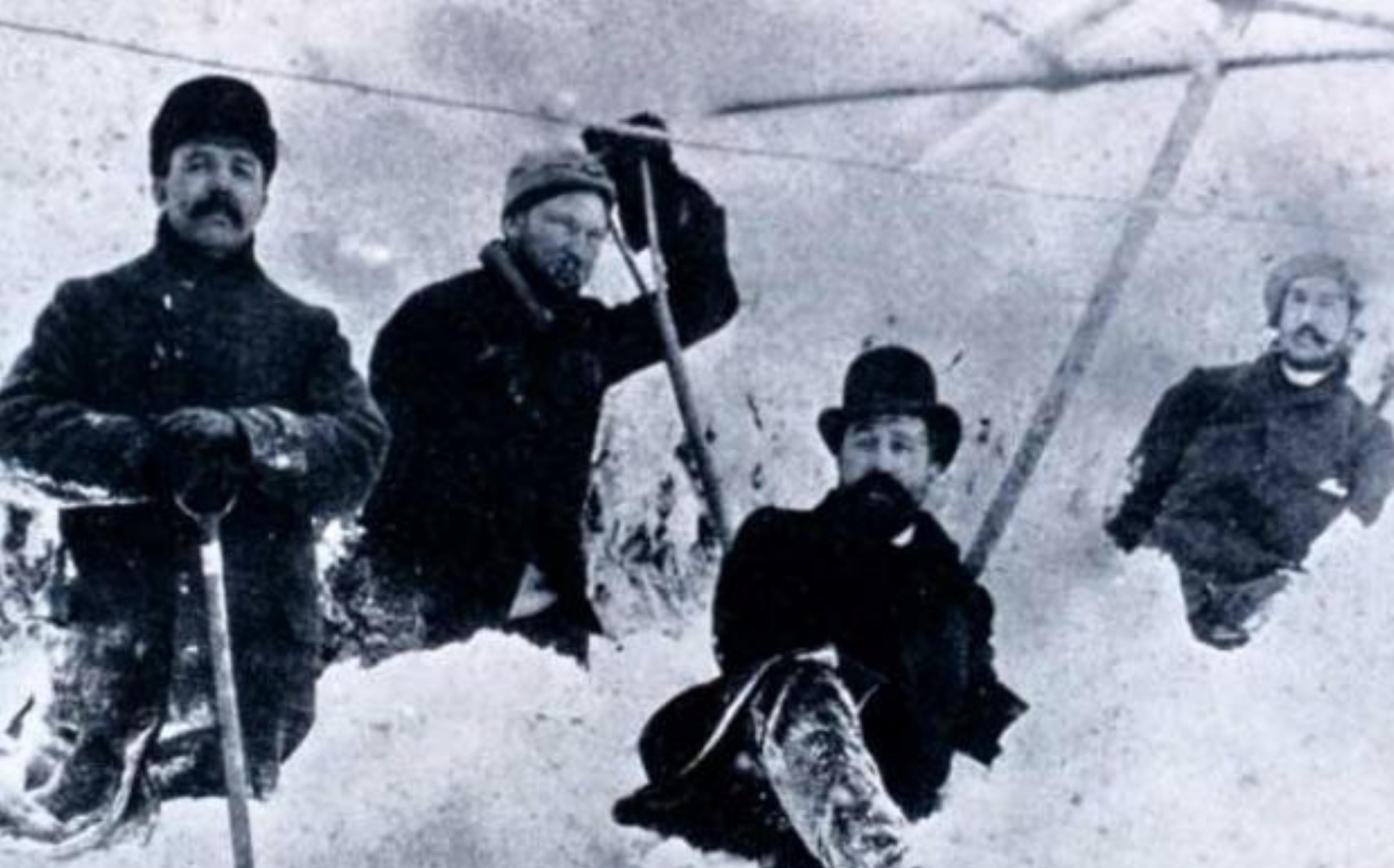
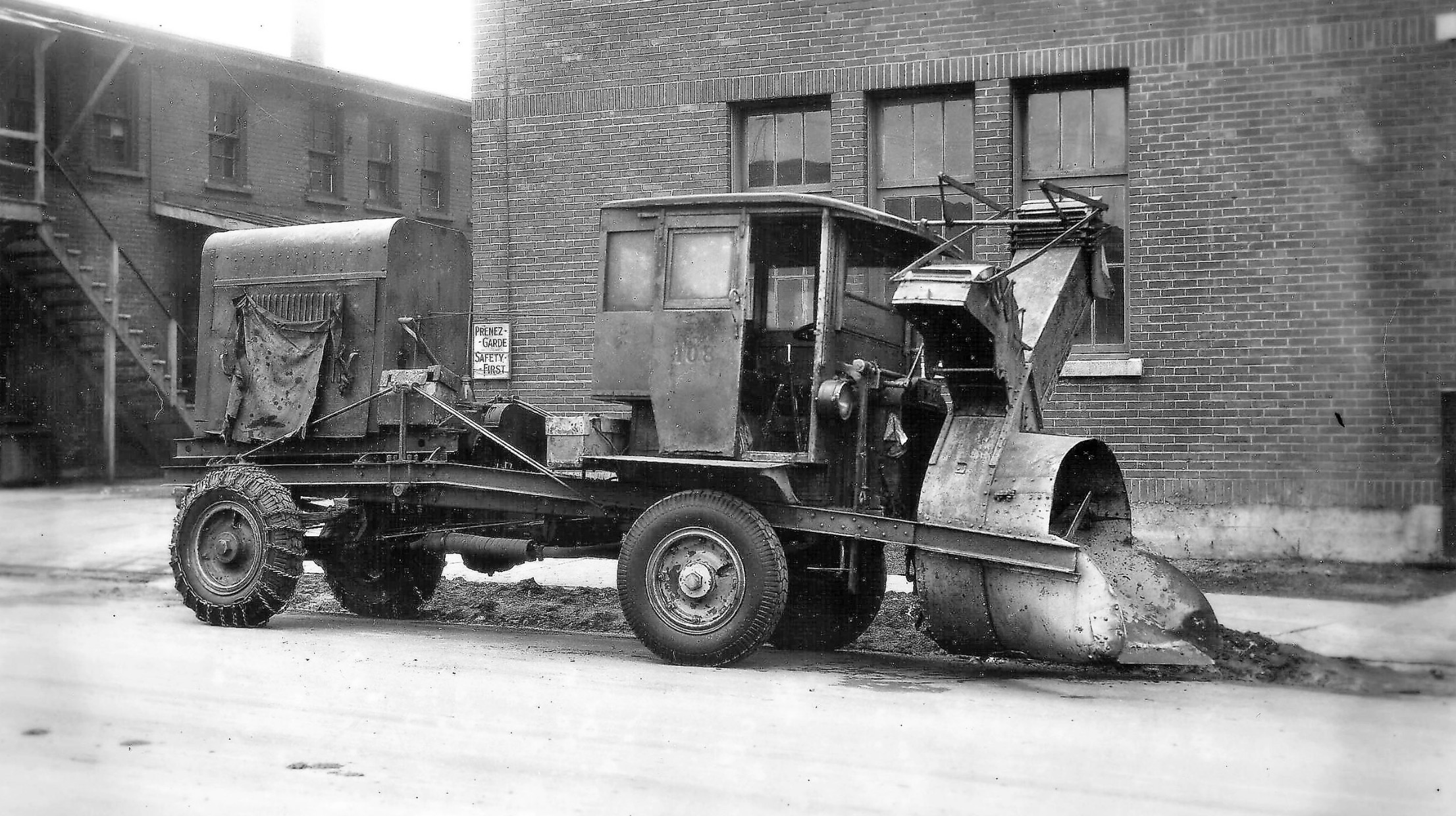
Before engine-powered walk-behind units reached suburban driveways, snow removal meant hours of shoveling or hitching draft animals to simple plows. The shift to mechanized snow removal (engine-driven machines designed to intake and throw snow) started in the early twentieth century with large commercial rotary plows. The Sicard snow blower, developed in Canada in the 1920s, is widely credited as one of the first true motorized designs built for clearing roads at scale.
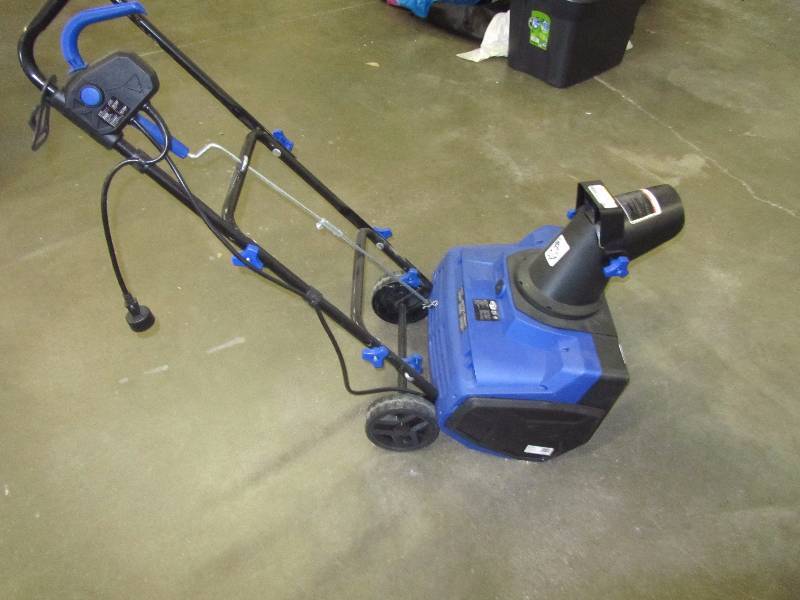
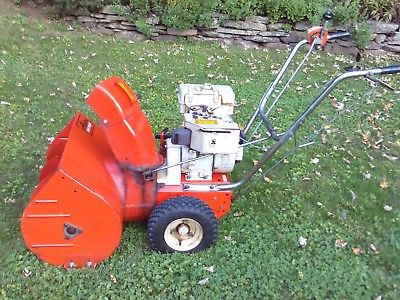
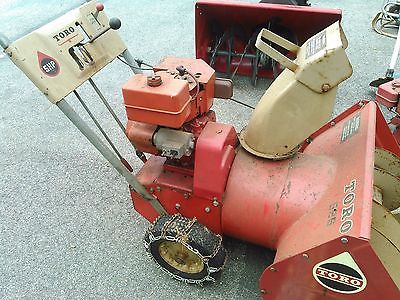
By the postwar era, walk-behind residential models had become standard catalog items. Brands ranging from Sears to specialized Wisconsin manufacturers competed for the suburban market. Today, collectors and backyard enthusiasts are bringing these machines back — some to running condition, others as display pieces in the garage. This gallery walks you through the major players, brand by brand. Just as vintage craftsmanship draws people to learn how to build things from scratch, these old snow blowers connect you to a hands-on mechanical tradition worth understanding.
Contents
A Brand-by-Brand Gallery of Classic Snow Blower Makers
Each brand below had a distinct philosophy. Some targeted the budget buyer. Others built machines that were meant to last a lifetime — and frequently did. Browse the gallery by brand and you'll start to recognize what made each one distinct.
Allis-Chalmers
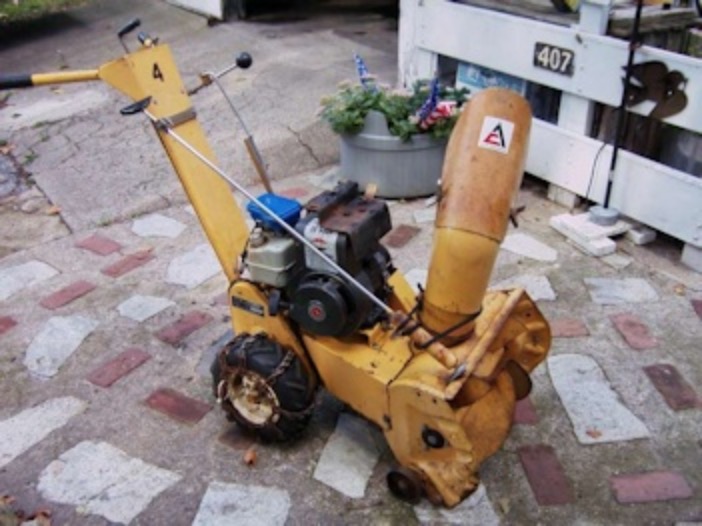
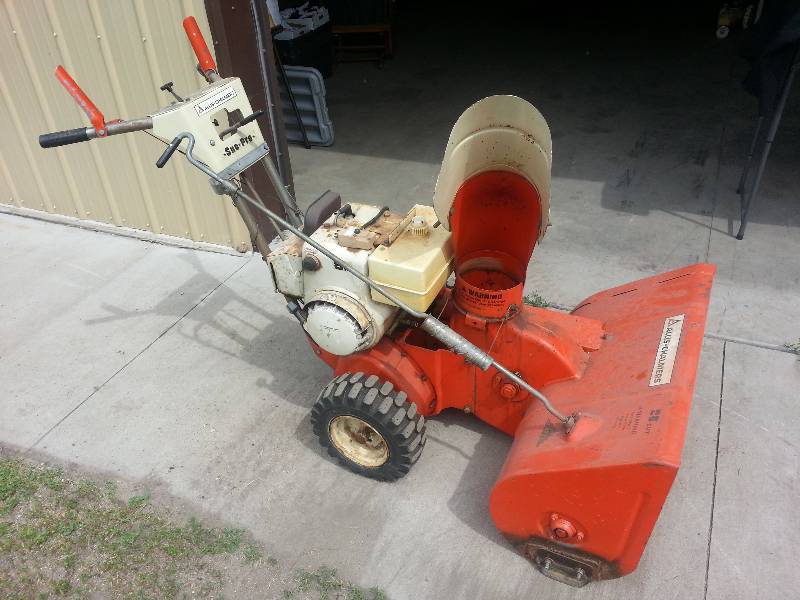
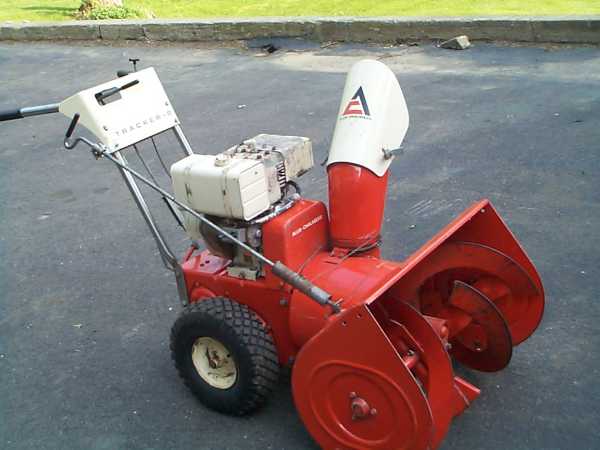
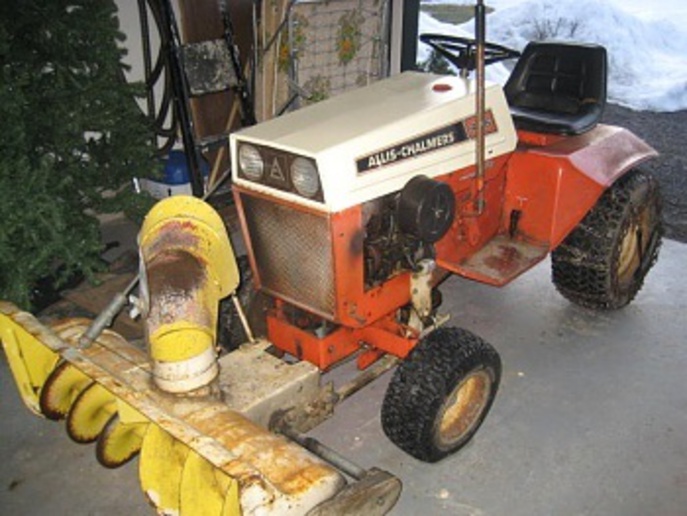
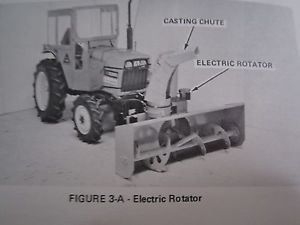
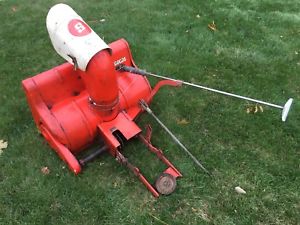
Allis-Chalmers, the Wisconsin-based farm and industrial equipment company, produced some of the most durable snow blowers of the mid-twentieth century. Their signature orange finish — borrowed from the brand's famous tractors — is the easiest way to spot one across a field or at a swap meet. The cast-iron auger housing (the protective shell around the rotating intake mechanism) is thicker on Allis-Chalmers units than most competitors.
- Common models: B1, Heavy-Duty Sno-Pro 2822, Model 64
- Engine: Mostly Tecumseh and Briggs & Stratton
- Collector appeal: High — especially the Sno-Pro 2822 and the B1
Craftsman
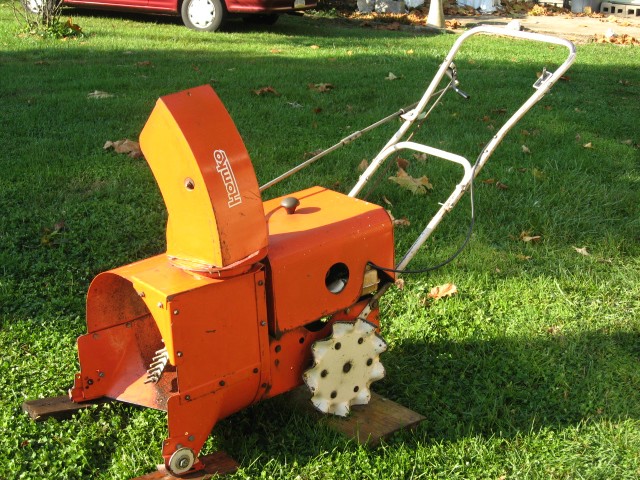
Craftsman sold snow blowers through Sears for decades, with many units built by Homco and other OEM (original equipment manufacturer) partners. Because Craftsman sourced engines from Tecumseh, Briggs & Stratton, and others, spare parts are easier to find than for most vintage brands. The HOMCO 10M is a particularly common find at estate sales, and the 7-series two-stage models from the 1970s hold up well mechanically.
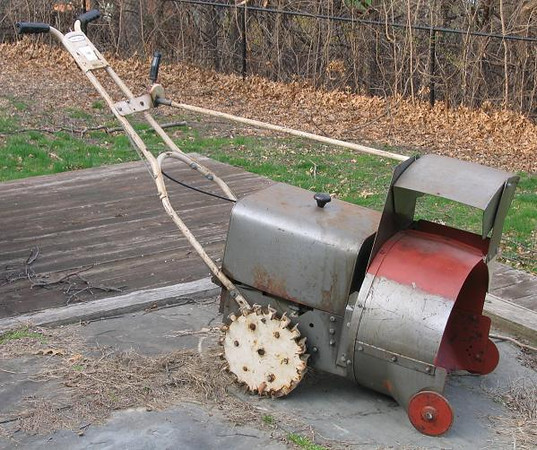
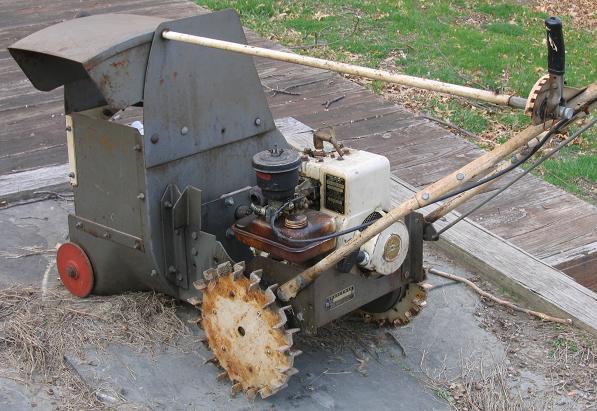
Jacobsen
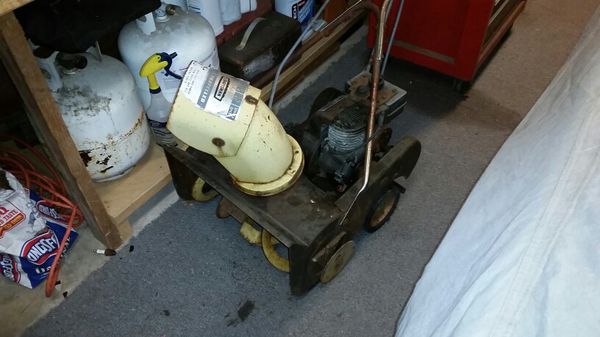
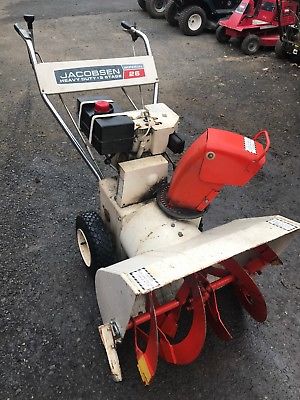
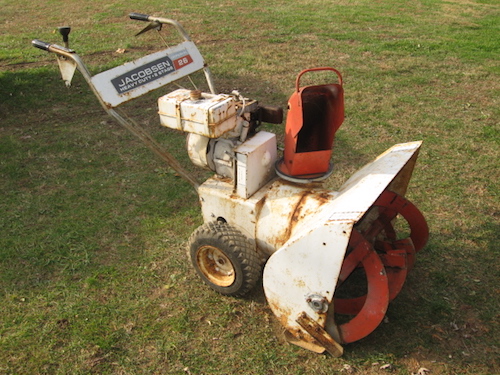
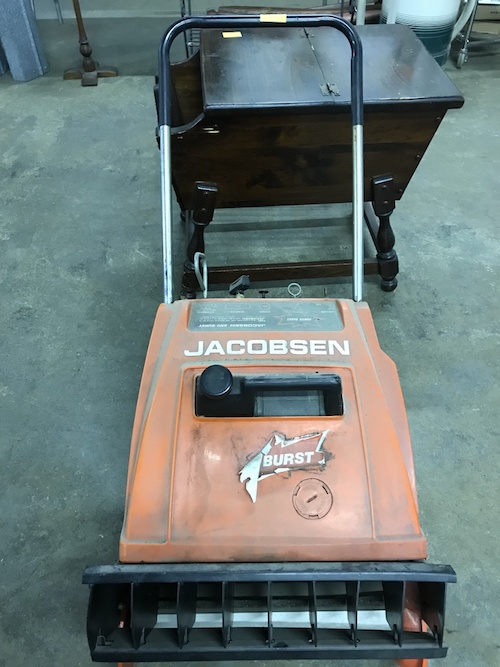
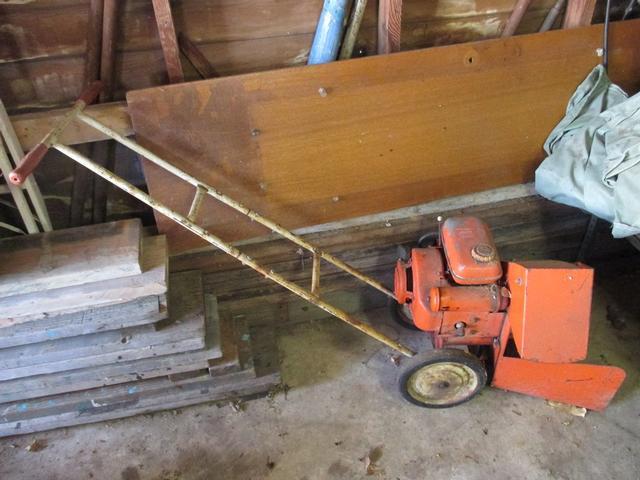
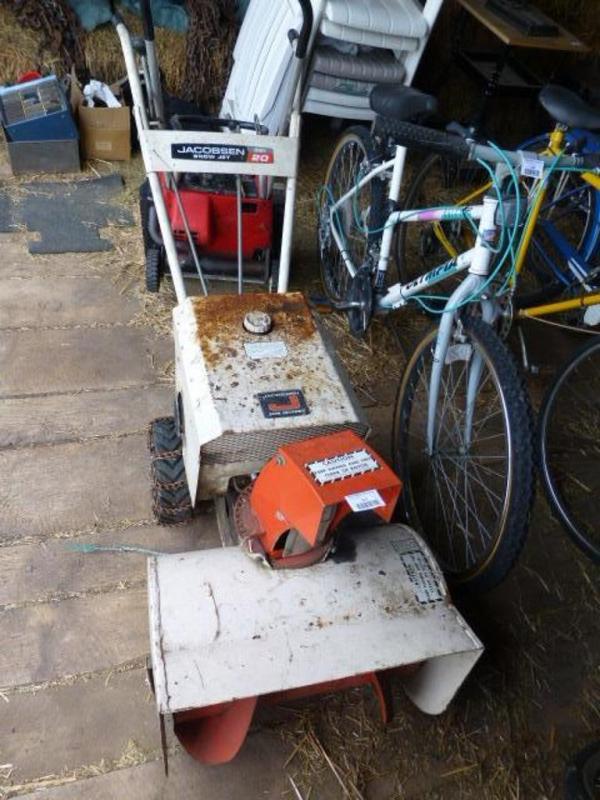
Jacobsen, based in Racine, Wisconsin, produced a wide range of snow equipment under names like the Imperial 26, the Imperial 626, the Sno-Burst, and the Snow Jet series. Their 2¼ HP single-stage electric-start models were popular with suburban homeowners who wanted ease of use over raw power. The Imperial 626 is one of the most sought-after Jacobsen models among collectors today. If you find one, check the auger blades and discharge chute before assuming it runs.


Murray
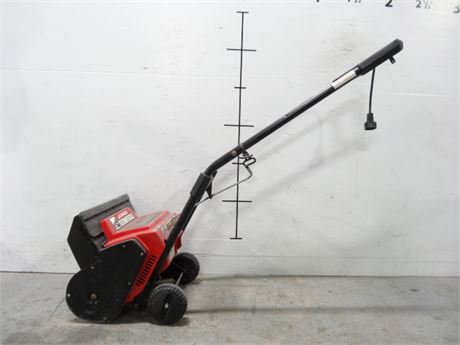
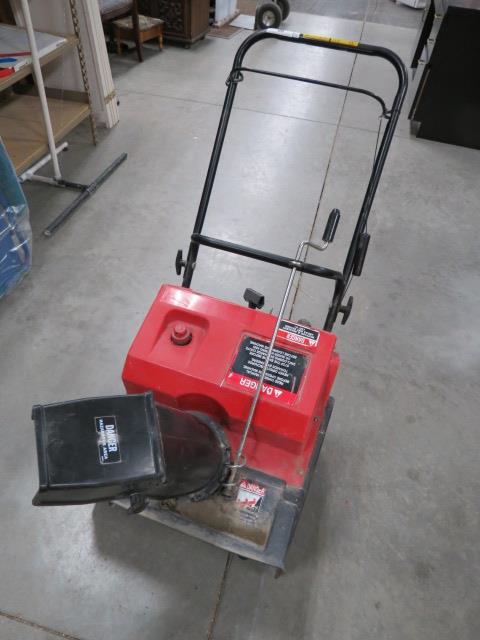
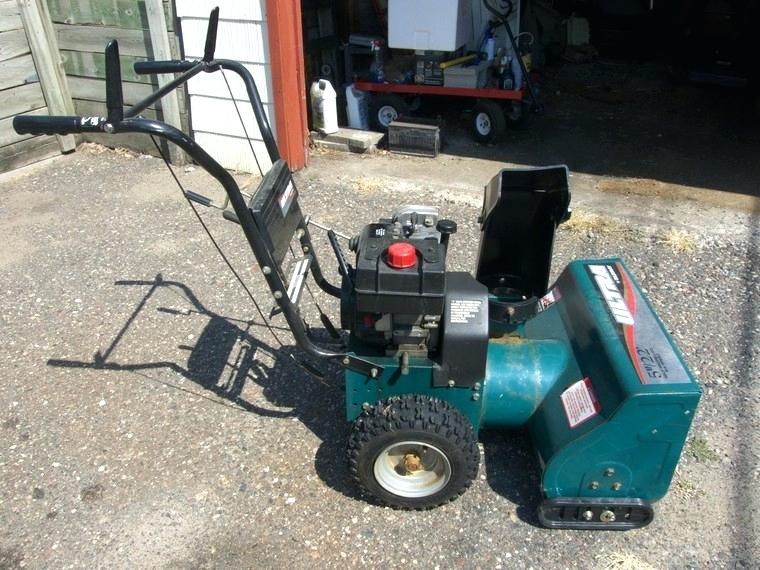
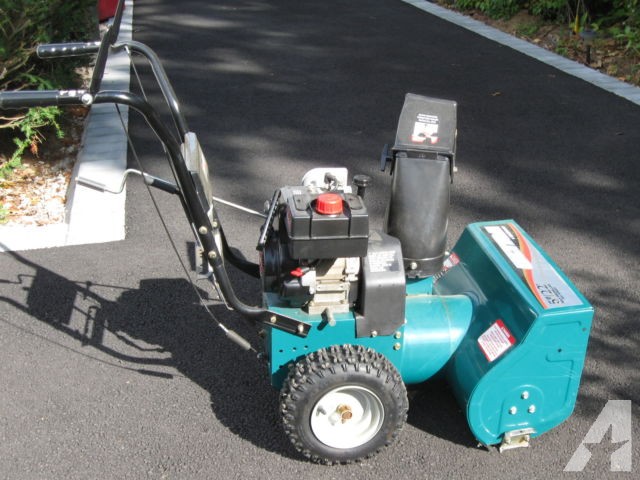
Murray built affordable snow blowers for the mass market — their own label and for big-box retailers. Models like the Turbo Thrower, the 22-inch Snow King paired with a Tecumseh Snow King engine, and the Ultra 27-inch 9HP are common finds at farm auctions. Murray machines are generally the most budget-friendly option on the vintage market, making them a smart entry point if you're new to collecting outdoor power equipment. If you already use a lawnmower for mulching and bagging leaves, the mechanical basics of a vintage Murray won't feel unfamiliar.

Wheel Horse and REO
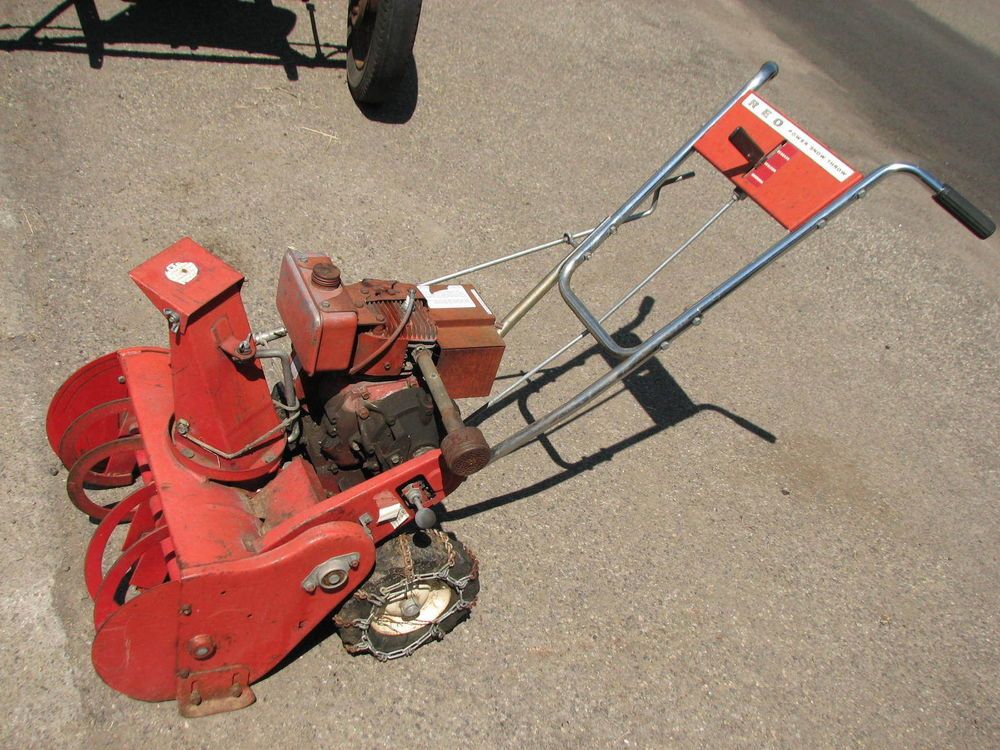
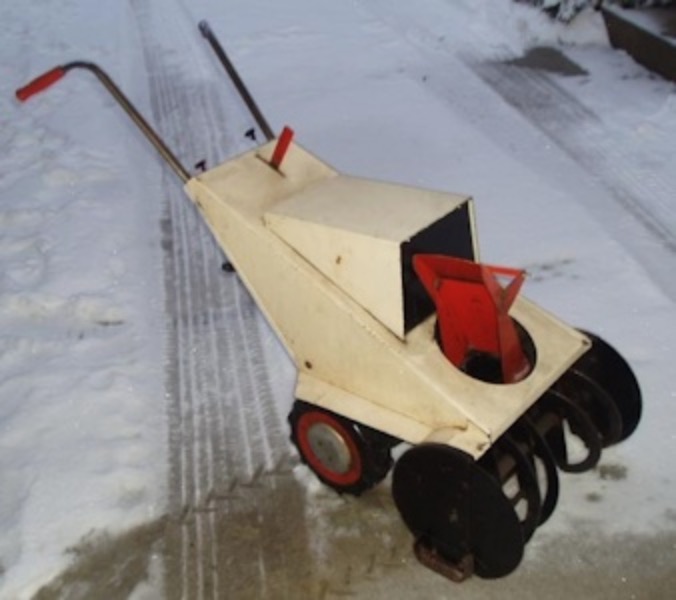
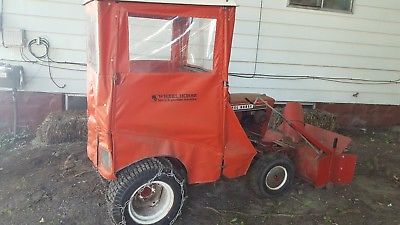
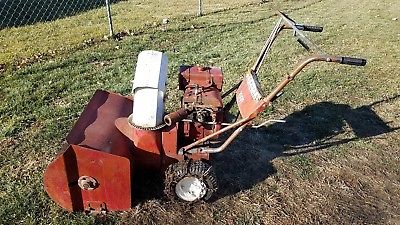
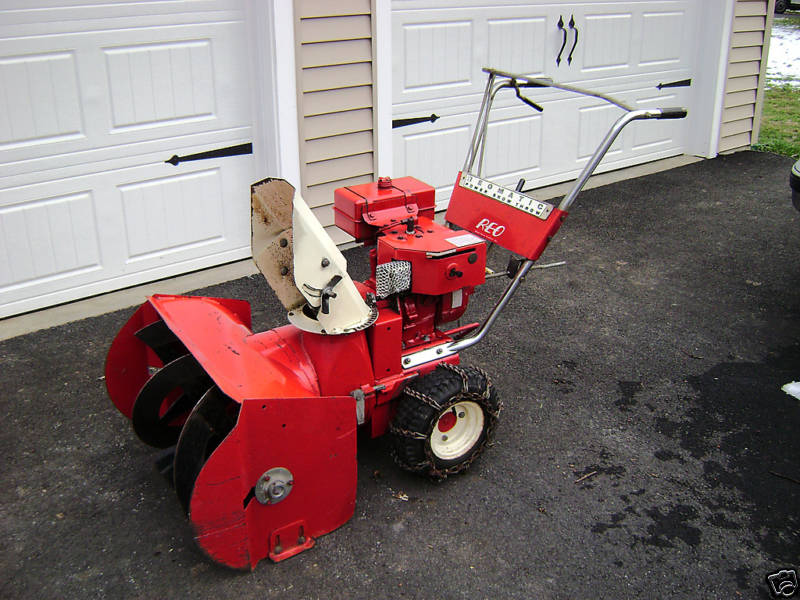
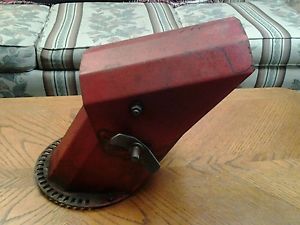
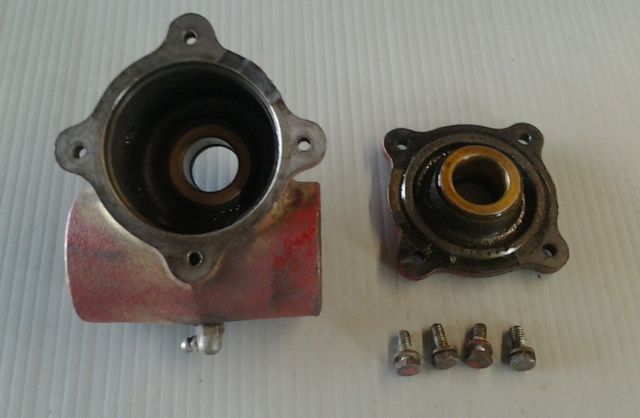
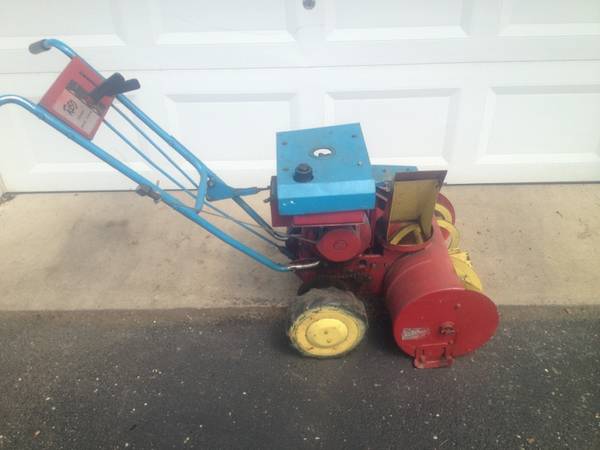
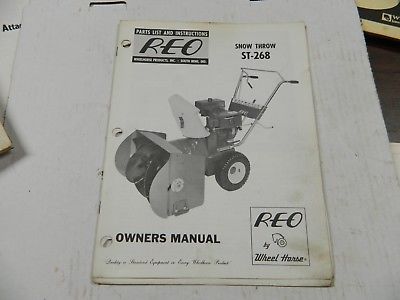
Wheel Horse built garden tractors and snow throwers under both the Wheel Horse and REO names — REO being a separate brand they distributed. The Trailblazer 5.5HP and the ST268 Snow Thrower are two of the most recognizable vintage models. The cast-iron gearbox on Wheel Horse machines is legendary for its durability — many run today with original internals. Wheel Horse collectors form one of the most active vintage equipment communities in North America, regularly trading parts and knowledge at regional shows.
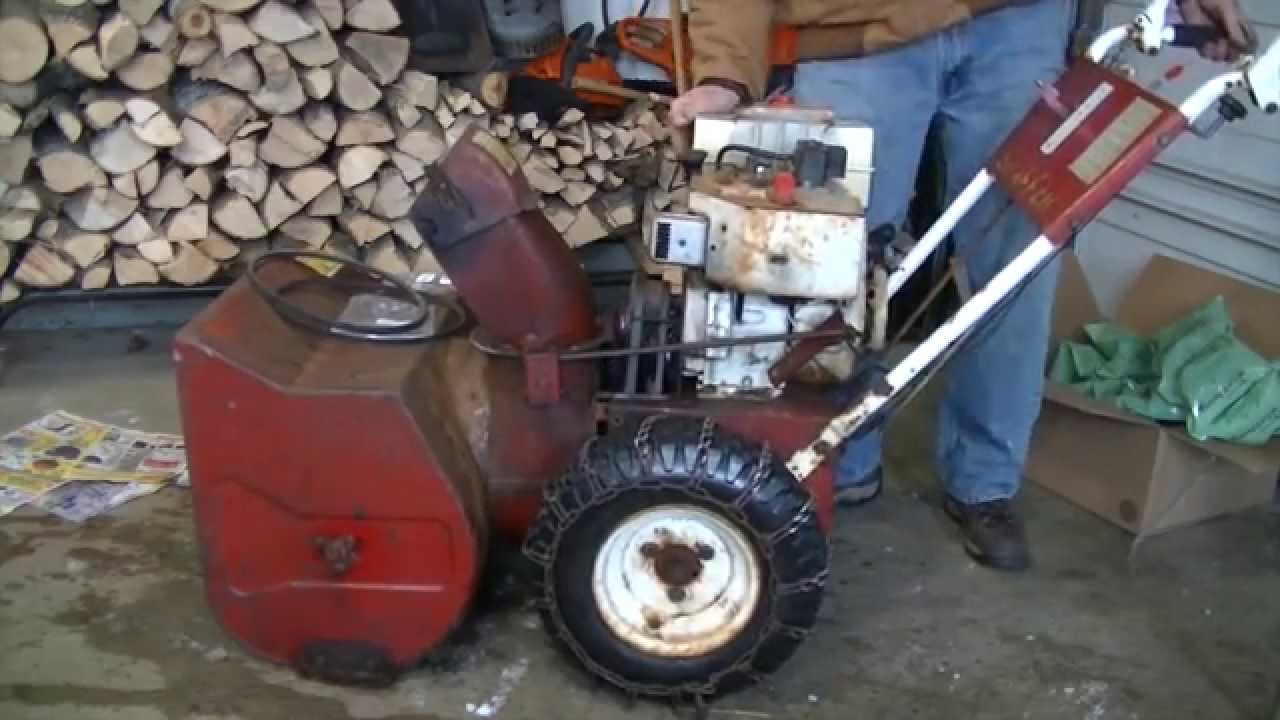
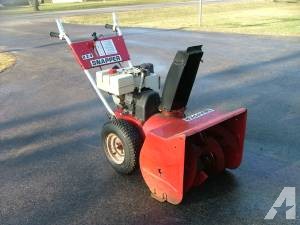
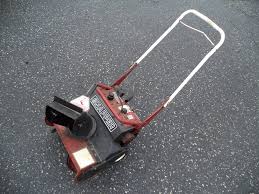
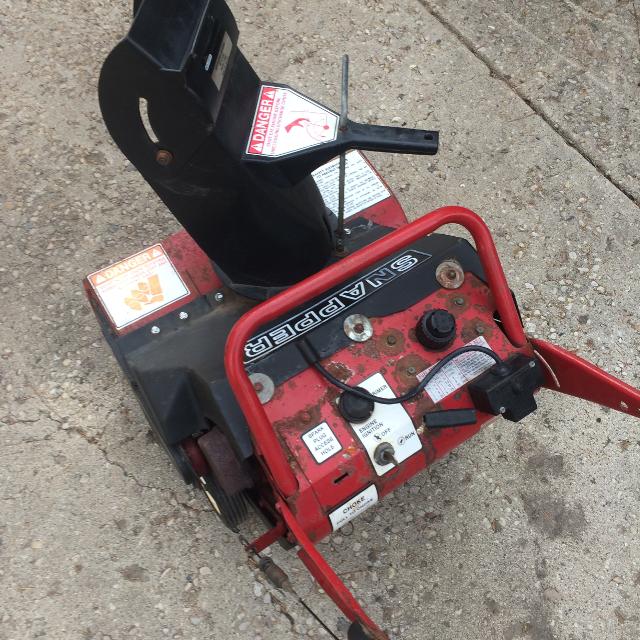
Snapper
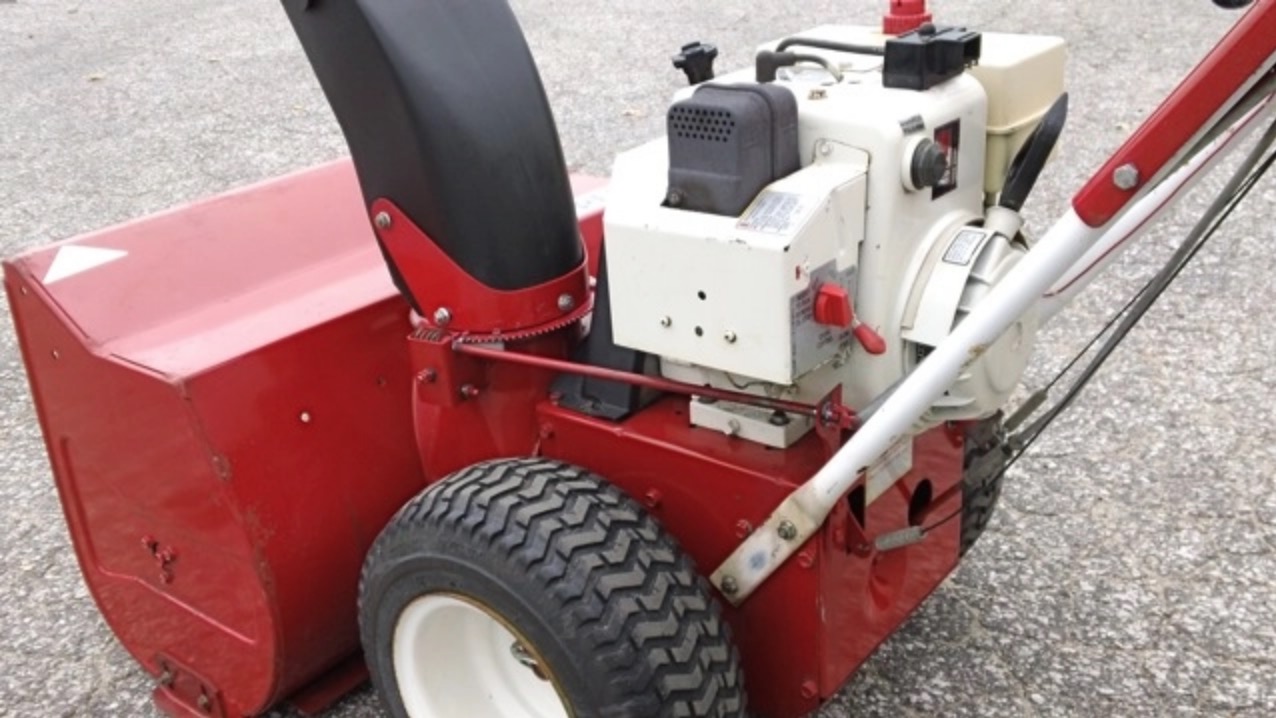
Snapper built commercial-grade walk-behind snow blowers through the 1970s and 1980s. The 1030 and the 3201S (a 20-inch 3HP unit) are two of the most recognized vintage models. Their disc-drive transmission (a belt-and-disc system that controls ground speed and direction) was distinctly engineered compared to competitors. Snapper machines have a loyal collector base, partly because the brand's overall build quality was consistently above average for its price point.
Yardman Snowbird, Toro, Ariens, and Others
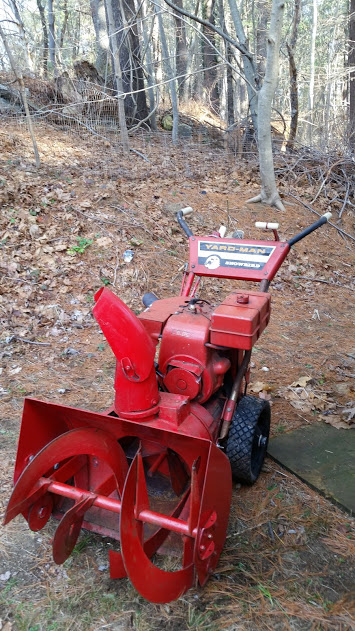
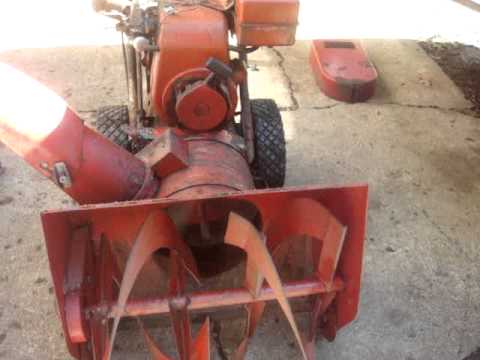
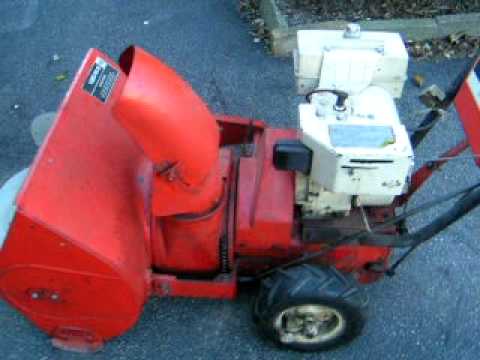
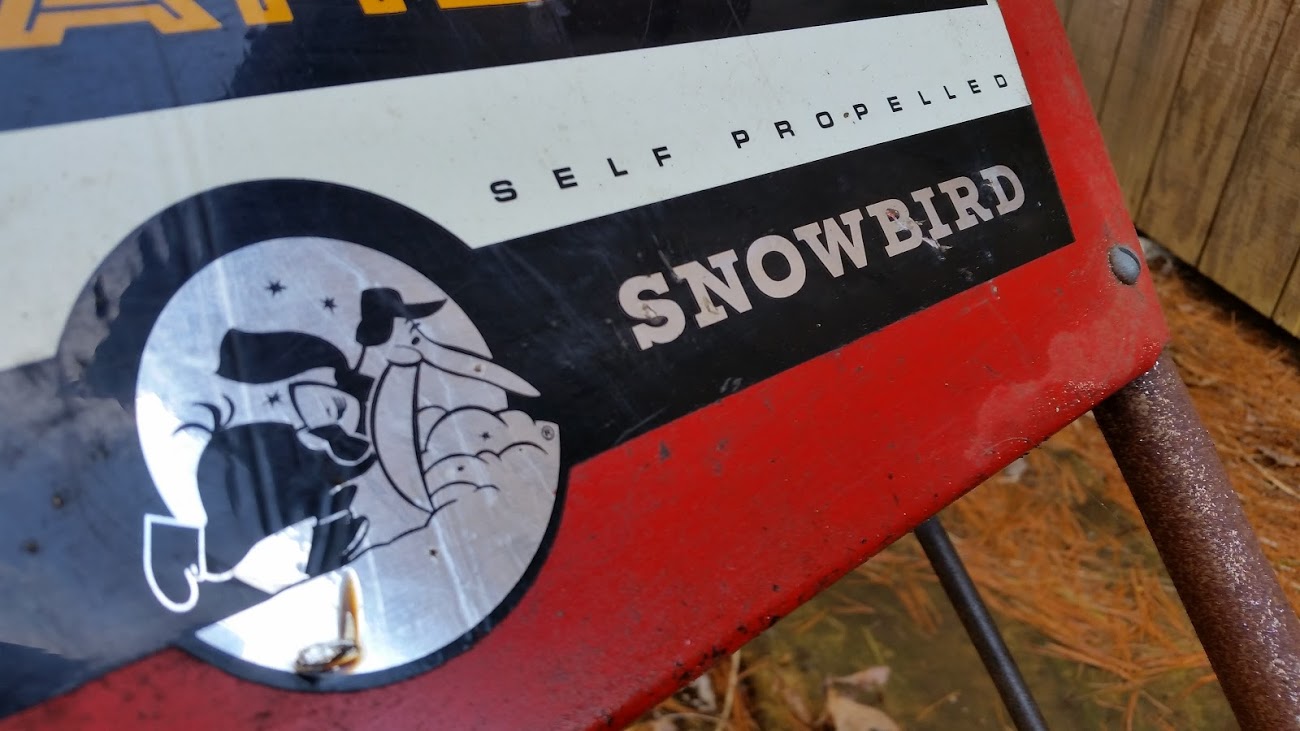
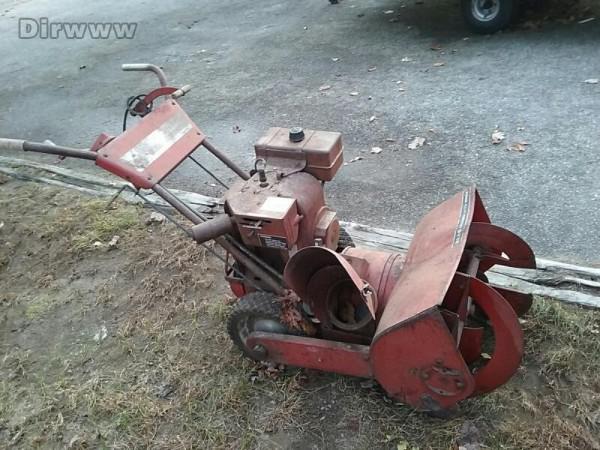
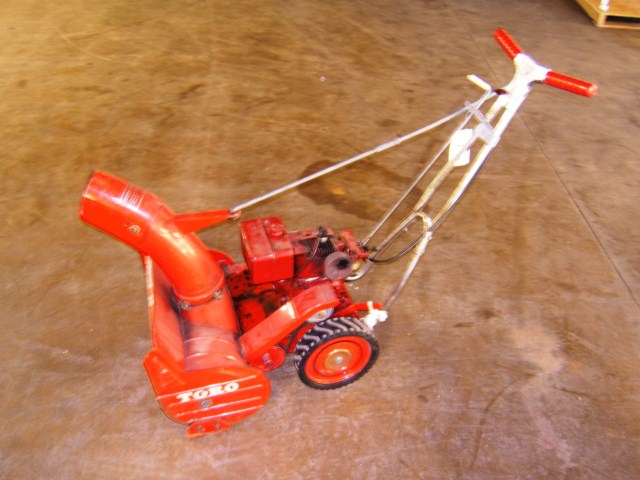
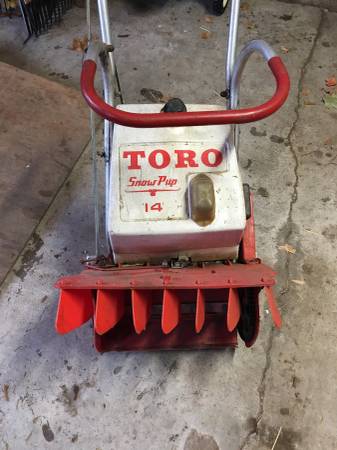
The Yardman Snowbird line — sold through Montgomery Ward department stores — included the S225, the S288, and the 7040 5HP model. These are mid-tier machines with decent parts availability and strong collector interest. Toro entered the residential market with the Snow Hound 20 and the Snow Pup — both remain highly collectible. Ariens, still in business today, produced a well-regarded 7HP 24-inch path two-stage model. A handful of rarer machines round out the era, including early electric snow blowers and the Briggs-powered Snowbird S225. If you enjoy the kind of nostalgic vintage character that these old machines carry, you'll find this category especially rewarding to explore.

Identifying Quality in Vintage Antique Snow Blower Models
Not every old machine is worth bringing home. Knowing what to check before you buy saves you money and frustration. These machines were built simply, but simple doesn't mean indestructible — decades of storage, bad fuel, and neglect leave marks.
Pro tip: Always pull the spark plug before inspecting an unfamiliar machine — confirm the cylinder isn't full of oil or rust water before you try to turn the engine over.
Key Condition Checks
- Auger shaft: Look for bends, cracks, or seized bearings. Spin it by hand — it should rotate smoothly with slight resistance.
- Impeller: The fan-like component that throws snow should spin freely inside the housing. Check for missing or bent paddles.
- Auger housing bottom edge: This is the first place rust attacks. Pinholes mean the housing may crack under use.
- Engine compression: Pull the recoil cord slowly — you should feel strong resistance. A soft pull suggests low compression (worn rings or valves).
- Fuel tank and carburetor: Old gas leaves a varnish residue that clogs jets. Look for rust flakes inside the tank.
- Drive system: Check the friction disc (the rubber-edged wheel that drives the machine forward) for wear, cracking, or glazing.
- Discharge chute: Cracks or missing sections are common and often easy to repair with metal epoxy or fabricated replacements.
Parts Availability by Brand
Parts access varies a lot by brand. Here's a quick summary to set your expectations before you commit to a purchase:
- Ariens: Excellent — still in business, many parts cross-reference to current models
- Toro: Good — large collector base; aftermarket and OEM parts available
- Craftsman/Tecumseh-engine models: Good — Tecumseh parts are widely cross-referenced
- Murray: Good — many parts share dimensions with modern budget units
- Wheel Horse/REO: Good — active collector community trades parts regularly
- Allis-Chalmers: Moderate — specialty suppliers exist; patience required
- Snapper: Moderate — some aftermarket support; check online forums
- Jacobsen: Hard to find — plan on sourcing from eBay, estates, and parts donors
- Yardman Snowbird: Hard to find — limited aftermarket; hunt for parts machines
What These Machines Actually Cost
Pricing swings widely based on condition, completeness, and whether the machine runs. Non-running projects sell for $50 to $150 at farm auctions. Running machines in good cosmetic shape command a clear premium. The table below gives you a realistic anchor for shopping.
| Brand | Notable Models | Non-Running Project | Running / Good Condition | Parts Availability |
|---|---|---|---|---|
| Allis-Chalmers | B1, Sno-Pro 2822, Model 64 | $75–$175 | $250–$600 | Moderate |
| Craftsman / Homco | 10M, 7-series two-stage | $50–$125 | $150–$300 | Good |
| Jacobsen | Imperial 26, Imperial 626, Snow Jet | $75–$150 | $200–$500 | Hard to find |
| Murray | Turbo Thrower, Snow King 22, Ultra 27 | $40–$100 | $100–$250 | Good |
| Wheel Horse / REO | Trailblazer 5.5HP, ST268 | $100–$250 | $350–$800 | Excellent (community) |
| Snapper | 1030, 3201S | $75–$175 | $200–$500 | Moderate |
| Yardman Snowbird | S225, S288, 7040 5HP | $50–$125 | $150–$350 | Hard to find |
| Toro | Snow Hound 20, Snow Pup, 526 | $75–$175 | $200–$450 | Good |
| Ariens | 7HP 24-inch two-stage | $100–$200 | $300–$700 | Excellent |
Condition matters more than brand when it comes to final price. A non-running Wheel Horse might sell for less than a running Murray if the Murray is complete and starts easily. Let the machine's actual state, not its badge, drive your offer.
Where to Track Down Rare Vintage Snow Blowers
You don't have to wait for luck to bring one to you. The best finds rarely come from obvious places. Here are the sources that consistently produce results:
Best Sources for Finding Them
- Estate sales: The single best source. Families clearing out a property often don't know what they have. Arrive early.
- Farm auctions: Rural areas produce older equipment regularly. Online bidding platforms like Purple Wave and Proxibid now list farm auctions nationwide.
- Facebook Marketplace and Craigslist: Search by brand name plus your region. Check weekly — listings disappear fast.
- Antique power equipment shows: Events focused on vintage tractors often include snow blowers. You'll also meet knowledgeable sellers and restorers.
- eBay: Great for rare brands like Jacobsen and Yardman Snowbird. Filter by "sold" listings to check realistic prices before bidding.
- Collector forums: Sites like GardenTractorTalk.com and OldTractors.com have classified sections with machines that never hit mainstream listings.
- Neighbors and word-of-mouth: Tell people you're looking. You'd be surprised how many old machines sit in sheds simply because no one thought to advertise them.
How to Restore Your Vintage Snow Blower Step by Step
Restoring one of these machines is straightforward if you take it in order. Rushing to start the engine before addressing fuel and mechanical basics is the most common mistake new restorers make.
Basic Restoration Steps
- Clean the exterior. Remove loose rust and old grease with a wire brush and degreaser. Surface prep matters — using liquid sandpaper versus regular sandpaper makes a difference when you're working on tight curves and housing corners.
- Address the fuel system first. Drain any old fuel. Remove the carburetor (the device that mixes fuel and air) and soak it in carb cleaner. Replace the fuel filter and fuel line if cracked or brittle.
- Check and replace the spark plug. These are inexpensive and often overlooked. A fouled plug prevents a good engine from starting.
- Inspect all belts and cables. Look for cracking, fraying, or stretching. Throttle and chute control cables are common failure points on machines that have sat for years.
- Grease all fittings and pivot points. The auger gearbox, wheel axles, and chute rotation mechanism all need fresh grease.
- Test compression before starting. Use an inexpensive compression gauge — most small engines should read 90 PSI or higher.
- Attempt a cold start only after steps 1–6. Use fresh fuel mixed correctly for the engine type. Prime the carb, choke fully, and pull slowly until you feel resistance, then pull firmly.
Storage and Off-Season Care
Once you've got a machine running, keeping it in good shape is mostly about proper storage. The same principles that apply when you winterize a pergola or prepare a chiminea for the off-season apply here — moisture is the enemy, and covering things correctly prevents most problems.
- Run the engine until the carb is dry before long-term storage, or use a fuel stabilizer
- Fog the cylinder with engine oil through the spark plug hole to prevent rust on cylinder walls
- Store indoors or under a breathable cover — trapped moisture causes more damage than cold temperatures
- Coat unpainted metal surfaces (auger housing edges, axle ends) with a light film of WD-40 or corrosion inhibitor
- Check tire pressure and inflate to the sidewall spec before winter use
A well-stored vintage machine can sit for an entire season and start reliably when you need it. Skipping fuel stabilizer is the one shortcut that consistently costs restorers an extra afternoon of carburetor work.
Frequently Asked Questions
What is the difference between a single-stage and two-stage vintage snow blower?
A single-stage machine uses one rotating auger to both break up snow and throw it out the discharge chute in one motion. A two-stage machine uses an auger to intake snow, then a separate high-speed impeller (a fan-like rotor) to throw it farther and faster. Two-stage machines handle heavier, wetter snow and can throw it much farther — typically 20 to 40 feet — which is why most heavy-duty vintage models like the Allis-Chalmers Sno-Pro and Wheel Horse ST268 are two-stage designs.
Are vintage snow blower parts still available to buy?
It depends heavily on the brand. Ariens and Toro parts are widely available because both companies are still in business and many older components cross-reference with newer models. Craftsman machines benefit from the broad availability of Tecumseh and Briggs & Stratton engine parts. Brands like Jacobsen and Yardman Snowbird require more effort — your best options are eBay, dedicated collector forums, and purchasing a second parts-donor machine. For Wheel Horse and REO, the active collector community is a surprisingly reliable source for hard-to-find pieces.
Is a non-running vintage snow blower worth buying as a restoration project?
Often yes, especially if the machine is complete and the engine turns over without grinding or knocking. Most non-starting vintage small engines just need fresh fuel, a clean carburetor, and a new spark plug — repairs you can do yourself for under $30 in parts. The bigger risks are a seized engine (where internal corrosion has locked the crankshaft) or a cracked auger housing. Inspect both carefully before committing. A seized engine is rarely worth the repair cost on a budget machine, but a solid engine in a rough-looking body is almost always worth the effort.
The machines that last long enough to become collectibles were never the cheapest ones on the shelf — they were the ones built as if someone expected to hand them down.


About William Murphy
William Murphy has worked as a licensed general contractor in Fremont, California for over thirty years, specializing in outdoor structures, green building methods, and sustainable design. During that career he has written about architecture, construction practices, and environmental protection for regional publications and trade outlets, bringing technical depth to subjects that most home improvement writers approach only from a consumer perspective. At TheBackyardGnome, he covers outdoor product reviews, backyard construction guides, and sustainable landscaping and building practices.
You can Get FREE Gifts. Receive Free Backyard Items here. Disable Ad Blocker to get them all now!
Once done, hit anything below