Learning how to identify constellations is far simpler than the night sky makes it look. You don't need a telescope, an astronomy course, or a trip to a remote dark-sky reserve — just a clear night, a bit of patience, and the right starting points. Explore our full library of constellation guides once you've built your foundation and want to go deeper on specific star patterns.

Most beginners step outside, stare upward for two minutes, feel completely lost in the scatter of stars, and go back inside. That's the wrong approach. The key is starting with just two or three anchor patterns — shapes large and bright enough to spot even from a suburban backyard — and using those anchors to navigate everything else. Once you lock in your first constellation, the rest of the sky starts to organize itself around it.
According to the International Astronomical Union, there are 88 officially recognized constellations covering the entire celestial sphere. You don't need to know all of them. Mastering ten to fifteen gives you genuine fluency under the stars, and this guide shows you exactly which ones to start with and how to find them.
Contents
- What Constellations Actually Are — And What They're Not
- The Biggest Mistakes New Stargazers Make
- Five Constellations You Can Find This Week
- When to Head Outside — And When to Wait
- Why Knowing Constellations Still Matters Today
- Tricks That Make Star Patterns Click Faster
- Stargazing Tools Compared: Apps, Charts, and Binoculars
- Frequently Asked Questions
- Final Thoughts
What Constellations Actually Are — And What They're Not
Stars That Aren't Really Neighbors
Here's the detail that surprises almost everyone: the stars in a constellation aren't physically close to each other in space. They just happen to line up from our particular vantage point on Earth. Take Orion's Belt — those three unmistakable stars in a tight row. Mintaka sits roughly 900 light-years away, Alnilam is around 1,340 light-years, and Alnitak is about 800. The constellation is an illusion of perspective, not a real cluster of neighboring stars.
This matters because it reshapes how you think about what you're actually seeing. You're not looking at a group of nearby stars — you're looking at a two-dimensional projection of a three-dimensional universe. Every ancient culture drew different lines between those same dots, which is why Greek, Chinese, Egyptian, and Indigenous sky-watchers all created completely different constellations from the same stars overhead.
Why the 88 Official Constellations Exist
The 88 constellations used today weren't simply inherited from ancient Greece. They were formally defined in 1930 when the International Astronomical Union divided the entire celestial sphere into official boundary regions — similar to how land is divided into countries. Each constellation is a defined area of sky, not just a connect-the-dots picture. Every star in the night sky belongs to exactly one constellation, which makes the system a practical coordinate framework as much as a collection of mythological figures.
The Biggest Mistakes New Stargazers Make

Trying to Learn Too Much at Once
The most common mistake is attempting to memorize the whole sky in one session. Don't do it. Pick three constellations and commit to finding only those for the first couple of weeks. The Big Dipper, Orion, and Cassiopeia are the ideal starting trio for Northern Hemisphere observers — all three are large, bright, and recognizable even under moderate light pollution. Once those feel automatic, add two more. Build your sky map gradually. Rush it, and nothing sticks.
Not Letting Your Eyes Adjust
Your eyes need 20 to 30 minutes to fully adapt to darkness. Most people step outside, glance upward for two minutes, decide there's nothing to see, and head back in. The stars are there — your eyes simply haven't caught up yet. Avoid any white light during the adaptation period, including your phone screen. A single glance at a bright display resets the process almost completely. Experienced stargazers carry red-light flashlights specifically because red light doesn't disrupt dark adaptation the way white light does.
Pro tip: Switch your phone to a night-mode or red-light app before heading outside — even a dimmed white screen can cut your night vision significantly and cost you 10 minutes of re-adaptation.
Picking the Wrong Spot in Your Yard
Light pollution is the biggest obstacle most suburban stargazers face, and a few simple adjustments make a real difference. Turn off your outdoor lights. Move away from streetlights. Let your eyes settle. If you've set up a comfortable corner of your yard for evening use — a seating area, a fire zone — position it in the darkest part of your space. A well-placed backyard fire pit makes a fantastic centerpiece for a stargazing night, as long as you sit upwind and step away from the direct glow when you're actually scanning the sky.
Five Constellations You Can Find This Week
The Year-Round Anchors
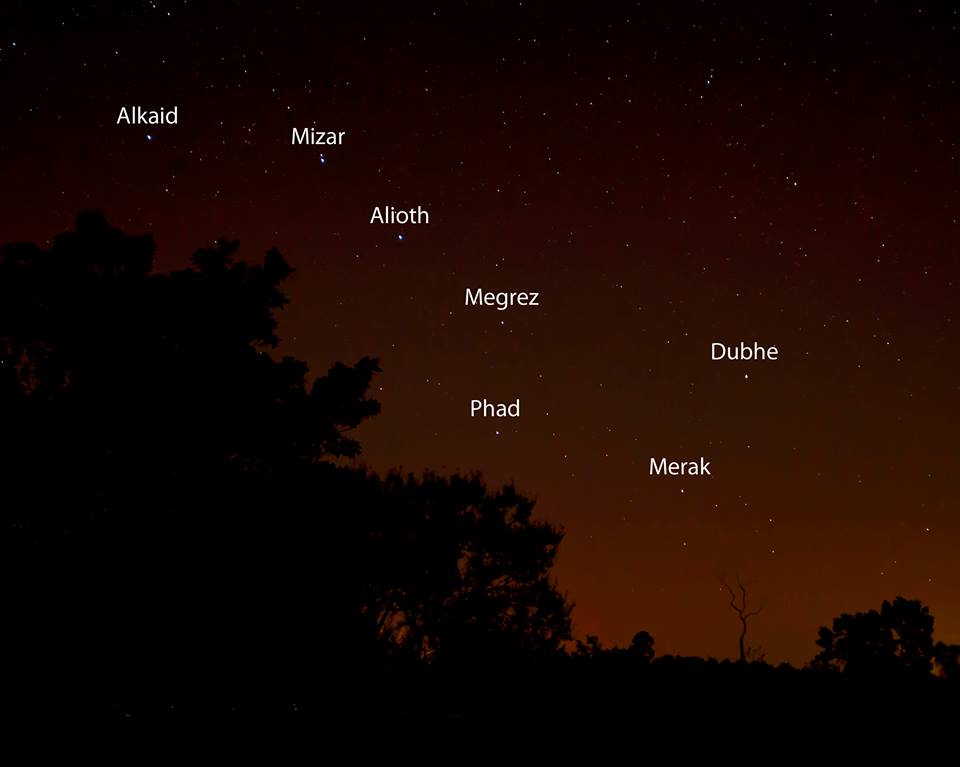
Two constellations never dip below the horizon in the Northern Hemisphere: Ursa Major (which contains the Big Dipper) and Cassiopeia. Start with the Big Dipper every single time. It looks like a ladle with a curved handle — unmistakable once you've seen it. The two outer stars of the cup form a line that points directly to Polaris, the North Star. Once you have Polaris, you have true north, and the rest of the sky organizes itself around that fixed pivot point.
Cassiopeia sits on the opposite side of Polaris from the Big Dipper and looks like a bold W or M depending on the time of year. When the Dipper swings low, Cassiopeia rides high. They trade positions throughout the year, which means at least one of them is always easy to locate on any clear night.
The Seasonal Stars
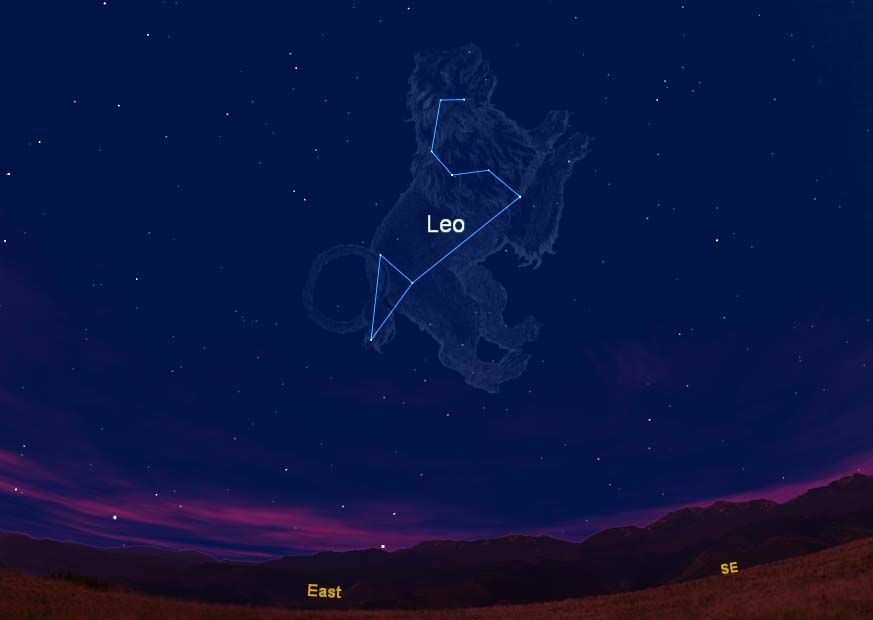
Beyond the year-round anchors, each season brings signature constellations you'll come to recognize automatically. Winter gives you Orion — the three-star belt is the most recognizable pattern in the entire sky, and Betelgeuse (red, upper left) and Rigel (blue-white, lower right) frame it dramatically. Spring brings Leo the Lion, whose backward question-mark shape — called the Sickle — is distinctive even in light-polluted suburbs. The bright star at the base of the Sickle is Regulus, one of the brightest in the night sky.

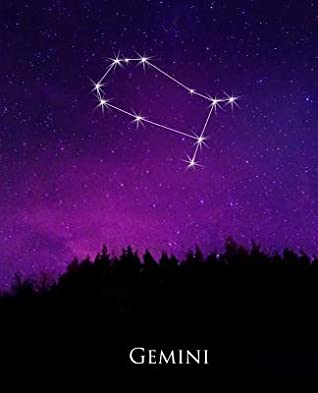
Summer belongs to Scorpius — a sprawling, curved constellation that genuinely looks like a scorpion with its tail arcing downward. It rides low on the southern horizon from northern latitudes, but catching it on a warm summer night is one of the more satisfying moments in beginner stargazing. Gemini caps the list: its two brightest stars, Castor and Pollux, stand side by side like sentinels and are easy to pick out in late winter and spring skies.
When to Head Outside — And When to Wait

Conditions That Make or Break a Session
The best nights for constellation hunting share three qualities: a new or crescent moon (a full moon washes out faint stars entirely), low humidity, and calm atmospheric conditions. Check the lunar phase before planning any serious session. The days immediately before and after a new moon are your prime window — you get maximum darkness and maximum star visibility. A full moon can be beautiful, but it's not your friend when you're trying to spot the faint stars of a constellation's outline.
Humidity matters even when there's no cloud cover. A thick, muggy summer night creates atmospheric haze that blurs and scatters starlight. After a cold front pushes through and the air clears out, the sky often becomes noticeably sharper — those are the nights worth staying up late for.
Times of Year Worth Planning Around
Autumn evenings in the Northern Hemisphere are a consistent sweet spot for backyard stargazing. The air is dry and cool, summer haze is gone, and the Milky Way still stretches across the western sky while the Andromeda Galaxy rises in the east. If you're planning an outdoor night event — a gathering with friends or a family stargazing session — autumn delivers the best combination of comfortable temperatures and clear skies. Set up a few reclining chairs, grab your star chart, and if you want to project a sky map for a group setting, an outdoor inflatable projector screen makes an excellent visual reference tool before everyone's eyes fully adjust to the dark.
Why Knowing Constellations Still Matters Today
Navigation Without Technology
Sailors have navigated by the stars for thousands of years, and the core skill is still practically useful today. Finding Polaris tells you true north. The angle of Polaris above your horizon tells you your approximate latitude. This knowledge is genuinely valuable if you spend time hiking, camping, or sailing in areas with unreliable technology. In a dead-battery or no-signal scenario, someone who knows how to identify constellations can orient themselves and navigate back — a skill that no amount of phone apps can replace once the screen goes dark.
A Deeper Connection to Your Outdoor Space
Beyond practical navigation, learning the night sky changes how you experience your own backyard. When Orion rising means cold weather is coming, when Scorpius low on the horizon tells you it's mid-summer, when you can look up on a random Tuesday night and immediately know where you are in the year — your outdoor space stops being just a patch of ground with furniture and starts feeling connected to something vast and ongoing. That's a kind of awareness that takes only a few weeks to develop and lasts a lifetime.
Tricks That Make Star Patterns Click Faster
Use the Pointer Stars, Not Random Searching
Every major constellation has pointer stars — bright stars in a neighboring pattern that aim directly toward it. The Big Dipper's outer cup stars point to Polaris. Orion's belt, extended southeastward, leads you straight to Sirius, the brightest star in the entire night sky. Learning these pointer relationships transforms the sky from a random scatter of lights into a navigable map you can move through confidently. Once you know three or four pointer paths, you can orient yourself in under a minute on any clear night.
Anchor on Brightness First
When scanning a new area of sky, focus on the brightest stars first and build the pattern outward from there. Astronomers measure stellar brightness using a magnitude scale — lower numbers mean brighter stars. Your anchor stars are your landmarks. Faint stars fill in the outline once the bright ones are fixed in your mind. Trying to absorb the entire visual field at once is what overwhelms beginners and prevents them from making any real progress.
Practice in Short, Consistent Sessions
Ten focused minutes outside every clear night beats a two-hour marathon once a month. Go out, find your anchor constellations by memory, then pick one new one to work on. Short repetition builds the kind of automatic recognition you're after — the point where you glance up and just know what you're looking at without consciously searching. Two weeks of consistent short sessions typically gets most people to that threshold.
Stargazing Tools Compared: Apps, Charts, and Binoculars
Choosing the right tool for the job speeds up how quickly you learn how to identify constellations. Each option has real trade-offs worth understanding before you invest time or money:
| Tool | Best For | Dark Adaptation Impact | Cost | Learning Curve |
|---|---|---|---|---|
| Smartphone star app (SkySafari, Star Walk) | Real-time sky overlay, instant ID | High — bright screen | Free–$15 | Very low |
| Printed monthly star chart | Learning without screen distraction | None (use red flashlight) | Free–$10 | Medium |
| Planisphere (rotating chart) | Any date, any time, no battery | Minimal | $10–$25 | Medium |
| Binoculars (7×50 or 10×50) | Star clusters, nebulae, moon detail | Low | $50–$200 | Low |
| Telescope | Planets, deep-sky objects | Low | $100–$800+ | High |
App vs. Paper Chart
Star apps are the fastest entry point for beginners — you hold your phone toward any part of the sky and the app overlays constellation lines and star names in real time. The downside is dependency. Use the app to identify your target, then put the phone away and find the constellation with your naked eye. That shift from app to unaided vision is where real learning happens. Relying on the augmented display indefinitely prevents you from ever building genuine sky familiarity.

Printed charts and planispheres force deliberate spatial thinking. You have to match what you see on paper to what you see overhead, which builds actual pattern recognition instead of pattern recognition with training wheels. The combination most experienced amateur astronomers recommend: use an app for initial orientation on unfamiliar nights, use a printed chart for focused study sessions. Both tools together accelerate your progress more than either one alone.
Frequently Asked Questions
What is the easiest constellation to identify for beginners?
The Big Dipper is the single easiest pattern to find from the Northern Hemisphere. It's large, bright, and visible year-round — it never sets below the horizon. Its shape is immediately recognizable even under moderate light pollution, and once you find it, you can use it to locate Polaris and begin navigating the rest of the sky.
Do I need a telescope to see constellations?
No. Constellations are patterns of stars visible with the naked eye — telescopes are actually the wrong tool for viewing them because most constellations span huge areas of sky that won't fit in a telescope's narrow field of view. Binoculars help you see faint stars and details, but bare eyes are all you need to identify constellation patterns.
Why do different constellations appear in different seasons?
Earth orbits the Sun over the course of a year, which changes which part of the night sky faces away from the Sun at any given time. In winter, the night side of Earth faces a different region of space than it does in summer — which is why Orion dominates winter skies and Scorpius rules summer skies. The year-round circumpolar constellations like the Big Dipper and Cassiopeia appear because they're positioned near the celestial pole and never dip below the horizon.
How long does it take to learn to identify constellations?
Most people can reliably find five to eight constellations within two to four weeks of consistent practice. Short sessions matter more than long ones — ten focused minutes on clear nights, every night you can manage, builds sky familiarity faster than occasional marathon sessions. After a month, finding your core constellations feels automatic rather than effortful.
Does light pollution make it impossible to see constellations?
Not impossible — but it does limit what you can see. In a typical suburban backyard, you can still identify the brightest constellations: Orion, the Big Dipper, Cassiopeia, Leo, Scorpius. Faint stars in less prominent patterns become difficult or invisible. Turning off outdoor lights, moving away from streetlights, and allowing your eyes to dark-adapt makes a measurable difference even in suburban conditions.
Final Thoughts
The night sky above your backyard is one of the most accessible and endlessly rewarding things you can explore — and the barrier to entry is genuinely low. Pick three constellations, step outside on the next clear night, and give your eyes thirty minutes to settle in. That one session is all it takes to get started. Browse our full constellation guides to keep building from there, and turn your next backyard night into something worth looking up for.


About Simmy Parker
Simmy Parker holds a Bachelor of Science in Civil Engineering from Sacramento State University and has applied that technical background to outdoor structure design, landscape planning, and backyard improvement projects for over a decade. Her love for the outdoors extends beyond design — she regularly leads nature hikes and has developed working knowledge of native plants, soil conditions, and sustainable landscaping practices across Northern California. At TheBackyardGnome, she covers backyard design guides, landscaping ideas, and eco-friendly outdoor living resources.
You can Get FREE Gifts. Receive Free Backyard Items here. Disable Ad Blocker to get them all now!
Once done, hit anything below