Best Inflatable Movie Projector Screens for Outdoor Use (2026)
by William Murphy
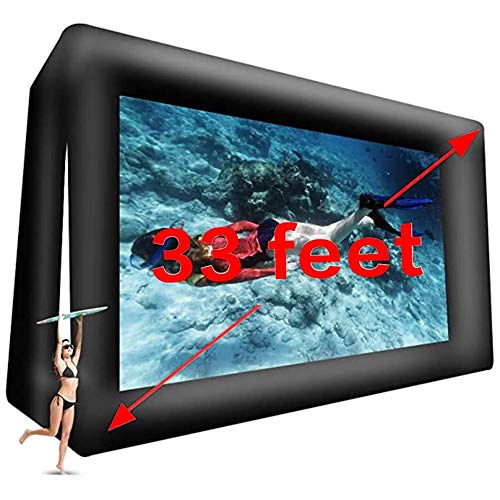
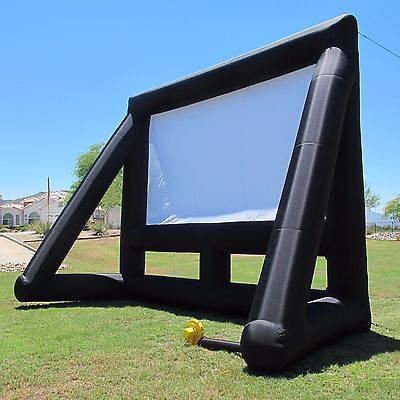
The fitnessandfun 33-foot model is in a completely different league from the other screens on this list — it is a genuine event-grade screen designed for large outdoor gatherings, church movie nights, community pool parties, wedding receptions, and similar large-audience events. At 33 feet, this screen comfortably accommodates audiences of 150 to 300 people, making it the only option on this list suitable for truly large public or semi-public outdoor screenings. The viewing surface is completely seamless — no join line running down the middle of the projection area, which is a significant upgrade over older inflatable screen designs that split the image with a visible seam that distracts from the picture, especially on high-contrast content like night scenes or white title cards.
The frame is constructed from triple-strength 210DD Oxford fabric, where the DD designation indicates a double-density weave that produces substantially thicker, tougher material than the parachute-grade fabric used in cheaper large-format screens. When wind picks up during a screening, the included upgraded rope set and improved ground nails provide the anchoring needed to keep a screen of this scale stable, and the upgraded hardware directly addresses a common criticism of earlier fitnessandfun models where the ropes and stakes were undersized relative to the screen's surface area. Front and rear projection are both supported, giving event organizers the flexibility to place the projector behind the screen when the audience area or venue layout makes front placement impractical.
The trade-off with a screen of this scale is logistics: setup takes considerably more time than a residential screen and works best with two or more people, and storage and transport require a large vehicle or dedicated event transport arrangement. For event coordinators managing recurring outdoor cinema events throughout a season, those logistics become routine. For casual home users planning a one-off backyard party, any of the 14- to 18-foot options on this list is a more practical fit.
Pros:
- 33-foot size suitable for audiences of 150 to 300 people
- Seamless projection surface — no center seam to divide the image
- Triple-strength 210DD Oxford fabric frame for maximum durability
- Front and rear projection both supported
- Upgraded ropes and ground nails for wind anchoring at large scale
Cons:
- Requires multiple people and significant time investment for setup
- Overkill in both size and cost for residential backyard movie nights
- Larger transport and storage footprint than any other screen on this list

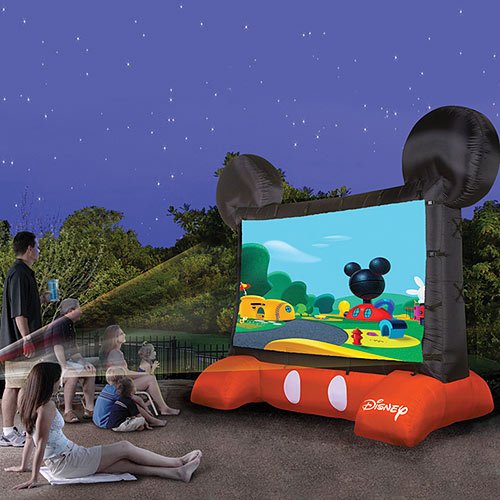
6. GYUEM 18ft Inflatable Outdoor Projector Movie Screen — Best All-Around Value

The GYUEM 18ft hits a practical sweet spot between the mid-size 14- to 16-foot screens and the large-format 33-footer — it delivers a viewable screen area of 11 feet by 6.5 feet, with a total frame height of 14 feet and width of 11.5 feet in the standard 16:9 ratio, comfortably seating 50 to 80 viewers at a backyard or park setting. The professional double-sided projection white cloth is the standout feature here, supporting both front and rear projection without sacrificing image brightness or color accuracy on either side — a claim that some competing screens make but do not consistently deliver in practice based on buyer feedback across verified purchases.
The GYUEM ships with the complete accessory package: a continuous-run blower, anchoring ropes, tent stakes, and a storage bag that folds down to a size manageable enough to fit in the back of a standard SUV or pickup truck without requiring specialty transport. Our team noted that the GYUEM's build quality punches above its price tier — the materials feel more substantial than most competing 18-foot screens at comparable price points, and the connection between the projection screen surface and the inflatable frame is tight and free of visible gaps that could leak air or create surface distortion during use.
This is the screen our team recommends for home users who want more viewing area than a 14- or 16-foot screen provides but are not organizing events large enough to justify the fitnessandfun 33-footer. For backyard pool parties, neighborhood community gatherings, or organization events with 50 to 100 attendees, the GYUEM 18ft is a versatile and dependable choice that handles repeated seasonal use without deteriorating noticeably in material quality or surface clarity.
Pros:
- 18-foot total height with 11×6.5 foot viewable screen area
- Professional double-sided projection cloth for genuine front and rear use
- Complete package: blower, ropes, tent stakes, and storage bag
- Build quality above average for the price tier
- Storage bag allows transport in a standard SUV or pickup truck
Cons:
- At 18 feet total height, setup benefits from two people rather than one
- Blower must remain plugged in and running continuously throughout the screening
7. Talvania 12ft Inflatable Projector Screen — Best Starter Package

The Talvania 12ft rounds out our list as the best entry-level option for first-time inflatable screen buyers and home users with smaller yard spaces. At 12 feet total height, it delivers a generous viewing experience for intimate gatherings of 10 to 25 people, and the white polyester projection surface provides a clean, vibrant image that handles standard outdoor projector output well across the full screen width. The complete package includes a blower, tie-downs, stakes, sandbags, and a storage bag — a more generous accessory kit than most competing screens in the 12-foot class, and one that addresses real-world wind and stability concerns right out of the box without requiring additional purchases.
Front and rear projection support on the Talvania means home users are not locked into a single projector placement position, which adds genuine flexibility for backyard setups where obstacles like trees, patio furniture, raised garden beds, or foot traffic pathways might limit where the projector can be positioned relative to the viewing area. The multicolor frame design gives the screen a festive, party-ready look that works well for birthday parties, themed celebrations, and seasonal events. The fully integrated screen-and-frame system means there is no separate screen attachment process — the projection surface is part of the inflatable unit, which simplifies setup considerably for first-time users who have never assembled an inflatable screen before.
For home users who are new to outdoor cinema setups or who have limited storage space for larger equipment, the Talvania 12ft is a capable and complete starting point that delivers real value. The sandbags included in the kit are an accessory that many competing screens at this size omit entirely — a practical detail that matters in yards where driving stakes into the ground is difficult due to compacted soil, pavers, or HOA restrictions on ground modification.
Pros:
- Complete kit: blower, tie-downs, stakes, sandbags, and storage bag
- Fully integrated screen-and-frame design simplifies first-time setup
- Front and rear projection both supported
- Compact 12-foot size suited to smaller residential yard spaces
- Festive multicolor frame for themed and seasonal events
Cons:
- 12-foot size limits comfortable audience capacity to around 25 viewers
- Smaller screen surface means image quality is more dependent on projector output brightness

What to Look For When Buying Inflatable Movie Projector Screens
Shopping for an inflatable outdoor movie screen in 2026 involves more than picking the largest screen within budget — several technical and practical factors directly impact whether the screen delivers a satisfying outdoor cinema experience across multiple uses. Our team has broken down the most critical buying criteria into four core areas that every buyer should understand before making a decision.
Screen Size and Yard Dimensions
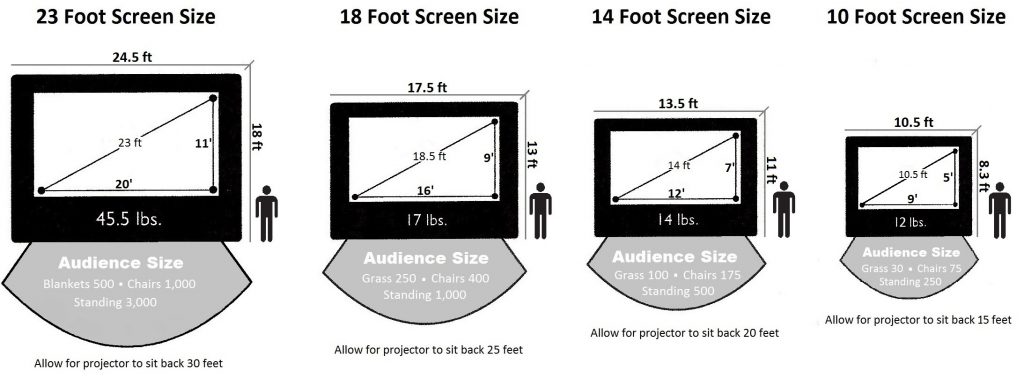
The most common buying mistake our team observed across hundreds of buyer reviews is choosing a screen that is either too large for the available yard space or too small for the intended audience. The general rule for home cinema setups is that viewers should be seated at a distance of 1.5 to 2.5 times the screen width for an optimal viewing experience — closer than that causes eye strain, and farther back results in a picture that feels too small for the outdoor environment. A 12-foot screen works well for yards that can place an audience 15 to 20 feet from the screen; a 16- to 18-foot screen needs at least 20 to 30 feet of clear viewing distance; and the 33-foot fitnessandfun requires open-field conditions with 50 or more feet of clear audience space between the screen and the last row.
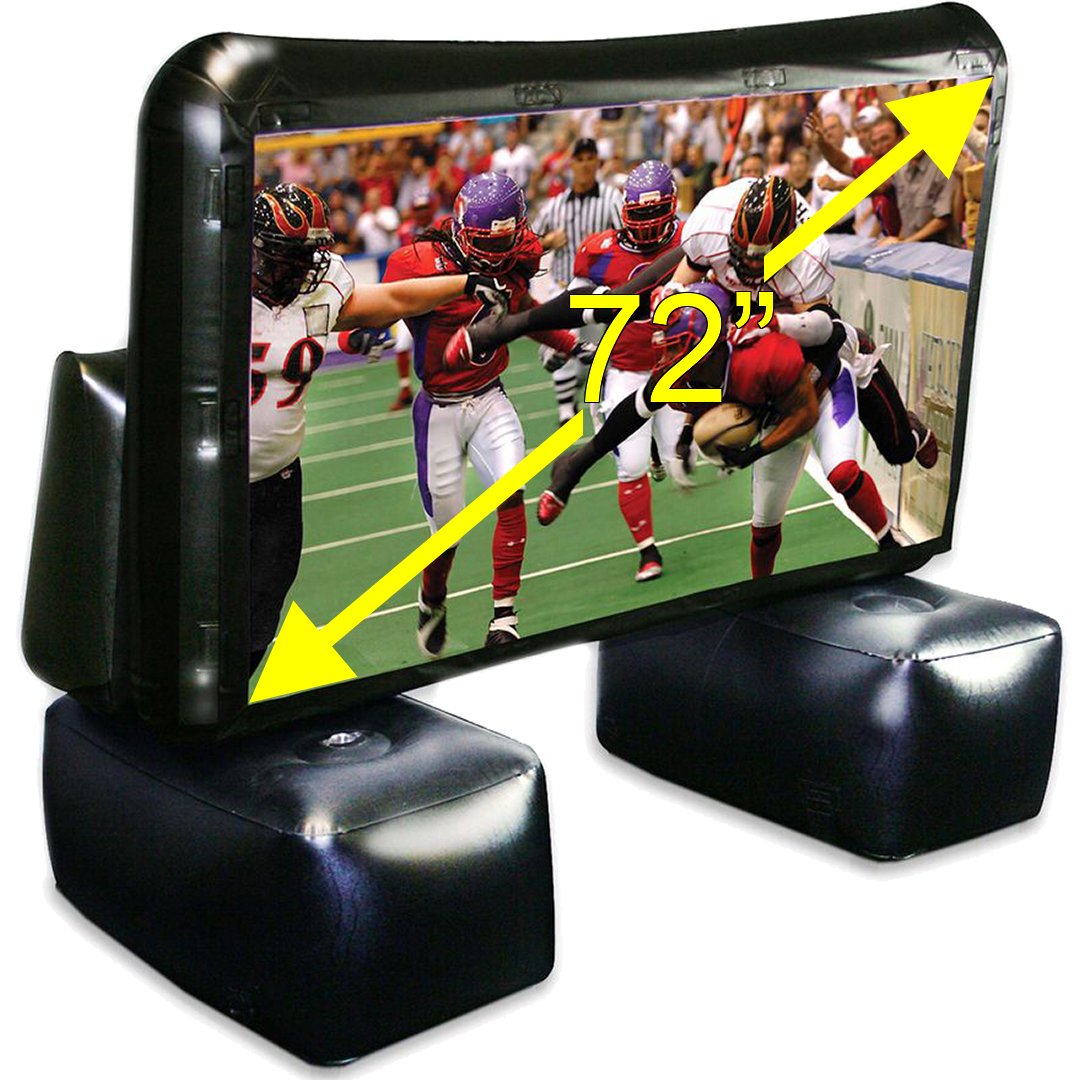
One measurement detail that confuses many first-time buyers is the difference between total screen diagonal and viewable screen area. Manufacturers frequently advertise the diagonal measurement of the entire inflatable unit including the frame, while the actual projection surface is meaningfully smaller. Always check the viewable width and height dimensions in the product specifications, not just the headline diagonal number. The Gemmy's 144-inch headline diagonal, for example, corresponds to a viewable area of 123 inches wide by 70 inches tall — still a large and impressive screen, but noticeably smaller than the top-line number suggests to buyers who have not read the fine print.
Setup, Inflation, and Blower Noise
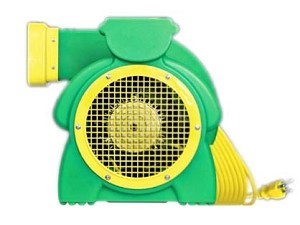
Every inflatable screen on this list uses a continuous-run blower — a fan that stays plugged in and running for the entire duration of the movie — rather than a sealed inflation system that holds air without power. This means blower noise is a constant presence throughout every screening, and its audibility varies considerably between models. The OUTTOY specifically engineers for low blower noise, and the XHYCPY 16ft scores well in this area based on consistent buyer reports. As a general rule, larger-wattage blowers at 180 watts and above tend to produce more airflow and more fan noise, so home users who prioritize a quiet ambient environment should specifically check noise-related buyer reviews before finalizing a purchase decision.
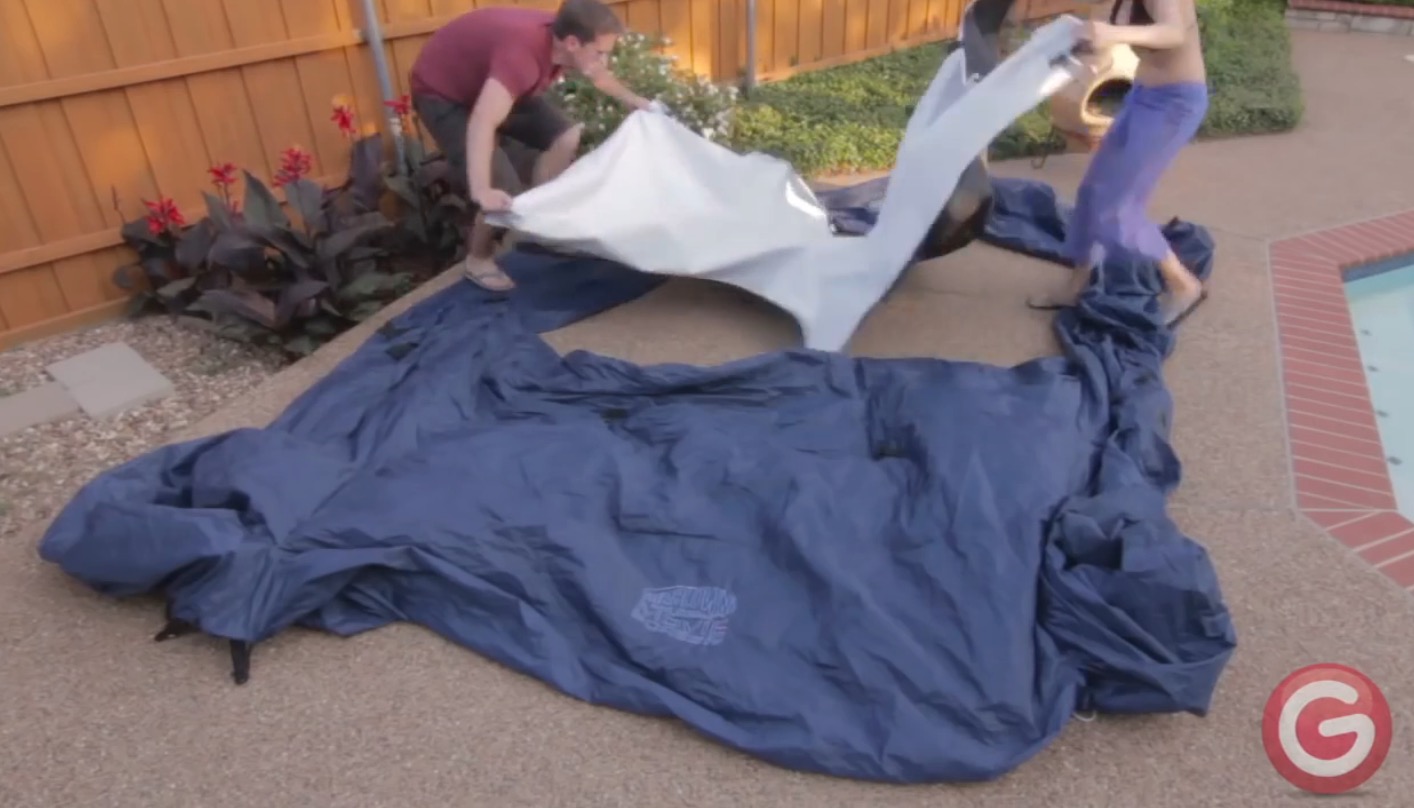
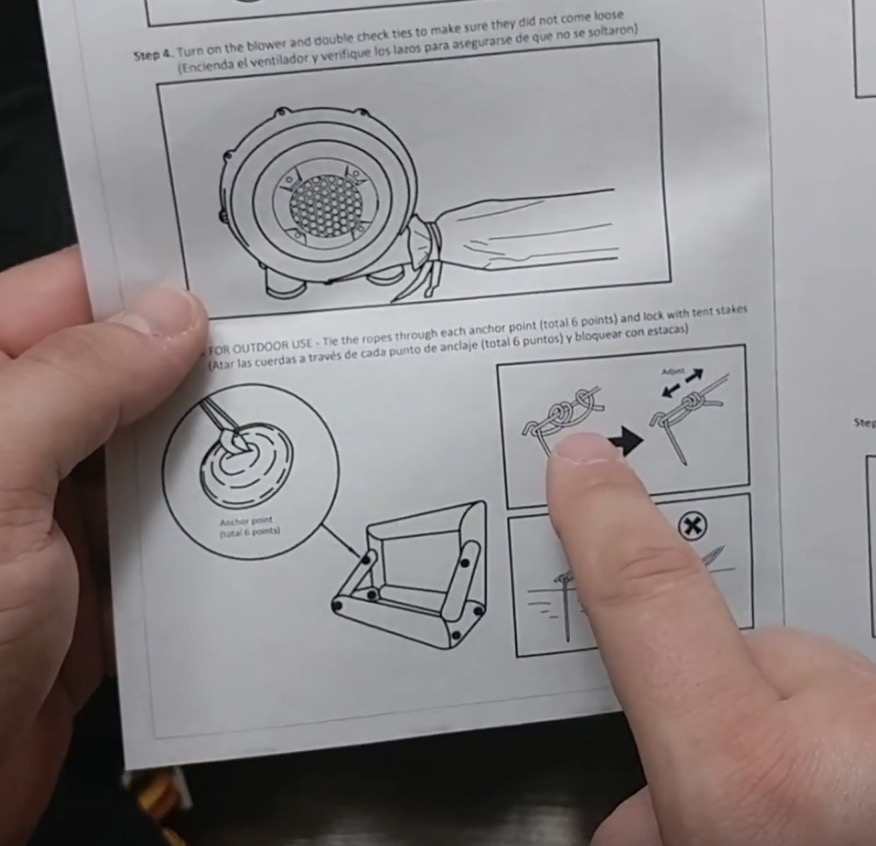
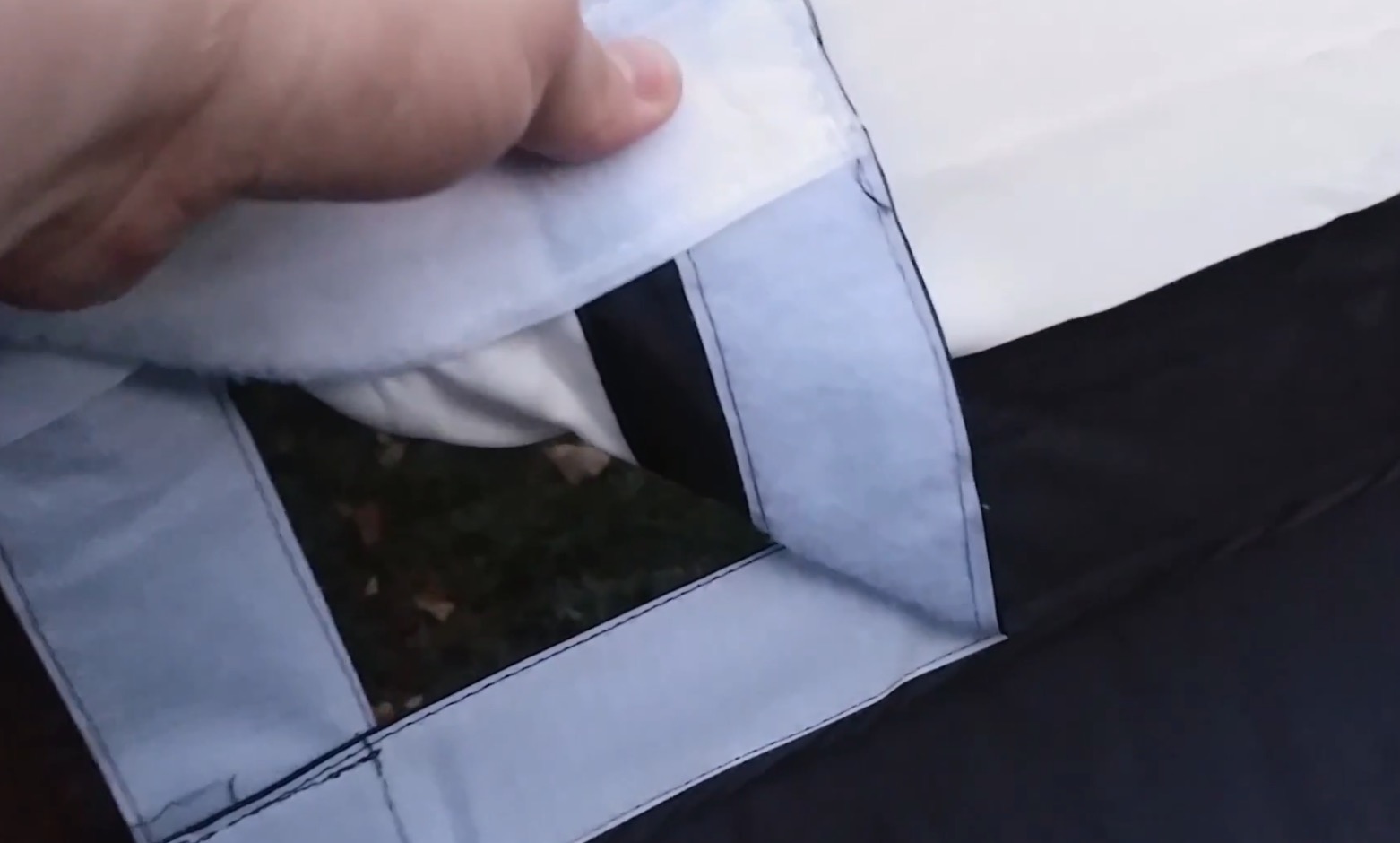
Setup time for most screens on this list ranges from 5 to 15 minutes for experienced users and 15 to 30 minutes for first-time assembly, assuming all accessories are organized before beginning. Our team recommends doing one full practice setup before the actual event to learn the specific quirks of the unit — particularly any zipper-before-inflating requirements that are easy to miss the first time. The self-inflating process itself is straightforward for all models on this list: lay out the frame, close all securing panels and zippers, plug in the blower, and the screen rises fully in 2 to 5 minutes depending on total screen size.
Projection Type, Aspect Ratio, and Image Quality
Front projection — where the projector sits in front of the screen facing the audience — is the simplest setup and works with any projector. Rear projection — where the projector is positioned behind the screen and transmits light through the material — requires a screen fabric specifically designed to allow light transmission while still reflecting a viewable image on the audience side, and it offers the advantage of keeping the projector and its cables completely out of the audience area. Six of the seven screens on this list support both front and rear projection, which is now effectively standard across mid-range and above inflatable screens — only the Gemmy is limited to front projection.
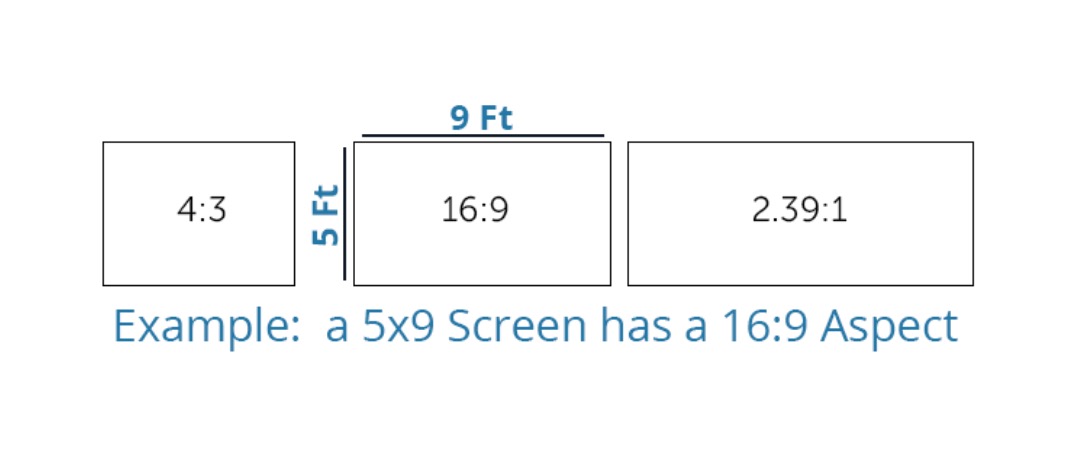
All seven screens on this list use the 16:9 aspect ratio — the standard widescreen format used by modern streaming services, Blu-ray discs, gaming consoles, and HD broadcasts — so movies and shows project without black bars on the sides or top and bottom in the vast majority of content. Screen material quality directly affects image brightness and color accuracy: thickened polyester and double-weave fabrics reflect more light and deliver more vibrant projected images than thin single-layer materials, which is especially important for buyers using projectors with lower lumen output — brightness ratings below 3,000 lumens — where screen surface quality makes a visible difference in the final image quality as the evening progresses.
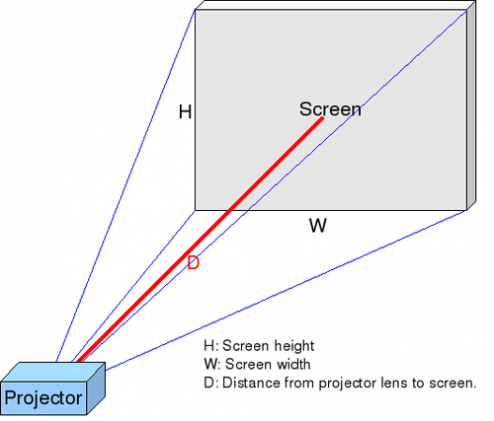
Throw ratio — the ratio of the projector's distance from the screen to the width of the projected image — determines how far back the projector must be placed relative to screen size to fill the viewing surface. A standard throw projector typically needs to be positioned 8 to 15 feet back to fill a 16-foot screen, while a short-throw projector achieves the same image from just 2 to 4 feet away from the surface. Home users who plan to use rear projection should verify that their projector's throw ratio is compatible with the available depth of the space behind the screen before purchasing any inflatable unit.
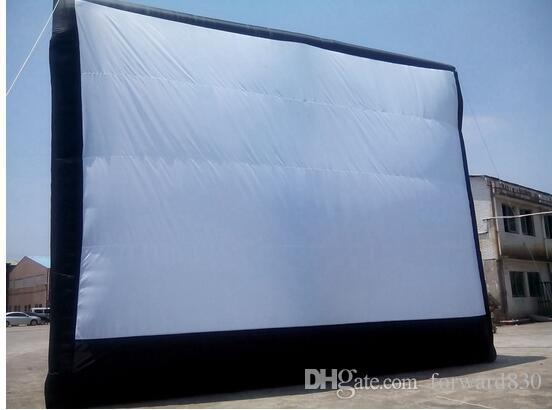
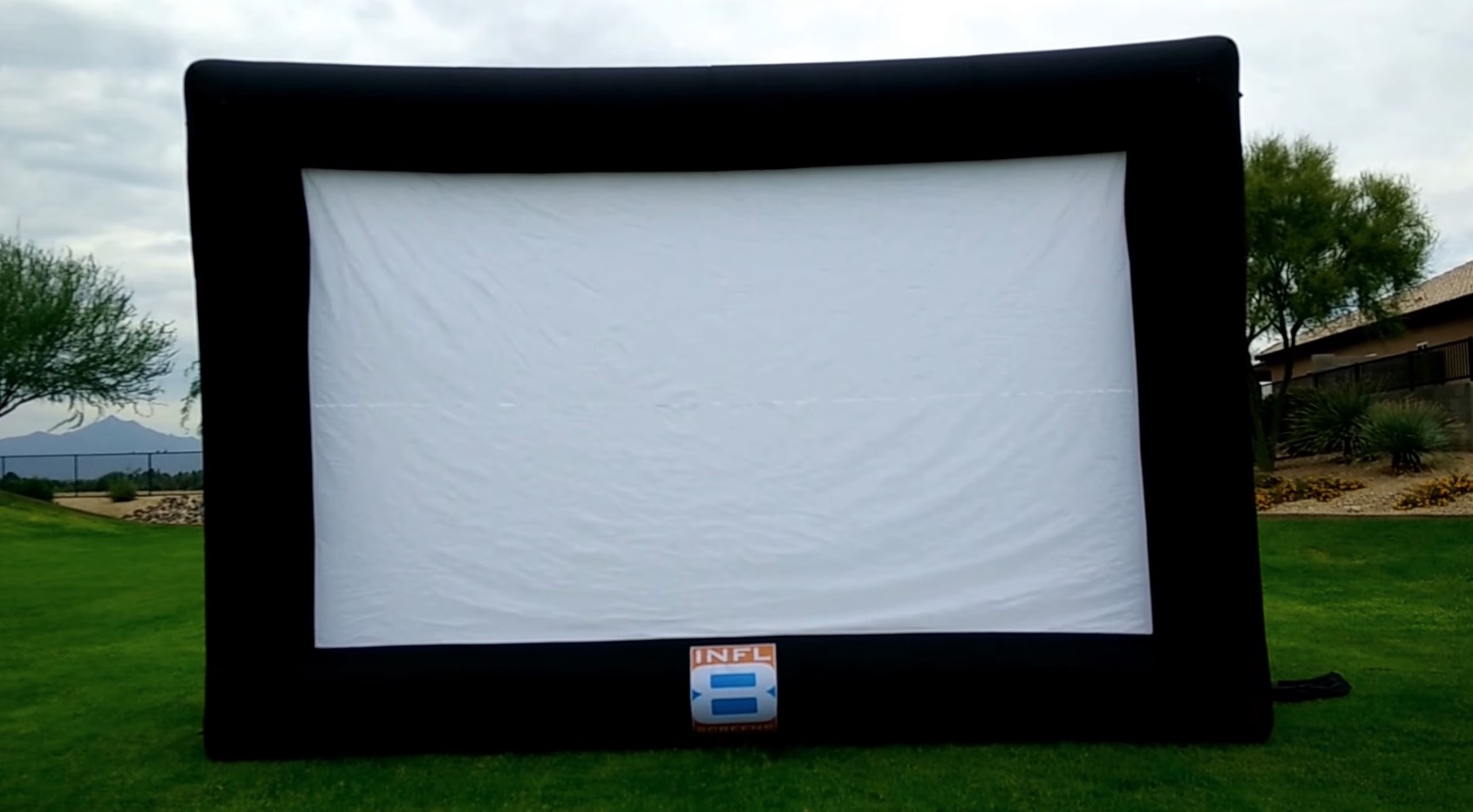
Wind Resistance, Stability, Storage, and Maintenance
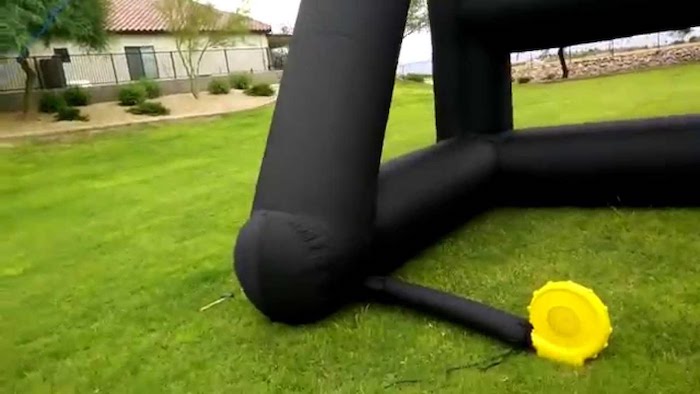
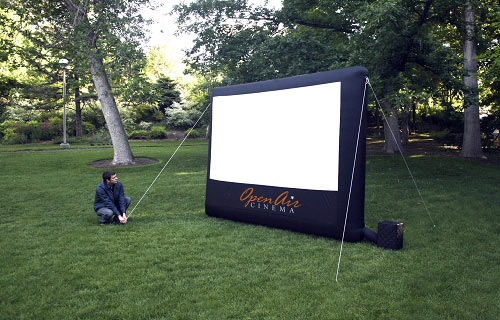
Wind is the primary environmental hazard for inflatable movie screens, and any screen taller than 10 feet becomes a significant sail in winds above 15 to 20 miles per hour. All seven screens on this list include stakes and tethers — ropes that anchor the screen firmly to the ground — and using all of them is non-optional regardless of how calm conditions seem at the start of the evening, since wind conditions can shift rapidly during a two- to three-hour movie. Larger screens require proportionally heavier anchoring: the fitnessandfun 33ft specifically upgraded its rope and ground nail hardware to address anchoring demands at that scale, and event organizers using any screen above 18 feet should consider adding sandbags to the base for additional ballast in exposed open-field venues.
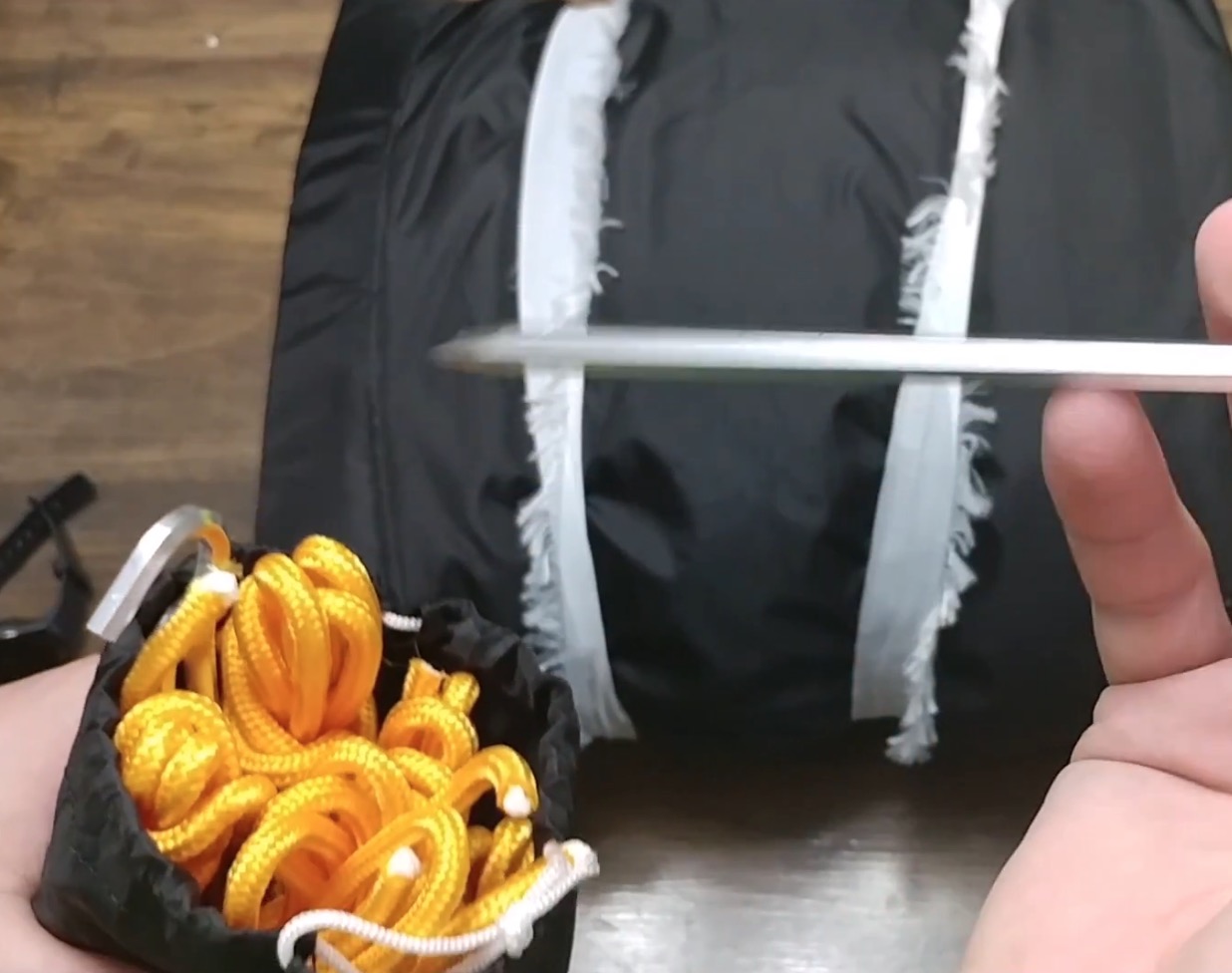
Storage and transport are practical considerations that are easy to overlook until the screen needs to be moved or stored at the end of the season. All seven screens on this list include a carry bag, and quality ranges from simple drawstring sacks to structured 210D Oxford bags with reinforced handles. For home users who plan to transport the screen to multiple locations — parks, community centers, church grounds — a reinforced carry bag with handles is an important feature worth confirming before purchasing. At home, deflated screens store compactly in a garage or shed, but all stakes, tethers, and hardware components should always be stored inside the same bag to prevent accessories from going missing between uses.
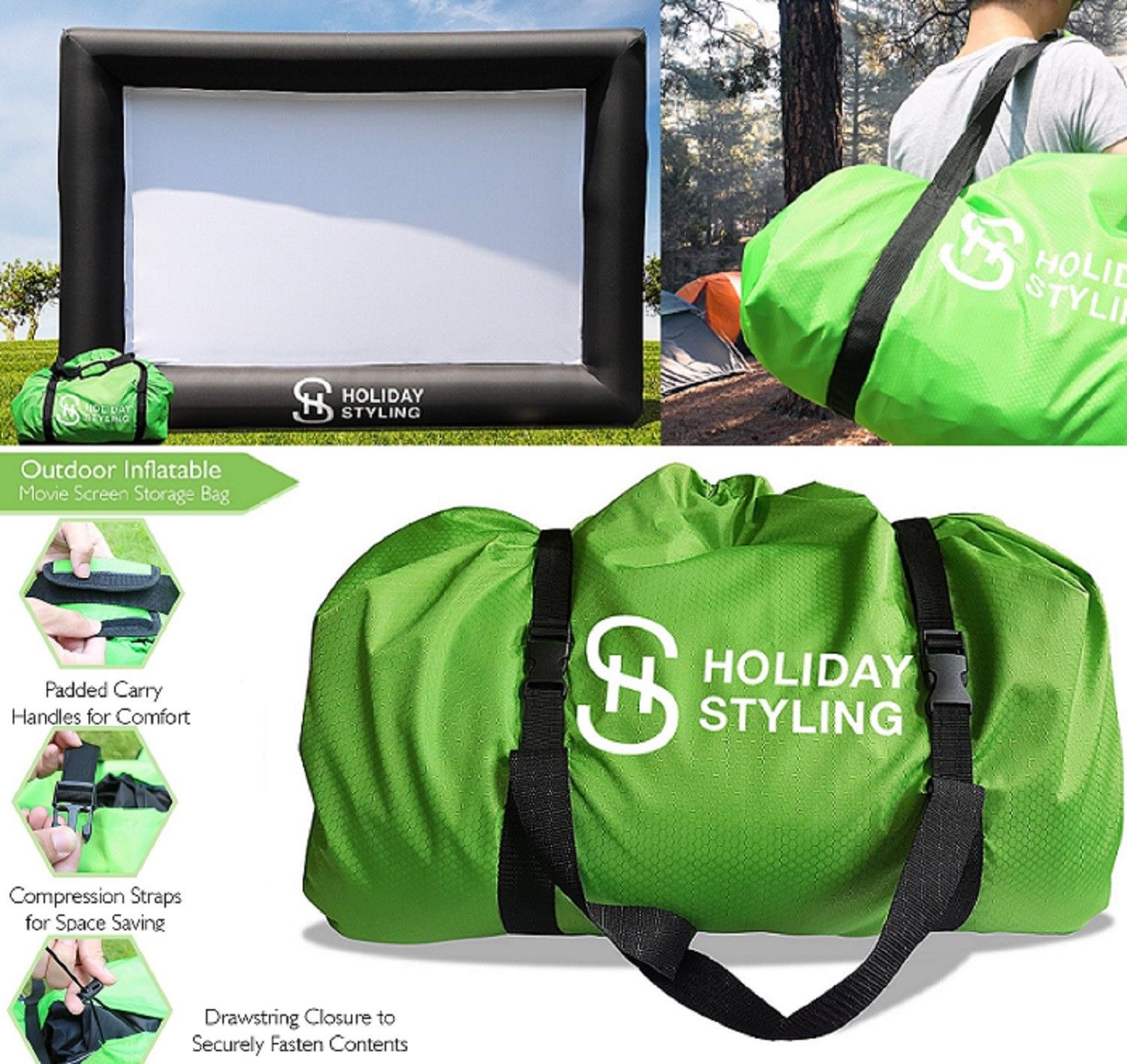
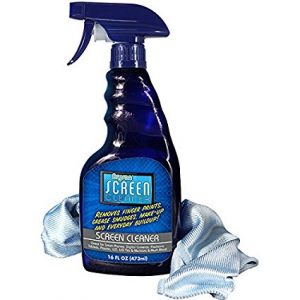
Maintenance for inflatable movie screens is minimal but important for preserving projection quality and material integrity across multiple seasons. The projection surface should be wiped down with a damp cloth after each use to remove dust, pollen, and bird droppings, all of which degrade projection clarity over time when left to accumulate. The oxford fabric frame should be allowed to dry completely before being packed into the storage bag to prevent mildew from forming during off-season storage. Home users in regions with particularly harsh weather should bring the screen indoors during strong storms rather than leaving it staked overnight — even well-anchored screens can sustain frame or surface damage in sustained high winds above 25 miles per hour.
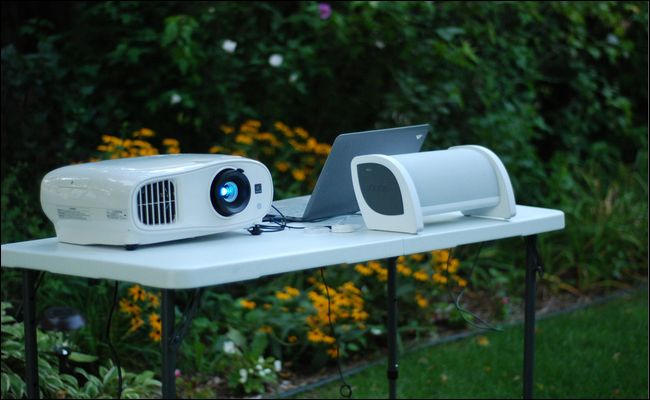
None of the screens on this list include a projector — buyers need to source their projector separately as a standalone purchase. For an outdoor backyard setup, a projector rated at a minimum of 3,000 lumens is recommended for use in low-light after-dark conditions, and 5,000 lumens or above for use in partially lit or dusk environments where ambient light from nearby homes, street lights, or patio lighting reduces effective image contrast. Pairing the right projector brightness with the right screen surface material makes a significant and visible difference in the final viewing experience. For more outdoor product reviews covering everything from fire features to furniture, the full reviews section covers a wide range of backyard products tested by our team, and our article on Iron Embers chiminea outdoor fireplaces covers fire features that pair naturally with a projector screen setup on cool evenings outdoors.
What People Ask
How long does it take to set up an inflatable movie screen?
Most inflatable movie screens on this list take between 5 and 15 minutes for experienced users to assemble and stake, and 15 to 30 minutes for first-time setup when following the instructions step by step. The inflation itself typically takes 2 to 5 minutes once the blower is plugged in — the remaining time is spent laying out the frame, closing zippers or securing panels, then staking and tethering the screen to the ground. Our team recommends completing one full practice setup before the actual event so the process becomes familiar and the setup time drops significantly for all future uses.
Does an inflatable movie screen come with a projector?
No — none of the inflatable movie screens reviewed here include a projector. All screens reviewed are display surfaces only, and buyers need to source a projector separately. Our team recommends a minimum of 3,000 lumens for outdoor use after dark, with 5,000 lumens or above preferred for setups where some ambient light from nearby sources will be present during the screening. The projector's throw ratio — the distance the unit needs to be from the screen to fill it at a given size — should also be verified against the available setup space before purchasing either the screen or the projector.
What is the difference between front and rear projection on an inflatable screen?
Front projection means the projector sits in front of the screen facing toward the audience — the standard setup for most backyard movie nights. Rear projection means the projector is placed behind the screen and projects through the material, with the image visible from the audience side. Rear projection keeps the projector and all its cabling completely out of the crowd area, which is a practical advantage for large-audience events where equipment in the viewing space creates tripping hazards or obstructs sightlines. Six of the seven screens on this list support both projection methods; the Gemmy 39127-32 is the only front-projection-only option reviewed here.
Is the blower loud enough to interfere with movie audio?
Blower noise varies between models, but most home users find that fan sound becomes barely perceptible once movie audio is playing at normal external speaker levels. The OUTTOY 16FT is specifically designed for low blower noise and is the clearest recommendation for noise-sensitive setups near neighbors or in quiet residential areas. The XHYCPY 16ft also receives consistently strong reviews for blower noise levels. Larger screens with higher-wattage blowers — particularly the 33-foot fitnessandfun — will produce more fan noise, and event organizers using screens of that scale should plan audio accordingly with speakers positioned to point away from the blower location.
How do inflatable movie screens hold up in wind?
All seven screens on this list include stakes and tethering ropes, and using every anchor point provided is essential — not optional — regardless of conditions at setup time. Inflatable screens act as large sails and can tip, shift, or collapse entirely in winds above 15 to 20 miles per hour if not properly staked and tethered. The fitnessandfun 33ft includes specifically upgraded rope and ground nail hardware to address anchoring demands at large scale. Our team recommends that home users monitor weather forecasts before every outdoor screening and bring the screen indoors during any sustained wind event, storm, or rain rather than leaving it anchored overnight in uncertain conditions.
What screen size is best for a standard residential backyard?
For most residential backyards with 20 to 40 feet of open viewing space, a 14- to 16-foot inflatable screen delivers the ideal balance between image size and practical yard fit. The 12-foot Talvania suits smaller yards or intimate gatherings of 10 to 25 people where a shorter viewing distance is unavoidable. Home users with larger open yards hosting regular gatherings of 50 or more people benefit from stepping up to the 18-foot GYUEM, which provides a more cinematic scale without the logistics complexity of the event-grade 33-foot model. The fitnessandfun 33ft is designed for open-field community events rather than standard residential backyard use.
Buy on Walmart
- Gemmy 39127-32 Deluxe Outdoor Inflatable Movie Screen, 12-In — Walmart Link
- XHYCPY 16ft Inflatable Movie Screen Outdoor Projector Screen — Walmart Link
- Inflatable Projector Screen - 14FT Outdoor Movie Screen Blow — Walmart Link
- OUTTOY Inflatable/Blow Up Projection Screen with Quiet Fan a — Walmart Link
- fitnessandfun 33' Huge Inflatable Movie Screen Outdoor Incl — Walmart Link
- GYUEM 18 feet Inflatable Outdoor Projector Movie Screen - Pa — Walmart Link
- Talvania 12 Feet Inflatable Projector Screen for Outdoor and — Walmart Link
Buy on eBay
- Gemmy 39127-32 Deluxe Outdoor Inflatable Movie Screen, 12-In — eBay Link
- XHYCPY 16ft Inflatable Movie Screen Outdoor Projector Screen — eBay Link
- Inflatable Projector Screen - 14FT Outdoor Movie Screen Blow — eBay Link
- OUTTOY Inflatable/Blow Up Projection Screen with Quiet Fan a — eBay Link
- fitnessandfun 33' Huge Inflatable Movie Screen Outdoor Incl — eBay Link
- GYUEM 18 feet Inflatable Outdoor Projector Movie Screen - Pa — eBay Link
- Talvania 12 Feet Inflatable Projector Screen for Outdoor and — eBay Link
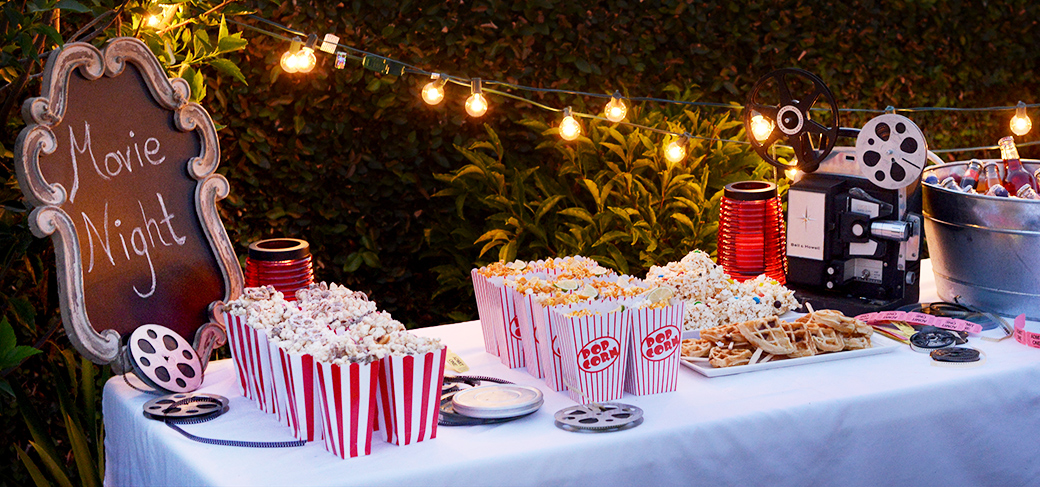
The right inflatable movie screen turns any open yard into a real outdoor theater — and in 2026, getting that right means matching the screen size to the space, not just buying the biggest number in the listing title.


About William Murphy
William Murphy has worked as a licensed general contractor in Fremont, California for over thirty years, specializing in outdoor structures, green building methods, and sustainable design. During that career he has written about architecture, construction practices, and environmental protection for regional publications and trade outlets, bringing technical depth to subjects that most home improvement writers approach only from a consumer perspective. At TheBackyardGnome, he covers outdoor product reviews, backyard construction guides, and sustainable landscaping and building practices.
You can Get FREE Gifts. Receive Free Backyard Items here. Disable Ad Blocker to get them all now!
Once done, hit anything below