Best Pergola for Your Backyard: Reviews, Buying Guide and FAQs 2026
by William Murphy
The outdoor living market topped $53 billion in 2025, and pergolas are one of the fastest-growing segments — home improvement retailers report double-digit year-over-year sales growth for freestanding pergola kits. That number makes sense to our team. We've spent weeks researching, comparing, and evaluating the top pergola kits available in 2026, and the variety on the market right now is genuinely impressive. Steel, aluminum, cedar, louvered roofs, retractable canopies, hardtop frames — there's a pergola for almost every backyard setup and budget.
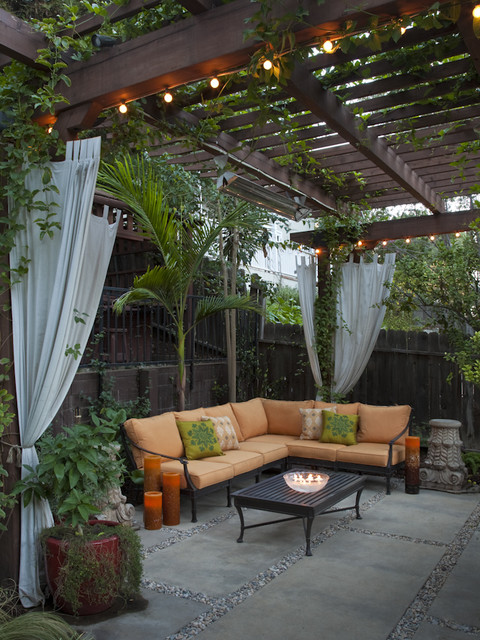
A pergola is an open-sided outdoor structure with a roof framework of rafters or slats — traditionally used to support climbing plants, but modern kits have evolved well beyond that. Today's options include motorized louvered roofs, wind-rated aluminum frames, and even built-in electrical outlets. Our picks cover a range of sizes, materials, and price points so most buyers can find the right fit without drowning in options. We've also put together a buying guide at the bottom covering everything from sun exposure to material durability — the details that actually matter when spending hundreds or thousands of dollars on an outdoor structure.
Whether anyone is shopping for a cozy 10×10 shaded corner or a sprawling 11×18 entertaining space, the 2026 lineup has solid contenders. Our team rounded up the seven best pergolas available right now and broke down exactly what each one does well — and where it falls short. For related structure comparisons, check out our guide to gazebo shapes and sizes and our rundown of the best pergolas reviewed by category.
Contents
- Our Top Picks for 2026
- Product Reviews
- SUNJOY 10×12 Steel Pergola — Best Steel Pick
- Outsunny 10'×13' Louvered Pergola — Best Louvered Under $1,000
- PURPLE LEAF 10'×13' Retractable Aluminum — Best Retractable Canopy
- PURPLE LEAF 11'×18' Louvered Pergola — Best Large-Format Pergola
- Backyard Discovery Beaumont Cedar — Best Cedar Pergola
- MUPATER 10×12 Cedar Wooden Pergola — Best Budget Cedar
- Sojag Lima Grey Aluminum Pergola — Best Compact Modern Design
- Buying Guide
- Frequently Asked Questions
- Key Takeaways
Our Top Picks for 2026
- #PreviewProductRating
- Bestseller No. 1
 Rating:

- Bestseller No. 2
 Rating:
 - Bestseller No. 3
 Rating:
 - Bestseller No. 4
 Rating:
 - Bestseller No. 5
 Rating:
 - Bestseller No. 6
 Rating:
 - Bestseller No. 7
 Rating:
Product Reviews

1. SUNJOY Outdoor Pergola 10×12 ft. Steel — Best Steel Pergola
The SUNJOY 10×12 Steel Pergola is our top pick for buyers who want a no-nonsense metal structure at a reasonable price. The thick-gauge, powder-coated steel frame is built to handle year-round outdoor conditions without rusting or corroding — and in our evaluation, that construction feels noticeably heavier and more solid than cheaper aluminum alternatives at this price tier. The adjustable Textilene canopy is CPAI-84 rated (that means it meets the fire-retardant standard for outdoor fabrics) and the 450g/m² weight gives it a premium feel that resists flapping and sagging in moderate wind.
What separates this model from competitors is the integrated horizontal steel slat privacy wall at the rear. Most pergolas at this price skip privacy features entirely. The SUNJOY includes it as a standard component, making it a genuinely better choice for anyone setting up near a fence line or adjacent to neighbors. Assembly is reported as manageable for two people in a few hours. We'd recommend pairing it with string lights or a set of outdoor lights to get the most out of the space at night.
This is a steel structure, which means it will eventually show surface wear faster than aluminum in coastal or very wet climates. But for most inland or suburban backyard setups, it's a strong, value-forward choice.
Pros:
- Heavy-gauge powder-coated steel resists rust and corrosion
- CPAI-84 rated fire-retardant, UV-blocking Textilene canopy
- Built-in rear privacy slat wall — rare at this price point
- Adjustable shade panels for flexible sun control
- Solid year-round durability for most climates
Cons:
- Steel frame may show wear faster than aluminum in coastal/humid climates
- Heavier components can make solo assembly difficult
2. Outsunny 10'×13' Louvered Pergola, Aluminum — Best Louvered Under $1,000
The Outsunny 10'×13' Louvered Pergola is our pick for anyone who wants manual louver (adjustable slat) roof control without spending over a thousand dollars. The two independently adjustable louvered roof sections rotate from fully closed to fully open — 0° to 90° — using a hand crank. That means fine-tuned sun and shade control throughout the day, which is a significant step up from fixed canopy designs. The all-aluminum frame is both waterproof and rustproof, making this a low-maintenance option for wet climates.

The hidden drainage system is a standout feature. Water channels run through the frame posts rather than pooling on top or dripping over the edges — a detail that keeps the space usable in light rain and protects the frame over time. The black roof and natural-colored aluminum frame combination looks clean and contemporary. This is the best louvered aluminum pergola for buyers who don't want to spend big on motorized controls.
The main drawback is that the hand crank adjustment isn't as seamless as motorized alternatives. In heavy rain, users will need to manually close the louvers — not ideal in an unexpected downpour. That said, the value proposition at this price range is very hard to beat.
Pros:
- Two independently adjustable louvre roof sections (0°–90° range)
- All-aluminum frame — waterproof and rustproof
- Concealed drainage system channels water through posts
- Contemporary black-and-natural color scheme
- Competitive price for a louvered hardtop design
Cons:
- Manual crank only — no motorized adjustment option
- Requires prompt manual closure before heavy rain
3. PURPLE LEAF 10'×13' Aluminum Retractable Pergola — Best Retractable Canopy
PURPLE LEAF has become one of the most trusted names in mid-range aluminum pergolas, and this 10'×13' retractable model is a prime example of why. The double retractable canopy design gives users full flexibility — fully extended for complete shade coverage, partially deployed for light filtering, or fully retracted for open-sky dining. The UV-resistant and water-resistant fabric holds up across seasons without fading or becoming brittle.
The structural engineering on this model is legitimately impressive for the price. The 3.55-inch rust-resistant aluminum posts are thick enough to handle serious wind resistance, and the inclined roof design actively channels water away from the canopy fabric rather than letting it pool. Most buyers setting up in a climate with moderate rain will appreciate that design choice immediately. Assembly takes a weekend afternoon for two people but the instructions are clear enough that most home users won't need professional help.
Where it falls short: retractable canopy systems, while flexible, don't offer the same "set it and forget it" durability of a hardtop louver system. The canopy fabric will need replacement every several years depending on climate intensity. But for buyers who want maximum shade flexibility in a good-looking aluminum frame, this remains our top retractable pick in 2026.
Pros:
- Double retractable canopy with full, partial, or zero deployment options
- Thick 3.55-inch aluminum posts for wind resistance
- Inclined roof design prevents water pooling on canopy
- UV-resistant and water-resistant fabric
- Clean, modern aesthetic in grey finish
Cons:
- Canopy fabric will need replacement over time (not a permanent solution)
- Assembly requires two people — solo setup is very difficult
4. PURPLE LEAF 11'×18' Louvered Pergola — Best Large-Format Pergola
For anyone who needs serious coverage — a large deck, an outdoor dining setup that seats eight or more, or an entertainment area that doubles as a year-round outdoor room — the PURPLE LEAF 11'×18' Louvered Pergola is the clear answer. At 198 square feet of adjustable shade coverage from three independently controlled louvered zones, this is the most capable pergola on our list. The three-zone roof control lets users shade one end while leaving the other open — a genuinely useful feature when half the group wants sun and half doesn't.
The frame engineering stands out. The aluminum posts are 15% wider than the market average — a spec that translates directly to better stability in high-wind conditions. The structure is rated to handle winds up to 70 mph and snow loads of 2.4 inches, making it one of the more weather-hardened options in this review. The bronze finish looks premium and holds up well outdoors. This model is on the higher end of the price spectrum, but for the coverage area and build quality, it represents fair value.
Setup complexity is the main drawback. A structure this size requires careful, patient assembly — plan for a full day with at least two adults. The instruction quality has been a mixed point in customer feedback, so watching the official assembly video before starting is a smart move.
Pros:
- 198 sq. ft. of shade coverage — largest on our list
- Three independently controlled louvered roof zones
- Frame posts 15% wider than market average for stability
- Rated for 70 mph winds and 2.4 inches of snow load
- Elegant bronze aluminum finish
Cons:
- Assembly complexity is high — plan for a full day with two adults
- Premium pricing puts it out of reach for budget-conscious buyers
5. Backyard Discovery Beaumont 12'×10' Cedar Pergola — Best Cedar Pergola
Backyard Discovery is one of the most established names in wooden pergola kits, and the Beaumont 12'×10' is their flagship traditional cedar model. It's the only pergola on our list with a patented PowerPort feature — three electrical outlets and three USB ports built directly into the structure. That detail alone separates it from every other kit-built pergola we've reviewed. Mounting string lights, a fan, or outdoor speakers becomes genuinely easy without running extension cords across the yard.
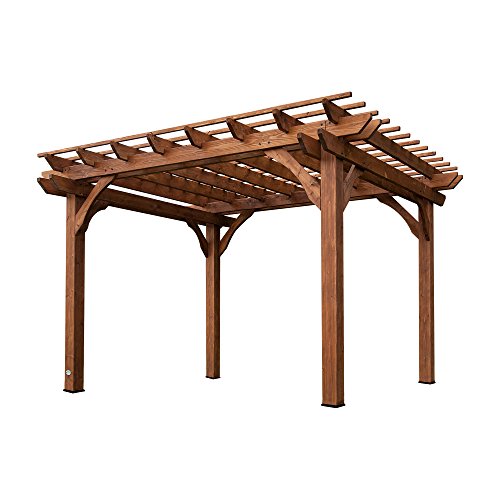
The cedar construction is Pro-Tect tested to withstand winds up to 100 mph — the highest wind rating of any product on this list. Cedar is a naturally rot-resistant wood, and Backyard Discovery backs it with a 5-year warranty, which is the best warranty coverage in this roundup. The trellis roof design is traditional and open, which means it doesn't block rain, but it's ideal for training climbing plants or hanging shade cloth. For home users who want a classic wood look with modern functionality, this is our top recommendation.
Cedar pergolas do require periodic maintenance — staining or sealing every two to three years is recommended to preserve the wood's natural resistance. The open trellis roof also provides significantly less weather protection than aluminum louver or retractable canopy designs. But on charm, character, and built-in utility, nothing on this list beats it.
Pros:
- Patented PowerPort with 3 electrical outlets + 3 USB ports built in
- Pro-Tect tested to 100 mph wind resistance — best on the list
- 5-year warranty — longest coverage here
- Natural cedar construction with traditional aesthetic
- Ideal base for climbing vines, hanging lights, and outdoor decor
Cons:
- Open trellis roof provides no rain protection
- Cedar requires periodic staining/sealing for long-term preservation
- Power source for the PowerPort not included
6. MUPATER 10×12 All Cedar Wooden Pergola — Best Budget Cedar
The MUPATER 10×12 Cedar Pergola is the most affordable solid-cedar option we evaluated, and it punches above its weight class. The flat roof design looks clean and modern — noticeably different from the more ornate traditional cedar styles. Cedar is naturally resistant to rot and humidity, which is exactly what most buyers want in an outdoor structure that's going to sit exposed to the elements for years. The MUPATER kit uses metal ground stakes for anchoring, which provides solid stability even without a concrete base.
Wind resistance is rated to 80 mph, which is respectable for a budget cedar structure. The non-toxic, burr-free finish makes it safe to handle and won't splinter over time with normal use. MUPATER recommends applying a water-based stain for extra weather protection — a step that adds maybe a few hours but significantly extends the life of the structure. For buyers who want real cedar at an accessible price point, this is the pick.
The trade-off is that this is a basic, open-flat-roof design with no shade fabric, no privacy panels, and no built-in features. It's an honest, no-frills cedar structure. Anyone who wants shade will need to add a canopy separately. But for supporting climbing plants, hanging string lights, or framing an outdoor seating area, the MUPATER does the job well.
Pros:
- All-cedar construction — naturally rot-resistant and humidity-tolerant
- Flat roof design looks clean and contemporary
- Metal ground stakes for stable anchoring without concrete
- 80 mph wind resistance for a budget-tier structure
- Non-toxic, burr-free finish — safe for family use
Cons:
- No shade canopy included — open flat roof only
- Requires staining/sealing for optimal weather longevity
- Fewer features than premium cedar alternatives
7. Sojag Rustproof Aluminum Frame Pergola 10'×10' Lima Grey — Best Compact Modern Design
Sojag's Lima Grey Pergola is a 10'×10' compact aluminum structure with a PVC-coated canopy designed for buyers who want a clean, modern aesthetic in a smaller footprint. The AkzoNobel Interpon powder coating (a commercial-grade protective finish used in industrial applications) gives this pergola scratch and corrosion resistance that's a meaningful step above standard consumer powder coats. The extruded aluminum frame construction produces a notably rigid structure without the bulk of steel alternatives.

The Lima Grey finish is contemporary and pairs well with modern patio furniture. The 10'×10' footprint is ideal for smaller backyards, balconies with space constraints, or buyers who want to define a specific seating zone rather than cover a large entertainment deck. The PVC-coated canopy provides UV protection and light rain resistance — it's not a hardtop, but it handles everyday sun and light weather well. For the footprint and price, this is a well-built, genuinely maintenance-free option.
The 10'×10' size does limit its use for large gatherings. And buyers who need serious rain protection or louver control will find the canopy design limiting. But as a compact, low-maintenance, great-looking pergola for a defined outdoor space, the Sojag Lima delivers.
Pros:
- Commercial-grade AkzoNobel Interpon powder coating for maximum scratch and corrosion resistance
- Extruded aluminum frame — rustproof and maintenance-free
- PVC-coated canopy provides UV protection
- Contemporary Lima Grey finish suits modern outdoor aesthetics
- Compact 10'×10' footprint ideal for smaller spaces
Cons:
- 10'×10' size is too small for large entertaining groups
- No louver adjustment — canopy is fixed
Buying Guide: How to Choose the Best Pergola

How Will the Pergola Be Used?
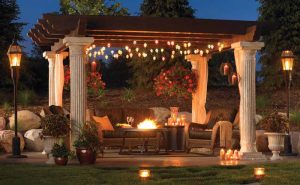
Before settling on a model, our team always starts with intended use. It shapes every other decision. Here's how different use cases map to different pergola types:
- Outdoor dining and entertaining: A larger louvered hardtop (like the PURPLE LEAF 11'×18') gives all-weather usability and flexible light control for guests.
- Shaded relaxation zone: A retractable canopy model (like the PURPLE LEAF 10'×13') works well — pull it open for sun, close it for shade.
- Plant support and garden aesthetic: An open cedar design (Backyard Discovery Beaumont or MUPATER) is the natural choice — vines and climbing flowers need airflow and overhead structure, not a canopy blocking light.
- Small patio definition: A compact 10'×10' like the Sojag Lima frames the space without overwhelming it.
- Year-round outdoor room: Go with a hardtop louvered aluminum — weather resistance and adjustable light make it the most versatile four-season option.
For inspiration on how to arrange outdoor furniture under a pergola, our patio furniture arrangement guide has practical layout ideas that translate directly to pergola setups.
What Materials Should Most Buyers Choose?
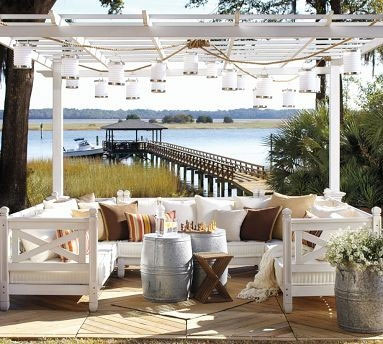
Material choice affects durability, maintenance, appearance, and price. Here's the honest breakdown:
- Aluminum: The best all-around material for most buyers in 2026. Rustproof, lightweight, low-maintenance, and available in a wide range of styles. Works in virtually every climate without special treatment.
- Steel: Heavier and more robust-feeling than aluminum, but requires quality powder coating to prevent rust. Best for buyers who prioritize a solid, weighty structure and live in a non-coastal climate.
- Cedar wood: The most aesthetically warm option. Natural rot and insect resistance makes it better than most softwoods, but it requires periodic staining or sealing. Best for buyers who want a classic, organic backyard look and are willing to maintain it.
For buyers in coastal or high-humidity climates, aluminum wins clearly. For buyers in dry or temperate climates who value aesthetics over maintenance, cedar is a rewarding choice.
How Much Shade Do Most Buyers Actually Need?
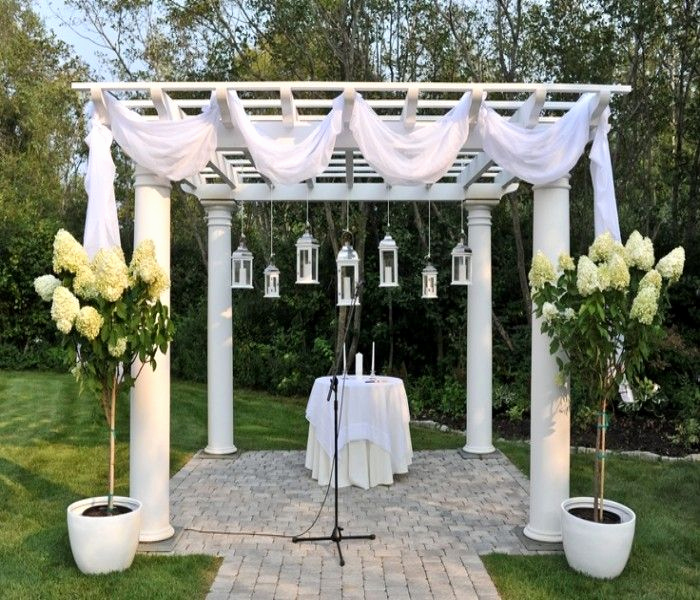
Shade coverage is one of the most under-considered factors in pergola purchases. Open-roof cedar designs let sunlight and rain through freely — perfect for plants, but not for sitting under on a hot July afternoon. Here's how the options stack up:
- Open trellis (cedar designs): Minimal shade. Good for plant support and aesthetics. Not practical as a sun shelter.
- Fixed or retractable canopy: Good UV and light rain coverage. The PURPLE LEAF retractable model gives flexible control. Best for seasonal use.
- Louvered hardtop: The most versatile shade option. Adjust from fully open to fully closed. Works in sun and light rain. Best year-round choice.
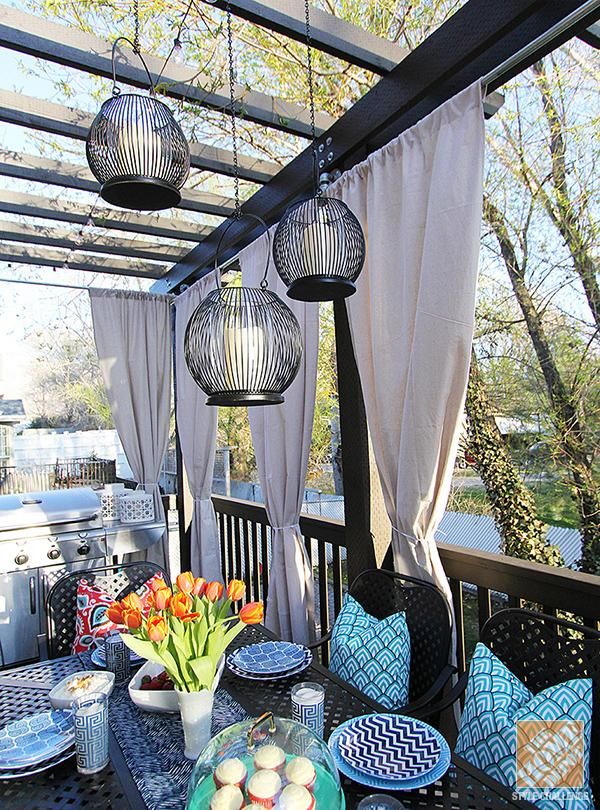
For sun-intense regions like the American Southwest or Southeast, a louvered hardtop is the practical answer. For temperate climates with moderate sun, a retractable canopy provides enough flexibility without the extra cost of louvers.
Night Use, Lighting, and Extras Worth Considering
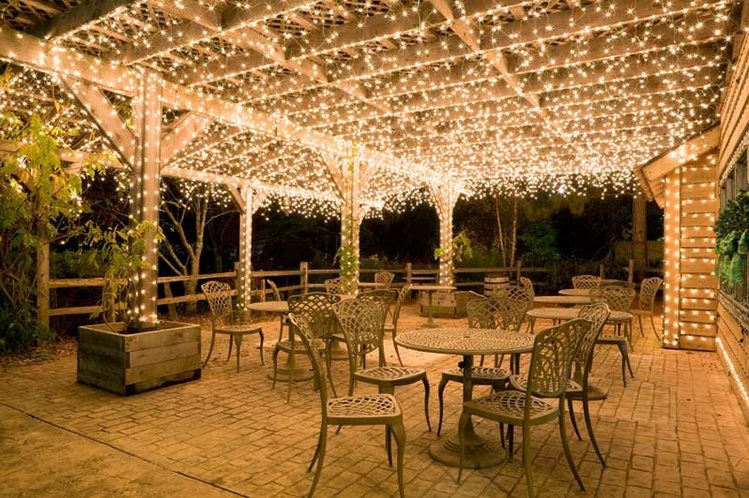
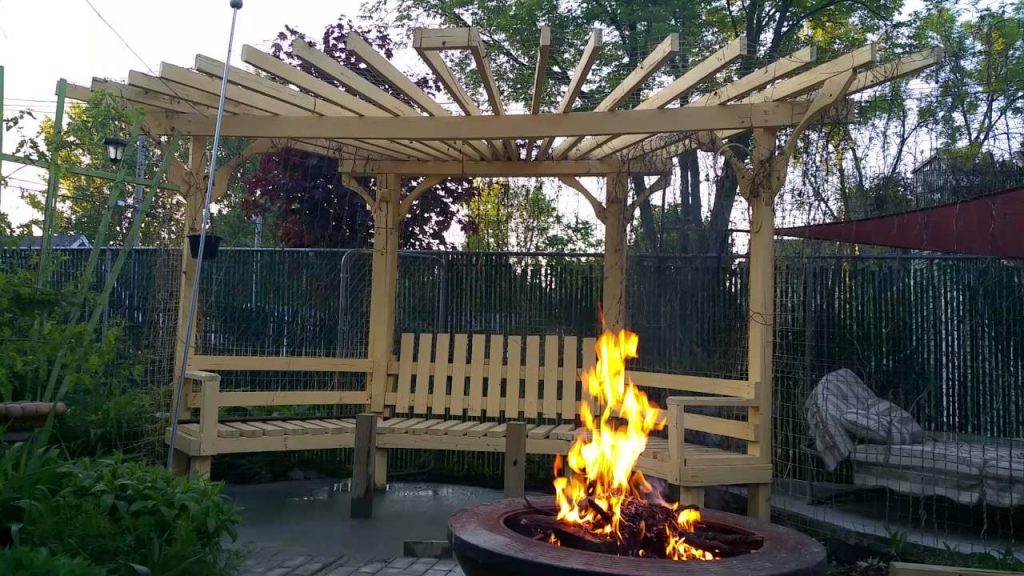
A pergola used only during daylight hours is leaving half its value on the table. Evening ambiance is where these structures really shine. Most buyers hang string lights from the rafters or canopy frame — it's easy, inexpensive, and dramatically changes the feel of the space. For those planning outdoor winter gatherings, adding a portable fire pit or patio heater under a hardtop louvered pergola creates a genuinely functional year-round outdoor room.
A few extras that most buyers overlook:
- Electrical access: The Backyard Discovery Beaumont's built-in PowerPort is the only kit that solves this problem out of the box. Every other model will require a nearby outlet or an extension cord solution.
- Privacy features: The SUNJOY Steel Pergola is the only budget model that includes a rear privacy slat wall as a standard component.
- Wind and snow ratings: Critical for buyers in the Midwest, Mountain West, or any region with real seasonal weather. Check the spec sheet before buying. The PURPLE LEAF 11'×18' and Backyard Discovery Beaumont have the strongest ratings on this list.
- Anchoring method: Freestanding pergolas need ground stakes, concrete footings, or surface-mount hardware. Confirm the anchoring system included before assuming ground stability.
For buyers also considering a full-roof structure rather than an open pergola, our Sunjoy gazebo review covers hardtop and soft-top options worth comparing side by side.
Frequently Asked Questions
What is the difference between a pergola and a gazebo?
A pergola has an open or partially covered roof — usually rafters, lattice slats, or louvers — without solid walls. A gazebo typically features a fully enclosed, solid roof and is often octagonal or round. Pergolas are more open, better for climbing plants and airflow, while gazebos offer more complete weather protection. For a detailed breakdown, our guide on gazebo shapes and sizes covers the structural differences clearly.
How long do pergolas typically last?
A well-built aluminum pergola can last 20 years or more with virtually no maintenance. Steel pergolas with quality powder coating typically last 10–15 years before showing significant wear. Cedar wood pergolas, when properly stained and sealed every two to three years, can last 15–25 years. Cheaper softwood designs without treatment may begin degrading within 5 years.
Do pergolas add value to a home?
Generally, yes. According to most real estate assessments, a quality pergola can return 50%–80% of its installation cost in added home value, particularly in warmer climates where outdoor living space is a priority. A well-maintained cedar or aluminum pergola also improves curb appeal and expands usable square footage for entertaining, which resonates with buyers in 2026's outdoor-living-focused real estate market.
Do pergolas require building permits?
It depends on local municipality rules. Many jurisdictions require a permit for permanent freestanding structures over a certain square footage — typically 200 sq. ft. or more. Freestanding pergolas on soil (not attached to the home) often fall under different rules than deck-mounted structures. Our team strongly recommends checking with the local building department before installation, especially for larger louvered hardtop models.
What is the best pergola material for a coastal climate?
Aluminum is the clear winner for coastal climates. Salt air is corrosive and rapidly degrades steel finishes and wood sealants. Aluminum doesn't rust and requires no special coastal treatment. The Outsunny louvered aluminum, PURPLE LEAF models, and Sojag Lima are all good fits for buyers near the coast. Steel should be avoided in salt-air environments, and cedar requires more frequent sealing than in inland climates.
Can a pergola support a fire pit underneath it?
Open-roof cedar and trellis pergolas can accommodate a fire pit at safe distances, but a canopy or louvered hardtop pergola directly over an open fire creates a serious fire hazard and should be avoided. Any fire use under a pergola requires adequate clearance — typically the fire source should be at least 10 feet from any canopy fabric or wood component. For fire-pit pergola setups, our team recommends using a low-profile propane table fire rather than a wood-burning pit for safety.
Buy on Walmart
- SUNJOY Outdoor Pergola 10 x 12 ft. Steel Pergolas with White — Walmart Link
- Outsunny 10' x 13' Louvered Pergola, Aluminum Outdoor Pergol — Walmart Link
- PURPLE LEAF 10' x 13' Aluminum Outdoor Pergola Wind-Resistan — Walmart Link
- PURPLE LEAF 11' x 18' Louvered Pergola Outdoor Adjustable Lo — Walmart Link
- Backyard Discovery Beaumont 12' x 10' Traditional Cedar Wood — Walmart Link
- MUPATER 10x12 FT All Cedar Wooden Pergola, Kit with Stakes, — Walmart Link
- Sojag Rustproof Aluminum Frame Pergola, PVC-Coated Canopy fo — Walmart Link
Buy on eBay
- SUNJOY Outdoor Pergola 10 x 12 ft. Steel Pergolas with White — eBay Link
- Outsunny 10' x 13' Louvered Pergola, Aluminum Outdoor Pergol — eBay Link
- PURPLE LEAF 10' x 13' Aluminum Outdoor Pergola Wind-Resistan — eBay Link
- PURPLE LEAF 11' x 18' Louvered Pergola Outdoor Adjustable Lo — eBay Link
- Backyard Discovery Beaumont 12' x 10' Traditional Cedar Wood — eBay Link
- MUPATER 10x12 FT All Cedar Wooden Pergola, Kit with Stakes, — eBay Link
- Sojag Rustproof Aluminum Frame Pergola, PVC-Coated Canopy fo — eBay Link
Key Takeaways
- Best overall louvered pergola for large spaces: The PURPLE LEAF 11'×18' Louvered Pergola delivers 198 sq. ft. of adjustable shade, wind resistance to 70 mph, and three independent roof zones — it's the strongest all-around performer on our list for serious outdoor entertaining in 2026.
- Best cedar pergola is the Backyard Discovery Beaumont — the built-in PowerPort (3 outlets + 3 USB ports), 100 mph wind rating, and 5-year warranty make it the most feature-complete wood pergola kit on the market right now.
- For buyers on a budget, the SUNJOY Steel Pergola offers the best value — a heavy-gauge steel frame, CPAI-84 rated canopy, and integrated privacy wall at an accessible price point that no aluminum competitor at the same tier matches.
- Aluminum beats steel and wood for most climates: Coastal, humid, or high-rain environments benefit most from aluminum's zero-maintenance rustproof construction — the Outsunny Louvered and PURPLE LEAF retractable models are both strong choices for buyers who want to avoid ongoing maintenance.


About William Murphy
William Murphy has worked as a licensed general contractor in Fremont, California for over thirty years, specializing in outdoor structures, green building methods, and sustainable design. During that career he has written about architecture, construction practices, and environmental protection for regional publications and trade outlets, bringing technical depth to subjects that most home improvement writers approach only from a consumer perspective. At TheBackyardGnome, he covers outdoor product reviews, backyard construction guides, and sustainable landscaping and building practices.
You can Get FREE Gifts. Receive Free Backyard Items here. Disable Ad Blocker to get them all now!
Once done, hit anything below