Over 600 species of rattan palm grow across the tropical forests of Asia, Africa, and Australasia, making it one of the most harvested non-timber plants on earth. If you're weighing outdoor furniture options right now, understanding the rattan furniture advantages and disadvantages is the smartest place to start before spending a dollar. Rattan has a devoted following — and legitimate critics. This guide covers both sides honestly, so you can make the right call for your space. For a full breakdown of styles and buying options, check out our rattan furniture guide.

Rattan is a climbing palm harvested primarily in Southeast Asia. According to Wikipedia, it ranks among the most important non-timber forest products traded globally. Some species reach harvestable maturity within seven to ten years — far quicker than hardwoods like teak or mahogany. That fast growth cycle is a genuine sustainability advantage, and it's one reason eco-conscious buyers keep returning to it. The raw material is abundant, flexible, and surprisingly versatile in the hands of skilled craftspeople.
Most rattan furniture today falls into two main categories: natural rattan and synthetic resin wicker. Natural rattan comes directly from the palm. Synthetic rattan uses polyethylene or PVC strands engineered to mimic the look without the organic material. The gap between them in durability, maintenance demands, and cost is significant — and it shapes every smart purchasing decision. Knowing which type you're looking at before you buy changes everything.
Contents
The Full Picture: Rattan Furniture Advantages and Disadvantages
No outdoor furniture material is perfect for every situation. Rattan has a strong track record in certain environments and real limitations in others. Breaking down the rattan furniture advantages and disadvantages side by side gives you the clearest view before you commit.
What Rattan Does Well
Rattan earns its reputation for a reason. Here's what genuinely sets it apart from the competition:
- Lightweight and easy to move — Natural rattan is significantly lighter than wood, cast iron, or aluminum frames. You can rearrange your patio layout without straining your back.
- Flexible, not brittle — The natural fibers bend under pressure rather than snapping. This makes rattan more forgiving under impact than rigid hardwoods.
- Visually versatile — Rattan pairs naturally with coastal, bohemian, tropical, and even contemporary outdoor design styles. It rarely clashes with existing decor.
- Sustainable sourcing potential — Responsibly harvested rattan regenerates quickly. It doesn't require replanting the way cut timber does, which lowers its environmental footprint.
- Comfortable without extra padding — The woven structure creates slight give at contact points. Many people find it comfortable without heavy cushions, which simplifies upkeep.
- Wide price range — Entry-level rattan sets start under $200. Hand-crafted premium sets can exceed $2,000. There's a quality tier for almost every budget.
Beyond aesthetics, the lightweight construction has a real everyday benefit. You can pull chairs together for conversation, reconfigure seating for a gathering, or push pieces aside without needing a second person. That flexibility adds up once you start living with the furniture daily.

Where Rattan Falls Short
The disadvantages are just as real. You need to know these before committing to a purchase:
- Moisture vulnerability — Natural rattan absorbs water. Prolonged rain exposure leads to swelling, warping, and mold growth inside the weave.
- UV degradation — Direct sunlight bleaches the color and weakens the fibers over time. Uncovered outdoor placement shortens the lifespan considerably.
- Higher maintenance burden — Rattan requires regular cleaning, occasional oiling, and protective seasonal storage. Aluminum or synthetic resin furniture needs far less attention to stay in shape.
- Climate sensitivity — Both excessive humidity and extreme dryness cause problems. Rattan cracks in arid climates and warps in very humid ones without proper sealing and care.
- Not a true all-season outdoor material — Unless you're buying synthetic rattan, leaving natural pieces fully exposed year-round is a mistake most buyers regret.
The key takeaway isn't that rattan is a poor choice — it's that rattan is a situational choice. Match the material to your environment, and most of the disadvantages above become manageable. Ignore the fit, and even expensive pieces will fail ahead of schedule.
| Feature | Natural Rattan | Synthetic Rattan | Aluminum |
|---|---|---|---|
| Weather Resistance | Low–Medium | High | Very High |
| Weight | Light | Light–Medium | Light–Medium |
| Eco-Friendliness | High | Low–Medium | Medium |
| Maintenance Required | High | Low | Very Low |
| Aesthetic Warmth | Very High | Medium–High | Medium |
| Avg. Outdoor Lifespan | 5–10 years | 10–15 years | 15–25 years |
Separating Rattan Fact from Fiction
Rattan carries a surprising amount of outdated baggage. Some buyers dismiss it based on old experiences with poorly made pieces. Others overestimate what it can handle without maintenance. Getting the facts straight protects you from both extremes.
Myth: Rattan Is Too Fragile for Outdoor Use
This assumption usually comes from seeing sun-bleached, neglected natural rattan on an exposed patio that never got a cover or a cleaning. High-quality rattan furniture — especially when treated, stored correctly, and placed in a sheltered environment — holds up for years without major issues. The problem isn't the material itself. It's the mismatch between the material and the conditions it's placed in.
Synthetic rattan changes the conversation entirely. It's specifically engineered for outdoor durability. It won't crack, absorb water, or fade significantly in normal outdoor conditions. Many mid-range outdoor sets marketed as "wicker" are actually synthetic rattan with powder-coated steel or aluminum frames. You're probably more familiar with it than you realize — and more likely already comfortable with what it can handle.
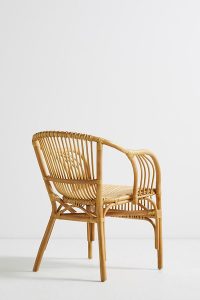
Myth: All Rattan Is Essentially the Same
Natural rattan and synthetic rattan behave very differently outdoors. Treating them as interchangeable is like calling untreated pine and pressure-treated lumber the same material. The weave strand diameter, core construction, and finishing process all affect performance and lifespan. When you're comparing products, always verify whether you're looking at natural, synthetic, or a hybrid build. That single detail changes the care requirements, expected lifespan, and where you should actually put the furniture.
Rattan for First-Time Buyers vs. Experienced Shoppers
Where you are in your outdoor furniture journey shapes what you should focus on. A first purchase and a third replacement set involve completely different priorities and risk tolerances.
Starting Out with Rattan
If this is your first rattan purchase, start with synthetic rattan. It's more forgiving and requires much less active maintenance. You won't need to worry about oiling schedules, precise humidity levels, or finding the perfect covered spot. Pick a set that fits your available space and matches how you actually use your patio. If you're comparing rattan against other outdoor seating categories, our roundup of the best outdoor recliners covers comfortable alternatives worth considering alongside rattan sets.
A few things to check before buying as a first-timer:
- Frame material matters — Powder-coated aluminum resists rust and outlasts untreated steel frames by years.
- UV-stabilized weave — Cheaper PE rattan fades and cracks faster in direct sun. Look for this specification explicitly.
- Removable cushion covers — Washable covers extend the life of your cushions and simplify maintenance significantly.

What Experienced Buyers Prioritize
Once you've owned rattan furniture, you know what actually matters versus what the marketing says. Experienced buyers focus on frame thickness, weave density, and joint construction. A 6mm weave strand holds up considerably longer than a 4mm one. Welded aluminum frames outperform screwed connections under repeated stress. Natural rattan devotees often seek hand-woven pieces from established craftspeople — the quality gap over machine-made sets is visible and tactile, and it's worth the premium for anything you plan to keep for more than five years.
Experienced buyers also check join technique before purchasing. Hand-lashed joints hold differently than factory-stapled ones. If you can examine a piece in person, check how the weave meets the frame at armrest corners and base joints. Those stress points reveal build quality faster than any marketing copy.
The Best Settings for Rattan Furniture
Rattan doesn't perform equally in every outdoor environment. Matching the furniture type to your specific space is one of the most important decisions you'll make — and it's one most buyers skip.
Covered Patios and Sunrooms
This is where natural rattan genuinely thrives. A covered patio eliminates direct rain and limits intense UV exposure. A sunroom or enclosed porch takes protection even further, giving you the warmth and texture of natural rattan with minimal weather risk. If you're planning the layout of a covered outdoor space, our guide to patio furniture arrangement ideas offers practical configurations that work well with rattan seating.
In sheltered environments, natural rattan can last well over a decade with basic maintenance. You remove the material's two biggest vulnerabilities — moisture and UV — while keeping all its strengths intact. The investment case for quality natural rattan makes the most sense here.
Open Decks and Exposed Spaces
For fully exposed backyard decks and open seating areas, synthetic rattan is the clear choice. It handles rain, UV exposure, and temperature swings far better than natural rattan without demanding the same level of care. Even with synthetic rattan, using furniture covers during heavy rain seasons and storing pieces indoors over winter extends their lifespan noticeably. The protection adds years, not just months.

If your space is fully exposed and you're not willing to cover or store furniture seasonally, compare rattan honestly against aluminum or teak. Neither matches rattan's visual warmth, but both handle year-round outdoor exposure without requiring active management.
Everyday Care That Keeps Rattan Looking Great
Rattan responds directly to how well you maintain it. Consistent basic care extends its functional life by years. Neglect shows up faster than with most other materials.
Cleaning and Conditioning
Clean rattan furniture regularly, especially natural rattan, which traps dust, pollen, and debris inside its woven structure. A soft-bristle brush and mild soapy water handle most routine cleaning tasks effectively. Avoid soaking the material — rinse lightly and allow it to dry completely in open air before covering or storing. For natural rattan, apply a light coat of linseed oil or teak oil once or twice a year to prevent cracking and keep the fibers flexible.
Pro tip: Never use a pressure washer on natural rattan — the force splits the fibers and accelerates breakdown faster than almost any other maintenance mistake you can make.

Seasonal Storage Tips
Before winter arrives, bring natural rattan furniture indoors or into a dry, ventilated garage. If indoor storage isn't possible, use breathable furniture covers — avoid plastic sheeting, which traps moisture and accelerates mold growth underneath. Elevate pieces off concrete floors to prevent moisture from wicking up through the base. For synthetic rattan, winter storage is less critical, but covers still protect cushions, hardware, and the weave from unnecessary freeze-thaw wear. A modest investment in quality covers pays back in years of added service life.
Planning for Long-Term Value with Rattan
Buying rattan furniture is one decision. Getting lasting value from it is a series of smaller decisions made over time. How you approach repairs, replacements, and seasonal management defines your actual cost per year.
Repair or Replace?
Natural rattan is repairable in ways synthetic materials aren't. Loose strands can be re-woven by skilled craftspeople. Cracked poles can be spliced if the damage is caught early. Frames showing structural weakness — bent joints, wobble at the base, or cracked connectors — are worth addressing immediately before the failure spreads. Rattan repair services exist in most mid-size cities and can extend the life of a quality piece significantly for a reasonable cost.
Synthetic rattan is harder to repair once the weave breaks down. Most buyers replace the set outright when damage becomes widespread. For high-quality synthetic sets with solid aluminum frames, the frame often outlasts the weave by several years. Reweaving services for synthetic rattan do exist, but the economics rarely make sense on budget-tier pieces — you're better off putting that money toward a better replacement.

Making the Most of Your Investment
The buyers who extract the best long-term value from rattan share a few consistent habits. They match the rattan type to their actual environment before buying — not after. They maintain on a schedule rather than waiting for visible deterioration to force action. And they buy quality once rather than replacing budget pieces every two or three years.
Rattan furniture that's respected — covered when not in use, cleaned seasonally, conditioned when needed — routinely outlasts expectations and many competing materials. The material isn't inherently fragile. It just responds to care more visibly than powder-coated metal or dense tropical hardwood. Give it the attention it earns, and it rewards you with years of character, texture, and warmth that no resin substitute fully replicates.
Choose the right rattan for your environment, maintain it with consistency, and it will outlast the furniture trends that came and went while you weren't paying attention.


About Simmy Parker
Simmy Parker holds a Bachelor of Science in Civil Engineering from Sacramento State University and has applied that technical background to outdoor structure design, landscape planning, and backyard improvement projects for over a decade. Her love for the outdoors extends beyond design — she regularly leads nature hikes and has developed working knowledge of native plants, soil conditions, and sustainable landscaping practices across Northern California. At TheBackyardGnome, she covers backyard design guides, landscaping ideas, and eco-friendly outdoor living resources.
You can Get FREE Gifts. Receive Free Backyard Items here. Disable Ad Blocker to get them all now!
Once done, hit anything below