Last summer, I stood in a garden center staring at two nearly identical chairs — one labeled "rattan," the other "wicker" — completely unsure which one would actually hold up on my back patio. The salesperson used both terms like they were synonymous, which didn't help at all. If you're trying to sort out rattan vs wicker furniture before spending money on a new outdoor setup, you need one foundational fact that most retailers never explain clearly. Browse our outdoor furniture guides once you have the basics locked in.
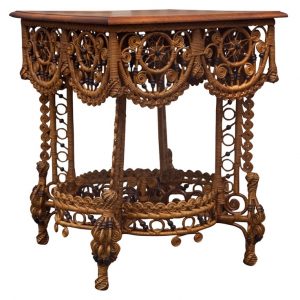
Rattan is a material — a fast-growing tropical vine native to Southeast Asia and parts of Africa. Wicker, on the other hand, is a weaving technique. You can weave wicker from rattan, bamboo, seagrass, willow, paper fiber, or petroleum-based synthetic resin. When a retailer labels a chair "wicker furniture," they're describing the construction method, not what the chair is actually made from. These two words describe entirely different things, and confusing them leads to expensive mistakes.
Your climate, budget, and how you actually use your outdoor space all determine which option fits your situation. A covered sunroom calls for different choices than an open deck in a rainy Pacific Northwest climate. Read through this guide and you'll know exactly what to look for before you ever walk into a store or click add to cart.
Contents
How to Spot the Difference Before You Buy
Start with the Material
When you pick up a piece of natural rattan, you're handling a solid or semi-hollow rod cut from the stem of a Calamus vine, one of over 600 species in the rattan palm family. The raw material has a smooth, slightly waxy surface, uniform color, and a supple flexibility that makes it ideal for bending into frames or weaving into intricate patterns. It's been used in furniture making for centuries, particularly across Asian and British colonial design traditions.
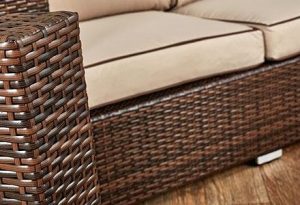
Synthetic wicker, by contrast, is extruded from polyethylene or PVC resin and shaped to mimic the look of natural weave. Run your finger across it and you'll often feel a slight matte or semi-gloss texture rather than the organic variation you get from natural fiber. It's more uniform and consistent — and that uniformity is actually one of its strengths for buyers who want a clean, predictable look year after year.
Reading Between the Lines on Product Labels
Retailers aren't always precise with their terminology. A chair can be labeled "rattan wicker" (meaning rattan fiber woven in a wicker pattern), "synthetic wicker" (meaning resin weave over a metal frame), or just "wicker" with no further explanation. Always check the product description for the frame material — this is what determines durability more than anything else. Aluminum and powder-coated steel frames under synthetic wicker last significantly longer than wooden frames under natural rattan when exposed to outdoor conditions.
If you're shopping for an outdoor sectional patio furniture set, pay close attention to whether the listing says "all-weather wicker" or "resin wicker." Those phrases almost always indicate synthetic construction — which is exactly what you want for year-round outdoor use. Don't let a beautiful showroom photo of natural rattan convince you otherwise.
Rattan vs Wicker Furniture: A Side-by-Side Breakdown
Natural Rattan vs Synthetic Resin Wicker
The performance gap between natural rattan and synthetic wicker is significant, especially outdoors. Natural rattan is beautiful and warm in appearance, but it's sensitive to moisture, UV exposure, and extreme temperature swings. Synthetic wicker was engineered specifically to solve those problems. Here's how they compare across the factors that matter most for outdoor living:
| Feature | Natural Rattan | Synthetic (Resin) Wicker |
|---|---|---|
| Material Source | Tropical rattan palm vine | Polyethylene or PVC resin |
| Outdoor Durability | Low — absorbs moisture, cracks in UV | High — UV-stabilized, waterproof |
| Indoor Appearance | Warm, organic, natural texture | Clean, consistent, modern look |
| Maintenance Required | Regular cleaning, seasonal storage | Minimal — hose down as needed |
| Typical Price Range | Moderate to high | Budget to mid-range |
| Eco-Friendliness | Renewable, biodegradable | Petroleum-based, longer lasting |
| Best Suited For | Covered patios, sunrooms, indoors | Exposed patios, poolside, year-round |
Performance in Real Outdoor Conditions

The weaving technique used in wicker construction affects structural integrity over time. Tighter weaves with smaller gaps are more rigid and hold their shape longer. Loose, open weaves look beautiful but tend to loosen further under UV stress, especially in natural fiber. When you're evaluating an outdoor sectional sofa and chair set, look at the density of the weave on the armrests and the back panel — these areas take the most stress. If they already look uneven at the store, they'll look worse after six months of real use.
Rattan vs wicker furniture choices also come down to frame integrity. The weave is largely decorative — it shapes the look and contributes to comfort, but it's not what holds the piece together structurally. What matters is the frame underneath, and aluminum beats wood every time for outdoor exposure. A steel or aluminum core with tight weave over it will hold its form through years of sun, rain, and seasonal temperature shifts.
Mistakes Most People Make When Choosing Between Them
Assuming Natural Always Performs Better
There's a romantic notion that natural materials are automatically superior. For indoor use, that argument has real merit — natural rattan has a warmth and character that synthetic resin can't replicate. But outdoors? Natural rattan will deteriorate in a single wet season if left unprotected. The fibers absorb moisture, swell, and then dry out unevenly, causing splits and breaks at the joints. This isn't a quality issue — it's the fundamental nature of an organic material meeting conditions it wasn't designed for.
Many buyers spend more on "authentic" natural wicker for their exposed back patio and then wonder why it looks aged and brittle after one summer. The smarter move is to reserve natural rattan pieces for covered or indoor spaces and use high-quality synthetic wicker for anything that regularly faces the elements. The difference between the two isn't about prestige — it's about matching material to environment.
Ignoring Your Local Climate
If you live in a region with high humidity, frequent rain, or intense UV exposure, your furniture material choice matters more than the brand name on the tag. Coastal environments are particularly brutal — salt air accelerates corrosion in metal frames and degrades organic fibers faster than dry inland conditions. Before you buy, think honestly about where your furniture will actually spend most of its time.
Even if you plan to winterize your outdoor structure each fall and move furniture inside, natural rattan pieces stored in damp garages or sheds can develop mildew and structural weakness over winter. Synthetic wicker doesn't have this problem. It dries completely, doesn't absorb water, and returns to its original appearance season after season with almost no intervention.
Caring for Your Rattan or Wicker Furniture the Right Way
Cleaning Natural Rattan Wicker
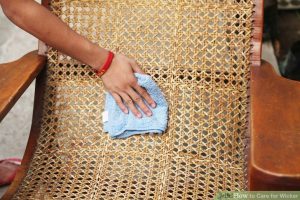
Natural rattan requires a gentler approach than its synthetic counterpart. Use a soft-bristle brush or an old toothbrush to clear debris from the weave gaps — a vacuum with a brush attachment also works well for regular upkeep. For washing, mix a small amount of mild dish soap with warm water and wipe down the surface with a damp, not wet, cloth. Never saturate natural rattan with water. Excess moisture is the number one enemy of organic fiber furniture and the fastest path to irreversible damage.
After cleaning, let the piece dry completely in a well-ventilated area out of direct sunlight. Applying a light coat of linseed oil once or twice a year keeps the fibers supple and slows the drying and cracking that UV exposure causes. If you notice small splits beginning to form, address them immediately — once a wicker weave starts unraveling, it progresses quickly. The same principle applies here as when you prep furniture surfaces before refinishing: act early and never let damage compound.
Protecting Synthetic Wicker Over Time
Synthetic wicker is far more forgiving. A rinse with a garden hose removes most surface dirt. For stubborn stains or mildew spots — common in shaded areas with poor airflow — a solution of warm water and white vinegar applied with a soft brush handles the job without damaging the resin. Dry it off with a towel and leave it in the sun for an hour to finish the job.
Even though synthetic wicker is weatherproof, UV exposure still fades color over time. A UV-protectant spray designed for outdoor plastics, applied at the start of each season, significantly extends the appearance and structural integrity of your furniture. If you cover it or store it during harsh winters, it will look nearly new for many years with almost no additional effort.
Smart Tips Before You Buy Rattan or Wicker Furniture
What Good Construction Actually Looks Like
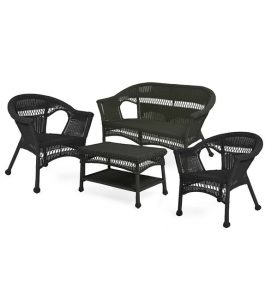
Quality wicker furniture construction comes down to three things: frame material, weave density, and joint finishing. Run your hand under the seat and along the frame edges before you buy. Sharp wire ends poking through the weave indicate rushed assembly — a clear sign the manufacturer cut corners on finishing. The frame should feel completely solid and not flex when you press down or push sideways. Aluminum frames are the lightest and most corrosion-resistant option. Powder-coated steel is heavier but equally durable as long as the coating is fully intact with no chips or scratches.
Look closely at where the weave is anchored to the frame. On quality pieces, the fiber wraps tightly around attachment points with no visible gaps or loose ends. On budget pieces, you'll find zip ties, staples, or dollops of visible adhesive holding things together. These shortcuts hold initially but fail within a season or two of regular outdoor use.
How to Match Your Furniture to Your Space
Think about your outdoor layout before committing to a purchase. A covered structure like a gazebo or pergola gives you much more flexibility — you can use natural rattan pieces there without worrying nearly as much about direct rain exposure. An open patio or poolside space, however, calls for all-weather synthetic wicker with a corrosion-resistant frame, full stop. If you're planning your overall outdoor living setup, setting up your outdoor structure correctly first will make your furniture choices clearer.
Scale matters too. Large sectionals in wicker weave can overwhelm a modest patio. Measure your space before you shop and leave room for comfortable movement between pieces. The right arrangement feels open and functional — never cramped. If you're building out a full outdoor living area from scratch, start with the largest anchor piece — usually a sofa or sectional — and work outward from there. Keep the rattan vs wicker furniture decision tied to the specific location and conditions, not just the aesthetic you're drawn to in photos.
Frequently Asked Questions
Is rattan furniture suitable for outdoor use?
Natural rattan is not well-suited for exposed outdoor environments. It absorbs moisture, swells, and cracks under UV exposure over time. If you want the look of rattan outdoors, choose synthetic resin wicker with an aluminum frame instead — it mimics the woven aesthetic but withstands rain, sun, and humidity without degrading.
Can you repair broken wicker furniture?
Yes, natural wicker can be repaired by re-weaving damaged sections using replacement reed or fiber available at craft and hobby stores. Synthetic wicker repairs are trickier — minor breaks can be secured with outdoor-grade adhesive, but heavily damaged sections usually aren't worth the effort and time compared to replacement.
How long does outdoor wicker furniture last?
High-quality synthetic wicker with an aluminum frame lasts ten to fifteen years or more with basic seasonal care. Natural rattan placed outdoors without protection may last only one to three seasons before it shows significant deterioration. Indoor natural rattan, properly maintained, can last for decades.
The best outdoor furniture isn't the most beautiful piece in the store — it's the one that still looks good three years after you bring it home.


About Simmy Parker
Simmy Parker holds a Bachelor of Science in Civil Engineering from Sacramento State University and has applied that technical background to outdoor structure design, landscape planning, and backyard improvement projects for over a decade. Her love for the outdoors extends beyond design — she regularly leads nature hikes and has developed working knowledge of native plants, soil conditions, and sustainable landscaping practices across Northern California. At TheBackyardGnome, she covers backyard design guides, landscaping ideas, and eco-friendly outdoor living resources.
You can Get FREE Gifts. Receive Free Backyard Items here. Disable Ad Blocker to get them all now!
Once done, hit anything below