Last summer, a close friend called me frustrated after hauling a rusty, bent patio set to the curb—three seasons of use and it already looked like it belonged in a salvage yard. She replaced it with a wicker sectional, and the next time I visited her patio, the difference was genuinely striking. If you've been weighing the advantages of wicker outdoor furniture against its limitations, you're asking exactly the right question. This guide lays out both sides clearly so you can make a decision that fits your space, your climate, and your budget. You can also explore the broader outdoor furniture guide for a fuller look at what's available.
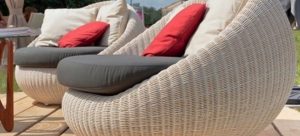
Wicker has an almost universal appeal that cuts across outdoor styles—it looks equally at home on a rustic farmhouse porch or a sleek modern terrace. You'll find it poolside, on covered verandas, and on shaded garden patios in every climate zone. The challenge is that the word "wicker" refers to a weaving technique, not a single material—which means two pieces that look nearly identical in a showroom can perform very differently once they're outside in the elements.
Knowing the difference between natural and synthetic wicker, understanding what each type handles well, and learning how to care for whichever you choose—those factors determine whether your furniture lasts three seasons or fifteen. The sections below walk through all of it.
Contents
- Wicker's Place in Outdoor Living History
- Weighing the Advantages and Disadvantages of Wicker Outdoor Furniture
- Natural Wicker vs. Synthetic Resin: A Direct Comparison
- How to Clean and Care for Your Wicker Set
- How Wicker Fits Different Outdoor Spaces
- Smart Tips for Getting More From Your Wicker Furniture
- Best Practices for Buying Wicker Outdoor Furniture
- Frequently Asked Questions
- Key Takeaways
Wicker's Place in Outdoor Living History
Wicker furniture has a much longer history than most people realize. According to Wikipedia's overview of wicker, woven furniture artifacts have been traced back to ancient Egypt and the Roman Empire, crafted from natural reeds, rushes, and plant fibers. The technique traveled through Asia and across Europe over centuries, becoming especially fashionable during the Victorian era as a symbol of refined leisure—the kind of furniture you'd find on estate verandas and gentlemen's conservatories.
From Rattan to Resin
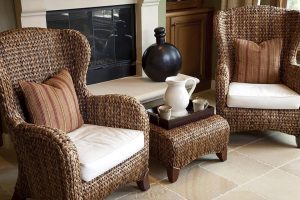
Through most of its long history, wicker was made from natural plant-based materials—rattan, willow, seagrass, and bamboo being the most common. Each had slightly different properties, but they all shared the same core challenge: they weren't built to sit in the rain. Natural wicker was prized indoors and on covered porches, but prolonged outdoor exposure shortened its life considerably. If you want to explore how one specific natural material holds up on its own merits, the guide on the advantages and disadvantages of rattan furniture covers that topic in useful detail.
The Rise of All-Weather Resin Wicker
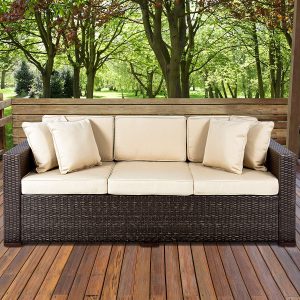
The shift toward synthetic materials changed outdoor furniture permanently. By the mid-20th century, manufacturers began experimenting with polymer-based weaves over metal frames. When high-quality all-weather resin wicker arrived—typically high-density polyethylene woven over powder-coated aluminum—it brought the look of traditional wicker with dramatically better resistance to rain, humidity, and UV exposure. Today, when most people refer to a "wicker patio set," they mean resin wicker. Recognizing that distinction is the starting point for any informed purchase.
Weighing the Advantages and Disadvantages of Wicker Outdoor Furniture
What Wicker Does Well
The advantages of wicker outdoor furniture start with its visual appeal. Few materials bring the kind of warm, textured presence that woven wicker delivers to an outdoor space. It blends naturally with traditional gardens, contemporary minimalist patios, and everything in between. The interlaced pattern creates a sense of depth and craftsmanship that plain metal or molded plastic furniture simply doesn't replicate.
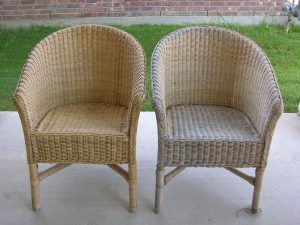
Weight is another genuine advantage. Even large wicker sectionals tend to be lighter than comparable aluminum or cast iron sets, making it much easier to rearrange your layout depending on the occasion. If you like reconfiguring your patio for different uses—casual evenings, larger gatherings, or simply chasing the shade—that portability is a real benefit. Take a look at these patio furniture arrangement ideas if you're still working out the best layout for your space.
Comfort is often underrated in wicker discussions. The slight natural flex in the woven structure gives it a forgiving feel that solid metal or hard plastic lacks. Paired with quality outdoor cushions, a well-made wicker lounge chair can rival the seating experience of a dedicated outdoor recliner—which says something about how much modern resin designs have improved the category.
Where Wicker Falls Short
Natural wicker is simply not designed for sustained outdoor exposure. Moisture causes the natural fibers to swell, weaken, and eventually crack or unravel. UV sunlight bleaches and dries the material, making it brittle over time. Even with periodic protective coatings, natural wicker left on a fully exposed deck will show meaningful deterioration within a few seasons in most climates.
Resin wicker performs substantially better, but it still has vulnerabilities. In very hot, dry climates, prolonged direct sun can fade lower-quality resin weaves over several years. The metal frame underneath can develop rust wherever the powder coating gets chipped or scratched—something easy to miss until the damage has already spread beneath the weave where it's hard to treat. Resin wicker also doesn't age with the kind of patina that weathered wood or distressed metal sometimes achieves; older synthetic wicker tends to simply look worn rather than characterful.
Natural Wicker vs. Synthetic Resin: A Direct Comparison
If you're shopping for outdoor wicker, the single most consequential decision you'll make is whether to go natural or synthetic. They look similar in photos and on showroom floors, but they behave very differently once they're outside and exposed to the real conditions of your backyard.
| Feature | Natural Wicker | Synthetic Resin Wicker |
|---|---|---|
| Primary Material | Rattan, willow, seagrass, bamboo | Polyethylene or PVC over metal frame |
| Best Setting | Covered porches, screened spaces | Open patios, poolside, year-round use |
| Weather Resistance | Low — sensitive to rain and direct sun | High — engineered for outdoor exposure |
| Weight | Very lightweight | Light to moderate |
| Maintenance Level | High — seasonal sealing, careful drying | Moderate — rinse, wipe, store cushions |
| Expected Lifespan Outdoors | 3–6 years with consistent care | 8–15+ years with basic maintenance |
| Typical Cost | Lower upfront | Higher upfront, better long-term value |
| Environmental Impact | Biodegradable, renewable sources | Petroleum-based, not easily recycled |
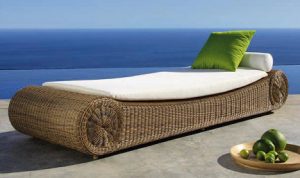
For most people with a standard exposed patio or deck, synthetic resin wicker offers a much stronger return on investment despite the higher upfront cost. Natural wicker makes genuine sense when you have a covered or partially enclosed space—a pergola-covered patio, a screened porch, or a deep shaded alcove—where it won't face direct rain or sustained sun.
How to Clean and Care for Your Wicker Set
Wicker is less labor-intensive to maintain than solid wood furniture, but it still rewards consistent attention. The right approach depends on whether your set is natural or synthetic.
Cleaning Natural Wicker
Start by vacuuming with a brush attachment or using a soft-bristle brush to remove loose dust and debris from the weave. Mix a small amount of mild dish soap with warm water, then work the solution into the surface in small sections using a soft cloth or brush. Avoid soaking the material—excess moisture is damaging to natural fibers. Wipe down with a lightly damp clean cloth, then allow the piece to dry thoroughly in a shaded, well-ventilated area before using it again.
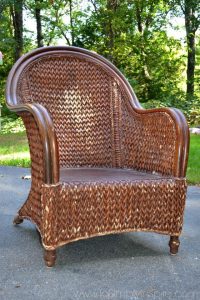
For mold spots or embedded staining, a diluted white vinegar and water solution cleans effectively without damaging the weave. Once the piece is clean and fully dry, applying a thin coat of outdoor sealant once or twice a season adds meaningful protection against moisture and UV exposure. If you're restoring older natural wicker that needs surface preparation before repainting, a quality sander for furniture refinishing can help prep the surface carefully without tearing the fibers.
Cleaning Synthetic Resin Wicker
Resin wicker is far more forgiving. A garden hose, a bucket of warm soapy water, and a soft brush are usually all you need. Rinse the entire piece first, scrub any visibly dirty sections, then rinse again and allow to air dry. The metal frame underneath is worth inspecting once a year for chips or scratches in the powder coating. Touch up any bare metal spots immediately to prevent rust from forming in areas that are difficult to access and treat once the damage has progressed.
At the end of the outdoor season, bring cushions inside or store them in a weatherproof deck box—most outdoor cushion fabric doesn't benefit from extended exposure when it isn't in use. The furniture itself benefits from a cover or indoor storage during winter months in colder climates, though high-quality resin wicker is generally designed to handle freezing temperatures as long as it stays reasonably dry.
How Wicker Fits Different Outdoor Spaces
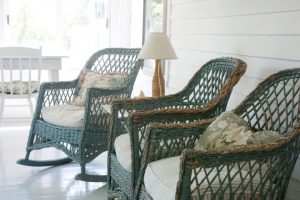
Wicker is versatile enough to work across a wide range of outdoor environments, but the right type of wicker—and the right configuration—depends on the specifics of your space. Climate, coverage, and how heavily you use the area all play into the equation.
Shaded and Covered Patios
On a shaded or covered patio—especially one under a pergola or a deep roof overhang—natural wicker can be an excellent option. Reduced sun and rain exposure dramatically extends its service life, and the organic texture it brings to a space is something that synthetic versions approximate but don't quite replicate. A loveseat or a pair of armchairs in natural wicker on a covered porch creates a warmth and character that feels distinctly different from a standard resin set.
Open Decks and Poolside Setups
For fully exposed spaces—open wood decks, concrete patios, and poolside areas—resin wicker is the practical standard. It handles splash zones, salt air, high humidity, and direct sun without the vulnerabilities that natural materials carry. If you're pairing wicker furniture with natural stone hardscaping, the earthy tones of a wicker weave tend to complement stone beautifully. You can see how that kind of pairing plays out visually in this collection of flagstone patio design ideas.
Small Balconies and Compact Spaces
Wicker's lightweight quality makes it particularly practical on smaller outdoor spaces like apartment balconies or compact urban patios. Moving it inside ahead of a storm or rearranging pieces for different occasions is much easier than with heavier furniture materials. A two-piece bistro set in a neutral resin wicker can transform a modest balcony without making the space feel cluttered or overpowered.
Smart Tips for Getting More From Your Wicker Furniture
The gap between wicker that looks tired after four years and wicker that still looks presentable after twelve often comes down to a handful of consistent habits. None of them are demanding, but skipping them tends to compound quickly.
Protecting the Weave and Frame
The single most effective thing you can do is use a properly fitted furniture cover when the set sits unused for extended periods—particularly through late fall and winter. A basic polyester outdoor furniture cover keeps out moisture, debris, and bird droppings without trapping condensation underneath. Make sure the cover fits loosely enough to allow some air circulation rather than forming a sealed tent that holds humidity against the weave and frame.
On resin wicker, inspect the frame joints and any exposed metal sections annually. Powder-coated aluminum holds up very well, but steel frames can develop rust at scratched or chipped points. Catching a rust spot early and treating it costs ten minutes; letting it spread costs you the furniture. Light sanding followed by a rust-inhibiting touch-up paint is usually enough to stop it before it becomes structural.
Cushion Maintenance
Cushion care is often treated as secondary, but it makes a significant difference in how the overall set presents over time. Bring cushions inside or store them in a weatherproof deck box when rain is coming and whenever the furniture won't be used for several consecutive days. Spot-clean spills as soon as they happen. Mildew that develops in damp cushion fabric is unpleasant and difficult to fully eliminate—and it eventually transfers a musty quality to the surrounding area that affects the whole outdoor experience.
Rotating and flipping cushions periodically helps them wear evenly and delays the compression that all foam eventually undergoes with regular use. Most outdoor cushions are designed for easy removal and cleaning—take advantage of that rather than leaving them locked in place throughout the entire season.
Best Practices for Buying Wicker Outdoor Furniture
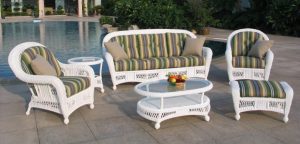
The wicker market spans a wide range of price points, material quality, and construction standards. A few clear principles help you cut through the noise and identify what's actually worth buying.
Frame Material Matters Most
When evaluating any wicker set, look past the weave to the frame underneath. An aluminum frame is almost always preferable to steel for outdoor use because aluminum doesn't rust regardless of whether the coating eventually gets nicked or scratched. Steel frames with quality powder coating can perform well too, but they require more vigilance to maintain. If a product listing doesn't specify the frame material at all, treat that as a red flag—it typically means steel, and often lower-grade steel at that.
The weave itself should ideally be made from high-density polyethylene rather than cheaper PVC alternatives. HDPE is more UV-resistant, holds its color longer, and generally maintains its structural integrity better across seasons. You may not find this specified on budget sets—but if you're comparing two similarly priced options and one specifies HDPE weave, that's the stronger choice.
Check the Weave Density and Quality
Run your hand along the surface and examine the weave pattern closely. A high-quality set has tight, uniform weaving with no gaps, loose strands, or areas where the pattern starts to separate near joints or corners. Those small imperfections in a showroom or product photo tend to become larger problems outdoors within a year or two. What you observe at the seams and edges tells you more about manufacturing quality than the overall visual impression does.
Think About Your Climate
Your local climate should inform your decision more than aesthetics alone. In wet climates, prioritize tight weave density, an aluminum frame, and good clearance off the ground to prevent water pooling underneath the legs. In hot, sunny regions, confirm the resin is UV-stabilized—some manufacturers include this detail in product specifications, and it makes a real difference in color retention over multiple seasons. In mild coastal climates with moderate rain and sun, most good-quality resin wicker performs reliably with standard care. Match the product to your actual conditions rather than buying for the best-case scenario.
Frequently Asked Questions
Is wicker furniture good for outdoor use?
It depends on the type. Synthetic resin wicker is engineered specifically for outdoor conditions and handles rain, humidity, and UV exposure well. Natural wicker is better suited to covered or partially enclosed outdoor spaces—full outdoor exposure shortens its lifespan considerably. For most standard patios and decks, resin wicker is the more practical and durable choice.
How long does outdoor wicker furniture last?
High-quality resin wicker typically lasts 8 to 15 years or more with basic maintenance. Natural wicker outdoors generally holds up for 3 to 6 years depending on your climate and how well you protect it. The frame underneath often determines the overall lifespan—aluminum frames outlast steel frames significantly in outdoor conditions.
What is the difference between wicker and rattan?
Wicker refers to the weaving technique—the interlaced or braided construction method used to build the furniture. Rattan is one specific plant material that can be woven in a wicker style, alongside willow, seagrass, and synthetic polymers. So rattan furniture is a type of wicker furniture, but not all wicker is rattan. Many outdoor "wicker" sets today contain no natural plant material at all.
Can you leave wicker furniture outside in the rain?
Resin wicker handles occasional rain well and is designed for outdoor exposure. Natural wicker should not be left in the rain—moisture causes the fibers to swell and eventually crack or unravel. For both types, covering or storing furniture during extended wet periods and over winter significantly extends the furniture's lifespan.
How do you clean outdoor wicker furniture?
For resin wicker, a garden hose and warm soapy water with a soft brush is usually all you need. Rinse, scrub dirty areas, rinse again, and let it air dry. For natural wicker, use as little water as possible—vacuum debris first, then clean with a lightly damp cloth and mild soap, and dry thoroughly in a shaded, ventilated area before using the piece again.
Key Takeaways
- The advantages of wicker outdoor furniture—including its visual warmth, lightweight portability, and comfortable seating—depend heavily on choosing the right type for your specific setting and climate.
- Synthetic resin wicker significantly outperforms natural wicker in durability and weather resistance for exposed outdoor spaces, making it the practical standard for most patios and decks.
- Consistent maintenance habits—covering the furniture during off-seasons, inspecting the frame annually for rust, and properly storing cushions—have the greatest impact on how long any wicker set lasts.
- Frame material, weave density, and climate suitability matter more than price alone when you're shopping for wicker that will actually hold up season after season.


About Simmy Parker
Simmy Parker holds a Bachelor of Science in Civil Engineering from Sacramento State University and has applied that technical background to outdoor structure design, landscape planning, and backyard improvement projects for over a decade. Her love for the outdoors extends beyond design — she regularly leads nature hikes and has developed working knowledge of native plants, soil conditions, and sustainable landscaping practices across Northern California. At TheBackyardGnome, she covers backyard design guides, landscaping ideas, and eco-friendly outdoor living resources.
You can Get FREE Gifts. Receive Free Backyard Items here. Disable Ad Blocker to get them all now!
Once done, hit anything below