If you're searching for the best wood for patio furniture, the short answer is teak, cedar, white oak, and eucalyptus — species that resist rot and insects naturally, without relying on chemical treatments to survive outdoors. Pick the wrong wood and you could be replacing your set after just a few seasons. This guide walks through which species hold up, why they work, and how to keep them looking good long-term. For a broader look at outdoor seating options, browse our patio furniture guides.
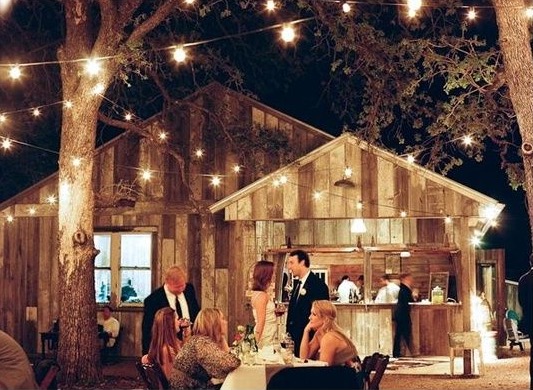
Wood furniture brings a warmth and character to outdoor spaces that synthetic materials rarely match. But the outdoors is unforgiving — moisture cycles, UV radiation, insects, and mold work against wood constantly. The good news is that several tree species have evolved natural defenses dense enough to keep those threats at bay for decades. Knowing which ones they are is the difference between a furniture investment and an expensive mistake.
Whether you're buying a new set, replacing worn pieces, or evaluating options for a full backyard redesign, this breakdown gives you the information you need to choose confidently.
Contents
Why Some Woods Survive Outdoors — and Others Don't
The Role of Natural Oils and Density
Wood durability outdoors comes down to two core factors: natural oil content and grain density. Teak contains silica and oils that repel water and resist insect activity. Cedar produces aromatic compounds that deter termites and moths. These aren't just selling points — they're measurable chemical properties backed by decades of outdoor performance data.
The USDA Forest Products Laboratory classifies wood into decay resistance categories. Species rated highly resistant — teak, ipe, black locust — can last decades in ground contact. Most softwoods fall into the lowest resistance categories, meaning they'll begin to rot within a few years without treatment. Dense-grained woods also hold up better mechanically: they scratch less, dent less, and resist the surface checking that lets water infiltrate.
Heartwood vs. Sapwood: Why It Matters
Even within the same tree, not all wood performs equally. The heartwood — the dense, dark core — contains the protective resins and oils. The sapwood, the lighter outer ring just beneath the bark, lacks those same compounds and performs much closer to a generic softwood outdoors.
Always ask whether furniture is cut from heartwood. Sapwood from even a naturally durable species like teak will underperform and rot prematurely — it's one of the most common sources of confusion when "teak" furniture fails early.
Budget furniture lines and some big-box retailers mix in sapwood to cut costs. This is why two pieces sold under the same wood name can behave completely differently after a few years outside.
Best Wood for Patio Furniture by Species
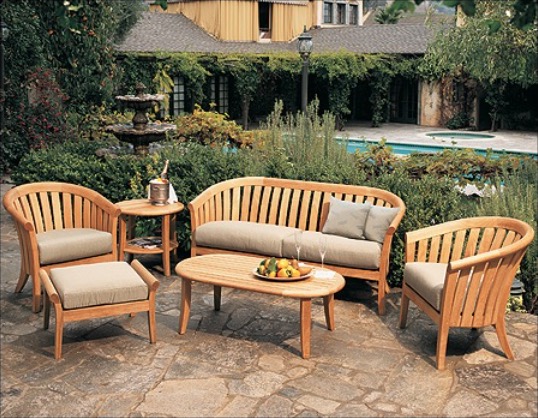
Choosing the best wood for patio furniture means balancing natural durability, price, availability, and how much upkeep you're willing to do. Here's how the main species stack up.
Teak — The Gold Standard
Teak consistently tops durability rankings for outdoor wood. Its high oil content makes it nearly impervious to moisture, and its tight grain resists splintering and surface damage. Teak furniture can sit outside year-round in most climates with no treatment at all — it weathers to a silver-gray patina on its own. If you're investing in a full patio conversation set, teak is worth serious consideration if your budget allows.
The main drawbacks are cost and sourcing. Plantation-grown teak is the responsible choice — old-growth teak is increasingly restricted. Expect to pay a premium, but also expect decades of performance.
Cedar and Redwood — Classic North American Choices
Western red cedar and coast redwood are the workhorses of outdoor furniture in North America. Both contain natural resins that resist decay and insects reasonably well, and both are available at lower price points than teak. Cedar is lighter and easier to shape, which makes it popular for handcrafted and DIY projects — if you enjoy working with wood carving and hand tools, cedar rewards patience and skill.
Redwood has slightly better rot resistance, but both species benefit from annual oiling to maintain color and prevent surface cracking. Neither is quite in teak's league for low-maintenance durability, but both are excellent value options.
White Oak, Acacia, and Shorea
White oak contains tyloses — microscopic cell structures that block its pores and prevent water absorption. This same property makes it ideal for wine barrels and boat planking. It's heavier than cedar but substantially more rot-resistant, and it takes finishes very well.
Acacia is a broad category, not a single species, and quality varies widely. High-grade "hardwood acacia" performs well outdoors. Lower grades can warp and crack if not maintained consistently. Shorea — sold under names like "balau" or "Philippine mahogany" — is dense, moderately oily, and noticeably more affordable than teak while outperforming most domestic softwoods.
Eucalyptus and Cypress — Affordable Alternatives
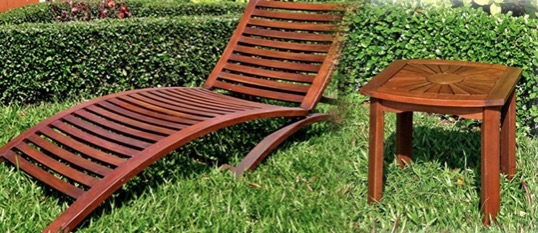
Eucalyptus has become a legitimate teak alternative in recent years. Plantation-grown eucalyptus is fast-growing, renewable, naturally rot- and insect-resistant, and takes oil and stain well. Properly maintained eucalyptus furniture can last 25 years or more. Cypress, particularly older-growth material, contains cypressene — a natural preservative oil that earned it the nickname "wood eternal." Second-growth cypress still outperforms most softwoods outdoors.
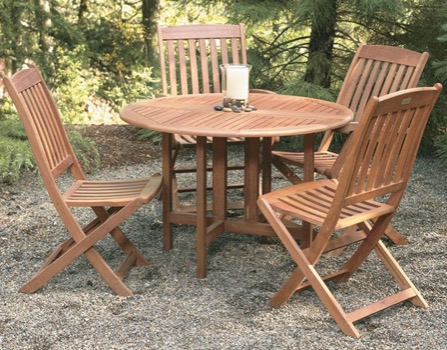
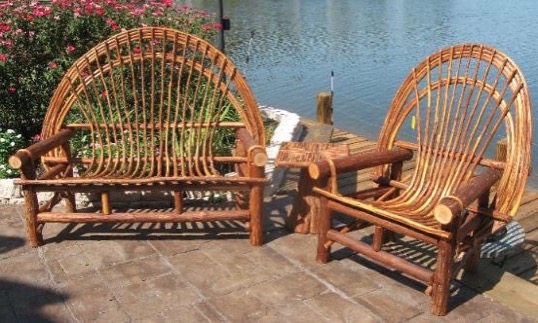
FSC-certified plantation eucalyptus is often the smartest value pick — near-teak durability at a fraction of the price, with a significantly smaller environmental footprint than harvested tropical hardwoods.
| Wood Type | Rot Resistance | Bug Resistance | Relative Cost | Maintenance Needs |
|---|---|---|---|---|
| Teak | Excellent | Excellent | High | Low (oiling optional) |
| Ipe (Brazilian Walnut) | Excellent | Excellent | Very High | Low |
| White Oak | Very Good | Moderate | Medium | Moderate |
| Eucalyptus | Very Good | Good | Low–Medium | Low–Moderate |
| Redwood | Good–Very Good | Good | Medium | Moderate |
| Cypress | Good–Very Good | Good | Medium | Moderate |
| Cedar | Good | Good | Low–Medium | Moderate |
| Acacia (high grade) | Good | Good | Low–Medium | Moderate–High |
Practical Tips for Maintaining Outdoor Wood Furniture
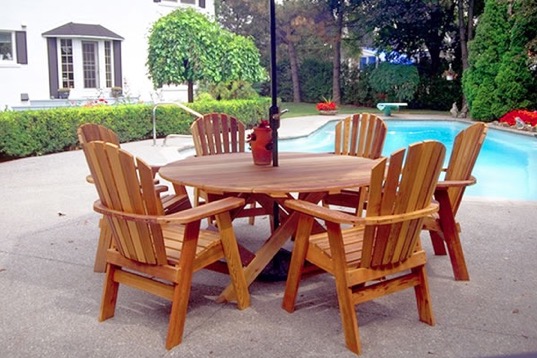
Even the most durable species benefits from consistent care. A well-maintained cedar set will outlast a neglected teak set. Maintenance doesn't need to be intensive — it just needs to happen on a schedule.
Sealing, Oiling, and Finishing
Most outdoor wood furniture benefits from an annual application of teak oil, linseed oil, or a dedicated outdoor wood sealer. This replenishes oils that weather out over time and keeps wood fibers hydrated, which prevents cracking and checking.
- Teak and ipe: apply teak oil once or twice a year to preserve color; leave unfinished if you prefer the natural silver-gray patina
- Cedar and redwood: use a UV-resistant penetrating oil annually; avoid film-forming finishes that peel
- Eucalyptus and acacia: oil two to three times per year in harsh or coastal climates to prevent surface drying
- White oak: a penetrating sealer works well; polyurethane film finishes tend to fail outdoors
If you're building a full outdoor living setup, pairing your wood furniture with a quality patio umbrella reduces UV exposure on both the wood and you — which extends finish life noticeably.
Seasonal Storage and Covers
Where and how you store furniture between seasons makes a real difference in longevity.
- Bring cushions indoors during wet or cold seasons
- Use breathable covers — not solid plastic, which traps moisture underneath
- Elevate furniture slightly off concrete to prevent moisture wicking through end grain
- Clean with mild soap and water before storing; never store furniture while it's dirty or wet
If you're incorporating fire features near your furniture, consider placement carefully — smoke and heat accelerate finish degradation. Some well-designed sunken fire pit layouts keep flames at a natural distance from seating without sacrificing the ambiance.
Wood Selection Mistakes That Shorten Furniture Life
Choosing the Wrong Grade or Cut
The most common mistake is buying furniture labeled with a premium wood name without verifying grade and cut. "Teak" furniture can range from plantation heartwood to sapwood offcuts — these perform completely differently outdoors.
Ask for species verification and grade documentation when buying, especially online. Weight is often a useful field check — a teak chair that feels light is likely sapwood-heavy or blended with other species. Also be cautious about pressure-treated lumber marketed for furniture use. It's suitable for structural decking and fence posts, but the treatment chemicals aren't designed for surfaces that get regular skin contact.
Skipping Maintenance Until Damage Shows
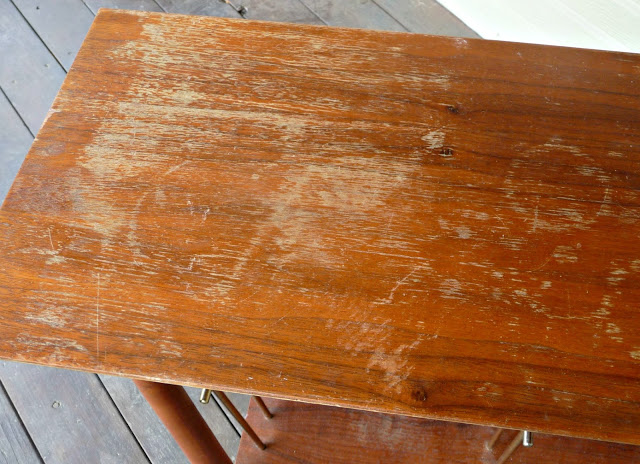
Most people wait until wood begins to crack visibly, gray severely, or show soft spots before doing anything. By that point, surface damage is often irreversible and structural integrity may already be compromised.
The fix is straightforward: set a calendar reminder for spring maintenance. An hour of oiling prevents years of premature aging. If you're assembling a full outdoor sectional furniture arrangement with multiple wooden pieces, treating everything on the same schedule keeps the whole space looking cohesive and eliminates the guesswork.
Common Myths About Outdoor Wood, Debunked
Myth: Naturally Resistant Wood Needs No Maintenance
This one persists because it's almost true — which makes it misleading. Teak and ipe genuinely do not need treatment to avoid rot. But "maintenance-free" means rot-resistant, not effort-free. Without any care, even teak can develop surface checks and cracks over time that, while not structurally serious at first, can eventually let water penetrate deeper layers.
Regular cleaning and occasional oiling aren't about preventing rot with these species — they're about preserving appearance and surface integrity. That's a meaningful difference in what you're protecting, but maintenance still belongs on your calendar.
Myth: Pressure-Treated Softwood Performs as Well as Naturally Resistant Hardwood
Pressure-treated pine is genuinely durable for structural applications — ground contact, joists, fence posts. But it's not equivalent to naturally resistant hardwood for furniture. The chemicals in pressure treatment can leach over time, the wood requires significant sanding and finishing before it's safe and attractive for seating, and treated wood often warps and twists more than dense hardwood as it dries.
For furniture, naturally resistant species outperform treated softwoods in safety, aesthetics, and long-term durability. The cost gap between treated pine and a mid-tier option like cedar or eucalyptus is smaller than most people expect once you factor in finishing labor and earlier replacement cycles.
Frequently Asked Questions
What is the most durable wood for outdoor patio furniture?
Teak is widely considered the most durable option. Its natural oil content, density, and silica content make it highly resistant to rot, insects, and weathering. Ipe (Brazilian walnut) is comparable in durability and often less expensive, though harder to work with.
Is cedar or teak better for patio furniture?
Teak outperforms cedar on nearly every durability metric — better rot resistance, better insect resistance, and lower maintenance requirements. Cedar is a solid budget choice that performs well with annual care, but teak is the better long-term investment if the price is manageable for your budget.
How long does teak patio furniture last outdoors?
Quality plantation teak furniture, made from heartwood cuts, can last 50 years or more with minimal maintenance. Even without any oiling or treatment, teak resists rot and structural failure. The main change over time is color — it weathers from golden-brown to a silver-gray patina.
Does eucalyptus wood need to be sealed for outdoor use?
Eucalyptus is naturally rot-resistant and can be used outdoors without sealing, but applying a penetrating oil two to three times per year significantly extends its life and appearance. In coastal or high-humidity climates, regular oiling is especially worthwhile to prevent surface drying and cracking.
What wood should you avoid for outdoor patio furniture?
Untreated pine, spruce, and fir are poor choices for outdoor furniture — they lack natural rot resistance and will begin to decay within a few seasons in most climates. Even pressure-treated versions of these species are better suited for structural use than for surfaces people sit and eat on.
How do you restore weathered outdoor wood furniture?
Start with a thorough cleaning using a wood cleaner or diluted oxalic acid solution to remove gray weathering and surface mold. Sand lightly with 120-grit sandpaper to open the grain, then apply a penetrating oil or dedicated outdoor wood finish. Severely checked or cracked wood may need a stabilizing epoxy treatment before finishing.
Is pressure-treated wood safe for patio furniture?
Modern pressure-treated lumber uses copper-based preservatives (ACQ or CA) rather than the older arsenic-based CCA formulas, which makes it safer than it once was. That said, it's not specifically formulated for furniture surfaces that get regular skin contact, and most woodworking and safety guidelines still recommend naturally resistant species or untreated wood with exterior finishes for seating and table surfaces.
Key Takeaways
- Teak, ipe, white oak, and eucalyptus are the most reliable naturally rot- and bug-resistant choices for outdoor furniture — they perform without chemical treatment.
- Heartwood cuts outperform sapwood even within the same species, so always verify what you're actually buying before you commit to a price.
- Annual oiling and proper seasonal storage significantly extend the life of any outdoor wood furniture, even low-maintenance species like teak.
- Pressure-treated softwood is not a like-for-like substitute for naturally resistant hardwood in furniture applications — the safety profile and long-term durability don't match up.


About Simmy Parker
Simmy Parker holds a Bachelor of Science in Civil Engineering from Sacramento State University and has applied that technical background to outdoor structure design, landscape planning, and backyard improvement projects for over a decade. Her love for the outdoors extends beyond design — she regularly leads nature hikes and has developed working knowledge of native plants, soil conditions, and sustainable landscaping practices across Northern California. At TheBackyardGnome, she covers backyard design guides, landscaping ideas, and eco-friendly outdoor living resources.
You can Get FREE Gifts. Receive Free Backyard Items here. Disable Ad Blocker to get them all now!
Once done, hit anything below