Bluestone is a dense, fine-grained sedimentary stone valued above all else for its toughness and natural blue-gray palette — and the question of what is bluestone used for has a longer answer than most people expect. Our team has covered it extensively in our bluestone landscaping and design guides because few natural materials match its combination of slip resistance, visual appeal, and structural durability across outdoor applications.
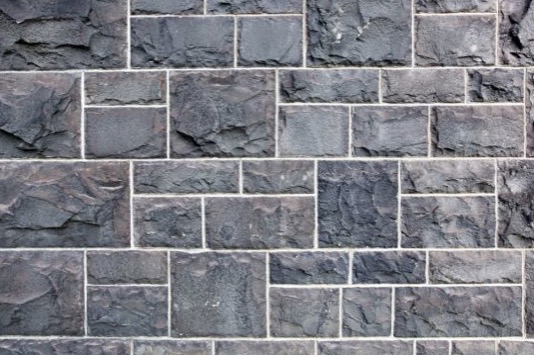
The term "bluestone" covers several distinct stone types depending on region. Pennsylvania bluestone, Connecticut bluestone, and Australian bluestone share a name and a color family but differ in mineral composition, density, and long-term performance. What unifies them is a structural toughness that endures freeze-thaw cycles, heavy foot traffic, and decades of weather exposure without dramatic deterioration.
Our team has tracked hundreds of backyard transformations, and bluestone consistently surfaces as the material that ages most gracefully when properly installed and maintained. This guide covers everything our research and field experience reveals — its geology, strongest use cases, when not to choose it, how to maintain it, and how to solve the problems that occasionally arise.
Contents
- The Origins of Bluestone: What It Is and Where It Comes From
- What Is Bluestone Used For: A Full Breakdown
- When Bluestone Works — and When It Doesn't
- Why Bluestone Installations Fail — and How to Prevent It
- Keeping Bluestone in Top Condition
- Solving Common Bluestone Problems
- Bluestone Myths Our Team Keeps Hearing
- Bluestone as a Long-Term Investment
- Frequently Asked Questions
- Final Thoughts
The Origins of Bluestone: What It Is and Where It Comes From
Bluestone is not a single mineral or a geologically precise classification — it's a regional term applied to several types of dense, fine-grained stone that share a characteristic blue-gray color. This matters practically because the performance of bluestone varies meaningfully depending on which type a supplier is offering.
The Geology Behind the Color
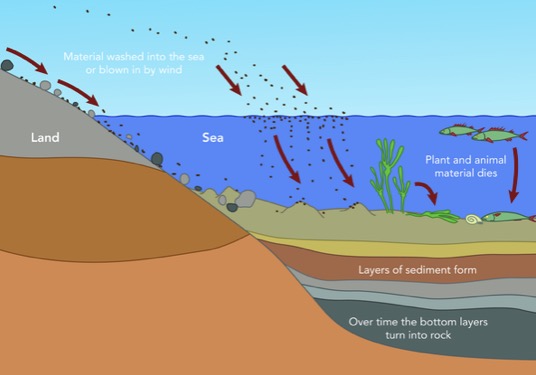
Most North American bluestone is a naturally cleft sandstone formed through sedimentary deposition over hundreds of millions of years. According to Wikipedia's overview of bluestone, the term applies to different stone types in different countries — which is precisely why material specifications matter far more than the name alone when sourcing for a project.
The blue-gray palette comes from iron compounds and clay minerals embedded in the stone's crystalline matrix. The exact shade shifts from cool blue-gray in Pennsylvania quarries to warmer charcoal tones in certain Connecticut and Virginia deposits, depending on local mineral content.
Regional Varieties Worth Knowing
The four types our team encounters most often in North American and international projects:
- Pennsylvania/Delaware Valley bluestone: the most widely used in the northeastern US — a naturally cleft sandstone with excellent freeze-thaw resistance and moderate hardness
- Connecticut bluestone: similar in composition to Pennsylvania varieties, with slightly warmer tonal variation; a frequent choice in New England garden design
- Australian basalt bluestone: a volcanic basalt, significantly harder and denser than sandstone types, common in Melbourne urban streetscapes and commercial paving with heavy traffic demands
- Imported Chinese bluestone: often a limestone-based material sold at lower price points — it lacks the structural density of true sandstone or basalt, and our team consistently recommends requesting a material spec sheet before committing to a purchase
Understanding which type a supplier is offering prevents costly mismatches between material performance and project demands. Regional origin determines freeze-thaw behavior, surface hardness, and long-term maintenance requirements — all of which diverge significantly across these four categories.
What Is Bluestone Used For: A Full Breakdown
The practical range of applications for bluestone spans hardscape design, landscaping, and architecture. This is the section most people are actually looking for, so our team has broken it down by application category with the specifics that matter most for planning and execution.
Patios, Walkways, and Pool Surrounds
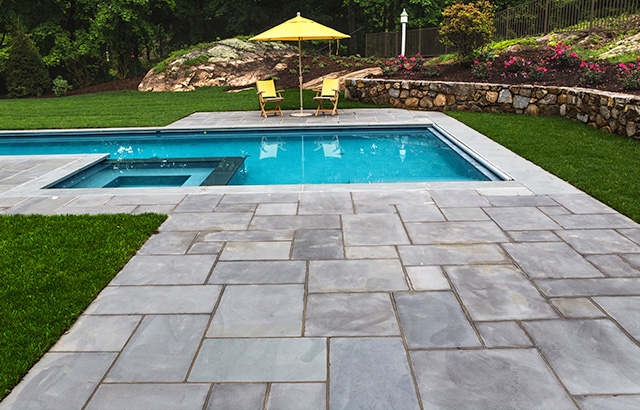
Outdoor living surfaces are bluestone's most visible home. Several properties make it a standout choice here:
- Natural cleft and thermal-finish surfaces both offer slip resistance that exceeds most concrete pavers — critical for pool decks and wet walkways
- Bluestone stays noticeably cooler underfoot in direct sun compared to concrete, brick, or dark-colored engineered pavers
- Available in both irregular flagstone-style cuts and precise dimensional pieces, giving designers flexibility for formal grid layouts or organic naturalistic patterns
- Color consistency holds over time — bluestone doesn't fade significantly under UV exposure the way synthetic materials do
Our team regularly points readers toward our flagstone patio design and installation guide when evaluating natural stone patio options — the installation principles for bluestone and flagstone overlap substantially, and comparing both materials before committing helps clarify which suits a given budget and design intent.
For pool surrounds specifically, thermal-finish bluestone is the dominant recommendation in our experience. The flamed surface delivers reliable traction when wet without sacrificing the clean visual line most pool designs call for. Pairing a bluestone deck with well-chosen patio shade solutions completes the outdoor room without competing with the stone's natural palette.
Bluestone also integrates naturally with fire features. Its heat tolerance makes it well-suited for framing sunken fire pit installations — the stone handles thermal cycling without the surface cracking that softer sedimentary materials are prone to under repeated heat stress.
Architectural and Structural Applications
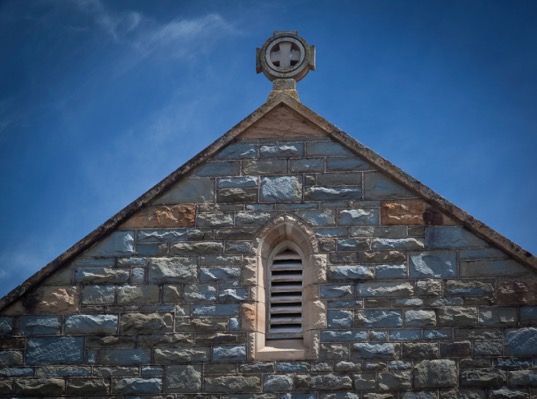
Beyond patios and pools, what is bluestone used for in structural and architectural contexts? The list extends well beyond what most homeowners initially assume:
- Retaining walls: compressive strength handles lateral earth pressure reliably, without requiring mortar in dry-stack applications
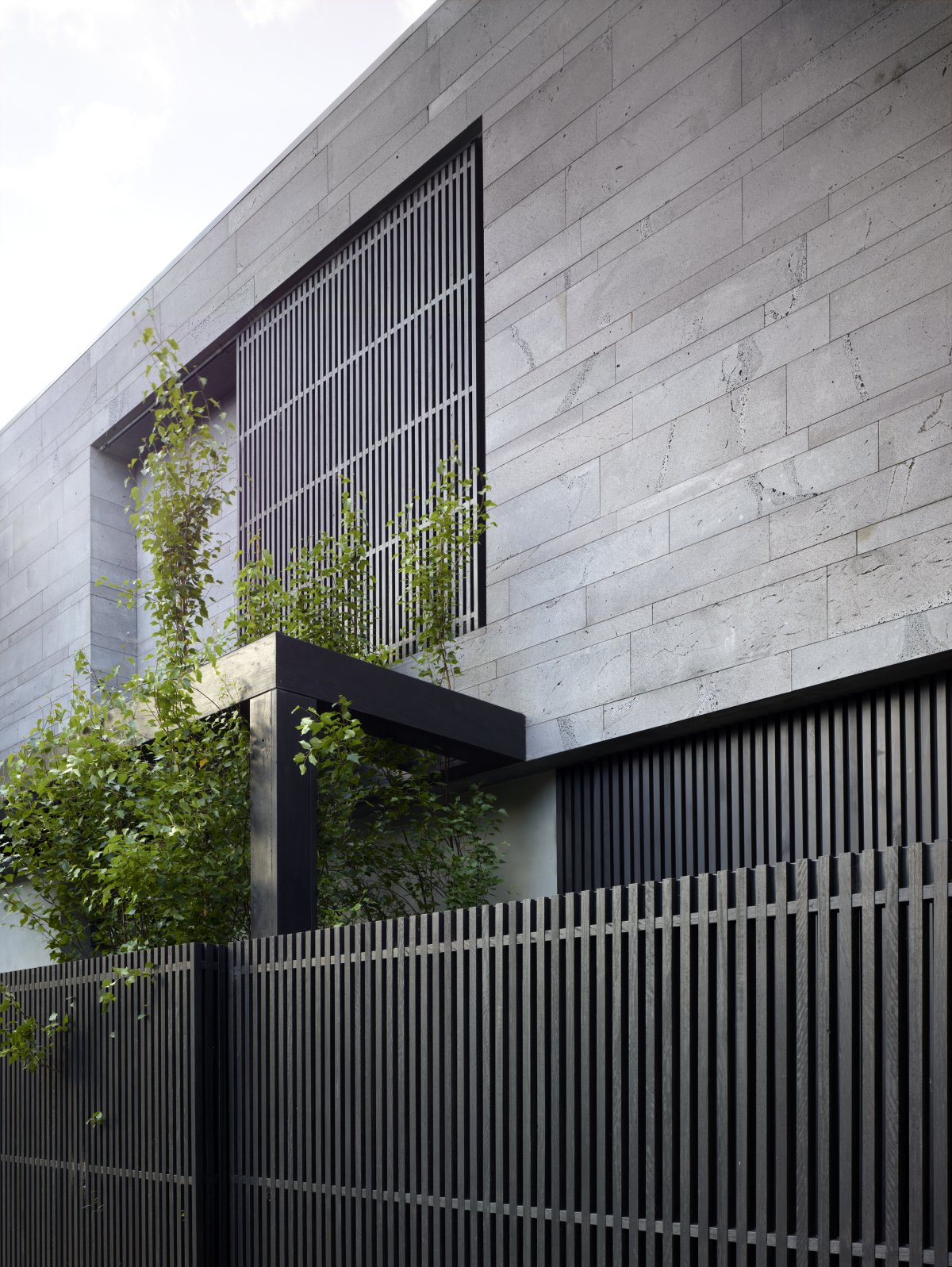
- Building facades and cladding: honed bluestone panels provide a refined, contemporary exterior finish that ages naturally rather than degrading with weathering
- Steps and stair treads: the natural cleft surface provides grip without added texture treatments, and the material's density resists edge chipping under heavy use
- Curbing and garden edging: cut bluestone pieces create precise, durable borders for planting beds and driveways
- Indoor flooring: honed bluestone tiles appear in entryways, kitchens, and bathrooms where a premium natural stone aesthetic is desired
- Outdoor kitchen countertops: bluestone's heat tolerance and low porosity when sealed make it a practical surface near grills and open flame
Bluestone appears in historic northeastern American buildings dating back centuries — its density and weather resistance made it a primary construction material before concrete became dominant. Our team also recommends pairing bluestone surfaces with naturally rot-resistant hardwoods for outdoor furniture — teak, ipe, and white oak all complement bluestone's tones while sharing its longevity profile.
For full outdoor living setups that combine fire, stone, and seating, a bluestone hardscape paired with a traditional chiminea is a classic combination that delivers heat, ambiance, and visual cohesion without competing materials or clashing styles.
When Bluestone Works — and When It Doesn't
Conditions Where Bluestone Excels
Bluestone performs at its best under the following conditions:
- Cold climates with significant freeze-thaw cycles — Pennsylvania sandstone bluestone resists frost heave better than most sedimentary alternatives when installed with proper drainage
- Pool decks and wet zones — thermal finish delivers reliable traction in wet conditions without surface treatments
- High-traffic walkways — density and hardness translate to low wear rates even under sustained pedestrian use
- Design-focused projects where material longevity and natural aesthetics are both priorities
- Eco-conscious landscaping — natural stone requires no manufacturing energy, and its long service life reduces material replacement cycles over a property's lifetime
Situations Where Other Materials Perform Better
Bluestone is not the right answer for every application. Our team has identified several situations where alternatives make more practical sense:
- Tight installation budgets: bluestone costs more upfront than concrete pavers, brick, or gravel — the lifetime value case is strong, but initial cost can be prohibitive for larger areas
- Highly acidic soil environments: acid from leaf litter and organic matter gradually etches unsealed limestone-based bluestone varieties
- Areas with poor drainage and no practical path to correction: standing water accelerates freeze-thaw damage and promotes moss and algae colonization
- Applications requiring extreme dimensional uniformity: natural stone varies in thickness and surface texture — engineered pavers deliver more consistent results where tight tolerances matter
The surface finish comparison below helps match the right bluestone product to specific project applications:
| Surface Finish | Texture | Slip Resistance | Best Application | Maintenance Level |
|---|---|---|---|---|
| Natural Cleft | Rough, uneven | Excellent | Patios, garden paths, steps | Low |
| Thermal (Flamed) | Rough, consistent | Excellent | Pool decks, driveways, steps | Low |
| Honed | Smooth, matte | Moderate | Covered patios, indoor floors | Medium |
| Brushed | Lightly textured | Good | Wall cladding, feature surfaces | Low–Medium |
| Sawn (Cut) | Very smooth | Low when wet | Dry interior applications only | Medium–High |
Why Bluestone Installations Fail — and How to Prevent It
The majority of bluestone failures our team has observed trace back to installation errors rather than material defects. Getting the foundation right is non-negotiable regardless of budget or project scale.
Subbase and Drainage Errors
Poor subbase preparation is responsible for more bluestone failures than any other single cause:
- Insufficient compacted gravel base: a minimum 4-inch compacted crushed stone base is required for foot traffic applications; 6 inches for vehicular areas
- Skipping the sand setting bed: a 1-inch screeded sand layer allows minor adjustment and prevents rigid point loads from cracking individual stones
- No slope for drainage: all bluestone surfaces need a minimum 1/8-inch per foot pitch away from structures — zero-slope installations collect standing water and accelerate moss, algae, and freeze-thaw deterioration
- Installing over clay-heavy soil without drainage correction: clay retains moisture against the stone base, promoting frost heave in cold climates
Sealing Mistakes
Sealing decisions generate consistent confusion among first-time bluestone buyers. Our team's position is direct:
- Pennsylvania sandstone bluestone benefits from sealing in high-stain-risk areas — a penetrating impregnator sealer is the correct product, not a topical film coating that traps moisture
- Australian basalt bluestone is dense enough to perform without sealing in most outdoor applications
- Sealing wet or recently installed stone traps moisture and causes surface spalling — wait a minimum of 28 days after installation before applying any sealer
- Over-sealing builds residue that dulls the surface over time and eventually requires chemical stripping to correct
Pro tip: Always test sealer on an inconspicuous sample piece before full application — some penetrating sealers permanently darken certain bluestone varieties, and that shift is irreversible once applied.
Keeping Bluestone in Top Condition
Routine Cleaning Practices
Bluestone is genuinely low-maintenance, but a consistent care routine preserves both appearance and structural integrity over the long run:
- Sweep regularly to prevent organic debris from accumulating on the surface — decomposing leaves are mildly acidic and cause gradual surface etching on softer sandstone varieties
- Rinse with plain water and a stiff nylon brush for general cleaning — this handles 90% of routine maintenance without any chemical products
- For algae or moss growth, a diluted pH-neutral stone cleaner applied with a soft brush is the correct approach — bleach-based products break down the stone's mineral matrix over time and should be avoided entirely
- Power washing is acceptable at low pressure (under 1,500 PSI) with a wide fan tip — high-pressure direct jets erode the natural cleft surface texture and damage mortar joints
Seasonal Preparation
In cold climates, seasonal preparation prevents the most common forms of weather-related damage before it starts:
- Remove all organic debris before the first frost — wet leaves trap ice against the surface and accelerate freeze-thaw spalling at the stone's edges
- Avoid rock salt for ice management — use sand or calcium magnesium acetate (CMA) instead, as sodium chloride accelerates surface breakdown and contaminates adjacent soil and planting beds
- Check and repoint mortar joints every 2–3 years if the installation is mortared — damaged joints allow water infiltration that causes interior freeze damage invisible from the surface
- Test sealant effectiveness each autumn using the water bead method: pour a small amount of water on the surface — if it absorbs rather than beads within 5 minutes, a fresh sealer application is warranted
Solving Common Bluestone Problems
Staining and Discoloration
Different stain types require different remediation approaches — using the wrong product often worsens the problem:
- Rust stains from metal furniture or iron-rich irrigation water: treat with an oxalic acid-based stone cleaner — vinegar is acidic enough to etch the stone and should never be used on bluestone surfaces
- Oil and grease stains: apply a dry poultice of baking soda or talc mixed with mineral spirits, leave 24 hours covered with plastic, then rinse — this draws oil out of the stone rather than spreading it further
- White efflorescence (salt deposits migrating from below): a stiff dry brush handles light deposits; persistent cases respond to a diluted muriatic acid solution (1:10 ratio) followed by thorough rinsing and acid neutralization
- Organic stains from berries, leaves, or algae: a pH-neutral enzymatic cleaner works well; diluted hydrogen peroxide (3%) handles persistent organic discoloration without damaging the stone matrix
Cracking and Surface Damage
Surface cracking is almost always a subbase or drainage problem rather than a material defect. The diagnostic steps our team recommends:
- Check for soil settlement beneath the cracked area — press on adjacent stones to test for movement or rocking
- Inspect drainage — look for evidence of standing water or soil saturation under and around the affected stones
- Remove cracked stones and evaluate the base — in most cases the crushed stone base has shifted or compacted unevenly
- Re-compact the base, add base material as needed, and reset the stones — surface cracks in otherwise structurally intact stones can be repaired with color-matched epoxy filler
Warning: Never fill bluestone surface cracks with standard cement or grout — the different thermal expansion rates cause refilled cracks to reopen within a single freeze-thaw season, making the problem worse than before repair.
Bluestone Myths Our Team Keeps Hearing
Several persistent misconceptions about bluestone surface regularly in reader conversations and contractor consultations. Our team addresses the most common ones directly.
- Myth: Bluestone is slippery when wet. False for natural cleft and thermal finishes, which provide better wet traction than most concrete paving surfaces. This myth originates with honed and sawn finishes, which do have reduced slip resistance when wet — but those finishes are designed for dry indoor applications, not outdoor wet zones.
- Myth: All bluestone is essentially the same material. Regional variation in stone type (sandstone versus basalt), surface finish, and slab thickness creates meaningful performance differences. Specifying material type is as important as specifying grade.
- Myth: Bluestone needs annual sealing. Sandstone varieties benefit from periodic sealing in stain-prone areas, but most installations go 3–5 years between applications. Over-sealing builds residue that dulls the surface and eventually requires professional stripping to correct.
- Myth: Bluestone is too expensive for residential use. The upfront cost runs higher than concrete pavers, but bluestone's service life of 50 or more years with minimal maintenance produces a lower lifetime cost in most climates. Over any 20-year horizon, the value calculation shifts decisively in bluestone's favor.
- Myth: Bluestone only makes sense in cold northern climates. While freeze-thaw performance is its best-known strength, bluestone performs equally well in warm climates. Its heat dissipation properties and UV stability are genuine advantages in sun-heavy environments — properties that concrete and composite materials can't match.
Bluestone as a Long-Term Investment
Anyone serious about outdoor living eventually confronts the question of material longevity. Bluestone's case as a long-term investment is straightforward when the full lifecycle gets considered rather than just the line item on a contractor's quote.
How Bluestone Stacks Up Against Alternatives
Concrete pavers typically need replacement or major repair within 20–25 years in cold climates. Brick performs better but is prone to surface spalling under heavy freeze-thaw stress. Composite decking has improved dramatically but still carries a realistic 25–30 year service horizon before significant degradation. Properly installed bluestone in the northeastern US regularly delivers 50–75 years of service with only routine maintenance — a performance profile no engineered material currently matches at any price point.
The environmental case is equally compelling. Natural stone quarrying carries a fraction of the embodied energy of manufactured concrete or composite products, and bluestone's longevity means far fewer replacement cycles over a building's lifetime — a genuine advantage for projects prioritizing sustainable material choices.
Property value impact is a real factor as well. Quality natural stone hardscaping consistently commands premium valuations in residential real estate. Bluestone patios, walkways, and steps photograph well, resist the weather damage that shows up in home inspections, and signal quality to prospective buyers in ways that stamped concrete and composite decking simply don't.
Our team has followed outdoor living builds where every material choice was made for longevity — pairing bluestone hardscape with high-quality outdoor seating and sustainably sourced wood structures creates a space that compounds in character and quality rather than degrading over time. That approach to outdoor investment is the philosophy behind the projects that hold up best over decades.
Frequently Asked Questions
Is bluestone a good choice for a patio in a cold climate?
Pennsylvania and Connecticut sandstone bluestone varieties are among the best-performing natural paving materials in cold climates. Their natural cleft structure resists freeze-thaw damage effectively when installed over a properly compacted crushed stone base with adequate drainage. Our team consistently recommends bluestone over concrete pavers and brick in USDA zones 4 through 6 specifically because of its freeze-thaw durability — no engineered paving material at a comparable price point performs as reliably through repeated seasonal temperature swings.
How often does bluestone need to be sealed?
Most outdoor bluestone installations benefit from sealing every 3–5 years rather than annually. The most reliable indicator is the water bead test — pour a small amount of water on the surface, and if it absorbs rather than beads within 5 minutes, a fresh coat of penetrating impregnator sealer is warranted. Australian basalt bluestone is dense enough that many installations perform well without any sealing at all, while Pennsylvania sandstone varieties benefit most from sealing in areas near grills, dining tables, or other stain-risk sources.
What is the difference between bluestone and flagstone?
Flagstone is a generic term for any flat, naturally occurring stone used for paving — bluestone is one specific type of flagstone. Other flagstone varieties include limestone, slate, sandstone, and quartzite. What sets bluestone apart from most other flagstone materials is its combination of structural density, freeze-thaw resistance, and the distinctive blue-gray palette that holds its color over decades of UV exposure. The installation process for both is nearly identical, which is why our flagstone patio design guide applies directly to bluestone projects with minimal adaptation.
Final Thoughts
Bluestone earns its reputation through performance rather than marketing — it's a material our team returns to repeatedly because it consistently delivers on the properties that matter most in outdoor living: durability, safety, natural beauty, and genuine long-term value. Anyone planning a patio, pool surround, walkway, or garden wall project should explore our full library of bluestone resources before finalizing a material choice — the right specification, finish, and installation approach makes all the difference between a surface that serves a generation and one that needs replacement in fifteen years.


About Simmy Parker
Simmy Parker holds a Bachelor of Science in Civil Engineering from Sacramento State University and has applied that technical background to outdoor structure design, landscape planning, and backyard improvement projects for over a decade. Her love for the outdoors extends beyond design — she regularly leads nature hikes and has developed working knowledge of native plants, soil conditions, and sustainable landscaping practices across Northern California. At TheBackyardGnome, she covers backyard design guides, landscaping ideas, and eco-friendly outdoor living resources.
You can Get FREE Gifts. Receive Free Backyard Items here. Disable Ad Blocker to get them all now!
Once done, hit anything below