More than 7.3 million hot tubs are currently in use across North America, and that number keeps climbing as homeowners discover what a properly installed backyard spa does for their wellness routine, their outdoor living space, and their property value. If you're ready to learn how to install a hot tub in your backyard, the process follows a clear sequence — and getting each stage right from the start protects your investment for years to come. For more outdoor upgrade projects that complement this one, browse our home improvement guides.
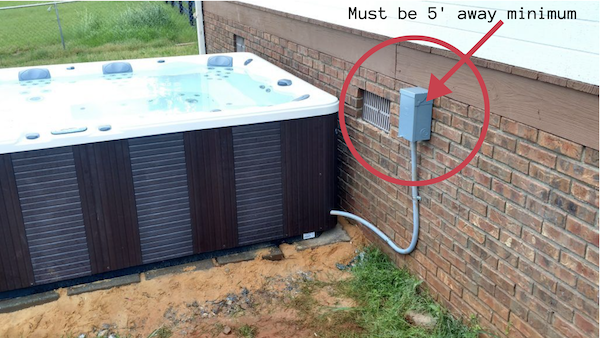
The planning phase is where most installations succeed or fail — long before the first tool is picked up. Foundation requirements, electrical service capacity, local permit rules, and delivery access all have to be confirmed before your spa arrives, and overlooking any one of them creates expensive rework that proper sequencing avoids entirely.
This guide walks you through every stage, from selecting the right model and preparing your site, to managing delivery day and completing your first water fill. Whether you're working with a portable plug-and-play unit or a full-size acrylic shell, the fundamentals are the same, and this guide covers all of them.
Contents
- Why Backyard Hot Tubs Are a Serious Outdoor Investment
- How to Install a Hot Tub in Your Backyard: Step by Step
- Breaking Down the Real Cost of Installation
- Installation Mistakes That Cost Homeowners the Most
- Hot Tub Installation Myths Worth Debunking
- Who Gets the Most Value From a Backyard Hot Tub
- When to DIY and When to Hire a Professional
- Next Steps
Why Backyard Hot Tubs Are a Serious Outdoor Investment
The Health and Lifestyle Case
Hydrotherapy — the therapeutic application of warm, pressurized water — has a well-documented record of reducing muscle tension, improving circulation, and supporting better sleep quality. For homeowners who use their spa consistently, the backyard becomes a dedicated recovery zone that extends outdoor living time across every season, not just summer. The U.S. Consumer Product Safety Commission identifies proper installation and ongoing maintenance as the two most critical factors in spa ownership safety, which puts the quality of your setup directly in your hands.
A well-placed hot tub also makes your broader outdoor space work harder. Pairing it with natural stone paving amplifies the atmosphere considerably — our guide to slate patio design ideas walks through nine layout options that integrate beautifully with a backyard spa.
How to Install a Hot Tub in Your Backyard: Step by Step
Walking through the installation in the correct order prevents the costly backtracking that comes from jumping ahead. Each phase depends directly on decisions made before it, so treating this as a linear sequence — rather than a loosely ordered checklist — is the approach professional installers follow without exception.
Choosing the Right Model and Size
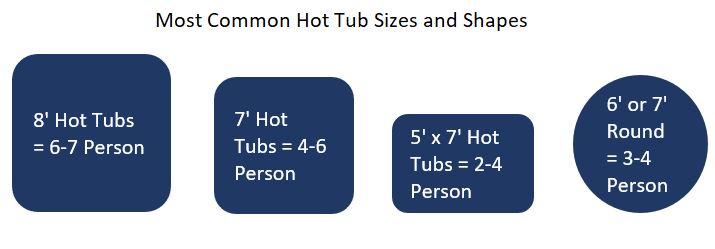
Hot tubs range from compact two-person portable inflatables to eight-person in-ground acrylic shells, and your selection here determines everything downstream. Foundation requirements, electrical service specs, and ongoing operating costs all shift based on the model you choose. Match the tub to how you'll actually use it, not to the maximum capacity that looks impressive in the showroom. Capacity charts like the one above help you calibrate what size fits your household without over-buying.
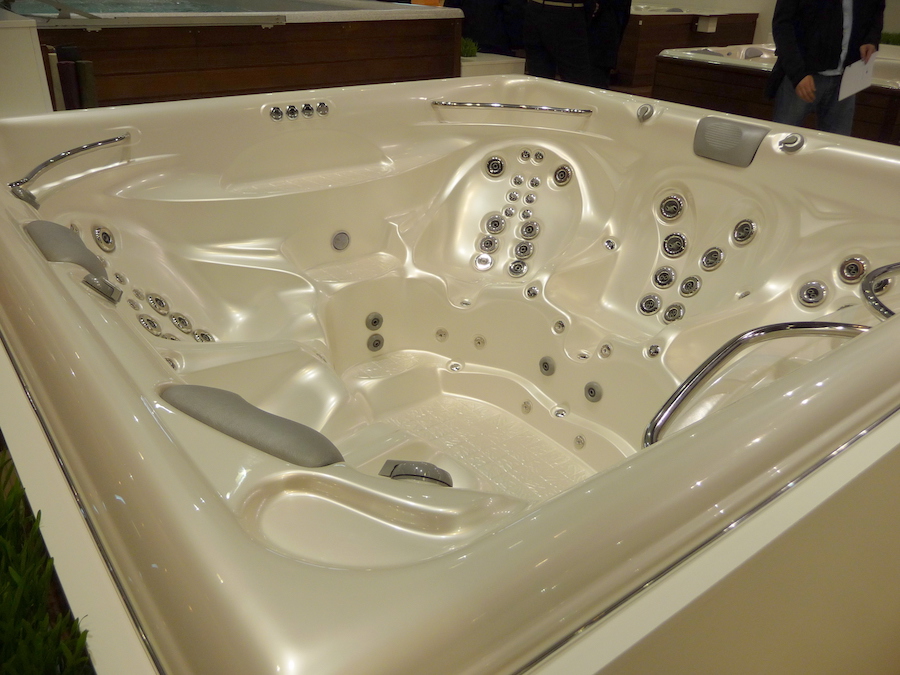
If you're not ready for a full acrylic installation, a quality portable inflatable like the one below offers a low-commitment entry point that still delivers real hydrotherapy benefits without the foundation or electrical demands of a permanent spa.

Building the Foundation
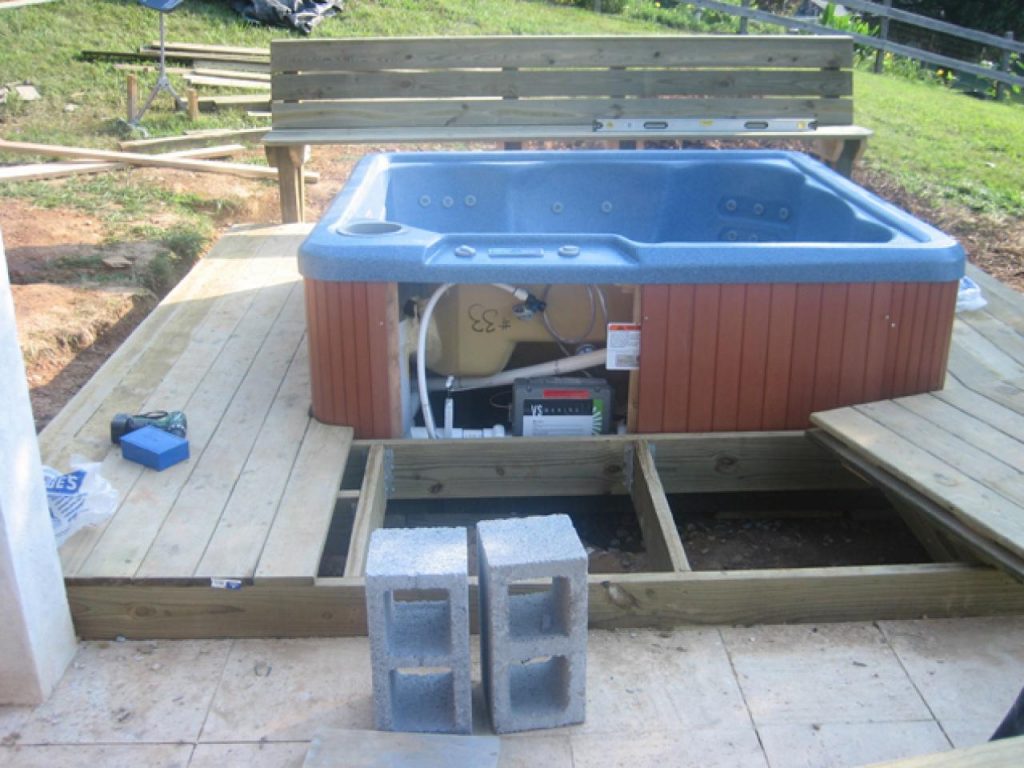
Every hot tub — even an inflatable — needs a firm, level surface engineered to handle the combined weight of water, shell, and occupants. A fully loaded standard spa weighs between 3,000 and 6,000 pounds, so your foundation is not an area to improvise. Reinforced concrete pads are the most reliable option, typically poured four inches thick at a minimum compressive strength of 3,000 PSI with a compacted gravel base underneath for drainage and stability.
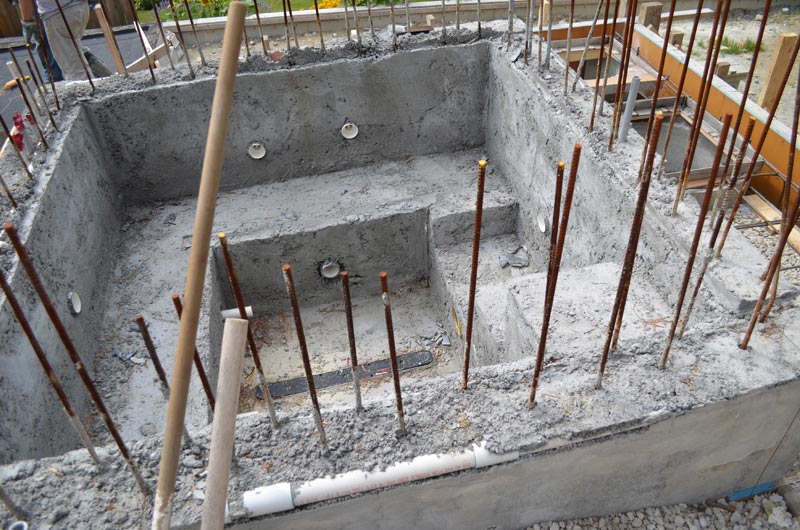
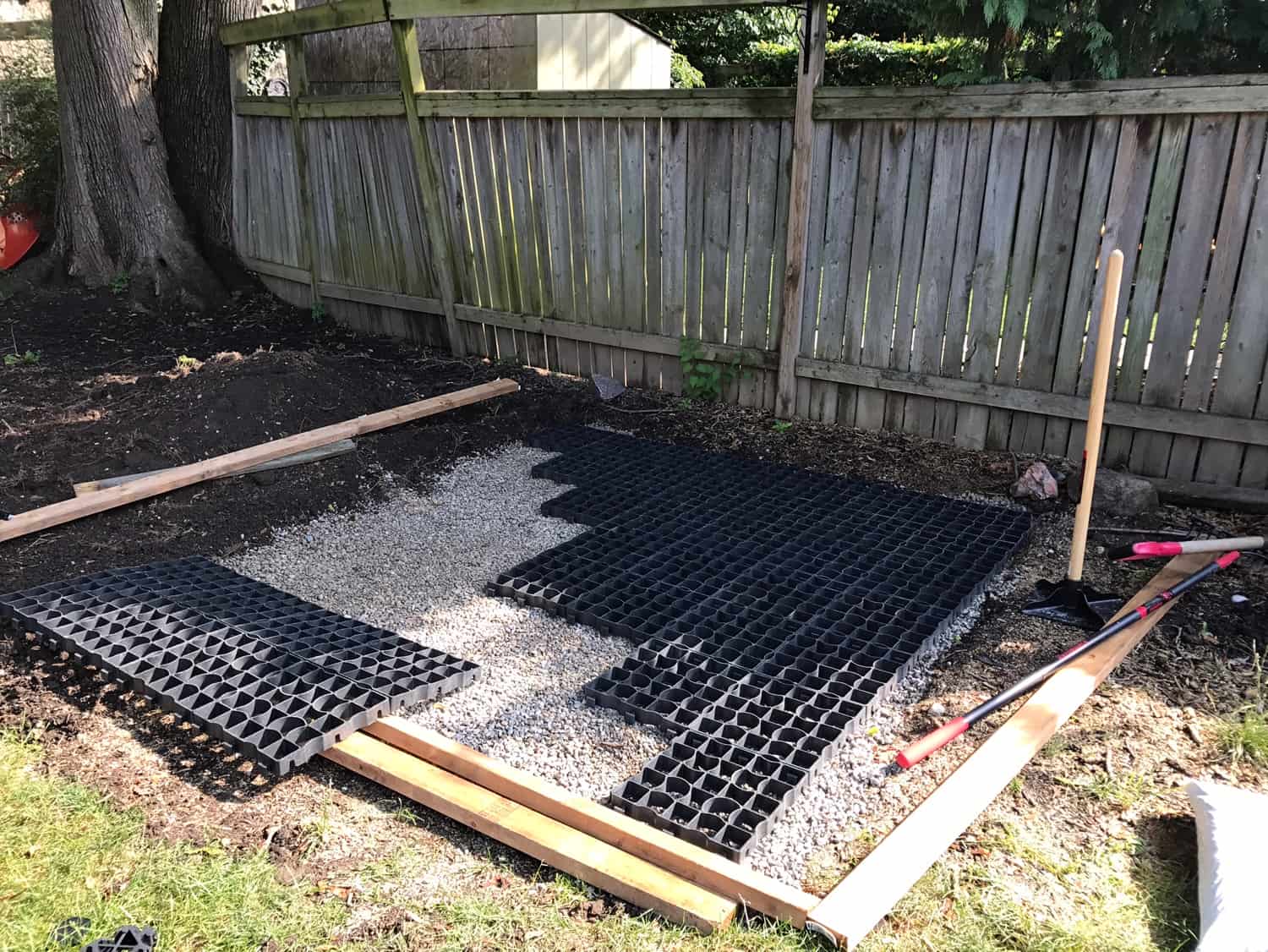
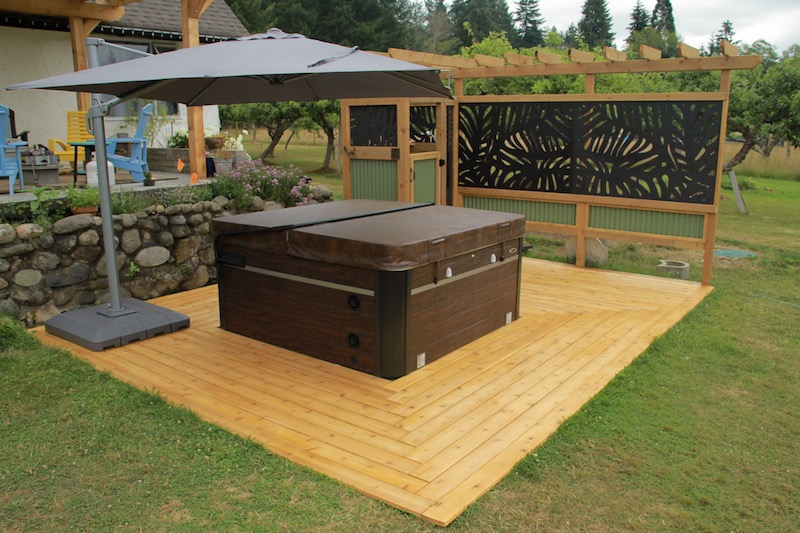
If a full concrete pour doesn't suit your space, prefabricated composite spa pads and purpose-built decking systems are solid alternatives with better drainage characteristics and a cleaner finished look. For surface material ideas that wrap around your spa, our flagstone patio guide covers design options, installation costs, and materials that integrate naturally with a backyard spa area.
Delivery and Placement
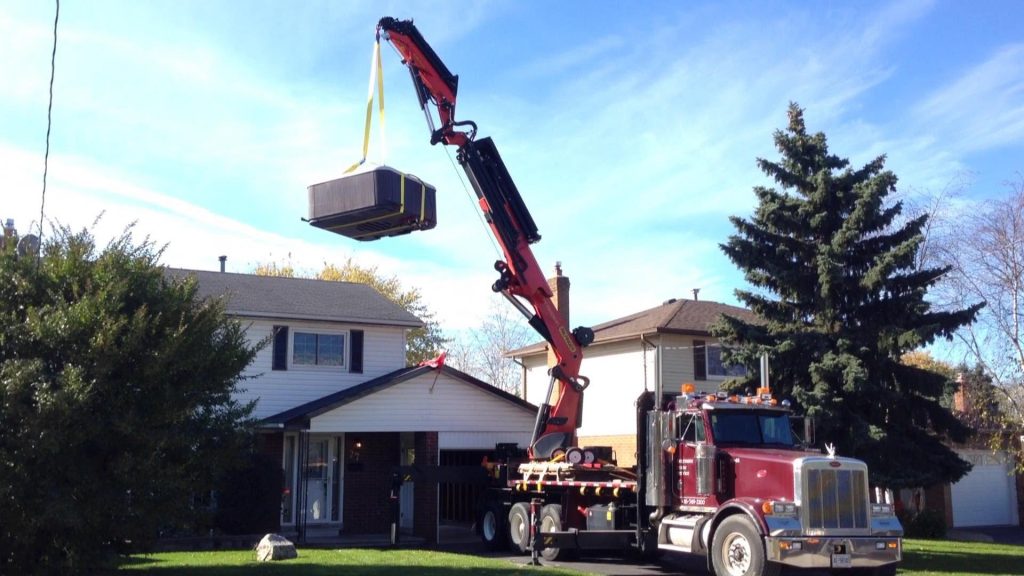
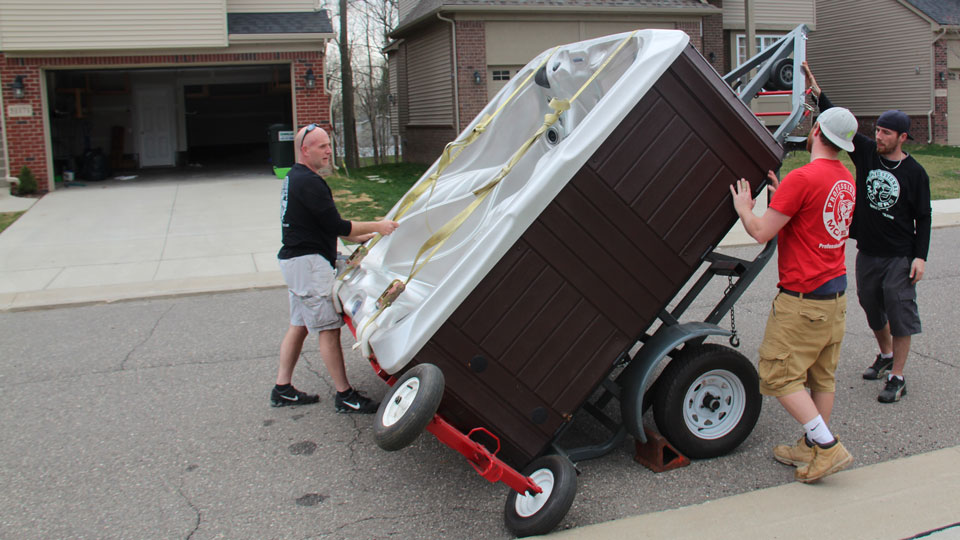
Hot tub delivery requires more advance planning than most homeowners expect. Full-size spas are too large to pass through a standard gate, so access routes need to be measured and cleared before the delivery truck arrives. When a clear ground path isn't available, a crane lift is the standard professional solution — a cost worth building into your budget early rather than discovering as a surprise on delivery day.
Electrical Installation
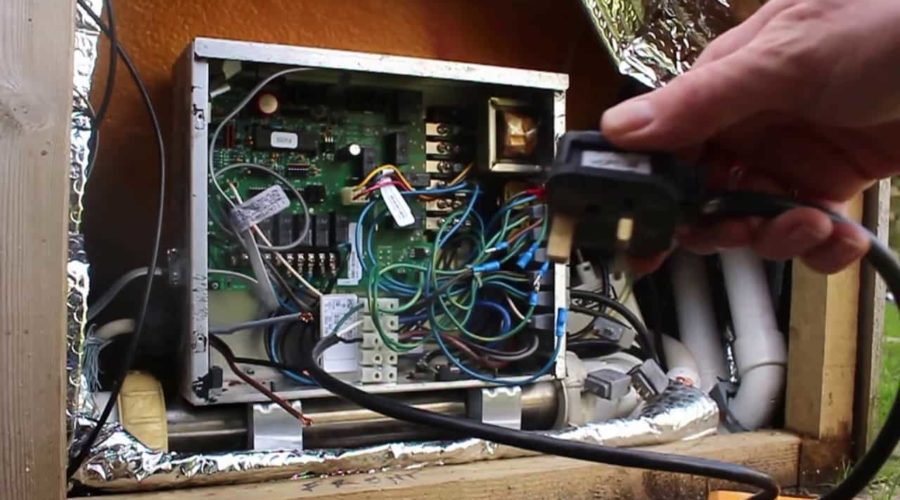
Full-size hot tubs require a dedicated 240-volt, 50-amp GFCI-protected circuit installed by a licensed electrician, and that work must be permitted and inspected in virtually every jurisdiction. Cutting corners on electrical installation voids your warranty and creates a genuine safety hazard — there is no grey area on this point. Before energizing anything, read through the complete hot tub safety rules and guidelines so you understand bonding requirements, GFCI placement, and minimum setback distances from the water surface.
First Fill and Startup
Once your tub is positioned and wired, fill it through the filter housing rather than directly into the shell to purge air from the plumbing lines before the jets run for the first time. Then establish your chemical baseline: target pH between 7.4 and 7.6, total alkalinity between 80 and 120 ppm, and sanitizer levels appropriate for your chosen system. Let the first complete heat cycle finish before anyone enters the water.
Breaking Down the Real Cost of Backyard Hot Tub Installation
The total cost varies widely depending on model type and site complexity, but understanding the full picture upfront prevents budget surprises after you've committed to a purchase. The table below captures typical ranges across every main cost category you'll encounter when planning your installation.
| Cost Component | Typical Range | Notes |
|---|---|---|
| Portable / Inflatable Spa | $300 – $1,500 | Plug-and-play; no permit typically required |
| Entry-Level Acrylic Spa | $3,000 – $6,000 | 4–5 person capacity, standard jet package |
| Mid-Range Acrylic Spa | $6,000 – $10,000 | Enhanced jets, better insulation, larger capacity |
| Premium Spa | $10,000 – $20,000+ | Top-tier insulation, advanced controls, long warranty |
| Electrical Installation | $300 – $800 | Licensed electrician, 240V 50A GFCI circuit |
| Foundation / Concrete Pad | $500 – $2,000 | Varies by size, thickness, and regional labor rates |
| Permits | $100 – $500 | Varies significantly by municipality |
| Delivery and Crane Lift | $200 – $800 | Crane adds $300–$500 when ground access is limited |
| Annual Operating Costs | $700 – $1,200/year | Electricity, chemicals, and water combined |
Purchase price is only one part of the equation. Electrical work, permits, and foundation preparation typically add $1,500 to $3,500 to your total — and that figure climbs if your home's panel needs an upgrade to accommodate the new dedicated circuit. Building those costs into your initial budget rather than treating them as extras prevents the most common financial stress point in hot tub ownership.
Installation Mistakes That Cost Homeowners the Most
Foundation and Site Prep Errors
The most expensive mistake in hot tub installation is underestimating foundation requirements. Pouring a slab that's too thin, skipping the compacted gravel base beneath it, or placing a spa on an existing wood deck without structural engineering verification are the three scenarios most likely to cause long-term structural failures — and all three are avoidable with upfront due diligence.
Pro tip: Plan your drainage route before you pour your pad — you'll drain the tub several times a year for maintenance, and that volume of water needs a clear exit point away from your foundation and your neighbor's property line.
Ignoring local setback requirements is another costly oversight. Most jurisdictions require hot tubs to sit a minimum distance from property lines, fences, and overhead power lines. Discovering this requirement after placement can mean moving a fully installed spa on a permanent foundation — an expense that dwarfs any permit fee you might have hoped to skip.
Hot Tub Installation Myths Worth Debunking
You Don't Need a Permit
This is the most widely repeated myth in the spa industry, and it catches homeowners off guard regularly. Most municipalities require permits for the electrical work at minimum, and many also require a building permit for any permanent foundation structure. Operating a hot tub on unpermitted electrical work creates homeowner's insurance complications and personal liability exposure that no permit fee is worth risking to avoid.
Any Flat Surface Will Work
A level surface and an adequate surface are not the same thing. Concrete driveways, paving stones, and wood decks all appear solid, but none of them carry engineered load ratings for 5,000 pounds of concentrated weight by default. Always verify the load-bearing capacity of any existing surface with a structural engineer before placing your spa on it — this is one area where an hour of professional assessment pays for itself many times over.
Who Gets the Most Value From a Backyard Hot Tub
Athletes and physically active homeowners see some of the clearest returns on a hot tub investment, using regular soaks for post-workout recovery, joint decompression, and deep muscle relaxation that passive rest alone doesn't deliver. If you're curious about accessories that extend the water therapy concept, the Hydro Hammock review covers a unique product that takes aquatic relaxation further than a standard spa setup.
Homeowners in colder climates treat their backyard hot tub as a year-round outdoor entertaining anchor, and a well-designed setup pays off most visibly during winter months when the rest of the backyard sits dormant. Our outdoor winter party guide covers how to build a complete cold-weather entertaining space around your spa, from lighting and seating to shelter solutions. Adding a quality gazebo overhead enhances both privacy and weather protection significantly — the Palram Palermo 3000 Gazebo review is a solid starting point if you're considering that addition to your spa area.
For the surrounding patio surface, natural stone options like bluestone deliver both durability and a clean, premium visual finish that elevates the entire installation above a plain concrete surround.
When to DIY and When to Hire a Professional
Tasks You Can Lead Yourself
Site measurement, foundation research, permit inquiry, and model selection are all tasks any homeowner can manage with the right information and time. Comparing foundation options — concrete pad versus composite pad versus engineered deck — is research-driven work that doesn't require professional credentials, just careful attention to load specifications, drainage requirements, and your local building code's minimum thickness requirements.
Where Professionals Are Required
Electrical installation, gas connections for gas-heated spas, and crane-assisted delivery are all areas where licensed professionals are legally required in most jurisdictions — and practically required everywhere else. Treating electrical installation as a DIY project exposes you to permit violations, genuine safety hazards, and warranty invalidation that simply hiring a licensed electrician eliminates entirely. The cost of a licensed electrician for a standard 240V hot tub circuit runs $300 to $800 in most markets — a fraction of the liability you accept by skipping it.
Next Steps
- Measure your available outdoor space and map out a clear delivery path — gate width, overhead clearance, and turn radii — before contacting any retailer or requesting a quote.
- Call your local building department to confirm permit requirements for both the foundation and the electrical circuit so you can budget accurately before committing to a purchase.
- Get three written quotes from licensed electricians for the 240-volt GFCI circuit installation and a panel assessment so you know your true electrical costs upfront.
- Decide between a concrete pad, composite spa pad, or engineered deck — and have a contractor assess your site's soil conditions and load-bearing capacity before any concrete is poured.
- Read through our complete hot tub safety rules and guidelines before your first fill so you understand bonding requirements, chemical management, and cover safety practices from day one.


About William Murphy
William Murphy has worked as a licensed general contractor in Fremont, California for over thirty years, specializing in outdoor structures, green building methods, and sustainable design. During that career he has written about architecture, construction practices, and environmental protection for regional publications and trade outlets, bringing technical depth to subjects that most home improvement writers approach only from a consumer perspective. At TheBackyardGnome, he covers outdoor product reviews, backyard construction guides, and sustainable landscaping and building practices.
You can Get FREE Gifts. Receive Free Backyard Items here. Disable Ad Blocker to get them all now!
Once done, hit anything below