According to the American Society of Landscape Architects, natural stone ranks as the most-requested hardscaping material among homeowners planning outdoor renovations — and flagstone leads every other stone option in popularity by a wide margin. When you start exploring flagstone patio design ideas, you'll find a material that suits nearly every yard, budget, and aesthetic preference, from a tightly jointed formal terrace to a loose dry-laid path winding through garden beds. This guide covers all of it, giving you concrete starting points rather than vague inspiration so you can move from idea to finished patio with real confidence.
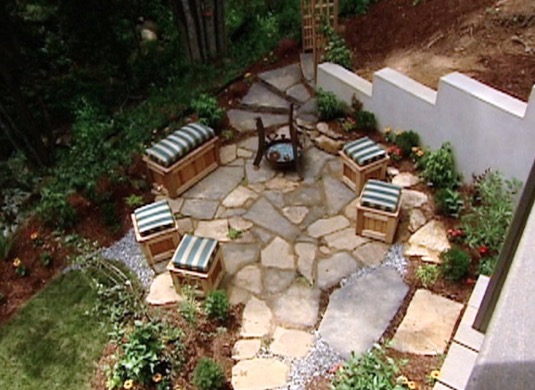
Flagstone is a category, not a single rock type — the term covers flat-splitting sedimentary stones like sandstone, bluestone, limestone, and slate that have been quarried and used in outdoor construction for centuries, a history you can trace through Wikipedia's overview of flagstone. Each stone type brings its own texture, color palette, and durability profile, so matching the right material to your climate and traffic level matters as much as the visual style you're going after.
This guide walks you through 15 specific flagstone patio design ideas organized around the real decisions you'll face: which stone to select, when flagstone is and isn't the right call, how to install it correctly, and what to do when problems appear after the project is done.
Contents
- Is Your Yard Ready for Flagstone?
- Flagstone Types Compared
- How to Plan and Build Your Flagstone Patio
- Flagstone Patio Design Principles That Work
- 15 Flagstone Patio Design Ideas for Every Space
- What a Flagstone Patio Will Cost You
- Solving Common Flagstone Problems
- Frequently Asked Questions
- Next Steps
Is Your Yard Ready for Flagstone?
Not every yard benefits equally from a flagstone installation, and recognizing the right conditions before you start saves you from expensive corrections later. Flagstone performs well in most residential settings, but a handful of site factors will determine whether it holds up long-term or becomes a maintenance problem within a few seasons.
Ideal Conditions for Flagstone
Your yard is a strong candidate for flagstone when these factors are in your favor:
- Stable, well-drained soil — clay-heavy ground that retains water causes frost heave and uneven settling across the slab surface over time.
- A relatively flat area or gentle slope with no more than a 2% grade across the patio footprint, which keeps water moving off without pooling.
- Moderate foot traffic — flagstone handles entertaining-level use well but will crack under heavy vehicle loads or constant heavy equipment.
- A design aesthetic that leans natural, rustic, or transitional rather than ultra-modern or perfectly geometric.
- Clear access for delivery of stone pallets, which typically weigh 1,500 to 3,000 lbs each and require a clear path from the street.
When to Choose a Different Material
Flagstone is not the right call in every situation. Seriously consider a different paving surface when:
- Your ground freezes deeply in winter — repeated freeze-thaw cycles crack thinner slabs and heave dry-laid stones out of level without warning.
- You need a perfectly smooth surface for wheelchair or stroller access, where concrete pavers offer more predictable uniformity.
- Your total budget is below $8 per square foot installed — at that price point you'll be cutting corners on base preparation, which always leads to early failure.
- The area receives constant shade and moisture, which accelerates moss and algae growth on porous stones like sandstone and limestone.
Flagstone Types Compared
Choosing the right stone type is the single most impactful decision in your entire project, because it determines durability, maintenance requirements, and the color palette you'll live with for decades. The four materials below cover the vast majority of what you'll find at landscape supply yards across North America.
The Four Main Options
| Stone Type | Hardness | Best Climate | Color Range | Avg. Material Cost (per sq ft) |
|---|---|---|---|---|
| Bluestone | High | All climates | Blue-gray, buff tan | $4–$8 |
| Sandstone | Medium | Dry climates | Warm tan, rust, gold | $2–$5 |
| Limestone | Medium | Mild climates | Cream, soft gray, tan | $3–$6 |
| Slate | High | All climates | Charcoal, green, purple | $4–$7 |
Bluestone is the most versatile choice for most North American climates — it resists frost well, holds up under heavy foot traffic, and comes in both irregular and dimensional cut formats. Sandstone gives you warmer amber tones but requires sealing in wet climates to prevent surface erosion over time. Slate splits cleanly and sheds water naturally, making it a reliable option in high-rainfall regions where other porous stones struggle.
How to Plan and Build Your Flagstone Patio
The construction process for a flagstone patio follows a clear sequence, and skipping any step — especially base preparation — is the primary reason DIY flagstone patios fail within three to five years of installation. Follow the steps below for a surface that stays level and stable across decades.
Pro tip: Order 10–15% more stone than your calculated square footage to account for cuts, irregular shapes, and breakage that always occur during the fitting process.
Site Preparation
- Mark the patio perimeter with spray paint or stakes and string, adding 6 inches beyond the finished edge on all sides to give yourself working room.
- Excavate to a depth of 6–8 inches — go deeper in freeze-prone climates — to accommodate the full base layer and stone thickness combined.
- Compact the subgrade with a plate compactor, making two full passes in perpendicular directions to achieve uniform density across the entire area.
- Add 4 inches of compacted crushed gravel (¾-inch minus) as the drainage base, then compact again before moving to the next layer.
- Spread 1–2 inches of coarse sand or stone dust as the setting bed and screed it level with a straightedge before you place a single stone.
For a detailed walkthrough of the excavation and groundwork phase, see the guide on how to install a sunken patio into grass or ground, which covers base-building principles in depth and applies directly to standard flagstone work.
Laying the Stone
- Dry-fit a 4×4 foot section first, selecting stones whose edges roughly fit together with joints no wider than 1.5 inches before committing anything to the sand.
- Set each stone firmly into the sand bed, pressing down and twisting slightly to achieve full contact with no rocking movement underfoot.
- Check level constantly — each stone should sit within ¼ inch of adjacent stones at the joint to create a safe, even walking surface throughout.
- Fill joints with polymeric sand, decomposed granite, or low-growing ground cover plants based on your preferred maintenance approach and aesthetic goal.
- Seal the finished surface with a penetrating stone sealer appropriate to your specific stone type, following the manufacturer's cure time instructions exactly.
Flagstone Patio Design Principles That Work
Technical execution builds your patio; smart design principles make it beautiful and functional for the long term. These guidelines apply whether you're working with a 200-square-foot urban courtyard or a sprawling 1,200-square-foot backyard terrace with multiple seating zones.
Patterns and Spacing
The pattern you choose shapes the entire visual character of your finished patio. Your main options are:
- Random irregular — the most natural-looking layout, forgiving to install, works beautifully with loose joint fill, and remains the most popular flagstone patio design choice overall.
- Ashlar pattern — a mix of rectangular cuts arranged to create a structured, semi-formal look that echoes traditional garden design with cleaner lines.
- Stepping stone — individual pieces set 18–24 inches apart in lawn or gravel, better suited to garden paths than main seating areas where furniture stability matters.
- Running bond — rectangular cuts laid like brickwork, giving a contemporary edge that pairs well with modern architecture but requires more precision cutting work.
Think through how furniture will sit on the finished surface during the design phase, not after the stone is set. Reviewing patio furniture arrangement ideas early in the process directly influences where you place your largest, flattest anchor stones for a dining table or lounge area.
Grout vs. Ground Cover
Your joint-fill choice changes the maintenance character of your patio significantly, so make this decision intentionally rather than defaulting to whatever is easiest at install time. Polymeric sand locks into place with a water cure and resists weeds effectively, while decomposed granite drains freely but needs annual top-ups as it erodes. Growing low plants like creeping thyme or Irish moss in the joints adds texture and fragrance to the finished surface — the same care principles that apply to planting annuals in a landscape bed apply here in miniature. Mortar joints deliver the cleanest look on installations over a concrete slab, but they crack when the ground shifts beneath them.
15 Flagstone Patio Design Ideas for Every Space
These 15 flagstone patio design ideas span a full range of budgets, yard sizes, and aesthetics, giving you a concrete starting point for each major direction you might want to take your outdoor space.
Small Patio Ideas (under 250 sq ft)
- 1. The Courtyard Corner — irregular bluestone set tight with polymeric sand, bordered by raised planters on two sides, creating an intimate and enclosed outdoor room feel.
- 2. The Stepping Garden Path — large sandstone slabs set into a gravel bed, connecting the back door to a garden shed, fire feature, or seating nook at the yard's edge.
- 3. The Urban Terrace — dimensional cut limestone in a running bond pattern, mortared over an existing concrete surface for maximum precision and minimal excavation in tight city yards.
- 4. The Bistro Pad — a 10×10 foot slate square centered in a lawn, framed by low boxwood hedging, perfectly sized for two chairs and a small side table for morning coffee.
- 5. The Transition Landing — a small irregular flagstone pad directly outside a back door that creates a visual and physical threshold between the interior and the garden beyond.
Large Patio Ideas (250+ sq ft)
- 6. The Multi-Zone Terrace — separate flagstone "rooms" defined by subtle changes in stone color or joint width, with one zone for dining and a second for casual lounging.
- 7. The Poolside Deck — honed bluestone coping and decking material creating a slip-resistant, heat-reflective surface around a swimming pool that won't blister bare feet in summer sun.
- 8. The Outdoor Kitchen Platform — a thick mortared bluestone base anchoring a built-in grill station; pair it with a cast iron fire pit cooking setup on an adjacent flagstone area to complete a full outdoor kitchen experience.
- 9. The Covered Entertainment Hub — a broad irregular flagstone expanse with a structure overhead to define the space and extend its season; adding a pergola over the dining zone creates shade and architectural structure without enclosing the space with walls.
- 10. The Wraparound Terrace — flagstone that extends from the back door along one or two sides of the house, connecting entry points and creating a unified outdoor circulation path around the building perimeter.
Specialty and Accent Ideas
- 11. The Fire Pit Circle — flagstone rings arranged concentrically around a fire feature, with the innermost ring raised slightly to create a natural bench and gathering edge effect.
- 12. The Water Feature Surround — dark slate flagstone framing a small fountain or reflecting pond, chosen for its moisture resistance and rich color contrast against moving water.
- 13. The Hillside Terrace — step-down flagstone tiers cut into a sloped yard, transforming a problematic grade change into a design feature that also provides natural built-in seating.
- 14. The Mixed-Material Border — flagstone center panel framed by a contrasting border of brick or concrete pavers, creating a clearly defined edge that is also easier to mow and trim along cleanly.
- 15. The Reclaimed Stone Patio — sourced from salvage yards, reclaimed flagstone carries existing character, moss, and patina that new stone takes decades to develop naturally on its own.
What a Flagstone Patio Will Cost You
Flagstone patio costs vary widely based on stone type, installation method, and whether you hire a contractor or do the work yourself. The typical range for a professionally installed flagstone patio runs from $15 to $35 per square foot all-in — putting a 400-square-foot patio at $6,000 to $14,000 depending on the variables below.
Cost Breakdown by Approach
- DIY dry-laid: $3–$8 per sq ft for materials only — the lowest-cost path, but it requires significant physical labor and accurate base preparation to hold up long-term.
- DIY mortared over concrete: $5–$12 per sq ft — adds cost for mortar, concrete base, and precision tools; the better long-term choice in freeze-prone climates where ground movement is unavoidable.
- Contractor dry-laid: $12–$20 per sq ft — labor adds $8–$14 on top of materials; faster completion with professional grading and base compaction included in the scope.
- Contractor mortared: $20–$35 per sq ft — the premium option, including concrete slab, mortar bed, cut stone selection, and finished joint work throughout.
Budget for these additional line items regardless of which approach you take:
- Gravel base material: $1–$2 per sq ft
- Polymeric sand or mortar for joints: $0.50–$2 per sq ft
- Penetrating sealer (initial application): $0.50–$1.50 per sq ft
- Stone delivery fee: $150–$400 depending on distance and total pallet count ordered
Solving Common Flagstone Problems
Even well-installed flagstone patios develop issues over time, and knowing which problems signal structural failure versus routine maintenance prevents you from either overreacting or ignoring something that will get worse without intervention.
Cracking and Settling
A crack across the face of an individual stone almost always indicates point loading — something heavy dropped, a vehicle crossed the edge, or a tree root is lifting from directly below. Single cracked pieces can be replaced without disturbing surrounding stones. Widespread settling across multiple slabs signals base failure — typically inadequate initial compaction or a drainage problem that has been quietly eroding the sand bed beneath the surface. In that case, lift the affected section, address the drainage issue, rebuild the base properly, and reset everything level.
- Rocking stones: lift up, add or remove sand as needed to achieve full contact, reset and check with a level before finishing.
- Frost-heaved stones: wait until the ground fully thaws in spring before resetting — early-season corrections on frozen ground simply repeat the problem the following winter.
- Chipped edges: grind smooth with a masonry angle grinder or replace the piece entirely; chips don't spread, but they do create a tripping hazard that needs addressing promptly.
Weeds and Drainage
Weeds pushing through flagstone joints are primarily a maintenance issue rather than a structural one — pull them manually, treat with a targeted herbicide, or intentionally plant a ground cover that you manage as a designed feature going forward. Poor drainage — standing water on or around the patio after rainfall — is more serious. Your patio surface should slope away from the house at a minimum of 1% (⅛ inch per foot) to direct runoff away from the foundation effectively. If the slope is correct and pooling still occurs, the sub-base may be compacted clay blocking downward drainage, in which case perimeter drainage channels or a French drain system are your most reliable solutions.
Frequently Asked Questions
How thick should flagstone be for a patio?
For a dry-laid patio, use slabs that are 1.5 to 2 inches thick — anything thinner cracks under regular foot traffic, and anything significantly thicker becomes prohibitively heavy and expensive. Mortared installations over a concrete slab can use 1-inch material since the concrete base absorbs the structural load rather than the stone itself.
Does a flagstone patio need to be sealed?
Sealing is strongly recommended for porous stones like sandstone and limestone, where it prevents water absorption, deep staining, and surface erosion in wet weather. Dense stones like bluestone and slate are less critical to seal, but they still benefit from a penetrating sealer that reduces moss and algae growth in shaded, moisture-prone areas.
Can you install flagstone over an existing concrete patio?
Yes, and it's often the most practical approach for renovating a concrete surface that's still structurally sound. The concrete must show no major cracking or heaving — you're adding 50 to 100 lbs of stone weight per square foot. Use a mortar bed or stone-rated construction adhesive, and verify the added height won't create a tripping hazard at doors or adjacent steps before you begin.
What's the best way to cut flagstone on site?
A 4-inch angle grinder with a diamond masonry blade handles most cuts efficiently and gives you precise control over curved or irregular shapes. A circular saw with a diamond blade works well for clean straight cuts on dimensional stone. Always cut wet — keep a spray bottle nearby to prevent overheating the blade and to reduce fine stone dust in the air.
How long does a flagstone patio last?
A properly installed flagstone patio on a well-prepared base lasts 25 to 50 years with minimal maintenance. Base preparation matters more than the stone quality itself — the most expensive stone on a poorly compacted base will fail faster than budget stone on a correctly built 4-inch gravel bed.
What ground cover plants grow well between flagstones?
Creeping thyme, Irish moss, and dwarf mondo grass all perform well in flagstone joints — they tolerate light foot traffic, stay low, and fill gaps attractively across seasons. Avoid spreading plants like mint, which will push into adjacent lawn and garden beds if not contained by hard borders on all sides.
Next Steps
- Measure your intended patio area and calculate the square footage, then request material quotes from at least two local landscape supply yards using the stone type that best matches your climate from the comparison table in this guide.
- Dig a test hole 12 inches deep in the center of your planned patio to assess soil type and drainage — this single step tells you whether you need extra base depth or a drainage solution before ordering a single pallet of stone.
- Sketch your preferred layout pattern on graph paper at a scale of 1 square equals 1 foot, and mark where your largest, flattest anchor stones will sit — these are the first pieces you select when the delivery arrives on site.
- Price out the full project using the cost breakdown in this guide, adding a 15% contingency buffer to cover delivery fees, extra material for cuts, and any tools you don't already own before committing to a contractor or material order.
- Set a target installation window and work backward to schedule your stone delivery — pallets arriving in wet or near-freezing conditions are harder to handle and riskier to store on site without protection.


About Simmy Parker
Simmy Parker holds a Bachelor of Science in Civil Engineering from Sacramento State University and has applied that technical background to outdoor structure design, landscape planning, and backyard improvement projects for over a decade. Her love for the outdoors extends beyond design — she regularly leads nature hikes and has developed working knowledge of native plants, soil conditions, and sustainable landscaping practices across Northern California. At TheBackyardGnome, she covers backyard design guides, landscaping ideas, and eco-friendly outdoor living resources.
You can Get FREE Gifts. Receive Free Backyard Items here. Disable Ad Blocker to get them all now!
Once done, hit anything below