What's the one thing that separates a relaxing backyard soak from a trip to the emergency room? Ignoring the rules. Hot tub safety rules and guidelines are not suggestions — they are the baseline that keeps you, your family, and every guest who steps into your tub protected. The risks are real: hot water, electrical connections, and chemical imbalances can all create serious hazards when left unchecked. The good news is that once you know the core principles, they're easy to follow. This guide walks you through everything, from who needs these rules and why they exist, to what proper safety gear costs and how to build a routine that sticks. For more on this topic, browse our full hot tub safety guides.

Hot tubs are one of the most rewarding additions you can make to your outdoor living space. They extend your time outside through every season, provide genuine therapeutic benefits for sore muscles and stress, and create a social hub that guests actually want to gather around. But they also involve scalding water, active chemistry, and electrical systems that demand real attention. A well-maintained, rule-governed hot tub is safe and enjoyable. One that's treated casually is not.
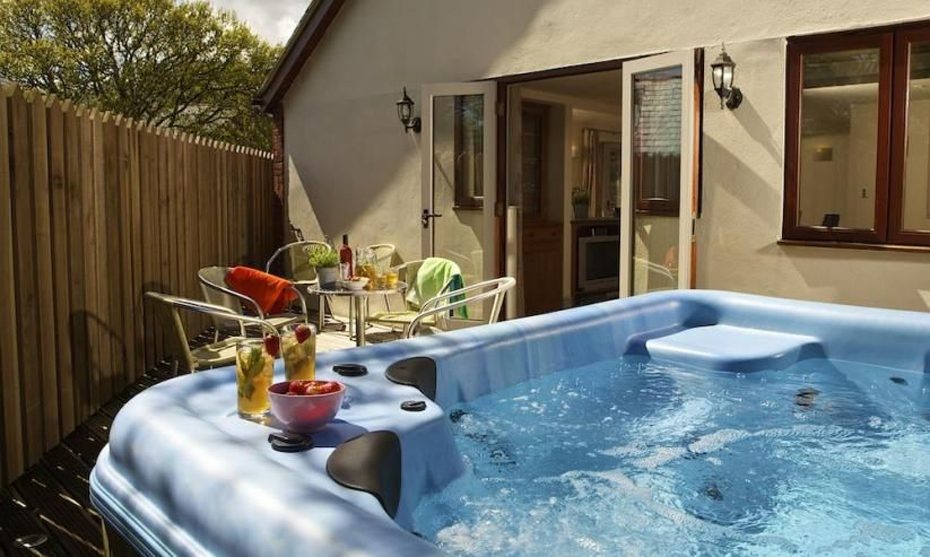
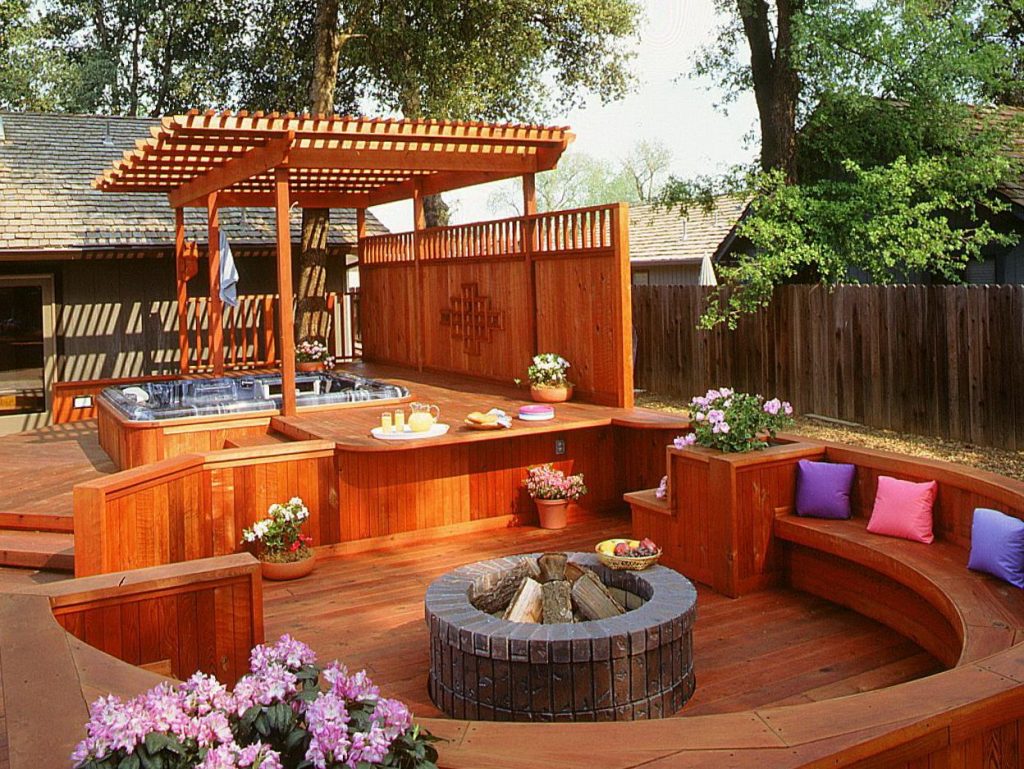
Whether you've just set up a new inflatable model like the one above, or you're managing a permanent in-ground installation on a deck you designed yourself, these rules apply to you. Read through once, then make sure every person who uses your tub understands the essentials before they get in.
Contents
Hot Tub Safety Rules and Guidelines: Who They Apply To
A common mistake new hot tub owners make is thinking these rules only matter in extreme situations. They don't. These guidelines apply every single time someone uses your tub — regardless of age, experience, or how short the session is. The circumstances do shift what you emphasize, though.
Families With Young Children
Children are the most vulnerable users of any hot tub. Their bodies heat up faster than adults, and they have less ability to recognize warning signs like dizziness or overheating. Here's what you need to enforce without exception:
- Children under 5 should not use hot tubs at all — their thermoregulation systems are not developed enough.
- Children aged 5–12 should limit soaks to 5 minutes maximum at temperatures no higher than 98°F (36.7°C).
- An adult must be within arm's reach at all times — not just watching from across the yard.
- A locking safety cover is non-negotiable when the tub is not in use. Drowning risk is real and fast.
- Post the rules visibly near the tub, in simple language kids can read.
Social and Guest Use
Hosting guests around your hot tub is one of the great pleasures of outdoor living. It's also where safety rules get casually ignored the most. If you're planning a backyard gathering, take a look at our outdoor winter party guide — it covers how to host comfortably and safely even in cold weather conditions.
- Limit the number of soakers to your tub's rated capacity. Overcrowding raises water temperature and stress on the filtration system.
- Brief every new guest on the basic rules before they get in — especially alcohol restrictions.
- Keep a non-slip mat on the deck surrounding the tub. Wet surfaces cause falls far more often than chemical issues do.
- Never leave guests in the tub unsupervised, especially if alcohol is involved.
When Health Conditions Are Involved
Hot water affects blood pressure and circulation significantly. If you or a guest has any of the following conditions, consult a doctor before soaking:
- Heart disease or a history of stroke
- High or low blood pressure
- Diabetes
- Open wounds, skin infections, or rashes
- Pregnancy — hot tub use during the first trimester in particular carries documented risks of neural tube defects
According to the Centers for Disease Control and Prevention, hot tubs are associated with a range of recreational water illnesses when chemical levels aren't properly maintained — a risk that's amplified for anyone with a compromised immune system.
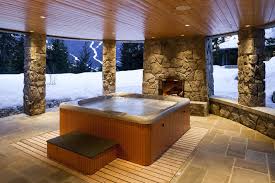
Understanding the Risks Behind Hot Tub Safety Guidelines
You can't follow rules you don't understand. Knowing why each guideline exists makes you a more effective enforcer of it — and helps you recognize when something's wrong before it becomes a problem.
Pro tip: Test your water chemistry at least twice a week during heavy use periods. A $15 test strip kit is all it takes to catch an imbalance before it becomes a health hazard.
Physical Hazards You Can't Ignore
The most common hot tub injuries aren't dramatic. They're slips, falls, and heat-related incidents that happen when people get complacent. Here's what actually causes injuries:
- Slippery surrounds: Water on deck surfaces creates fall risk every single time someone exits the tub. Non-slip mats and textured decking materials make a measurable difference. If you're redesigning your deck area, our roundup of slate patio design ideas includes several slip-resistant surface options worth considering.
- Hyperthermia (overheating): Water temperatures above 104°F (40°C) can cause core body temperature to rise dangerously. Symptoms include nausea, dizziness, and sudden weakness. Get out immediately if you feel any of these.
- Entrapment: Hair and body parts can become trapped in suction fittings. Never allow long, loose hair in the water without tying it up first. Drain covers must meet ASME/ANSI A112.19.17 standards — replace any broken or missing covers immediately.
- Electrocution: Any electrical fault in or near the water is immediately life-threatening. Never use extension cords near a hot tub, and have your electrical connections inspected annually by a licensed electrician.
Water Chemistry and Bacterial Risks
Warm water at 100–104°F is an ideal breeding ground for bacteria when chemistry is off. The two primary chemical concerns are:
- Chlorine or bromine levels: Free chlorine should sit between 3–5 ppm. Bromine between 4–6 ppm. Too low and bacteria thrive. Too high and skin, eye, and respiratory irritation follows.
- pH balance: Keep pH between 7.4 and 7.6. Low pH corrodes equipment and irritates skin. High pH causes cloudiness and reduces sanitizer effectiveness.
- Total alkalinity: Maintain between 80–120 ppm as a buffer for pH stability.
- Pseudomonas aeruginosa (hot tub folliculitis) and Legionella (Legionnaire's disease) are the two bacterial illnesses most commonly linked to poorly maintained hot tubs.
If you're interested in a unique hot tub accessory that maximizes your soaking experience, check out our Hydro Hammock review — it's a fascinating product that redefines how you use hot water outdoors.
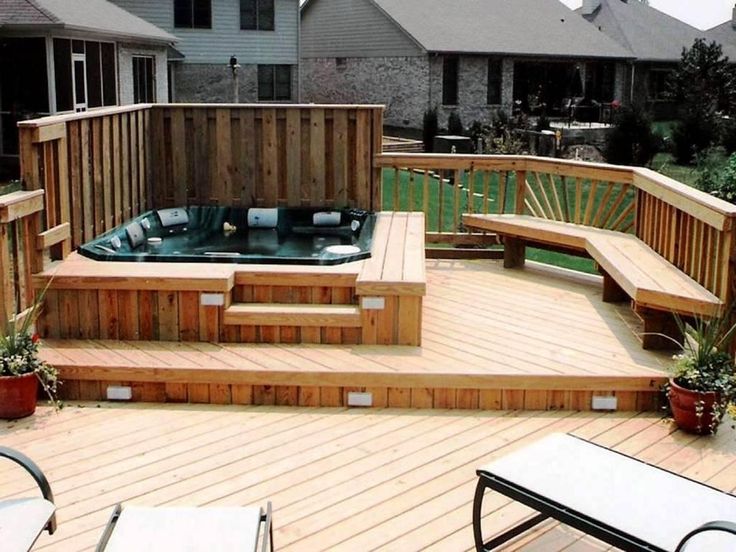
The Real Benefits of Hot Tub Safety Rules — and What They Cost You
Some people treat safety guidelines as a buzzkill. They're not. Rules make your hot tub experience better — longer sessions, cleaner water, and fewer costly repairs. But there are genuine trade-offs worth being honest about.
Why Rules Make Soaking Better, Not Worse
- Consistent water quality: Following chemical guidelines means your water stays clear, odor-free, and comfortable on skin. Bad chemistry makes soaking unpleasant before it makes it dangerous.
- Equipment longevity: Proper pH prevents corrosion on jets, heaters, and pump seals. A tub with balanced chemistry routinely outlasts a neglected one by 5–10 years.
- Lower liability: If a guest is injured in your hot tub, your homeowner's insurance coverage depends heavily on whether you followed reasonable safety practices. Rules protect you legally.
- Peace of mind: When you know the cover is locked, the chemistry is correct, and the rules are posted, you can actually relax instead of mentally running through what-ifs.
Your hot tub area benefits from good outdoor furniture and shelter too. A well-placed gazebo creates shade and privacy while keeping debris out of the water. Our review of the Palram Palermo 3000 Gazebo covers a solid option for creating that kind of protected hot tub space. Similarly, the Sojag Messina Hard Top Gazebo is another popular choice that provides year-round overhead coverage.
The Honest Trade-offs
Following all the rules does add friction. Here's what you're signing up for:
- Time investment: Proper maintenance takes 15–20 minutes per week minimum. It's not passive ownership.
- Chemical costs: Maintaining correct water chemistry costs $20–$50 per month depending on usage frequency and tub size.
- Social constraints: No alcohol while soaking, limited session times, capacity restrictions — some guests push back on these. Hold the line anyway.
- Regular inspection burden: Cover locks, drain covers, electrical connections, and filtration systems all need periodic checks. This isn't optional if you're serious about safety.
Warning: Never soak alone after consuming alcohol — alcohol accelerates heat absorption and dramatically increases the risk of losing consciousness in the water. This is a documented cause of hot tub drowning fatalities.
What It Costs to Keep Your Hot Tub Safe
Safety isn't free — but it's far cheaper than the alternative. Here's a realistic breakdown of what you'll spend to keep your hot tub compliant and safe year-round.
Essential Safety Gear and Accessories
These are the one-time or infrequent purchases that form your safety foundation:
- Locking safety cover: $300–$800 depending on tub size and cover quality. Non-negotiable if children are ever in the vicinity.
- Non-slip surround mats or decking: $50–$300 depending on square footage and material. Flagstone patio surfaces are a popular choice around hot tubs — textured, durable, and attractive.
- GFCI (ground fault circuit interrupter) outlets: $80–$200 for professional installation. Required by electrical code within 5 feet of any water feature.
- Drain cover replacement: $15–$40 per cover. Replace immediately if cracked or missing.
- Water test kit: $10–$25 for a digital tester or strip kit. Buy one and use it consistently.
- Safety signage: $15–$30 for a weatherproof rules sign. Cheap and genuinely effective at setting expectations for guests.
Ongoing Chemical and Maintenance Costs
These recurring costs keep your water chemistry in range and your equipment functioning correctly:
| Item | Frequency | Estimated Cost | Notes |
|---|---|---|---|
| Chlorine or bromine tablets | Weekly | $20–$35/month | Adjust based on usage and bather load |
| pH up / pH down chemicals | As needed | $10–$20/month | Test twice weekly to catch drift early |
| Alkalinity increaser | Monthly | $8–$15/month | Stabilizes pH swings |
| Shock treatment | Weekly | $10–$20/month | Oxidizes organics after heavy use |
| Filter cleaning cartridge | Every 3–4 months | $20–$60 per replacement | Rinse weekly; replace quarterly |
| Full water drain and refill | Every 3–4 months | $5–$15 water cost | Prevents total dissolved solids buildup |
| Annual electrical inspection | Yearly | $100–$200 | Licensed electrician only |
Total annual cost for ongoing safety maintenance typically runs $500–$900 per year for a standard 4–6 person hot tub. That's less than $75 a month for a piece of equipment that gets used multiple times per week.

Building a Long-Term Hot Tub Safety Routine
A safety routine only works if it's consistent. The goal is to build habits that run automatically, so you're never catching up after something goes wrong. Here's how to structure your maintenance and safety checks across the calendar year.
Weekly and Monthly Tasks
These are the non-negotiable recurring actions that keep your tub in safe operating condition:
Every week:
- Test water chemistry (pH, chlorine/bromine, alkalinity). Adjust as needed.
- Shock the water — especially after a heavy-use session with multiple soakers.
- Rinse the filter with a garden hose to remove debris and biofilm buildup.
- Inspect the cover for tears, waterlogging, or damage to locking straps.
- Wipe down the waterline with a spa surface cleaner to prevent calcium buildup.
Every month:
- Deep-clean the filter with a chemical filter cleaner (soak overnight).
- Check all drain covers for cracks, looseness, or missing hardware.
- Inspect jets for blockages or reduced flow — a sign of filter or pump issues.
- Verify GFCI outlets are functional using the test button on the outlet itself.
- Check that non-slip mats and surround surfaces are intact and grippy.
If you're setting up outdoor furniture around your hot tub area, consider durable, weather-resistant options. The Ohana 7 Piece Wicker Patio Set is a well-reviewed option that pairs well with a permanent hot tub installation.
Seasonal Adjustments
Your hot tub's safety needs shift with the seasons. Don't apply the same routine year-round without adjusting for conditions.
Summer:
- UV exposure breaks down free chlorine faster — increase dosing frequency or switch to a stabilized chlorine product.
- Higher ambient temperatures mean more frequent water testing. Aim for three times per week during peak summer.
- Bather load typically increases during summer — shock after every heavy-use session.
Winter:
- Cold air can cause pipes to freeze if water temperature drops too low. Keep the tub heated, even when not in use, to prevent freeze damage.
- Snow and ice accumulation on covers adds weight stress — brush off heavy accumulation promptly.
- Soaking in winter is genuinely enjoyable and safe when you follow the rules. Exiting the tub is the most hazardous moment — have towels and a clear, non-slip path ready before you get in. For more ideas on making winter backyard time great, check out our full outdoor winter hosting guide.
Spring / Fall drain-and-refill cycle:
- Drain completely, scrub the shell interior, replace the filter, and refill with fresh water.
- This is the right time to inspect the heater element, pump seals, and any plumbing connections for wear.
- Check that your safety cover's foam core hasn't absorbed water — a waterlogged cover is much heavier and can become a entrapment hazard for small children.
Frequently Asked Questions
What is the maximum safe water temperature for a hot tub?
The maximum recommended water temperature is 104°F (40°C) for healthy adults. The U.S. Consumer Product Safety Commission sets this as the upper limit for residential hot tubs. Keep it at or below this threshold, and lower it to 98°F (36.7°C) when children are using the tub.
How long should you stay in a hot tub at one time?
Healthy adults should limit sessions to 15–20 minutes at a time. After that, exit, cool down, and hydrate before re-entering if you want to soak again. Longer uninterrupted sessions raise core body temperature to dangerous levels.
Can children use a hot tub safely?
Children under 5 should not use hot tubs at all. Children aged 5–12 can soak for up to 5 minutes at temperatures no higher than 98°F, with an adult physically present at all times. Older children and teens should follow the same time and temperature limits as adults with direct supervision.
Is it safe to use a hot tub while pregnant?
Pregnant women should consult their doctor before using a hot tub. Elevated core body temperature, especially during the first trimester, is associated with an increased risk of neural tube defects. Many doctors recommend avoiding hot tubs entirely during pregnancy or limiting sessions to under 10 minutes at lower temperatures.
What chemicals do I need to keep my hot tub water safe?
At minimum, you need a sanitizer (chlorine or bromine), pH adjuster (pH up and pH down), alkalinity increaser, and a weekly shock treatment. Test your water at least twice per week and adjust each parameter to keep sanitizer levels, pH (7.4–7.6), and alkalinity (80–120 ppm) in range.
How do I prevent slipping around my hot tub?
Install non-slip mats or use a textured decking material around the entire perimeter of your hot tub. Keep the area clear of debris, ensure adequate lighting for night use, and consider a grab bar on the tub's entry side. Most hot tub falls happen on exit — never rush getting out.
Is it safe to use a hot tub in winter?
Yes — with the right precautions. Keep the tub heated continuously to prevent freeze damage to pipes. Have warm towels and a clear, dry exit path ready before you get in. Transition from hot water to cold air quickly and deliberately. Winter soaking is one of the most enjoyable uses of a hot tub when you're prepared for the conditions.
Key Takeaways
- Following hot tub safety rules and guidelines consistently is what separates a safe, enjoyable tub from a genuine liability — test chemistry twice a week, enforce session time limits, and never skip the locking cover.
- Children under 5 should never use a hot tub, and all guests with underlying health conditions should consult a doctor before soaking at temperatures above 100°F.
- Annual safety maintenance costs roughly $500–$900 — a fraction of what a single avoidable injury, equipment failure, or insurance claim would cost you.
- Build a weekly and seasonal routine rather than reacting to problems: consistent chemical checks, filter cleaning, and cover inspections keep your hot tub safe and extend its life by years.


About Simmy Parker
Simmy Parker holds a Bachelor of Science in Civil Engineering from Sacramento State University and has applied that technical background to outdoor structure design, landscape planning, and backyard improvement projects for over a decade. Her love for the outdoors extends beyond design — she regularly leads nature hikes and has developed working knowledge of native plants, soil conditions, and sustainable landscaping practices across Northern California. At TheBackyardGnome, she covers backyard design guides, landscaping ideas, and eco-friendly outdoor living resources.
You can Get FREE Gifts. Receive Free Backyard Items here. Disable Ad Blocker to get them all now!
Once done, hit anything below