My neighbor spent two full summers staring at a dead hot tub in her backyard before she finally did something about it. The motor had quit, the shell was cracked, and every weekend barbecue was a reminder of money already spent. If you're ready to figure out how to remove a hot tub from your own backyard, this guide covers everything — draining, cutting, hauling, and what to do with the space once it's gone. Browse our full home improvement guides for more projects like this one.

Hot tubs are heavy, awkward, and surprisingly complicated to get out of a backyard. A standard acrylic spa weighs between 500 and 1,000 pounds when empty. Add foam insulation, a wooden cabinet frame, and electrical components, and you're dealing with a real project. Whether you tackle it yourself or hire someone, knowing the process ahead of time makes the whole job faster, safer, and cheaper.
This guide walks you through every stage — from the myths that trip people up, to the exact steps you need to follow, to the creative ways you can use the space once the tub is gone. Let's get into it.
Contents
- What People Get Wrong About Hot Tub Removal
- When It Makes Sense to Remove a Hot Tub (And When to Hold Off)
- How to Remove a Hot Tub: A Step-by-Step Guide
- Getting Past the Tough Spots
- Simple Moves That Save You Time and Money
- Creative Uses for the Empty Space
- DIY vs. Professional Hot Tub Removal: A Quick Comparison
- Frequently Asked Questions
- Final Thoughts
What People Get Wrong About Hot Tub Removal
You Can't Just Roll It Out the Gate
Most hot tubs are built from an acrylic shell (hard molded plastic) over a core of foam insulation and a wooden cabinet frame. They aren't designed to be dragged, tipped, or slid. A standard spa is 7 to 8 feet square — wider than most backyard gates and far too heavy to lift in one piece. You have to cut the tub into sections before moving any of it. Anyone who says otherwise hasn't done it.

The average backyard gate is 36 to 48 inches wide. A hot tub is 84 to 96 inches wide. Cutting isn't optional — it's the only practical route unless you have no fence at all or access to a forklift.
Disposal Isn't as Complicated as You Think
Many homeowners assume the chlorine, chemicals, and electrical motors make the whole unit a hazardous disposal problem. In reality, most residential hot tubs are treated as bulky waste by local sanitation departments. The shell, foam, and wood frame go to a landfill just like old furniture. The main exception is the electrical components — the pump, heater, and control board. According to the EPA's electronics recycling guidance, motors and circuit boards should not go into regular household trash, but they're easy to drop off at any e-waste recycling center near you.
When It Makes Sense to Remove a Hot Tub (And When to Hold Off)
Sometimes the decision is obvious. Other times it's worth pausing before you pick up a saw.
Clear Signs It's Time to Go
- The motor, heater, or pump has failed and repair costs exceed what a replacement unit would cost
- The shell has visible cracks, soft spots, or water damage spreading into the surrounding frame
- You haven't used the tub in more than one full season
- You're planning a patio expansion, landscaping project, or other renovation in that area
- Your HOA or local ordinance requires removal of non-functional outdoor appliances
Once a hot tub crosses into "too expensive to fix" territory, every additional month it sits is just wasted space. A broken tub doesn't add value to your property — it subtracts from it.
Reasons to Wait Before Removing
If the tub still works but you're tired of the upkeep, it may be worth addressing the maintenance side first. Our guide on hot tub safety rules and guidelines covers chemical routines, cover maintenance, and filter care — sometimes a few targeted fixes make the tub feel new again. If you plan to sell your home soon, a working hot tub can appeal to buyers who specifically look for them. A non-functional tub, by contrast, almost always shows up as a negotiating point against you.
Safety first: Before you drain anything or touch any components, switch off the dedicated breaker at your electrical panel. A hardwired 240V spa circuit must be disconnected by a licensed electrician — this step is not optional and cannot be skipped.
How to Remove a Hot Tub: A Step-by-Step Guide
Work through these steps in order. Skipping ahead is how injuries and expensive mistakes happen.
Step 1 — Cut the Power and Drain the Water
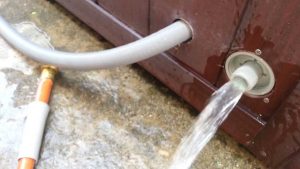
Start with the electricity — always. Hot tubs run on dedicated 240V circuits. Flip the breaker, then have a licensed electrician physically disconnect the hardwired line from the control panel before anyone touches the tub. Once the power is fully confirmed off, locate the drain spigot near the base of the tub and attach a garden hose. Direct the water to a gravel area or lawn — not into a storm drain, since chemically treated water harms local waterways. Gravity draining takes one to two hours. A submersible pump cuts that to under 30 minutes.
Step 2 — Remove Accessible Components

Before you start cutting, pull out anything removable: the cover, headrests, jets (they unscrew counterclockwise), and the control panel face. If you still have your tub's instruction manual, check it — most manufacturers list panel access steps that simplify disassembly significantly. Set aside any working parts you plan to sell or recycle separately.
Step 3 — Cut the Shell Into Sections
This is the step that makes the whole job possible. Rent a reciprocating saw (commonly called a Sawzall) with a demolition blade. Cut through the acrylic shell and foam insulation together in sections no larger than 3 to 4 feet across. Work from the top of the tub downward. The inner wooden cabinet frame cuts cleanly with a circular saw. Wear safety glasses, heavy work gloves, and a dust mask — foam fragments and acrylic shards go everywhere.
Step 4 — Haul the Pieces Away
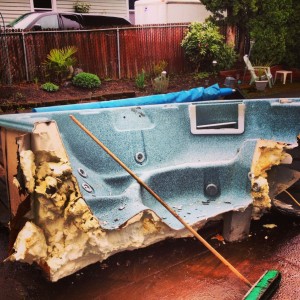
Once the tub is in sections, load them into a rented truck, trailer, or roll-off dumpster. Individual cut sections typically weigh 50 to 150 pounds — manageable with two people. Call your local landfill beforehand to confirm they accept fiberglass, foam, and acrylic. Many municipalities offer curbside bulk pickup for large items; check your area's schedule before making an unnecessary hauling trip.
Getting Past the Tough Spots
Even a well-planned removal hits snags. Here are the most common situations and how to handle them.
The Tub Is Inside an Enclosure or Under a Structure
If your hot tub sits beneath a pergola, gazebo, or low deck overhang, you have a spatial problem before you even start cutting. Your two options are: dismantle the enclosure first, or make your cuts smaller so sections fit through whatever opening is available. If you're already thinking about what structure to put back in the space, our review of the Palram Palermo 3000 Gazebo covers a compact, straightforward option that fits a similar footprint without the bulk of a traditional pergola.

The Deck or Surround Is Part of the Problem
Hot tubs installed on custom-built decks often have a wooden surround that wraps the tub and hides the cabinet. If that surround is integrated into the main deck structure, you'll need to remove it section by section before you can access the tub for cutting. Check the deck joists for rot before stepping on them with tools.
Pro tip: If the tub has sat on a wooden deck for several years, probe the joists underneath before standing on that area. Prolonged moisture from the tub often causes hidden rot that won't support a person's weight.
Simple Moves That Save You Time and Money
A few decisions made before you pick up the saw can cut your total cost and effort significantly.
Sell the Parts Before You Cut
Working components have a real resale market. Post the pump motor, control panel, heater element, and jets individually on Facebook Marketplace or Craigslist before you start disassembly. Pump motors alone sell for $50 to $200. If the whole tub still works, list it as a free pickup — someone will claim it within 48 hours, and they handle the removal for you at no cost.
If you're not completely done with the idea of a spa, you might be surprised by compact alternatives. Our Hydro Hammock review covers a portable, inflatable option that costs a fraction of a traditional spa and stores flat when not in use.
Rent a Roll-Off Dumpster for the Weekend
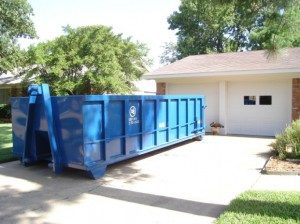
A weekend dumpster rental typically runs $300 to $500 and eliminates every hauling trip. You cut, you toss, you call for pickup — done. When you book, confirm the rental company accepts fiberglass, foam, and acrylic. Most do, but it's worth a quick phone call to avoid a refused load at pickup time.
Creative Uses for the Empty Space
Once the tub is out, you have a clean, often already-leveled area to work with. That's genuinely valuable outdoor real estate.
Build a Garden Bed or Raised Planter
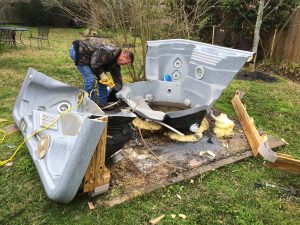
A typical hot tub leaves behind 50 to 70 square feet of flat, compressed ground. That's a perfect footprint for a raised garden bed, herb arrangement, or container plant display. The ground is already leveled, which cuts your prep work significantly. For design inspiration, our collection of slate patio ideas shows how a small hardscaped corner can completely transform a backyard layout.
Expand or Upgrade Your Patio
If the tub sat on a concrete pad, that pad is already a solid foundation for outdoor furniture, a grill station, or a new pergola. To extend or blend it into your existing patio, our guides on flagstone patio design and what bluestone is cover the most popular natural stone choices and how to integrate them with an existing concrete base. One thing to plan for: hot tub pads are often dead-level, but patios need a slight slope away from your house to shed rainwater. A little grading now prevents pooling problems later.
DIY vs. Professional Hot Tub Removal: A Quick Comparison
Both routes are completely valid. The right one depends on your budget, your available tools, and how much free time you have on a given weekend.
| Factor | DIY Removal | Professional Service |
|---|---|---|
| Typical cost | $150–$650 | $300–$600 |
| Time required | Full weekend | 2–4 hours |
| Tools needed | Reciprocating saw, truck or dumpster | All included |
| Physical effort | High | Minimal for you |
| Electrical disconnect | Hire electrician separately | Usually included |
| Liability coverage | None | Insured service |
| Best for | Budget-conscious, hands-on homeowners | Tight schedules, no tools available |
What Pro Removal Includes
Professional hot tub removal services handle every step — draining, disconnecting, cutting, hauling, and disposal. Typical pricing runs $300 to $600 for a standard residential unit, covering labor and dump fees. Most services complete the job in a single visit of a few hours. They also carry liability insurance, which matters if anything goes wrong during the electrical disconnection or if a cut section damages a fence or structure on the way out.
When DIY Makes More Sense
If you have a free weekend, a reliable helper, and access to a reciprocating saw, DIY removal is entirely doable. Your main costs are the saw rental (around $50 per day), disposal fees at a local landfill ($50–$150), or a dumpster rental ($300–$500). Total out-of-pocket lands between $150 and $650 — comparable to or less than a professional service, depending on your location. If you're also thinking about a fresh installation once the space is clear, our guide on how to install a hot tub in your backyard is the logical next read.
Frequently Asked Questions
How long does it take to remove a hot tub yourself?
A typical DIY hot tub removal takes a full day for two people working steadily, or spread across a weekend at a relaxed pace. Draining alone takes one to two hours. Cutting and loading the sections takes another three to five hours depending on the tub's size and how accessible the space is.
Do I need a permit to remove a hot tub?
In most cases, no permit is required to remove a hot tub. However, if the tub was hardwired to your home's electrical system, the electrical disconnection work may require a permit and inspection in your municipality. Check with your local building department before scheduling an electrician.
How do I safely drain a hot tub before removal?
Attach a garden hose to the drain spigot located near the base of the tub and direct the water to a lawn or gravel area — not a storm drain. If the water contains high levels of chemicals, let the tub sit uncovered for 24 to 48 hours before draining so chlorine levels dissipate naturally. A submersible pump speeds up draining to under 30 minutes.
Can one person remove a hot tub alone?
Technically possible, but not recommended. Even when cut into sections, individual pieces weigh 50 to 150 pounds and are awkward to carry alone. Having at least one helper makes the job safer and cuts your work time roughly in half. Two people is the practical minimum for a safe DIY removal.
What do I do with the electrical wiring after the hot tub is removed?
The dedicated 240V circuit that powered your hot tub should be capped, labeled, and left in place if you think you might install another tub later. If not, have a licensed electrician remove the dedicated circuit entirely and patch the panel. Never leave exposed, disconnected wiring uncapped in an outdoor area.
Can I put hot tub pieces in a regular dumpster?
Yes, in most cases. Fiberglass shells, foam insulation, and wood framing are accepted as general construction or bulky waste at most landfills and dumpster services. Call ahead to confirm, since a small number of facilities restrict certain foam types. Electrical components like pump motors and control boards should go to an e-waste recycling drop-off instead.
What's the best use for the space after removing a hot tub?
The most popular options are a raised garden bed, a patio extension, or an outdoor entertaining area with furniture and a grill. The footprint is already level and often sits on a solid concrete pad, which makes it ideal as a foundation for almost any outdoor feature without significant prep work.
Final Thoughts
Removing a hot tub is a real project — but it's completely manageable when you tackle it in the right order. Disconnect the power first, drain fully, then cut and haul. Do those three things correctly and the rest follows. Head over to our home improvement guides to find ideas for your next backyard upgrade, and start sketching out what you want to do with that reclaimed space — you might be surprised how much potential was hiding under that old tub.


About Simmy Parker
Simmy Parker holds a Bachelor of Science in Civil Engineering from Sacramento State University and has applied that technical background to outdoor structure design, landscape planning, and backyard improvement projects for over a decade. Her love for the outdoors extends beyond design — she regularly leads nature hikes and has developed working knowledge of native plants, soil conditions, and sustainable landscaping practices across Northern California. At TheBackyardGnome, she covers backyard design guides, landscaping ideas, and eco-friendly outdoor living resources.
You can Get FREE Gifts. Receive Free Backyard Items here. Disable Ad Blocker to get them all now!
Once done, hit anything below