The best location for a garden pond is a spot that receives four to six hours of direct sunlight each day, sits at least ten feet from large trees, and falls within easy view of your main outdoor seating area. Get those three things right and your pond stays healthy with minimal effort. Before you commit to a site, explore our garden design guides for layout inspiration, and browse these 9 small backyard pond ideas to see what's possible in different yard sizes.
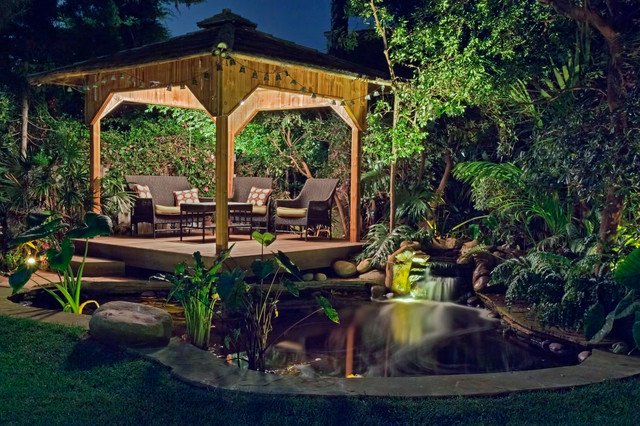
Where you place a pond shapes every aspect of its long-term performance. Water clarity, plant growth, algae levels, fish health, and maintenance frequency all connect directly back to location. A pond in the right spot practically takes care of itself. One placed carelessly demands constant work — and often expensive fixes that could have been avoided entirely.
Most pond problems people deal with — green water, clogged filters, cracked liners, dead plants — started with one poor choice on day one: where to dig. The good news is that avoiding the biggest mistakes is straightforward once you know what to look for. This guide covers those mistakes, walks you through a clear site selection process, and gives you a side-by-side comparison of the most common pond locations so you can decide with confidence.
Contents
Location Mistakes That Wreck Garden Ponds
Placing Your Pond Near Large Trees
Trees next to a pond look stunning in photos. In real life, they create a relentless maintenance burden. Leaves drop year-round — and especially in autumn — sinking to the pond bottom where they decompose. That decomposition releases gases toxic to fish and drives up nutrient levels that trigger explosive algae growth. Within a season or two, a pond planted under a tree turns into an opaque, foul-smelling mess that takes serious work to restore.
The problem goes deeper than falling leaves. Tree roots actively seek out moisture, and a pond liner is no obstacle. Roots from willows, poplars, and ornamental cherries can crack liners, undercut banks, and cause slow leaks that are difficult and costly to repair. Keep any tree with a mature canopy spread over fifteen feet at least ten to fifteen feet from the pond edge — and further if you can manage it.
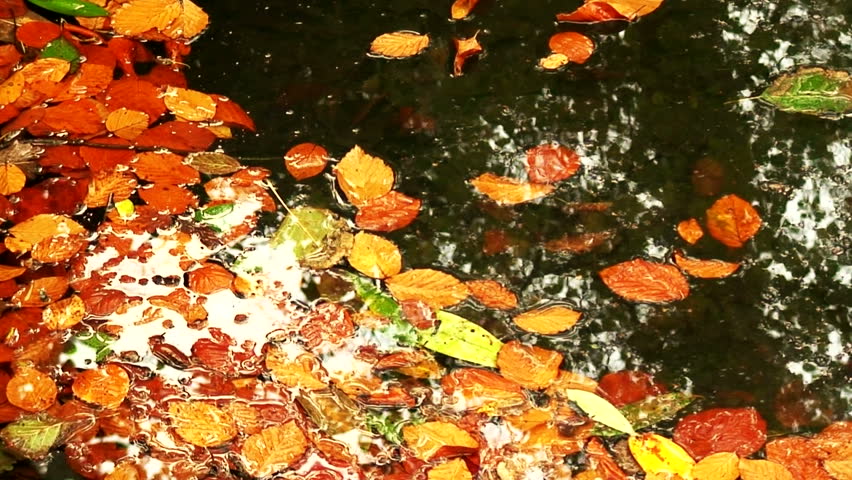
Pro tip: Even one large overhanging branch can fill a small pond with debris after a single storm. If nearby trees are unavoidable, fit a fine-mesh pond net before the leaves start falling — it takes five minutes to lay out and saves hours of manual skimming.
If you're already fighting fallen leaves elsewhere in your yard, a quality leaf blower keeps paths and patios manageable — but it's no substitute for choosing a tree-free pond site from the start. Prevention here is worth far more than any maintenance routine.
Ignoring Natural Water Flow and Runoff
After heavy rain, water follows the contours of your yard. Place a pond at the bottom of a slope without managing runoff and every storm washes fertilizer, pesticides, and sediment directly into the water. That nutrient surge triggers algae growth that can strip oxygen from the water and kill fish within days.
Before you pick a site, walk your yard during or just after a rainstorm. Watch where water pools and which direction it flows. Avoid placing a pond directly downhill from chemically treated lawn or garden beds. If your preferred location does receive surface runoff, plan for a small berm (a raised mound of soil) or a drainage channel to redirect it. Catching this problem early costs almost nothing. Fixing it after the pond is built is a different story entirely.
Choosing the Best Location for a Garden Pond
Getting the Sunlight Balance Right
Sunlight is the single most important environmental factor for a healthy pond. Most pond plants — especially water lilies, which naturally shade the surface and suppress algae — need at least four hours of direct sun to bloom and spread properly. Fish do better in partially lit water where algae levels stay moderate and dissolved oxygen remains consistently high. According to Wikipedia's overview of garden ponds, the balance between sunlight and shade is a primary driver of long-term pond ecology.
That said, a pond in full sun all day can overheat during summer, especially in warm climates. Water temperatures above 25°C (77°F) stress most common pond fish and reduce the oxygen available to them. Afternoon shade from a fence, a pergola, or the side of your house makes a real difference in warmer regions. The sweet spot for most climates is morning sun from the east with some shade in the afternoon — this combination handles a wide range of weather conditions without stressing your fish or plants.
Proximity to Your Home and Power Supply
Put your pond where you'll actually see and hear it every day. A pond near your patio or main outdoor seating area becomes part of your daily environment — you catch problems early, enjoy the sound of moving water, and feel the calming effect every time you step outside. A pond tucked into a far corner of the yard becomes something you check occasionally and easily neglect.
Practical considerations matter just as much as aesthetics. Nearly every pond needs an electrical supply — at minimum for a pump, and often for a UV clarifier (a device that destroys the algae responsible for green water), outdoor lighting, or a fountain. Running power to a pond thirty meters from the house adds significant installation cost. Staying within ten to fifteen meters of an outdoor power point keeps wiring straightforward and the project affordable.
If you're building a complete outdoor relaxation space around your pond, a gazebo pairs beautifully with moving water. Our guide to hexagonal gazebos covers stylish options that work well alongside water features, and if you want year-round shelter, the best hardtop gazebos offer solid, permanent coverage that frames a pond perfectly without blocking your view of it.
Small Adjustments That Make Any Spot Work
Blocking Runoff Before It Reaches the Water
Even in a well-chosen location, a little runoff management goes a long way. A planted buffer strip — a row of ornamental grasses or low ground cover around the pond edge — slows incoming water and filters out sediment and nutrients before they reach the pond. Raised edging stones do the same job on paved or gravel surfaces and add a polished, finished look at the same time.
If your yard slopes gently toward the pond site, a shallow swale (a gently curved drainage channel cut into the ground) redirected to one side keeps the worst of the storm runoff out of the water. This is especially worth doing if your neighbors treat their lawn with chemicals, since you have no control over what drains downhill during a heavy rainstorm.
Warning: Never place a pond directly downhill from a driveway or parking area. Motor oil, de-icing salts, and other chemical runoff will contaminate the water and are nearly impossible to fully remove once they're in.
Access, Edging, and Safety
You need to reach every side of your pond for routine cleaning, planting, and equipment maintenance. Choose a site with easy walking access on at least three sides — otherwise tasks like removing debris, checking the pump, or dividing aquatic plants become genuinely awkward and frustrating over time. For hard surfaces around the water's edge, flagstone patio designs offer a natural, slip-resistant finish that looks great next to a pond and holds up well against constant moisture exposure.
Safety matters too, especially if children or pets use your yard. A pond with gently sloping sides, a shallow entry ledge, or a low surrounding barrier is far safer than a steep-sided feature with deep water right at the edge. Build these considerations into your location plan from the start — retrofitting safety features after construction is always more expensive and disruptive.
Comparing Common Pond Locations at a Glance
Not all spots are equal. The table below summarizes how the most popular pond placement options stack up across the factors that matter most.
| Location | Daily Sunlight | Maintenance Level | Best For | Main Risk |
|---|---|---|---|---|
| Open sunny lawn area | Full sun (6+ hrs) | Low–Medium | Water lilies, koi, fish ponds | Overheating in hot summers |
| Near patio or seating area | Partial (4–6 hrs) | Low | Entertainment-focused ponds | Foot traffic and debris |
| Garden bed corner | Partial (4–5 hrs) | Medium | Wildlife ponds, naturalistic style | Nearby plant roots |
| Under or near large trees | Dappled / Low | Very High | Not recommended | Leaf debris and root damage |
| Bottom of a slope | Variable | High | Only with runoff management | Chemical and sediment runoff |
Which Option Fits Your Yard?
For most backyard setups, the best location for a garden pond is an open, partially sunny area within view of your patio and close enough to power that wiring is simple. This combination gives you adequate light for healthy plants, manageable water temperatures for fish, and the everyday pleasure of hearing and seeing the water. If your yard is on the smaller side, our collection of small backyard pond ideas shows how compact locations can deliver big results without needing ideal conditions to succeed.
Frequently Asked Questions
How much sun does a garden pond need?
Most garden ponds do best with four to six hours of direct sunlight per day. Water lilies and other aquatic plants need at least four hours to bloom and grow properly. In hot climates, some afternoon shade is beneficial — it prevents overheating and helps keep oxygen levels stable for fish.
Can I put a garden pond in the shade?
A fully shaded pond is not a good idea. Without adequate sunlight, aquatic plants struggle to establish themselves, which means algae faces less competition and water quality deteriorates quickly. If some shade is unavoidable, choose shade-tolerant plant varieties and plan for more frequent water testing and maintenance throughout the season.
How far should a garden pond be from trees?
Keep your pond at least ten to fifteen feet from any tree with a wide canopy or aggressive root system. Willows, poplars, and ornamental cherries are the most problematic. Even smaller trees can drop enough leaves in autumn to seriously disrupt your pond's water chemistry if they're positioned within a few feet of the edge.
Final Thoughts
Choosing the right site for your garden pond is the most important decision you'll make in the whole project — get it right and you'll spend your time enjoying the water, not fighting it. Take an afternoon to walk your yard, note where the sun falls at different times of day, identify every tree within fifteen feet, and watch how water moves after it rains. Once you've done that, your ideal spot will usually reveal itself clearly. Head to our garden design guides for more help planning the space around your pond, then mark your spot, grab a shovel, and get started.


About William Murphy
William Murphy has worked as a licensed general contractor in Fremont, California for over thirty years, specializing in outdoor structures, green building methods, and sustainable design. During that career he has written about architecture, construction practices, and environmental protection for regional publications and trade outlets, bringing technical depth to subjects that most home improvement writers approach only from a consumer perspective. At TheBackyardGnome, he covers outdoor product reviews, backyard construction guides, and sustainable landscaping and building practices.
You can Get FREE Gifts. Receive Free Backyard Items here. Disable Ad Blocker to get them all now!
Once done, hit anything below