What if the most overlooked corner of your backyard is actually its greatest untapped potential? If you've been collecting small backyard pond ideas but keep talking yourself out of it — thinking your yard is too small, too shady, or too much work — you're about to find out that nearly every objection has a practical answer. A well-matched pond design can fit almost any backyard, and the payoff in atmosphere and wildlife activity is immediate.
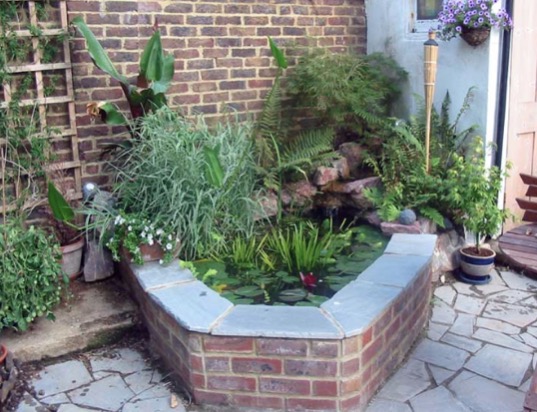
A backyard pond does something no patio furniture or fire feature can replicate: it adds a living, breathing ecosystem to your outdoor space. The ambient sound of water, the dragonflies, the seasonal bloom of aquatic plants — it's the kind of addition that makes your yard feel genuinely alive. When you're already thinking carefully about your backyard landscaping, a pond becomes the anchor that pulls the whole design together.
This guide covers nine real designs drawn from actual gardens, an honest side-by-side comparison of pond styles, the myths worth ignoring, and the practical setup steps that determine long-term success. By the end, you'll know exactly which direction makes sense for your space.
Contents
- What People Get Wrong About Small Backyard Ponds
- Starter Ponds vs. Feature Ponds: Picking Your Level
- 9 Small Backyard Pond Ideas That Actually Work
- Pond Styles at a Glance
- Setting Up and Planting Your Pond for Long-Term Success
- The Real Trade-Offs of Adding a Backyard Pond
- Frequently Asked Questions
What People Get Wrong About Small Backyard Ponds
You Don't Need a Large Yard to Make It Work
The single biggest reason people shelve the pond idea is space. They picture a sprawling koi pond and decide they don't have room. That's a misreading of what's actually possible. A pond as small as 2×3 feet is enough to support aquatic plants, attract pollinators and frogs, and deliver the ambient water sound that makes the feature worthwhile. Container ponds built in galvanized stock tanks or half-barrels occupy even less real estate. The footprint doesn't determine the impact.
Ponds Don't Have to Be High-Maintenance
A poorly designed pond is high-maintenance. A well-designed one isn't. The difference comes down to three things: appropriate pump sizing, the right plant balance, and avoiding the most common setup mistakes (like placing the pond under heavy leaf-drop trees). Once established with the right floating plant coverage, most small ponds run largely on their own through the growing season.
A pond with 40–60% surface coverage from floating plants like water lilies rarely needs chemical intervention — the plants handle the filtration work naturally.
Starter Ponds vs. Feature Ponds: Picking Your Level
Container Ponds for Beginners
If you've never built a water feature before, start here. A container pond comes together in an afternoon and requires no digging, no liner cutting, and no major commitment:
- Choose a watertight vessel — half-barrel, galvanized stock tank, or large ceramic pot
- Fill with water and let tap chlorine dissipate for 48 hours, or use a dechlorinator
- Add 2–3 aquatic plants in submerged nursery pots
- Drop in a small solar-powered pump for circulation and oxygenation
Container ponds won't support fish — the water volume is too small to maintain temperature stability — but they attract frogs, bees, and birds almost immediately. That's not a consolation prize; that's the actual goal for most people.
In-Ground Ponds for the Committed Builder
An in-ground pond requires more planning but gives you far more design flexibility and a more permanent result. Garden ponds have been central to designed landscapes for centuries, and for good reason — they anchor a space in a way no other feature can. You'll work with an EPDM rubber liner, excavate to at least 18 inches for thermal stability in cold climates, and build in shelved edges at varying depths for different plant types. The learning curve is real. So is the reward.
9 Small Backyard Pond Ideas That Actually Work
Formal and Edged Styles
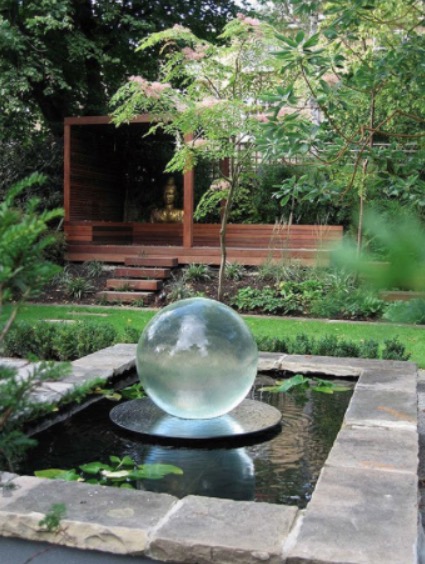
1. Brick-Edged Patio Pond. A rectangular pond bordered with brick or cut stone integrates cleanly into an existing patio layout. The structured geometry suits contemporary and traditional gardens equally. A simple fountain head adds movement without complexity.
2. Flagstone-Bordered Garden Pond. Irregular flagstone around the perimeter of an oval or kidney-shaped pond softens the edges and ties the water feature into planted garden borders. If you already love natural stone in your yard, these flagstone patio design ideas show arrangements you can adapt directly around a pond edge.
3. Raised Architectural Pond. A raised pond with stone or timber walls doubles as a seating ledge and creates a strong visual anchor. Add a wall-mounted spitter or cascade and you've built something that looks custom-designed.
Natural and Organic Shapes
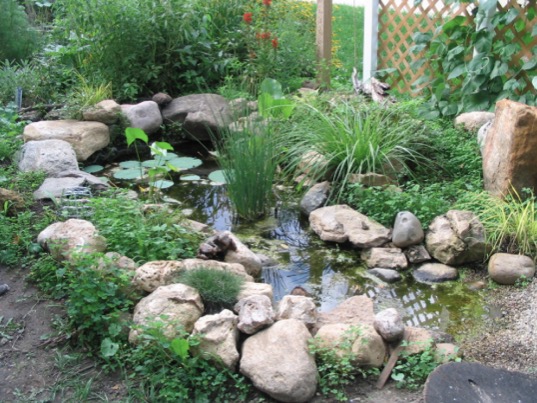
4. Kidney-Shaped Lawn Pond. The classic organic pond shape. It fits naturally into curved garden borders, gives you varying shallow and deep zones around the perimeter, and looks like it's always been there. Edge it with rounded river stones and low-growing sedums.
5. Floating Plant Pond. A shallow, wide pond dedicated almost entirely to floating plants — water lilies, lotus, water hyacinth — creates spectacular seasonal color while naturally suppressing algae. The surface coverage does the biological work.
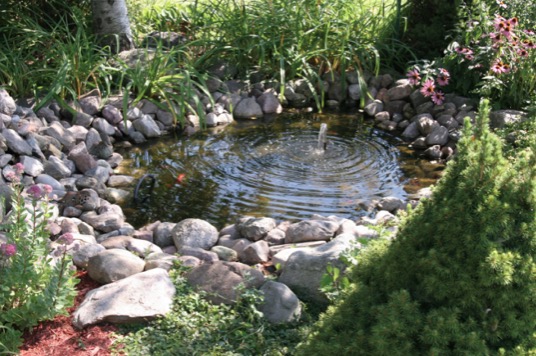
6. Rippling Stream-Style Pond. A narrow elongated pond with a recirculating pump at one end creates the illusion of a stream cutting through a planted border. The constant movement keeps water oxygenated, and the sound carries well even in a compact space.
Creative Upcycled Builds
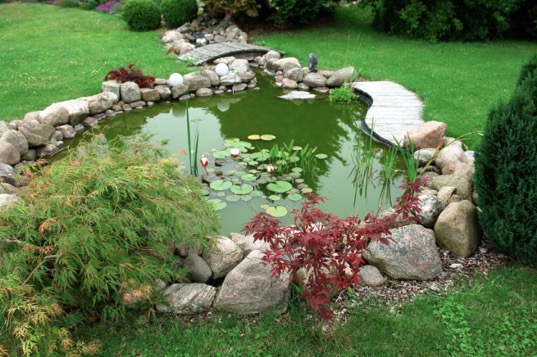
7. Walkway-Bordered Pond. A pond that runs alongside garden stepping stones turns a utilitarian path into an experience. Walking the edge at different times of day — morning reflections, evening frog activity — makes the space feel larger than it is.
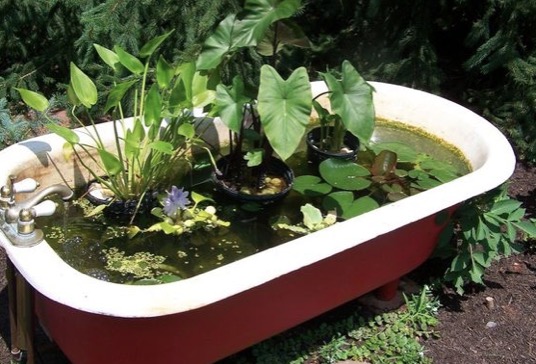
8. Old Bathtub Pond. A cast-iron or porcelain bathtub, half-buried and planted around with ferns and mossy stones, becomes a genuinely charming water feature. It's deep enough for goldfish and the vintage aesthetic works surprisingly well in cottage-style gardens.
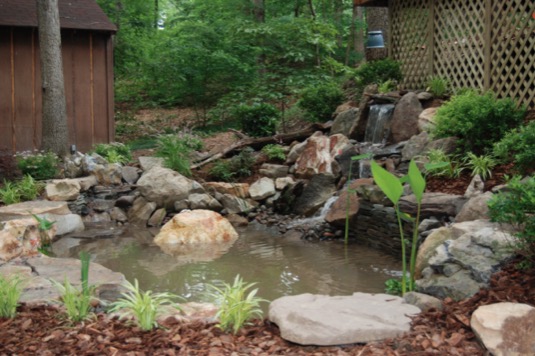
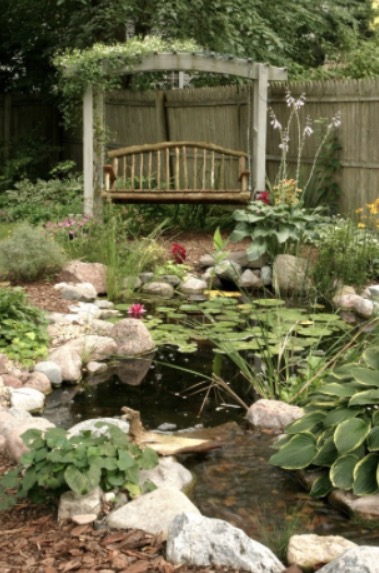
9. Shade Garden Pond. Most pond guides push full sun for water lilies. But a partly shaded pond, ringed with hostas, ferns, and mossy boulders, creates an entirely different atmosphere — cool, quiet, deeply textured. Shade-tolerant marginals like pickerel weed thrive in these conditions.
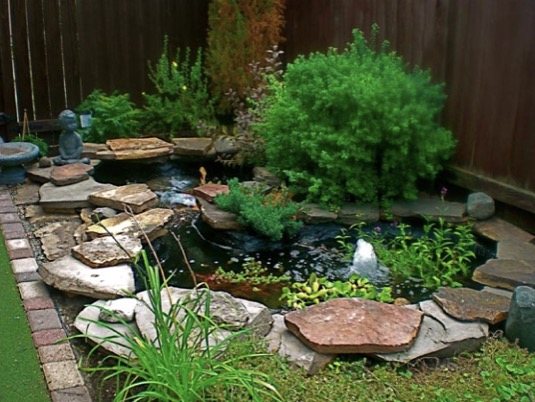
Don't rule out a shaded corner — ferns, mosses, and shade-tolerant marginals like pickerel weed can make a low-light pond just as striking as a sun-drenched one.
Pond Styles at a Glance
Not sure which direction to take your small backyard pond ideas? This comparison covers the five main approaches by difficulty, cost, and best use case:
| Pond Style | Difficulty | Estimated Cost | Space Required | Fish-Friendly | Best For |
|---|---|---|---|---|---|
| Container Pond | Beginner | $30–$100 | Under 10 sq ft | No | First-timers, renters |
| In-Ground Liner Pond | Intermediate | $200–$600 | 20–80 sq ft | Yes | Planted garden focus |
| Raised Brick/Stone Pond | Intermediate | $300–$800 | 15–40 sq ft | Yes (small fish) | Patio and formal settings |
| Bathtub Pond | Beginner | $50–$200 | 10–15 sq ft | Yes (goldfish) | Upcyclers, cottage gardens |
| Wildlife/Naturalistic Pond | Advanced | $400–$1,000 | 50+ sq ft | Yes | Eco-focused gardeners |
Setting Up and Planting Your Pond for Long-Term Success
Choosing the Right Location
Location is the decision that determines everything else. Most flowering aquatics require 5–6 hours of direct sun daily, but there are practical constraints that matter just as much:
- Avoid positioning under large deciduous trees — decomposing leaves spike ammonia and wreck water chemistry fast
- Place it where you'll actually see and use it — near the patio, a seating area, or a window with a garden view
- Don't pick the lowest point in your yard where lawn runoff collects — fertilizer and herbicides are toxic to pond life
- Check underground utility lines before digging anything more than 12 inches deep
If you're planning companion plantings around the pond edge, reading up on planting annuals and transplants in the landscape will give you a solid framework for choosing compatible border plants that won't compete with your aquatic species.
Plants That Balance the Ecosystem
The right plant mix eliminates most of the maintenance people dread. You need three types working together:
- Submerged oxygenators (hornwort, anacharis) — live fully underwater, absorb excess nutrients directly
- Floating plants (water lilies, water lettuce, water hyacinth) — shade the surface, crowd out algae, cool the water
- Marginals (iris, cattail, pickerel weed) — grow in shallow shelves around the edge, filter surface runoff
A properly balanced pond rarely needs chemical algaecide. The biology handles it when the plant ratios are right.
Add your plants before introducing fish — the ecosystem needs several weeks to stabilize, and fish waste will overwhelm a newly filled, unplanted pond.
The Real Trade-Offs of Adding a Backyard Pond
What a Pond Adds to Your Outdoor Space
The benefits are concrete, not hypothetical:
- Measurable increase in yard biodiversity — pollinators, frogs, dragonflies, and birds follow water reliably
- Ambient sound that masks traffic and neighbor noise in ways no solid structure can
- A focal point that changes with every season — spring blooms, summer lily pads, autumn reflections, winter ice patterns
- A meditative spot that genuinely encourages more time spent outdoors
A pond fundamentally changes how you experience your backyard. It's not decorative in the way patio furniture is decorative — it's a living feature that evolves over years.
What to Plan For
No feature is without trade-offs. Here's what you're actually signing up for:
- Upfront cost: liner, pump, edging, and starter plants run $150–$600 for a mid-size DIY build
- Mosquito risk: standing water breeds mosquitoes unless you maintain surface movement or introduce fish. A small recirculating pump solves this entirely.
- Child safety: any pond over 12 inches deep requires safety planning if young children use the yard regularly
- Seasonal maintenance: in colder climates, you'll manage ice formation and may need to overwinter fish or tender plants indoors
None of these are dealbreakers. They're planning considerations — and knowing them upfront means you won't be caught off guard six months in.
Frequently Asked Questions
How small can a backyard pond realistically be?
A functional backyard pond can be as small as 2×3 feet for an in-ground design, or even smaller for a container pond in a large pot or half-barrel. Anything that holds water and has surface movement or plants can support wildlife and serve as a legitimate water feature.
Will a small pond attract mosquitoes?
A pond with surface movement from a pump won't attract mosquitoes — they breed only in still, stagnant water. Adding mosquito dunks (Bacillus thuringiensis israelensis tablets) or a small school of mosquito fish provides additional control without chemicals.
What fish can I keep in a small backyard pond?
Goldfish and mosquito fish are the most reliable choices for small ponds. Koi require a minimum of 1,000 gallons and significant filtration — they're not suited to small features. Goldfish thrive in ponds as small as 50–100 gallons with proper filtration and aeration.
How deep should a small backyard pond be?
A minimum depth of 18 inches is recommended for any pond intended to overwinter fish or aquatic plants in cold climates. Shallower ponds freeze solid. For container ponds or wildlife ponds with no fish, 12 inches is workable in mild climates.
Can I build a pond in a shaded spot?
Yes — a shaded pond just calls for different plants. Swap sun-loving water lilies for shade-tolerant species like pickerel weed, marsh marigold, and water forget-me-not. Hostas, ferns, and mosses around the edge thrive in low light and create a lush, textured look.
How long does it take for a new backyard pond to establish?
A new pond typically takes 4–8 weeks to establish biological balance. During this time, water may turn green or cloudy as algae bloom before the ecosystem stabilizes. Resist the urge to intervene chemically — the process resolves itself once plants and beneficial bacteria establish.
Do I need a pump for a small backyard pond?
For ponds with fish, a pump is non-negotiable — fish require oxygenated water and filtration. For plant-only wildlife ponds, a pump is optional but recommended. Surface movement from even a small solar pump significantly reduces mosquito risk and keeps water clearer.
What are the best plants to start with in a small backyard pond?
Start with one submerged oxygenator like hornwort, one floating plant like a hardy water lily, and one marginal like water iris. These three cover all the ecological roles a balanced pond needs and are available at most garden centers in the spring season.
The best small backyard pond is the one you actually build — start with what your space allows, and the ecosystem will do the rest.


About William Murphy
William Murphy has worked as a licensed general contractor in Fremont, California for over thirty years, specializing in outdoor structures, green building methods, and sustainable design. During that career he has written about architecture, construction practices, and environmental protection for regional publications and trade outlets, bringing technical depth to subjects that most home improvement writers approach only from a consumer perspective. At TheBackyardGnome, he covers outdoor product reviews, backyard construction guides, and sustainable landscaping and building practices.
You can Get FREE Gifts. Receive Free Backyard Items here. Disable Ad Blocker to get them all now!
Once done, hit anything below