The best patio furniture arrangement ideas come down to one foundational move: establish a focal point first, then build your seating around it. That single decision anchors everything else. If you're still choosing pieces to work with, our patio furniture guides cover material options, size comparisons, and style breakdowns for every type of outdoor space.

Your patio's shape, sun exposure, and how you actually use the space should drive every placement decision. A backyard built for entertaining a crowd looks nothing like one designed for quiet morning coffee. Getting the arrangement right means the space gets used daily — not just photographed once and forgotten.
This guide covers the fundamentals of layout planning, the trade-offs between popular arrangement styles, quick wins you can apply this weekend, and practical fixes for the most common patio layout mistakes. Whether you're redesigning a compact balcony or a full backyard deck, these principles apply across most outdoor setups.
Contents
Understanding Patio Furniture Arrangement Basics
Most patio layout problems trace back to two overlooked fundamentals: the absence of a clear focal point and poor traffic flow. Address those two things and most other issues resolve themselves. Before moving a single chair, it helps to understand how these elements work together to make an outdoor space feel intentional rather than accidental.
Choosing a Focal Point
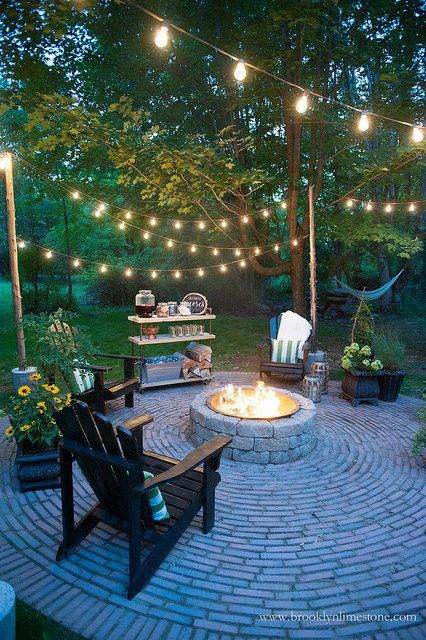
A focal point gives your eye — and your guests — somewhere to land. It anchors the layout and makes the arrangement feel purposeful. Common outdoor focal points include:
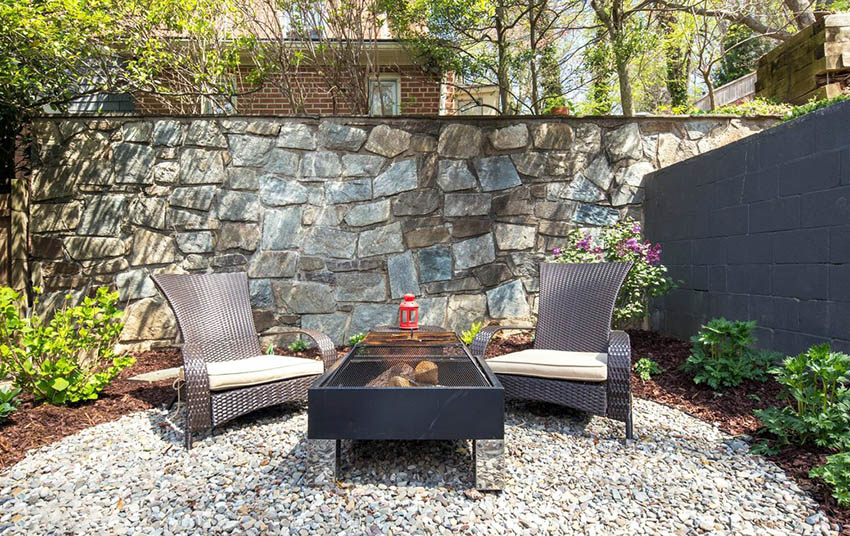
- A fire pit or outdoor fireplace
- A dining table as the centerpiece
- A water feature or garden wall
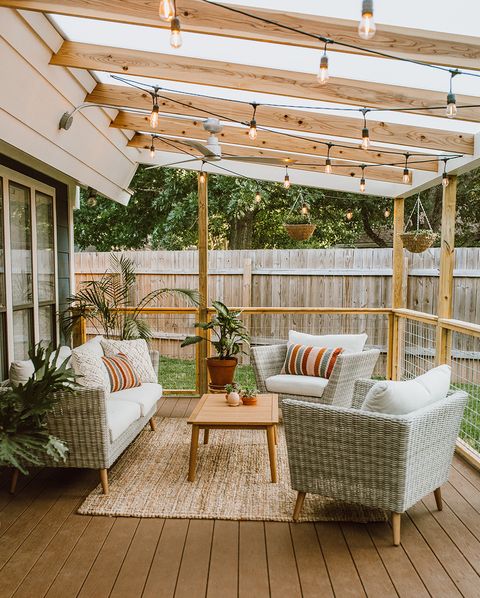
- An overhead structure like a pergola or gazebo
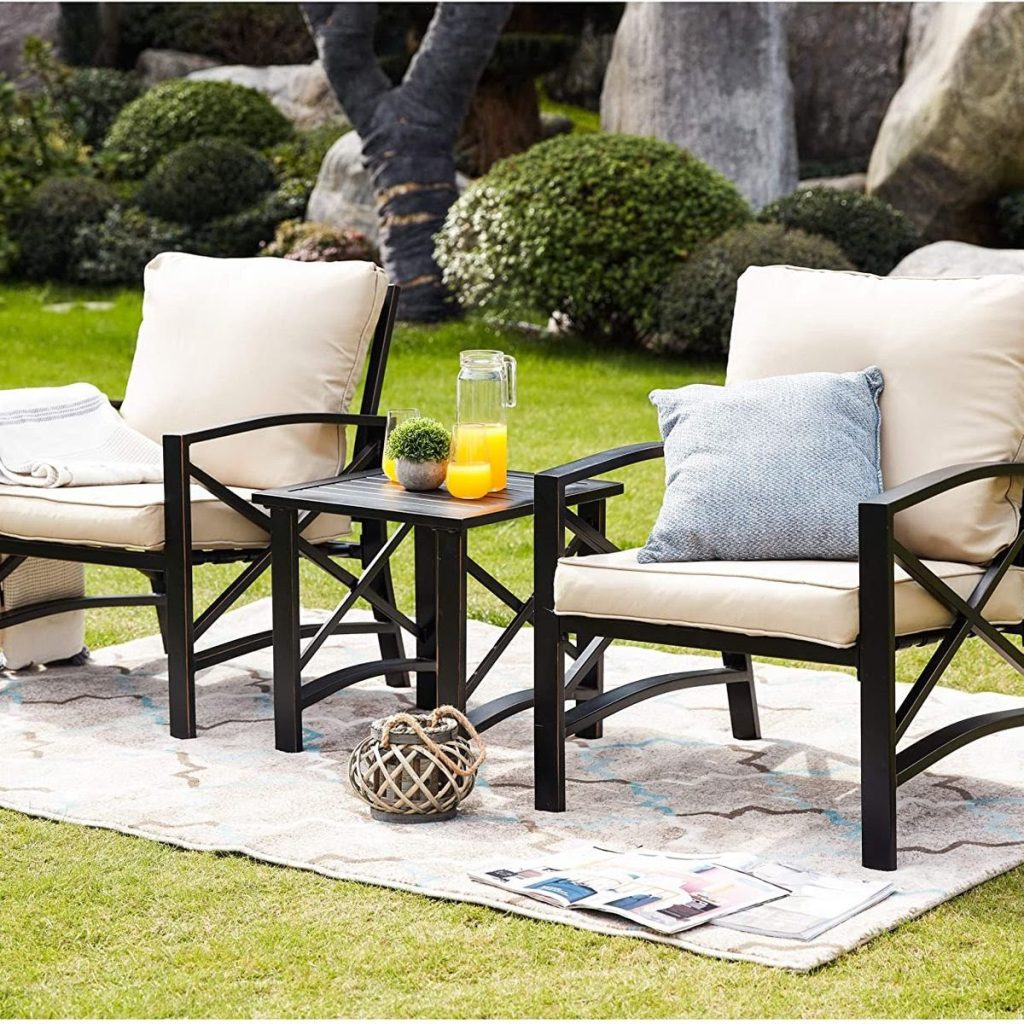
If your patio doesn't have a built-in anchor, you can create one. A bold outdoor rug beneath a seating group defines the space just as effectively as a structural feature. According to established principles of garden furniture design, visual anchoring is the first step in any successful outdoor layout.
Planning for Traffic Flow
Leave at least 36 inches of clearance between furniture groupings and main walkways. This keeps the space navigable without feeling cramped. Think through the key movement paths on your patio:
- Entry and exit points from the house or yard
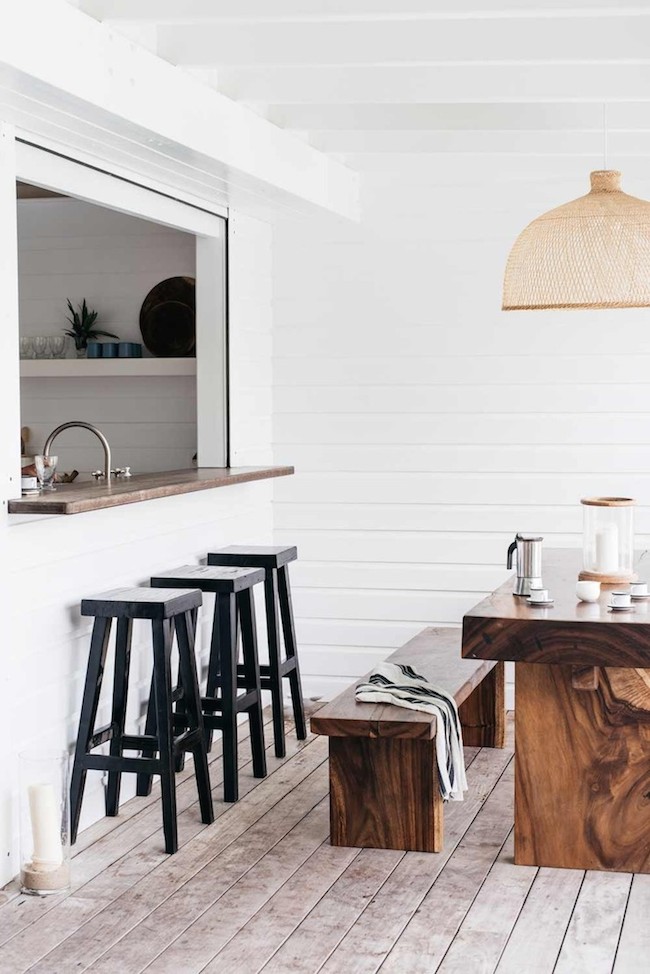
- Routes to a grill, fire pit, or outdoor bar
- Circulation between a dining area and a lounge zone
If you're starting from a new base, installing a sunken patio naturally separates zones at different levels, reducing the need for furniture barriers to define spaces. It's a structural solution that arrangement alone can't replicate.
Arrangement Styles: Weighing Your Options
There's no single best layout. Each patio furniture arrangement style has genuine strengths and real trade-offs. The right one depends on your patio's dimensions, how many people you typically host, and which activities matter most. The table below breaks down the most common options at a glance.
| Arrangement Style | Best For | Minimum Space | Main Trade-Off |
|---|---|---|---|
| Conversation Circle / U-Shape | Socializing, entertaining groups | 10 × 10 ft | Less room for dining |
| Central Dining Table | Outdoor meals, family use | 8 × 10 ft | Limited lounging flexibility |
| L-Shape Sectional | Lounging, smaller patios | 8 × 8 ft | Hard to reconfigure |
| Multi-Zone Layout | Large patios, varied use | 16 × 16 ft | Requires more furniture pieces |
| Bistro Set | Compact spaces, balconies | 5 × 5 ft | Only seats 2–4 |
Conversation-Focused Layouts
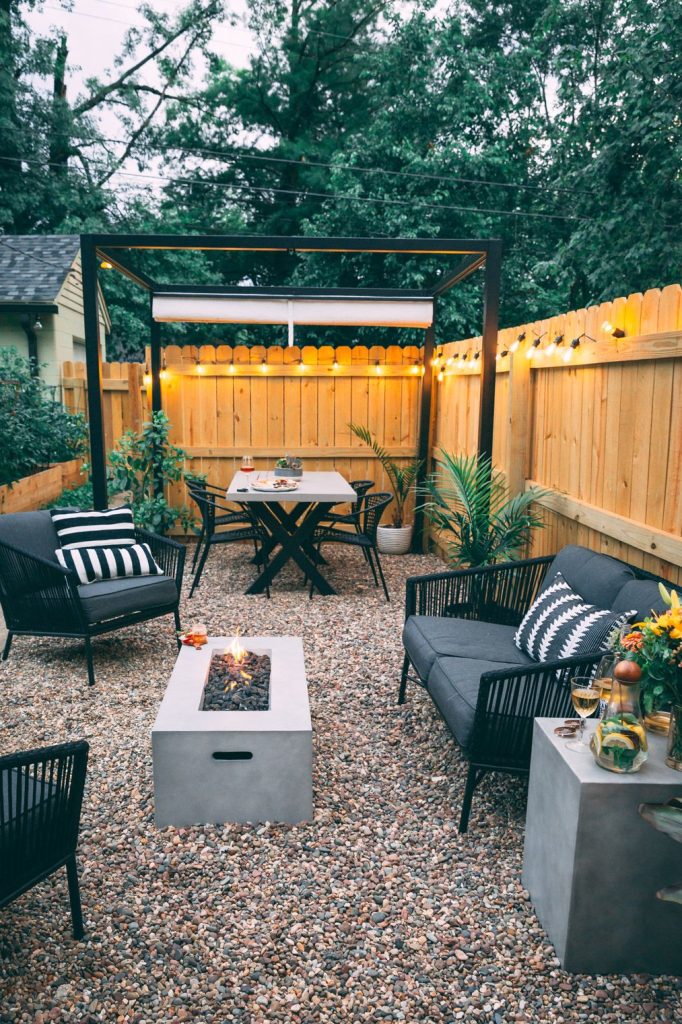
A conversation layout positions chairs and a sofa in a U-shape, L-shape, or loose circle around a central focal point — typically a fire pit, coffee table, or low planter. This arrangement naturally encourages face-to-face interaction and feels social without effort. It works best on patios with at least 10 feet of usable depth in both directions.
Dining-Oriented Layouts
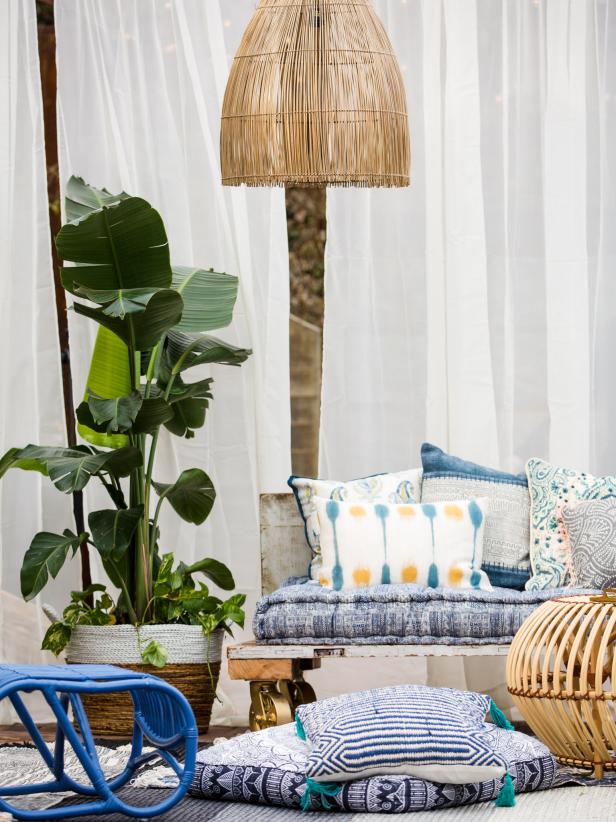
A central table with surrounding chairs or benches is the most functional setup when outdoor meals are the priority. It's intuitive and easy to execute. The main limitation is flexibility — once a large dining table dominates the footprint, switching to a relaxed lounge configuration requires moving multiple pieces. Adding a separate sitting corner nearby gives you both functions without committing the entire patio to one purpose.
Core Patio Furniture Arrangement Ideas to Get Right
Good layouts rely on a handful of consistent design principles. These aren't rigid rules — they're guidelines that help you make confident decisions and avoid the most common missteps that make a patio feel off even when it's fully furnished.
Pro tip: Sketch a rough floor plan and measure your patio before moving anything — 10 minutes of planning prevents hours of second-guessing.
Scale and Proportion
Choosing furniture that's too small for the space is one of the most frequent mistakes. Undersized pieces make a large patio feel sparse and disconnected. Use these as rough guidelines:
- Under 150 sq ft: one seating group or a bistro set
- 150–300 sq ft: one main seating group plus a small dining set
- 300+ sq ft: multiple zones — seating, dining, and optionally a lounge or bar corner
Material choices also affect how furniture reads in a space. If you're choosing between woven options, understanding the difference between rattan and wicker can help you match visual weight and texture to your overall layout and patio surface.
Creating Functional Zones
Dividing your patio into purpose-driven areas — a conversation zone, a dining corner, maybe an outdoor bar — makes even larger spaces feel organized. You don't need walls or permanent structures to create separation. Effective zone-makers include:
- Outdoor area rugs anchoring each seating grouping
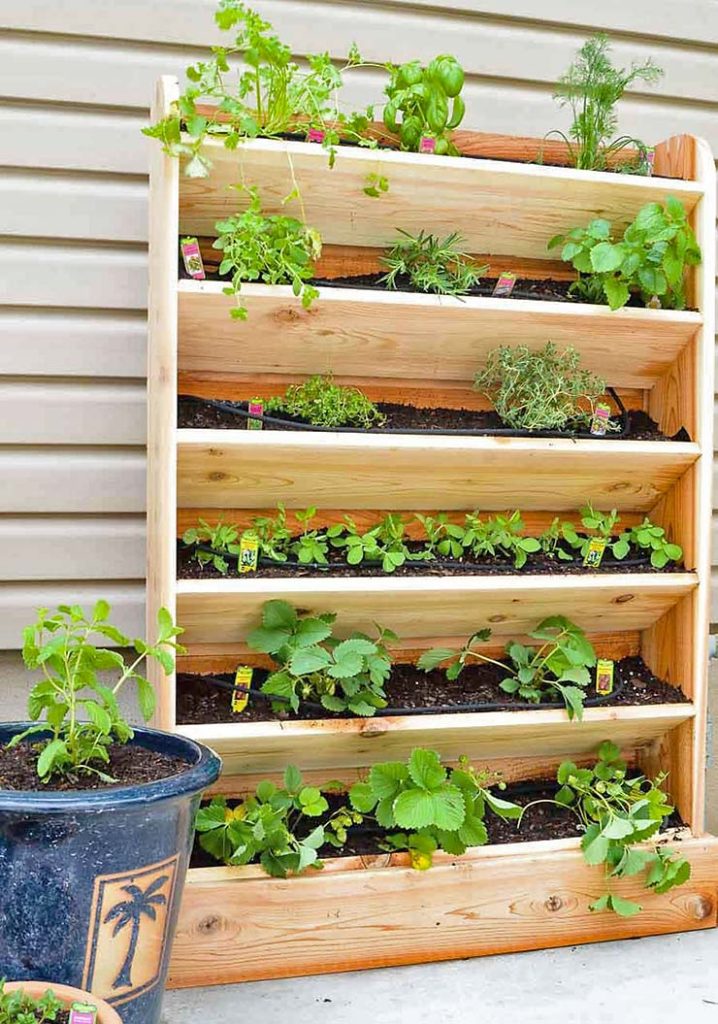
- Potted plants or low planters as natural dividers
- Varying furniture heights to signal transitions between areas
- Overhead structures like pergolas to visually define a space beneath them
Easy Updates That Transform Your Patio Fast
Not every improvement requires buying new furniture or redesigning from scratch. Some of the most effective patio furniture arrangement ideas involve small, low-cost changes that shift how the entire space reads and feels.
Rugs and Lighting
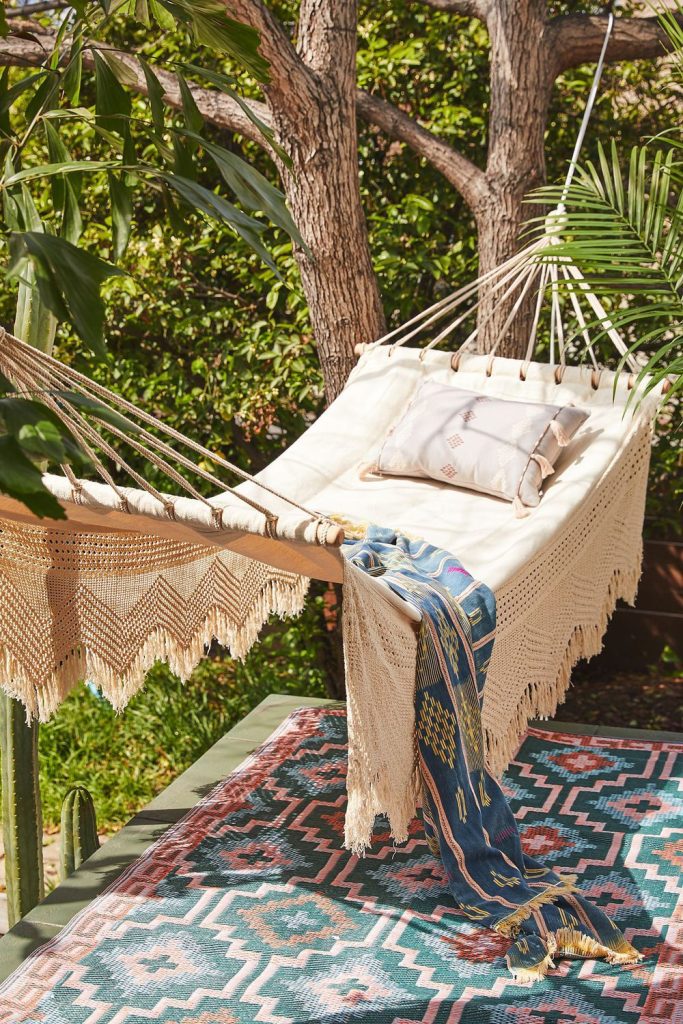
An outdoor rug does more visual work than almost any other single accessory. Placed under a sofa and two chairs, it instantly defines a conversation zone and makes the grouping look intentional. Choose a rug that extends 12–18 inches beyond the front legs of your largest seating piece for the best proportional effect.
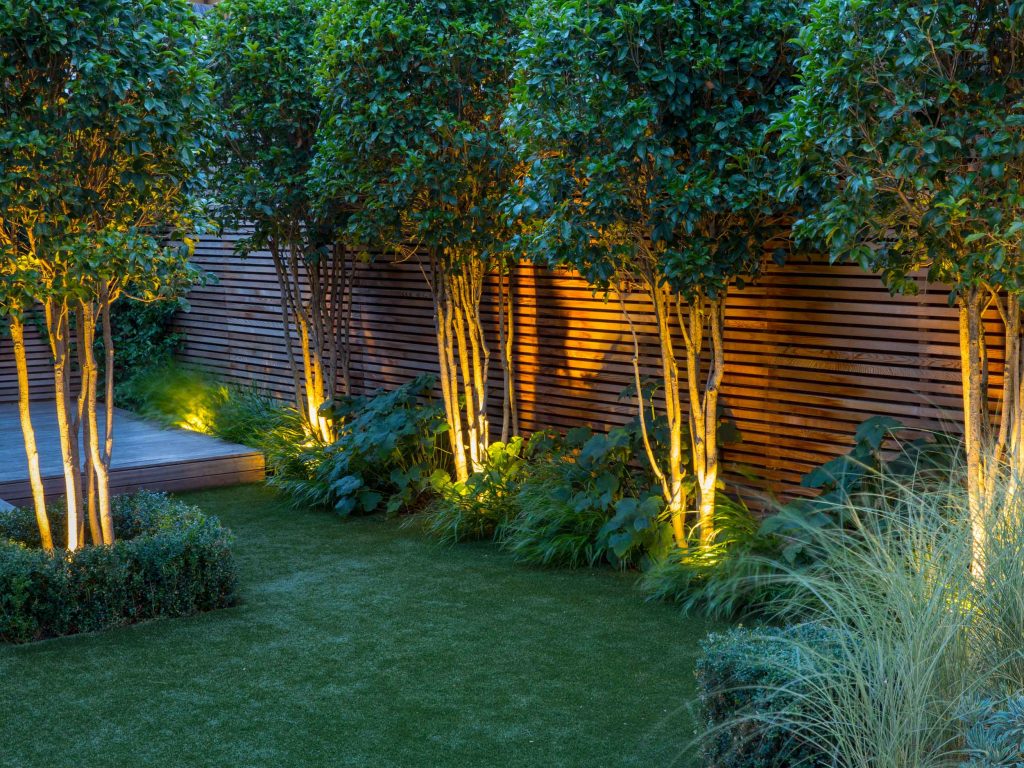
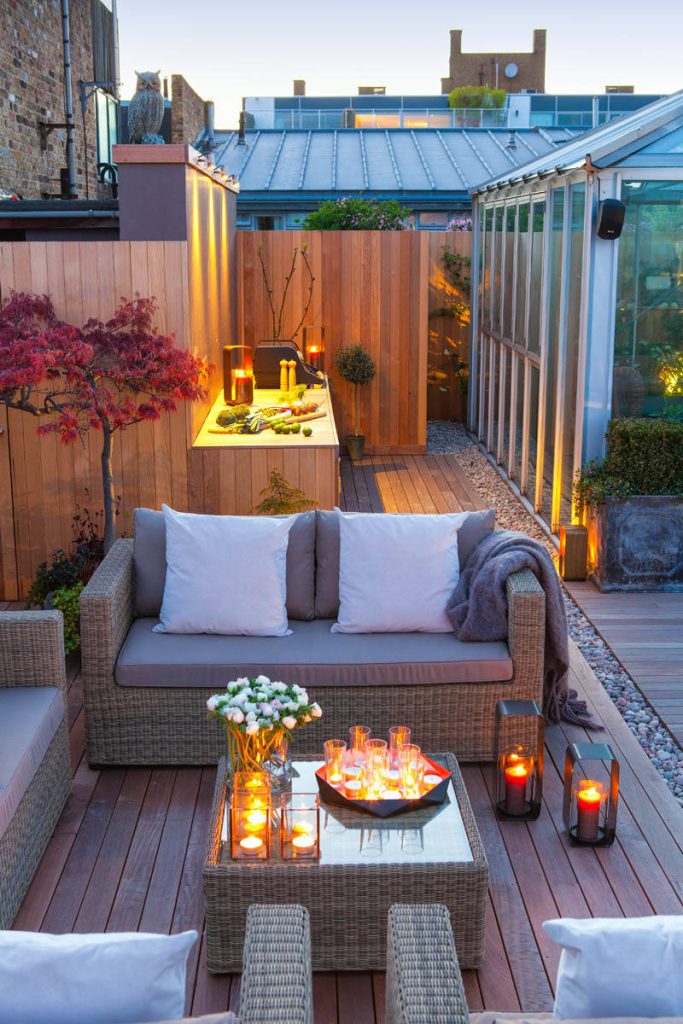
Lighting transforms a patio after dark. String lights, solar path lights, and floor lamps rated for outdoor use add warmth without any rewiring. Layer different heights — overhead string lights, eye-level lanterns, and low ground lighting — to avoid the flat effect of a single overhead source.
Plants and Statement Pieces
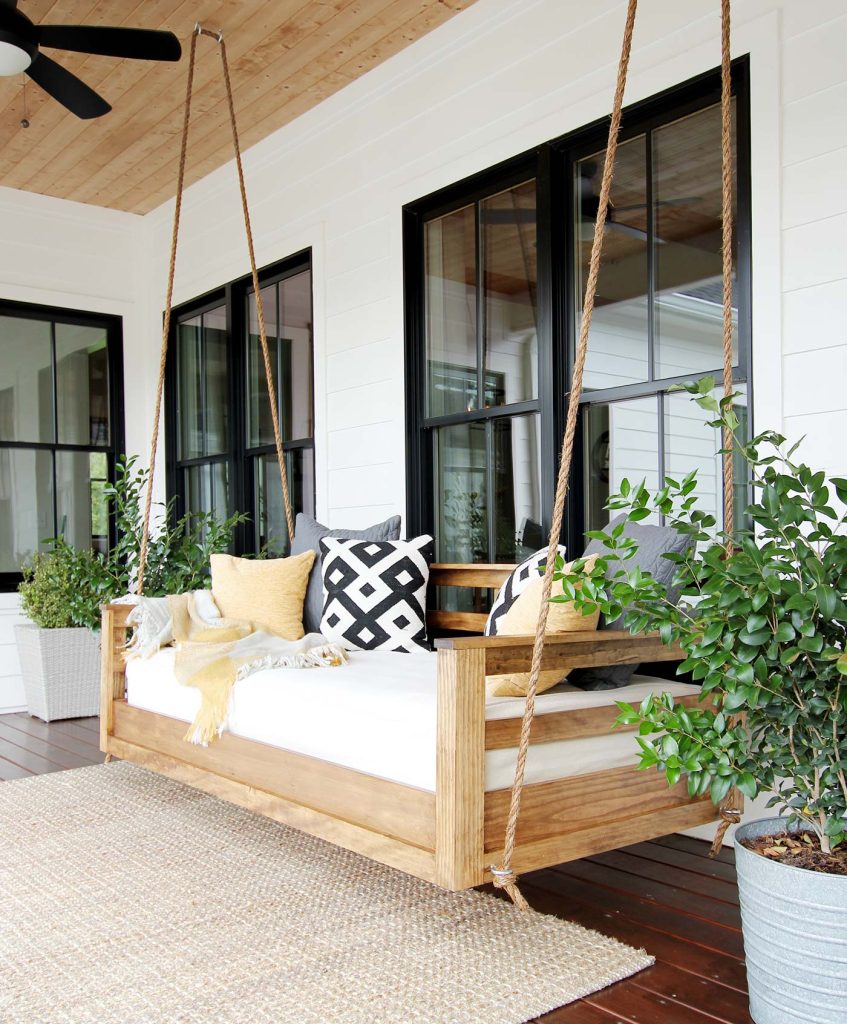
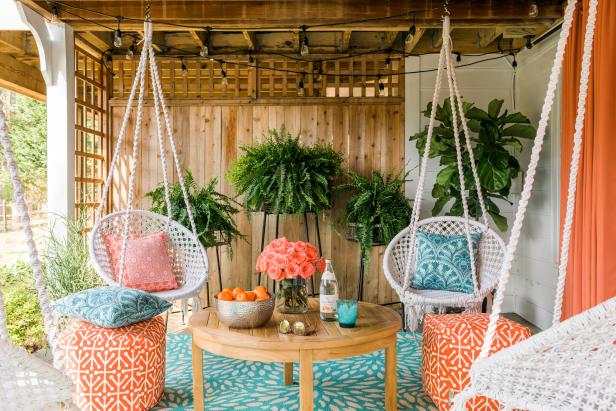
Potted plants fill visual dead zones — awkward corners, exposed fence lines, the gap between a seating grouping and the patio edge — without consuming usable floor space. Tall planters act like vertical anchors and can frame entry points or corners of a seating area. A porch swing or hanging chair can redefine an underused corner entirely, turning it into the most inviting spot on the patio.
For a structural upgrade that complements any arrangement underneath it, a well-placed gazebo adds both shade and a defined visual boundary. Our Sunjoy gazebo review covers options across different sizes and budgets that pair well with most outdoor furniture configurations.
When to Rearrange Your Patio (And When to Leave It)
Rearranging isn't always the answer. Sometimes your layout is genuinely working and you haven't recognized it yet. Knowing when a change is worth making — and when it isn't — saves time and keeps you from solving a problem that doesn't exist.
Good Times to Rearrange
Some situations clearly call for a layout change:
- You're hosting a large gathering and need more open circulation space
- Seasonal sun or wind shifts have made the current setup uncomfortable for daily use
- You've added a new furniture piece that throws off the existing balance
- Guests consistently gravitate to one corner and avoid another
- The patio's primary use has changed — from dining-focused to lounge-focused, for example
When to Hold Off
Not every rearranging urge deserves acting on. Hold off if:
- The current layout works well for daily use — boredom alone isn't a reason
- You're mid-season and don't want the disruption
- Furniture is anchored to a deck or integrated with built-in features
- You're about to host — last-minute rearrangements rarely improve things and often introduce chaos right before guests arrive
Solving Common Patio Layout Problems
Even well-intentioned patio furniture arrangement ideas run into real-world complications. Here are the most frequent layout problems and straightforward ways to fix them without starting over.
Small Space Challenges
Small patios tend to get over-furnished. The instinct to fill every corner usually results in a space that feels cluttered and hard to move through. The fix is restraint. Practical strategies include:
- Choose multi-functional pieces — storage ottomans, folding chairs, extendable tables
- Go vertical with wall-mounted planters, trellises, and hanging lights instead of floor pieces
- Limit yourself to one seating group maximum — two groups compete in any area under 150 sq ft
- Use light-colored furniture and surfaces to keep the space reading as open
Awkward Shapes and Odd Layouts
L-shaped, narrow, or irregularly shaped patios present real placement challenges. The good news is that these shapes often lend themselves to natural zone separation once you stop trying to center everything artificially.
- Narrow patio: Run furniture along one long edge, keep the opposite side clear for circulation. A slim console table or bar cart against the wall adds function without blocking movement.
- L-shaped patio: Use each arm of the L for a different function — dining in one, lounging in the other. The corner becomes a natural transition point rather than a dead zone.
- Round or curved patio: Curved or modular sectional furniture echoes the shape and avoids the gap that square pieces create against a rounded edge.
Frequently Asked Questions
How much space should I leave between patio furniture pieces?
Leave at least 18 inches between a sofa and a coffee table for comfortable legroom, and at least 36 inches between any seating group and a main walkway. For dining areas, allow 24 inches behind each chair so guests can pull out and stand without bumping anything behind them. These numbers come from standard interior design practice and translate directly to outdoor spaces.
What's the best patio furniture arrangement for a small patio?
For patios under 150 square feet, a bistro set or a single compact seating group works best. Choose furniture with a smaller visual footprint — slim-profile chairs, foldable pieces, or clear acrylic options — and avoid large sectionals or full dining sets that consume the entire floor plan. One well-scaled grouping always outperforms two cramped ones.
Is it okay to mix different patio furniture styles?
Mixing works well as long as you maintain some visual consistency — a shared color palette, similar material tones, or comparable scale across pieces. A wicker chair alongside a metal side table reads as intentional when the finishes complement each other. What breaks an arrangement isn't mismatched styles but mismatched proportions or wildly inconsistent materials that have no common thread.

The best outdoor spaces aren't the ones with the most furniture — they're the ones where every piece has a clear purpose and enough room to breathe.


About Simmy Parker
Simmy Parker holds a Bachelor of Science in Civil Engineering from Sacramento State University and has applied that technical background to outdoor structure design, landscape planning, and backyard improvement projects for over a decade. Her love for the outdoors extends beyond design — she regularly leads nature hikes and has developed working knowledge of native plants, soil conditions, and sustainable landscaping practices across Northern California. At TheBackyardGnome, she covers backyard design guides, landscaping ideas, and eco-friendly outdoor living resources.
You can Get FREE Gifts. Receive Free Backyard Items here. Disable Ad Blocker to get them all now!
Once done, hit anything below