Ever stood in your backyard picturing a tropical escape — thatched roof, bamboo accents, cold drink in hand — and then hit a wall when it comes to actually building one that lasts? The decision that shapes everything else is your lumber choice. Choosing the best wood for tiki hut construction determines whether your structure stands strong for decades or needs costly repairs within a few seasons. The right wood handles moisture, insects, UV exposure, and temperature swings without constant upkeep. Pick wrong, and you're fighting rot and warping before you ever mix the first mai tai. This guide gives you a full breakdown of the top wood species, real cost data, and a clear path to making the right call. Start with our complete tiki hut building guide for the full project overview, then use this post to zero in on your lumber selection.
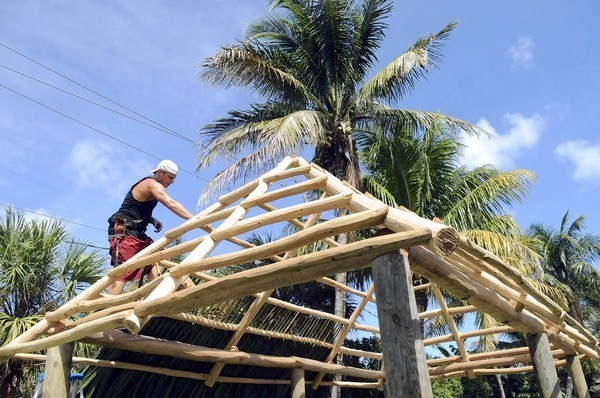
Not every wood performs equally outdoors. A board that looks solid at the lumber yard can crack, warp, or succumb to fungal rot within two summers if it's not suited for the conditions it faces. Tiki huts deal with a relentless combination of moisture, UV radiation, insect pressure, and temperature swings — especially in coastal, humid, and southern climates. Your lumber needs to handle all of that without demanding constant intervention from you. The good news: several proven species are purpose-built for exactly this kind of punishment.
Three species consistently lead the field for tiki hut builds: green oak, western red cedar, and ipe. Each brings distinct strengths, different price points, and varying workability characteristics. Understanding where each one excels — and where it falls short — is how you match the right material to your specific build, budget, and experience level. If you're also researching wood for your surrounding outdoor space, our guide on naturally bug and rot resistant wood types for patio furniture covers the full landscape of outdoor-rated species worth knowing.
Contents
- Best Wood for Tiki Hut Construction: A Side-by-Side Comparison
- Pro Tips for Selecting and Using Tiki Hut Wood
- What You'll Spend: Tiki Hut Wood Cost Breakdown
- How to Treat and Prepare Wood Before You Build
- Matching Your Wood Choice to Your Skill Level
- Troubleshooting Common Tiki Hut Wood Problems
- Frequently Asked Questions
Best Wood for Tiki Hut Construction: A Side-by-Side Comparison
Before diving into each species, it helps to see the full picture at a glance. The table below compares the most commonly used woods for tiki huts across five dimensions that matter most for outdoor builds: rot resistance, workability, insect resistance, average cost per board foot, and expected lifespan with proper maintenance.
| Wood Species | Rot Resistance | Workability | Insect Resistance | Avg. Cost (per board foot) | Expected Lifespan |
|---|---|---|---|---|---|
| Green Oak | High | Moderate | Moderate | $3–$5 | 20–30 years |
| Western Red Cedar | Very High | Easy | High | $4–$7 | 25–40 years |
| Ipe (Brazilian Walnut) | Exceptional | Difficult | Very High | $8–$14 | 40–75 years |
| Pressure-Treated Pine | Moderate | Easy | Low–Moderate | $1–$3 | 10–20 years |
| Cypress | High | Easy–Moderate | High | $5–$8 | 20–35 years |
Green Oak
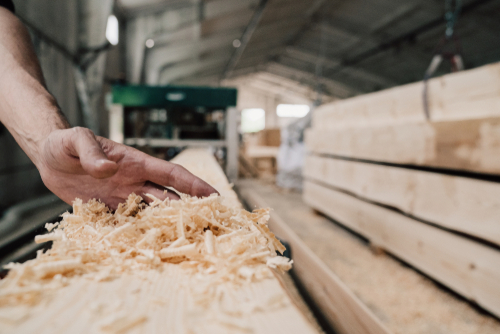
Green oak is freshly felled hardwood that hasn't been kiln-dried. That might sound like a liability, but for structural tiki hut builds it's actually a strategic advantage. Green oak is softer and more workable when freshly cut, making it easier to shape and join. As it dries in place over the first year or two, it hardens and locks into position — the structure literally gets stronger over time. Traditional timber-frame tiki builders have used this property for generations.
- High natural density resists decay once fully seasoned
- Tannins in the grain provide a degree of natural insect deterrence
- Works best for heavy structural members: posts, beams, and ridge poles
- Expect surface checking (shallow cracks along the grain) as it dries — this is cosmetic, not structural
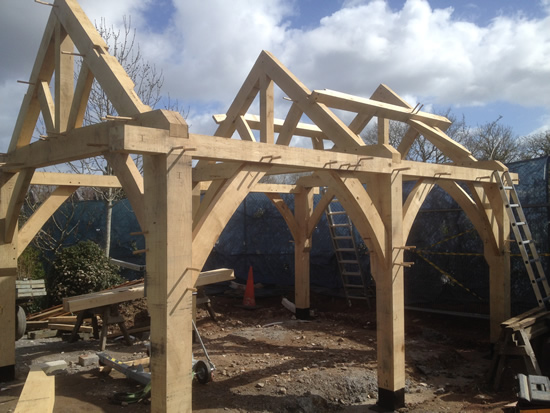
Green oak is not the right call for fine trim work or thin decorative pieces, where checking as it dries becomes a visible issue. It rewards careful pre-planning — measure and cut with intention, because this wood doesn't forgive sloppy layout. Sourcing typically requires a specialty sawmill rather than a big-box store, so factor that into your timeline.
Western Red Cedar
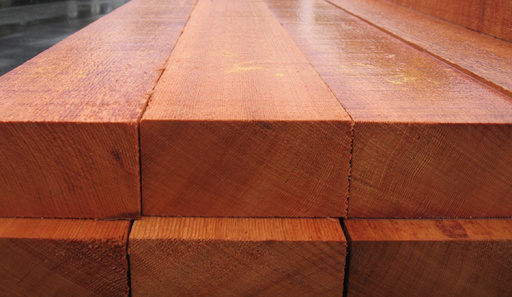
Western red cedar is the most builder-friendly option for tiki hut construction. It's lightweight, straight-grained, and easy to cut and fasten — qualities that make it a pleasure to work with regardless of your experience level. Its natural oils (thujaplicins) provide excellent resistance to moisture, rot, and insects without any chemical treatment required. That makes it a genuinely low-maintenance choice for structures facing year-round outdoor exposure.
- Natural aromatic oils repel fungi and insects without chemical additives
- Lightweight relative to its strength — easier to lift and position during framing
- Accepts stains and sealers readily for custom color and UV protection
- Resists shrinking and warping better than most softwoods
- Widely stocked at lumber yards nationwide — easy to source in quantity
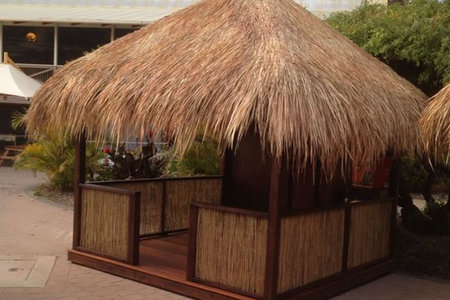
Western red cedar suits virtually every component of a tiki hut — structural posts, decorative trim, fascia boards, and rafter tails. It's the species most often recommended in residential tiki builds precisely because it hits a sweet spot between performance, aesthetics, and price. According to Wikipedia's entry on Thuja plicata, western red cedar has been used in outdoor construction for centuries, prized by Indigenous Pacific Coast peoples for exactly the same durability properties that make it valuable in modern tiki builds.
Ipe (Brazilian Walnut)
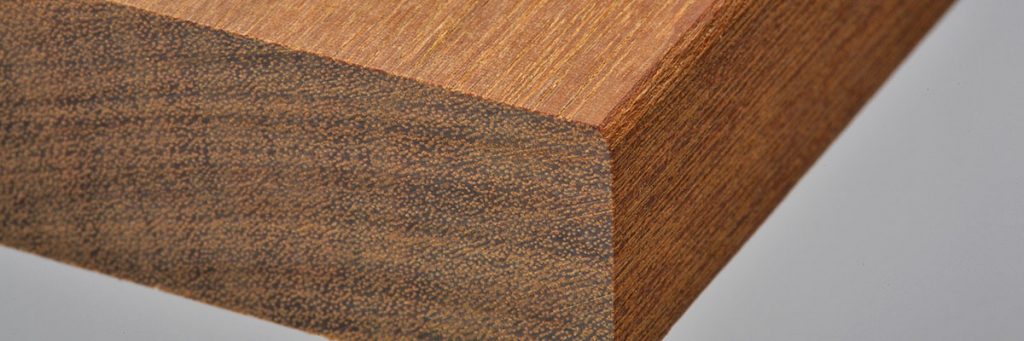
Ipe is the premium choice — and it earns that designation. This South American hardwood is so dense it actually sinks in water, which tells you everything you need to know about its durability. Ipe delivers a 40-to-75-year lifespan in outdoor applications, making it the closest thing to a permanent structure you can build from wood. It resists rot, insects, fire, and UV degradation at a level no other species on this list can match.
- Class A fire rating — equivalent to concrete and steel
- Janka hardness of 3,680 lbf — virtually impervious to denting and surface damage
- Naturally resistant to termites, marine borers, and mold growth
- Requires carbide-tipped saw blades and pre-drilled pilot holes for all fasteners
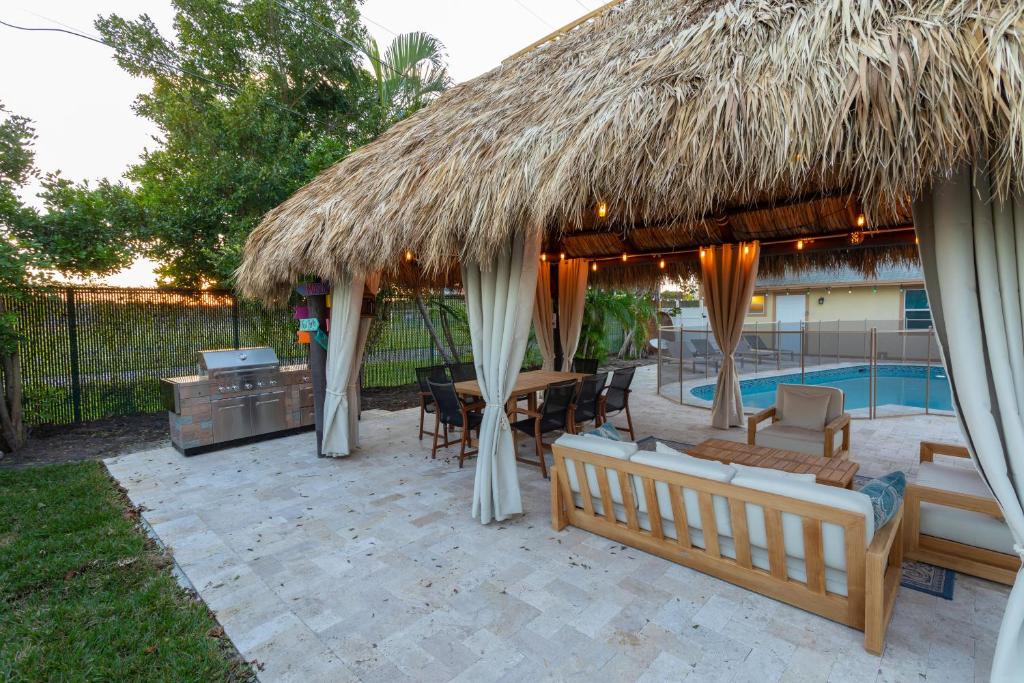
The trade-off is price and workability. Ipe costs two to four times more than cedar per board foot, and its extreme hardness demands specialized tools and patience during cutting and fastening. For most DIY builds, western red cedar delivers 80% of the performance at roughly half the cost. If longevity is your top priority and budget isn't a hard constraint, ipe is the clear winner.
Pro Tips for Selecting and Using Tiki Hut Wood
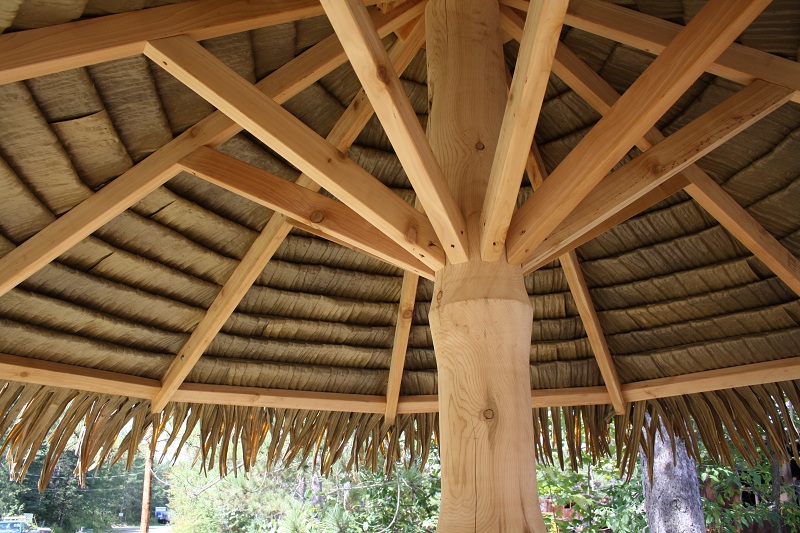
Selecting the right species is only the first step. How you handle, store, and finish your lumber before and during construction makes a significant difference in long-term performance. These tips reflect real-world tiki hut builds — not just manufacturer data sheets.
Sealing and Finishing
Pro tip: Always seal end grain immediately after cutting — exposed end grain absorbs moisture up to 250 times faster than face grain, and it's exactly where rot almost always begins.
- Use a penetrating oil finish (tung oil, teak oil, or pure linseed oil) on dense hardwoods like ipe — film sealers peel as the wood expands and contracts seasonally
- For cedar, a semi-transparent exterior stain preserves the natural look while adding UV protection
- Reapply finish every one to two years, prioritizing horizontal surfaces that trap standing water
- Store all lumber off the ground on level stickers (small spacer boards) and cover it with a tarp during construction to prevent moisture uptake before the structure is closed in
Hardware That Works With Your Wood
Use stainless steel or hot-dipped galvanized fasteners exclusively. Standard zinc-plated screws react with the tannins in oak and cedar, producing black staining that bleeds through finishes and accelerates corrosion at the fastener point. For ipe, use hidden fasteners whenever possible — surface screws in this species can split the board even with pre-drilled pilot holes. Get your fastener spec right from the start. Replacing corroded hardware midway through your hut's life is a painful, expensive project that proper hardware choices prevent entirely.
What You'll Spend: Tiki Hut Wood Cost Breakdown
Wood is typically the largest single line item in a tiki hut build. Costs vary by species, grade, and your region, but the ranges below reflect realistic retail pricing from lumber yards and home improvement stores.
Budget-Friendly Options
- Pressure-treated pine: $1–$3 per board foot. Affordable and widely available, but chemical preservatives require careful handling, and the lifespan is shorter than natural hardwoods. Reserve it for ground-contact posts where economics justify the trade-off.
- Green oak: $3–$5 per board foot. Strong structural value for the price. Sourcing is regional — expect to visit a specialty sawmill rather than a big-box store, which adds lead time to your project.

Premium Hardwoods
- Western red cedar: $4–$7 per board foot. The best value in the premium category. Nationally stocked and easy to source in the quantities a residential tiki hut requires.
- Cypress: $5–$8 per board foot. A regional specialty (primarily the southeast US) with excellent rot resistance and a striking grain pattern.
- Ipe: $8–$14 per board foot. The premium choice for maximum longevity. Source it through reputable tiki hut builders and specialty lumber suppliers who can verify sustainable harvesting practices.

For a mid-size residential tiki hut (10×10 to 12×12 feet), plan on spending between $800 and $2,500 for lumber alone, depending on your species choice. High-end ipe builds can push past $3,500 for structural materials only. These figures don't include thatch roofing, hardware, concrete for footings, or any decorative elements.
How to Treat and Prepare Wood Before You Build
Proper preparation before construction dramatically extends the life of your tiki hut. Skipping this step is one of the most common reasons builds deteriorate faster than they should. Here's the process professional builders follow consistently on every job.
Choosing a Treatment Method
Your treatment approach depends directly on your wood species:
- Naturally durable species (cedar, ipe, cypress): A penetrating oil finish is all you need. Their natural chemistry handles the heavy lifting — no added chemical preservatives required.
- Green oak: Allow it to dry in a covered outdoor space for two to four weeks before treating. Apply a water-repellent preservative once surface moisture has visibly dropped.
- Pressure-treated pine: Wait a full 90 days before applying any finish — the wood needs time to fully dry or finishes won't bond correctly and will peel within a season.
Step-by-Step Prep Process
- Inspect and sort your lumber first. Reject boards with severe knots, deep checks, or any signs of existing decay. Grade your material before it ever enters the structure.
- Cut to final dimensions before treating. Any saw cut made after sealing exposes raw end grain. Cut first, treat second — every time.
- Sand rough surfaces. A 120-grit pass opens the grain and allows penetrating oil to absorb deeper. Skip aggressive sanding on ipe — its natural surface oils resist penetration and mechanical preparation is more effective than added abrasion.
- Apply two coats of penetrating finish. Let the first coat absorb fully (typically four to six hours) before applying the second. Wipe off any excess before it skins over on the surface.
- Allow full cure time before assembly. Most penetrating oils reach full cure in 24–48 hours. Rushing into assembly traps uncured oil in joints, which can cause adhesion failures and localized rot over time.
Matching Your Wood Choice to Your Skill Level
The best wood for tiki hut construction isn't always the most exotic or the most expensive option — it's the one that matches your tools, your skills, and your patience. Choosing ipe for your first DIY structural build is a reliable way to turn a rewarding project into a frustrating one. Here's how to align your material selection with where you actually are as a builder.
For Beginners
Warning: Don't let a tight budget drive you toward pressure-treated pine as your primary structural material — the shorter lifespan means you'll spend more on repairs and replacement over time than you would have spent on cedar from the start.
If you're new to outdoor construction, western red cedar is your wood. It cuts cleanly with standard tools, accepts fasteners without pre-drilling on most sizes, and forgives minor errors in joinery. The straight grain makes it predictable — you'll know how it's going to behave before the saw touches the board. Stick to dimensional cedar from a home improvement store for easy sourcing, consistent sizing, and immediate availability.
For Experienced Builders
If you have outdoor construction experience and access to carbide-tipped tooling, both ipe and green oak open up options that simply aren't practical for newer builders. Green oak rewards timber-frame joinery skills — mortise-and-tenon connections, traditional wooden pegs — that produce structures with real character and decades of proven longevity. Ipe suits builders comfortable with hidden fastener systems and precise finish work. The results in both cases justify the additional complexity and effort.
Troubleshooting Common Tiki Hut Wood Problems
Even with the right species and proper preparation, issues can develop over time. Catching them early saves substantial repair costs. Here's what to watch for and how to respond before small problems become structural ones.
Warping and Cracking
- Surface checking (shallow cracks running along the grain) is normal in all outdoor wood and doesn't affect structural integrity. Fill deep checks with a flexible exterior wood filler if aesthetics matter to you.
- Cup warping in boards typically results from uneven moisture exposure — one face getting wet while the other stays dry. Back-sealing all boards on both faces before installation equalizes moisture movement and prevents this.
- Twist warping in structural members usually means the wood wasn't fully seasoned before installation. In green oak builds this is expected; use additional fasteners to hold members in position while the wood dries and settles.
Rot and Pest Damage
- Inspect post bases and any area where wood is near or in ground contact at least once per year. Early-stage rot feels soft and spongy — probe suspect areas with a screwdriver tip to detect it before it advances.
- Fungal decay in cedar or cypress almost always signals a finish failure. Strip, sand, and re-seal affected areas before the rot penetrates beyond the surface layer.
- Termite damage in even resistant species like ipe is possible in high-pressure environments (Florida, Gulf Coast). Look for hollow-sounding wood and small exit holes. Active infestations require professional treatment — surface applications won't reach deep enough to eliminate the colony.
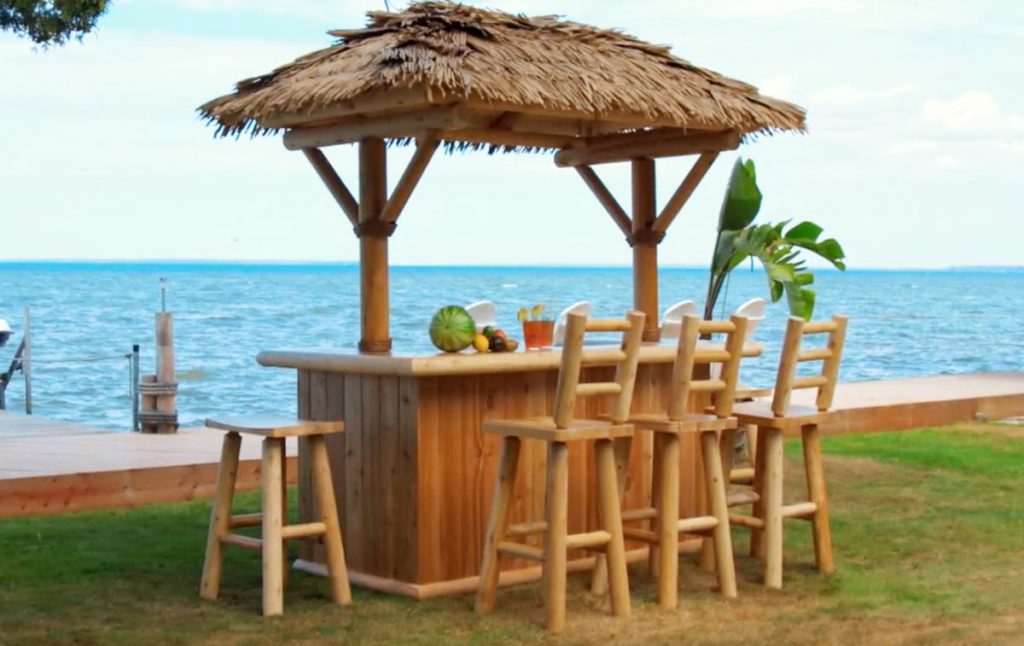

Once your structure is standing and looking the part, the fun part starts. A great tiki hut deserves a great atmosphere — stock your bar and check out our collection of tiki-inspired drink recipes to make your backyard island getaway complete.
Frequently Asked Questions
What is the most durable wood for a tiki hut?
Ipe (Brazilian walnut) is the most durable option available, with a lifespan of 40 to 75 years in outdoor conditions. Its exceptional hardness, Class A fire rating, and natural resistance to rot, insects, and UV degradation put it in a category of its own. For most residential builds, western red cedar offers the best durability-to-cost ratio.
Is pressure-treated wood safe to use for tiki hut construction?
Modern pressure-treated lumber (ACQ or CA treated) is safe for residential outdoor use, including structures where people gather. Avoid older CCA-treated wood, which contained arsenic. Use pressure-treated pine for ground-contact posts where economics make it the practical choice, but don't rely on it as your primary structural wood — its lifespan is significantly shorter than natural hardwoods.
How long does western red cedar last outdoors?
Western red cedar lasts 25 to 40 years in outdoor applications when properly finished and maintained. That figure assumes you apply a penetrating oil or semi-transparent stain at installation and reapply every one to two years. Neglected cedar can deteriorate significantly faster, especially in high-humidity or coastal environments where moisture exposure is constant.
Can I use bamboo as the primary structural wood for a tiki hut?
Bamboo works well for decorative elements and lightweight accent pieces but is not suitable as primary structural framing in most residential tiki hut builds. It's technically a grass, not a wood, and its hollow culm structure doesn't handle compressive loads the same way dimensional lumber does. Use it for cladding, railings, and decorative accents over a solid wood frame.
What wood should I use for tiki hut posts that contact the ground?
For any post that contacts the ground or is embedded in concrete, use pressure-treated pine rated for ground contact (UC4B or UC4C rating), or use concrete pier footings to keep all wood above grade. Even naturally durable species like cedar and ipe degrade faster when buried. Ground contact dramatically changes the moisture and bacterial environment the wood faces.
How often should I reseal tiki hut wood?
Plan to reapply a penetrating oil finish or exterior stain every one to two years. Horizontal surfaces — rafters, ledger boards, and any flat-facing members — need more frequent attention because they collect standing water. Do a simple water-bead test: if water no longer beads on the surface, the finish has worn through and it's time to reapply before moisture starts penetrating the grain.
Does the type of wood affect how I install the thatch roofing?
Yes, in a practical sense. Dense hardwoods like ipe require pre-drilling before any fastener installation, including the screws or wire ties used to secure thatch bundles to rafters. Cedar and green oak accept ring-shank nails and screws more readily without pre-drilling on most dimensions. Whatever species you choose, use stainless steel fasteners throughout the roofing assembly — standard steel corrodes quickly under thatch, which traps moisture against the fastener head.
Final Thoughts
You now have everything you need to choose the right lumber for your tiki hut build with confidence. Pick your species based on your budget, your skill level, and how long you want the structure to last — then prep it properly before a single board goes up. Head back to our tiki hut building guide, lock in your lumber choice, and start building the backyard escape you've been planning.


About William Murphy
William Murphy has worked as a licensed general contractor in Fremont, California for over thirty years, specializing in outdoor structures, green building methods, and sustainable design. During that career he has written about architecture, construction practices, and environmental protection for regional publications and trade outlets, bringing technical depth to subjects that most home improvement writers approach only from a consumer perspective. At TheBackyardGnome, he covers outdoor product reviews, backyard construction guides, and sustainable landscaping and building practices.
You can Get FREE Gifts. Receive Free Backyard Items here. Disable Ad Blocker to get them all now!
Once done, hit anything below