Our team spent one summer evening trying to recreate a cocktail from a memorable New Orleans trip — armed with a bottle of dark rum and some very misremembered proportions. The result was questionable at best. But that experiment kicked off a genuine obsession with tropical drinks that hasn't let up since. Anyone who's been bitten by the same curiosity will find that learning easy tiki cocktail recipes to make at home is one of the most rewarding upgrades to any outdoor entertaining routine — and our full tiki drink recipes collection is a natural companion to everything covered here.
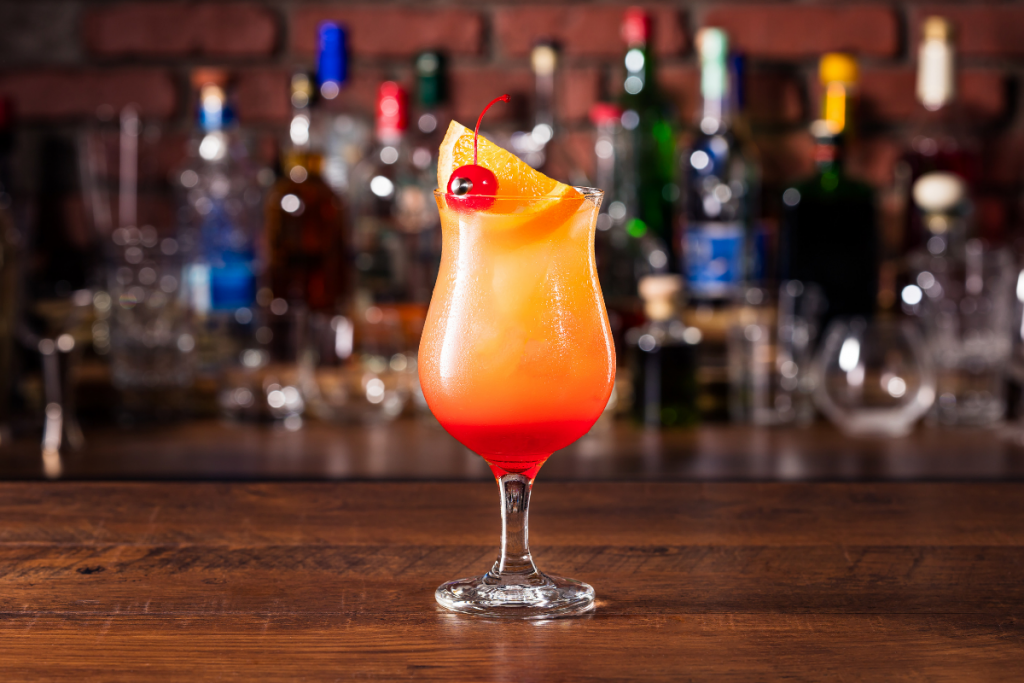
Tiki culture has deep roots in mid-20th century American bar history. According to Wikipedia's overview of tiki culture, the movement flourished after World War II, when returning veterans brought back a fascination with Polynesian and Caribbean aesthetics. Bars leaned hard into the theme — carved wooden mugs, bamboo décor, dramatic garnishes — and the cocktails followed suit. Most people recognize the hallmarks immediately: rum, citrus, passion fruit, orgeat (a sweet almond syrup), and crushed ice piled high.
What makes tiki drinks special isn't just the flavor — it's the complete sensory experience surrounding them. The glassware, the garnishes, the outdoor setting. Our team has always found that pairing great recipes with a well-designed backyard space elevates the whole experience dramatically, which is why this guide covers both.
Contents
Building a Tiki Atmosphere That Carries Through Every Season
Tiki nights work best when the environment matches the drinks. Most people start with the cocktails and work backward to the décor — which makes total sense — but investing a little time in the setup pays off every time guests arrive. The atmosphere is genuinely half the magic.
Glassware, Torches, and the Little Details
The classic tiki mug (a ceramic vessel shaped like a carved figure or face) is the most recognizable piece of tiki barware, but it's not strictly necessary for great results. What matters is having something tall and visually interesting to serve drinks in. Hurricane glasses, Collins glasses, and even mason jars work well for most recipes. Bamboo straws, paper umbrellas, and fresh fruit spears complete the look without much expense.


For outdoor lighting, tiki torches remain a crowd favorite — partly for ambiance, partly for their citronella-infused smoke that discourages insects. Anyone looking to build something more permanent might find our guide to tiki hut builders in the USA genuinely useful, as it covers residential installations that can turn a backyard corner into a fully realized tropical retreat.
Setting Up the Backyard as a Tiki Bar
A well-furnished outdoor seating area transforms a simple drinks night into a real event. Comfortable, weather-resistant furniture matters more than most people expect — our picks for the best patio conversation sets include options that pair naturally with a tropical aesthetic and handle regular outdoor use without fuss.

Pro tip: Before the first tiki night of any season, test all torches and check fuel levels ahead of time — a torch that sputters out mid-gathering kills the atmosphere in a hurry.
Easy Tiki Cocktail Recipes to Make — The Classics Worth Knowing
Every tiki tradition has a handful of foundation drinks that most people should learn first. These are the ones that appear on menus from Honolulu to Manhattan, and for good reason — they balance tropical sweetness with structural depth that keeps them interesting glass after glass.
The Hurricane
The Hurricane is arguably the most famous tiki cocktail in America, made iconic by Pat O'Brien's bar in New Orleans. The core recipe is deceptively simple: light rum, dark rum, passion fruit syrup, lime juice, and orange juice, shaken and served over crushed ice in the tall hurricane glass. The secret is using real passion fruit syrup rather than artificial blends — the difference in flavor is immediately noticeable and worth the extra effort to source.
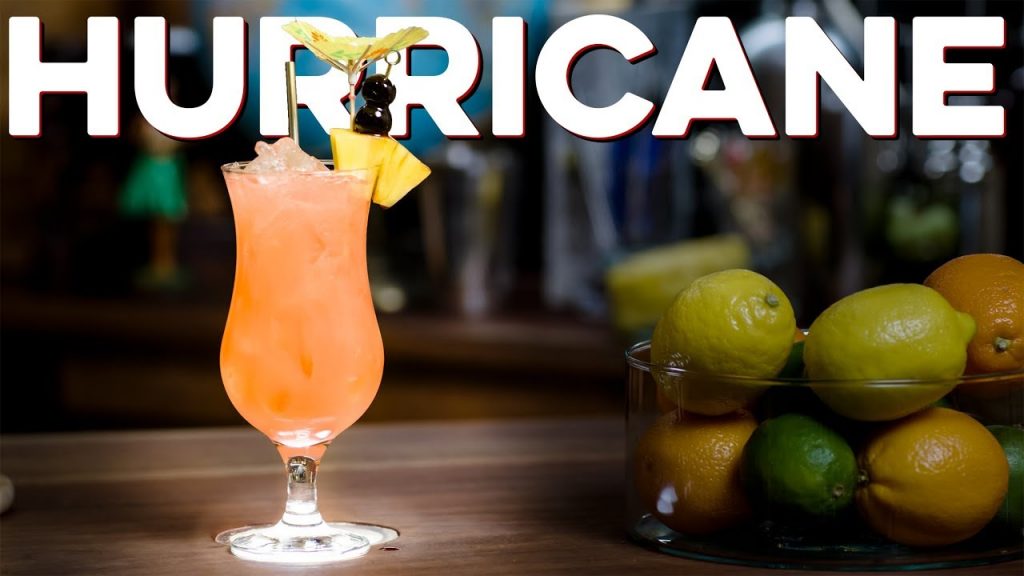
Our team considers the Hurricane a perfect entry point for anyone new to easy tiki cocktail recipes to make at home. The proportions are forgiving, the ingredients are widely available, and the drink scales beautifully into large batches for backyard gatherings.
The Piña Colada
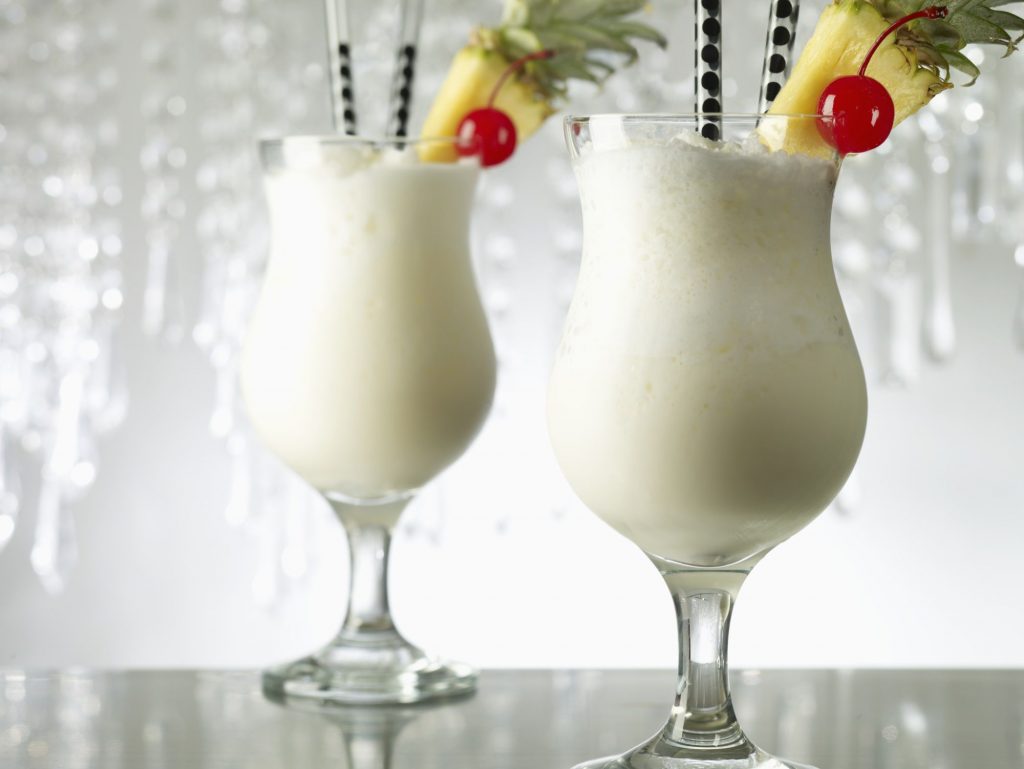
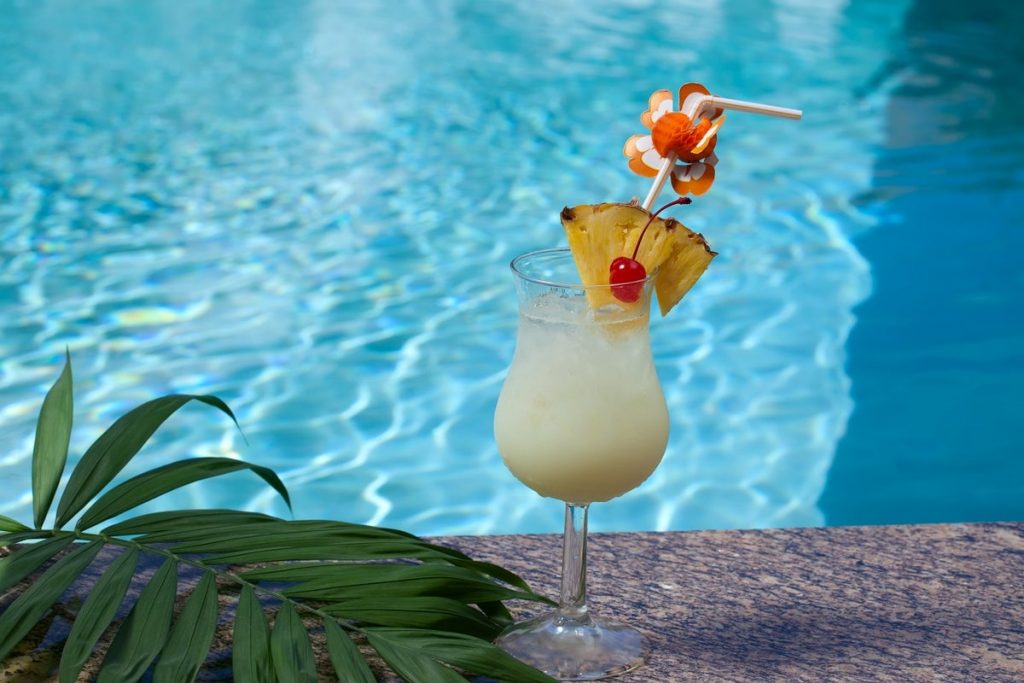
Few drinks evoke the feeling of a tropical vacation more immediately than a Piña Colada. Blended coconut cream, pineapple juice, and white rum form the base — simple, approachable, and endlessly adjustable. Adding a float of dark rum on top creates a more complex first sip without adding any extra complexity to the process. Most people find this drink consistently crowd-pleasing across different taste preferences.
Here's a practical comparison of the most popular easy tiki cocktail recipes to make at home, so anyone building out a home bar can plan the right ingredients from the start:
| Cocktail | Base Spirit | Difficulty | Flavor Profile | Best For |
|---|---|---|---|---|
| Hurricane | Light + Dark Rum | Easy | Sweet, fruity, citrus | Large backyard parties |
| Piña Colada | White Rum | Easy | Creamy, tropical | Casual evenings |
| Mai Tai | Aged Rum | Medium | Balanced, nutty-citrus | Any occasion |
| Jungle Bird | Rum + Campari | Medium | Bitter-sweet, tropical | Adventurous guests |
| Fog Cutter | Rum, Gin, Brandy | Hard | Complex, layered | Cocktail enthusiasts |
| Zombie | Multiple Rums | Hard | Boozy, tropical | Experienced drinkers |
When Tiki Drinks Make Every Gathering More Memorable
Tiki cocktails aren't locked into a single type of occasion. Part of what makes the style so durable is how naturally it adapts — from a lively backyard party with a dozen guests to a quiet evening on the patio with a single well-crafted drink and good conversation.
Backyard Parties and Larger Groups
Tiki drinks are built for scale. Most classic recipes batch easily — multiplying proportions by 10 or 20 for a punch bowl is completely straightforward. For anyone planning a larger outdoor birthday celebration, our guide to birthday party ideas for adults includes creative frameworks that pair naturally with a DIY tiki cocktail station as the centerpiece activity.
Comfortable seating is the backbone of any great outdoor gathering. Guests who are comfortable stay longer and drink better. Our picks for the best outdoor sectional furniture include weather-resistant options that work well in a tropical-themed setup and handle regular outdoor use across multiple seasons without showing wear.
Casual Evenings and Quiet Nights
Tiki cocktails aren't exclusively for crowds. A single well-made Mai Tai at sunset, served in a good glass with a fresh mint sprig, is a complete experience on its own. Our team frequently recommends tiki-themed evenings for anyone looking to elevate a quiet night at home — the ritual of making the drink is part of the enjoyment. Those who want to see what professionals do with these same recipes should check out our roundup of great tiki bars across the USA, where many of these classics were perfected over decades.
How to Mix a Tiki Cocktail Step by Step
Technique matters in tiki cocktails more than most people realize. These aren't drinks that benefit from guesswork — the balance between spirit, citrus, and sweetener is precise, and a few small adjustments separate a forgettable drink from a genuinely memorable one.
The Mai Tai — A Masterclass in Tiki Balance
Trader Vic's original formula uses aged Jamaican rum, fresh lime juice, orange curaçao, orgeat, and simple syrup. No pineapple juice, no grenadine, no shortcuts. The result is elegant rather than sweet — and it's widely considered the standard-bearer of the entire tiki cocktail canon. Most people who try it properly for the first time are surprised by how refined it tastes compared to bar versions that drift from the original.
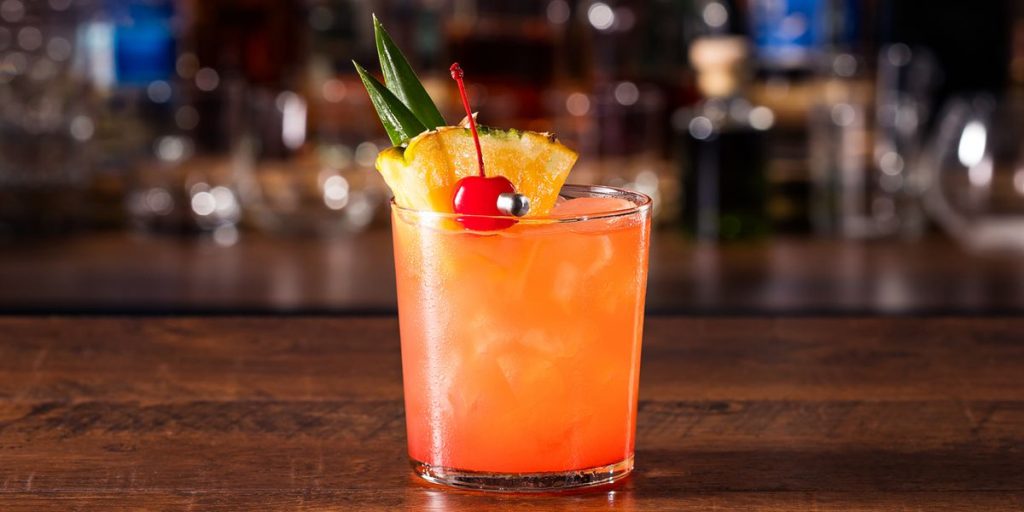
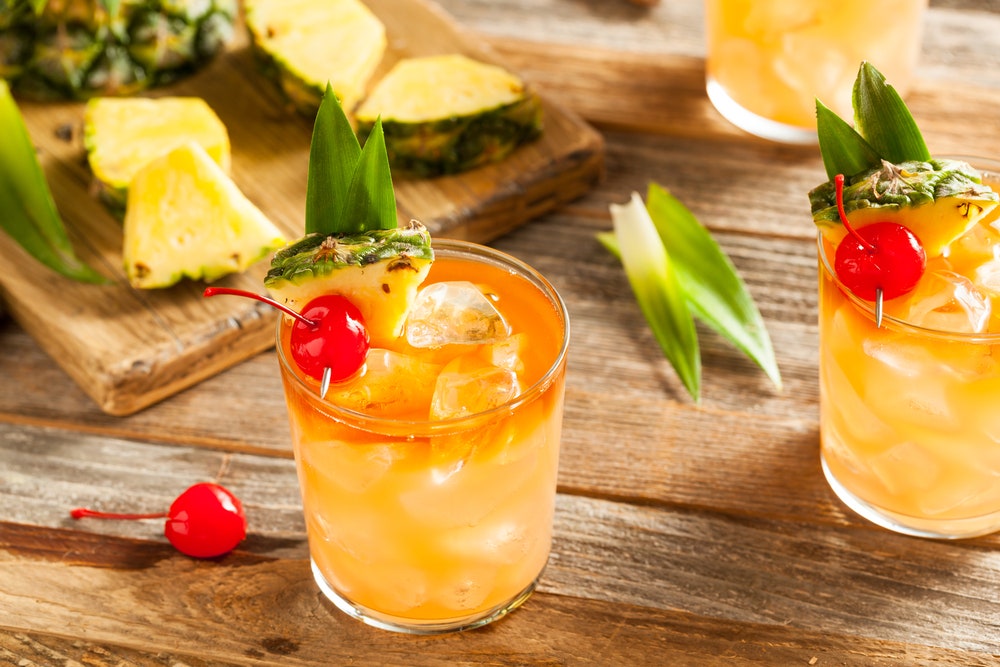
Our team's recommended method for a single-serving Mai Tai:
- Combine 2 oz aged rum, ¾ oz fresh lime juice, ½ oz orange curaçao, ½ oz orgeat, and ¼ oz simple syrup in a cocktail shaker.
- Fill the shaker with crushed ice and shake vigorously for 10–12 seconds.
- Strain into a rocks glass over fresh crushed ice.
- Garnish with a fresh mint sprig and a lime wheel — serve immediately.
Warning: Over-shaking a tiki cocktail past 15 seconds significantly dilutes the spirit base and flattens the flavor — 10 to 12 seconds is the reliable sweet spot for nearly every recipe.
The Jungle Bird and the Fog Cutter
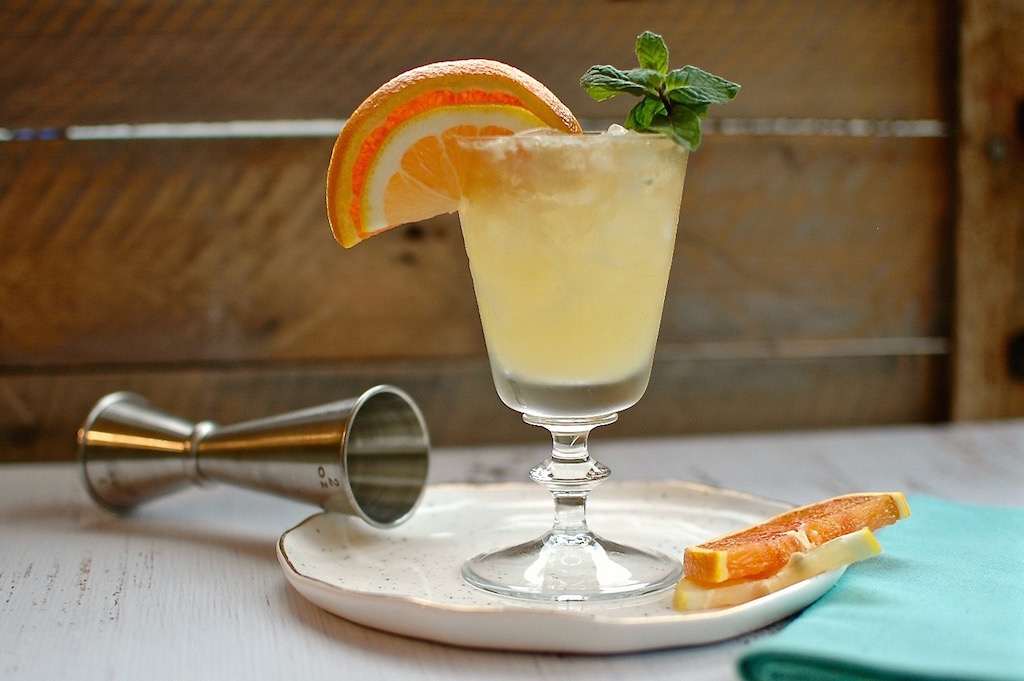
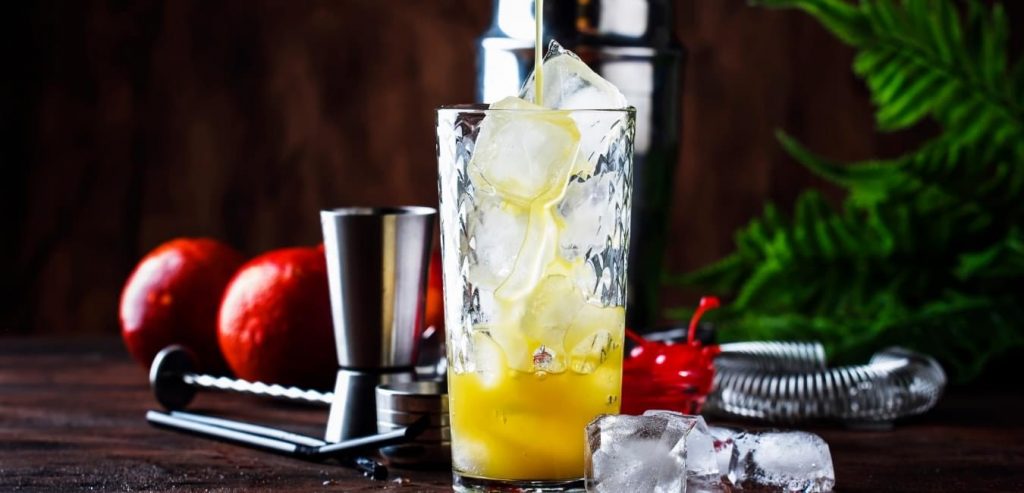
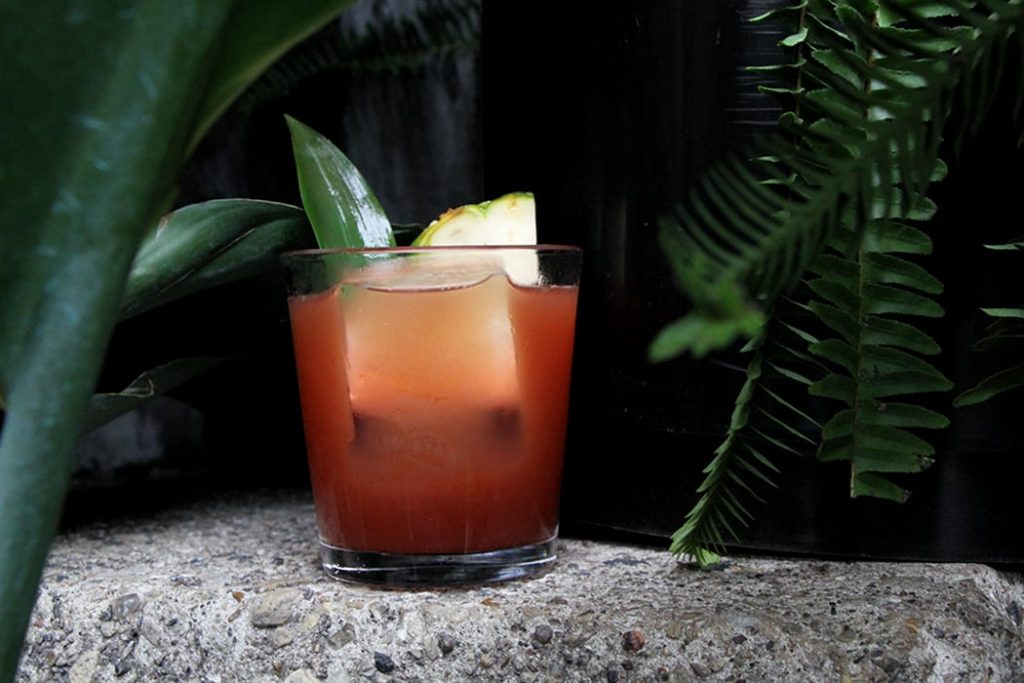
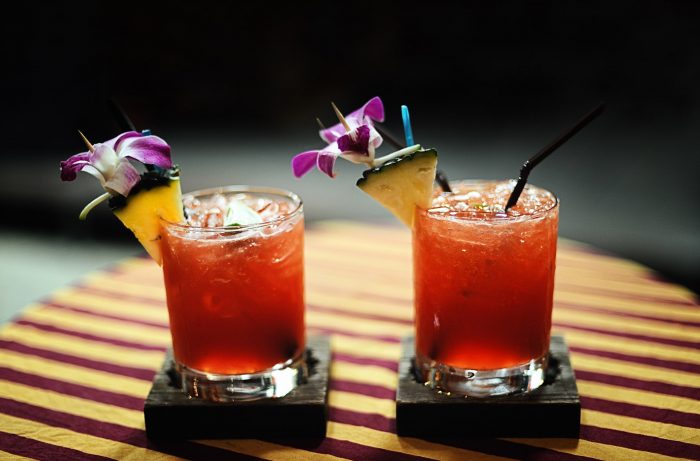
The Jungle Bird originated at a Kuala Lumpur hotel bar in the 1970s, built around the unusual pairing of Campari (a bitter Italian aperitif) and rum. It sounds counterintuitive, but the bitterness cuts beautifully through the sweetness of pineapple juice, producing a layered, complex drink. Most people try it once out of curiosity and request it again immediately.
The Fog Cutter takes a more ambitious approach — a three-spirit cocktail combining rum, brandy, and gin alongside orange juice, lemon juice, and orgeat. It's among the more demanding of the easy tiki cocktail recipes to make from a prep standpoint, but the result is impressively balanced given how many components are involved. Our team considers it a worthy goal once the simpler recipes feel comfortable.
What It Costs to Stock a Home Tiki Bar
Starting a home tiki bar doesn't require an overwhelming investment, but some upfront planning makes the process far more efficient. The biggest variable is the spirit selection — tiki cocktails draw from a wider range of rums than most home bars typically stock, and that difference matters for recipe quality.
Core Spirits and Mixers
A functional tiki bar needs at minimum a light rum, a dark or aged rum, orange curaçao or triple sec, and orgeat syrup. From there, most classic recipes are within reach. Adding gin and brandy opens up the Fog Cutter and several other multi-spirit builds. Fresh citrus — limes, lemons, oranges — is a recurring cost but non-negotiable for quality results; bottled juice simply doesn't deliver the same flavor balance that makes these drinks worth making.
For anyone interested in the full tiki aesthetic beyond just the drinks, our guide to where to buy tiki sculptures covers shops and sources that help complete the visual side of a home setup. Those who'd rather experience the real thing before committing to a home bar will find our roundup of floating tiki hut boat cruises in the USA a genuinely memorable way to benchmark expectations.
Tools and Glassware
Beyond spirits, the main equipment needed is a good cocktail shaker, a citrus juicer, and a muddler — three items that together cost well under $50 and last for years. A blender is necessary for Piña Coladas and any frozen variation. Glassware is the visible payoff: hurricane glasses, rocks glasses, and a handful of tiki mugs collectively run $30–$80 depending on quality and quantity. The long-term appeal of a home tiki bar is that costs are heavily front-loaded — after the first season, ongoing expenses drop to fresh citrus, syrups, and the occasional bottle refill. Most people find the setup pays for itself quickly compared to ordering the same quality drinks at a bar.
Frequently Asked Questions
What rum works best for tiki cocktails?
Most tiki recipes call for aged Jamaican or Barbadian rum, which brings complexity without overwhelming sweetness. Light Puerto Rican rum works well for Piña Coladas and Hurricanes, while dark Demerara rum adds depth to floats and layered drinks. Our team generally recommends keeping both a light and an aged rum on hand to cover the widest range of recipes without compromise.
Can tiki drinks be made without alcohol?
Absolutely. Most classic tiki recipes translate well to non-alcoholic versions by substituting the rum with a combination of tropical juices, coconut water, and a non-alcoholic spirit alternative. The orgeat, citrus, and garnishes still deliver much of the signature flavor and visual appeal that make tiki drinks distinctive and festive.
How important is fresh juice compared to bottled?
Fresh juice makes a significant and immediate difference in tiki cocktails. The citrus brightness in a Mai Tai or Hurricane depends on fresh lime or lemon juice — bottled versions tend to be sweeter and lack the natural acidity that balances the rum and sweeteners. Our team considers fresh citrus non-negotiable for any recipe where it's a primary ingredient.
What's the easiest tiki cocktail for someone just getting started?
The Piña Colada is consistently the most approachable starting point — it requires only three core ingredients, uses a blender rather than a shaker, and is forgiving about exact proportions. The Hurricane is a close second: straightforward to assemble, immediately crowd-pleasing, and easy to scale into large batches for gatherings without adding extra complexity.
How do most people garnish tiki drinks at home?
The most common garnishes are fresh mint sprigs, lime or orange wheels, maraschino cherries, and pineapple chunks or wedges. Paper umbrellas and bamboo picks add to the visual presentation without affecting flavor. A generous garnish — even a simple one — dramatically improves the perceived quality of the drink before the first sip is taken.
The best tiki bar in the world is the one in a backyard where the drinks are cold, the torches are lit, and the night has nowhere it needs to be.


About William Murphy
William Murphy has worked as a licensed general contractor in Fremont, California for over thirty years, specializing in outdoor structures, green building methods, and sustainable design. During that career he has written about architecture, construction practices, and environmental protection for regional publications and trade outlets, bringing technical depth to subjects that most home improvement writers approach only from a consumer perspective. At TheBackyardGnome, he covers outdoor product reviews, backyard construction guides, and sustainable landscaping and building practices.
You can Get FREE Gifts. Receive Free Backyard Items here. Disable Ad Blocker to get them all now!
Once done, hit anything below