The Open Land Conservancy of Chester County: Protecting Green Spaces for Residents
by William Murphy
Land conservation in Chester County, Pennsylvania stands as one of the region's most enduring civic commitments, where development pressure meets deliberate institutional preservation across a landscape of exceptional ecological and agricultural value. The Open Land Conservancy of Chester County has served as the institutional backbone of that effort, permanently protecting thousands of acres of farmland, woodlands, and riparian corridors. Residents who value accessible trails, clean watersheds, and the rural character of the countryside encounter the conservancy's legacy throughout Chester County's preserved landscapes.
Chester County occupies a particularly urgent position in Pennsylvania's conservation landscape, sitting at the intersection of intense suburban growth and deep agricultural heritage. The Open Land Conservancy operates as a nonprofit land trust, acquiring conservation easements and fee-simple properties to prevent development pressure from permanently erasing the landscapes that generations of residents have valued. Its protected lands encompass working farms, forested hillsides, wetland buffers, and public trail corridors that serve both ecological and recreational purposes throughout the county.
For those exploring the broader context of environmental stewardship in outdoor and residential settings, the Open Land Conservancy offers a compelling case study in locally driven, generationally sustained preservation. Understanding how this organization functions illuminates why organized, mission-driven conservation produces lasting benefits for communities, ecosystems, and the quality of daily life in areas facing relentless growth pressure.
Contents
- The Origins and Mission of the Open Land Conservancy
- Funding Land Conservation Chester County Pennsylvania
- What Land Conservation Delivers for Residents Today
- Benefits and Trade-Offs of Protected Green Spaces
- Easements, Partnerships, and Land Stewardship
- How Residents and Landowners Can Engage
- Misconceptions About Land Conservation Chester County Pennsylvania
- Frequently Asked Questions
The Origins and Mission of the Open Land Conservancy
Founding Purpose and Organizational Structure
The Open Land Conservancy of Chester County was established with a clear foundational purpose: to permanently protect the open spaces, working farms, and natural areas that give Chester County its distinctive rural and ecological character. As a nonprofit land trust operating under established national standards, the conservancy functions independently of government while actively partnering with public agencies, municipalities, and private landowners throughout the region. Its governance structure ensures long-term accountability to its conservation mission, with professional staff and trained volunteer stewards maintaining protected properties for the perpetual benefit of the surrounding community.
The organization's founding recognized that Chester County's combination of fertile soils, diverse watersheds, and scenic agricultural landscapes made it one of Pennsylvania's most critical conservation priorities. Without permanent legal protections in place, market forces alone would determine the fate of every undeveloped parcel, a prospect that conservationists, farmers, and outdoor enthusiasts recognized as incompatible with the region's long-term character. The conservancy's legal tools — primarily conservation easements and direct land ownership — were designed to create durable protections that survive changes in land ownership and political administration across generations.
Geographic Scope and Protected Lands
The conservancy's protected lands span Chester County's varied geography, from the rolling farmland of the southern and western townships to the forested ridgelines and creek valleys of the northern tier. This diversity reflects a deliberate strategy to protect not only visually prominent landscapes but also ecologically critical corridors that support wildlife movement, water filtration, and flood mitigation. Each protected parcel connects to a broader network of preserved open space that amplifies the conservation value of every individual property within the portfolio.
Funding Land Conservation Chester County Pennsylvania
Public Funding Mechanisms
Land conservation in Chester County, Pennsylvania relies on a layered funding architecture that draws from federal, state, and county sources to make permanent protection financially feasible. The Pennsylvania Growing Greener program, Chester County's dedicated open space funding initiative, and federal agricultural easement programs through the Natural Resources Conservation Service each contribute to the financial infrastructure that enables conservation transactions. Chester County has consistently ranked among the state's most active counties in leveraging these programs, reflecting both the urgency of development pressure and the sustained political will of residents to invest in preservation.
Private and Philanthropic Support
Private donations, land gifts, and foundation grants supplement public funding by filling gaps that government programs cannot address and by enabling the conservancy to move decisively when conservation opportunities arise without advance notice. Many landowners choose to donate conservation easements outright or to sell them at below-market prices as a form of charitable contribution, receiving corresponding tax benefits while achieving their personal stewardship goals. The combination of public and private funding allows the conservancy to pursue a broader portfolio of protection than either funding stream could sustain independently.
| Funding Source | Type | Primary Role | Notes |
|---|---|---|---|
| PA Growing Greener Program | State Grant | Easement acquisition funding | Competitive application process |
| Chester County Open Space Program | County Funding | Matching funds for projects | Coordinates with municipal programs |
| USDA NRCS Farmland Programs | Federal | Agricultural easements | Prioritizes working farmland |
| Private Donations and Bequests | Philanthropic | Fills critical funding gaps | Individual and foundation gifts |
| Municipal Open Space Funds | Local Government | Project-by-project support | More than 20 municipalities participate |
| Land Gifts and Bargain Sales | Landowner Contribution | Donated easements or land title | May generate significant tax benefits |
What Land Conservation Delivers for Chester County Residents Today
Trail Access and Outdoor Recreation
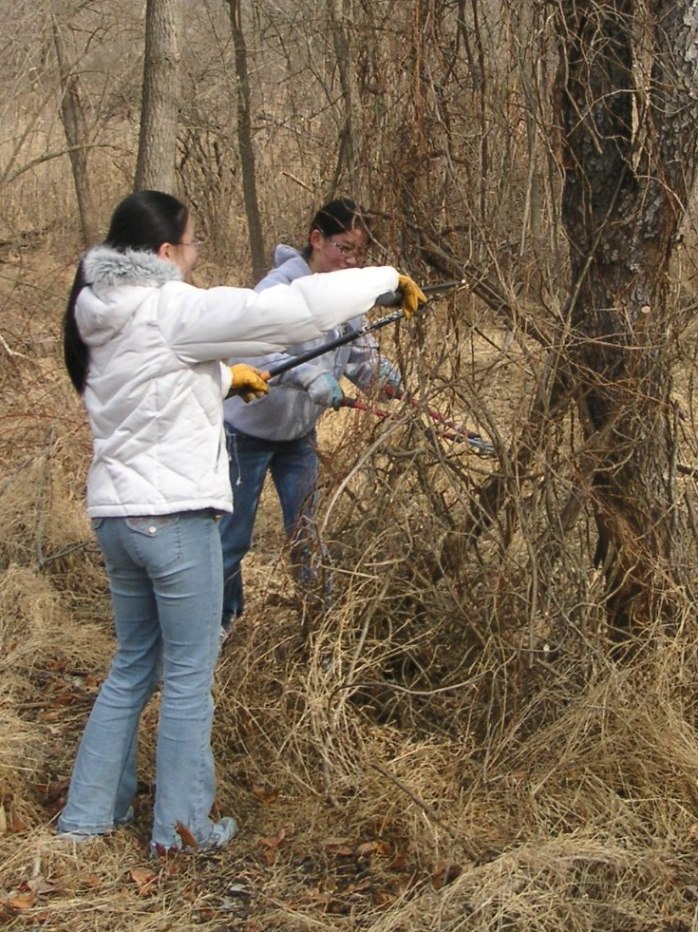
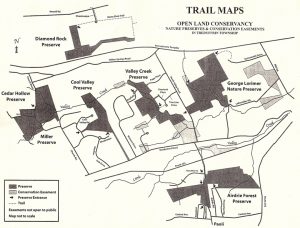
One of the most tangible benefits of the conservancy's work is the network of public trails crossing its protected lands, offering residents direct access to woodland walks, meadow paths, and streamside corridors without leaving the county. These trails serve hikers, trail runners, birdwatchers, and families seeking outdoor recreation in a region where undeveloped land faces constant pressure from residential and commercial development. The conservancy's stewardship program maintains trail infrastructure, manages invasive vegetation, and ensures that protected lands remain both accessible and ecologically functional over time.
Ecological and Water Quality Benefits
Beyond recreational access, the conservancy's protected lands perform critical ecological functions that benefit the entire county regardless of whether any individual resident ever sets foot on them. Forested stream buffers filter agricultural and stormwater runoff while moderating stream temperatures that support aquatic life, and preserved wetlands absorb floodwaters and recharge groundwater supplies that municipalities draw from for drinking water. These ecological services, largely invisible in daily life, translate directly into reduced water treatment costs and greater community resilience against flooding events. The conservancy's attention to riparian corridors and connected habitat networks amplifies these benefits well beyond the boundaries of any individual protected parcel.
Benefits and Trade-Offs of Protected Green Spaces
Advantages for Landowners and Communities
For landowners, placing a conservation easement on their property offers a durable means of honoring stewardship values while potentially receiving meaningful financial and tax benefits that reflect the permanent nature of the commitment. The property remains in private ownership, and the landowner retains the right to use, farm, and pass on the land — the easement restricts future development to preserve the conservation values agreed upon at the time of donation. Communities surrounding protected lands benefit from stable property values, reduced stormwater infrastructure demands, and the social and psychological value of accessible natural areas, all representing real and measurable returns on conservation investment.
A conservation easement is permanent by design — landowners should review all terms with qualified legal counsel before proceeding, as the restrictions bind every future owner of the property without exception.
Considerations and Limitations
Conservation easements carry trade-offs that prospective donors must understand clearly before committing to any agreement. Once granted, an easement removes development rights permanently, which means future landowners cannot build subdivisions, commercial facilities, or other uses restricted by the easement terms regardless of future market conditions or ownership changes. The tax benefits — while real and often significant — should not be treated as the primary motivation for conservation decisions, since the financial calculus depends on individual circumstances that vary considerably across properties and ownership structures. The conservancy works transparently with potential donors to ensure that easement terms accurately reflect both the landowner's intentions and the ecological priorities of the specific property under consideration.
Easements, Partnerships, and Land Stewardship
How Conservation Easements Function
A conservation easement is a voluntary legal agreement between a landowner and a qualified land trust or government agency, in which the landowner permanently restricts certain uses of the property to ensure its conservation values are protected in perpetuity. The Open Land Conservancy monitors each of its easement properties on an annual basis, documenting conditions and enforcing the terms against any violations that compromise the conservation values the easement was designed to protect. This monitoring obligation — and the legal standing to enforce easements indefinitely — is one of the defining responsibilities that distinguishes accredited land trusts from more loosely structured conservation organizations.
Partner Organizations and Regional Coordination
The conservancy's effectiveness depends significantly on its network of partner organizations, including municipal governments, the Chester County Planning Commission, and neighboring land trusts that share conservation priorities across county boundaries. Regional cooperation ensures that protected properties contribute to a contiguous conservation landscape rather than isolated pockets of preservation surrounded by development. Readers familiar with the work of the Lancaster County Conservancy and its approach to regional partnership will recognize the same institutional pattern that characterizes effective land protection programs throughout Pennsylvania. No single organization can protect a regional landscape alone — conservation success at scale requires coordinated, multi-stakeholder effort sustained over decades.
How Residents and Landowners Can Engage
Volunteering and Trail Stewardship
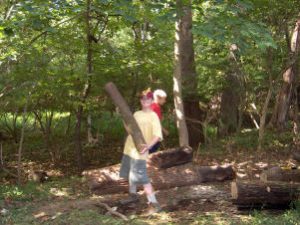
The conservancy offers multiple pathways for community engagement, from organized trail maintenance events to educational programs that connect residents with the protected landscapes near their homes. Volunteer stewardship groups adopt specific trail sections or natural areas, contributing labor and local knowledge to the conservancy's monitoring and maintenance work across the portfolio. These volunteer contributions are not supplementary to the conservancy's operations — they represent a genuine operational component of how the organization manages its protected lands throughout the county. Chester County residents looking to combine conservation values with outdoor recreation will find the conservancy's volunteer program a direct and meaningful avenue for both.
Options for Landowners with Conservation-Worthy Properties
Landowners whose properties carry conservation value — whether as farmland, mature forest, wetlands, or stream corridors — can engage the conservancy at various stages of the process, from initial exploratory conversations to formal easement negotiations and closing. The conservancy's staff can assess a property's conservation significance, explain the range of tools available, and connect landowners with legal and financial advisors who specialize in conservation transactions. Those familiar with how organizations like The Westmoreland Conservancy has cultivated long-term landowner relationships across western Pennsylvania will recognize the model of patient, trust-based engagement that effective land trusts consistently employ.
Misconceptions About Land Conservation Chester County Pennsylvania
Addressing Common Misunderstandings
Several persistent misconceptions circulate about land conservation that discourage potential landowner donors or create confusion among the general public about what conservation actually entails. One common misunderstanding holds that conservation easements require granting public access to the protected property — in fact, public access is entirely optional and included only when the landowner and the conservancy mutually agree that it serves the conservation mission. Another misconception is that government agencies own or control easement properties; in the standard model, the landowner retains full legal title and all legitimate private property rights not specifically restricted by the negotiated easement terms.
Clarity on Public Access and Property Rights
Conservation easements restrict development rights, not necessarily personal use or private enjoyment of the land — a distinction that proves critical for landowners considering whether permanent protection aligns with their long-term intentions and lifestyle. The easement document defines with legal precision which uses are prohibited and which are expressly permitted, tailored to each individual property's circumstances rather than applied as a standardized template across all protected lands. Landowners who initially fear losing practical control of their property often discover, after reviewing actual easement terms, that the restrictions address only the development rights they intended to surrender, while farming, forestry, and residential use within the existing footprint remain fully permitted.
Frequently Asked Questions
What is the Open Land Conservancy of Chester County?
The Open Land Conservancy of Chester County is a nonprofit land trust that permanently protects farmland, forests, wetlands, and open spaces across Chester County, Pennsylvania, primarily through conservation easements and direct land ownership. It operates independently of government while partnering with public agencies and municipalities.
How does land conservation in Chester County Pennsylvania benefit local residents?
Land conservation in Chester County preserves public trail networks, protects drinking water quality through riparian buffers, maintains the agricultural landscape that defines the county's character, and ensures open space remains available for outdoor recreation and ecological functions that serve the entire community.
What is a conservation easement and how does it work?
A conservation easement is a voluntary legal agreement in which a landowner permanently restricts development rights on their property while retaining ownership and most other private uses. The land trust holds and enforces the easement, monitoring the property annually to ensure compliance with the agreed restrictions in perpetuity.
Does placing a conservation easement on property require allowing public access?
No. Public access is entirely optional and included only when both the landowner and the conservancy agree it serves the conservation mission. The majority of easement properties in Chester County remain in fully private use with no public access required.
How is the Open Land Conservancy of Chester County funded?
The conservancy is funded through state and county open space grants, federal agricultural easement programs, private donations from individuals and foundations, and bargain-sale or donated easements from landowners committed to permanent conservation. Multiple funding streams allow the conservancy to pursue a broad portfolio of protection.
Can a landowner sell their property after placing a conservation easement on it?
Yes. Conservation easements run with the land, meaning the restrictions transfer automatically to any future owner. Landowners retain the full right to sell, transfer, or bequeath the property, but all future owners must honor the easement terms permanently and without modification.
How can Chester County residents volunteer with the conservancy?
Residents can participate in organized trail maintenance events, adopt specific natural areas for ongoing stewardship, engage in educational programming, or support the conservancy through financial donations. Volunteer activities are coordinated throughout the year across the conservancy's protected properties in Chester County.
How does the Open Land Conservancy relate to other Pennsylvania land trusts?
The Open Land Conservancy is one of many accredited land trusts operating across Pennsylvania, each focused on a specific geographic region. Organizations share conservation tools, funding strategies, and policy advocacy priorities, creating a statewide network of permanent protection that extends well beyond any single county's borders.
The landscapes that communities choose to protect today become the foundation upon which every future generation builds its relationship with the natural world.


About William Murphy
William Murphy has worked as a licensed general contractor in Fremont, California for over thirty years, specializing in outdoor structures, green building methods, and sustainable design. During that career he has written about architecture, construction practices, and environmental protection for regional publications and trade outlets, bringing technical depth to subjects that most home improvement writers approach only from a consumer perspective. At TheBackyardGnome, he covers outdoor product reviews, backyard construction guides, and sustainable landscaping and building practices.
You can Get FREE Gifts. Receive Free Backyard Items here. Disable Ad Blocker to get them all now!
Once done, hit anything below