Have you ever wondered what it would feel like to leave the suburbs behind, step onto a dirt trail, and find yourself surrounded by wild coastal canyon land — all within minutes of Orange County's busiest streets? The Laguna Greenbelt Orange County delivers exactly that experience. This interconnected network of parks and preserves protects thousands of acres of native habitat, ridgeline terrain, and coastal canyon wilderness right in the heart of one of California's most developed counties. Whether you're a hiker, a naturalist, or someone who simply cares about protecting natural open space, what's happening here is worth your attention. This guide covers the Greenbelt's history, its trails, its wildlife, and — most importantly — how you can be part of keeping it alive.
The Greenbelt isn't a single park with one entrance and one parking lot. It's a mosaic of public lands and privately protected parcels, stitched together over decades through advocacy, acquisition, and partnership between conservation groups and government agencies. What makes it remarkable isn't its size alone — it's what that size makes possible for both wildlife and people.
Once you understand the forces that shaped this landscape, a walk through it becomes something more than exercise. It becomes a conversation with decades of environmental work. Let's start at the beginning.
Contents
A Living History: How the Laguna Greenbelt Came to Be
Origins of the Greenbelt Movement
The fight to protect the canyons and ridges above Laguna Beach didn't happen overnight. Conservation advocates began pushing to preserve this land as far back as the 1960s and 1970s, when Southern California's development boom threatened to flatten every open hillside in its path. Local residents, alarmed by how fast the coastal hills were being consumed by tract homes and commercial development, organized to protect what remained of the native sage scrub habitat surrounding the city.
Laguna Greenbelt, Inc. — a local nonprofit — was central to those early battles. Through land acquisition campaigns, ballot measure advocacy, and partnerships with county and state agencies, the organization helped secure thousands of acres that now form the core of the protected network you can explore on foot or by bike today. It's a story that parallels conservation victories in other parts of the country: organizations like the Westmoreland Conservancy in Pennsylvania show that determined community advocates can outpace development pressure when they stay focused over the long haul.
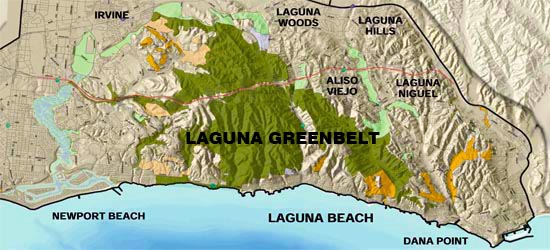
The Coastal Greenbelt Preserve
The Coastal Greenbelt Preserve is one of the most ecologically significant pieces of the larger network. Managed through cooperation between state and county agencies, it protects some of the most intact coastal sage scrub habitat remaining in California. The preserve connects directly to Laguna Coast Wilderness Park, Crystal Cove State Park, and Aliso and Wood Canyons Wilderness Park — forming a continuous chain of wild land stretching from the inland hills to the Pacific coastline.
This connectivity is deliberate. Conservationists understood from the start that isolated habitat patches can't sustain themselves. Wildlife needs room to move between areas. Plants need genetic diversity across a broad landscape. A preserve surrounded on all sides by asphalt is a biological island — and islands eventually collapse.
What You'll Find Inside the Preserve
Native Plants and Ecosystems
Step into the Greenbelt and you enter one of California's most threatened plant communities: coastal sage scrub (a low-growing, drought-adapted shrubland with a distinctive herbal scent after rain). This ecosystem — sometimes called "soft chaparral" — is dominated by California sagebrush, black sage, lemonade berry, and laurel sumac. Statewide, less than 15% of its original range survives intact.
Beyond the sage scrub, you'll find:
- Oak woodland in shaded canyon bottoms, providing cool canopy habitat
- Riparian (streamside) corridors lined with willows and sycamores
- Native wildflower patches that bloom brilliantly in spring
- Cactus scrub on sun-baked south-facing slopes
The ecological diversity here rivals what you'd find in many national parks — and it sits within easy driving distance of millions of Southern California residents.
Wildlife You Might Encounter
The Greenbelt supports a surprisingly rich roster of animals. Mountain lions, mule deer, coyotes, bobcats, and over 150 bird species have all been documented within the network. The California gnatcatcher — a small, federally threatened songbird — depends entirely on coastal sage scrub habitat like what the Greenbelt protects. Without these acres, the bird simply has nowhere left to go.
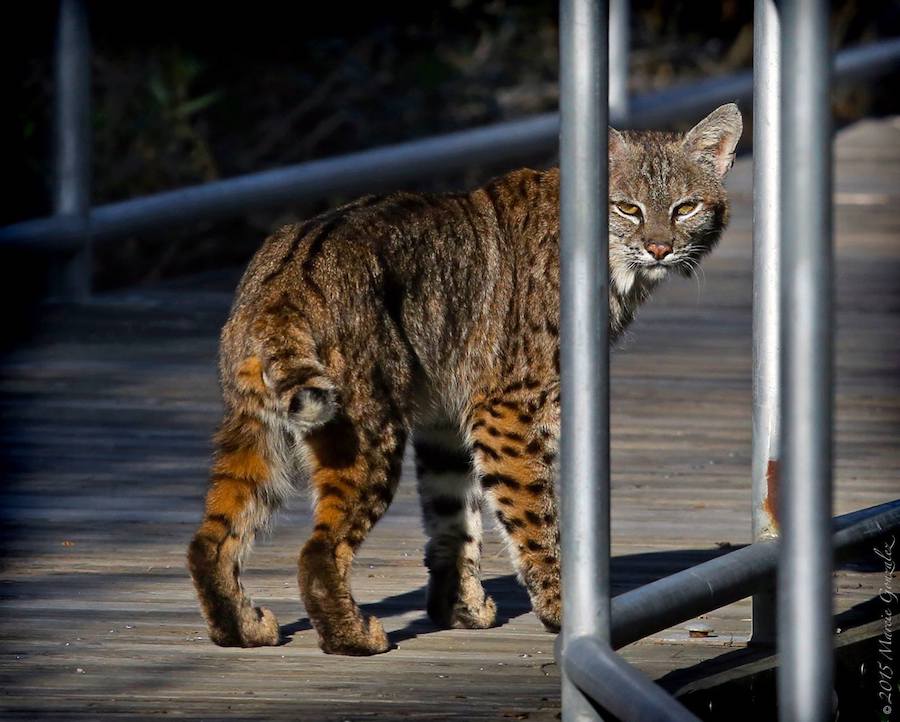
Bobcats are particularly active at dawn and dusk along the canyon trails. If you spot one, give it space and consider yourself fortunate.
Wear earth-tone colors and start your hike before 8 a.m. — wildlife is most active in the first hour after sunrise, and you're far more likely to spot bobcats, deer, and hawks when the trails are still quiet.
Hiking Laguna Greenbelt Orange County: Trail Options for Every Level
Beginner-Friendly Walks
You don't need to be a seasoned hiker to enjoy the Greenbelt. Several entry points offer well-maintained, relatively flat trails that work well for families, first-timers, or anyone who just wants a relaxed walk through natural scenery without a lot of elevation.
- Nix Nature Center Loop (Laguna Coast Wilderness Park) — Under 2 miles, partially paved, interpretive signage along the route, great for kids
- Moro Canyon Trail (Crystal Cove State Park) — Gradual grade, coastal views, about 3.5 miles round-trip
- Aliso Creek Trail — Flat riparian corridor, excellent for birdwatching, stroller-accessible in sections
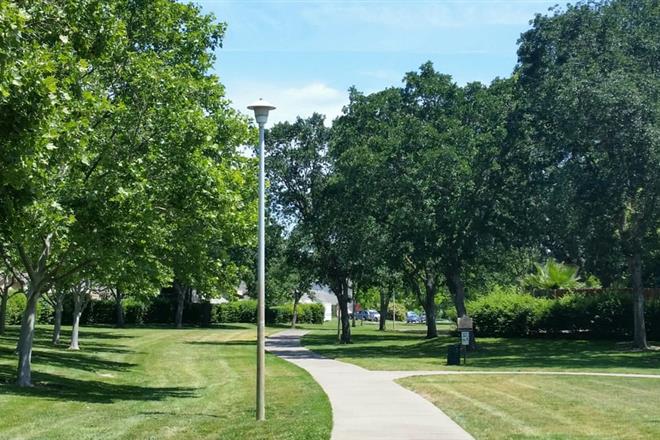
These routes give you genuine wilderness without demanding much in return. Comfortable walking shoes, sunscreen, and a water bottle are all you need to get started.
More Challenging Routes
If you want a workout with panoramic payoff, the ridge trails above Laguna Beach deliver it. The elevation gains are real, but so are the views — on a clear day you can see the Pacific stretching south toward San Diego.
- West Ridge Trail — 6+ miles with sustained elevation gain, sweeping ocean views along the ridgeline
- Laguna Coast Wilderness Multi-Loop — 8–12 miles depending on the route combination you choose
- Bommer Canyon to Laguna Link — Connects Irvine open space to Laguna trails; popular with mountain bikers as well
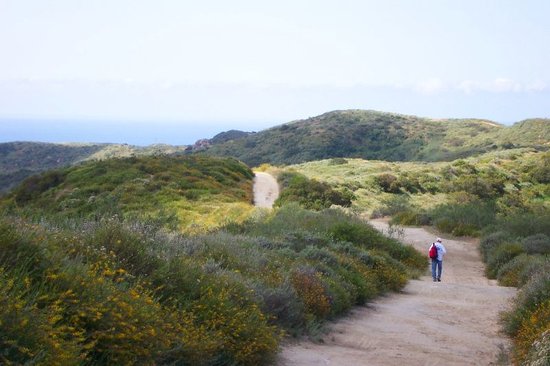
For anything over 5 miles, start before 9 a.m. The exposed ridgeline gets brutal once the Southern California sun climbs. Shade on these routes is minimal.
What It Costs to Visit the Greenbelt
Parking and Fees Breakdown
Most of the Laguna Greenbelt is free to enter on foot. Parking, however, varies by location — and the fees can add up if you visit regularly. Here's what you can expect at the main access points:
| Access Point | Parking Fee | Trail Access Fee | Annual Pass Option |
|---|---|---|---|
| Laguna Coast Wilderness Park (Nix Center) | $3/hour or $15/day | Free | OC Parks Annual Pass (~$50–$70) |
| Crystal Cove State Park | $15/vehicle | Free | CA State Parks Annual Pass (~$125) |
| Aliso and Wood Canyons Wilderness Park | Free lots available | Free | N/A |
| Laguna Beach street parking (neighborhood trailheads) | Free to $2/hour metered | Free | N/A |
The OC Parks Annual Pass pays for itself in three or four visits and covers most county-managed Greenbelt trailheads. If you already visit Crystal Cove or other California state parks, the statewide annual pass is the smarter long-term investment.
What to Bring With You
The Greenbelt doesn't require expensive gear. A few essentials, though, make a significant difference:
- At least 2 liters of water per person — there are no water fountains on most backcountry trails
- Broad-spectrum sunscreen and a wide-brimmed hat — coastal sun is deceptively intense year-round
- Offline trail map downloaded before you go — cell service drops out in canyon sections
- Sturdy closed-toe shoes — the terrain turns rocky fast once you leave paved paths
- Snacks for anything over 4 miles
How the Land Is Kept Alive
Conservation Stewardship on the Ground
Managing thousands of acres of wildland inside one of California's most developed counties takes serious, ongoing effort. The Laguna Greenbelt network depends on a combination of county rangers, state park staff, nonprofit organizations, and regular volunteers to keep trails functional, invasive species under control, and wildlife habitat intact.
Invasive plant removal is one of the most labor-intensive parts of the job. Black mustard, pampas grass, and ice plant all spread aggressively through disturbed soil and can crowd out native vegetation within a few seasons. According to the National Park Service's invasive species program, invasive plants cost U.S. land managers billions annually to manage — and coastal sage scrub ecosystems are among the most vulnerable to these pressures.
Restoration crews also monitor canyon stream health, track post-fire vegetation recovery, and conduct wildlife population surveys. The data collected informs future management decisions and supports grant applications that fund the work.
Ways to Get Involved
You don't need any special credentials to volunteer here. Trail maintenance days, invasive plant pulls, wildlife monitoring surveys, and public education programs all welcome community participants. Showing up consistently matters more than showing up with expertise.
This model of sustained community engagement is what distinguishes thriving preserves from those that gradually degrade after the initial excitement wears off. Organizations like the Lancaster County Conservancy in Pennsylvania and the Manada Conservancy have built long records of community-driven land stewardship that prove the same principle: protected land needs active, consistent human care to remain genuinely healthy.
The Wildlife Corridor: A Long-Term Plan for Survival
What the Corridor Aims to Achieve
The most ambitious part of the Laguna Greenbelt story isn't the land already protected — it's the plan to link it all together. Wildlife biologists are clear: isolated habitat fragments can't sustain large mammal populations over the long term. When a mountain lion can't travel between territory ranges, when a deer herd can't access water sources beyond a single canyon, the genetics of those populations degrade within a few generations.
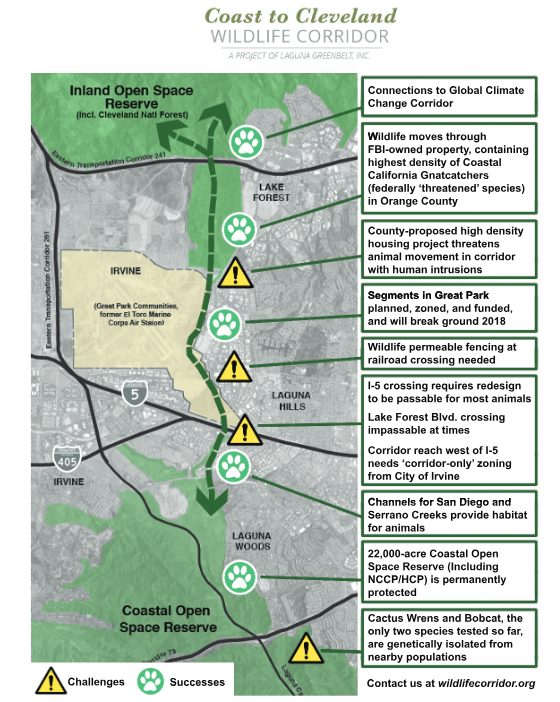
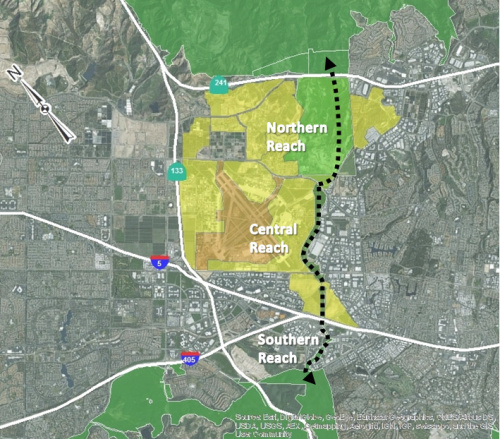
The Orange County Wildlife Corridor initiative aims to connect the Laguna Greenbelt to the Cleveland National Forest and other inland preserves — creating a linked network stretching from the Pacific coast deep into the mountains. This landscape-scale connection gives large predators like mountain lions the territory they need to maintain genetically diverse, self-sustaining populations.
How Communities Are Driving Change
The corridor plan is a community project as much as a scientific one. Homeowners along key linkage zones are being encouraged to adopt wildlife-friendly landscaping. Cities are rethinking road placement and investing in wildlife underpasses beneath major thoroughfares. Schools have begun integrating the corridor into science education.
If your backyard borders open space — even partially — you're already part of this equation. Removing unnecessary fencing, planting native species instead of ornamental exotics, and keeping outdoor lighting dim at night all reduce the friction that fragments habitat at the property scale. Multiplied across thousands of households, these individual choices reshape the landscape in ways that matter.
Final Thoughts
The Laguna Greenbelt Orange County is a genuine conservation success story — one still being written by the people who show up, volunteer, advocate, and simply use the land respectfully. If you haven't visited yet, pick a trail this weekend and go. If you've been before, consider signing up for a volunteer workday and putting your hands directly into the work that keeps this wild place worth visiting.


About Simmy Parker
Simmy Parker holds a Bachelor of Science in Civil Engineering from Sacramento State University and has applied that technical background to outdoor structure design, landscape planning, and backyard improvement projects for over a decade. Her love for the outdoors extends beyond design — she regularly leads nature hikes and has developed working knowledge of native plants, soil conditions, and sustainable landscaping practices across Northern California. At TheBackyardGnome, she covers backyard design guides, landscaping ideas, and eco-friendly outdoor living resources.
You can Get FREE Gifts. Receive Free Backyard Items here. Disable Ad Blocker to get them all now!
Once done, hit anything below