Pennsylvanian Preservation and Salvation: The Lancaster County Conservancy
by Simmy Parker
Over 25,000 acres of farmland, forests, and riparian corridors across Pennsylvania have been permanently shielded from development through the work of the Lancaster County Conservancy Pennsylvania — one of the Mid-Atlantic's most consequential land trusts, operating continuously for more than five decades with measurable results. If you care about outdoor living, backyard ecosystems, and the natural landscapes that make stepping outside worth the effort, this organization offers something most conservation groups simply cannot match: direct public access to the land they protect, combined with hands-on volunteer programs that let you become part of the stewardship mission yourself.
Lancaster County sits at a sharp edge between rapid suburban expansion and some of Pennsylvania's richest agricultural terrain, which makes conservation here both urgent and unusually complex. The conservancy navigates that tension by working directly with landowners, municipal partners, and community volunteers to hold development pressure at bay while keeping trail access open to the public. Whether you visit a hemlock gorge preserve on a Saturday morning or attend a native plant workshop on a weekday evening, you're engaging with an institution that has permanently changed the landscape of eastern Pennsylvania.
Organizations like the Connemara Conservancy and the Columbia Land Conservancy operate on similar models — protecting regionally significant land through easements, purchases, and community partnerships — but Lancaster County's density of interwoven farmland, woodland, and stream habitat makes its conservancy's work especially visible in everyday outdoor life. Understanding how this organization operates gives you a sharper framework for supporting conservation wherever you live.
Contents
- When to Explore Conservancy Preserves — and When to Plan Ahead
- Key Preserves at a Glance
- Best Practices for Visiting and Supporting Conservation
- Tools and Resources Every Conservancy Supporter Should Know
- How the Conservancy Shapes Your Outdoor Experience
- Supporting the Mission: Membership and Giving Options
- Caring for the Land: Volunteer and Stewardship Opportunities
- Frequently Asked Questions
- Final Thoughts
When to Explore Lancaster County Conservancy Preserves — and When to Plan Ahead
Best Seasons for Visits
The conservancy's preserves are open year-round, but each season rewards you with a dramatically different experience on the same trail system, so timing your visit intentionally makes a real difference.
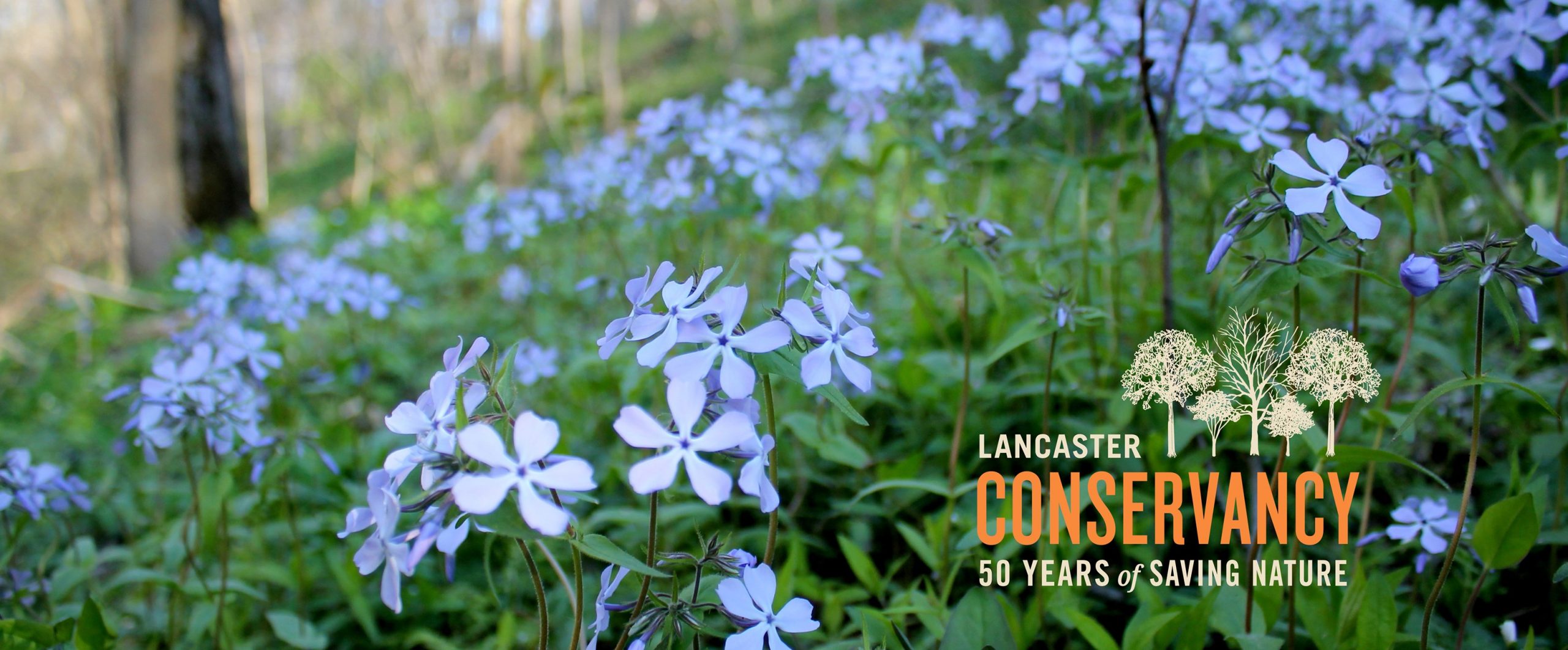
- Spring (April–June): Wildflower blooms peak in woodland preserves, and migratory bird activity is at its highest — the ideal window for birders and photographers who want maximum variety in a single outing.
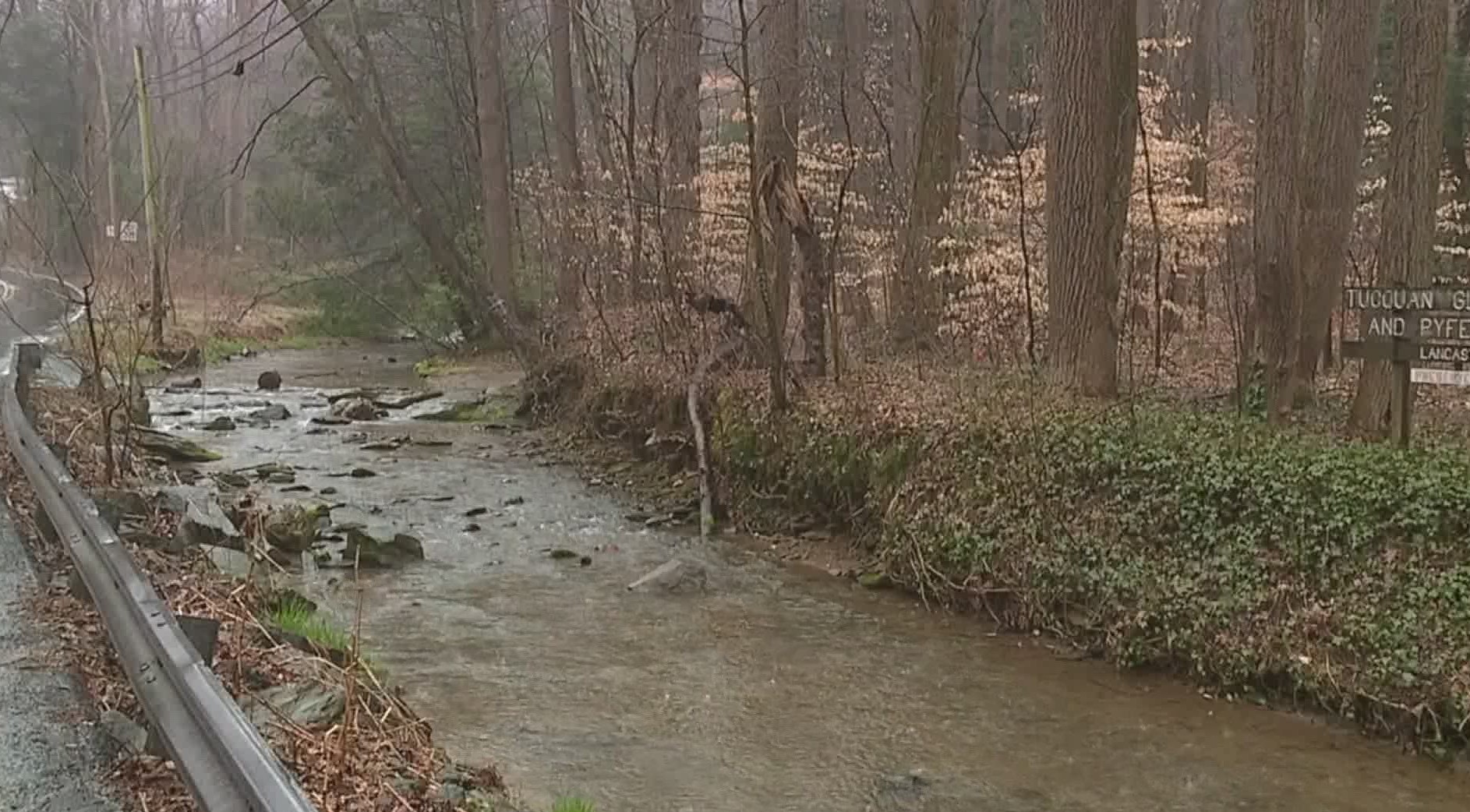
- Summer (July–August): Canopy cover provides deep shade on wooded gorge trails, but expect muddy conditions along streambanks after rain events, particularly in the Tucquan Glen corridor.
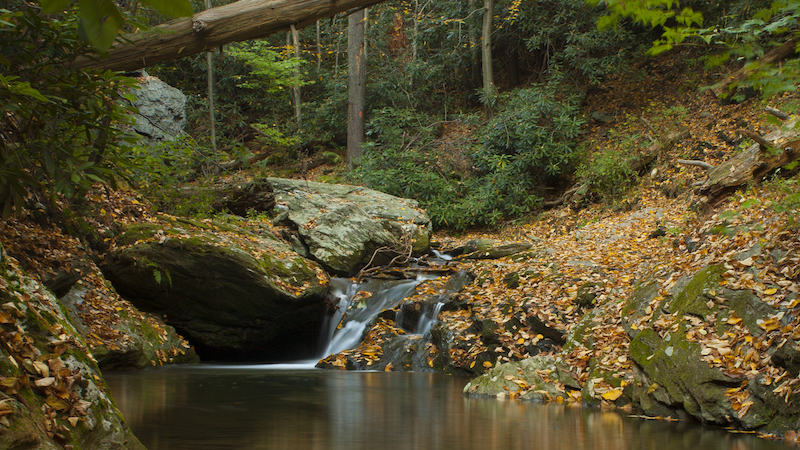
- Fall (September–November): Leaf color transforms ridge-top trails and riparian corridors into some of the most scenic walking terrain in eastern Pennsylvania, with clear sightlines through thinning canopy.
- Winter (December–March): Quiet trails offer excellent wildlife tracking opportunities, and snow cover highlights topographic features — ridge lines, stream meanders, old stone walls — that summer vegetation conceals entirely.
When to Reconsider Your Plans
- Avoid waterfront trails immediately after heavy rain — stream crossings become dangerous and bank erosion accelerates significantly with foot traffic on saturated soil.
- Skip summer weekends at Eagle View if you prefer solitude; this preserve draws substantial crowds because of its panoramic Susquehanna River overlooks, particularly on sunny afternoons.
- Don't arrive with dogs during ground-nesting bird season (April–June) unless the specific preserve explicitly permits pets on all designated trail segments.
Pro tip: Check the conservancy's trail conditions page before you drive out — seasonal closures protect both you and sensitive habitat zones during active recovery periods after storm events.
Key Preserves at a Glance
The Lancaster County Conservancy Pennsylvania manages dozens of properties across the county, and each one carries a distinct character defined by its geology, hydrology, and ecological history. Here's how several flagship preserves compare on the metrics that matter most to outdoor visitors.
| Preserve | Acreage | Key Feature | Trail Difficulty | Dogs Permitted |
|---|---|---|---|---|
| Eagle View Nature Preserve | 138 | Susquehanna River panoramas | Moderate | Yes (leash required) |
| Climbers Run Nature Preserve | 135 | Old-growth hemlock forest | Easy–Moderate | Yes (leash required) |
| Pinnacle Overlook / Kellys Run | Combined parcel | 360° ridge views | Strenuous | Yes (leash required) |
| Shenk's Ferry Wildflower Preserve | 53 | Spring wildflower display | Easy | Seasonal restrictions apply |
| Tucquan Glen Nature Preserve | 220 | Gorge stream corridor | Moderate–Strenuous | Yes (leash required) |

Best Practices for Visiting and Supporting Conservation
On the Trail
Responsible visitation is what keeps these preserves accessible for future generations, and the conduct standards here are practical and easy to follow consistently.
- Stay on designated trails — Lancaster's preserves contain sensitive riparian buffers and vernal pools that erode quickly when foot traffic strays off hardened tread.
- Pack out everything you bring in; conservancy preserves have no trash infrastructure at most trailheads, so plan accordingly before you leave home.
- Yield to equestrians and downhill hikers on narrow ridge trails, and give wildlife plenty of distance before reaching for your camera.
- Never collect plants, rocks, or wildlife — Pennsylvania state law and conservancy policy both prohibit removal of any natural materials from protected properties.
- Sign in at trailhead kiosks when registration sheets are present; attendance data directly influences grant funding and future land acquisition priorities.
At Home: Extending the Mission to Your Backyard
Conservation doesn't stop at the preserve boundary, and your property choices at home have a measurable effect on the landscapes the conservancy works to protect. Groups like the Florida Native Plant Society have demonstrated that native plant advocacy at the residential scale creates genuine corridor connectivity for pollinators and wildlife moving between protected areas.
- Plant Pennsylvania-native species — wild bergamot, Eastern red columbine, and river birch all support local insect communities while requiring minimal maintenance once established.
- Reduce lawn area adjacent to natural buffers to cut fertilizer runoff that degrades the stream systems the conservancy actively protects.
- Install a rain garden to intercept stormwater before it carries sediment and nutrients into waterways.
Tools and Resources Every Conservancy Supporter Should Know
Getting involved with the Lancaster County Conservancy Pennsylvania requires no specialized gear, but a handful of tools make your engagement more productive whether you're visiting, volunteering, or advocating for land protection in your municipality.
- Conservancy trail maps: Available as free PDF downloads and printed copies at major trailheads, with GPS coordinates embedded for reliable offline navigation on remote sections.
- iNaturalist app: Document species observations across conservancy properties and contribute biodiversity data that directly informs future land protection priorities and stewardship planning.
- Pennsylvania DCNR conservation atlas: Cross-reference conservancy lands with state-level habitat data to understand what each protected parcel connects to at a regional scale.
- Conservancy volunteer portal: The online sign-up system matches your availability and physical capacity to specific stewardship projects — trail maintenance, invasive species removal, and amphibian monitoring surveys.
- Understanding how land trusts operate at a structural level helps you ask better questions when evaluating conservation organizations in any state or region.
Environmental organizations like Tampa Bay Watch and the Florida Defenders of the Environment use similar community engagement frameworks — citizen monitoring, volunteer stewardship days, and structured public education programs — to sustain their conservation missions across decades of changing political and funding environments.
How Lancaster County Conservancy Shapes Your Outdoor Experience
For Hikers and Nature Enthusiasts
You might not immediately connect a land trust to your weekend outdoor plans, but the conservancy's network of publicly accessible preserves gives you trail options that state and county park systems simply don't provide.
- The conservancy's 25+ preserves deliver access to old-growth hemlock gorges, Susquehanna River bluffs, and spring wildflower corridors that exist nowhere else in Lancaster County's public trail system.
- Seasonal programs — guided wildflower walks, raptor monitoring events, and landscape photography workshops — give you structured learning opportunities with expert naturalists throughout the calendar year.
- Multi-preserve trail connections let you plan half-day routes that link Kellys Run, Pinnacle Overlook, and adjacent conservancy parcels into a continuous ridgeline experience rarely found this close to a major city.
For Gardeners and Landscapers
The conservancy's native plant programs and seed bank resources translate directly into actionable backyard design improvements, particularly if you're trying to build habitat connectivity on a residential property. The Waterloo Gardeners Club demonstrates how community horticultural organizations amplify conservation impact when they work alongside land trusts — and that same collaboration model is available to you through the conservancy's outreach programs. If you're drawn to natural stone elements inspired by Lancaster County's geology, exploring flagstone patio design options is a practical way to bring that regional character into your own outdoor living space.
Supporting the Mission: Membership and Giving Options
The Lancaster County Conservancy Pennsylvania operates as a nonprofit, which means every dollar of your financial support has a traceable impact on how much land gets permanently protected each year. The giving structure is tiered to accommodate supporters at every level of engagement and financial capacity.
- Individual membership ($35/year): Trail access updates, quarterly newsletter, and voting rights at annual meetings — the lowest barrier to becoming a formal conservancy supporter.
- Family membership ($60/year): All individual benefits extended to household members, plus guest trail passes for introducing friends to the preserves.
- Sustaining member ($25/month): Recurring monthly giving that funds operating costs and stewardship programs on a predictable, year-round basis rather than in seasonal spikes.
- Conservation Circle ($1,000+/year): Named recognition in conservancy publications, private stewardship tours, and direct access to conservation staff for landowner consultations and easement planning discussions.
- Land donations and easements: If you own rural property in Lancaster County, the conservancy's land protection team will work with you on permanent easement agreements that protect your land's natural and agricultural character while keeping it in your ownership and your family's hands.
For comparison, the Columbia Land Conservancy in New York's Hudson Valley uses a nearly identical tiered structure — which confirms that accessible entry-level giving combined with disciplined major donor cultivation is the proven model for sustaining long-term land protection work across generations of leadership and funding cycles.
Caring for the Land: Volunteer and Stewardship Opportunities
What Volunteers Actually Do
Volunteering with the conservancy is skills-based and physically substantive — not a symbolic gesture, but real stewardship labor that directly determines the ecological health of protected land over time.
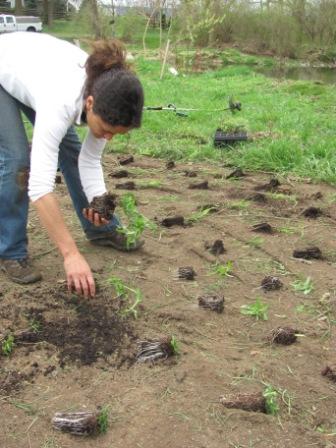
- Invasive species removal: Japanese barberry, multiflora rose, and garlic mustard actively degrade native plant communities; removal crews work systematically through high-priority areas each season, using hand tools and targeted herbicide applications supervised by conservancy staff.
- Trail maintenance: Clearing blowdowns, reinforcing water bars, repairing erosion channels, and rebuilding degraded tread surfaces after heavy rain events that overwhelm drainage infrastructure on steep slopes.
- Monitoring surveys: Breeding bird counts, vernal pool amphibian monitoring, and plant diversity assessments all run primarily on trained volunteer labor and contribute data to regional conservation science.
- Outreach and education: Leading guided hikes, staffing community events, and supporting school programs on conservancy properties with age-appropriate natural history content developed by conservancy educators.
Getting Started
- Register through the conservancy's online volunteer portal — no prior experience is required for most trail maintenance and invasive removal work, and tools are provided on-site.
- Attend a new volunteer orientation, typically offered multiple times per year at trailhead locations across the county's preserve network.
- Select a stewardship crew that aligns with your physical capacity and the type of habitat work you find most compelling — aquatic, woodland, or meadow systems each have dedicated teams.
- Commit to at least one full workday per quarter to build continuity and real effectiveness with your assigned crew and project area.
Frequently Asked Questions
What is the Lancaster County Conservancy Pennsylvania?
The Lancaster County Conservancy Pennsylvania is a private nonprofit land trust that permanently protects farmland, forests, stream corridors, and natural areas across Lancaster County through property acquisitions, conservation easements, and active stewardship programs managed by professional conservation staff and trained volunteers.
How many acres has the conservancy protected so far?
The conservancy has protected over 25,000 acres of land across Lancaster County, encompassing dozens of publicly accessible nature preserves alongside hundreds of private conservation easement properties that remain in agricultural or natural use under permanent legal protection agreements.
Are conservancy preserves free to visit?
Yes — all Lancaster County Conservancy preserves are free and open to the public during daylight hours with no reservations or entrance fees required for standard recreational use, making them one of the most accessible conservation resources in eastern Pennsylvania.
Can you bring dogs to Lancaster County Conservancy preserves?
Dogs are permitted on leash at most conservancy preserves, but Shenk's Ferry Wildflower Preserve restricts dog access during spring wildflower season to protect ground-nesting bird populations and the fragile plant communities that make this preserve regionally significant.
What is a conservation easement and how does it work?
A conservation easement is a voluntary legal agreement between a private landowner and a land trust that permanently restricts certain land uses — such as subdivision or commercial development — while keeping the property in private ownership and allowing continued agricultural or residential use within defined parameters.
How can I donate land to the Lancaster County Conservancy?
You can contact the conservancy's land protection team directly to initiate a conversation about conservation easements or outright land donations — the process involves a site assessment, independent appraisal, and legal review, and the conservancy's staff guides landowners through every step at no cost to the property owner.
How is the conservancy different from a Pennsylvania state park?
Unlike a state park, the conservancy is an independent private nonprofit that acquires and stewards land outside of government budget cycles and legislative approval processes, allowing it to respond faster to active development threats and pursue land protection strategies that state agencies cannot legally execute.
Final Thoughts
The Lancaster County Conservancy Pennsylvania represents exactly the kind of regional conservation work that keeps outdoor living meaningful — not just on the trails of Eagle View or Tucquan Glen, but in the watersheds, farmland corridors, and woodland edges that define the broader landscape beyond your back fence. Visit a conservancy preserve this season, sign up for a stewardship volunteer day through their online portal, or join as a member to put direct financial support behind the permanent protection of Lancaster County's most irreplaceable natural lands — because the access you enjoy today exists only because someone made that commitment before you.


About Simmy Parker
Simmy Parker holds a Bachelor of Science in Civil Engineering from Sacramento State University and has applied that technical background to outdoor structure design, landscape planning, and backyard improvement projects for over a decade. Her love for the outdoors extends beyond design — she regularly leads nature hikes and has developed working knowledge of native plants, soil conditions, and sustainable landscaping practices across Northern California. At TheBackyardGnome, she covers backyard design guides, landscaping ideas, and eco-friendly outdoor living resources.
You can Get FREE Gifts. Receive Free Backyard Items here. Disable Ad Blocker to get them all now!
Once done, hit anything below