Florida native plant conservation — once a concern confined to botanists and ecologists — has become an urgent priority for homeowners, landscapers, and outdoor enthusiasts who recognize that the long-term health of Florida's landscapes depends on deliberate, informed action. What would Florida's wildlands look like without the cabbage palms, wild coontie, and gopher apple that have defined its ecosystems for millennia — and is meaningful protection still achievable for individual property owners? The evidence suggests that it is, particularly for those who engage with the Florida Native Plant Society (FNPS), an organization that has structured its resources, chapters, and advocacy programs around precisely this goal. Those committed to sustainable, eco-friendly outdoor living will find that native plant conservation delivers both ecological and practical benefits at every scale.
The FNPS operates as a nonprofit educational organization dedicated to the preservation, conservation, and restoration of Florida's native plants and native plant communities. Its statewide network of chapters engages thousands of volunteers annually, connecting individuals who share a commitment to botanical stewardship with scientists, land managers, and policy advocates. Organizations such as Tampa Bay Watch similarly demonstrate that regional conservation coalitions can achieve measurable ecological outcomes when scientific knowledge aligns with community action in Florida's diverse and threatened environments.
Florida's native flora comprises more than 4,000 documented species, many of which exist nowhere else on Earth. These plants underpin entire food webs, provide essential habitat for pollinators and migratory birds, and deliver ecosystem services — including flood mitigation, groundwater recharge, and carbon sequestration — that benefit human communities in direct and measurable ways. Supporting organizations dedicated to native plant conservation is therefore both an ecological imperative and a practical investment in the long-term viability of Florida's outdoor spaces.
Contents
- The Origins and Mission of Florida Native Plant Conservation
- Essential Resources and Tools for Native Plant Gardeners
- Establishing a Native Plant Garden Step by Step
- Overcoming Common Challenges in Native Plantings
- Correcting Misconceptions About Florida's Native Flora
- Long-Term Stewardship and Conservation Advocacy
- Best Practices for Participating in Florida Native Plant Conservation
- Frequently Asked Questions
The Origins and Mission of Florida Native Plant Conservation
Founding Principles and Early Advocacy
The Florida Native Plant Society was established in response to mounting concern about habitat loss, urban sprawl, and the proliferation of invasive exotic species across the state. Its founding members — botanists, horticulturists, and committed naturalists — recognized that without organized advocacy and public education, Florida's native flora would continue to decline at an accelerating rate. The society's mission encompasses research, education, and policy engagement, making it one of the most comprehensive native plant advocacy organizations in the southeastern United States.
- The FNPS advocates for policies that protect natural habitats from development pressure and landscape fragmentation.
- It promotes the deliberate use of native plants in residential, commercial, and institutional landscapes statewide.
- It funds and supports scientific research into native plant ecology, propagation, and restoration methodologies.
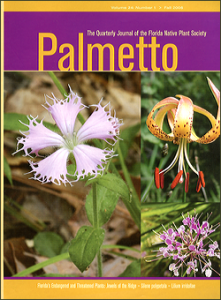
- It publishes Palmetto, a peer-reviewed journal that disseminates research and conservation news to a broad professional and public audience.
Organizational Structure and Chapter Network
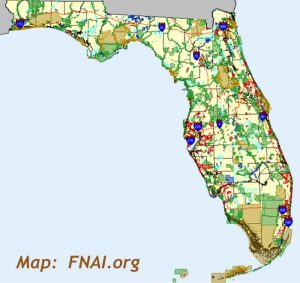
The FNPS is organized into regional chapters distributed across Florida's diverse ecological zones, from the Panhandle's longleaf pine communities to the subtropical hammocks of South Florida. Each chapter operates with a degree of local autonomy, organizing plant sales, field trips, restoration workdays, and speaker series that are tailored to regional species and site conditions.
- Chapters serve as the primary points of contact for new members and homeowners seeking guidance on native plant selection.
- Annual statewide conferences convene members from across Florida to share research findings, policy updates, and restoration case studies.
- Society leadership coordinates with state and federal agencies on land management, invasive species control, and conservation policy development.
Essential Resources and Tools for Native Plant Gardeners
Reference Materials and Databases
One of the FNPS's most consequential contributions to Florida native plant conservation is the breadth of freely accessible reference materials it provides to the public. These resources equip homeowners and landscapers with the knowledge required to make informed decisions about plant selection, garden design, and long-term stewardship practices.
| Resource | Format | Primary Use |
|---|---|---|
| FNPS Native Plant Database | Online database | Species identification, habitat suitability, regional availability |
| Palmetto Journal | Publication | Research articles, conservation news, restoration case studies |
| Chapter Plant Sales | Community event | Acquiring locally sourced, genetically appropriate native plants |
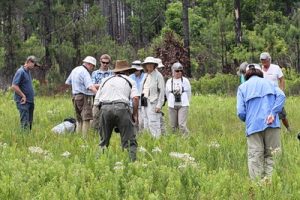
| Guided Field Trips | Educational program | In-situ species identification and habitat assessment skills |
| Native Landscaping Guides | Print and digital | Garden design, planting combinations, maintenance schedules |
Educational Programs and Workshops
Beyond static reference materials, the FNPS offers dynamic educational programming that engages participants across every level of botanical knowledge. Workshops address topics ranging from basic plant identification to advanced restoration ecology, ensuring that both novice gardeners and experienced horticulturists can deepen their practical understanding through structured hands-on learning.
- Seed collection and propagation workshops teach sustainable methods for expanding native plant populations without reliance on commercial nursery supply chains.
- Restoration training programs prepare volunteers for participation in large-scale habitat recovery projects managed in coordination with land management agencies.
- Partnership programs with schools and community organizations extend native plant education to younger audiences, building long-term conservation constituencies.
Establishing a Native Plant Garden Step by Step
Site Assessment and Soil Preparation
Transitioning a residential landscape toward native plantings requires a methodical approach that begins well before the first plant is installed. Thorough site assessment is the foundational step, and its quality determines the long-term viability of the entire planting effort.
- Evaluate sun exposure across the planting area at multiple times of day, mapping zones of full sun, partial shade, and deep shade with precision.
- Test soil composition, pH, and drainage characteristics to identify conditions that favor or constrain specific native species in that ecological region.
- Map existing vegetation, identifying non-native and invasive species that require removal before native plants can establish without competition.
- Research the historical plant communities native to the property's ecological zone using the FNPS database or local chapter expertise.
- Remove invasive exotics using mechanical methods where feasible, reserving chemical treatments for persistent species that resist physical removal reliably.
Pro Tip: Sourcing plants from local FNPS chapter sales ensures genetic provenance that is regionally adapted, reducing transplant stress and significantly increasing long-term establishment success compared to nursery stock of uncertain origin.
Plant Selection and Installation Techniques
Species selection should reflect both the site conditions documented during assessment and the ecological functions homeowners wish to support, whether pollinator habitat, stormwater absorption, or visual screening from adjacent properties. The FNPS native plant database provides filterable search tools allowing users to narrow selections by region, sun exposure, soil moisture tolerance, and documented wildlife value.
- Prioritize species with multiple ecological functions: plants that simultaneously provide nectar, larval host resources, and seed or fruit deliver greater conservation value per square foot.
- Arrange plantings in naturalistic groupings that replicate the structural layering of native plant communities, incorporating groundcovers, shrubs, and canopy trees at appropriate densities.
- Install plants during Florida's cooler, wetter seasons to minimize supplemental irrigation requirements during the critical establishment period.
- Mulch with native leaf litter or pine straw rather than processed wood chips, which can alter soil chemistry in ways that disadvantage certain native species over time.
Overcoming Common Challenges in Native Plantings
Managing Invasive Species Pressure
One of the most persistent challenges facing both private landowners and large-scale restoration practitioners is the continuous pressure from invasive exotic species, which outcompete native plants for light, water, and soil nutrients in disturbed and managed landscapes alike. Species such as Brazilian pepper, air potato, and Chinese tallow tree are capable of rapidly colonizing cleared areas and rendering native plantings unviable without sustained management attention.
- Monitor planting areas on a regular schedule — monthly during the growing season — to detect invasive recruits before they reach reproductive maturity.
- Coordinate invasive removal efforts with neighboring properties where feasible, since isolated single-parcel management is frequently undermined by reinvasion from adjacent untreated land.
- Report new invasive infestations to the Florida Invasive Species Partnership to contribute to broader early detection and rapid response programs across the region.
Addressing Soil, Drainage, and Climate Variables
Florida's soils vary considerably across the state, from the deep sands of the Central Ridge to the organic mucks of South Florida's wetland margins. Plantings that fail to account for these site-specific variables frequently experience root rot, nutrient deficiency, or drought stress even when ostensibly native species have been correctly selected at the regional level.
- Select species matched to the specific edaphic conditions of the site rather than choosing broadly "Florida native" plants without accounting for local soil and hydrology variation.
- Avoid amending sandy soils with excessive organic matter in ways that artificially retain moisture beyond what target species have evolved to tolerate over generations.
- Account for Florida's periodic drought cycles by prioritizing species with demonstrated drought tolerance for exposed upland planting zones where irrigation is not feasible.
Correcting Misconceptions About Florida's Native Flora
The Low-Maintenance Misunderstanding
A widespread assumption about native plant gardens is that they require no maintenance after establishment — a belief that, while partially grounded in the genuine ecological advantages of native species, oversimplifies the reality of any managed residential landscape. Native plants do require less supplemental irrigation and fertilization than non-native ornamentals over the long term, but they are not self-managing in a cultivated context where invasive species, drainage alterations, and neighboring land uses continuously exert pressure.
- Invasive species management, structural pruning, and periodic thinning are ongoing responsibilities that persist indefinitely in native gardens.
- Establishment periods — typically one to three growing seasons — require attentive watering and monitoring even for drought-tolerant and well-sited species.
- Successful native gardens often require a tolerance for aesthetic conditions that differ meaningfully from conventionally manicured non-native ornamental landscapes.
Important: Expecting zero maintenance from a native plant garden sets an unrealistic standard that frequently results in abandoned projects, allowing invasive species to rapidly reclaim the vacated space with accelerated vigor.
Aesthetic Assumptions and the Reality of Native Gardens
Another persistent misconception is that native plant gardens are uniformly wild in appearance and incompatible with structured or design-conscious landscapes. In reality, Florida's native flora offers extraordinary aesthetic diversity, from the sculptural forms of saw palmetto and coontie to the vivid seasonal color provided by coreopsis, firebush, and native azaleas across multiple bloom periods.
- Native plants are capable of achieving formal, semiformal, or naturalistic aesthetic frameworks depending on species selection, placement, and maintenance approach.
- Many professional landscape designers now incorporate native species as primary design elements in award-winning residential and institutional projects across Florida.
- The FNPS maintains curated design resources and regionally specific plant lists assembled to assist homeowners who wish to integrate conservation objectives with aesthetic and functional preferences.
Long-Term Stewardship and Conservation Advocacy
Sustaining Native Landscapes Over Time
Long-term success in Florida native plant conservation requires a commitment that extends well beyond initial installation to encompass ongoing stewardship, adaptive management, and continued engagement with evolving scientific and horticultural knowledge. Landscapes that were thoughtfully designed and correctly installed can still decline without consistent monitoring and willingness to intervene when conditions change unexpectedly.
- Document planting areas with annual photographic records to track changes in species composition, canopy coverage, and invasive pressure over successive growing seasons.
- Revisit species selection periodically as climate patterns shift and as on-site monitoring data reveals which species are thriving or struggling under current conditions.
- Maintain membership in local FNPS chapters to stay current on emerging threats, newly available native cultivars, and evolving restoration best practices developed by researchers and practitioners statewide.
Broader conservation outcomes in Florida depend on connected networks of private, institutional, and public lands functioning as ecological corridors and refugia. Organizations such as Florida Defenders of the Environment have demonstrated through decades of sustained advocacy that watershed-scale conservation produces outcomes that individual property stewardship alone cannot achieve, underscoring the importance of engagement beyond the property boundary.
Policy Engagement and Community Action
Individual gardening choices carry genuine ecological merit, but the trajectory of Florida native plant conservation at the landscape scale is substantially shaped by policy decisions made at municipal, county, and state levels. Homeowners and advocates who engage with the policy process — through public comment, legislative testimony, and sustained organizational membership — meaningfully extend the impact of their individual conservation efforts.
- Support local native plant ordinances and landscape codes that incentivize or require the use of native species in new residential and commercial development projects.
- Oppose regulatory proposals that facilitate the introduction of new invasive species or that weaken existing protections for natural habitats and conservation lands.
- Participate in FNPS advocacy campaigns, which provide structured and accessible opportunities for members to engage with legislators and regulatory agencies on matters of direct botanical conservation relevance.
Best Practices for Participating in Florida Native Plant Conservation
Engaging With Local FNPS Chapters
The most direct pathway to meaningful participation in Florida native plant conservation for most homeowners is active engagement with a local FNPS chapter. Chapters provide access to plants, horticultural expertise, community networks, and structured volunteer opportunities that would be difficult for individuals to replicate through independent effort alone.
- Attend chapter plant sales to acquire locally provenant, genetically appropriate native plants sourced from regional seed stock with known ecological credentials.
- Volunteer for restoration workdays to gain practical experience with native plant establishment, invasive species management, and large-scale habitat recovery techniques.
- Attend speaker programs and field trips to build species identification skills and expand understanding of the ecological communities native to one's local region.
- Consider joining a chapter committee to contribute organizational skills, professional expertise, or financial resources directly to conservation programming and outreach activities.
Seasonal Maintenance and Record-Keeping
Effective stewardship of a native plant landscape follows seasonal rhythms that align with Florida's ecological calendar rather than the standardized maintenance schedules designed for non-native ornamental gardens. Understanding and respecting these natural rhythms is foundational to sustaining healthy, productive native plantings across multiple years and growing cycles.
- Spring: Monitor for invasive species recruits emerging with warm-season growth; complete structural pruning before the nesting season commences to avoid disturbing resident wildlife.
- Summer: Minimize supplemental irrigation for established plantings; increase monitoring frequency during peak growth season when invasive pressure is at its most intensive.
- Fall: Collect seeds for propagation or donation to chapter plant banks; document species diversity with photographic records that will serve as baseline data for future adaptive management.
- Winter: Install new plantings to take advantage of cooler temperatures and seasonal rainfall; evaluate site conditions and identify adjustments to species composition warranted by the previous year's observations.
Frequently Asked Questions
What is the Florida Native Plant Society?
The Florida Native Plant Society is a nonprofit educational organization dedicated to the preservation, conservation, and restoration of Florida's native plants and native plant communities, operating through a statewide network of regional chapters that provide resources, programming, and advocacy support to members and the general public.
How can homeowners contribute to Florida native plant conservation?
Homeowners can contribute by replacing non-native ornamentals with locally appropriate native species, actively managing invasive plants on their properties, joining a local FNPS chapter, attending educational programs, and engaging with municipal and county policy processes that directly affect natural habitats and landscape codes in their communities.
Are native plants difficult to establish in residential landscapes?
Native plants require attentive management during an establishment period of one to three growing seasons, after which they generally demand less supplemental irrigation and fertilization than non-native alternatives; however, ongoing invasive species monitoring and periodic structural maintenance remain necessary responsibilities in most residential settings.
Where can homeowners purchase Florida native plants?
Local FNPS chapter plant sales are among the most reliable sources for native plants, offering locally provenant, genetically appropriate stock adapted to regional conditions; certified native plant nurseries and select independent garden centers also carry appropriate species, though provenance documentation is less consistently available through commercial channels.
What invasive species pose the greatest threat to Florida's native flora?
Among the most significant invasive threats to Florida's native plant communities are Brazilian pepper, air potato, Chinese tallow tree, cogon grass, and old world climbing fern — all of which are capable of rapidly colonizing disturbed habitats and outcompeting native species for light, water, and soil nutrients over relatively short timeframes.
How does the FNPS engage with conservation policy?
The FNPS engages with conservation policy through legislative advocacy, public comment on regulatory proceedings, formal partnerships with state and federal land management agencies, and member mobilization campaigns that provide structured and accessible opportunities for individual advocates to participate meaningfully in the policy process at multiple governmental levels.
Every native plant restored to a Florida landscape is a small but irreversible act of ecological repair — and it is the accumulation of those acts, across thousands of properties and communities, that determines what future generations will inherit.


About William Murphy
William Murphy has worked as a licensed general contractor in Fremont, California for over thirty years, specializing in outdoor structures, green building methods, and sustainable design. During that career he has written about architecture, construction practices, and environmental protection for regional publications and trade outlets, bringing technical depth to subjects that most home improvement writers approach only from a consumer perspective. At TheBackyardGnome, he covers outdoor product reviews, backyard construction guides, and sustainable landscaping and building practices.
You can Get FREE Gifts. Receive Free Backyard Items here. Disable Ad Blocker to get them all now!
Once done, hit anything below