Florida Defenders of the Environment: Representing River Rights and Restoration Since 1969
by William Murphy
The construction of Rodman Dam in 1968 submerged more than 9,000 acres of native floodplain forest along the Ocklawaha River, erasing one of Florida's most biodiverse river corridors in a single engineering decision. The campaign for Ocklawaha River restoration began almost immediately, led by a coalition of University of Florida scientists and legal scholars who recognized that the damage was ecologically reversible. Florida Defenders of the Environment (FDE), founded in 1969, became the primary institutional force behind this effort, deploying peer-reviewed science, formal litigation, and sustained public engagement across more than five decades of advocacy.
The organization's work connects directly to the broader environmental advocacy tradition, demonstrating how disciplined civic action can alter the trajectory of large-scale infrastructure decisions. FDE's model — grounded in empirical data and rigorous legal strategy — offers a replicable framework for communities confronting similar water management challenges throughout the United States.
Understanding FDE's origins, its documented achievements, and the ongoing debate surrounding the Rodman Reservoir provides essential context for any advocate, landowner, or outdoor enthusiast who cares about the long-term health of Florida's natural waterways and riparian ecosystems.
Contents
- Five Decades of Conservation History on Florida's Wild River
- Documented Outcomes of the Ocklawaha River Restoration Campaign
- Weighing the Evidence: Dam Removal Versus Reservoir Preservation
- When to Support River Restoration — and When to Reconsider
- Clearing Up the Most Persistent Myths About River Restoration
- A Long-Term Vision for the Ocklawaha and Comparable Waterways
- Frequently Asked Questions
- Next Steps
Five Decades of Conservation History on Florida's Wild River
Origins of Florida Defenders of the Environment
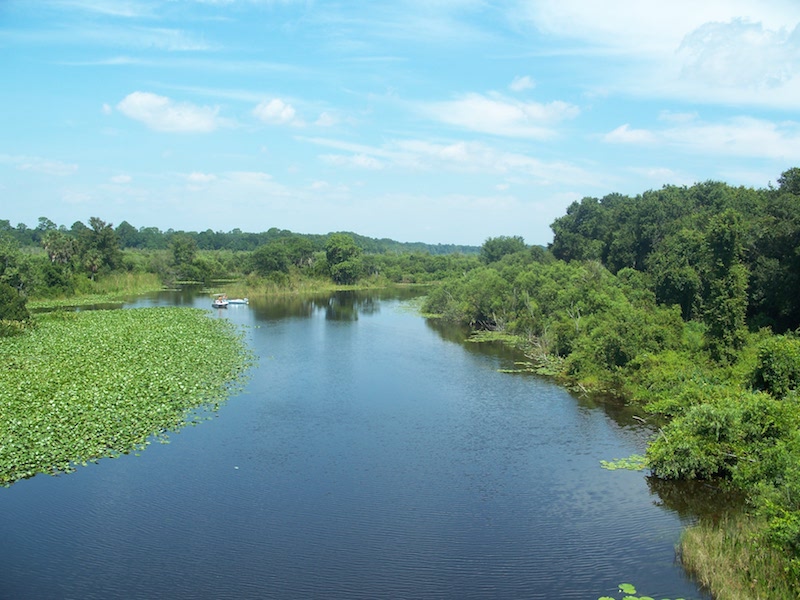
Florida Defenders of the Environment formed in direct response to the U.S. Army Corps of Engineers' Cross Florida Barge Canal project, which caused the flooding of the Ocklawaha River corridor by impounding the Rodman Reservoir. The founding members — primarily University of Florida scientists, ecologists, and legal scholars — determined that standard political channels were insufficient to halt a federally funded project of this scale, and that organized, evidence-based opposition was the only viable path forward for protecting the river's future.
- Founded in 1969 by University of Florida faculty, researchers, and conservation advocates
- Initial focus: halting the Cross Florida Barge Canal and initiating Ocklawaha River restoration
- Achieved a landmark cancellation of the barge canal project under President Nixon in 1971
- Continued dam removal advocacy for decades after the canal cancellation, targeting Rodman Dam specifically
The organization's longevity — more than five decades of uninterrupted operation — distinguishes it from most grassroots environmental groups, which often dissolve after their founding campaign concludes. Similar patterns of institutional endurance appear in other regional conservation bodies, such as the Connemara Conservancy in Texas, which has sustained natural land activism across multiple decades and successive leadership transitions.
The Organizational Mandate
FDE operates on a clearly defined, singular mandate: restore the free-flowing Ocklawaha River to its natural state by removing Rodman Dam and its associated reservoir infrastructure. This focus has allowed the organization to accumulate deep institutional knowledge and maintain consistent public messaging across administrations, establishing FDE as one of the most technically authoritative voices on Florida river ecology in the southeastern United States.
Documented Outcomes of the Ocklawaha River Restoration Campaign
Legal and Legislative Milestones
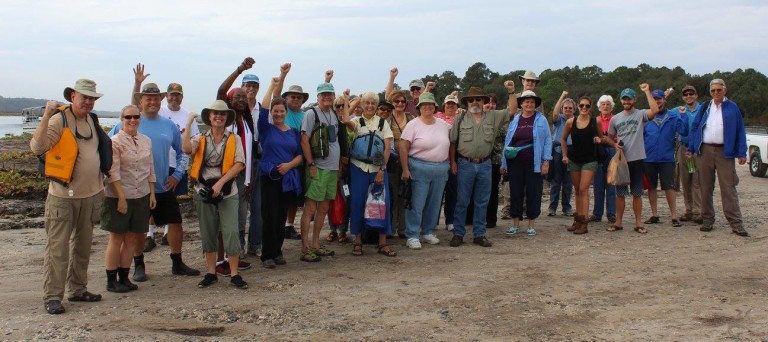
FDE has secured measurable legal and legislative victories that fundamentally altered the political landscape surrounding Ocklawaha River restoration. These outcomes are not symbolic gestures; they represent binding decisions with lasting administrative consequence and demonstrate what sustained, science-backed advocacy can accomplish.
- 1971: President Nixon canceled the Cross Florida Barge Canal under coordinated pressure from FDE's scientific and legal campaign
- 1990s: Multiple Florida governors and water management agencies issued formal recommendations supporting full dam removal
- Ongoing: FDE submitted peer-reviewed reports to the St. Johns River Water Management District documenting accelerating water quality degradation within the Rodman Reservoir
- Federal review: FDE research contributed directly to U.S. Army Corps of Engineers analyses that acknowledged restoration's ecological merit and feasibility
Ecological Evidence on the Ground
Independent scientific assessments consistently support the conclusion that reservoir removal would recover significant ecological function along the Ocklawaha corridor. The Ocklawaha River, flowing northward through Marion and Putnam counties before joining the St. Johns River, historically supported one of Florida's most productive freshwater fisheries and a river swamp forest of exceptional native biodiversity.
- Studies document the loss of over 9,000 acres of river swamp, titi forest, and riparian hardwood habitat beneath the reservoir
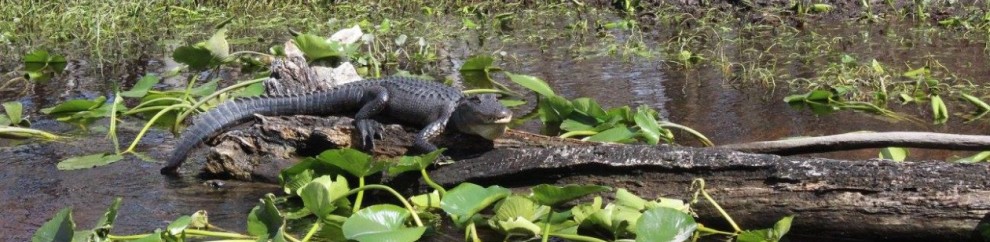
- Aquatic vegetation surveys show persistent invasive species dominance throughout the reservoir footprint
- Fish species diversity in the free-flowing Ocklawaha below the dam remains significantly higher than within the reservoir
- Downstream manatee populations depend on free-flowing Ocklawaha tributaries for critical thermal refuge during winter months
Weighing the Evidence: Dam Removal Versus Reservoir Preservation
Comparative Overview
The debate over Rodman Dam removal is not a contest of equal scientific uncertainty; the ecological evidence strongly favors restoration. Understanding the competing arguments, however, equips advocates and outdoor enthusiasts to engage the debate with precision, authority, and credibility when it matters most.
| Factor | Dam Removal / Ocklawaha River Restoration | Reservoir Preservation |
|---|---|---|
| Ecological biodiversity | Restores 9,000+ acres of native floodplain forest and river habitat | Maintains a modified warm-water fishery of limited native diversity |
| Water quality | Improves downstream St. Johns River quality through natural filtration and flow | Reservoir continues accumulating phosphorus and supporting seasonal algal blooms |
| Recreational value | Restores paddling, wildlife observation, and nature tourism along 16+ river miles | Preserves motor boating and largemouth bass fishing for existing users |
| Long-term cost | Eliminates ongoing dam maintenance, hydrilla management, and dredging expenses | Requires continuous structural maintenance and invasive species management |
| Scientific consensus | Strongly supported by peer-reviewed ecological research and federal assessments | Supported primarily by recreational fishing lobbies and adjacent landowners |
When to Support River Restoration — and When to Reconsider
Conditions That Favor Active Support
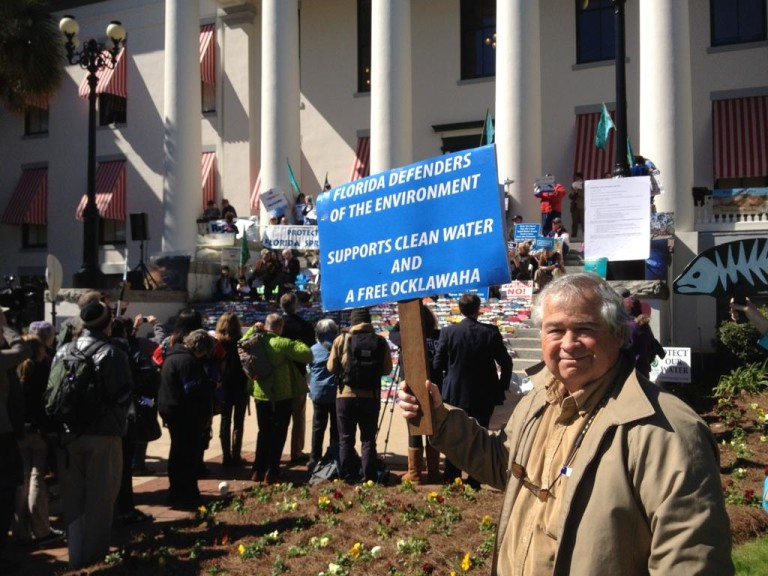
Outdoor enthusiasts and landowners adjacent to natural waterways should actively support Ocklawaha River restoration initiatives under specific, well-defined conditions. Passive observation is insufficient when ecological thresholds for irreversible degradation are approaching and decision-makers require public signals of support to act.
- A regulatory comment period is open on dam licensing, relicensing, or removal proposals before the relevant agency
- State or federal environmental impact assessments are formally soliciting written public input and testimony
- Local water management districts are conducting reservoir drawdown studies and requesting public participation
- Elected officials are deliberating budget allocations for dam maintenance versus restoration alternatives in appropriations cycles
- Conservation organizations such as FDE are recruiting scientific volunteers, financial contributors, or public signatories for petitions
Situations That Call for Caution
Effective advocacy demands strategic discipline, and there are circumstances under which uninformed or premature public action undermines restoration goals rather than advancing them, providing opponents with credible counterarguments that would otherwise lack substance.
- Avoid submitting public testimony without first reviewing FDE's most current scientific publications and formal position papers
- Do not endorse partial removal proposals that preserve the dam structure while falsely claiming full restoration benefits
- Refrain from conflating Ocklawaha restoration with unrelated regional water issues, as this dilutes the campaign's technical credibility and focus
- Exercise caution when engaging recreational fishing constituencies — adversarial framing generates political backlash that measurably delays legislative progress
Clearing Up the Most Persistent Myths About River Restoration
Myth: Restoration Is Prohibitively Expensive
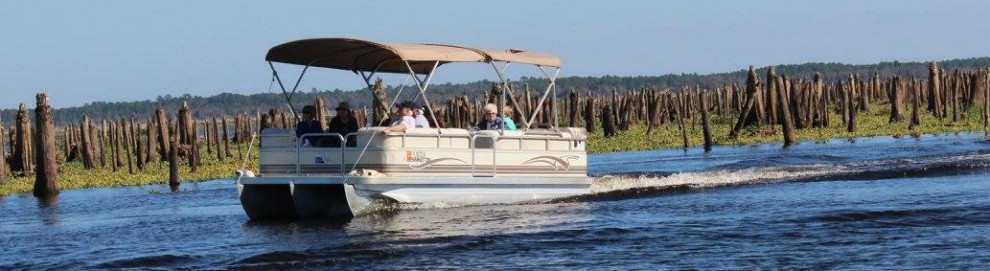
This argument surfaces repeatedly in public hearings and legislative testimony, yet it collapses under direct cost-benefit analysis. The cumulative expenditure on dam maintenance, hydrilla management, and periodic dredging operations within the Rodman Reservoir has already exceeded historical restoration cost estimates by a substantial margin. Restoration is not more expensive than indefinite preservation — it is consistently less expensive over any planning horizon extending beyond ten years. Framing restoration as a fiscal risk is a deliberate misrepresentation, not a good-faith economic argument.
Myth: The Reservoir Has Become a New Native Ecosystem
Proponents of reservoir preservation frequently argue that the Rodman Reservoir has developed into a self-sustaining aquatic ecosystem warranting its own conservation protection, but this position misrepresents ecological succession and directly contradicts available scientific literature. A warm-water reservoir dominated by invasive aquatic vegetation is not a native ecosystem; it is a degraded habitat state that actively suppresses native species recovery through competitive exclusion and altered hydrological regimes.
The Columbia Land Conservancy and comparable organizations operating in other regions have documented identical "new ecosystem" arguments deployed against restoration projects across the northeastern United States, and in each documented case, post-removal ecological surveys confirmed rapid native vegetation recovery within three to five growing seasons. Conservation trail networks, including those described in the history of Champlain Area Trails in New York, further demonstrate that restored natural corridors consistently outperform preserved degraded landscapes in both biodiversity measurements and long-term public recreational value.
A Long-Term Vision for the Ocklawaha and Comparable Waterways
Core Strategic Pillars
FDE's durable campaign structure rests on four strategic pillars that have remained consistent across leadership transitions, political cycles, and shifting public priorities, validating the institutional model for long-term environmental advocacy on contested water management questions.
- Scientific credibility: All public positions are backed by peer-reviewed research, preventing dismissal as purely emotional or ideological advocacy by regulatory decision-makers
- Legal capacity: Maintaining formal standing in administrative proceedings ensures FDE can challenge adverse decisions at every regulatory juncture before final agency action
- Coalition building: Partnerships with paddling organizations, university research departments, downstream municipalities, and eco-tourism operators broaden the political constituency for restoration
- Longitudinal documentation: Decades of consistent ecological monitoring provide a compelling multi-decade narrative that no single-year impact study can credibly match or refute
Community Engagement as a Force Multiplier
The Ocklawaha River restoration campaign demonstrates conclusively that community-scale engagement — from individual landowners and recreational paddlers to local businesses dependent on river tourism — amplifies institutional advocacy in ways that laboratory data and legal filings alone cannot achieve. Outdoor-oriented communities hold a direct, tangible stake in this outcome, as restored river corridors enhance the ecological value and recreational quality of the surrounding landscape for generations extending well beyond the current political debate over the dam's future.
Frequently Asked Questions
What is the primary goal of Florida Defenders of the Environment?
The organization's primary goal is the complete removal of Rodman Dam and the full restoration of the free-flowing Ocklawaha River corridor in north-central Florida, pursued through peer-reviewed ecological science, formal legal advocacy, and sustained public engagement spanning more than five decades of continuous organizational operation.
How does Ocklawaha River restoration benefit downstream water quality?
Restoring free-flowing conditions eliminates the phosphorus accumulation and invasive aquatic vegetation that degrade downstream water quality throughout the St. Johns River system, while simultaneously recovering riparian forest habitats that support native fish, bird, and mammal species, including the manatees that depend on Ocklawaha tributaries for thermal refuge during winter months.
Can individual outdoor enthusiasts make a meaningful contribution to the Ocklawaha River restoration effort?
Individual participation generates measurable political and economic pressure on the decision-makers who control the dam's future; submitting formal comments during regulatory review periods, attending public hearings, supporting FDE financially, and visiting the Ocklawaha corridor as eco-tourists all translate into concrete signals that restoration commands a broad public constituency.
Next Steps
- Visit the Florida Defenders of the Environment website and review the most current scientific reports and legal filings on Ocklawaha River restoration before engaging in any regulatory comment process or public hearing.
- Identify active regulatory or legislative proceedings related to Rodman Dam's operating license and submit a formal written comment during any designated public comment period — agency records of public support carry direct administrative weight.
- Contact the St. Johns River Water Management District to request placement on notification lists for future environmental impact assessments, drawdown studies, and public hearings related to the Ocklawaha corridor.
- Plan a first-hand visit to the free-flowing Ocklawaha River section below Rodman Dam to directly observe the ecological contrast between the natural river and the impounded reservoir, building the experiential knowledge base that strengthens credible public testimony.
- Share FDE's peer-reviewed research with local elected officials, neighborhood associations, and outdoor recreation groups to systematically expand the coalition of informed advocates who understand and support the restoration case.


About William Murphy
William Murphy has worked as a licensed general contractor in Fremont, California for over thirty years, specializing in outdoor structures, green building methods, and sustainable design. During that career he has written about architecture, construction practices, and environmental protection for regional publications and trade outlets, bringing technical depth to subjects that most home improvement writers approach only from a consumer perspective. At TheBackyardGnome, he covers outdoor product reviews, backyard construction guides, and sustainable landscaping and building practices.
You can Get FREE Gifts. Receive Free Backyard Items here. Disable Ad Blocker to get them all now!
Once done, hit anything below