Columbia Land Conservancy: Protecting Farmland and Natural Areas in the Hudson Valley
by Simmy Parker
What does it take to keep working farmland from vanishing beneath subdivisions and strip malls, and why does the answer matter to anyone who values the Hudson Valley's open landscapes and agricultural heritage? Farmland conservation in the Hudson Valley is the answer, and the Columbia Land Conservancy (CLC) has been delivering it for decades, protecting thousands of acres through conservation easements, land acquisitions, and community stewardship programs that bind future landowners to permanent protections. For readers committed to eco-friendly living and environmental stewardship, the CLC's work represents both an inspiring case study and a concrete roadmap for getting personally involved.
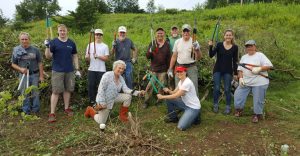
The Hudson Valley's agricultural landscape functions as far more than scenic backdrop — it delivers critical ecological services including watershed protection, wildlife corridors, and locally grown food for millions of New York State residents who depend on a healthy regional food system. CLC focuses its efforts on Columbia County and neighboring communities where farmland faces relentless pressure from speculative development and generational ownership transitions that can end centuries of agricultural use in a single estate transaction. According to the USDA Natural Resources Conservation Service, conservation easements rank among the most cost-effective mechanisms available for preserving working farmland at meaningful scale.
Conservation land trusts operate across the country, each shaped by its own regional ecology — organizations like Friends of Brazoria Wildlife Refuges defend Gulf Coast ecosystems while the Champlain Area Trails network preserves wilderness access in northern New York — yet all share the same foundational commitment to permanent land protection that outlasts any single political administration or funding cycle and remains enforceable in perpetuity.
Contents
- How the Columbia Land Conservancy Came to Protect the Hudson Valley
- Farmland Conservation in the Hudson Valley: When Easements Work and When They Don't
- Understanding the Financial Side of Conservation Easements
- Conservation Strategies Side by Side
- Obstacles That Slow Farmland Conservation Efforts
- Immediate Ways to Support Hudson Valley Farmland Conservation
How the Columbia Land Conservancy Came to Protect the Hudson Valley
Origins and Core Mission
The Columbia Land Conservancy was established in the 1970s by a coalition of local farmers, concerned citizens, and conservation advocates who recognized that the Hudson Valley's open spaces were rapidly losing ground to suburban expansion and speculative land investment. The organization's mission centers on three interconnected goals that have guided its work across multiple decades:
- Protecting farmland that sustains regional food systems, agricultural livelihoods, and rural cultural heritage across Columbia County
- Preserving natural areas — forests, wetlands, stream corridors, and meadows — that support biodiversity and clean water supplies
- Engaging surrounding communities through education programs, public stewardship events, and volunteer opportunities that build a lasting conservation ethic beyond the organization itself
CLC operates as a 501(c)(3) nonprofit land trust, which means it holds and monitors conservation easements in perpetuity, legally obligating future landowners to honor the restrictions established at the time of the original transaction regardless of subsequent ownership changes or market pressures.
Geographic Scope and Conservation Milestones
CLC's conservation work extends across Columbia County and reaches into Dutchess, Greene, and Rensselaer counties, covering a region of exceptional ecological and agricultural significance in the northeastern United States. Notable milestones in the organization's history include:
- Protection of tens of thousands of acres through directly held conservation easements on active farming operations
- Completion of major farmland preservation projects on working dairy, vegetable, and diversified livestock farms
- Establishment of publicly accessible stewardship preserves offering hiking, nature education, and wildlife observation opportunities
- Long-term collaborative projects with New York State agencies, municipal governments, and regional land trust partners
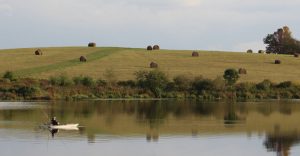
Farmland Conservation in the Hudson Valley: When Easements Work and When They Don't
Conditions That Make Conservation Effective
Farmland conservation in the Hudson Valley delivers its most durable results when specific conditions align among the landowner, the land trust, and the landscape itself. Conservation easements work best in the following circumstances:
- The property contains prime agricultural soils, wetlands, or wildlife habitat that qualifies under IRS conservation purpose standards defined in Section 170(h)
- The landowner has long-term ownership intentions, since easements are permanent and affect estate planning for all future heirs
- The land sits within a priority conservation corridor identified by regional planners, state agricultural programs, or existing protected lands that create connectivity
- The farmer or landowner has sufficient taxable income to benefit meaningfully from available federal and state deductions
- Neighboring parcels are already protected, enabling landscape-scale habitat continuity rather than isolated island conservation
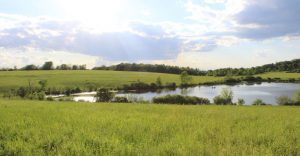
When an Easement May Not Be the Right Fit
Conservation easements are not a universal solution, and pursuing one under the wrong circumstances creates legal and financial complications that burden landowners and heirs across multiple generations. Easements are generally inadvisable when:
- The landowner anticipates needing to subdivide or sell portions of the property to fund retirement within the near term
- Family members who will inherit the property have not been consulted and may oppose permanent development restrictions on land they expect to use differently
- The property does not meet IRS Section 170(h) conservation purpose criteria, rendering charitable deductions unavailable and eliminating the primary financial incentive
- A promoter is involved who promises inflated appraisals — a practice the IRS formally classifies as an abusive tax shelter subject to significant penalties
- Infrastructure development potential represents the majority of the property's financial value and the landowner depends on accessing that value
Understanding the Financial Side of Conservation Easements
What Landowners Pay and What They Gain
The financial structure of a conservation easement transaction involves multiple parties, each bearing distinct costs while receiving distinct benefits that can substantially offset those expenses over time. Landowners working with CLC or a comparable land trust should anticipate the following transaction costs:
- Qualified appraisal fees: An IRS-required independent appraisal of the easement's value typically costs between $3,000 and $10,000, depending on property size and complexity
- Attorney fees for reviewing and negotiating easement deed language, which commonly range from $2,000 to $8,000 for experienced conservation counsel
- Survey costs if the property lacks a current boundary survey meeting land trust standards, often adding $1,500 to $5,000
- Stewardship endowment contribution required by most land trusts to fund ongoing annual monitoring, typically calculated as 1–5% of the easement's total appraised value
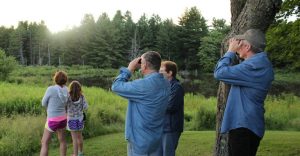
Tax Benefits That Drive Participation
Federal tax law allows qualifying landowners to deduct the full appraised value of a donated easement as a charitable contribution, creating financial incentives that routinely exceed total transaction costs and reward conservation commitment with meaningful long-term savings.
| Benefit Type | How It Works | Typical Value |
|---|---|---|
| Federal Income Tax Deduction | Deduct donated easement value up to 50% of AGI; 100% for qualifying farmers and ranchers | Varies by appraised value and income level |
| Carry-Forward Period | Unused deduction carries forward up to 15 years for eligible farmers and ranchers | Up to 15 additional tax years |
| Estate Tax Reduction | Easement reduces estate value, lowering estate tax liability for heirs inheriting protected land | Up to 40% exclusion on qualifying acreage |
| New York Property Tax Relief | Agricultural assessment programs cap property tax rates on farmland enrolled in qualifying programs | Substantial annual reductions on farm acreage |
| Purchase of Development Rights (PDR) | Government-funded programs compensate landowners directly for surrendering development rights permanently | $1,000–$10,000+ per protected acre |
Conservation Strategies Side by Side
Easements, Sales, and Donations Compared
Landowners considering farmland conservation in the Hudson Valley have several structural options available, each carrying different implications for financial compensation, ongoing ownership control, and long-term land management obligations that affect both the current generation and all future heirs.
- Donated conservation easement: Landowner retains full private ownership, receives a federal charitable tax deduction based on the appraised loss in development value, and the land remains in family hands with permanent restrictions recorded against the deed
- Sold conservation easement via PDR program: Landowner receives direct payment from a government agency or land trust for surrendering development rights, retaining farming operations and private ownership without tax deduction benefits
- Outright donation to a land trust: Landowner transfers complete ownership and receives the maximum available charitable deduction; the land is managed permanently by the receiving organization as a preserve or working farm
- Bargain sale: Landowner sells property below full market value, receiving direct payment plus a partial charitable deduction for the gap between the sale price and the property's full appraised value
- Testamentary bequest: Land transfers through a will or trust arrangement, offering no immediate tax benefit but preserving full owner control during the landowner's lifetime while protecting against development-driven estate decisions by heirs
CLC staff work directly with landowners to identify which mechanism or combination of mechanisms best fits individual financial circumstances, conservation goals, and family dynamics — frequently combining a PDR payment with a donated easement to layer restrictions beyond what government programs alone require.
Obstacles That Slow Farmland Conservation Efforts
Legal and Administrative Complexities
Conservation transactions require extensive legal documentation, multi-agency coordination, and IRS compliance procedures that create real friction even for landowners who are fully committed to protection from the outset. Common legal and administrative obstacles include:
- Easement deed drafting that must simultaneously satisfy IRS charitable contribution standards and the land trust's long-term stewardship requirements across dozens of potential future land uses
- Baseline documentation — a comprehensive inventory of current conditions including maps, photographs, and ecological surveys — that must be completed before closing and maintained through every subsequent annual monitoring visit
- Title searches that routinely uncover prior liens, severed mineral rights, or unresolved boundary disputes requiring legal resolution before an easement can be validly recorded
- Multi-owner properties where all co-owners must agree and execute documents simultaneously, creating coordination challenges across extended families and multiple generations with competing priorities
Pro tip: Landowners should engage a conservation-experienced real estate attorney — not a general practice attorney — at least six months before a planned easement closing, since IRS-compliant baseline documentation and deed review requirements routinely extend project timelines well beyond initial expectations.
Managing Community Expectations
Even when a landowner fully supports conservation, community dynamics can delay or derail projects — particularly in rural communities where distrust of outside organizations and concerns about tax base impacts run deep among neighbors and local officials. Land trusts address these challenges through several well-established practices:
- Hosting public information sessions that explain precisely what a conservation easement does and does not restrict, correcting common misconceptions about public access and tax implications
- Emphasizing that protected farmland remains privately owned, continues generating local property tax revenue in most configurations, and remains part of the agricultural economy
- Partnering with established local agricultural organizations whose credibility within farming communities surpasses that of any conservation nonprofit operating from the outside
- Documenting tangible community benefits — clean water, scenic landscapes, local food availability, recreational access — in language that resonates beyond the conservation-minded audience
Immediate Ways to Support Hudson Valley Farmland Conservation
Volunteering and Financial Support
Direct participation in CLC programs represents the fastest path to meaningful impact, and the organization offers multiple engagement levels suited to different schedules, skill sets, and financial capacities across its supporter base.
- Volunteer as a stewardship monitor, conducting annual visits on easement properties to document current conditions, flag potential violations, and maintain the baseline record required for legal enforcement
- Participate in community workdays at CLC preserves, contributing labor for trail maintenance, invasive species management, and habitat restoration projects on publicly accessible conservation land
- Make a recurring annual donation — even modest contributions fund legal document review, staff monitoring time, and the specialized equipment that stewardship programs depend on
- Attend signature fundraising events like the annual pancake breakfast at Ooms Conservation Area, which combines direct community engagement with tangible organizational support
Advocacy That Creates Lasting Policy Change
Individual advocacy amplifies CLC's organizational capacity by creating political conditions that sustain funding streams, favorable tax treatment, and land use regulations that make farmland conservation in the Hudson Valley financially viable for future generations of farmers and landowners.
- Contact state legislators to express support for continued funding of New York's Farmland Protection Program, which provides PDR grants that close projects CLC initiates with willing landowners
- Engage with local planning boards and zoning commissions to support agricultural zoning overlays, right-to-farm ordinances, and cluster development regulations that reduce farmland fragmentation
- Share CLC's work within personal and professional networks, expanding awareness among potential donors, volunteer monitors, and landowners who may not know easement options exist
- Support local food systems by purchasing directly from farms whose land is protected by CLC easements, creating direct economic incentives that complement legal protections with market demand
Frequently Asked Questions
Does a conservation easement mean the public can access private farmland?
Not automatically. Most conservation easements held by CLC and comparable land trusts preserve private ownership and do not require public access unless the landowner specifically agrees to include that provision in the deed. Public access is a separate, negotiated component and never a default condition of farmland protection agreements.
How long does a conservation easement transaction typically take from initial contact to closing?
Most easement transactions require between one and three years from the first conversation with a land trust to the recorded closing. IRS-compliant appraisals, baseline documentation, title work, and deed negotiation each add time, and funding applications through state PDR programs can extend timelines further depending on application cycles and available appropriations.
Can a landowner still farm and build structures on land protected by a CLC easement?
Agricultural use — farming, grazing, crop production, farm structures supporting active operations — is specifically preserved in conservation easements designed to protect working farmland. The easement restricts non-agricultural subdivision and commercial development while explicitly permitting continued farming activity, farm buildings within defined envelopes, and residential use by the landowner's family.
What happens if a landowner violates the terms of a conservation easement?
CLC's stewardship staff conduct annual monitoring visits and document any conditions that conflict with easement terms. When violations are identified, the organization first pursues negotiated resolution with the landowner, but retains full legal authority to seek court-ordered remediation if informal resolution fails, since the easement is a perpetually binding legal instrument recorded against the property deed.
Next Steps
- Visit the Columbia Land Conservancy's website to review current conservation projects, stewardship events, and volunteer monitoring opportunities available in Columbia County and surrounding regions.
- If landowner status applies, schedule a confidential initial consultation with CLC's land protection staff to evaluate whether the property qualifies for an easement and which conservation mechanism best fits the financial and family situation.
- Contact a conservation-experienced attorney for an independent review of easement implications on estate planning and tax liability before entering any formal agreement with a land trust.
- Sign up for CLC's mailing list and attend at least one community event — such as a preserve workday or public fundraiser — to build relationships with staff, fellow landowners, and conservation partners operating across the region.
- Reach out to local state legislators and town planning boards to express support for farmland protection funding and agricultural zoning policies that make conservation financially viable for Hudson Valley farmers over the long term.


About Simmy Parker
Simmy Parker holds a Bachelor of Science in Civil Engineering from Sacramento State University and has applied that technical background to outdoor structure design, landscape planning, and backyard improvement projects for over a decade. Her love for the outdoors extends beyond design — she regularly leads nature hikes and has developed working knowledge of native plants, soil conditions, and sustainable landscaping practices across Northern California. At TheBackyardGnome, she covers backyard design guides, landscaping ideas, and eco-friendly outdoor living resources.
You can Get FREE Gifts. Receive Free Backyard Items here. Disable Ad Blocker to get them all now!
Once done, hit anything below