What does it take to preserve a fragment of wild Texas when urban sprawl consumes thousands of acres every year? The Connemara Conservancy Texas land trust has spent nearly four decades answering that question. Based in Allen, Texas, this nonprofit operates a 78-acre nature preserve at the edge of one of the nation's fastest-growing metropolitan areas. For readers who track the environment beat — from backyard habitats to large-scale ecological stewardship — the Connemara Conservancy offers a textbook model of sustained, community-driven conservation in action.
The preserve occupies a significant portion of the Blackland Prairie ecoregion, a narrow belt of dark, fertile soil that once covered roughly 12 million acres of Texas. Today, less than one percent of that original habitat survives as intact native land. That scarcity makes every protected acre consequential. The Connemara Conservancy guards its parcel through volunteer labor, donor funding, and persistent civic advocacy — none of which arrived without effort.
Texas has no dedicated state income tax revenue for land conservation, which means private nonprofits shoulder a disproportionate share of preservation responsibility. The Connemara Conservancy Texas land trust fills that gap in the North Texas corridor, offering a rare refuge for native plants, pollinators, migratory birds, and a metropolitan public that increasingly needs access to green space.
Contents
- The Origins of the Connemara Conservancy Texas Land Trust
- Critical Ecosystems and Species Under Protection
- Volunteering, Visiting, and Getting Involved
- The Economics of Urban Land Conservation
- Obstacles Facing Urban Land Trusts
- Long-Term Vision for the Connemara Conservancy Texas Land Trust
- Frequently Asked Questions
The Origins of the Connemara Conservancy Texas Land Trust
Founding and Early Mission
The Connemara Conservancy was established in the late 1980s by a coalition of North Texas citizens who recognized that suburban growth was eliminating native habitat at an irreversible pace. The organization took its name from the rugged coastal region of western Ireland — a deliberate nod to wild landscapes that resist domestication and development alike.
- Incorporated as a nonprofit land trust with focus on the Dallas-Fort Worth corridor
- Acquired its flagship Allen, Texas preserve through private donation
- Adopted a dual mandate: permanently protect land and educate the public about native ecosystems
- Operates within standards established by the Land Trust Alliance, the national accreditation body for conservation land trusts
The organization's founding principle — that conservation land must be permanently protected, not subject to rezoning by future municipal governments — distinguished it from city parks, which carry no permanent legal shield against conversion to other uses.
The Blackland Prairie Connection
The preserve sits squarely within the Blackland Prairie, a slender ecoregion cutting diagonally across the state from the Red River south toward San Antonio. This strip of dark, moisture-retentive soil was historically dominated by grasses, wildflowers, and scattered woodland — a landscape that sustained vast wildlife populations before cultivation and development transformed it.
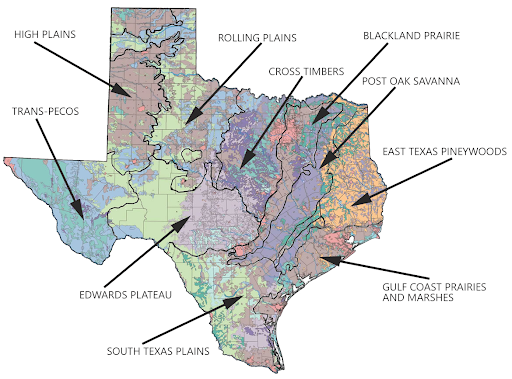
Texas hosts ten distinct ecoregions, from the Chihuahuan Desert to the Pineywoods. The Blackland Prairie's position — running directly through the state's most urbanized corridor — makes it uniquely vulnerable. Unlike the Big Thicket of East Texas, examined closely by The Big Thicket Association, the Blackland Prairie carries no large federal protection zones. Private land trusts carry the full conservation burden here.
Critical Ecosystems and Species Under Protection
Native Plant Communities
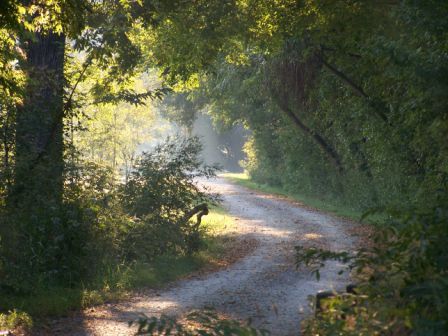
The Connemara preserve supports a documented assemblage of native plants that have disappeared from most of the surrounding metroplex. Active restoration has reintroduced species that once dominated Blackland soils, rebuilding the biological structure that commercial sod and ornamental planting cannot replicate.
- Little bluestem grass — the signature warm-season grass of the Blackland Prairie, turning copper-red in fall
- Purple coneflower, black-eyed Susan, and prairie verbena sustaining pollinator populations through the growing season
- Eastern red cedar and bur oak woodland along drainage corridors and creek margins
- Restored riparian zones lined with native sedges, forbs, and moisture-tolerant grasses
Wildlife Corridors and Fauna
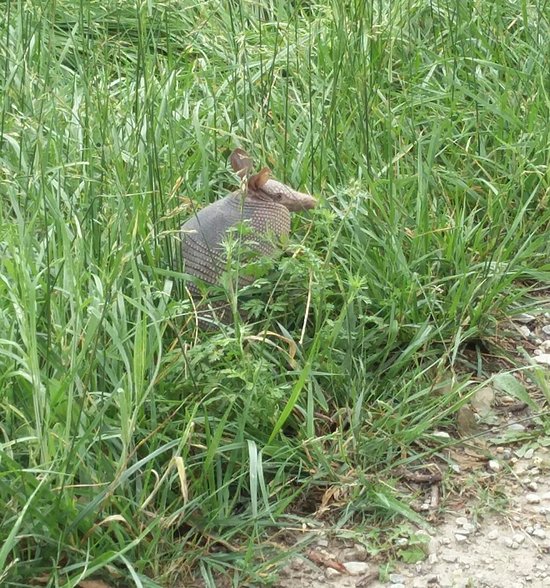
The preserve functions as a critical node in a fragmented urban wildlife network. Species documented on the property include migratory songbirds, raptors, white-tailed deer, coyotes, and a substantial diversity of native insects. Monarch butterflies and native bees rely on the flowering prairie plants for food and reproductive habitat during seasonal migrations.
Pro insight: North Texas gardeners can extend the conservancy's ecological reach by planting little bluestem, inland sea oats, and coneflower in their own yards — native corridors built garden by garden measurably increase regional biodiversity.
The preserve also tracks ecological indicator species — organisms whose presence or absence signals the broader health of the ecosystem. Sustained populations of these indicators represent a quantifiable conservation outcome, not simply an aesthetic one.
Volunteering, Visiting, and Getting Involved
Volunteer Programs
The Connemara Conservancy Texas land trust depends on organized volunteer labor for the bulk of its habitat management work. Regular work days draw participants from across Collin County for restoration tasks, invasive species removal, and trail upkeep.
- Scheduled volunteer days typically run on weekend mornings with structured assignments
- Common tasks include removing invasive Chinese privet, Johnson grass, and non-native tree-of-heaven
- Youth groups, scout troops, and school programs participate in guided educational restoration events
- No prior conservation experience required — tools, gloves, and instruction are provided on-site
- Corporate volunteer groups are welcomed through coordinated partnership arrangements
Public Trails and Education
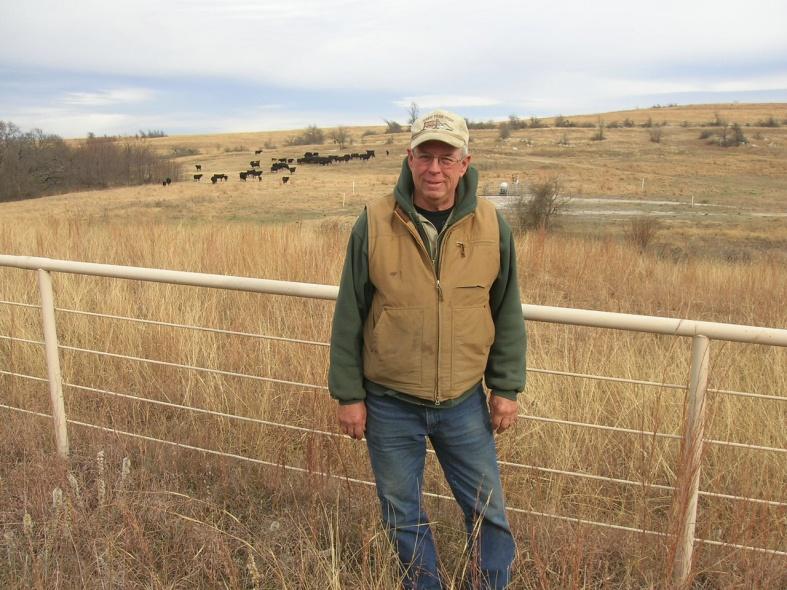
The preserve's walking trails are open to the public at no charge. Interpretive signage along the routes identifies native plant species and explains the ecological processes sustaining the prairie. Educational programming reaches thousands of students annually through field visits led by trained naturalists.
The programming model mirrors what successful land trusts have deployed across the country. The Friends of Brazoria Wildlife Refuges along the Texas Gulf Coast demonstrate a comparable approach — combining protected habitat with structured public engagement to build a conservation constituency that extends well beyond the preserve's fence line.
The Economics of Urban Land Conservation
Funding Sources
Sustaining a land trust in a high-cost metropolitan market requires diversified revenue. The Connemara Conservancy draws on multiple streams to cover operating expenses, land management, and long-term stewardship obligations.
- Individual memberships and annual charitable donations
- Corporate sponsorships from North Texas businesses seeking community partnership
- Foundation grants targeting urban conservation and environmental education initiatives
- Special events — fundraising galas, guided nature walks, photography days, and community programs
- In-kind contributions from volunteers, whose labor hours represent significant annual value
Cost Structure of a Land Trust
Annual operating costs for an urban land trust of comparable size distribute across several distinct categories. The table below reflects general benchmarks for a nonprofit managing 50–100 protected acres in an urban or suburban Texas setting.
| Budget Category | Approximate Annual Cost | Notes |
|---|---|---|
| Land Management & Restoration | $30,000 – $60,000 | Invasive removal, controlled burns, native planting |
| Staff Salaries | $80,000 – $150,000 | Executive director, program and land staff |
| Education Programs | $15,000 – $35,000 | Field program coordination, printed materials |
| Administrative & Legal | $10,000 – $25,000 | Compliance, insurance, accounting, easement monitoring |
| Fundraising & Events | $10,000 – $20,000 | Annual gala, donor outreach, digital communications |
| Estimated Annual Total | $145,000 – $290,000 | Varies by grant activity and volunteer contribution levels |
Obstacles Facing Urban Land Trusts
Development Pressure
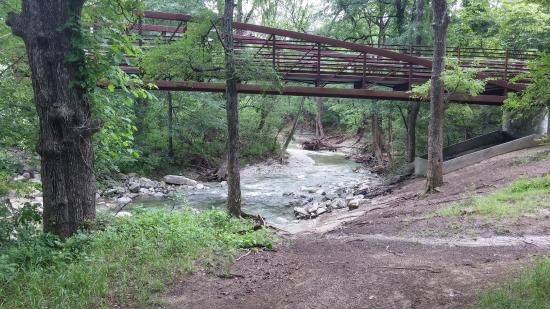
Allen, Texas has ranked among the fastest-growing communities in the United States across multiple consecutive census periods. That sustained growth rate creates relentless pressure on any undeveloped parcel adjacent to established neighborhoods and commercial zones.
- Land values in Collin County have appreciated sharply, raising the cost of acquiring new conservation parcels
- Municipal zoning classifications can shift on short timelines, threatening buffer zones around existing protected land
- Infrastructure projects — roads, drainage channels, utility corridors — fragment wildlife habitat even without directly impacting the preserve itself
- Invasive species encroachment accelerates along disturbed edges where developed land meets native habitat
- Neighboring property use changes can introduce light pollution, runoff contaminants, and noise that degrade interior habitat quality
Funding and Awareness Gaps
Urban land trusts compete with larger, better-resourced conservation organizations for a finite pool of philanthropic capital. National nonprofits with established brand recognition routinely outpace regional organizations in grant competitions, even when local groups deliver more targeted ecological outcomes per dollar spent.
Public awareness is an equally persistent obstacle. A significant portion of North Texas residents remain unaware that a functioning prairie preserve exists within their own metropolitan area — a gap the conservancy addresses through school partnerships, community events, and digital outreach. Inland prairie preserves receive less media attention than coastal refuges despite protecting habitat of comparable biological significance and greater regional rarity.
Long-Term Vision for the Connemara Conservancy Texas Land Trust
Expansion Through Conservation Easements
The conservancy extends its ecological footprint beyond the core preserve through conservation easements — legally binding agreements with private landowners that permanently restrict development rights while leaving the land in private hands. This mechanism allows the organization to protect additional acres without the capital requirement of outright purchase.
- Easement negotiations prioritize parcels adjacent to existing protected land, minimizing habitat fragmentation
- Priority corridors include riparian zones along Rowlett Creek tributaries feeding the preserve
- Partnership with municipal planning departments integrates preserve boundaries into city park and greenway networks
- Regional coordination with watershed councils extends conservation planning across county lines
Education and Community Legacy
The long-term viability of the Connemara Conservancy Texas land trust rests on cultivating a constituency that genuinely values native land. Children who explore the preserve today become adult voters, donors, and advocates tomorrow — a multi-generational strategy that parallels the approach of the most durable land trusts operating across the United States.
The organization also maintains documented ecological baseline data, enabling researchers to measure restoration progress across decades. That longitudinal record is itself a conservation asset. It informs best practices for urban prairie management throughout the broader North Texas region and provides peer-reviewed evidence that community-led land protection delivers measurable biological results.
Frequently Asked Questions
Where is the Connemara Conservancy located?
The Connemara Conservancy is located in Allen, Texas, in Collin County — part of the Dallas-Fort Worth metropolitan area. The preserve occupies approximately 78 acres within the Blackland Prairie ecoregion and is open to the public at no charge via maintained walking trails.
What makes the Connemara Conservancy a land trust?
A land trust is a nonprofit organization that holds legal title or binding agreements on land to protect it from development permanently. The Connemara Conservancy Texas land trust owns its core preserve outright and uses conservation easements to extend protection to surrounding private parcels, operating in accordance with standards set by the Land Trust Alliance.
How can people support the Connemara Conservancy?
The conservancy accepts individual memberships, direct charitable donations, and volunteer participation. Organized work days are regularly scheduled for habitat restoration and invasive species removal. Corporate sponsorships and planned estate gifts also contribute to the organization's long-term stewardship endowment.
Why is the Blackland Prairie considered critically endangered?
The Blackland Prairie is among the most threatened ecosystems in North America. Less than one percent of its original acreage survives as intact native habitat. Because this ecoregion runs directly through the most densely urbanized corridor in Texas, private land trusts like the Connemara Conservancy carry primary responsibility for its protection — no federal reserve system covers this landscape at meaningful scale.
Final Thoughts
The Connemara Conservancy Texas land trust stands as concrete proof that sustained citizen action can hold the line against development pressure, even inside one of America's most aggressive growth markets. Readers who value eco-friendly outdoor living and native landscapes have a direct next step available: visit the Allen preserve on a public trail day, sign up for a volunteer restoration session, or establish a membership — each action reinforces the conservation network protecting North Texas's last fragments of native Blackland Prairie for future generations.


About Simmy Parker
Simmy Parker holds a Bachelor of Science in Civil Engineering from Sacramento State University and has applied that technical background to outdoor structure design, landscape planning, and backyard improvement projects for over a decade. Her love for the outdoors extends beyond design — she regularly leads nature hikes and has developed working knowledge of native plants, soil conditions, and sustainable landscaping practices across Northern California. At TheBackyardGnome, she covers backyard design guides, landscaping ideas, and eco-friendly outdoor living resources.
You can Get FREE Gifts. Receive Free Backyard Items here. Disable Ad Blocker to get them all now!
Once done, hit anything below