Our team spent a cold October evening crowded around a patio fire pit that barely threw enough heat to warm two people sitting right next to it. That experience made one thing obvious: when it comes to outdoor heating, size is everything. A large outdoor chiminea for backyard use transforms a chilly patio into a genuine gathering space, and the Gardeco X-Large is one of the strongest contenders in that category. For anyone serious about outdoor entertaining, this model is worth understanding thoroughly before buying.
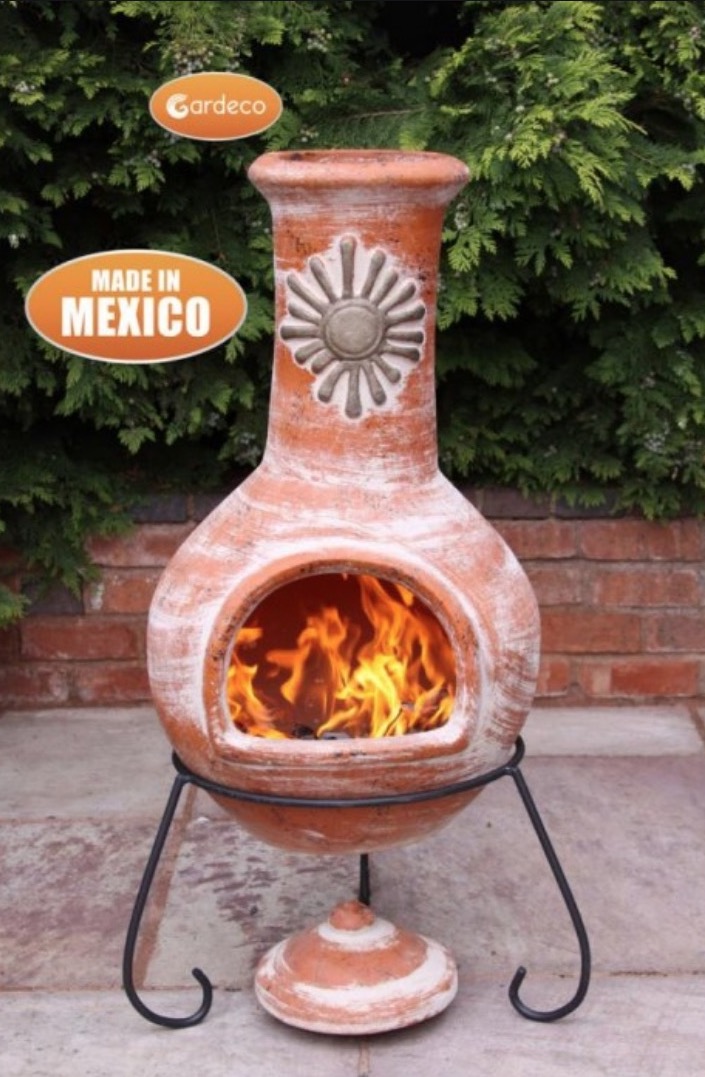
Gardeco has earned a solid reputation for high-fired clay chimineas, and the X-Large sits at the top of their lineup. It's a substantial piece — tall, wide-mouthed, and built to run a real fire rather than a token flame. Understanding what makes chimineas fundamentally different from open fire pits is the starting point: their enclosed belly and tapered neck funnel smoke upward while radiating heat outward, making them far more practical for close-quarters warmth on a cool evening.
Our experience across several backyard setups confirms that the Gardeco X-Large rewards careful placement and a proper break-in period. Get those two things right and this chiminea becomes the anchor of any outdoor space. Skip them and the results can be expensive. The sections below cover everything our team learned — from first-fire setup to long-term running costs.
Contents
Why the Gardeco X-Large Stands Out
Build Quality and Materials
The Gardeco X-Large is made from high-fired clay — a different proposition than cast iron alternatives like the Blue Rooster Cast Iron Casita. Clay chimineas absorb and radiate heat gradually. They take longer to warm up but hold warmth longer after the fire dies and distribute it more evenly across the surrounding area.
Key specifications worth knowing before purchasing:
- Material: High-fired, hand-painted clay
- Height: Approximately 100cm (just under 40 inches)
- Mouth opening: Wide enough to accept standard unsplit firewood lengths
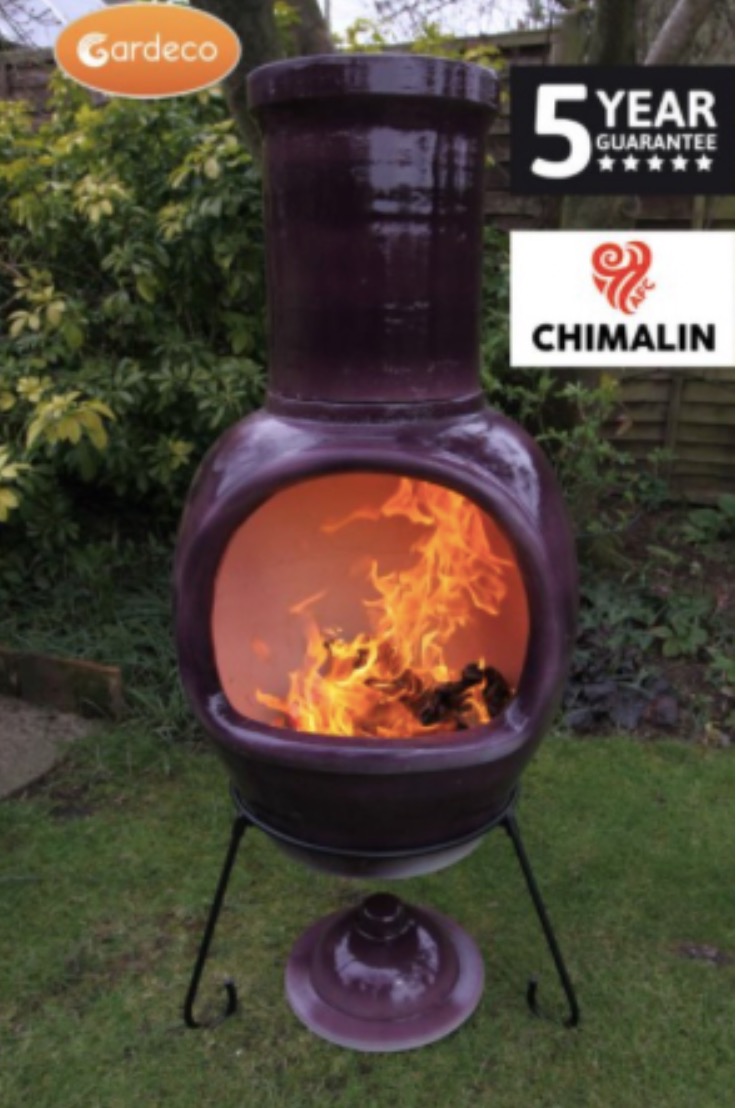
- Finish: Available in multiple colorways including a distinctive purple glaze
- Weight: Around 20kg — substantial but manageable with two people
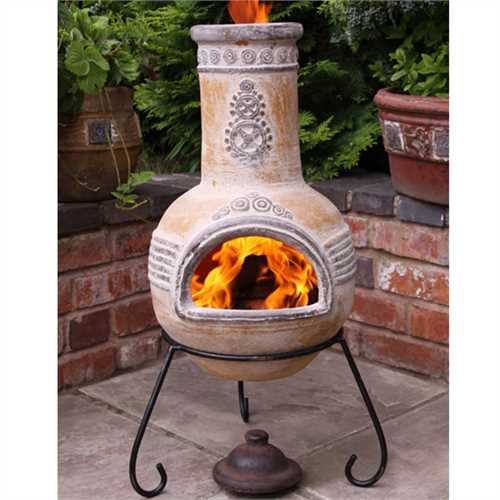
The hand-painted detailing on Gardeco's line isn't just decorative — it signals the quality control baked into each piece. Mass-produced budget clay chimineas skip this step and it shows in the finish, thickness, and uniformity of the walls. Our team has tested both categories side by side, and the Gardeco consistently outperforms in heat retention and structural longevity.
Pro insight: Clay chimineas perform best on concrete, flagstone, or compacted gravel — never place one directly on grass or wooden decking without a heat-resistant mat underneath.
Size and Heat Output
Size is the defining feature of the X-Large. The wide mouth opening accepts full-length firewood logs, which translates to longer burn times and less prep work splitting logs to fit. Most compact backyard chimineas force shorter cuts. This one doesn't. Our team found a properly loaded X-Large maintains heat for 2–3 hours on a moderate hardwood load — enough for a full evening outside.
Heat output depends heavily on wood selection. Hardwoods are the clear choice:
- Oak: Dense, slow-burning, excellent sustained heat
- Ash: Burns clean with minimal sparking — our team's preferred fuel
- Hickory: High BTU output, distinct aroma
- Softwoods (pine, cedar): Avoid entirely — fast-burning, heavy sparking, significant creosote buildup
Setting Up and Seasoning a Clay Chiminea
Placement and Safety
Placement determines everything about the long-term experience. According to Wikipedia's entry on chimineas, the design traces back to pre-Columbian Mesoamerica, originally used for indoor cooking and heating. That heritage explains why the enclosed belly design is so effective at directing heat outward rather than letting it dissipate in all directions like an open fire pit.
Our team's recommended placement checklist:
- Choose a non-combustible base — concrete, flagstone, or a purpose-built chiminea stand. Our slate patio design ideas offer surface inspiration that pairs naturally with clay chimineas.
- Maintain clearance — minimum 3 feet from any structure, fence, or overhanging branch. Six feet is the safer standard.
- Orient the mouth away from prevailing winds — this prevents smoke blowback and dramatically improves draft performance.
- Level the base thoroughly — a rocking clay chiminea is a cracking clay chiminea.
The Seasoning Process
Seasoning a new clay chiminea is not optional. Our team has seen too many cracked units that skipped this step. Thermal shock from jumping straight to a large fire is the leading cause of premature chiminea failure. The correct approach is a three-day graduated process:
- Day 1 — Small fire: Crumpled newspaper and a handful of fine kindling only. Let it burn completely. Allow full cooling before touching the unit.
- Day 2 — Medium fire: Add slightly more kindling plus 1–2 small hardwood sticks. Same rule: burn completely, cool fully.
- Day 3 — Normal fire: The chiminea can now accept a standard fire load without risk.
Our complete chiminea care and maintenance guide covers seasoning and ongoing upkeep in full detail — it's worth reading before the first fire.
Getting the Most From a Large Outdoor Chiminea for Backyard Use
Fuel and Burning Tips
Warning: Never use accelerants like lighter fluid or chemical fire starters with a clay chiminea — the sudden heat spike causes micro-fractures that progressively weaken the structure.
Our team's tested approach to fuel management keeps fires clean and chimineas intact:
- Use only dry, seasoned hardwood — green wood generates heavy smoke and poor heat
- Build every fire from the bottom up: tinder first, then kindling, then logs
- Keep fires moderate — overloading the belly adds no warmth and accelerates wear
- Use long fireplace matches or a long-reach lighter to avoid leaning over the opening
- Our team never leaves a burning chiminea unattended — a simple rule that prevents costly accidents
The Gardeco X-Large's wide mouth also makes it a capable cooking unit once fully seasoned. Our team has grilled vegetables, roasted flatbread, and done plenty of marshmallow work using a grate positioned across the opening. The full range of cooking with a chiminea techniques is well worth exploring once the unit is broken in properly.
Entertaining and Winter Use
A large outdoor chiminea for backyard gatherings extends the usable outdoor season well into autumn and early winter. Our team has run successful evening sessions in temperatures as low as 28°F (−2°C) with a properly managed fire and basic windbreaking in place.
Pairing the chiminea with the right layout makes a measurable difference in comfort. Our outdoor winter party guide covers the full setup picture, but for chiminea-specific arrangements, our team prioritizes these three elements:
- Seating in a semicircle facing the open mouth — not behind or beside it
- A heat-resistant mat under the base, especially on composite or wooden decks
- A fitted weatherproof cover stored nearby for quick deployment between sessions
What It Costs and Whether It's Worth It
Price and Comparison
The Gardeco X-Large sits in the mid-to-upper range of the clay chiminea market. Our team's position is that the price is fair — but this is not the entry point for anyone testing the waters on a tight budget. Here's how it compares to the broader market:
| Model | Material | Approx. Price | Heat Output | Best Use Case |
|---|---|---|---|---|
| Gardeco X-Large | High-fired clay | $180–$260 | High | Large patios, regular seasonal use |
| Blue Rooster Cast Iron Casita | Cast iron | $200–$280 | Very high | Cold climates, maximum durability |
| Mid-size terracotta chiminea | Terracotta | $120–$160 | Moderate | Occasional use, smaller spaces |
| Budget clay chiminea (small) | Low-fire clay | $60–$100 | Low | Casual use only, minimal investment |
Long-Term Value
The ongoing cost of chiminea ownership is low when the unit is maintained correctly. Our team's breakdown of realistic annual running costs:
- Firewood: $60–$150 per cord depending on region and wood species
- Cover: $20–$40 one-time purchase — non-negotiable for clay
- Heat-resistant mat: $15–$30 one-time
- Repair compound: $10–$15 per season as needed for minor chips and hairline cracks
Consistent clay chiminea care extends the service life of this unit significantly. Our team has seen well-maintained Gardeco chimineas remain structurally sound after six or more seasons of regular use. The key habits that make that possible:
- Cover the unit after every session — trapped moisture is the primary enemy of clay
- Store indoors or under solid cover during extended wet or freezing weather
- Clean ash from the belly regularly — accumulated ash holds moisture against the clay walls
- Inspect for cracks each spring and address them immediately with repair compound
Frequently Asked Questions
Is the Gardeco X-Large safe to use on a wooden deck?
Our team does not recommend placing any clay chiminea directly on wooden decking without a fire-resistant mat and a non-combustible stand beneath it. The radiant heat from the base can scorch or char wood surfaces over time, and the risk increases with larger models like the X-Large that run hotter and longer fires.
How long does the seasoning process take for a new clay chiminea?
Our team recommends a three-day minimum — one graduated fire per day with full cooling between each session. Rushing this step is the single most common cause of cracking in new clay chimineas, and the damage is permanent. Three days of patience protects a significant investment.
Can a large outdoor chiminea for backyard use stay outside year-round?
In mild climates with a fitted cover and regular ash removal, yes. In regions with hard frost or freeze-thaw cycles, our team strongly recommends moving the chiminea into a garage or covered storage during the coldest months. Moisture trapped in micro-pores expands when it freezes and causes cracking that no repair compound can fully fix.
How does clay compare to cast iron for a backyard chiminea?
Clay warms up more slowly but radiates heat evenly and holds warmth longer after the fire dies down — our team finds this ideal for long evening sessions. Cast iron reaches high temperatures faster and handles harder use without the cracking risk, but it's heavier and costs more. For decorative backyard entertaining, our team prefers clay. For cold-climate durability, cast iron wins outright.
Final Thoughts
The Gardeco X-Large is a well-built, high-performing clay chiminea that our team recommends without hesitation for anyone prioritizing heat output, aesthetics, and genuine longevity over the lowest possible price point. The next step is a simple one: commit to the three-day seasoning process before the first real fire, invest in a quality cover and heat mat from day one, and pair the chiminea with a patio surface and seating arrangement that lets it do what it does best — turning a cold backyard evening into a reason to stay outside longer.


About Simmy Parker
Simmy Parker holds a Bachelor of Science in Civil Engineering from Sacramento State University and has applied that technical background to outdoor structure design, landscape planning, and backyard improvement projects for over a decade. Her love for the outdoors extends beyond design — she regularly leads nature hikes and has developed working knowledge of native plants, soil conditions, and sustainable landscaping practices across Northern California. At TheBackyardGnome, she covers backyard design guides, landscaping ideas, and eco-friendly outdoor living resources.
You can Get FREE Gifts. Receive Free Backyard Items here. Disable Ad Blocker to get them all now!
Once done, hit anything below