Last autumn, our team was testing outdoor heaters in a mid-sized backyard — nothing fancy, just a concrete pad, a couple of folding chairs, and a crisp evening that needed warming up. We lit the Blue Rooster cast iron chiminea for the first time that night, and by the second hour, nobody wanted to go inside. That test turned into a full review, and this post is the result. For anyone building out a backyard heating setup, our patio guides cover the full picture — but the Blue Rooster Casita deserves its own deep dive.
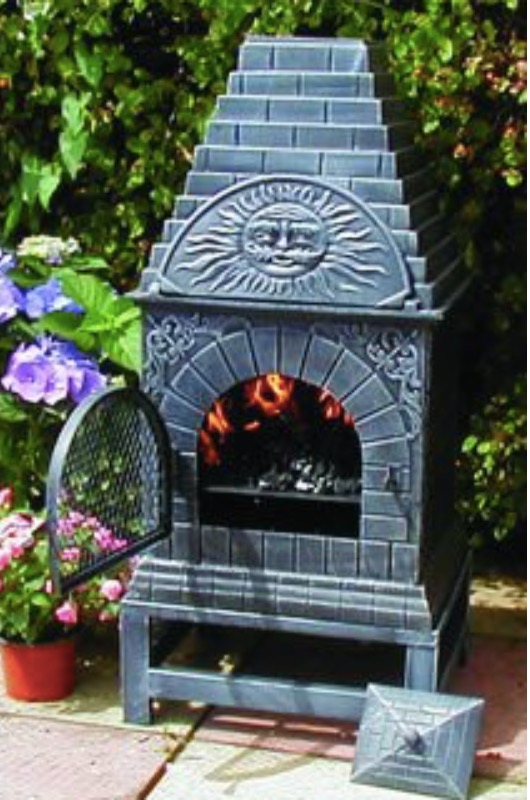
Cast iron chimineas occupy a sweet spot in the outdoor heating world. Clay models look beautiful but crack under hard use. Thin-gauge steel heats fast but warps over time. Cast iron holds heat longer, weathers better, and lasts for decades with basic care. The Blue Rooster Casita model has been around long enough to build a real track record — and our team has tested it across enough seasons to speak confidently about what it delivers.
This guide covers everything from unboxing to long-term upkeep. Most people reading this are either buying their first chiminea or upgrading from something that disappointed them. Either way, the goal is a clear, practical picture of what the Blue Rooster cast iron chiminea actually is — and what it isn't. Our full chimineas buying guide covers more options across styles and price points if a wider comparison helps.
Contents
- First Impressions: What Makes the Blue Rooster Cast Iron Chiminea Worth It
- The Best Ways Most People Use This Chiminea
- How to Set Up and Season the Blue Rooster Chiminea
- When This Chiminea Is (and Isn't) the Right Fit
- What First-Timers vs. Experienced Backyard Hosts Need to Know
- Long-Term Care: Keeping the Blue Rooster Cast Iron Chiminea in Top Shape
- Frequently Asked Questions
- Next Steps
First Impressions: What Makes the Blue Rooster Cast Iron Chiminea Worth It
Build Quality at a Glance
The first thing most people notice is the weight. The Blue Rooster Casita arrives heavy — that's cast iron doing its job. This isn't thin sheet metal painted to look premium. The casting is solid throughout, from the decorative base to the chimney stack, and that solidity directly translates to performance and longevity.
- Weight: approximately 67 lbs — brings real stability in wind
- Firebox opening: sized for standard split firewood, not just kindling
- Finish: black powder coat with a high-temperature paint layer beneath
- Legs: three-legged base keeps the unit level on uneven surfaces
- Spark screen: included, with a handle for safe adjustment during burns
The decorative cutwork on the body isn't purely aesthetic — those ventilation patterns help regulate airflow, which improves combustion and reduces smoke. Our team appreciated that the design choices serve function as well as form.
Out-of-the-Box Features
The Casita model ships with everything needed for a first fire:
- The main chiminea body (two-piece assembly)
- A fitted spark screen with a lift handle
- A cast iron firebox floor grate
- Basic assembly hardware and instructions
Pro tip: Apply a thin coat of vegetable oil or flaxseed oil to the exterior before the very first fire. This helps the paint cure evenly and adds a first layer of rust resistance from day one.
Assembly takes around 20 minutes. The chimney section seats into the firebox body and locks with a single bolt. No special tools required, and the fit is snug enough that there's no rattling during use.
The Best Ways Most People Use This Chiminea
Outdoor Entertaining
The Blue Rooster cast iron chiminea works as a functional centerpiece for outdoor gatherings. Unlike an open fire pit, the chimney design directs smoke upward rather than across seating areas. That makes it genuinely more comfortable for groups sitting close to the fire on cool evenings.
Most people set it up in one of these configurations:
- Center of a seating circle, with chairs arranged in a U-shape around it
- Corner anchor for a patio, with seating angled toward the heat
- Near an outdoor dining area for ambient warmth during cooler meals
For anyone thinking through the broader layout, our roundup of sunken fire pit seating ideas offers useful inspiration for arranging a focal-point heat source in an outdoor space.
Cooking Over the Fire
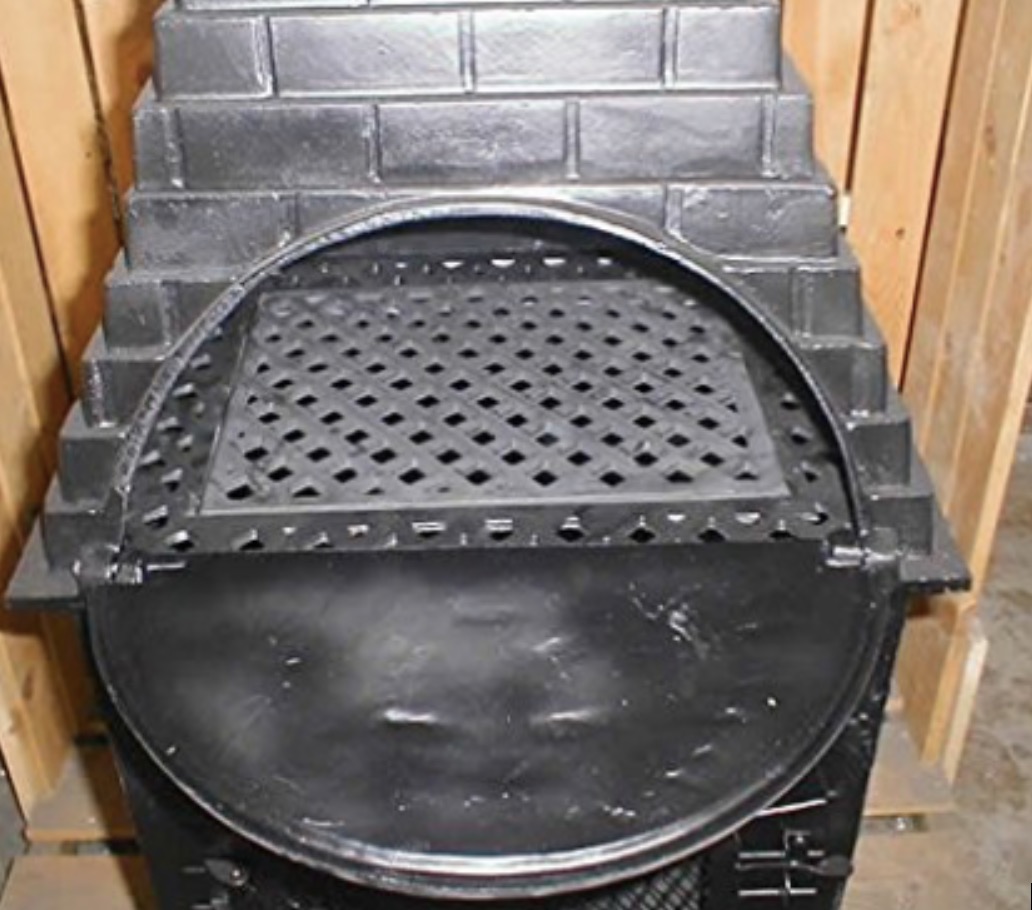
Cast iron retains heat evenly, which makes the Blue Rooster a legitimate cooking tool — not just a heater. The firebox grate sits at the right height for placing cast iron cookware directly inside, and the contained opening makes temperature management easier than an open pit.
Popular cooking applications our team has tested and recommended:
- Grilling on a cast iron grate placed across the firebox opening
- Slow-cooking in a Dutch oven (a heavy, lidded pot) nested over low coals
- Roasting vegetables wrapped in foil buried in the embers
- Warming flatbread or tortillas on the hot exterior body
Our chiminea cooking guide goes deeper on specific recipes and fire management techniques worth exploring once the unit is broken in.
How to Set Up and Season the Blue Rooster Chiminea
Positioning and Safety
Getting placement right is the most important first step. Cast iron radiates heat in all directions, so clearance from combustible materials matters more here than with a gas heater.
- Minimum 10 feet from structures, fences, or overhead coverage
- Place on a non-combustible surface — concrete, brick, or stone patio
- Keep the firebox opening facing away from the prevailing wind direction
- Never position under a pergola or roof structure, even with good clearance
- Keep a fire extinguisher or bucket of sand within arm's reach
According to the National Fire Protection Association, outdoor fire appliances should always be attended when in use and placed on stable, level, non-combustible ground. These guidelines apply directly to chiminea use.
Safety warning: Never move the chiminea while it's hot or contains active coals. Cast iron retains heat for several hours after the fire appears to be out — the exterior surface can cause serious burns long after the flames are gone.
The Curing Process Step by Step
Seasoning (curing) a new cast iron chiminea hardens the factory finish and prepares the iron for regular high-heat use. Our team recommends completing this process before the first social fire.
- Wipe down the exterior with a dry cloth to remove any shipping residue or oils.
- Apply a light coat of vegetable oil to all cast iron surfaces, inside and out.
- Build a very small fire using just a handful of dry kindling — no logs yet.
- Let it burn completely and cool to ambient temperature. Light smoke from curing oils is normal on this first burn.
- Build a medium fire on the second use, using small split hardwood.
- Wait until the third or fourth fire before loading large logs for a full-length burn.
Rushing this process causes the factory coating to blister or crack. Our team has documented early rust entry points forming on units where the owner skipped straight to a large fire on day one — a preventable problem that takes real effort to fix later.
When This Chiminea Is (and Isn't) the Right Fit
Ideal Scenarios
The Blue Rooster cast iron chiminea is a strong match in these situations:
- Patios where a wide fire pit would dominate the space or sit too low to the ground
- Households that want something built to last 15–20 years with basic seasonal care
- Anyone who wants a heater and occasional outdoor cooking tool in one unit
- Spaces where smoke direction matters — the chimney stack manages this effectively
- Buyers looking for a permanent anchor piece that elevates a seating area visually
| Chiminea Type | Heat Retention | Durability | Typical Weight | Best For |
|---|---|---|---|---|
| Cast Iron (Blue Rooster) | Excellent | 15–20+ years | 60–70 lbs | Long-term outdoor setups |
| Clay / Terracotta | Good | 3–7 years (fragile) | 30–50 lbs | Decorative, mild-climate use |
| Steel (Thin-Gauge) | Fair | 2–5 years | 15–30 lbs | Budget buyers, portability |
| Steel (Heavy-Gauge) | Good | 5–10 years | 40–60 lbs | Mid-range budget with durability |
When to Consider Something Else
The Blue Rooster isn't the right choice for every situation. Our team is direct about the limitations:
- Small apartment balconies — too heavy, too much heat output for confined or partially enclosed spaces
- Frequent movers — cast iron doesn't travel well and is best treated as a permanent installation
- Tight budgets — this chiminea sits at a premium price point that reflects its quality, but isn't right for every budget
- Anyone wanting a large open-flame experience — the firebox is intentionally contained and produces a focused, directed heat
For buyers drawn to a larger-format, more open fire experience, our roundup of best outdoor fireplaces covers formats that suit those needs better.
What First-Timers vs. Experienced Backyard Hosts Need to Know
For Those New to Chimineas
First-time chiminea owners make a few predictable mistakes. Our team has documented the most common ones so most people can skip the trial-and-error phase:
- Overloading the firebox — chimineas need airflow. A half-full firebox typically burns more efficiently than a packed one.
- Using wet or green (freshly cut) wood — this creates excessive smoke and deposits creosote (a tar-like residue) inside the chimney stack.
- Expecting instant heat — cast iron takes 15–20 minutes to fully warm up, but then holds that heat long after the fire dies down.
- Skipping a proper fire-building sequence — paper alone won't catch large logs. Build from tinder to kindling to small splits before adding full-size wood.
- Not purchasing a cover — a fitted cover is one of the most cost-effective protective investments available.
Quick tip: Hardwoods like oak, hickory, or apple wood burn longer and cleaner than softwoods like pine. Most people see a noticeable difference in smoke levels just by switching wood type.
For the Experienced Outdoor Host
Experienced chiminea owners will notice a few things about the Blue Rooster that separate it from lesser cast iron models:
- The chimney draft is more efficient than most comparable units — less smoke backpressure at medium fire levels
- The firebox opening is sized for real split firewood, not just ornamental fires with small sticks
- The three-legged base handles uneven patio surfaces better than flat-based competitors
- The spark screen fits flush and stays in place — unlike cheaper press-fit screens that fall off during use
Advanced users who do regular chiminea cooking will appreciate the stable platform the cast iron base provides. Placing a cooking grate across the opening is straightforward, and the heat output stays consistent over a long burn — exactly what slow cooking requires.
Long-Term Care: Keeping the Blue Rooster Cast Iron Chiminea in Top Shape
Seasonal Maintenance
Cast iron's biggest enemy is moisture, not heat. With the right seasonal routine, this chiminea genuinely lasts decades. Our team follows a consistent maintenance schedule that takes less than an hour total across the full year:
| Timing | Task | Materials Needed |
|---|---|---|
| Before first use (spring) | Inspect for rust spots; oil all exterior surfaces | Wire brush, vegetable oil, dry cloth |
| Monthly (active season) | Remove ash buildup; check for hairline cracks; wipe exterior | Ash scoop, dry cloth |
| After heavy rain | Dry thoroughly; light oil application if water sat on the surface | Dry cloth, cooking oil |
| End of season (fall) | Deep clean interior; apply protective paint coating; fit cover | Wire brush, high-temp spray paint, fitted cover |
| Winter storage | Store in a covered area or use a heavy-duty fitted outdoor cover | Fitted cover or garage/shed space |
Rust Prevention and Touch-Ups
Surface rust on cast iron is common and entirely manageable — it doesn't mean the unit is ruined. The repair process is simple and fast when caught early:
- Scrub the rusted area with a stiff wire brush until bare metal is visible
- Wipe clean with a dry cloth to remove all loose debris and dust
- Apply a thin coat of high-temperature black spray paint (rated 1,200°F minimum)
- Allow to dry completely before lighting any fire
- Once the paint cures through one fire cycle, the surface is sealed again
Our team keeps a can of high-temp black paint stored alongside the chiminea cover. Catching rust early — a patch the size of a quarter — takes five minutes to fix. Letting it spread for a full season turns a quick repair into a full restoration project. Prevention is dramatically easier than cure.
Frequently Asked Questions
How much does the Blue Rooster Casita cast iron chiminea weigh?
The Blue Rooster Casita model weighs approximately 67 pounds. That weight contributes directly to its stability and durability, but it also means most people want to establish a permanent position for it rather than relocating it seasonally.
Does the Blue Rooster cast iron chiminea need to be seasoned before the first use?
Our team strongly recommends completing three progressively larger fires before running a full burn session. This cures the factory finish, prevents early paint blistering, and begins building a protective layer on the cast iron surfaces that improves with every subsequent use.
Can anyone cook food in a Blue Rooster chiminea?
Yes. Cast iron retains heat evenly, and the firebox grate provides a stable platform for cast iron cookware. Most people find it well-suited for grilling, Dutch oven slow cooking, and roasting over coals. The controlled firebox makes temperature management more predictable than an open fire pit.
How long does a Blue Rooster cast iron chiminea last?
With proper maintenance — seasonal cleaning, rust prevention, and off-season covering — a cast iron chiminea of this quality routinely lasts 15 to 20 years or more. The material itself doesn't degrade with heat the way thin steel does, and structural cracks are rare under normal use.
What type of wood works best in a cast iron chiminea?
Dry, seasoned hardwoods like oak, hickory, cherry, or apple wood are our top recommendations. These burn hotter, longer, and produce significantly less creosote (a tar-like chimney deposit) than softwoods or wet wood. Most people notice the difference in smoke output immediately after switching.
Is the Blue Rooster chiminea safe to use on a wood deck?
Our team recommends placing a heat-resistant mat or stone tile beneath the unit if the only available surface is a wood deck. Cast iron radiates heat downward through the legs, and prolonged contact with decking material can cause scorching or charring over multiple uses.
Does the Blue Rooster chiminea come with a weatherproof cover?
The standard model ships without a dedicated weatherproof cover. Our team considers a fitted cover an essential accessory — purchasing one at the same time as the chiminea is one of the most cost-effective ways to meaningfully extend its lifespan, particularly in rainy climates.
How does a cast iron chiminea compare to a clay chiminea for durability?
Cast iron is substantially more durable than clay. Clay chimineas crack under thermal shock (rapid temperature changes from heat to rain) and are vulnerable to hard impacts. Cast iron handles both without damage, making it a better long-term investment for anyone in a climate with temperature extremes, heavy rainfall, or freezing winters.
Next Steps
- Confirm a permanent placement location on a non-combustible surface with at least 10 feet of clearance from structures before the chiminea arrives — changing this later with a 67-lb unit is inconvenient.
- Order a can of high-temperature black spray paint and a fitted cover at the same time as the chiminea — having both ready from day one prevents the most common early damage scenarios.
- Complete the three-fire curing process before the first social use — this protects the finish and sets realistic expectations for smoke levels and warm-up time.
- Browse our chiminea cooking guide to start planning the first fire-cooked meal — it unlocks the unit's value well beyond simple heating.
- Set a calendar reminder at the end of each outdoor season to clean, oil, and cover the unit — five minutes of fall maintenance prevents significant repairs the following spring.


About William Murphy
William Murphy has worked as a licensed general contractor in Fremont, California for over thirty years, specializing in outdoor structures, green building methods, and sustainable design. During that career he has written about architecture, construction practices, and environmental protection for regional publications and trade outlets, bringing technical depth to subjects that most home improvement writers approach only from a consumer perspective. At TheBackyardGnome, he covers outdoor product reviews, backyard construction guides, and sustainable landscaping and building practices.
You can Get FREE Gifts. Receive Free Backyard Items here. Disable Ad Blocker to get them all now!
Once done, hit anything below