Copper and Aluminium Cast Chimineas: Reviews, Buying Guide & FAQs 2026
by Simmy Parker
Outdoor fire features have become a backyard fixture across the country, with the global patio heater and fire pit market valued at over $1.6 billion and still growing. If you're searching for copper and aluminum chimineas reviews, you already know metal models outlast clay in almost every practical category — no cracking from thermal shock, no disintegrating in the rain, no babying required. But copper and aluminum behave very differently from each other, and buying the wrong one can leave you with a corroded eyesore before the second season arrives. This guide covers material differences, top product picks, setup steps, and the mistakes that shorten a chiminea's life. Explore our full outdoor product reviews for more backyard equipment breakdowns.
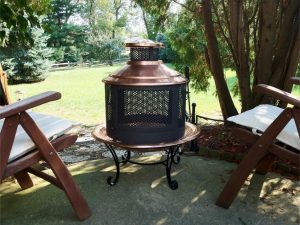
The chiminea has a long history rooted in Mexican culture, originally designed as a compact cooking and heating vessel. As Wikipedia's overview of chimineas notes, the design eventually moved outdoors, where clay versions became popular decorative and functional backyard fixtures. Cast metal versions — first copper, then aluminum — solved clay's fragility problem while preserving that distinctive bottle-flask silhouette that makes chimineas so visually appealing.
Your choice between the two metals comes down to three factors: budget, climate, and how much weight matters in your setup. Copper is heavier, more expensive, and develops a gorgeous natural patina over time. Aluminum is lighter, rust-resistant, and easier on your wallet. Both beat clay for cold-weather durability. Read on to see exactly which one fits your backyard.
Contents
Copper vs. Aluminum Chimineas: Which Material Suits Your Backyard?
Both materials outperform clay in every practical category. Neither will crack from rapid temperature changes, neither will crumble after a hard rain, and both can realistically last a decade or more with basic maintenance. The real question is which one fits how you actually use your outdoor space.
Why Choose Copper
Copper is the premium choice — and it earns that designation. A solid copper chiminea starts with a warm, burnished finish and gradually develops a deep natural patina that many homeowners find more attractive than the original surface. Copper conducts and radiates heat better than any other common chiminea material, which means faster warm-up times on cool evenings.
- Naturally antimicrobial surface resists mold and biological buildup
- Heavier gauge metal holds heat longer after the fire dies down
- Patina is a feature, not a flaw — it deepens over years
- Typically priced from $150 to $400+ for quality units
Why Choose Aluminum
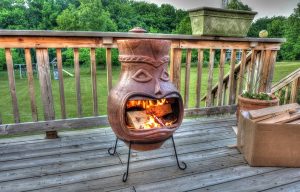
Cast aluminum is the practical pick for most backyards. It weighs significantly less than copper — repositioning it for a party layout or storing it seasonally won't strain your back. It's also naturally rust-resistant, which is a genuine advantage in humid climates or near the coast. Most quality cast aluminum chimineas arrive powder-coated for additional weather protection and hold decorative paint finishes far better than copper does.
| Feature | Copper | Aluminum |
|---|---|---|
| Typical Weight | 30–60 lbs | 15–30 lbs |
| Rust Resistance | High (natural oxide layer) | Very high (powder coat) |
| Heat Output | Excellent | Good |
| Patina Development | Yes — green over time | No |
| Price Range | $150–$400+ | $80–$200 |
| Portability | Difficult | Easy |
| Expected Lifespan | 10–20+ years | 8–15 years |
Our Top Copper and Aluminum Chimineas Reviews

After evaluating dozens of models across both materials, these are the standout picks from our copper and aluminum chimineas reviews. Selection criteria included build quality, wall thickness, fire opening size, included accessories, and verified owner feedback over multiple seasons.
Best Copper Chiminea: Unique Arts Solid Copper Chiminea
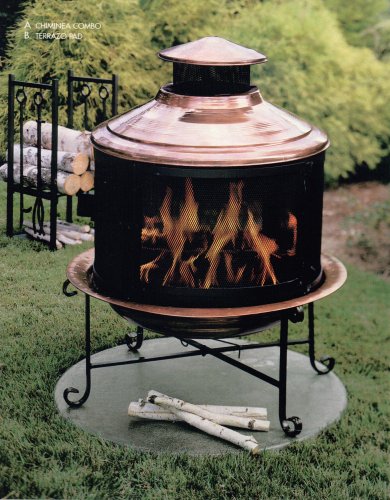
The Unique Arts Solid Copper Chiminea stands apart from the competition because it uses genuine solid copper sheet — not copper-plated steel. That distinction matters enormously for long-term durability and heat performance. It heats up in minutes and develops a rich patina over time that gets better with age. The combo kit includes a spark screen and poker, accessories many budget models leave out entirely.
- Solid copper construction throughout — not a plated steel substitute
- Large fire opening fits standard-length split logs
- Spark screen and fire poker included
- Stable base stand for patio placement
Best Aluminum Chiminea

For aluminum, the key specification to prioritize is wall thickness. Thin-spun aluminum looks fine on a product listing but warps under repeated high-heat cycles. Look for cast aluminum with walls at least 4mm thick, a powder-coated finish in black or bronze, and a fire opening wide enough to accept a split log without forcing it. These features separate units that last from units that fail in year two.
How to Set Up and Season Your New Metal Chiminea
Proper setup is the step most new owners skip — and it's why many chimineas develop warping or uneven burn patterns within the first year. Take two hours to do this right and you're adding years to the unit's life.
Choosing the Right Placement
Position your chiminea at least 10 feet from any structure — fences, overhangs, deck rails, and patio furniture all count. The surface underneath must be non-combustible: flagstone, concrete, brick, or compacted gravel. If your patio is wood decking, use a fireproof mat underneath the unit. Check your local fire ordinances before the first burn; many municipalities regulate open-flame outdoor appliances, and knowing the rules upfront saves headaches later.
Orient the fire opening away from your home's prevailing wind direction — it dramatically reduces smoke blowback toward seating areas and neighboring structures.
Seasoning in Five Simple Steps
Metal chimineas don't require seasoning the way clay does, but running a controlled break-in process cures coatings and prevents thermal shock on your first real fire.
- First burn — small: burn a handful of dry kindling for 15 minutes. Let it cool completely before the next step.
- Second burn — slightly larger: add a few more sticks. Still no logs yet.
- Third and fourth burns: progress to small split logs, building incrementally each session.
- Inspect between burns: check for loose bolts at leg joints, paint blistering, or any gaps at weld seams.
- Touch up bare spots: apply high-temperature metal paint to any raw metal before the fifth burn.
Mistakes That Shorten Your Chiminea's Lifespan
Burning the Wrong Fuel
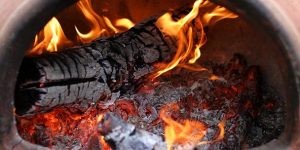
The single most damaging thing you can do to a metal chiminea is burn the wrong material in it. Wet or unseasoned wood generates far more creosote than dry hardwood — that creosote accumulates inside the chimney column, restricts airflow, and becomes a fire hazard. Treated lumber releases toxic compounds that also accelerate metal corrosion from the inside out.
- Use only seasoned hardwood — oak, hickory, or ash are ideal choices
- Seasoned means dried for at least six months after cutting
- Never burn trash, cardboard, or painted or treated lumber
- If you plan to cook over the fire, read up on grilling with cast iron in a fire pit for safe and effective technique
- Keep logs no longer than two-thirds the depth of the fire chamber — overfilling stresses the casting
Neglecting Surface Protection
Skipping annual maintenance is the fastest way to turn a long-lasting chiminea into a rusting ornament. For copper models, apply a clear high-heat sealant once a year if you want to slow patina development, or leave it unsealed if you prefer the aged look. For aluminum, inspect the powder coat every spring and touch up any chips with a rust-inhibiting primer before they spread beneath the surface. A quality chiminea cover is non-negotiable — it's the lowest-cost step with the highest return on the unit's lifespan. See our guide to the best chiminea covers for options sized to both copper and aluminum models.
Diagnosing and Fixing Common Chiminea Issues
Excessive Smoke and Poor Draft
If your chiminea is smoking heavily back toward your seating area instead of drawing upward, there are three likely causes — and all of them are fixable in minutes. Wet wood is the culprit in the majority of smoke complaints. Switch to confirmed dry hardwood and the problem resolves itself. If the wood is dry and smoke persists, your fire is too small to create an upward draft through the chimney column — build a slightly larger fire to establish airflow. If neither fix works, check the top of the chimney for debris, bird nests, or a screen that's partially blocked.
Rust Spots and Paint Failure
Small rust spots and chipping paint are easy to dismiss — until they become structural issues. Address them immediately when you see them. For aluminum with chipping powder coat, sand the affected area down to bare metal with 120-grit sandpaper, prime with a rust-inhibiting metal primer, then topcoat with high-temperature metal paint rated for at least 1,200°F. For copper showing surface corrosion you didn't want, a copper-specific cleaner followed by a clear high-heat sealant locks in the current finish. Weld seams at the leg joints are the highest-stress points on any cast chiminea — check them annually and re-tighten or re-seal as needed.
Frequently Asked Questions
Can you leave a copper or aluminum chiminea outdoors year-round?
Both metals handle outdoor exposure far better than clay, but leaving either uncovered through winter accelerates surface wear and accelerates patina on copper. A properly fitted cover and an annual maintenance check — sealant for copper, paint touchup for aluminum — is enough to leave either unit outside year-round in most North American climates.
How do copper and aluminum chimineas compare in heat output?
Copper leads on raw heat conductivity and radiates warmth faster than any other common chiminea material. Cast aluminum heats up quickly as well and provides adequate warmth for a small seating area, but copper wins on both initial warm-up speed and sustained heat output. If maximum heat is your priority, copper is the clear choice.
Is a spark screen necessary for metal chimineas?
A spark screen is necessary regardless of material. Metal chimineas have a wide fire opening that allows embers to escape, particularly when using softwoods or when wind is present. A fitted spark screen prevents embers from landing on wood decking, dry grass, or nearby patio furniture — and most insurers consider it a basic safety requirement for any open-flame outdoor appliance.
Final Thoughts
You now have the material comparison, the product picks, and the setup and maintenance knowledge to make a confident purchase and protect it for years. The next step is simple: decide whether copper's superior heat output and aging patina or aluminum's lighter weight and lower cost better fits your backyard and budget, then pull the trigger on a quality unit. A well-chosen chiminea changes how you use your outdoor space entirely — cool evenings stop being a reason to go inside and start being the best part of the day. Head to our outdoor product reviews to find a chiminea cover, fire tools, and seating to complete the setup.


About Simmy Parker
Simmy Parker holds a Bachelor of Science in Civil Engineering from Sacramento State University and has applied that technical background to outdoor structure design, landscape planning, and backyard improvement projects for over a decade. Her love for the outdoors extends beyond design — she regularly leads nature hikes and has developed working knowledge of native plants, soil conditions, and sustainable landscaping practices across Northern California. At TheBackyardGnome, she covers backyard design guides, landscaping ideas, and eco-friendly outdoor living resources.
You can Get FREE Gifts. Receive Free Backyard Items here. Disable Ad Blocker to get them all now!
Once done, hit anything below