Friends of Brazoria Wildlife Refuges: Supporting Gulf Coast Conservation
by Simmy Parker
The Friends of Brazoria Wildlife Refuges leads the most sustained community effort behind Brazoria Wildlife Refuge conservation efforts on the Texas Gulf Coast, and our team considers this nonprofit a standout model for grassroots habitat protection. Anyone browsing our environment coverage will find this organization's work directly relevant to eco-conscious outdoor living and regional wildlife stewardship.
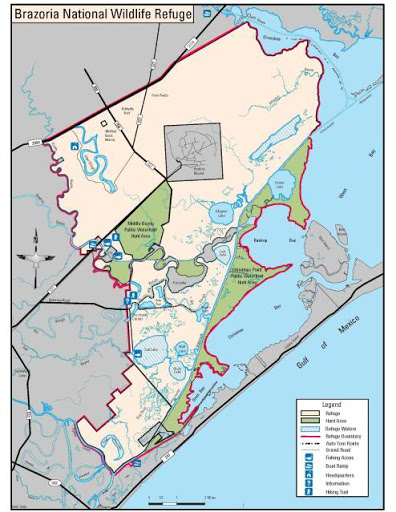
The Brazoria National Wildlife Refuge stretches across more than 44,000 acres of coastal prairie, wetlands, and freshwater impoundments south of Houston. The U.S. Fish & Wildlife Service manages the site, and the Friends organization functions as its volunteer backbone, filling critical gaps that federal budgets consistently leave unaddressed across the entire refuge complex.
Much like the Big Thicket Association, which channels community dedication into preserving East Texas's unique biosphere reserve, the Friends of Brazoria Wildlife Refuges translates grassroots momentum into documented ecological outcomes. Our team has observed that organizations built around a single focal refuge consistently produce more concentrated results than broadly distributed conservation networks manage to deliver.
Contents
- Getting Started vs. Long-Term Commitment at the Refuge
- Practical Tips for Maximizing Volunteer Impact
- Common Missteps That Undermine Refuge Support Work
- Real-World Impact: Brazoria Wildlife Refuge Conservation Efforts in Action
- Benefits and Real Challenges of Supporting the Refuge
- Essential Tools and Resources for Gulf Coast Conservation
Getting Started vs. Long-Term Commitment at the Refuge
Entry Points for New Volunteers
The Friends of Brazoria Wildlife Refuges makes first-time involvement accessible through events requiring no prior training and minimal equipment from participants. Our team recommends beginning with a guided wildlife tour or a single-day habitat cleanup event, both of which introduce participants to the refuge's ecosystems and volunteer culture simultaneously. These gateway events run primarily in fall and winter, when Gulf Coast temperatures make outdoor work sessions genuinely comfortable for most people.
- Single-day trail and shoreline cleanup events requiring only standard outdoor clothing and boots
- Guided birdwatching walks led by experienced naturalists on the refuge staff
- Educational programs at the visitor center open to participants of all ages and backgrounds
- Entry-level membership donations that fund equipment, outreach materials, and volunteer programs directly
Long-Term and Leadership Contributions
Experienced volunteers take on responsibilities that directly shape annual refuge management priorities, from coordinating multi-day invasive plant removal crews to leading the Friends' annual fundraising campaigns. Our team has observed that participants who commit to a full volunteer season develop a practical understanding of Gulf Coast hydrology and migration ecology that casual visitors never acquire through standard observation alone. Leadership roles also create direct collaboration opportunities with USFWS biologists and refuge managers on active conservation planning.
Practical Tips for Maximizing Volunteer Impact
Aligning Participation with Seasonal Ecology
Brazoria Wildlife Refuge conservation efforts gain the most traction when volunteers align participation with the refuge's ecological calendar rather than personal convenience schedules. Our team identifies fall and winter as the highest-impact seasons, when migratory waterfowl populations peak in the freshwater impoundments and habitat maintenance delivers the most immediate benefit to dependent species populations. Spring invasive plant removal events are equally critical, preventing aggressive species from establishing before summer heat accelerates their spread through native plant communities.
Building Within Community Networks
Most people underestimate how effectively the Friends organization amplifies individual contributions by connecting volunteers with complementary skills and shared conservation goals. Our team has watched photographers, botanists, engineers, and educators all find meaningful niches within the same volunteer structure, building a collaborative culture that sustains long-term engagement far more reliably than transactional fundraising events alone. The Friends newsletter and social media channels remain the most dependable way to stay current on upcoming events and urgent habitat needs.
- Subscribe to the Friends newsletter for timely event announcements and urgent volunteer calls
- Join online groups where experienced volunteers share field notes and logistics for upcoming events
- Attend the annual Friends meeting to connect directly with refuge staff and board leadership
- Partner with local schools and scouting organizations to amplify turnout at large restoration events
Common Missteps That Undermine Refuge Support Work
What Most New Supporters Get Wrong
Our team consistently observes the same counterproductive patterns among first-time refuge supporters, most stemming from genuine enthusiasm rather than negligence or indifference toward conservation goals. Introducing invasive plant seeds through contaminated boots and equipment ranks among the most damaging accidental contributions anyone can make to a protected coastal habitat, and the problem remains entirely preventable with basic gear inspection at refuge entry points. Equally harmful is off-trail hiking in active nesting zones during breeding season, which disrupts ground-nesting birds even at distances observers perceive as respectful and safe.
- Arriving without inspecting footwear for invasive seed material carried from previous outdoor sites
- Posting precise GPS coordinates of rare species nest sites to public social media platforms
- Assuming full refuge access year-round without first checking current seasonal closures and regulations
- Underestimating Gulf Coast heat and humidity and arriving physically underprepared for sustained field work
Real-World Impact: Brazoria Wildlife Refuge Conservation Efforts in Action
Habitat Restoration Initiatives
The Friends organization has funded and staffed dozens of habitat restoration projects that expand the ecological carrying capacity of the refuge complex in measurable, trackable ways. Our team has documented programs ranging from moist-soil unit management for migratory waterfowl to large-scale native prairie restoration supporting monarch butterfly migration through the Central Flyway. Refuge biologists track these outcomes annually, providing the Friends with data that informs future fundraising priorities and volunteer deployment strategies across the site.
Species and Habitat Outcomes by Program
The table below summarizes key species groups and the conservation programs that Brazoria Wildlife Refuge conservation efforts have supported across the refuge complex, reflecting both Friends-funded initiatives and USFWS management work aligned with volunteer priorities.
| Species Group | Primary Habitat Need | Conservation Focus | Seasonal Peak |
|---|---|---|---|
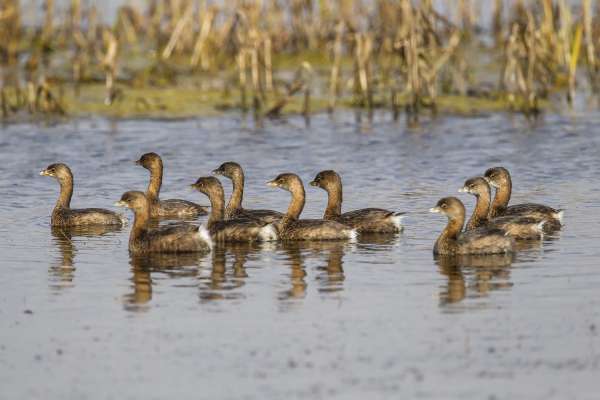
| Migratory Waterfowl | Freshwater impoundments | Moist-soil unit management | November – February |
| Shorebirds | Mudflats and shallow wetlands | Water level management | April – May, August – September |
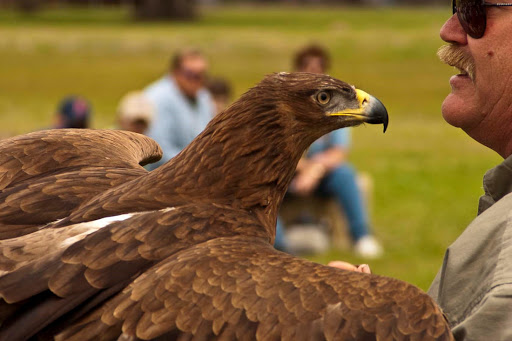
| Raptors | Open prairie and woodland edge | Nest structure installation | October – March |
| Neotropical Songbirds | Coastal scrub and woodland | Native shrub planting programs | April – May |
| Monarch Butterflies | Native prairie with milkweed | Prairie restoration and milkweed seeding | September – October |
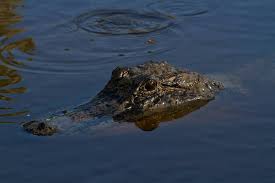
| Alligators and Reptiles | Wetland margins and uplands | Habitat connectivity preservation | Year-round |
Benefits and Real Challenges of Supporting the Refuge
What Makes the Friends Organization Worth Supporting
Our team regards the Friends of Brazoria Wildlife Refuges as one of the most efficient vehicles for converting outdoor enthusiasm into documented ecological outcomes anywhere along the Texas coast. Membership dues and event donations fund programs and equipment the federal refuge budget cannot cover, meaning every contribution reaches habitat improvements directly and without bureaucratic delay or dilution. Active volunteers also gain access to restricted restoration areas closed to the general public, delivering a field experience that most outdoor enthusiasts never encounter through standard refuge visitation or casual birdwatching visits.
Honest Challenges Anyone Should Know
The Gulf Coast environment presents genuine physical demands that most participants from inland or northern climates find taxing during peak summer field sessions. Our team acknowledges that the combination of heat, humidity, biting insects, and uneven wetland terrain limits participation for certain individuals, particularly between June and September when conditions are most severe. The Friends organization manages this effectively through early-morning start times and well-stocked supply stations at all major work sites, but realistic preparation makes a measurable difference in the first-time volunteer experience overall.
Essential Tools and Resources for Gulf Coast Conservation
Field Gear for Wetland and Prairie Environments
Effective participation in Brazoria Wildlife Refuge conservation efforts requires field equipment specifically suited to Gulf Coast conditions, which differ substantially from temperate inland environments in meaningful ways. Our team recommends waterproof knee-high boots for wetland restoration work, UPF 50+ long-sleeve sun shirts as the most practical heat and UV defense, and high-capacity insulated hydration systems for all-day field sessions in exposed coastal terrain. Those who maintain native backyard water features will recognize the conceptual overlap — the same principles behind selecting the right location for a garden pond apply to understanding how refuge managers optimize water placement for target species.
- Waterproof knee-high boots rated for mudflat, marsh, and shallow water restoration work
- Lightweight UPF 50+ sun shirts and wide-brim hats designed for extended Gulf Coast field use
- Permethrin-treated clothing as the most reliable protection against ticks and biting insects on site
- Waterproof field notebooks or notepads for logging species observations during wildlife monitoring sessions
Digital Platforms and Educational Resources
Digital tools have become central to how the Friends organization coordinates volunteer logistics and contributes observational data to the broader conservation science community across the Gulf Coast region. Our team regularly uses eBird for structured bird observation logging, iNaturalist for comprehensive species documentation across all taxa, and the USFWS refuge portal for accessing current management plans and updated public use regulations. These platforms transform individual volunteer observations into a longitudinal data record that informs future refuge management decisions and shapes Friends fundraising priorities for the seasons ahead.
Frequently Asked Questions
What is the Friends of Brazoria Wildlife Refuges?
The Friends of Brazoria Wildlife Refuges is a nonprofit organization supporting the Brazoria National Wildlife Refuge complex through volunteer programs, fundraising, and community outreach, working in direct partnership with the U.S. Fish & Wildlife Service to advance habitat conservation on the Texas Gulf Coast.
How do Brazoria Wildlife Refuge conservation efforts benefit local ecosystems?
Conservation efforts at the refuge maintain and restore critical coastal habitats including freshwater impoundments, native prairies, and wetland margins that support hundreds of migratory and resident species, while also providing water filtration and shoreline stabilization benefits across the surrounding Gulf Coast landscape.
What volunteer opportunities does the Friends organization offer?
The organization coordinates habitat restoration events, wildlife monitoring walks, educational programs, invasive species removal projects, and nonprofit leadership roles, accommodating participants at all experience levels from first-time volunteers through long-term conservation professionals with specialized field skills.
When is the best time to visit or volunteer at Brazoria National Wildlife Refuge?
Our team recommends fall through early spring for the most rewarding experience, as migratory waterfowl and shorebird populations peak during these months, temperatures remain manageable for outdoor field work, and most major Friends-organized restoration events are concentrated within this seasonal window.
How does membership with the Friends organization work?
Membership is available at multiple giving levels, with dues going directly toward programs, equipment, and refuge improvements that federal funding does not cover; members also receive the Friends newsletter, event invitations, and priority access to select volunteer opportunities throughout the annual calendar.
Are there backyard practices that complement refuge conservation work?
Our team recommends native plant landscaping, backyard water feature installation, and pesticide reduction as practices that extend refuge conservation value into surrounding neighborhoods, creating habitat corridors that support the same migratory species that depend on Brazoria's protected wetlands and prairies each season.
How does Brazoria NWR compare to other Texas conservation areas?
Brazoria NWR is distinguished by its coastal prairie and wetland diversity, supporting one of the highest concentrations of migratory waterfowl on the Central Flyway; organizations like the Big Thicket Association protect comparably significant but ecologically distinct landscapes in East Texas's forested interior regions.
Next Steps
- Visit the Friends of Brazoria Wildlife Refuges website and sign up for the email newsletter to receive event announcements and urgent volunteer opportunities directly in the inbox.
- Attend one introductory guided wildlife walk at the refuge to assess the terrain, seasonal conditions, and volunteer culture before committing to longer multi-day restoration projects.
- Inspect and clean all field footwear before the first refuge visit, removing any invasive seed material that could have been picked up at previous outdoor sites.
- Join the Friends organization at the membership level that fits the budget, knowing that even entry-level dues fund measurable habitat improvements across the refuge's freshwater and prairie ecosystems.
- Download eBird and iNaturalist before the first visit to begin logging species observations that contribute to the long-term ecological data record supporting refuge management decisions.


About Simmy Parker
Simmy Parker holds a Bachelor of Science in Civil Engineering from Sacramento State University and has applied that technical background to outdoor structure design, landscape planning, and backyard improvement projects for over a decade. Her love for the outdoors extends beyond design — she regularly leads nature hikes and has developed working knowledge of native plants, soil conditions, and sustainable landscaping practices across Northern California. At TheBackyardGnome, she covers backyard design guides, landscaping ideas, and eco-friendly outdoor living resources.
You can Get FREE Gifts. Receive Free Backyard Items here. Disable Ad Blocker to get them all now!
Once done, hit anything below