The most important rule in any backyard fire pit safety guide is simple: distance and supervision save lives. Keep your fire feature at least 10 feet from any structure, never leave a burning fire unattended, and always have a means of extinguishing it close by. Whether you're just getting started with an open fire pit or you've owned a chiminea for seasons, these principles don't change. For a broad overview of outdoor fire precautions, explore our backyard fire safety guide.

Backyard fire features — from open bowl-style fire pits to traditional terracotta chimineas — bring warmth, ambiance, and a natural gathering point to any outdoor space. But they introduce real hazards when handled carelessly. A spark landing on dry grass, a fire set too close to a wooden fence, or a clay chiminea cracked from improper curing can all turn a relaxing evening into a serious emergency.
This guide walks through what beginners need to know versus what experienced users often overlook, covers proper maintenance, and gives you a direct comparison between fire pits and chimineas from a safety standpoint. By the end, you'll know exactly how to enjoy your fire feature without putting your property or family at risk.
Contents
- Fire Pits and Chimineas: Beginner Basics vs. What Experienced Users Know
- The Backyard Fire Pit Safety Guide: Rules That Cannot Be Skipped
- Fire Pit vs. Chiminea: Safety at a Glance
- Practical Tips for a Safer Fire Every Time
- Routine Care That Prevents Accidents
- Solving Common Fire Pit and Chiminea Problems
- Frequently Asked Questions
- Final Thoughts
Fire Pits and Chimineas: Beginner Basics vs. What Experienced Users Know
If you're new to backyard fire features, the choices can feel overwhelming. Open fire pits and chimineas look completely different, and they behave differently too. Understanding these distinctions is the first step toward using either one safely.
Open Fire Pits: Accessible but Exposed
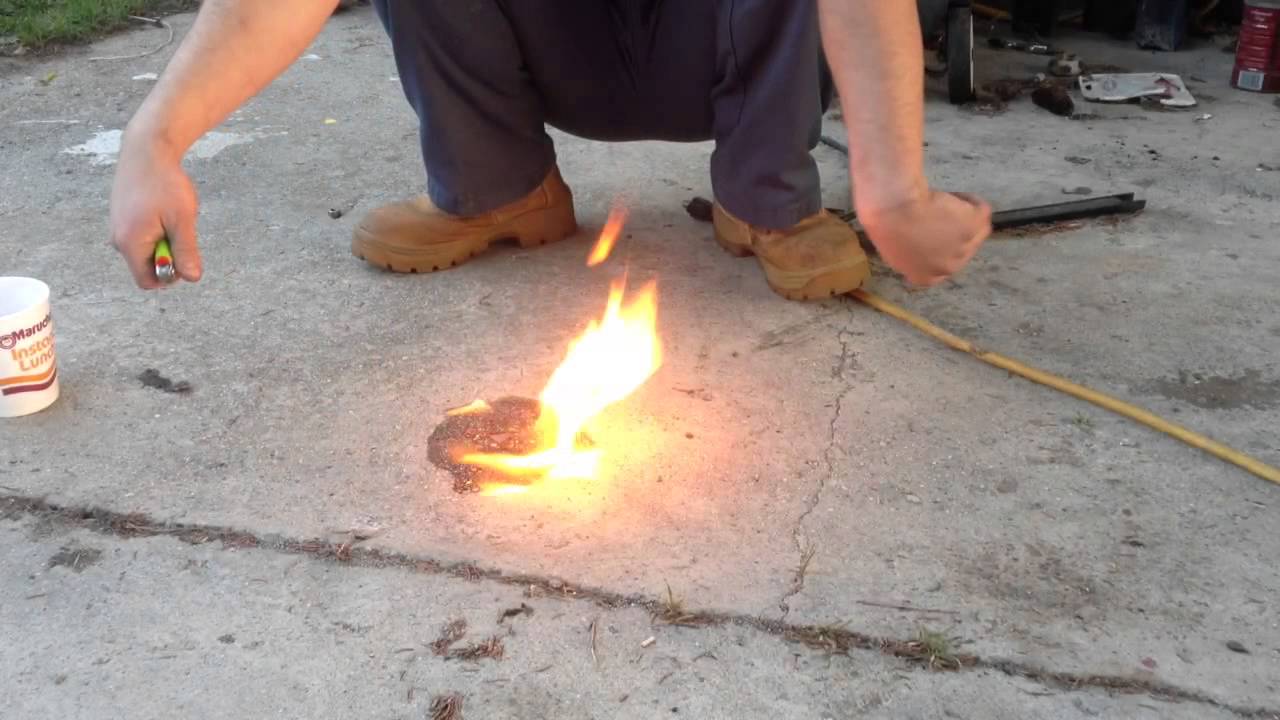
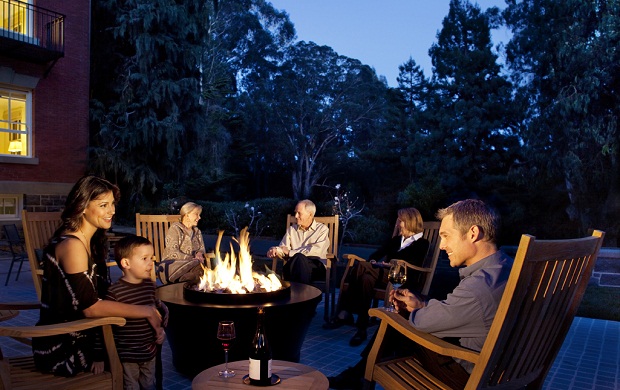
Open fire pits — whether in-ground, stone-built, or portable metal bowls — give you 360-degree access to the flame. That accessibility is part of their appeal. Everyone can gather around, toast marshmallows, and feel the heat from any direction. But that same openness means sparks and embers can travel in any direction too, carried by wind gusts you don't see coming.
Beginners often underestimate how far a single ember can travel on a light breeze. A spark screen is non-negotiable for any open fire pit. Experienced users know that even with a screen, you site the pit away from overhanging branches, dry leaves, and anything combustible. That 10-foot clearance rule isn't a suggestion — it's the minimum.
Chimineas: Contained but Demanding
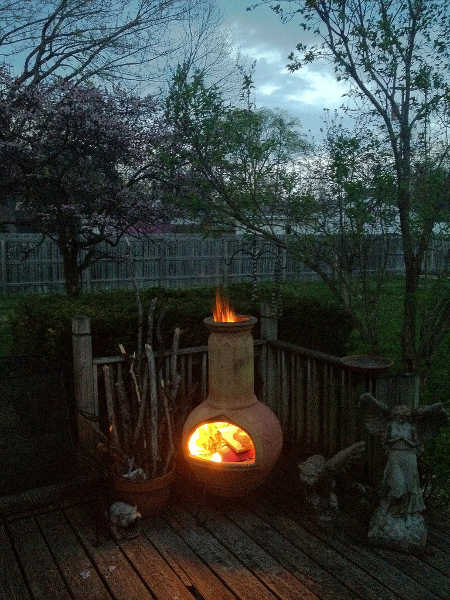
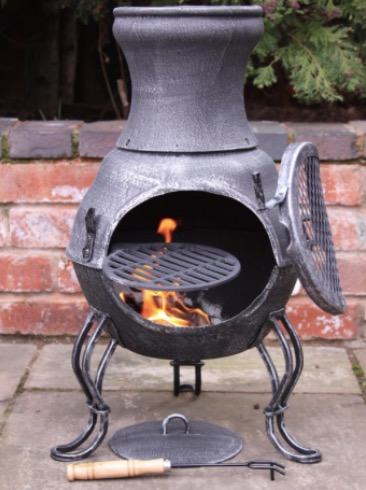
A chiminea channels smoke upward through its narrow neck and out the top opening, making it significantly more directional than an open fire pit. Most heat radiates from the front opening, and sparks are largely contained within the body. This makes chimineas a solid choice for tighter backyard spaces — but they come with their own strict rules.
Clay chimineas require curing before their first real fire. Metal versions — cast iron in particular — are more durable and forgiving, though they still need regular maintenance to stay safe. If you're weighing your options, our cast iron chiminea reviews break down the top picks across price points.
The Backyard Fire Pit Safety Guide: Rules That Cannot Be Skipped
A solid backyard fire pit safety guide isn't about memorizing a long checklist — it's about internalizing a handful of critical habits that become second nature. These are the rules that actually prevent injuries and property damage.
Placement and Clearance Rules
Site your fire feature on a non-combustible surface: gravel, stone, brick, or bare earth. Never place a fire pit or chiminea directly on a wood deck without a proper heat-resistant pad beneath it. The National Fire Protection Association recommends a minimum 10-foot clearance from any structure, fence, or overhead obstruction — and that includes your neighbor's fence if it sits close to your property line.
Warning: Even fire-rated patio pavers can crack under sustained heat from a metal fire pit placed directly on them — always use a dedicated fire pit pad or a thick layer of sand beneath the base.
Wind direction matters before you light up. Check which way the wind is blowing and position seating accordingly. Smoke directed toward a wooden fence or porch ceiling for an extended period creates a real ignition risk, not just a nuisance.
What to Burn — and What to Never Put in Your Fire
Burn only dry, seasoned hardwood. Wet or green wood produces excessive smoke and creosote buildup. Softwoods like pine pop and throw sparks aggressively — not ideal for an open pit. Never burn treated lumber, pallets, cardboard, or household trash. These release toxic fumes and produce sparks at unpredictable intensity.
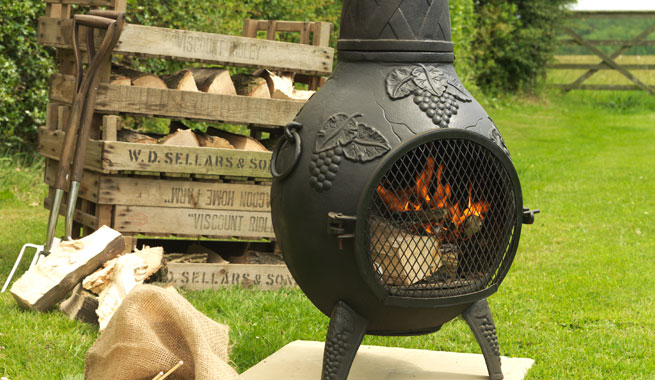
For chimineas, size your firewood to fit through the opening without forcing it. Oversized logs that stick out the front are a common cause of accidents. Keep your firewood stack at least 3 feet from the chiminea while it's burning. That stack is fuel — treat it like it can ignite, because it can.
Fire Pit vs. Chiminea: Safety at a Glance
If you're deciding which fire feature fits your yard better, this side-by-side comparison cuts through the guesswork. Safety characteristics vary significantly between the two types, and knowing where each one demands more attention helps you plan correctly from day one.
| Safety Factor | Open Fire Pit | Chiminea |
|---|---|---|
| Spark containment | Requires spark screen | Mostly contained by design |
| Smoke direction | Drifts with wind | Directed upward through neck |
| Safe clearance needed | 10 ft minimum | 5–10 ft (check local codes) |
| Wind sensitivity | High | Moderate |
| Curing required | No | Yes (clay models) |
| Best for small spaces | No | Yes |
| Overloading risk | Moderate | High (narrow firebox) |
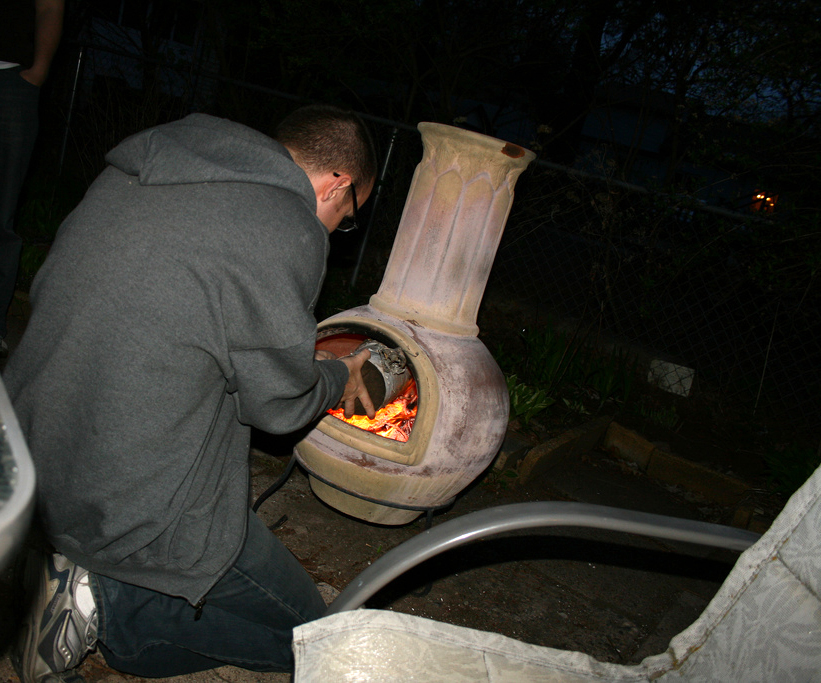
Both options carry real responsibility. The right choice depends on your yard size, local ordinances, and how you plan to use the feature. If cooking over the flame is part of your plan, our guide to grilling with cast iron in a fire pit covers fuel management and setup specifics that tie directly into safe operation.
Practical Tips for a Safer Fire Every Time
Starting the Fire Without Creating Hazards
Never use gasoline, lighter fluid, or any accelerant to start or revive a fire in a fire pit or chiminea. These cause sudden flare-ups that can't be controlled. Use dry kindling, fire starters, or fatwood. Build your fire small and let it grow naturally. A controlled, smaller fire is always safer than a roaring one you didn't plan for.
Pro tip: Keep a metal bucket of sand and a garden hose uncoiled and ready before you light the first match — not as an afterthought once the fire is already going strong.

Managing Children and Pets Around Open Flames
Establish a clear safety zone — at least 3 feet from the fire feature — and make it a firm, non-negotiable rule for children and pets. The exterior surface of a chiminea or fire pit stays dangerously hot long after the fire dies down. Burns from touching a metal fire pit an hour after use are more common than most people expect.
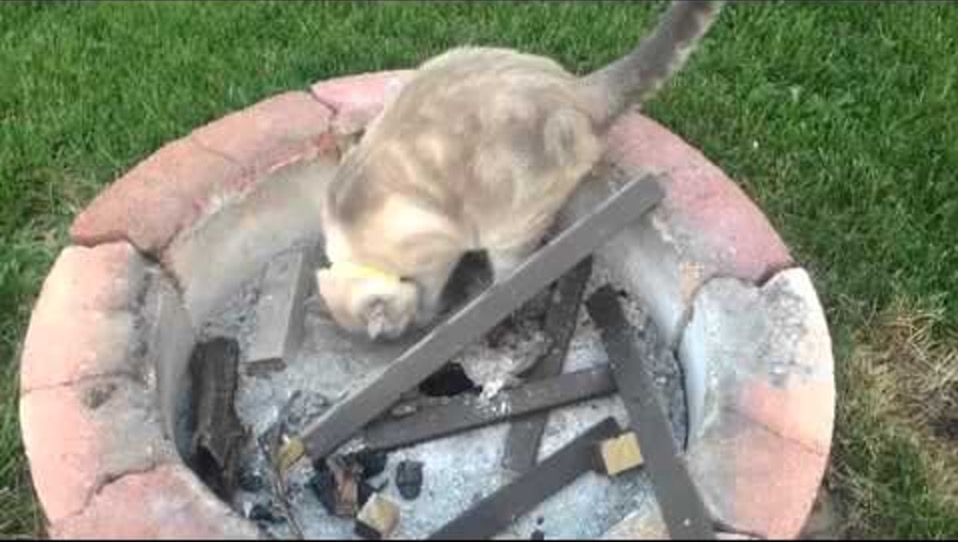
Designate one adult to monitor the fire at all times when children or animals are present. Assign the role explicitly — "group responsibility" is how accidents happen. Never assume someone else is watching.
Routine Care That Prevents Accidents
Curing a New Chiminea Properly
If you've just brought home a new clay chiminea, curing it before the first real fire is essential. Skipping this step causes thermal shock — and a cracked chiminea is both a hazard and an expensive loss. The curing process hardens the clay gradually so it can withstand high heat without fracturing.
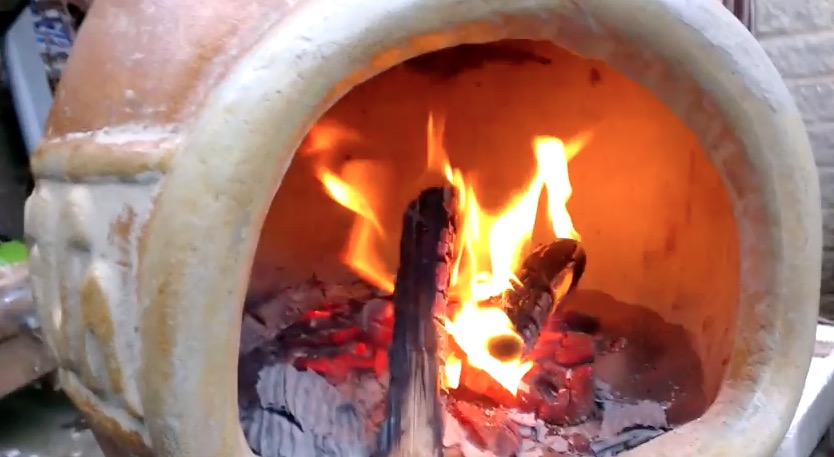
Start with three or four small fires using just a handful of kindling each time, spaced over several days. Let the chiminea cool completely between sessions. After the fourth small fire, you can begin building larger fires normally. This gradual process is non-negotiable for clay — and worthwhile even for cast iron to let factory coatings burn off safely.
Seasonal Inspection and Storage
Before storing your chiminea or fire pit for winter, clean out ash and debris, check for cracks or structural damage, and treat metal surfaces with a high-heat-resistant spray to prevent rust. A quality cover protects your investment and keeps moisture from accelerating deterioration. If you're still using a tarp or going uncovered, our roundup of the best chiminea covers covers the top options worth considering.
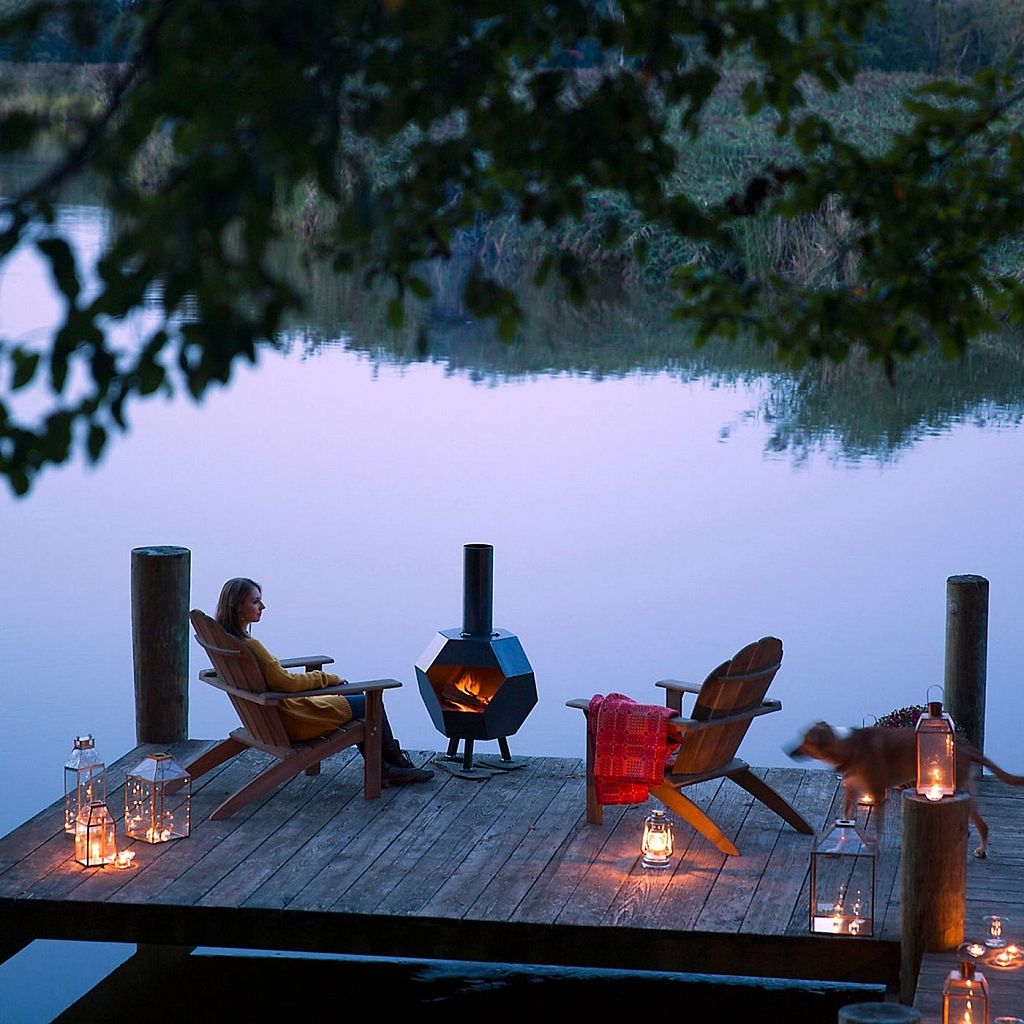
Mid-season, inspect the vent area and firebox interior for buildup or blockages. A blocked chiminea neck causes smoke to back-draft out the front opening — a frustrating and potentially dangerous situation that's easy to prevent with a simple quarterly check.
Solving Common Fire Pit and Chiminea Problems
Excessive Smoke and Poor Airflow
The most common chiminea complaint is too much smoke blowing toward the seating area. The fix is almost always one of two things: wet wood or a blocked chimney neck. Switch to properly seasoned hardwood and clear the neck opening of any debris, spider webs, or ash buildup. A small fire built at the base of the firebox — not pushed against the back wall — draws air more efficiently and burns cleaner.
For open fire pits with excessive smoke, the solution is the same: dry wood and better airflow beneath the logs. Elevate your wood stack slightly on a grate so air circulates from underneath. This produces a cleaner, hotter, more controllable burn every time.
Cracks in Clay and Rust on Metal
Hairline cracks in a clay chiminea don't always mean it's done. Small surface cracks can be repaired with refractory cement, which bonds under heat and restores structural integrity. Larger fractures that reach the base or neck require replacement — continuing to use a structurally compromised chiminea is a genuine safety hazard.
Surface rust on metal fire pits and cast iron chimineas is manageable. Wire brush the affected area, apply a high-temperature metal primer, and follow with heat-resistant paint or a seasoning oil. Catch rust early and it's a 30-minute fix. Let it go and you're looking at structural thinning that compromises the base or legs — and a fire feature with a failing leg is dangerous.
Tip: Seasoning a cast iron chiminea with food-grade flaxseed oil — rubbed on and burned in at low heat — protects against rust the same way you'd season cast iron cookware.
Frequently Asked Questions
How far should a fire pit be from my house?
The minimum safe distance is 10 feet from any structure, including fences, sheds, and overhead tree branches. Local fire codes may require greater clearance, so check with your municipality before installing a permanent fire feature.
Can I use a chiminea under a covered patio?
No — chimineas and fire pits should never be used under any covered structure. Smoke and heat require open-air ventilation. Even a partially covered pergola creates a real risk of ignition and carbon monoxide accumulation.
Do I need a permit to have a backyard fire pit?
Many municipalities require a permit for permanent fire pits and enforce seasonal burn bans for portable ones. Contact your local fire department or city hall to confirm what's required in your area before you build or purchase.
What's the best way to extinguish a fire pit fire safely?
Let the fire burn down to ash naturally, then spread the remaining coals and douse them thoroughly with water. Stir the ash to confirm no embers remain. Never leave a fire pit with glowing coals — they can reignite hours later if wind picks up.
Can I burn charcoal in a chiminea?
Most manufacturers advise against it. Charcoal burns significantly hotter than firewood and produces carbon monoxide at levels that a chiminea's ventilation isn't designed to safely disperse outdoors. Stick to dry seasoned hardwood or specifically rated bio fuels.
How do I keep my clay chiminea from cracking?
Cure it properly with small fires before using it at full capacity, never use accelerants, and keep it covered when not in use. Moisture that penetrates small cracks and freezes during cold weather is one of the most common causes of structural fractures.
Is a fire pit safe on a wood deck?
Only with proper protection. You need a heat-resistant fire pit pad rated for the temperatures your specific fire feature produces. Never place any fire pit directly on wood or composite decking — both can ignite or warp under sustained radiant heat.
Final Thoughts
A backyard fire feature done right is one of the best additions you can make to your outdoor space — but only when you treat it with the respect it demands. Run through the core rules in this backyard fire pit safety guide before your next fire, get your curing and maintenance routine locked in, and you'll be set up for enjoyable, incident-free sessions for years to come. Head over to our backyard fire safety guide for additional resources, and if you're still shopping for the right chiminea, our cast iron chiminea reviews are a great place to start.


About William Murphy
William Murphy has worked as a licensed general contractor in Fremont, California for over thirty years, specializing in outdoor structures, green building methods, and sustainable design. During that career he has written about architecture, construction practices, and environmental protection for regional publications and trade outlets, bringing technical depth to subjects that most home improvement writers approach only from a consumer perspective. At TheBackyardGnome, he covers outdoor product reviews, backyard construction guides, and sustainable landscaping and building practices.
You can Get FREE Gifts. Receive Free Backyard Items here. Disable Ad Blocker to get them all now!
Once done, hit anything below