You can cook a surprisingly wide range of foods in a chiminea — from grilled chicken and roasted vegetables to wood-fired pizza and cast iron chili. If you're expanding your outdoor cooking setup and wondering what to cook in a chiminea, the short answer is: considerably more than most people expect. This guide walks you through the full range of foods that work, the gear you'll need, what it costs to get started, and when the chiminea earns its place versus when you're better off reaching for the standard grill.
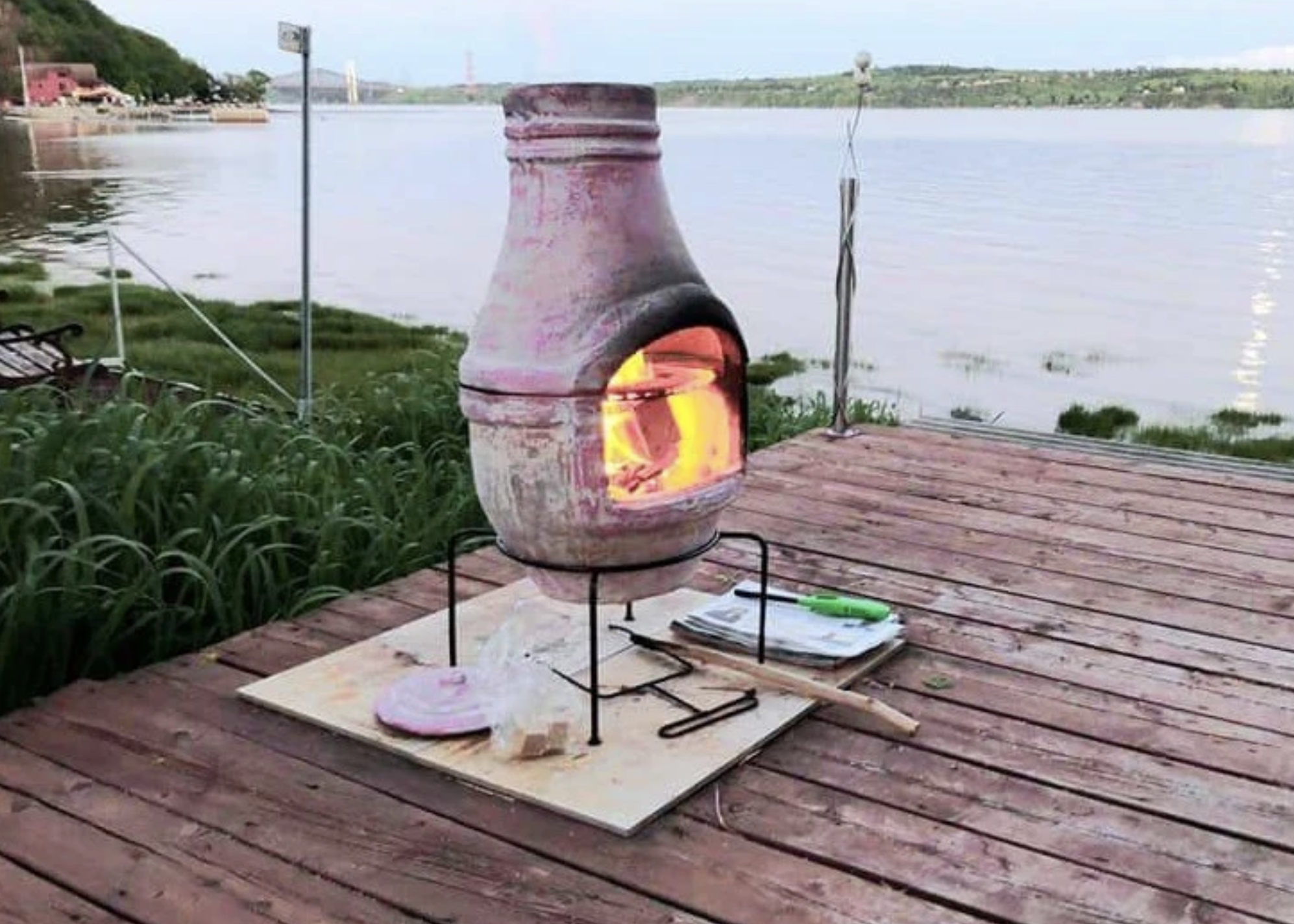
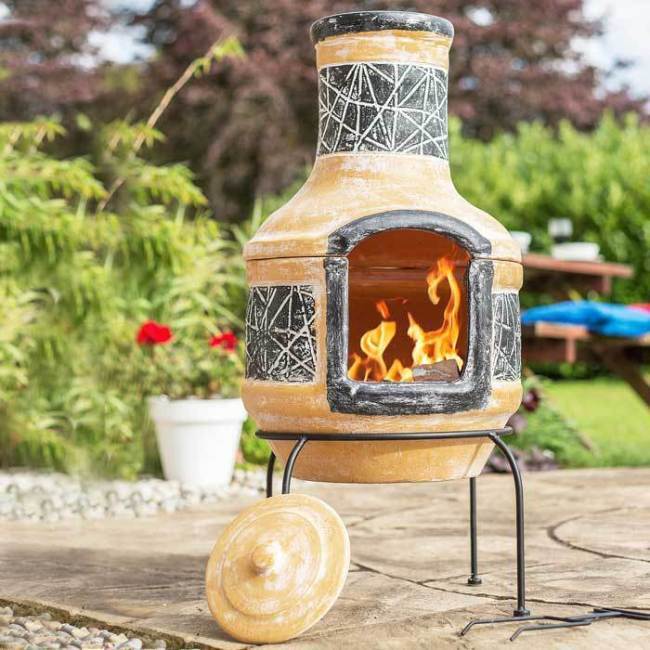
A chiminea is a freestanding outdoor fireplace with a bulbous body and a tall chimney flue. Originally developed in Mexico as a heating device, it has found a natural second life as a backyard cooking station. Clay and cast iron are the two dominant materials — clay absorbs and releases heat gently, giving you a more oven-like environment, while cast iron holds high temperatures evenly and responds better to direct flame cooking.
The cooking dynamic differs from a standard grill in a few important ways. The opening is narrower, heat radiates from the sides and below rather than just underneath, and the enclosed belly creates a partial oven effect. If you haven't chosen a model yet, the guide to the best chimineas covers your options in detail before you commit to a purchase.
Contents
- What to Cook in a Chiminea: The Full Range of Options
- Quick Wins: Best Foods for Chiminea Beginners
- The Right Tools and Gear for Chiminea Cooking
- What Chiminea Cooking Costs to Get Started
- When Chiminea Cooking Works — and When to Skip It
- Honest Pros and Cons of Cooking Over a Chiminea
- Frequently Asked Questions
- Final Thoughts
What to Cook in a Chiminea: The Full Range of Options
Once the fire is established and the coals are glowing red, your chiminea becomes a legitimate outdoor cooking appliance. The heat profile — intense at the base, convective higher up — suits a wider variety of cooking styles than most people try. Here's what actually works.
Grilling Meats and Vegetables
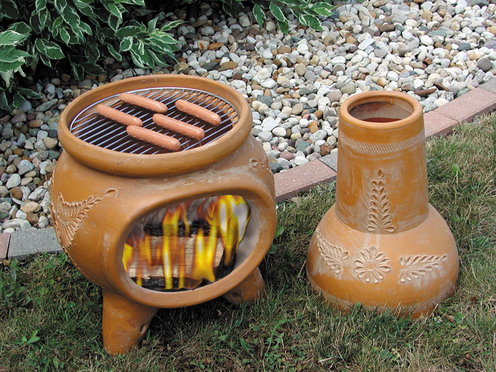
Direct grilling over a chiminea grate is the most intuitive place to start. You lower a small cooking grate into the mouth or suspend it across the opening, then cook directly over hot coals. This works well for:
- Chicken thighs, drumsticks, and wings
- Burgers, beef patties, and flat steaks
- Sausages, bratwursts, and chorizo
- Corn on the cob (leave the husk on to steam)
- Peppers, zucchini, mushrooms, and thick-cut onion rings
- Shrimp, scallops, and fish fillets on skewers
The narrower opening means you'll work with smaller cuts and shorter cooking sessions than on a large grill. Thin cuts like chicken thighs and sausages actually cook better here — they're done before the outside chars. Bone-in pieces take patience but reward you with a real smokiness you won't get from gas.
Baking, Pizza, and Flatbreads
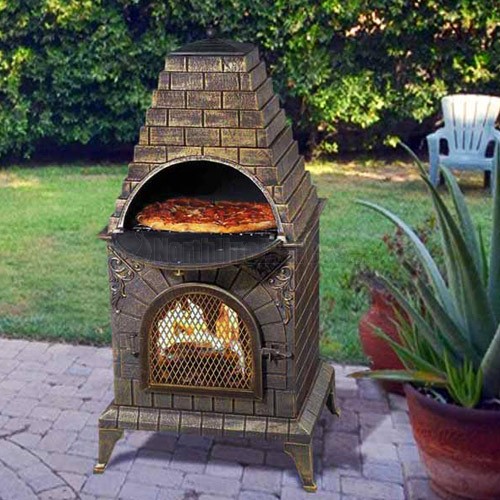
This is where the chiminea genuinely surprises people. The enclosed belly retains radiant heat the same way a wood-fired pizza oven does, and temperatures inside can reach 500°F or higher. A small pizza stone placed inside the belly will crisp a pizza base in under ten minutes. Beyond pizza, you can bake:
- Flatbreads and naan
- Small artisan loaves
- Banana bread and quick breads in a cast iron pan
- Stuffed mushrooms and baked brie
Technique matters here more than it does for grilling. There's a dedicated guide on baking in a chiminea that covers stone placement, temperature management, and timing in detail — worth reading before your first attempt.
Soups, Stews, and Cast Iron Dishes
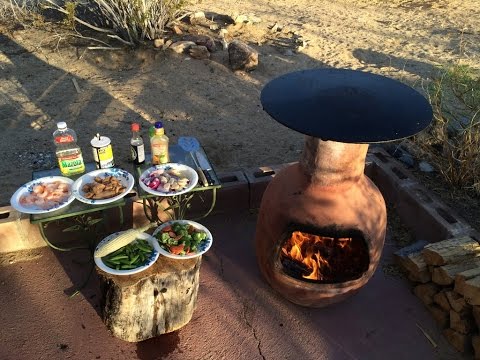
Set a cast iron Dutch oven or skillet directly inside the chiminea belly and you unlock a whole category of slow-cooked, one-pot meals. The steady ambient heat is ideal for:
- Beef chili and hearty stews
- Baked beans with smoked bacon
- Cornbread in a skillet
- Mulled wine and spiced cider for cool evenings
- Frittatas and scrambled eggs for outdoor brunch
- One-pot pasta with chunky tomato sauce
Cast iron distributes heat far more evenly than thin metal pans and won't warp or crack under intense fire. A 10-inch skillet and a 4-quart Dutch oven together will cover the majority of cast iron cooking situations you'll encounter.
Quick Wins: Best Foods for Chiminea Beginners
If you're new to chiminea cooking, starting with the wrong foods leads to frustration. The best approach is to pick foods that are forgiving, cook quickly, and don't require precise temperature control on the first few tries.
Simple Recipes to Start With
These are the foods that work almost every time, even when your fire isn't perfectly calibrated:
- Sausages on a grate — thick sausages are hard to overcook and handle uneven heat well
- Corn on the cob — the husk protects the kernels and adds a smoky steam effect
- S'mores and campfire snacks — low stakes, crowd-pleasing, immediate results
- Foil packet meals — wrap potatoes, garlic, and butter in foil and set them in the coals
- Flatbread — no toppings, just dough on a warm stone — builds your temperature instincts fast
These recipes let you focus on fire management rather than cooking technique. Your first few sessions should be about learning how your specific chiminea holds and distributes heat.
Building Up to More Ambitious Cooks
Once you're comfortable reading the coals, you can work toward:
- Marinated chicken with indirect heat (pushed coals to sides)
- Pizza with toppings (requires controlled stone temperature)
- Dutch oven chili (requires sustaining consistent medium heat for 45+ minutes)
- Stuffed peppers (need steady baking heat, not a roaring fire)
The jump from beginner to intermediate chiminea cooking is mostly about fire management. Learning to build a bed of coals rather than cooking over open flame makes a significant difference in heat consistency and final results.
The Right Tools and Gear for Chiminea Cooking
You don't need a large kit to cook well in a chiminea, but a few specific tools make an immediate difference in both safety and results.
Must-Have Accessories
These items are worth buying before your first cook session:
- Chiminea cooking grate — fits inside the opening or belly; look for one sized to your specific model
- Long-handled tongs and spatula — at least 16 inches; standard grill tongs put your hands too close to the heat
- Heat-resistant gloves — welding gloves or dedicated BBQ gloves that cover the wrist
- Cast iron skillet (10 inch) — the single most versatile cooking tool for chiminea use
- Fire poker or ash rake — for repositioning coals and managing heat zones
- Kindling and hardwood — softwoods burn too fast; oak, hickory, or applewood give you steady coals
For cast iron chimineas specifically, which reach higher and more consistent temperatures, check out the options in this cast iron chiminea buying guide — the model you choose affects what accessories you'll actually need.
Optional Upgrades Worth Considering
These aren't essential out of the gate, but you'll likely want them after a few sessions:
- Pizza stone — a 10–12 inch round stone fits most chiminea bellies and transforms baking results
- Dutch oven (4 qt cast iron) — opens up the full range of slow-cooked meals
- Thermometer (infrared) — helps you read stone and interior surface temperatures without guesswork
- Chiminea stand with wheels — makes repositioning safer and protects patio surfaces
- Chiminea cover — essential if you're leaving it outside year-round; a good selection is covered in this chiminea covers review
- Rotisserie kit — some larger cast iron models support a spit; great for whole chickens
What Chiminea Cooking Costs to Get Started
Getting into chiminea cooking doesn't require a large upfront investment, but your total startup cost depends on the chiminea material you choose and how seriously you kit out your cooking setup.
Chiminea Price Ranges by Material
Clay chimineas are the most affordable entry point. Cast iron costs more but lasts longer and handles cooking temperatures more consistently. Aluminum and copper models sit at the decorative end of the spectrum and are less well-suited to regular cooking use.
Accessory Cost Breakdown
Here's a realistic cost breakdown across budget, mid-range, and premium tiers for the chiminea itself plus essential cooking accessories:
| Item | Budget | Mid-Range | Premium |
|---|---|---|---|
| Clay chiminea | $50–$90 | $100–$180 | $200+ |
| Cast iron chiminea | $80–$130 | $150–$260 | $300+ |
| Cooking grate | $10–$20 | $25–$40 | $50+ |
| Cast iron skillet (10") | $15–$25 | $30–$55 | $65+ |
| Pizza stone | $18–$30 | $35–$60 | $70+ |
| Long-handled tool set | $15–$25 | $30–$50 | $60+ |
| Chiminea cover | $15–$25 | $30–$50 | $55+ |
| Hardwood (per bag/bundle) | $5–$10 | $12–$20 | $25+ |
A realistic starter setup — a mid-range clay chiminea, a grate, a skillet, and basic tools — runs between $160 and $300. Stepping up to a cast iron model with a full cooking kit lands closer to $350–$500. Either way, you're spending significantly less than most dedicated outdoor grills or pizza ovens cost.
When Chiminea Cooking Works — and When to Skip It
The chiminea isn't the right tool for every outdoor cooking situation. Knowing when to use it and when to reach for something else saves you time and frustration.
Conditions That Work in Your Favor
The chiminea performs best when:
- You're cooking for two to four people — the cooking surface suits small groups
- You want atmosphere alongside the meal — the fire creates ambience that a gas grill doesn't
- You're cooking smaller cuts, flatbreads, or one-pot meals
- The weather is cool or windy — the chimney draws well in cool air and the enclosed design handles light wind better than an open grill
- You want wood-smoke flavor without investing in a full smoker
- You're on a flagstone or hardscaped patio where an open fire pit isn't ideal
Safety first: Always position your chiminea on a non-combustible surface at least three feet from structures, furniture, and overhanging branches — and never burn treated wood or accelerants inside it. For a full rundown of risks and precautions, read the backyard chiminea safety guide.
When a Grill Is the Better Call
There are genuine situations where your chiminea isn't the right choice:
- Cooking for a large group — the opening simply doesn't have enough surface area for more than a few pieces at a time
- Large cuts of meat — whole brisket, pork shoulder, and full racks of ribs won't fit or cook evenly
- Precise temperature control — if a recipe demands 325°F for 90 minutes, use an oven or a grill with a thermometer lid
- Rainy conditions — moisture can crack a clay chiminea if it's already hot, and a wet fire produces unpredictable results
- Dry fire bans — always check local fire restrictions before lighting any outdoor fire
Honest Pros and Cons of Cooking Over a Chiminea
The chiminea has real advantages as a cooking platform, but it also comes with trade-offs that matter depending on how you cook. Here's a balanced look at both sides.
What You'll Love
- Wood-fire flavor — hardwood coals impart a smokiness that charcoal approximates but rarely matches
- Dual purpose — it heats your outdoor space and cooks your food at the same time
- Lower cost — entry price is well below a quality gas grill or dedicated pizza oven
- Compact footprint — suits smaller patios and yards where a full grill setup isn't practical
- Aesthetic appeal — a lit chiminea creates a focal point that genuinely upgrades a backyard setup
- Wind resistance — the chimney design draws air and keeps the fire going in conditions that defeat an open grill
What to Watch Out For
- Limited cooking surface — you're working with a small grate; anything requiring large surface area is off the table
- Learning curve — fire management in a chiminea is a skill; your first few sessions will involve some guesswork
- Clay fragility — clay models can crack from thermal shock (rapid temperature changes from rain or a cold pour of water)
- Heat-up time — building a proper coal bed takes 20–30 minutes before you can cook reliably
- Cleanup — ash removal and grate cleaning after every session adds time that a gas grill doesn't require
- Weather sensitivity — wet wood, high humidity, and heavy rain all degrade the cooking experience
Frequently Asked Questions
Can you use a chiminea as a regular grill?
You can use a chiminea for most grilling tasks, but it's not a direct replacement for a full-size grill. The cooking surface is smaller and the opening limits airflow management. It works best for small-batch grilling — sausages, chicken pieces, fish fillets, and vegetables — rather than large cookouts. For a household of two to four people cooking casual meals, it covers the majority of day-to-day grilling needs without issue.
What wood should you use in a chiminea for cooking?
Stick to seasoned hardwoods like oak, hickory, cherry, or applewood. These burn hot and steady, produce consistent coals, and add a pleasant flavor to food. Avoid softwoods like pine or cedar — they burn too fast, produce excessive smoke, and contain resins that can taint the flavor of your food. Never burn treated or painted wood in a cooking chiminea under any circumstances.
How long does it take to heat a chiminea for cooking?
Plan for 20 to 35 minutes from lighting to a usable coal bed. Start with kindling and small pieces of hardwood, build up gradually to larger logs, and wait until the flames die down to glowing orange coals before placing food over the heat. Cooking over open flames rather than coals is the most common beginner mistake — coals give you steadier, more controllable heat with less charring.
Is clay or cast iron better for cooking in a chiminea?
Both work, but they suit different cooking styles. Clay chimineas heat up more slowly and are better for ambient baking and gentle heat cooking. Cast iron models reach higher temperatures faster, hold heat more consistently, and are more durable under the thermal stress of regular cooking. If cooking is a priority rather than just ambience, a cast iron chiminea generally gives you more reliable results and a longer lifespan.
Final Thoughts
Chiminea cooking rewards patience and experimentation — start with a few simple meals, learn how your specific model holds heat, and build from there. Pick up a chiminea grate and a cast iron skillet if you don't already have them, fire up some seasoned hardwood this weekend, and see what your setup can do. You might be surprised how quickly the chiminea becomes your preferred outdoor cooking spot.


About Simmy Parker
Simmy Parker holds a Bachelor of Science in Civil Engineering from Sacramento State University and has applied that technical background to outdoor structure design, landscape planning, and backyard improvement projects for over a decade. Her love for the outdoors extends beyond design — she regularly leads nature hikes and has developed working knowledge of native plants, soil conditions, and sustainable landscaping practices across Northern California. At TheBackyardGnome, she covers backyard design guides, landscaping ideas, and eco-friendly outdoor living resources.
You can Get FREE Gifts. Receive Free Backyard Items here. Disable Ad Blocker to get them all now!
Once done, hit anything below