Yes, grilling with a chiminea is completely doable — and the results are genuinely impressive. A chiminea (a freestanding fire vessel with a bulbous base, front opening, and tall chimney stack) doubles as a wood-fired grill with the right setup. You get real smoky flavor, a cozy fire to gather around, and a setup that costs far less than a dedicated smoker. This guide covers everything from when it makes sense to exactly how to pull it off. For a deeper overview of everything chiminea cooking has to offer, check out our full chiminea grilling resource.
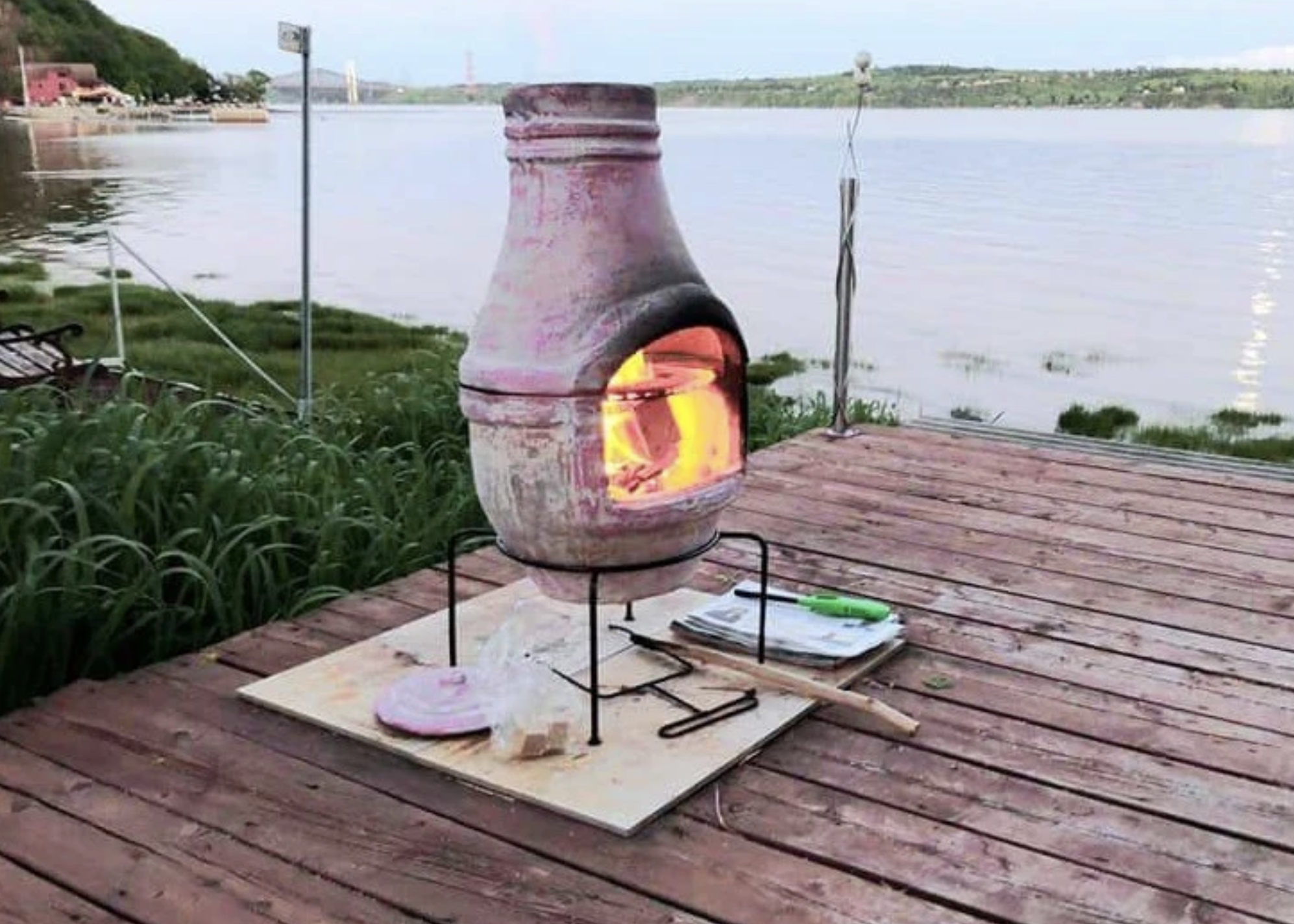
The chiminea has centuries of history behind it — originally used by indigenous communities in Mexico as both a heat source and cooking tool. Today, modern versions in cast iron, steel, and clay show up on patios everywhere. But most owners treat them as fire pits and never think to cook on them. That's leaving a lot on the table.
With a grill grate and a little know-how, your chiminea becomes one of the most versatile outdoor cooking tools you own. Here's everything you need to get started.
Contents
When Chiminea Grilling Shines — and When to Skip It
Best Conditions for Chiminea Grilling
A chiminea isn't a replacement for your standard grill — it's a complement to it. There are situations where it genuinely outperforms everything else in your backyard. Here's when chiminea cooking delivers:
- Cool evenings when you want fire and food in one — you're already keeping warm, so why not cook over it?
- Small meals and casual cookouts — burgers, hot dogs, corn on the cob, skewers, fish fillets
- When you want authentic wood-smoke flavor without investing in a dedicated smoker
- Outdoor winter gatherings where a chiminea's directional heat keeps guests comfortable while you cook
- Nights when atmosphere matters and a gas grill would kill the mood
If you're planning an outdoor cold-weather get-together, a chiminea is one of the best multi-taskers you can have. It heats your space, feeds your guests, and looks great doing both at the same time.
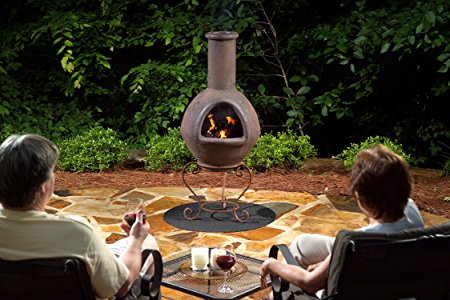
When You Should Stick with a Standard Grill
Chimineas have real limitations. Be honest about these before committing to chiminea cooking for a big meal:
- Large batches — the cooking surface is small, typically 10–14 inches across. You're not feeding eight people quickly.
- Precise temperature control — you can't dial in an exact temperature like you can on a gas grill. You manage heat through fuel quantity and airflow.
- Rain or high winds — wet clay chimineas crack under thermal stress, and wind makes heat management nearly impossible
- Anything requiring a lid for convection cooking — think whole chickens or large roasts at full size
Know your tool. A chiminea fills a role your main grill can't, but it works best when you play to its strengths rather than fight its limitations.
Chiminea vs. Gas Grill: A Straight-Up Comparison
The Table Breakdown
| Feature | Chiminea | Gas Grill |
|---|---|---|
| Flavor | Rich wood-smoke flavor | Neutral (no smoke) |
| Heat Control | Manual (fuel + airflow) | Precise dial control |
| Cooking Surface | Small (10–14 in. grate) | Large (300–600+ sq. in.) |
| Preheat Time | 20–30 minutes | 10–15 minutes |
| Ambiance | Excellent — doubles as fire pit | Functional only |
| Weather Sensitivity | High (avoid rain) | Low |
| Fuel Cost (per session) | $1–3 (wood or charcoal) | $2–5 (propane) |
| Best For | Small meals, atmosphere cooking | Large cookouts, fast meals |
What the Numbers Don't Tell You
The table captures specs, but not experience. When you're grilling with a chiminea, you're not just cooking — you're creating an atmosphere. Guests naturally gather around the fire. Conversations happen. The whole evening feels different from standing at a gas grill flipping burgers under a patio light.
That said, the table is clear about one thing: if speed and volume matter, use the gas grill. The chiminea earns its place in other moments.
How Much Does Chiminea Grilling Actually Cost?
Upfront Costs
Getting set up for chiminea grilling doesn't require a big investment. Here's the full picture:
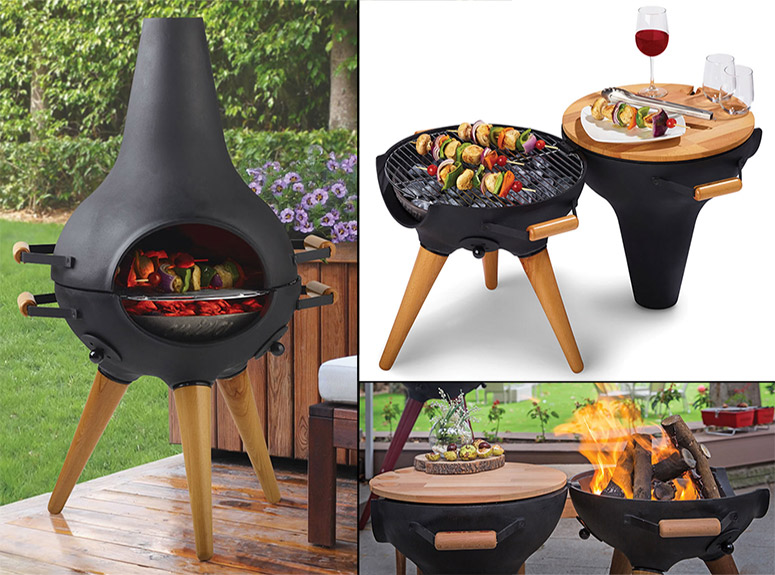
- The chiminea itself — Clay models run $40–$120. Cast iron runs $100–$300. Cast iron handles cooking heat better and lasts longer with less babying.
- A compatible grill grate — $15–$40, depending on the size of the opening. Many manufacturers sell model-specific grates as accessories.
- Long-handled tongs and heat-resistant gloves — $20–$35 total. Don't skip these.
- Natural firestarters or fatwood sticks — $8–$15 for a pack that lasts an entire season
Total startup cost: $80–$390, depending on the chiminea you choose. If you already own one and just need a grate, you're in for under $50. If you want a deep look at one of the most popular cast iron options available, the Gardeco X-Large Chiminea review covers cooking performance, build quality, and what makes it worth considering.
Ongoing Fuel and Maintenance
Running costs are genuinely low. Dry hardwood chunks run $8–$15 a bag and last multiple sessions. Lump charcoal burns hotter, which is ideal for grilling, and costs about the same. Over a full outdoor season, expect to spend $30–$60 on fuel total — a fraction of propane costs for a gas grill used at the same frequency.
Maintenance breaks down by material:
- Clay chimineas need a weather cover ($20–$40) and a re-seal with fire grate paint every season or two
- Cast iron models just need a light coat of cooking oil after each use to prevent rust
- Neither requires professional servicing or expensive parts
5 Myths About Grilling with a Chiminea, Busted
Myth: You Can Only Cook Simple Foods
This one's simply not true. People cook all of the following on chimineas regularly, and get great results:
- Burgers and steaks — direct heat on the grate in the opening
- Skewered shrimp and vegetables
- Whole fish wrapped in foil
- Corn on the cob, both direct and foil-wrapped
- Pizza on a cast iron pan placed inside the bowl
- Grilled stone fruit — peaches and plums especially — for dessert
Grate placement is the key variable. Position it in the mouth of the chiminea for direct high heat, or set it deeper inside the bowl for slower, more indirect cooking. You have significantly more flexibility than most people realize.
Myth: Chimineas Are Too Fragile to Cook On
Clay chimineas do require careful handling — rapid temperature changes crack them. But cast iron and steel chimineas are built to handle serious, sustained heat without any drama. They're not fragile at all.
Even with clay models, the curing process (slowly heating the chiminea over several low-heat sessions before full use) eliminates most cracking risk. A properly cured clay chiminea handles normal grilling temperatures with no issues. The fragility reputation comes almost entirely from people who skipped that step.
Two more myths worth clearing up fast:
- Myth: Chimineas produce too much smoke to cook near. Only true if you're burning green (unseasoned) wood. Dry hardwood or lump charcoal burns clean. Smoke is manageable and adds flavor rather than overwhelming food.
- Myth: You need special wood. You don't. Standard hardwoods — oak, hickory, apple, cherry — all work great. Avoid softwoods like pine and fir; they spark, pop, and taste harsh.
How to Grill on a Chiminea: Step-by-Step
What You'll Need
Before you light anything, gather your gear:
- A chiminea with a grill grate sized to fit the opening or bowl
- Dry, seasoned hardwood or lump charcoal
- Natural firestarters or fatwood sticks — skip lighter fluid, it adds a chemical flavor to food
- Long-handled tongs (16–18 inches minimum) and heat-resistant gloves
- A fireproof surface underneath — brick, concrete pavers, or a metal stand work well
- A bucket of water or sand nearby, just in case
The Cooking Process
Follow these steps and you'll get consistent, reliable results every time:
- Position the chiminea correctly. Place it on a non-combustible surface at least 10 feet from any structure, fence, or overhanging branches. Orient the chimney opening away from guests and seating areas.
- Start small. Use firestarters and a handful of small kindling. Let it catch and build for 10 minutes before adding larger pieces of wood. Don't rush this step — a strong base makes everything easier.
- Add your main fuel. Once you have a solid base of embers or burning wood, add two to three pieces of hardwood or a generous handful of lump charcoal. Let it develop for another 10–15 minutes until you have steady glowing coals.
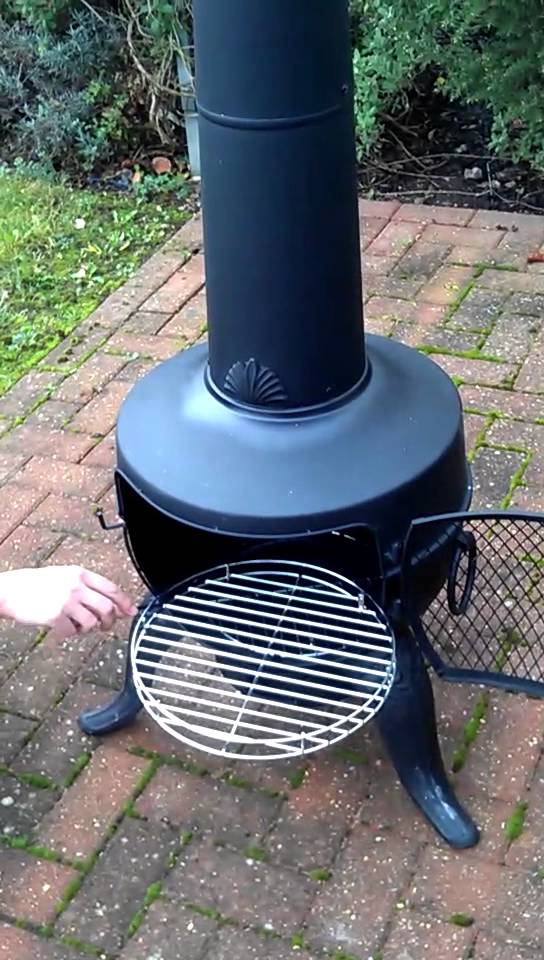
- Place the grill grate. Position it in the mouth of the chiminea using gloves. Make sure it sits level and stable before placing any food on it.
- Cook your food. Place food directly on the grate and keep tongs in hand. Turn items every few minutes. You're reading the fire here, not a temperature gauge — watch for color, listen for sizzle, and stay engaged.
- Manage the heat as you go. Too hot? Push fuel toward the back of the bowl and let things settle. Too cool? Add a small piece of hardwood and give it two minutes to catch.
- Rest and serve. Pull food off the grate and let it rest on a clean plate before serving. Let the fire die down naturally — never douse a hot clay chiminea with water.
It takes a session or two to get a feel for reading the heat, but the process becomes completely natural fast. Most people find it more satisfying than gas cooking once they get comfortable with it.
Frequently Asked Questions
Can you use a chiminea as a grill?
Yes. With a compatible grill grate placed in the opening or bowl, a chiminea works as an effective wood-fired grill. Cast iron and steel models are better suited for regular cooking than clay, which requires more careful heat management and proper curing first.
What foods cook best on a chiminea grill?
Burgers, hot dogs, steaks, skewered vegetables, shrimp, corn on the cob, and whole fish all cook well on a chiminea. Smaller and thinner items perform best since the cooking surface is limited and heat is less uniform than on a standard grill.
What type of wood is best for grilling with a chiminea?
Use dry, seasoned hardwood — oak, hickory, cherry, and apple are all excellent choices. Lump charcoal also works great and burns hotter, making it well suited for grilling specifically. Avoid softwoods like pine or cedar, which produce excessive smoke, harsh off-flavors, and unpredictable sparking.
How do you control temperature when grilling on a chiminea?
You control heat through fuel quantity and airflow. Add more wood or charcoal to increase heat, and let the fire settle to reduce it. Adjusting the grate position — closer to or farther from the coals — also affects how intense the heat is on your food. It takes practice but becomes second nature after a few sessions.
Is it safe to grill on a clay chiminea?
Yes, provided you cure the chiminea first by slowly building up heat over several sessions before full use. Always set it on a fireproof surface, keep a bucket of water or sand nearby, and never pour water on it while it's still hot. Cast iron models are more forgiving and involve fewer fragility concerns overall.
Key Takeaways
- Grilling with a chiminea delivers genuine wood-fired flavor for a fraction of the cost of a dedicated smoker, but it works best for small meals rather than large cookouts.
- Cast iron chimineas outperform clay for regular cooking — they handle heat better, last longer, and require less careful maintenance.
- Total startup costs run $80–$390, with ongoing fuel expenses of just $30–$60 per outdoor season, making it one of the most affordable ways to add wood-fire cooking to your backyard.
- With dry hardwood or lump charcoal, a proper cure on clay models, and a compatible grill grate, a chiminea is a safe and genuinely enjoyable outdoor cooking tool that pulls double duty as your backyard fire feature.


About William Murphy
William Murphy has worked as a licensed general contractor in Fremont, California for over thirty years, specializing in outdoor structures, green building methods, and sustainable design. During that career he has written about architecture, construction practices, and environmental protection for regional publications and trade outlets, bringing technical depth to subjects that most home improvement writers approach only from a consumer perspective. At TheBackyardGnome, he covers outdoor product reviews, backyard construction guides, and sustainable landscaping and building practices.
You can Get FREE Gifts. Receive Free Backyard Items here. Disable Ad Blocker to get them all now!
Once done, hit anything below