Yes, you can smoke food in a chiminea — and the results rival a dedicated smoker when you know what you're doing. Learning how to smoke with a chiminea comes down to three things: building the right coal bed, choosing the right wood, and controlling airflow through that narrow neck. If you've already tried grilling with a chiminea, smoking is the natural next step — lower heat, longer time, and layers of flavor you can't get any other way.
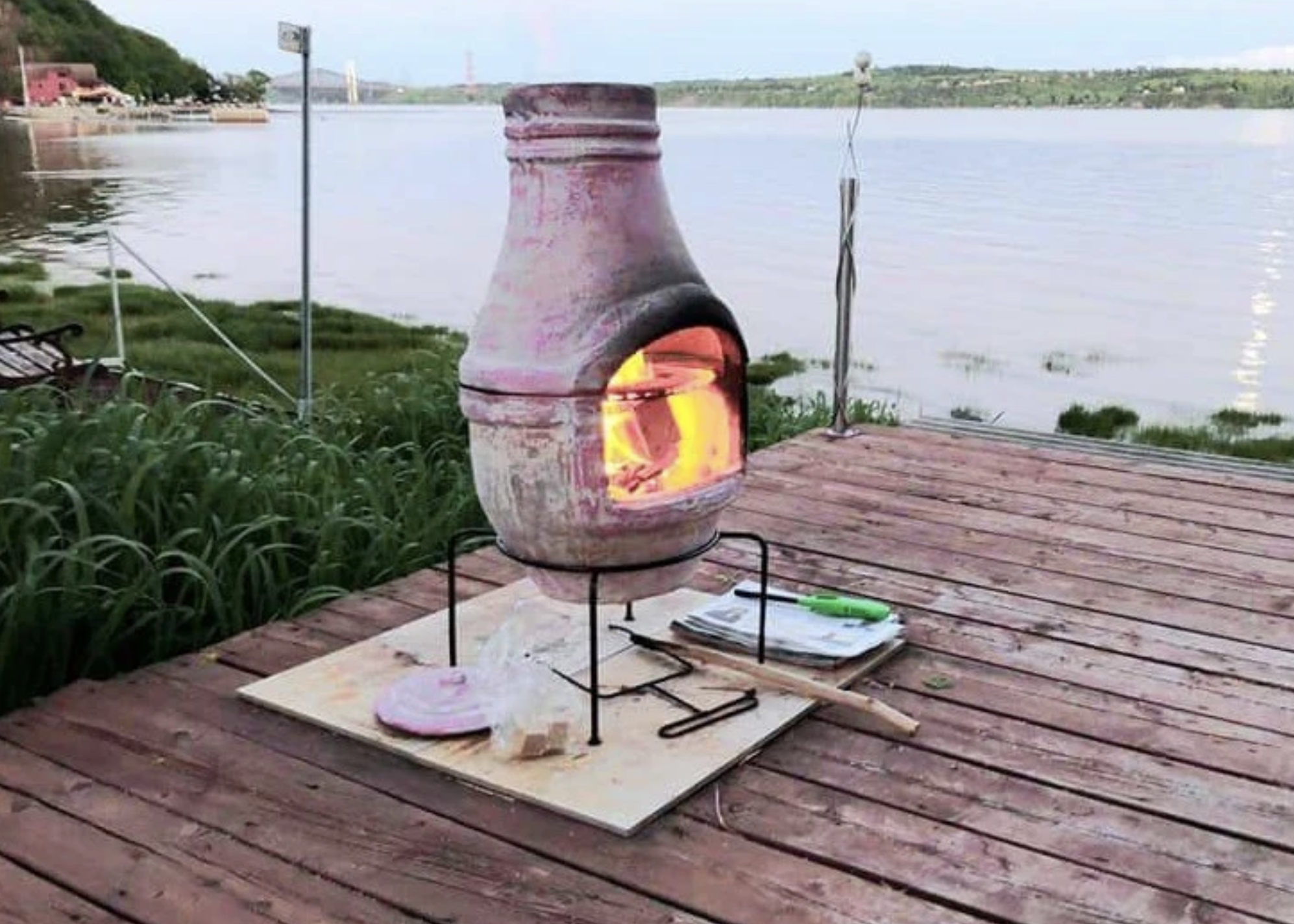
The chiminea's shape is actually an asset here. That narrow neck creates a controlled draft — smoke travels through the cooking chamber before it exits, so your food gets continuous exposure. You're working with a smaller space than a barrel smoker, which means heat builds faster and technique matters more. But it also means quicker sessions and less fuel.
This guide walks you through every stage of the process. For a broader overview of chiminea cooking, the chiminea smoking guide covers setup fundamentals worth revisiting before your first session.
Contents
- Step-by-Step: How to Smoke With a Chiminea
- The Right Tools and Equipment for Chiminea Smoking
- Everything You Can Smoke in a Chiminea
- Common Chiminea Smoking Myths — Debunked
- Beginner vs. Advanced Chiminea Smoking Techniques
- Real Backyard Smoking Sessions That Work
- Troubleshooting Common Chiminea Smoking Problems
- Frequently Asked Questions
- Next Steps
Step-by-Step: How to Smoke With a Chiminea
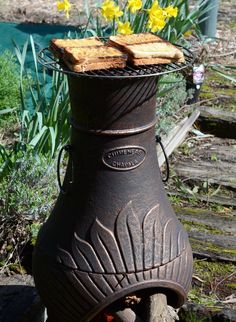
Get Your Chiminea Ready
Before you load in food or even light a fire, your chiminea needs to be in the right condition. Skipping prep is the fastest way to ruin both your food and your chiminea.
- Clay chimineas: Cure with 3–5 progressively larger fires before cooking in them. Start with a fire the size of a coffee can, let it burn out, and increase from there. This hardens the clay and prevents cracking.
- Cast iron chimineas: Wipe the interior with a thin coat of vegetable oil and run a short seasoning fire. No curing required, but seasoning improves performance.
- Position the chiminea on a stable, non-combustible surface — concrete, brick, or purpose-made chiminea pads work best.
- Keep it at least 10 feet from fences, overhangs, or any structure.
- Clear out old ash from previous sessions. Accumulated ash retains moisture and can crack clay over time.
Building and Managing the Fire
The key principle here: you want coals, not flames. Active flames scorch food. A stable coal bed produces consistent, controllable heat that's ideal for smoking.
- Build a small kindling fire and let it burn down completely to coals — this takes 30–45 minutes. Don't rush it.
- Add 2–3 wood chunks directly on top of the hot coals. Chunks, not chips — more on that in the equipment section.
- Place a grill grate over the coal bed at grate height inside the bowl.
- Set your food on the grate, not directly over the flame zone.
- Partially cover the chiminea's opening with a fireproof damper or heat-resistant cover to slow airflow and trap smoke around the food.
- Insert an oven thermometer near grate level. Target 225°F–275°F for most proteins.
- Add fresh wood chunks every 45–60 minutes to maintain smoke. One chunk at a time — wait for it to catch before adding the next.
Pro tip: Soak wood chunks in water for 30–60 minutes before placing them on the coals. This slows combustion and extends the smoke window significantly.
The Right Tools and Equipment for Chiminea Smoking
Essential Gear
You don't need much, but what you use matters. The wrong setup leads to flare-ups, temperature swings, and food you don't want to eat.
- Circular grill grate sized to fit your chiminea bowl (measure the interior diameter first)
- Long-handled tongs — at least 16 inches to safely reach inside the bowl
- Heat-resistant gloves rated for at least 500°F
- Oven thermometer or dual-probe meat thermometer
- Metal ash bucket for post-session cleanup
- Water spray bottle for minor flare-ups
- Fireproof damper or cover for the front opening
If you're still shopping for a chiminea, the Gardeco X-Large Chiminea has a wide enough bowl and a stable base that holds a properly sized grate without improvisation.
Choosing Your Wood
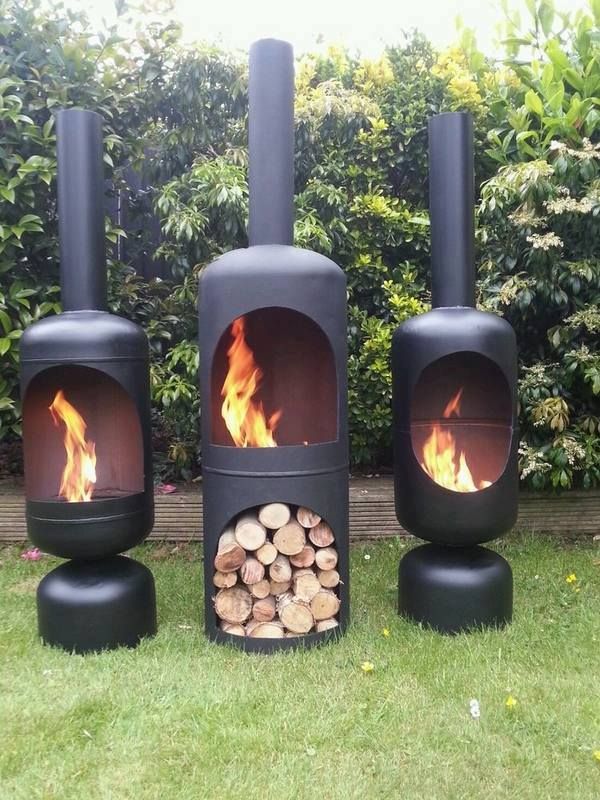
The wood determines the flavor profile. Use only dry, seasoned hardwoods. Softwoods like pine and cedar contain resins that produce toxic smoke and make food taste like turpentine.
| Wood Type | Flavor Profile | Best For | Intensity |
|---|---|---|---|
| Apple | Mild, sweet, fruity | Pork, chicken, fish | Light |
| Cherry | Slightly sweet, rich | Duck, lamb, pork | Light–Medium |
| Pecan | Nutty, mild | Chicken, turkey, fish | Medium |
| Oak | Versatile, medium smoke | Almost any protein | Medium |
| Hickory | Strong, bacon-like | Beef, pork ribs | Strong |
| Mesquite | Bold, earthy | Beef, game meats | Very Strong |
Start with apple or cherry if you're new to smoking. They're forgiving and pair well with almost everything. Hickory and mesquite are excellent but easy to overdo — use them sparingly until you know how your chiminea handles them.
Everything You Can Smoke in a Chiminea
Meats, Fish, and Poultry
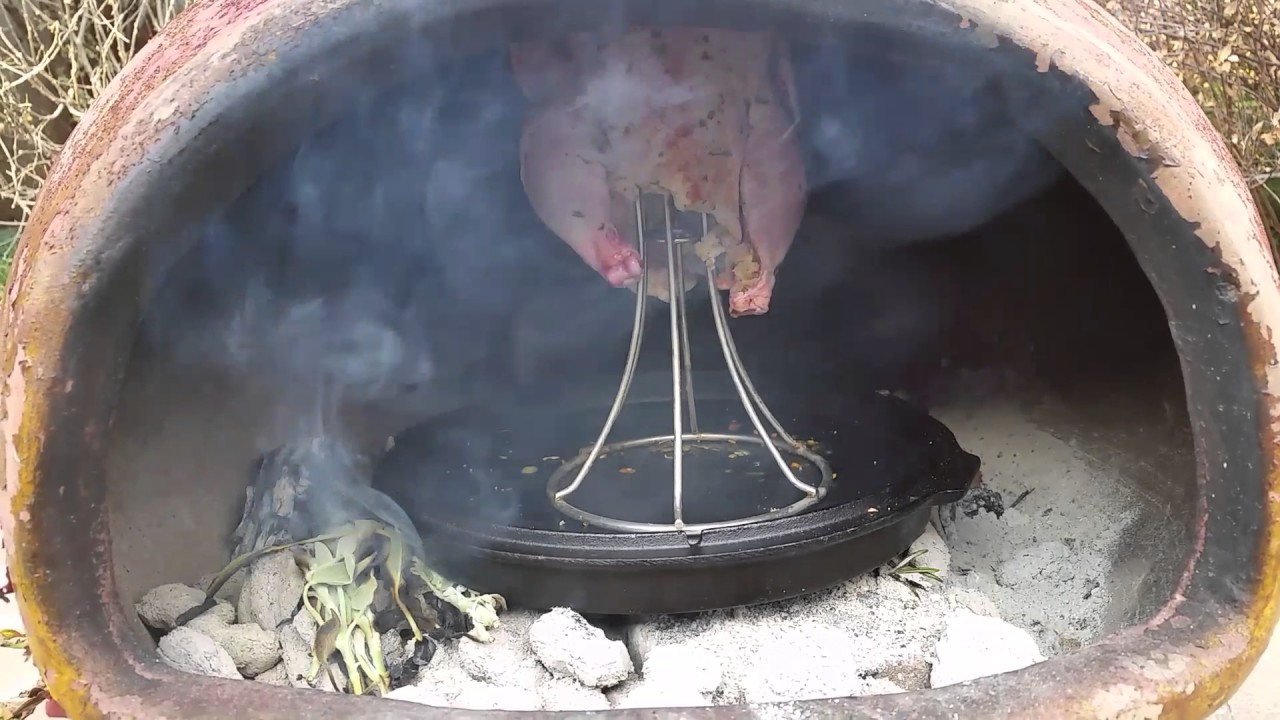
The chiminea's cooking chamber suits smaller cuts that don't require marathon low-and-slow sessions. These are your best options:
- Spatchcocked whole chicken — ideal size, benefits enormously from cherry or apple wood, 1.5–2 hours at 250°F
- Chicken thighs and drumsticks — forgiving, hard to ruin, 1–1.5 hours
- Pork shoulder (3–4 lbs) — hickory or oak, 4–5 hours, wrap in butcher paper at the 2-hour mark
- Salmon fillets — apple wood, 20–30 minutes at 225°F, skin-on for moisture retention
- Brisket flat (not full packer) — oak or mesquite, 4–5 hours, monitor temperature closely
- Pork ribs (baby back fit better than spare) — cherry or hickory, 2.5–3 hours
Vegetables and More
Don't stop at meat. The chiminea's smoke penetrates vegetables with surprising intensity. These work well:
- Corn on the cob — any fruit wood, 20 minutes, leave husks on
- Bell peppers — cherry wood, 15–20 minutes, excellent for salsas and dips
- Portobello mushrooms — oak or cherry, 20–25 minutes
- Whole garlic heads — mild wood, low heat, 30–40 minutes
- Smoked cheese — apple wood only, temperature under 100°F, minimal coals, 30 minutes max
Common Chiminea Smoking Myths — Debunked
Myth 1: Clay chimineas can't handle cooking heat.
False. Properly cured clay handles sustained cooking temperatures without issue. The real danger is thermal shock — rapid temperature changes that crack the material. Build fires gradually and never pour water on a hot clay chiminea.
Myth 2: You need a dedicated smoker for real results.
You don't. Smoking as a cooking technique requires sustained low heat and consistent wood smoke — both of which a chiminea produces naturally. The enclosed shape and chimney draft make it more capable than most people expect.
Myth 3: Wood chips work just as well as chunks.
They don't. Chips ignite fast and burn out in 5–10 minutes. For smoking, you need chunks that smolder for 45–90 minutes, producing a consistent smoke stream rather than a brief flash of flavor.
Myth 4: The open neck lets all the smoke escape before it reaches the food.
The neck creates a draw that pulls smoke through the cooking chamber first. Food inside the bowl sits directly in the smoke path. The draft is a feature, not a flaw.
Warning: Never burn pressure-treated wood, plywood, or painted lumber in a chiminea you cook in. The chemicals released are toxic and will contaminate everything in the bowl.
Beginner vs. Advanced Chiminea Smoking Techniques
Where to Start
If this is your first time, keep it simple. These choices give you the most room for error:
- Start with chicken thighs — they're fatty, forgiving, and done in under 90 minutes
- Use apple or cherry wood for a gentle introduction to smoke flavor
- Keep sessions under 2 hours until you understand how your chiminea holds heat
- Use a probe thermometer — don't guess doneness, especially with poultry (165°F internal)
- Build the coal bed for the full 30–40 minutes before adding food — this is the step beginners consistently rush
Level Up Your Technique
Once you've run a few successful sessions, start experimenting with these approaches:
- Blend wood types — combine hickory and cherry for layered complexity that neither produces alone
- Place a drip pan with apple juice or beer under the grate to add moisture and catch drippings
- Attempt a pork shoulder: smoke for 2 hours exposed, then wrap tightly in butcher paper and continue. The wrap traps moisture and pushes through the stall temperature
- Try cold smoking soft cheese at very low heat (under 100°F) — let the coals die down significantly first
- Adjust the front opening width to dial in precise temperature control: close it more to drop temperature and trap more smoke, open it wider to increase heat
Real Backyard Smoking Sessions That Work
Here's how chiminea smoking fits into actual outdoor entertaining scenarios. If you're hosting a cold-weather cookout, our outdoor winter party guide has smart strategies for keeping guests comfortable while you manage the fire.
The Sunday Family Cookout
- Spatchcock two 4-lb chickens — they fit side by side in a large bowl
- Cherry wood, target 250°F
- Rub the night before: salt, smoked paprika, garlic, a little brown sugar
- Total cook time: 1.5–2 hours, pull at 165°F internal
The Weeknight Salmon Session
- 2–3 salmon fillets, skin-on, seasoned simply with salt and dill
- Apple wood, 225°F, 20–30 minutes
- Serve with chiminea-smoked corn — both done at the same time
The Weekend Pork Project
- 3 lb bone-in pork shoulder, dry-rubbed 12 hours ahead
- Hickory and cherry blend
- 4–5 hours at 235°F, wrap tightly in butcher paper at the 2-hour mark
- Rest 30 minutes before pulling
Troubleshooting Common Chiminea Smoking Problems
Temperature Won't Stay Steady
Inconsistent heat is the most frequent complaint. Each problem has a specific fix:
- Running too hot: Cover more of the front opening. Less airflow equals lower combustion rate equals lower temperature.
- Running too cool: Add more lit coals — not raw wood. Raw wood pulls temperature down as it ignites and heats up.
- Spikes and sudden drops: You're adding too much wood at once. One chunk at a time, every 45–60 minutes.
- Can't build heat at all: Your coal bed isn't established. You need at least 30 minutes of solid burn before loading food.
Undercooked or Bitter Food
- Undercooked protein: Your starting coal bed wasn't hot enough, or you opened the chiminea too often. Each time you open it, you drop temperature by 25–50°F and lose smoke.
- Bitter, acrid taste: This is creosote — caused by too much green wood, wet wood that didn't dry before adding, or insufficient airflow. Use only dry, seasoned hardwood and open the draft slightly.
- Dry, tough texture: Add a drip pan with liquid beneath the grate. Alternatively, wrap the food after the first hour of smoke exposure.
Smoke Quality Problems
Smoke color tells you everything. Thin blue-gray smoke means efficient combustion at the right temperature — this is what you want. Thick white smoke means excess moisture, usually from wood that's still wet. Let soaked chunks air dry for 10–15 minutes before placing them on the coals. Black, acrid smoke means the fire is too hot and wood is incinerating instead of smoldering — restrict airflow immediately and reduce your coal bed.
Frequently Asked Questions
Can you smoke meat in a clay chiminea?
Yes. A properly cured clay chiminea handles cooking temperatures without issue. The key is avoiding thermal shock — build fires gradually, never pour cold water on a hot surface, and don't skip the curing process before your first cook.
What is the best wood for smoking in a chiminea?
Apple and cherry are the best starting points — they're mild, versatile, and pair well with most proteins. Oak is an excellent all-rounder for intermediate cooks. Hickory and mesquite deliver strong flavor and work best for beef in controlled quantities.
How do you control the temperature in a chiminea?
Cover or uncover the front opening to restrict or increase airflow. More coverage lowers temperature; more opening raises it. Use an oven thermometer placed at grate level rather than guessing — the chiminea bowl runs hotter than most people expect.
How long does it take to smoke a chicken in a chiminea?
A spatchcocked 4-lb chicken takes 1.5–2 hours at 250°F. Bone-in thighs take 60–90 minutes. Always verify with a probe thermometer — poultry must reach 165°F internal temperature before serving.
Do you need a grill grate to smoke in a chiminea?
Yes. You need a grate to elevate food above the coal bed so it cooks indirectly. Measure your chiminea bowl's interior diameter before purchasing — standard grates rarely fit without checking first.
Is smoke from a chiminea safe to cook with?
Yes, provided you use dry, seasoned hardwoods. The danger comes from burning softwoods, treated lumber, or painted wood — all of which release toxic compounds. Stick to natural hardwood chunks labeled for cooking use and you're safe.
Can you smoke food in a chiminea during winter?
Absolutely. Cold weather actually helps maintain lower smoking temperatures, which is ideal for long sessions. You'll need a larger coal bed to compensate for heat loss through the walls, and wind management becomes more important. Position the chiminea opening away from prevailing wind to maintain consistent draft.
Next Steps
- Measure your chiminea bowl's interior diameter and order a correctly sized grill grate before your first smoke session — this is the piece most people overlook until they're standing outside with food in hand.
- Pick up two types of hardwood chunks — start with apple or cherry for your first cook, so you can taste the smoke flavor without it overwhelming the food.
- Run a dedicated fire-building session without any food to practice building and sustaining a coal bed at 225–275°F. Learn the feel of your chiminea before putting dinner on the line.
- Do your first smoke with chicken thighs — inexpensive, forgiving, and done in under 90 minutes. Nail this once and every subsequent session gets easier.
- Bookmark the chiminea smoking guide for quick reference on wood pairings and temperature targets as you work through different proteins and techniques.


About William Murphy
William Murphy has worked as a licensed general contractor in Fremont, California for over thirty years, specializing in outdoor structures, green building methods, and sustainable design. During that career he has written about architecture, construction practices, and environmental protection for regional publications and trade outlets, bringing technical depth to subjects that most home improvement writers approach only from a consumer perspective. At TheBackyardGnome, he covers outdoor product reviews, backyard construction guides, and sustainable landscaping and building practices.
You can Get FREE Gifts. Receive Free Backyard Items here. Disable Ad Blocker to get them all now!
Once done, hit anything below