Effective tiki hut pest control starts with one reality: thatch, bamboo, and raw wood are prime real estate for insects and wildlife. If you've invested in a beautiful structure — check out our full guide on outdoor tiki huts and bars to get the most from your setup — then protecting it from pests is part of the ownership deal. The good news is that a consistent prevention routine keeps most infestations from ever taking hold.

Pests cause more than annoyance — they cause real damage. Termites silently hollow out bamboo poles for months before you notice. Wasps build nests deep in thatch layers before you're aware they're there. Mosquitoes breed in any standing water near your bar and make warm evenings miserable. A single neglected season can shave years off your structure's lifespan and cost far more in repairs than prevention ever would.
This guide covers the full picture: when to act, which methods actually deliver results, the honest trade-offs between natural and chemical approaches, the mistakes that invite infestations, and a realistic cost breakdown. Pest management is also part of the broader outdoor living maintenance mindset — every well-kept backyard space needs it built into the routine.
Contents
When Your Tiki Hut Is Telling You It Has a Problem
Early Warning Signs to Watch For
Most infestations give you advance notice before they turn serious. Catching these signs early saves you money and prevents structural damage. Know exactly what to look for:
- Fine sawdust or frass collecting near post bases or along bamboo poles — a classic termite signal
- Small, clean holes punched through thatch or bamboo that weren't there before
- Wasp or hornet activity around the roofline, especially in spring and early summer
- Visible ant trails running up the support posts
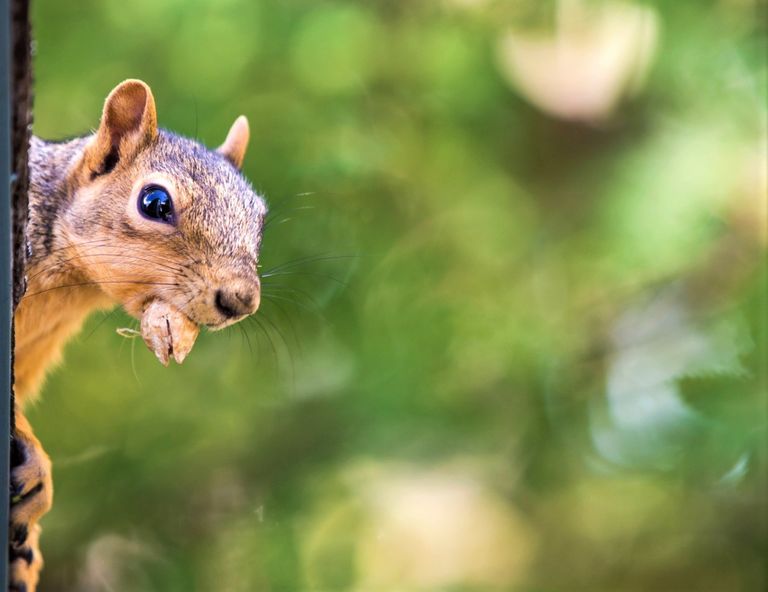
- Chewed or shredded thatch strands along the eaves — rodent or squirrel activity
- Mosquito swarms at dusk, particularly near any water feature or drainage low spot
- Spider webs building up faster than usual in corners and between rafters
When Prevention Beats Reactive Treatment
The best time to start tiki hut pest control is before you see a single pest. Reactive treatment after an infestation is always more expensive and time-consuming than a preventive schedule. Prioritize treatment at these moments:
- Right after installation of any new thatch or bamboo materials — fresh material is completely unprotected
- At the start of spring, before insect activity peaks
- After extended rain seasons that saturate your thatch and create moisture-rich conditions
- Any time you spot early warning signs from the list above
- When bringing potted plants near the structure — read our guide on how to move indoor plants outside in summer to avoid inadvertently introducing soil-dwelling pests
Pro tip: Schedule your tiki hut pest inspection at the same time as your seasonal maintenance — don't treat it as a separate chore, or it won't happen consistently.
Tiki Hut Pest Control Methods That Actually Work
Treating the Thatch Roof
Your thatch roof is the most vulnerable part of the entire structure. It's dense, organic, and stays moist after rain — exactly the conditions insects need. Here's how to treat it correctly:
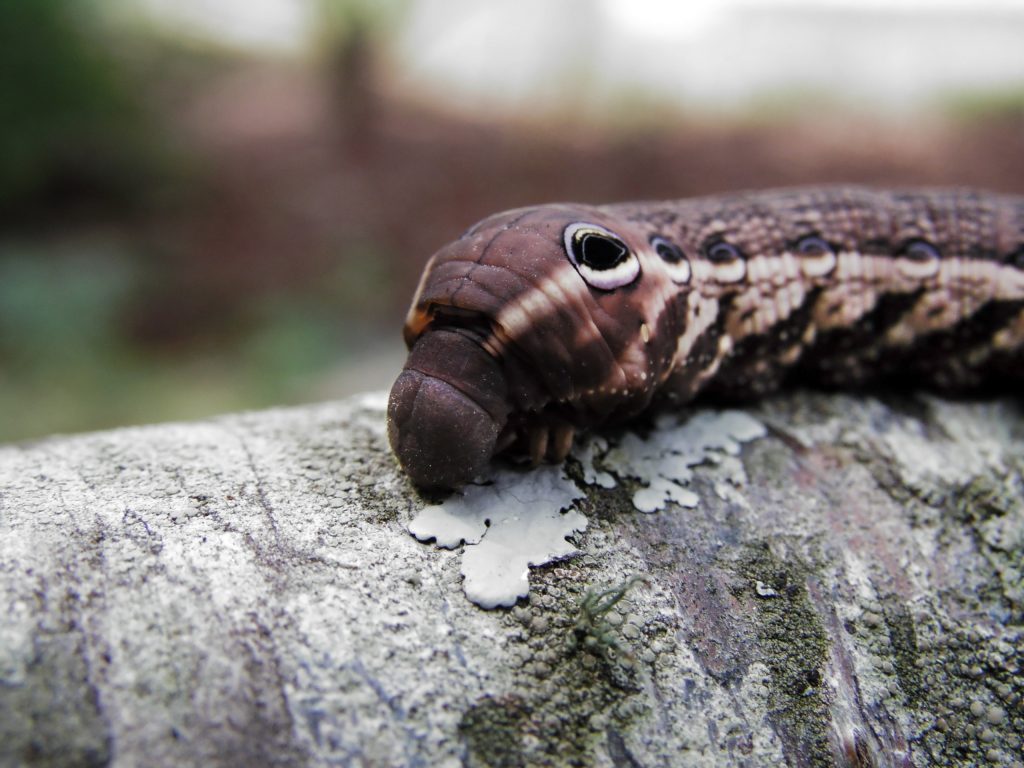
- Apply a borate-based insecticide (Tim-bor or Bora-Care) to dry thatch at the start of each season. Borates penetrate the fiber and kill termites, ants, and beetles on contact while staying active for months.
- Use a pump or garden sprayer for full coverage. Brushing product on doesn't penetrate deep enough into the thatch layers.
- Let the thatch dry completely before re-treating. Wet thatch dilutes the product and compromises effectiveness.
- Reapply after any extended rain period that fully saturates the roof material.
- For structures where tiki torches are in regular use, look for combination products with both insecticidal and flame-retardant properties — a worthwhile upgrade for fire safety alongside pest protection.

Protecting Wood and Bamboo Structures
Untreated wood and bamboo invite termites and wood-boring beetles faster than any other construction material. Bamboo's hollow chambers also create ideal nesting corridors for ants. Protect the frame with these steps:
- Seal bamboo ends with wood glue or exterior caulk to close hollow chambers at cut points
- Apply copper naphthenate wood preservative to all post bases — especially where posts meet concrete or soil
- Sand and recoat any cracked or peeling sealant immediately; exposed raw wood draws borers fast
- Keep posts off direct soil contact using metal post anchors or concrete footings
- Check post bases every few months for frass, soft spots, or staining that signals moisture intrusion

The same principles that apply to tiki hut frames apply to pergolas and other outdoor wood structures. Our guide on how to winterize your pergola covers seasonal wood protection steps that overlap directly with pest prevention — worth reading as part of your annual routine.
Repelling Mosquitoes and Flying Pests
Mosquitoes are the top complaint among tiki hut owners. A layered approach combining passive deterrents with active repellents gives you the strongest protection:
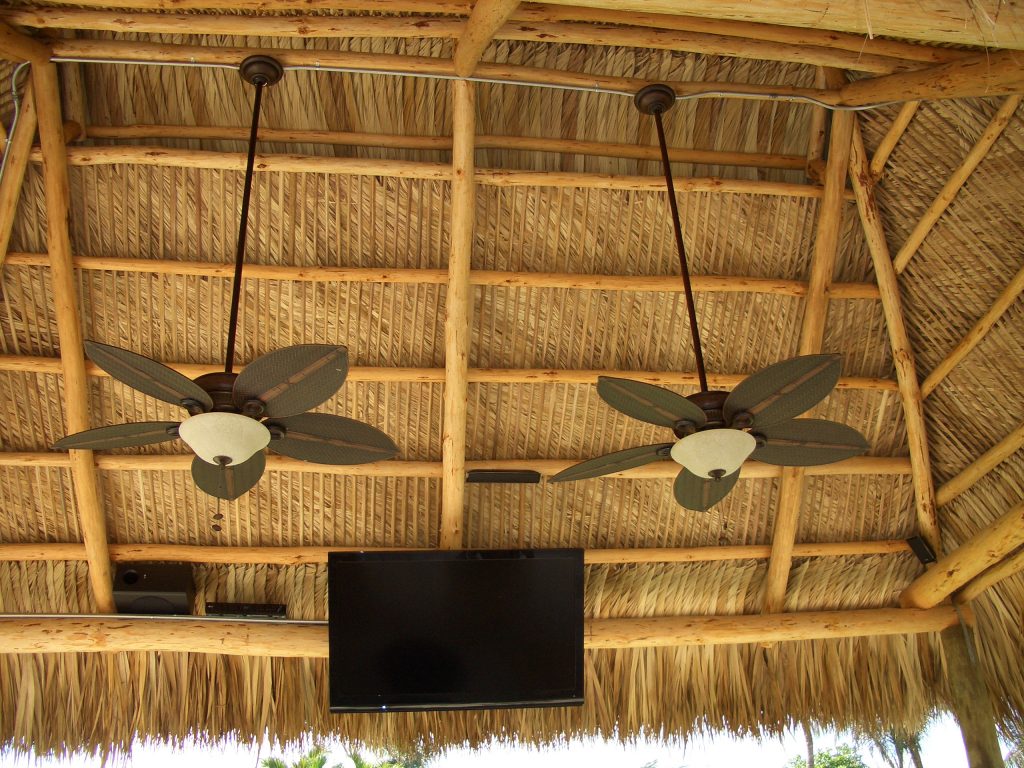
- Install an outdoor ceiling fan — moving air disrupts mosquito flight patterns and makes landing nearly impossible
- Place citronella candles or torches at the perimeter, not directly on eating surfaces
- Use EPA-registered insect repellents for personal protection during dawn and dusk when mosquito activity peaks
- Consider a propane mosquito trap for larger spaces — these attract and eliminate mosquitoes without chemical spraying
- Eliminate standing water within 30 feet: birdbaths, plant saucers, bucket lids, and clogged gutters all function as mosquito breeding grounds
Natural vs. Chemical: The Honest Trade-Offs
Choosing between natural and chemical pest control for your tiki hut isn't a simple either-or decision. Each approach has real strengths and real limitations. Use this comparison to match the right method to your situation.
| Method | Effectiveness | Eco-Friendly | Typical Cost | Longevity |
|---|---|---|---|---|
| Citronella candles / torches | Moderate (mosquitoes only) | Yes | $5–$30/month | Short — burns out quickly |
| Essential oil sprays (neem, peppermint) | Low–Moderate | Yes | $10–$25/month | Very short (1–3 days) |
| Diatomaceous earth | Moderate (crawling insects) | Yes | $10–$20 per bag | Medium — washes away in rain |
| Borate-based insecticide | High (wood-boring insects) | Moderate | $25–$60 per application | Long (1–2 seasons) |
| Pyrethroid perimeter spray | High (broad spectrum) | No | $15–$40 per application | Medium (4–8 weeks) |
| Professional barrier treatment | Very High | No | $100–$250 per visit | Medium (4–6 weeks) |
Natural Approaches
Natural methods work well as a first line of defense for low-to-moderate pest pressure. They're safe around food prep areas and pets, and they integrate easily into a routine:
- Citronella candles and torches create a scent deterrent effective within roughly a 10-foot radius
- Neem oil diluted in water treats exposed wood and repels soft-bodied insects without harsh chemical residue
- Diatomaceous earth sprinkled around post bases dehydrates and kills crawling insects — ants, beetles, and roaches
- Cedar chips or cedar oil around the perimeter repels spiders and certain beetles
- Bat houses installed nearby eliminate thousands of mosquitoes per night at zero ongoing cost

Chemical Approaches
When pest pressure is active or you're dealing with a confirmed infestation, chemical treatments deliver results natural methods can't match. Use targeted applications rather than broadcast spraying to minimize impact on beneficial insects:
- Borate products (Tim-bor, Bora-Care) for termites and wood-boring beetles — low mammalian toxicity, deep wood penetration
- Permethrin-based barrier sprays for perimeter insect control — treat the ground and vegetation surrounding the structure
- Bifenthrin for persistent ant or roach problems — apply at post bases and the soil perimeter
- Insect growth regulators (IGRs) added to perimeter sprays to interrupt breeding cycles before populations explode
Mistakes That Turn Your Tiki Hut Into a Pest Haven
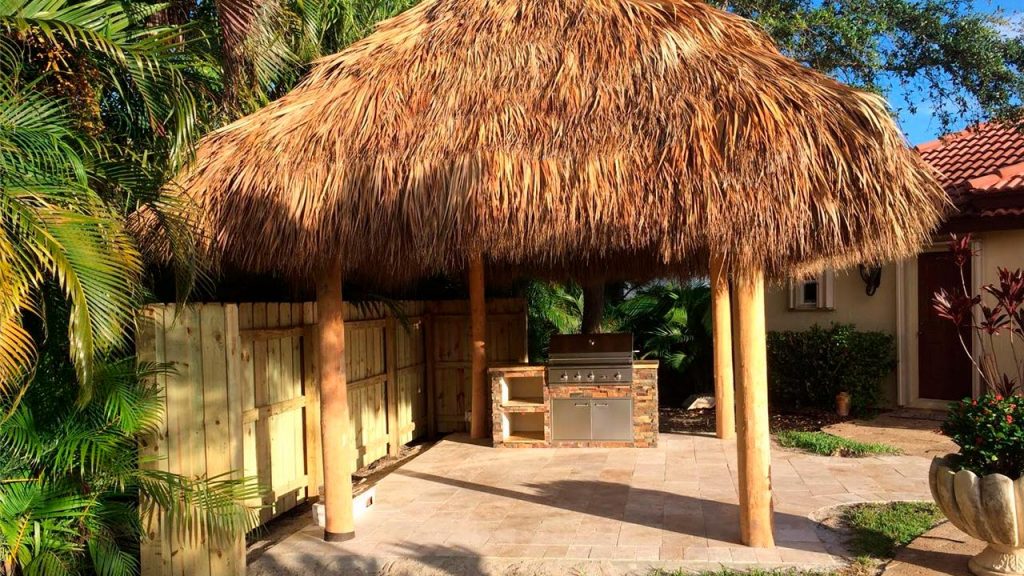
Structural and Setup Errors
These mistakes happen during planning and installation. They create conditions that no amount of pesticide will fully overcome:
- Planting dense shrubs or vines directly against the structure. Vegetation touching your tiki hut creates pest highways. Maintain a clear 18-inch buffer zone around all posts and the structure perimeter.
- Using untreated or improperly cured bamboo. Raw bamboo contains starches that attract wood-boring beetles. Always source kiln-dried or pre-treated material.
- Leaving thatch overlapping with wood beams without sealant at the junction — moisture collects there and draws boring insects directly into the most structural parts of the frame.
- Installing directly over lawn grass without a gravel or concrete base. Grass retains moisture and harbors ants, earwigs, and termites right at your post bases year-round.
Maintenance Oversights
Even a well-built tiki hut loses its pest resistance when routine maintenance slips. These oversights are responsible for the majority of infestations that homeowners call professionals to deal with:
- Skipping the annual borate treatment because "nothing looks wrong" — by the time it looks wrong, significant damage has already occurred
- Leaving food, drinks, or trash near the bar overnight — a direct invitation for rodents, ants, and cockroaches
- Forgetting to treat after thatch replacement — fresh thatch is completely unprotected and especially vulnerable in the first season
- Using water-based sealants on bamboo in high-rainfall climates; they fail in months and leave the wood exposed
- Not inspecting stored cushions and accessories before bringing them out in spring — overwintering insects and egg cases often hitch rides inside stored outdoor items
Warning: Never store firewood or lumber stacks within 10 feet of your tiki hut — they're termite magnets that create a direct infestation path straight into your structure's posts.
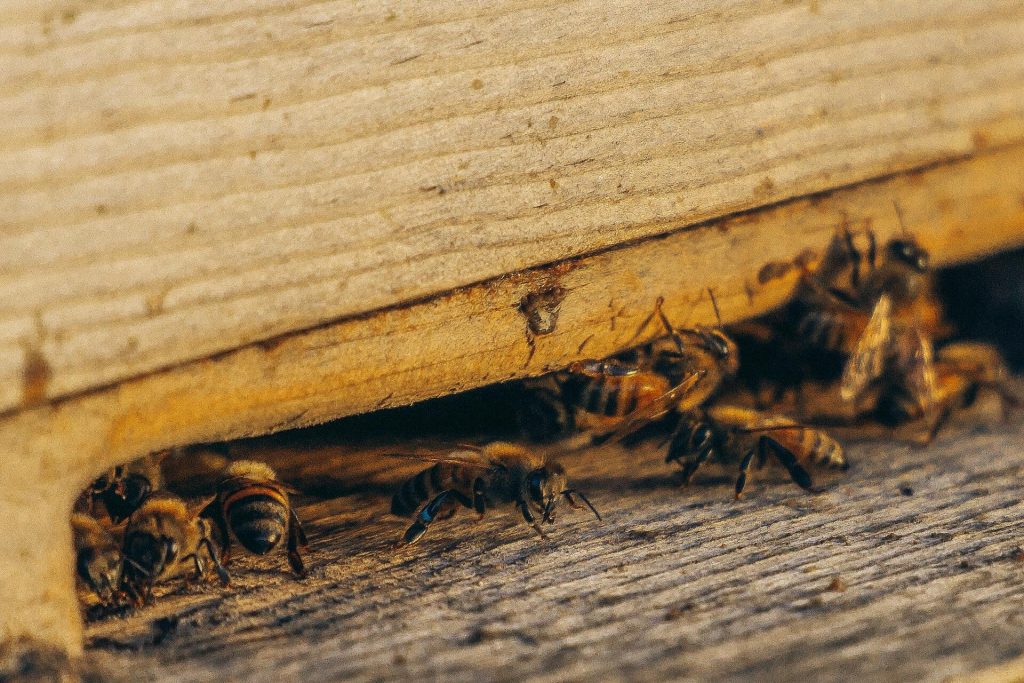
What to Budget for Tiki Hut Pest Control
DIY vs. Professional Treatment
Most tiki hut owners can handle preventive pest control themselves without issue. Active infestations — especially termites or large wasp colonies — are the exception where professional intervention is worth every dollar.
- DIY prevention (annual): $50–$150 covers borate treatment, sealants, diatomaceous earth, and citronella products
- DIY active treatment (non-termite): $30–$80 for targeted perimeter sprays and spot insecticides
- Professional one-time service: $150–$350 for a standard perimeter treatment including thatch inspection
- Professional termite treatment: $500–$1,500+ depending on infestation severity and treatment method — liquid injection vs. baiting systems vary significantly
- Wasp or hornet nest removal (professional): $100–$300 depending on nest size and accessibility in the thatch

Ongoing Maintenance Costs
Pest control is a recurring expense, not a one-time fix. Budget for it the same way you budget for thatch replacement and wood re-staining. Here's what a realistic annual spend looks like:
- Thatch treatment (borate): $40–$80 per application, 1–2 times per year
- Mosquito control (citronella, candles, propane trap fuel): $20–$60 per month during active season
- Perimeter insecticide reapplication: every 4–8 weeks at $15–$40 per application through peak season
- Annual professional inspection: $75–$150 — essential if you've had any past termite activity near the structure
For most homeowners, a realistic annual budget for tiki hut pest control lands between $200 and $500 using a combination of DIY prevention and one professional service call. Going full DIY without professional oversight saves money short-term but allows undetected termite or borer activity to progress silently.
Frequently Asked Questions
What is the most common pest problem in tiki huts?
Termites and wood-boring beetles are the most structurally damaging pests in tiki huts, while mosquitoes are the most noticeable nuisance. Termites target bamboo posts and untreated wood, often going undetected for months. A regular borate treatment schedule addresses all three simultaneously.
How often should I treat my tiki hut thatch for insects?
Apply a borate-based insecticide to your thatch at least once per season — twice if you live in a high-humidity climate or experience heavy rainfall. Always re-treat immediately after installing new thatch, since fresh material has zero protection and is the most vulnerable stage.
Can I use citronella candles as my only pest control method?
Citronella candles work well as a supplemental deterrent for mosquitoes within a 10-foot radius, but they are not a complete pest control strategy. They do nothing against termites, borers, wasps, or rodents. Use them as one layer in a broader prevention plan that includes structural treatments and perimeter management.
Do tiki huts attract termites more than other backyard structures?
Yes. The combination of thatch, bamboo, and raw or lightly-treated wood makes tiki huts significantly more attractive to termites than painted wood decks or composite structures. The organic fibers in thatch provide both food and nesting material. Consistent borate treatments on all wood surfaces are the single most effective countermeasure.
Is it safe to spray insecticide on my tiki hut if I use it for entertaining?
Borate-based insecticides are low-toxicity to mammals and safe around people once dry, making them appropriate for tiki huts used for entertaining. Pyrethroids require a re-entry interval after application — follow the product label. Always avoid spraying directly on food prep surfaces or bar tops, and let any treated surfaces air out fully before use.
How do I get rid of wasps nesting in my tiki hut thatch?
Treat at night when wasps are inactive inside the nest. Use a foam wasp killer that expands into the nest cavity and kills on contact — this is especially effective for nests hidden deep in thatch layers. Wear full protective gear. For large nests or hard-to-reach locations, hire a pest professional rather than risk multiple stings in a confined structure.
Final Thoughts
Your tiki hut is a real investment in your backyard, and consistent pest control is the single maintenance habit that protects it long-term. Start with a borate treatment on your thatch and wood frame this season, eliminate standing water in your yard, and schedule a professional inspection if you've never had one done. Take action now before pest pressure builds — a few hours of prevention is far less painful than a termite-damaged structure that needs major repair or early replacement.


About Simmy Parker
Simmy Parker holds a Bachelor of Science in Civil Engineering from Sacramento State University and has applied that technical background to outdoor structure design, landscape planning, and backyard improvement projects for over a decade. Her love for the outdoors extends beyond design — she regularly leads nature hikes and has developed working knowledge of native plants, soil conditions, and sustainable landscaping practices across Northern California. At TheBackyardGnome, she covers backyard design guides, landscaping ideas, and eco-friendly outdoor living resources.
You can Get FREE Gifts. Receive Free Backyard Items here. Disable Ad Blocker to get them all now!
Once done, hit anything below