Foersom & Hiort-Lorenzen: Danish Design Duo and Their Iconic Furniture
by William Murphy
A backyard renovation project often begins with a single purchase — a chair or lounge seat that establishes the visual tone for everything that follows. When chosen deliberately, that founding piece carries considerable weight. The work of Foersom & Hiort-Lorenzen, a studio whose output has come to define what Danish design duo furniture can achieve, offers exactly that kind of grounding presence. Homeowners beginning their exploration of Scandinavian aesthetics will find the Danish design category an essential reference for the broader tradition these designers represent.
Johannes Foersom and Peter Hiort-Lorenzen began their professional collaboration in 1973. Their output since that point spans lounge seating, dining chairs, outdoor collections, and occasional tables — all developed through partnerships with manufacturers including Erik Jørgensen, Cane-line, and FDB Møbler. The duo's longevity in an industry dominated by short product cycles and shifting trends is itself a testament to the enduring value of their approach. Few design partnerships sustain relevance across half a century without compromising the principles that made them compelling in the first place.
The philosophy underpinning this body of Danish design duo furniture is straightforward in statement but demanding in execution: every design decision must improve the user's experience or it must be removed. That reductive discipline — applied consistently across materials, proportions, and joinery — produces work that reads as timeless rather than dated. Wikipedia's article on Danish design situates this approach within a broader national tradition of functional elegance that has shaped furniture production worldwide for decades.
Contents
- Applying Danish Design Principles to Residential and Outdoor Spaces
- Materials and Craftsmanship in the Foersom & Hiort-Lorenzen Portfolio
- Where Danish Design Duo Furniture Performs Best
- Strengths and Limitations of Danish Design Duo Furniture
- Choosing Between Entry-Level and Collector-Grade Pieces
- Frequently Asked Questions
- Next Steps
Applying Danish Design Principles to Residential and Outdoor Spaces

Understanding the Underlying Philosophy
The design method of Foersom & Hiort-Lorenzen does not emerge from aesthetic preference alone. It reflects a coherent set of principles rooted in the Danish modernist tradition — principles that translate directly to both indoor rooms and outdoor living areas:
- Form follows function — Every curve, joint, and angle serves a structural or ergonomic purpose before it serves an aesthetic one. Ornamentation is not prohibited; it is simply unnecessary.
- Material honesty — Solid wood is permitted to express its grain and warmth. Fabric is selected for tactile quality and longevity. No material is made to impersonate another.
- Proportional restraint — Dimensions are calibrated to the human body. Pieces neither overwhelm a space nor retreat into invisibility within it.
- Durability as a design value — A piece that performs reliably across decades is inherently more sustainable than one replaced every few years. The duo incorporates repairability into construction decisions from the outset.
These principles apply across the full range of their output, from upholstered lounge chairs produced for Erik Jørgensen to weather-resistant garden seating developed in collaboration with Cane-line. The consistency is not accidental — it reflects a design practice built around conviction rather than trend response.
Practical Guidelines for Integration
Incorporating Danish design duo furniture into a residential or outdoor environment requires attention to context. The following guidelines apply broadly:
- Pair clean-lined Danish pieces with neutral surroundings — white render, natural timber decking, or raw concrete — to allow each piece's silhouette to register clearly.
- Avoid combining too many competing design traditions within a single space. Scandinavian minimalism is most effective when given visual room to breathe.
- For outdoor placements, orient seating toward natural focal points: a planted border, a water feature, or an open garden expanse. This reinforces the connection between furniture logic and landscape.
- Select cushion and upholstery materials that align with the original material palette — wool, linen, and natural canvas remain traditional choices that age in keeping with the furniture itself.
- In covered outdoor spaces such as pergolas, allow at least one meter of clearance around each primary seating piece to prevent the compacted arrangement that undermines Danish design's spatial intentions.
When positioning Foersom & Hiort-Lorenzen outdoor pieces beneath a pergola or shade structure, ensure that the sightlines from seated height reach a natural focal point — a well-planted border or open lawn — rather than a fence or wall. The designed ergonomics only reach their full effect when the viewing environment is also considered.
Materials and Craftsmanship in the Foersom & Hiort-Lorenzen Portfolio

Primary Material Selections
The duo's material palette reflects a preference for substances that age with character and remain transparent about their origins. Common selections across their body of work include:
- Solid beech and oak — Primary structural materials in dining chairs and lounge frames. Both species accept finishing treatments that enhance grain visibility without obscuring it.
- Powder-coated aluminum — Used extensively in Cane-line outdoor pieces. Lightweight, corrosion-resistant, and available in a range of neutral tones that complement garden settings.
- All-weather synthetic weave — Incorporated into outdoor collections to replicate the warmth of natural rattan without susceptibility to moisture damage. Readers considering material distinctions for outdoor furniture may find the guide to the difference between rattan and wicker a useful companion reference when assessing seating options.
- Full-grain leather and wool textiles — Favored for Erik Jørgensen upholstered works. Both materials develop character through use rather than simply deteriorating under it.
- Oiled and lacquered wood finishes — Applied to wooden structural elements to manage moisture absorption while preserving a natural surface appearance.
Construction Techniques and Quality Indicators
The quality inherent in Foersom & Hiort-Lorenzen pieces is most evident in their construction methodology. Several recurring details serve as reliable indicators of genuine craftsmanship:
- Mortise-and-tenon joinery in wooden chair frames, providing structural integrity that does not depend solely on adhesives.
- Seat shells contoured to distribute body weight evenly, reducing pressure concentration during extended use.
- Back rail angles calibrated for lumbar support — a functional detail that is easily overlooked in purely visual assessments but immediately apparent in use.
- Upholstery attachment methods that permit re-covering, extending the serviceable life of a piece considerably beyond what a permanently bonded alternative would allow.
- Frame tolerances that remain stable across seasonal humidity variation, preventing the loosening and creaking common in lower-specification joinery.
Where Danish Design Duo Furniture Performs Best
Residential Outdoor and Transitional Environments
The Cane-line collaborations position Foersom & Hiort-Lorenzen's work as a natural fit for covered patios, garden terraces, and sheltered outdoor dining areas. Several specific use cases stand out:
- Covered patio dining — The duo's dining chair silhouettes translate effectively to outdoor table settings, where their ergonomic profiles remain as relevant as in any interior room.
- Garden lounge and relaxation zones — Deep-seat sofas and lounge chairs from the Cane-line range perform well in shaded garden areas and beneath pergola canopies, where shelter reduces weathering exposure.
- Indoor-outdoor transitional rooms — Spaces with glass or folding wall systems benefit from furniture that reads consistently on both sides of the threshold. All-weather versions of standard indoor pieces enable that visual continuity.
- Compact urban terraces — The proportional restraint of Danish design means pieces do not require large floor plans to read well. A single lounge chair and side table can define a modest balcony space effectively.
Those assembling a comprehensive outdoor living configuration may also find value in reviewing the guide to choosing an outdoor sectional sofa set for complementary context on layout principles and material evaluation.
Commercial, Cultural, and Institutional Settings
Beyond residential use, Danish design duo furniture from this studio has found consistent application in contexts where durability and visual authority are equally important:
- Hotel lobbies and common areas, where sustained traffic demands structural robustness alongside aesthetic coherence.
- Corporate reception spaces that require furniture capable of communicating quality without ostentation.
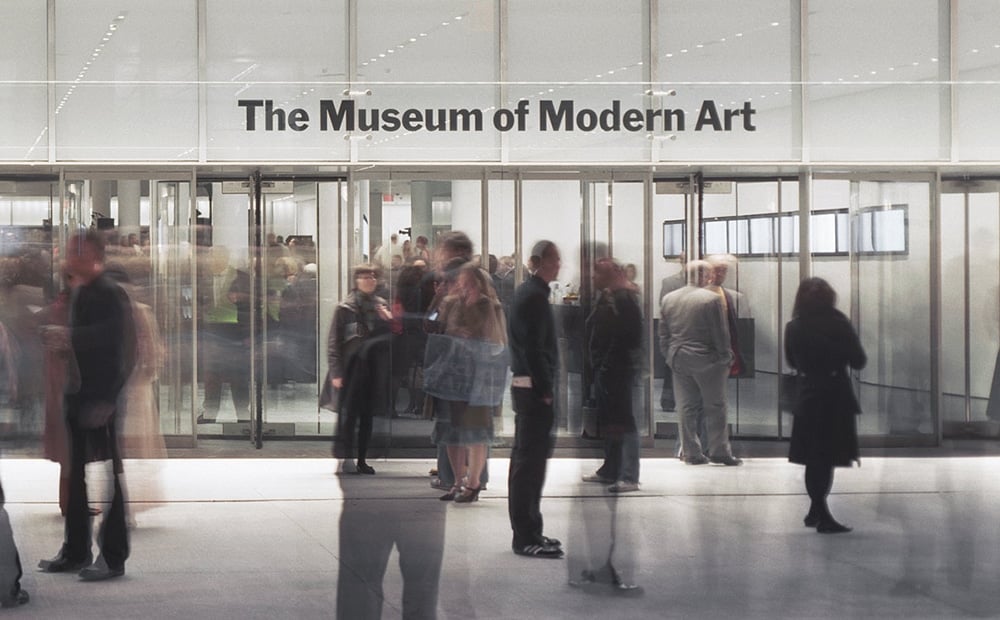
- Museum and gallery interiors — the Museum of Modern Art in New York holds examples of Foersom & Hiort-Lorenzen work in its permanent collection, confirming the cultural standing of their output.
Strengths and Limitations of Danish Design Duo Furniture
Core Strengths
The following table summarizes the principal advantages of Foersom & Hiort-Lorenzen Danish design duo furniture against commonly cited competing considerations:
| Attribute | Foersom & Hiort-Lorenzen | Typical Mass-Market Alternative |
|---|---|---|
| Material quality | Solid hardwood, full-grain leather, all-weather weave | Engineered board, bonded leather, low-grade polyester |
| Joinery method | Mortise-and-tenon, re-upholsterable seat attachment | Stapled, glued, or doweled assemblies |
| Design longevity | Timeless silhouettes unchanged across decades | Trend-responsive forms replaced frequently |
| Repairability | High — components replaceable, upholstery recoverable | Low — integrated construction discourages repair |
| Environmental impact | Lower per-year due to extended service life | Higher due to frequent replacement cycles |
| Initial price point | Premium — entry pieces from approximately €400–€800 | Low — comparable silhouettes from €80–€250 |
| Museum collection status | MoMA, Danish Design Museum, Victoria & Albert | Not applicable |
Recognized Limitations
A balanced assessment of Danish design duo furniture from this studio must also acknowledge its constraints:
- Price accessibility — Authentic Foersom & Hiort-Lorenzen pieces occupy a premium segment. Entry-level dining chairs begin at prices that place them beyond casual purchase consideration for many households.
- Availability — Certain vintage and limited-run pieces are only accessible through specialist dealers or auction, requiring research and patience from prospective buyers.
- Aesthetic inflexibility — The duo's design language is restrained and consistent. Spaces with heavily ornate or maximalist character will generate visual tension rather than coherence when Danish pieces are introduced.
- Outdoor maintenance requirements — Even all-weather outdoor versions benefit from seasonal care. Aluminum frames require occasional cleaning; synthetic weave should be stored or covered during extended periods of non-use in harsh climates.
- Limited customization — Unlike bespoke furniture studios, standard production pieces offer finite upholstery and finish options. Buyers with highly specific requirements may find the selection constraining.
Choosing Between Entry-Level and Collector-Grade Pieces
Starting Points for New Buyers
Those approaching Foersom & Hiort-Lorenzen work for the first time have several practical entry points. The Cane-line outdoor collections represent the most broadly accessible tier, offering genuine design pedigree at price points that reflect production volume. Key considerations for first-time buyers include:
- Begin with a single statement piece — a lounge chair or dining chair — rather than attempting to furnish an entire space at once. This allows for considered assessment of how the design language reads within a specific environment.
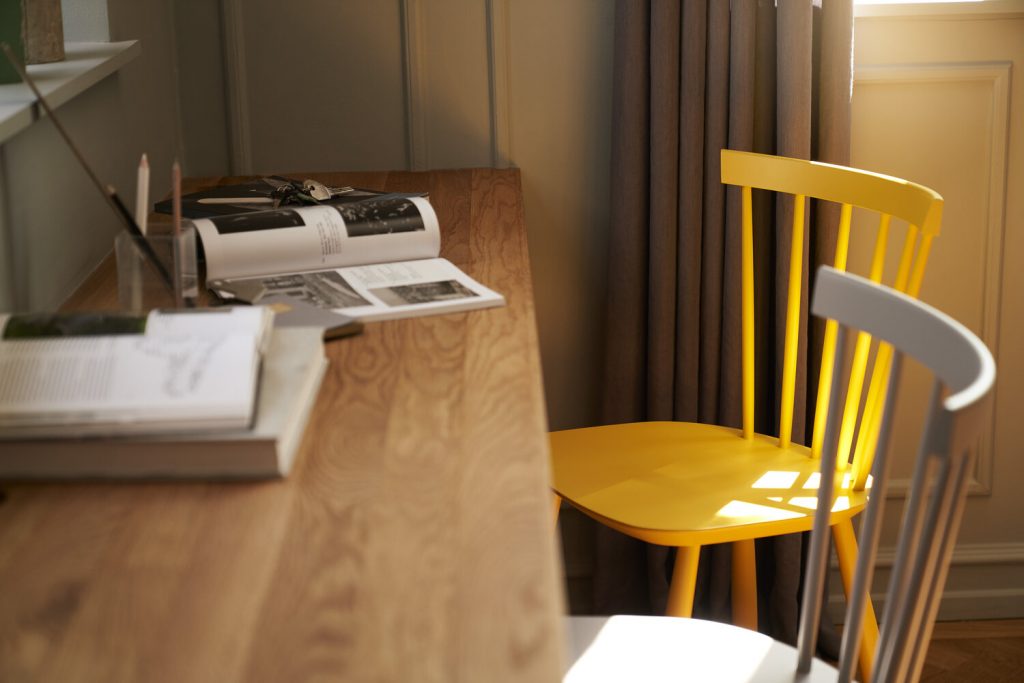
- The J46 dining chair, produced by FDB Møbler, represents one of the most historically significant and competitively priced entry points into this design tradition. Its beech frame and woven seat are both structurally sound and visually coherent with a wide range of table designs.
- Pre-owned pieces in good structural condition offer substantial savings. The durability of these chairs means that well-maintained vintage examples often outperform new mass-market alternatives in every meaningful dimension.
- For outdoor environments specifically, the Cane-line Connect and Twist dining ranges offer accessible price points while maintaining the proportional discipline associated with the studio's broader output.
Those navigating the selection process for outdoor furniture more broadly — and considering how Danish design pieces fit within a larger patio scheme — may also benefit from reviewing the guide to winterizing a pergola to understand the seasonal care requirements that affect furniture selection in covered outdoor structures.
Signature Works for the Serious Collector
For buyers approaching the work as a long-term design investment, several pieces occupy a higher register of significance:
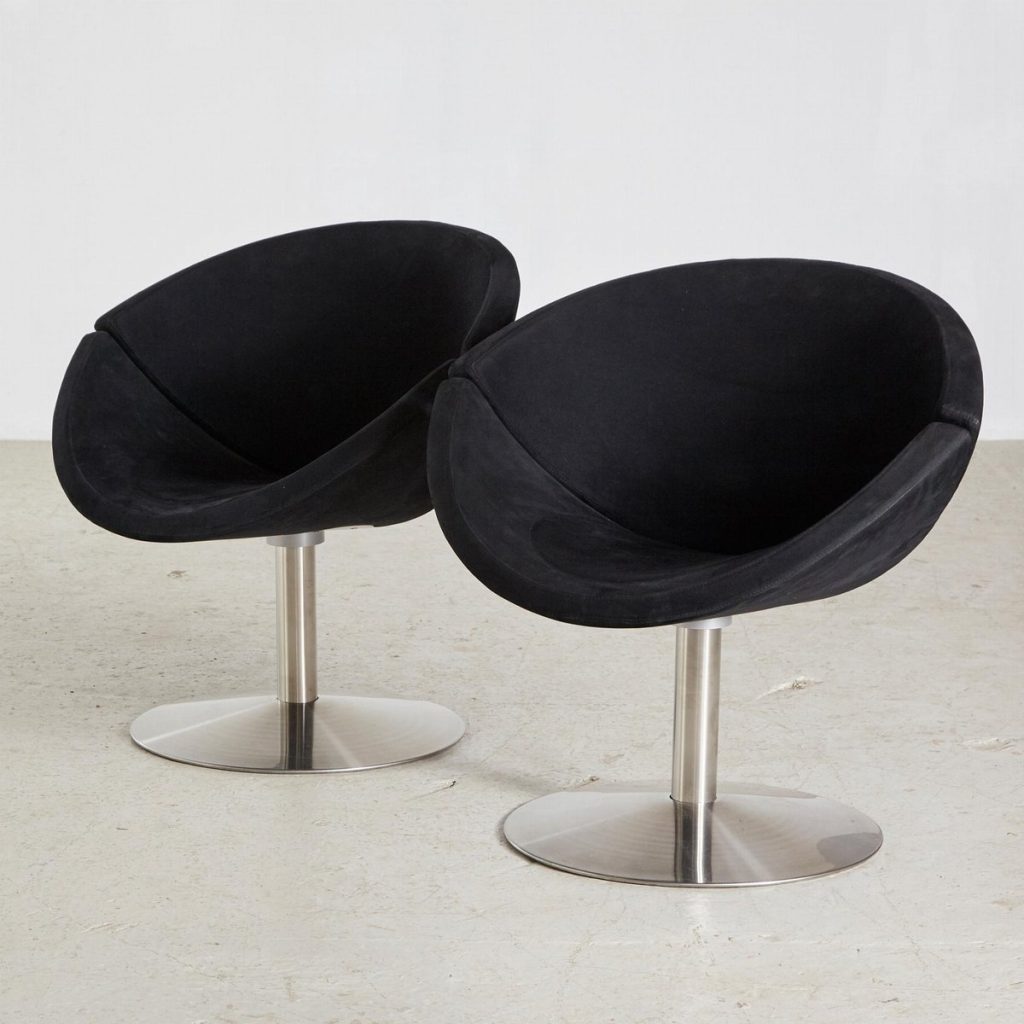
- The Apollo Chair (Erik Jørgensen) — One of the most recognized pieces in the duo's portfolio. Its swept back legs and sculpted seat shell have become reference points in Danish furniture history. First editions and early production examples command significant premiums.
- Upholstered lounge series (Erik Jørgensen) — Full leather configurations in discontinued colorways are increasingly difficult to source. Condition of the frame, quality of original upholstery, and provenance documentation all materially affect value.
- Museum-deaccessioned or exhibition pieces — Occasionally available through specialist auction, these carry institutional provenance that distinguishes them even from standard production examples of the same model.
Frequently Asked Questions
What is Foersom & Hiort-Lorenzen best known for in the context of Danish design duo furniture?
The studio is best known for its disciplined application of Scandinavian functionalism across both indoor and outdoor furniture categories. Their collaboration with Erik Jørgensen on upholstered lounge chairs and with Cane-line on exterior seating collections are particularly recognized, with several pieces held in the permanent collections of major international design museums.
Are Foersom & Hiort-Lorenzen outdoor pieces suitable for year-round exterior use?
Pieces produced through the Cane-line collaboration — which use powder-coated aluminum frames and all-weather synthetic weave — are rated for exterior use and can withstand typical seasonal conditions. However, upholstered cushions benefit from storage during prolonged wet periods, and all outdoor pieces perform better with annual cleaning and inspection of joints and finish integrity.
How does Danish design duo furniture hold its value compared to mass-market alternatives?
Authentic Foersom & Hiort-Lorenzen pieces generally retain value well, particularly early production examples and discontinued models in original condition. The combination of museum-collection status, genuine material quality, and a design language that has not dated significantly means the secondary market for these pieces remains active. Mass-market alternatives typically depreciate rapidly and carry no secondary market value of significance.
Is it possible to have Foersom & Hiort-Lorenzen chairs re-upholstered?
Many pieces in their portfolio — particularly those produced by Erik Jørgensen — were designed with re-upholstering in mind. Seat attachment methods in these models permit fabric removal and replacement by a competent upholsterer without structural risk to the frame. This is a meaningful practical advantage over integrated-construction alternatives that do not permit the same intervention.
Which Foersom & Hiort-Lorenzen piece is most appropriate for a covered outdoor patio?
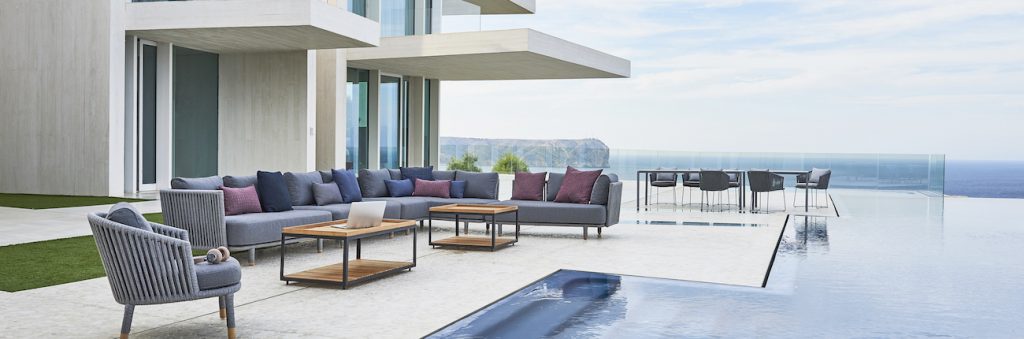
The Cane-line Connect Dining Chair and the corresponding lounge seating range represent practical starting points for covered outdoor environments. Their aluminum construction and synthetic weave resist moisture and UV degradation more effectively than natural material alternatives, while the proportional design maintains visual consistency with interior Danish design pieces visible through adjacent glazed walls or doors.
Next Steps
- Visit the Danish design category to build foundational knowledge of the broader Scandinavian furniture tradition before making a purchase decision.
- Identify one room or outdoor zone where a single Foersom & Hiort-Lorenzen piece could function as an anchor, and assess which model — dining chair, lounge chair, or sofa — addresses the primary functional need of that space.
- Research current availability through authorized Cane-line and Erik Jørgensen dealers, and request material samples for upholstery and frame finishes before committing to a specific configuration.
- If the budget permits a single quality investment over multiple lower-cost pieces, prioritize a J46 dining chair or an entry-level Apollo production example as a starting point — both hold their structural and aesthetic value across decades of use.
- Document the piece's provenance, original purchase details, and any upholstery or finish specifications at the point of acquisition, as this information materially supports resale value and facilitates accurate restoration if required in future.


About William Murphy
William Murphy has worked as a licensed general contractor in Fremont, California for over thirty years, specializing in outdoor structures, green building methods, and sustainable design. During that career he has written about architecture, construction practices, and environmental protection for regional publications and trade outlets, bringing technical depth to subjects that most home improvement writers approach only from a consumer perspective. At TheBackyardGnome, he covers outdoor product reviews, backyard construction guides, and sustainable landscaping and building practices.
You can Get FREE Gifts. Receive Free Backyard Items here. Disable Ad Blocker to get them all now!
Once done, hit anything below