The DeWalt DCBL720P1 leaf blower gets straight to the point: it's one of the most capable cordless blowers available for residential yard work. If you've been wondering whether a 20V cordless unit can truly replace a gas blower for routine cleanup, this one can — and does. Check our complete leaf blower buying guide if you want the full competitive landscape before you decide.
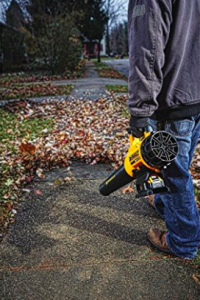
This blower runs on DeWalt's 20V MAX platform and ships with a 5.0Ah battery and charger. It puts out 400 CFM and 90 MPH airspeed — numbers that put it ahead of most comparable cordless units and even some light gas models. The brushless motor adds efficiency and longevity. At 7.9 lbs with the battery installed, it's comfortable to run for extended sessions without arm fatigue.
Below, you'll find a myth-by-myth breakdown of cordless performance claims, a direct comparison table, practical tips for getting immediate results, and a troubleshooting section for when things don't go as expected.
Contents
The Truth About Cordless Performance: What the DCBL720P1 Can Actually Do
Cordless blowers have carried a reputation problem for years. Most of it is outdated. The DeWalt DCBL720P1 is direct proof that the gap between cordless and gas has narrowed to the point where it barely matters for the average homeowner.
Myth: Cordless Can't Match Gas Power
This one was true several years ago. It isn't true now. Here's what the DCBL720P1 actually delivers:
- 400 CFM — enough to move wet, matted leaves off a driveway
- 90 MPH airspeed — cuts through compacted debris piles cleanly
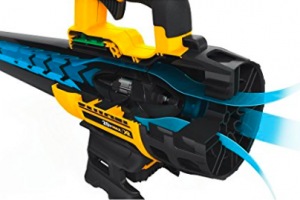
- Brushless motor — more torque, less heat, longer lifespan than brushed designs
- Variable speed trigger — dial it back for delicate areas like garden beds, or run full throttle on stubborn piles
For the typical residential lot — driveways, patios, garden beds, walkways — this blower handles the job without hesitation. Where a gas blower still wins is in commercial-scale acreage or clearing heavy, waterlogged debris across a half-acre in one continuous session. If that's your situation, you're in a different category entirely. For everyone else, the DCBL720P1 is enough.
Myth: Battery Life Is Unpredictable
The included 5.0Ah battery gives you roughly 15–25 minutes depending on how hard you push it. On medium speed, expect closer to 25. Full throttle the entire time? You'll land around 15. That's not unpredictable — that's predictable physics.
Pro tip: Keep a second 5.0Ah battery charged and on standby. Swapping takes five seconds and effectively doubles your runtime with zero hassle.
According to the EPA's outdoor air quality resources, battery-powered tools produce zero direct emissions during use — a real advantage if you're managing a yard where air quality matters, especially around children or pets.
How the DCBL720P1 Leaf Blower Compares: A Direct Side-by-Side
You've probably looked at a few different blowers before landing here. Here's where the DeWalt DCBL720P1 leaf blower sits relative to its closest competitors in the cordless category.
Side-by-Side Specs
| Feature | DeWalt DCBL720P1 | Greenworks 40V Pro | EGO Power+ LB5804 | Ryobi ONE+ 18V |
|---|---|---|---|---|
| Max CFM | 400 | 340 | 580 | 200 |
| Max MPH | 90 | 105 | 168 | 100 |
| Battery Platform | 20V MAX | 40V | 56V ARC | 18V ONE+ |
| Weight (with battery) | 7.9 lbs | 6.5 lbs | 9.5 lbs | 5.6 lbs |
| Motor Type | Brushless | Brushless | Brushless | Brushed |
| Included Battery | 5.0Ah | 2.0Ah | 2.5Ah | Often tool-only |
| Ecosystem Size | Very large (200+ tools) | Moderate | Moderate | Very large (300+ tools) |
Where the DeWalt Clearly Wins
- Battery ecosystem — if you already own DeWalt 20V MAX tools, your existing battery packs work here immediately
- Bundled 5.0Ah battery — most competitors bundle 2.0–2.5Ah packs, which deliver noticeably shorter runtime
- Build quality — the fit and finish is consistently better than budget cordless competitors
- Parts, warranty, and service availability — DeWalt's support network is one of the strongest in the industry
Where it doesn't lead: raw CFM and MPH. The EGO LB5804 outperforms it on paper. But that unit costs significantly more and uses a proprietary battery system. For most backyard tasks, 400 CFM is more than sufficient — and the DCBL720P1's bundled 5.0Ah pack delivers noticeably more runtime than the EGO's included 2.5Ah.
Five Ways to Get Immediate Results with Your DCBL720P1
You don't need to read a manual cover to cover to start getting excellent results. These five moves will make your first sessions dramatically more efficient.
Technique Matters More Than Power
- Work with the wind, not against it. Check which way the breeze is moving and blow in the same direction. You'll finish in half the time with less effort.
- Use a wide, low sweeping arc — broad strokes move more material than short, choppy blasts in one spot.
- On driveways, keep the nozzle 6–8 inches off the surface for maximum ground-level force.
- For garden beds, angle the nozzle at roughly 45 degrees — you'll move leaves without flinging mulch all over.
- Corner your debris before you start. Pick a target destination near a compost bin or curb, then guide everything there systematically rather than chasing it around the yard.
Unexpected Uses Worth Knowing
Most people think of leaf blowers purely for fall cleanup. Your DCBL720P1 earns its keep year-round:
- Blowing out clogged gutters with a gutter attachment kit
- Clearing sawdust and wood chips from a workshop or garage floor
- Drying patio furniture cushions after rain before guests arrive
- Drying your car after a wash — this technique eliminates water spots better than a chamois in most cases
- Drying a motorcycle after washing, especially in tight areas around engine fins and fairings where a towel can't reach
These uses mean you're getting value from the blower and battery system throughout the entire year, not just six weeks in autumn.
Mistakes That Quietly Wreck Your DeWalt DCBL720P1
Most performance complaints about this blower trace back to avoidable user habits. Here are the ones that come up most often.
Battery Handling Errors
- Running the battery completely flat on every session. Lithium-ion cells don't like repeated full discharge. Stop when the low-battery indicator triggers — not when the motor quits entirely.
- Leaving the battery on the charger indefinitely after it reaches full charge.
- Storing batteries in extreme heat, like a car trunk in summer. Heat is the fastest way to permanently degrade capacity.
- Blaming the blower for weak performance when the real culprit is an aging, worn-out battery pack.
Warning: Never store a lithium-ion battery at full charge for months at a time — aim for roughly 50% charge if it's sitting unused through winter. This single habit can add years to your battery's usable life.
Storage Missteps
- Storing the blower with debris packed inside the nozzle — clear it before putting it away every time
- Hanging the unit by its trigger housing — that stresses the mechanism over time
- Keeping it in a damp shed where condensation can reach internal components and battery contacts
- Leaving the battery inserted during long-term storage — always remove it and store separately
Keeping Your DeWalt DCBL720P1 Leaf Blower Running Season After Season
A brushless motor doesn't demand the same attention as a gas engine, but that doesn't mean zero maintenance. A few consistent habits will keep this blower performing like new for many seasons.
Your Seasonal Maintenance Routine
After each season of heavy use, run through this checklist:
- Inspect and clear the air intake vents. Clogged vents force the motor to run hot. Use compressed air or a soft brush to clear any debris, grass clippings, or dust buildup.
- Check the nozzle tube for cracks or a loose connection — replace the tube if the seal is compromised
- Wipe down the exterior with a dry cloth — avoid spraying water directly into any openings or vents
- Test the variable speed trigger across its full range to confirm smooth, consistent response
- Inspect the battery contacts for corrosion or debris — clean with a dry cloth or electronics contact cleaner if needed
That's the entire list. There's no spark plug to replace, no carburetor to clean, no fuel to stabilize over winter. The savings in maintenance time and cost versus a comparable gas unit add up substantially over three to five seasons.
Maximizing Battery Longevity
Your battery is the most expensive replaceable component on this system. Treat it accordingly:
- Charge at room temperature — not in a freezing garage in January or a hot shed in August
- Use a genuine DeWalt charger — third-party chargers can stress cells and void warranty coverage
- Cycle the battery regularly — a pack that sits unused for months degrades faster than one used routinely
- Store at 40–60% charge for off-season periods longer than 30 days
A well-maintained 5.0Ah battery can last 500–1,000 charge cycles before noticeable capacity loss. At one to two sessions per week during the active season, that's easily a decade of use.
When Your DCBL720P1 Acts Up: Fast Fixes
Even reliable tools run into occasional hiccups. Here's how to diagnose and resolve the most common issues quickly — before you consider a service call.
Power and Startup Issues
- Blower won't turn on: Check the battery charge first. Then confirm the battery is fully seated — it should click firmly into place. A loose battery connection is the number-one false alarm on this unit.
- Blower starts then cuts out immediately: The battery protection circuit has triggered. This happens when the pack is critically low or too cold to deliver current safely. Warm the battery to room temperature and try again.
- Trigger feels unresponsive or sticky: Debris can work its way into the trigger mechanism. Clear the area around the trigger housing with compressed air.
Sudden Performance Drops
- Reduced airflow: Check the intake vents first — a blocked intake is almost always the cause. Shut it down, clear the vents, and restart.
- Motor running noticeably hot: Same culprit — blocked vents or continuous full-throttle use. Let it cool for 10 minutes before restarting.
- Vibration or rattling during use: Confirm the nozzle tube is fully locked into position. Check for debris that may have entered the housing.
- Battery draining faster than it used to: Test with a fully charged replacement battery. If the fresh pack performs correctly, your original is aging out and needs replacing — not the blower itself.
The vast majority of DCBL720P1 issues resolve at the battery or the intake vents. If you've addressed both and the problem persists, DeWalt's service network is extensive — use the official warranty rather than attempting internal repairs yourself.
Frequently Asked Questions
Is the DeWalt DCBL720P1 leaf blower worth the price?
Yes. It ships with a 5.0Ah battery and charger, delivers 400 CFM and 90 MPH airspeed, and uses a brushless motor built for longevity. Compared to blowers at a similar price point that bundle smaller batteries or use brushed motors, the DCBL720P1 consistently offers better long-term value.
How long does the battery last per charge?
On medium speed, expect roughly 20–25 minutes per charge. At continuous full throttle, you'll get closer to 15 minutes. For most residential cleanups, one charge handles the job comfortably. A second battery eliminates any runtime concern entirely.
Can I use other DeWalt 20V MAX batteries with this blower?
Yes. Any DeWalt 20V MAX battery is compatible with the DCBL720P1. Higher Ah packs deliver more runtime. The 6.0Ah and 8.0Ah options are popular upgrades for owners with large yards or longer work sessions.
Does the DCBL720P1 handle wet leaves?
It does, though wet and matted leaves require more effort than dry ones. Use full throttle, work in shorter focused strokes, and consider loosening stuck piles with a rake beforehand. Work in smaller sections for heavy wet debris rather than trying to push large masses at once.
How loud is the DCBL720P1 compared to a gas blower?
The DCBL720P1 operates at around 65 dB — noticeably quieter than most gas blowers, which typically run 95–100 dB. It's still audible, but it's unlikely to trigger noise complaints from neighbors, and it's generally compliant with local ordinances during reasonable hours.
What regular maintenance does the DCBL720P1 require?
Very little. Clear the intake vents regularly, wipe down the exterior, and store the battery properly. There's no oil, spark plug, carburetor, or fuel system to deal with. An annual inspection of the trigger mechanism and nozzle connection is all the mechanical attention it needs.
Can I use the DCBL720P1 for things other than leaves?
Absolutely. It handles drying vehicles after washing, clearing workshop floors, blowing out gutters, and drying patio furniture after rain. The variable speed trigger makes it precise enough for detailed jobs. See our guides on drying your car with a leaf blower and drying your motorcycle for specific techniques.
Once you stop waiting for gas power to feel necessary, you'll realize the DeWalt DCBL720P1 was exactly enough all along.


About Simmy Parker
Simmy Parker holds a Bachelor of Science in Civil Engineering from Sacramento State University and has applied that technical background to outdoor structure design, landscape planning, and backyard improvement projects for over a decade. Her love for the outdoors extends beyond design — she regularly leads nature hikes and has developed working knowledge of native plants, soil conditions, and sustainable landscaping practices across Northern California. At TheBackyardGnome, she covers backyard design guides, landscaping ideas, and eco-friendly outdoor living resources.
You can Get FREE Gifts. Receive Free Backyard Items here. Disable Ad Blocker to get them all now!
Once done, hit anything below