Have you been hunting for the perfect tiki sculpture and getting nowhere fast? Knowing where to buy tiki sculptures is half the battle — the other half is knowing which sources actually deliver quality instead of cheap imitations that look nothing like the listing photo. This guide maps out every reliable retail channel, from major online marketplaces to specialty Polynesian art dealers that most buyers never discover, so you can make a confident decision and skip the regret. Before you spend anything, browse our complete tiki sculptures guide to nail down the style, size, and material that fits your backyard.
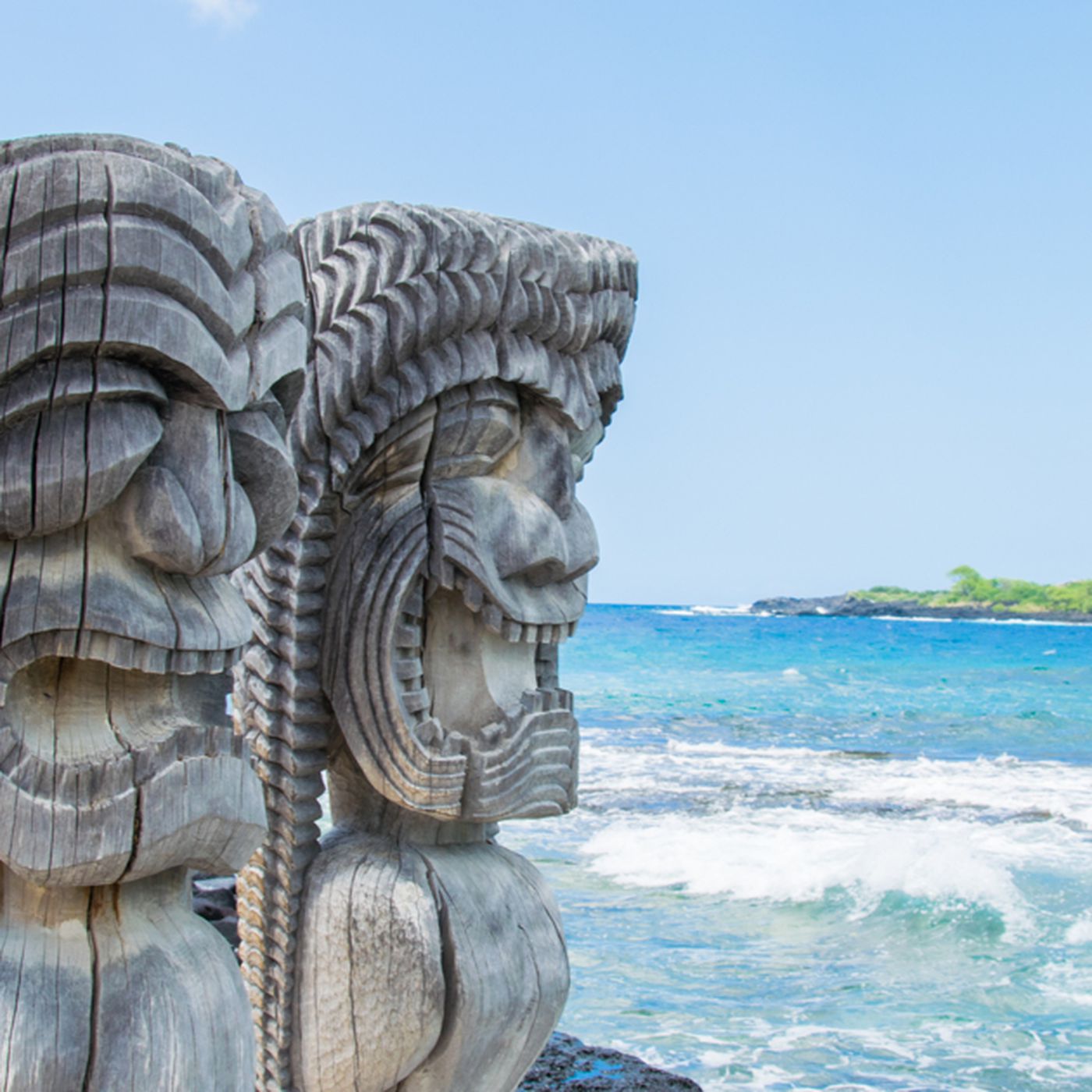
Tiki culture draws from Polynesian traditions and mid-century American tropical aesthetics, producing a sculptural vocabulary that spans everything from carved deity figures to decorative garden totems and wall masks. The sculptures range from mass-produced resin pieces under $30 to hand-carved hardwood originals that command serious collector prices — and the source you choose determines which end of that quality spectrum you land on. Getting this right from the start saves you money, return-shipping headaches, and the regret of a piece that looks nothing like what you imagined.
Here is a structured breakdown of where to look, what each source does well, where the pitfalls are, and how to match your shopping approach to your actual backyard needs.
Contents
When Your Tiki Search Hits a Dead End
If you have typed "tiki sculpture" into a search bar and waded through pages of plastic garden decorations that look nothing like genuine Polynesian-inspired art, you already know the frustration. The market is saturated with cheap imitations, and most buyers abandon the search before they reach the sources where quality actually exists. The fix is straightforward once you know where the problem originates.
The Problem With Big-Box Stores
Home improvement chains and discount retailers do carry tiki figures, but their inventory skews heavily toward resin pieces with limited design variation and durability that rarely survives more than a couple of outdoor seasons. You are not going to find hand-carved detail or authentic cultural styling at a chain store. These pieces work as budget fillers when you just need something in a corner, but if you want a sculpture with real visual presence in your backyard, the chain store is the wrong starting point.

Reading Product Reviews the Right Way
When shopping online, filter reviews to show buyer-submitted photos rather than polished brand images. Focus specifically on comments about color accuracy, material quality, and size relative to expectations — those three issues drive the overwhelming majority of return requests. A sculpture that looks towering in a wide-angle product shot often turns out to be disappointingly small next to a real patio chair, and reading photo reviews consistently prevents that particular mistake before it costs you money.
Casual Buyer vs. Serious Collector: Matching the Source to Your Level
Not every shopper wants the same thing from a tiki sculpture, and matching your retailer to your level of commitment matters more than most people realize. A casual buyer decorating a backyard for summer gatherings has completely different priorities than a dedicated collector building a fully realized Polynesian-themed outdoor space from scratch.
Starting Small With Online Marketplaces
Amazon, Wayfair, and similar large-scale retailers are the right starting point when you are new to buying tiki sculptures and want to test a style before committing serious money. The selection is broad, returns are straightforward, and you can compare dozens of options side by side without navigating multiple independent websites. Stick to sellers with at least 50 verified reviews and avoid anything listed as "weather resistant" without specifying the actual material — that phrase is used to cover everything from quality resin to painted cardboard.

Stepping Up to Artisan Sources
Once you know which style resonates with you, move your search toward Etsy artisans, Polynesian art dealers, and direct-from-carver shops. These sources offer genuinely hand-carved pieces in teak, monkey pod wood, or lava stone that mass retailers simply cannot replicate at scale. Prices run higher — expect $80 to $400 for mid-range artisan work — but the quality difference is immediately visible and the pieces hold up outdoors for years rather than seasons.

How to Shop Smart for Tiki Sculptures
Pro tip: Always ask the seller for exact finished dimensions — height, width, and base diameter — before purchasing, because listing photos are almost always shot with a wide-angle lens that makes pieces look significantly larger than they are in person.
Material Matters More Than Price
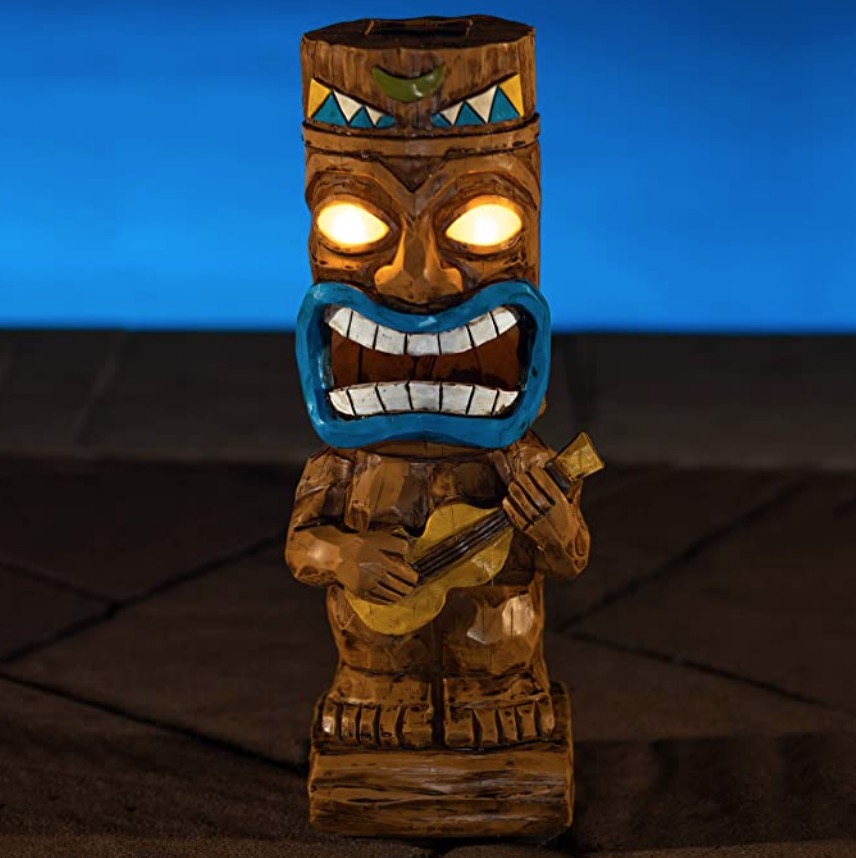
The material determines how your sculpture ages outdoors, how much maintenance it demands, and how authentic it reads up close. Your main options break down as follows:
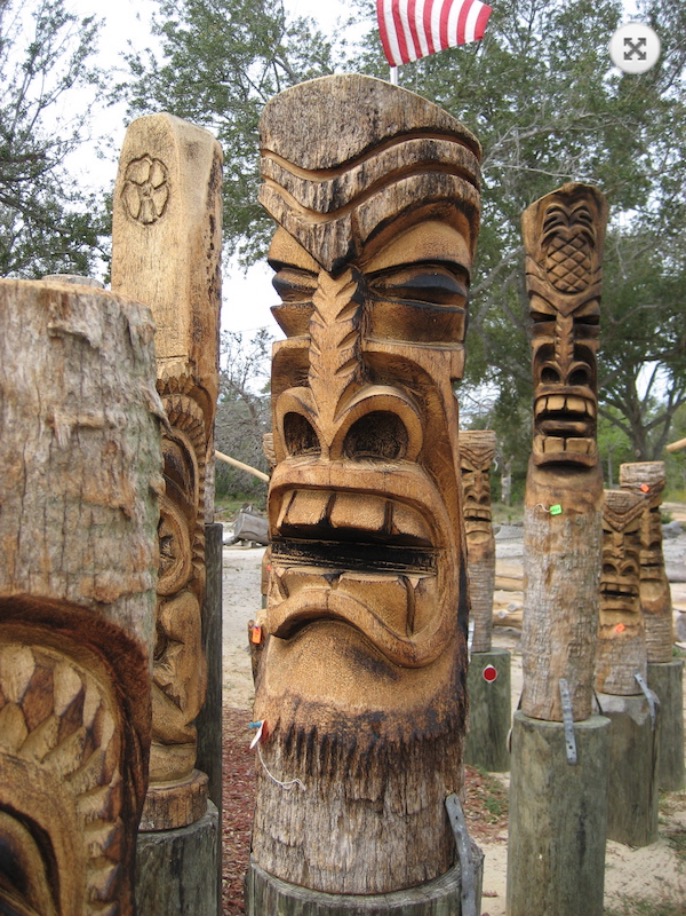
- Carved wood (teak, monkey pod, bamboo): Rich texture, authentic character, requires annual sealing in wet climates
- Resin or polyresin: Lightweight, weather-resistant, lower cost, but detail is often soft and colors can fade after prolonged sun exposure
- Cast metal (iron, copper, steel): Extremely durable and heavy, excellent for permanent installations, develops a natural patina over time
- Lava stone or concrete: Heavy, permanent feel, completely weatherproof, ideal when you want a piece that blends into a tropical garden aesthetic
Sizing and Scale for Your Space
Buying a sculpture that is either too small to register visually or too large to balance with surrounding furniture is the most avoidable rookie mistake in the category. Standalone tikis intended as focal points should be at least 24 inches tall, while accent pieces placed along a path or tucked into a garden bed can work smaller. If you are planning a larger outdoor layout around a flagstone patio design, use the patio's square footage as your sizing anchor — one statement piece paired with two smaller accents consistently outperforms a row of identical mid-size figures that compete with each other visually.
Matching Tikis to Your Backyard Setup
Tiki sculptures are not one-size-fits-all garden ornaments, and placement is just as important as the piece itself. The best approach is to decide how the sculpture will function within your existing outdoor space rather than buying one and figuring out where to put it afterward.
Pool and Patio Tikis
Pool areas and patios benefit most from weather-resistant materials that can handle splash exposure, direct sun, and temperature swings without warping or fading. Resin and cast metal both perform well here. Taller figures — anywhere from 36 to 65 inches — hold visual proportion against full-size patio furniture and structures, while shorter pieces get lost in the scale of an open outdoor space. Pair a large tiki figure with tiki torches and tropical planters to create a cohesive look that reads as designed rather than accidental.
Garden Path and Landscaping Accents
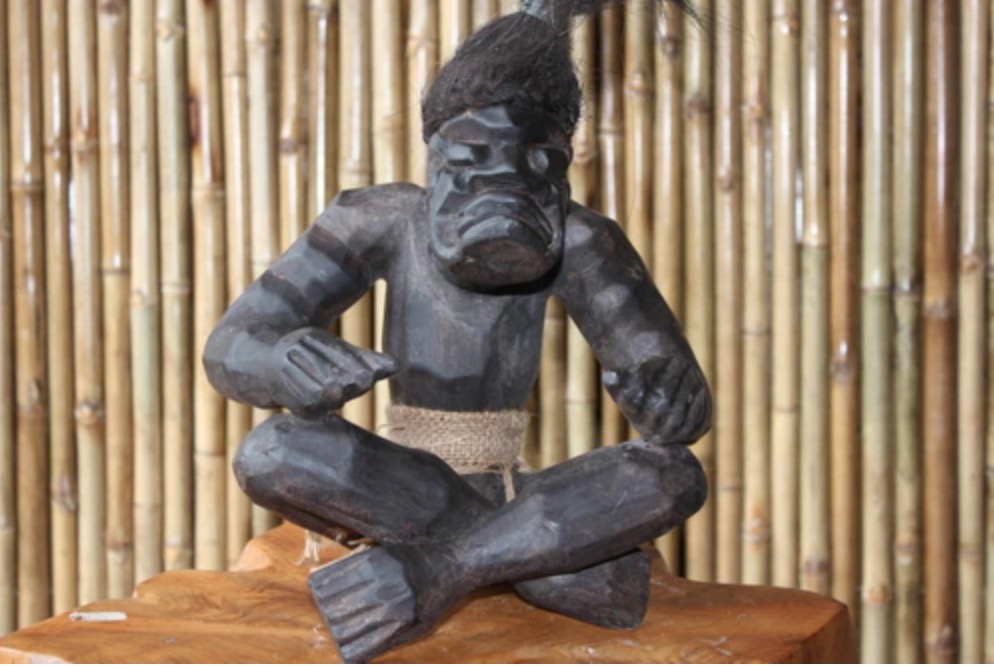
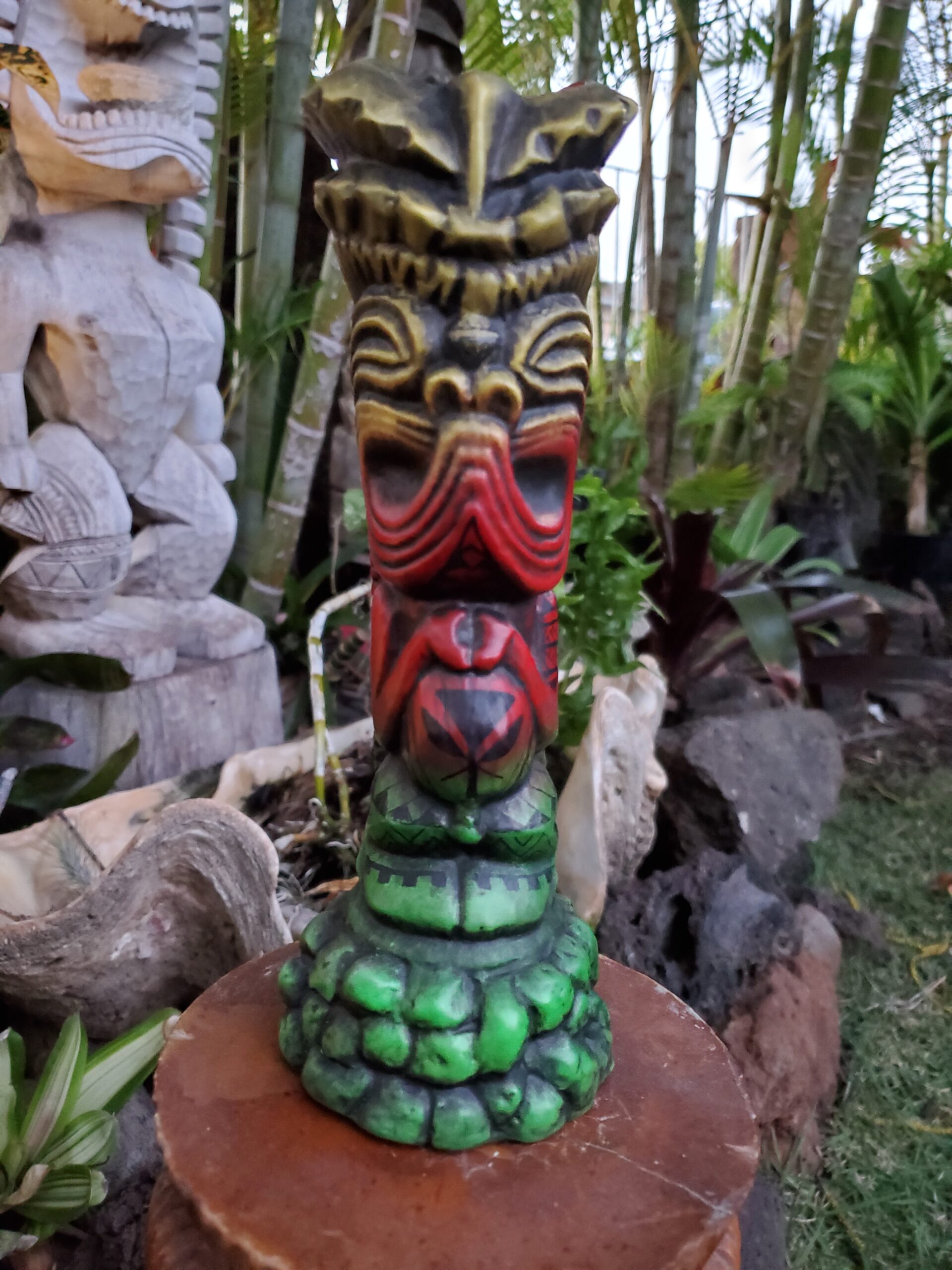
Shorter tikis in the 12 to 24-inch range work beautifully along garden paths, tucked beside raised beds, or positioned near water features where their carved detail can be appreciated up close. Our guide on small backyard pond ideas shows how natural stone and tropical accents combine effectively around water, and tiki sculptures fit naturally into that same design language. Carved wood pieces blend into planted areas without looking forced, while painted resin figures provide a deliberate pop of color against dense green foliage.
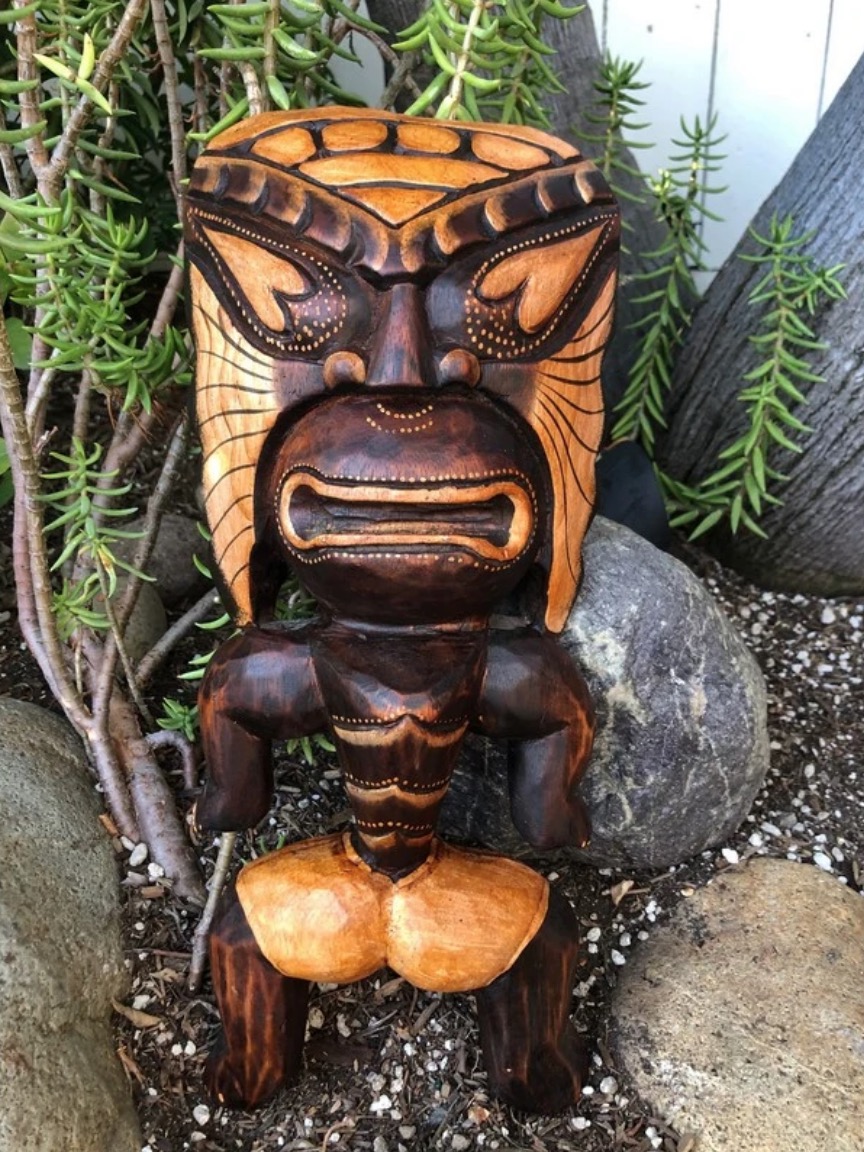
| Material | Best Placement | Weather Resistance | Price Range | Maintenance Level |
|---|---|---|---|---|
| Carved Wood (teak, monkey pod) | Garden beds, covered patios | Moderate — needs annual sealing | $40–$400+ | Annual oiling or sealant |
| Resin / Polyresin | Pool decks, open patios | High | $15–$120 | Minimal — occasional wipe down |
| Cast Metal (iron, copper, steel) | Permanent focal points | Very high | $60–$300 | Occasional rust treatment |
| Lava Stone / Concrete | Tropical gardens, water features | Excellent | $80–$500+ | None required |
Mistakes That Cost You Money and Regret
Warning: Never buy a tiki sculpture without confirming the exact material in writing — "wood-look" finishes on resin pieces are deliberately deceptive, and most peel or crack within one outdoor season in sun or rain.
Skipping the Material Check
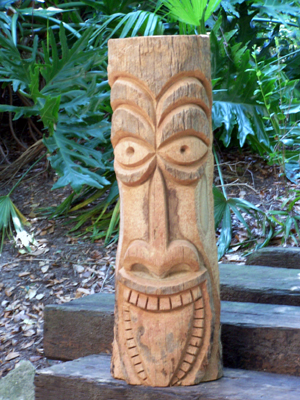
The single most expensive mistake buyers make is purchasing a "hand-carved wood" sculpture that turns out to be painted resin molded with a wood-grain texture. Read the full product description, not just the listing title — material is almost always buried in the spec sheet rather than the headline. If the seller cannot confirm the exact material when you ask directly, that is your answer and your cue to walk away before you spend anything.
Ignoring Scale Until It Is Too Late
Buying without measuring is the second most common error, and it is completely preventable with five minutes of preparation. Mark out your intended location with stakes or tape before you order, and use a tape measure to physically visualize the height of the piece you are considering — a 48-inch tiki figure looks completely different standing next to a garden chair than it does in an empty product photography studio. If you are pairing tiki sculptures with natural woven furniture, our overview of the advantages and disadvantages of wicker outdoor furniture covers how natural materials combine effectively with carved wood and tropical accents.
Store-by-Store Breakdown: Where to Buy Tiki Sculptures
Online Retailers Worth Your Time
The fastest and most convenient way to find tiki sculptures is through online retail, and quality varies enormously depending on which platform and seller you choose. Here is how the major channels stack up:
- Amazon: Massive selection, fast shipping, reliable buyer-protection returns. Best for resin and metal pieces in the $20–$100 range. Filter by 4 stars and above, and prioritize individual sellers over brand storefronts for more honest product descriptions.
- Etsy: The best source for hand-carved originals and custom commissions. Quality is consistently higher when you choose artisans with established order histories and detailed shop policies.
- Wayfair: Strong mid-range selection, often at marginally better prices than Amazon for the same SKUs. Good for decorative resin and painted polyresin pieces intended for covered areas.
- eBay: Useful for vintage finds and one-of-a-kind carved pieces from private sellers, but requires more due diligence — check seller ratings carefully and only buy from listings with multiple buyer-submitted photos.
Specialty and Artisan Shops
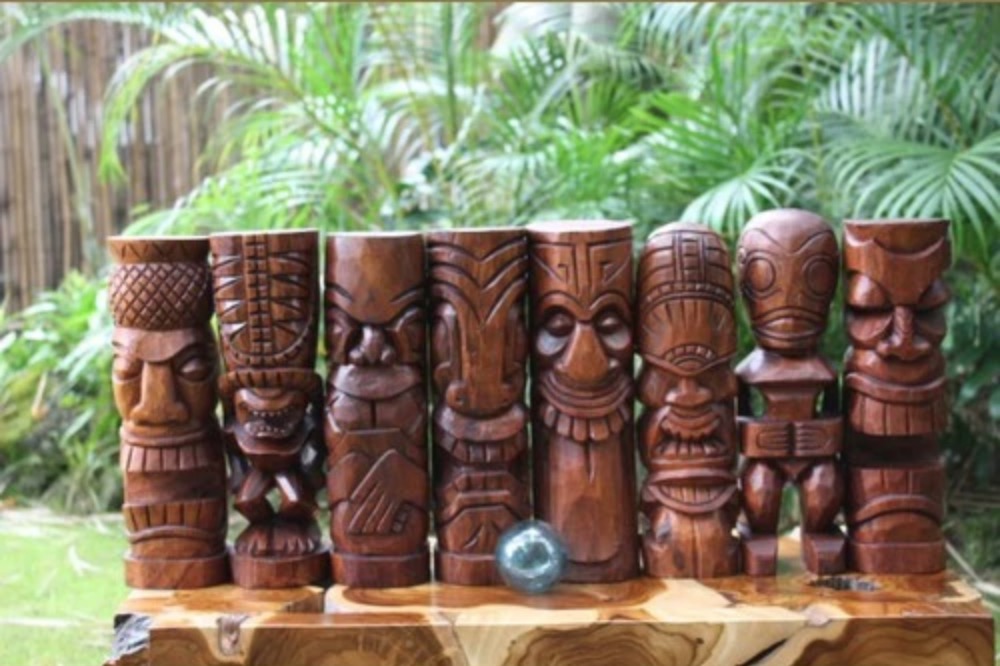
For buyers who want something genuinely distinctive, specialty Polynesian and Hawaiian art retailers operate in a completely different tier from general marketplaces. Shops like Style Hawaii, South Sea Arts, and similar dealers source hand-carved tikis directly from Pacific artisans, often in limited quantities that make each piece effectively unique. These shops charge more, but you are paying for craftsmanship that holds up aesthetically and physically over years of outdoor use rather than just a season or two.
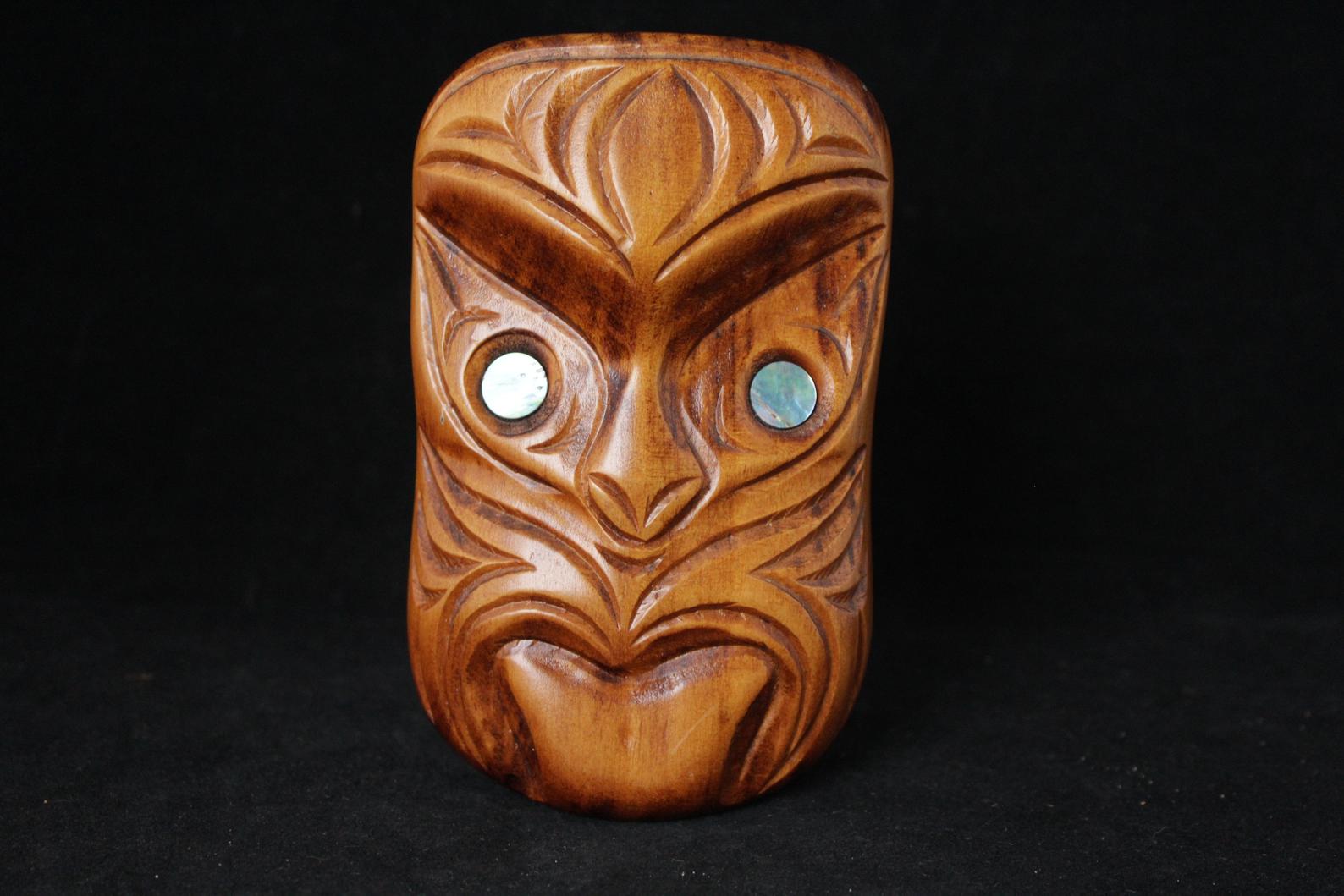
If you are building a themed outdoor setup — the kind of retro tropical party atmosphere that extends into permanent backyard decor rather than a one-night arrangement — specialty shops are the only source that gives you pieces with enough visual authority to anchor the whole design. Mass-retail pieces get swallowed by an ambitious outdoor setup; artisan carvings define it.

Key Takeaways
- The best place to start your search for tiki sculptures depends on your budget and commitment level — large online retailers work for casual buyers, while specialty Polynesian art dealers are the right move for anyone building a serious outdoor setup.
- Material is the most important factor in long-term satisfaction: always confirm whether a piece is genuine carved wood, resin, metal, or stone before you purchase, regardless of what the listing title implies.
- Scale your sculpture to your space by measuring your intended placement area first — one statement piece paired with smaller accents consistently outperforms a collection of identically sized figures.
- Avoid listings that describe a piece as "weather resistant" or "wood-look" without specifying the actual material, as those phrases reliably indicate lower-quality construction that will not hold up outdoors.


About Simmy Parker
Simmy Parker holds a Bachelor of Science in Civil Engineering from Sacramento State University and has applied that technical background to outdoor structure design, landscape planning, and backyard improvement projects for over a decade. Her love for the outdoors extends beyond design — she regularly leads nature hikes and has developed working knowledge of native plants, soil conditions, and sustainable landscaping practices across Northern California. At TheBackyardGnome, she covers backyard design guides, landscaping ideas, and eco-friendly outdoor living resources.
You can Get FREE Gifts. Receive Free Backyard Items here. Disable Ad Blocker to get them all now!
Once done, hit anything below