Last summer, a friend completely transformed her backyard with a bamboo bar, string lights, and a grass-skirted countertop. It looked like something straight out of a tropical resort. But when her guests showed up, she had the wrong stools — too short, too wobbly, and totally off-theme. If you're putting together a backyard bar setup, finding the best tiki bar stools USA brands have to offer is one step you really don't want to skip. This guide walks you through the top makers, what sets each one apart, and how to choose stools that hold up season after season. Browse our outdoor tiki furniture guide for the full picture on building a cohesive setup.
Tiki bar stools in the US come from a wide mix of sources — dedicated outdoor furniture brands, specialty tiki builders, and even independent artists selling through design marketplaces. Some are built for year-round outdoor exposure. Others do best in covered spaces with seasonal storage inside. Knowing the difference upfront will save you both money and regret. If you're still figuring out the overall layout, check out what you need to know about outdoor tiki huts and bars before you start buying furniture.
This guide focuses on brands with real products, proven track records, and options across a range of budgets. Whether you're outfitting a full tiki bar from scratch or just replacing a couple of worn-out stools, there's something here for you.
Contents
- The Roots of Tiki Bar Culture and Why Seating Matters
- Top USA Brands Making the Best Tiki Bar Stools
- How to Pick the Right Tiki Bar Stool for Your Setup
- What to Look for Before You Buy
- Keeping Your Tiki Bar Stools Looking Good Long-Term
- Fixing Common Tiki Bar Stool Problems
- Frequently Asked Questions
- Final Thoughts
The Roots of Tiki Bar Culture and Why Seating Matters
The Rise of Backyard Tiki Spaces
Tiki culture in the United States traces back to the mid-20th century, when Polynesian-themed restaurants and bars became a mainstream craze. Today, that tropical aesthetic has moved firmly into backyards across the country. Homeowners are building full tiki setups — bamboo bars, thatch roofs, carved totems, string lights — right in their own outdoor spaces.
If you want a deeper look at the mythology and imagery behind the style, our article on the history of the tiki gods gives great context. It adds a layer of appreciation you might not expect when you're shopping for furniture.
- Backyard tiki bars are especially popular in Florida, California, Hawaii, and along the Gulf Coast
- The aesthetic blends Polynesian, tropical, and mid-century American design influences
- More homeowners are investing in year-round outdoor entertainment spaces
- Seating is one of the most-used — and most frequently replaced — elements in any bar setup
Why Bar Stool Choice Isn't an Afterthought
Your stools take more abuse than almost any other piece of outdoor furniture. People sit on them for hours, drag them across concrete, leave them in rain, and spill drinks on them constantly. Choosing the right stool from the start — the right height, right material, and right style — means you won't be replacing them every couple of years.
It also matters aesthetically. A tiki bar with mismatched or generic stools looks unfinished, no matter how good the bar itself looks. Getting the seating right ties the whole space together.
Top USA Brands Making the Best Tiki Bar Stools
Suncoast Tiki Huts
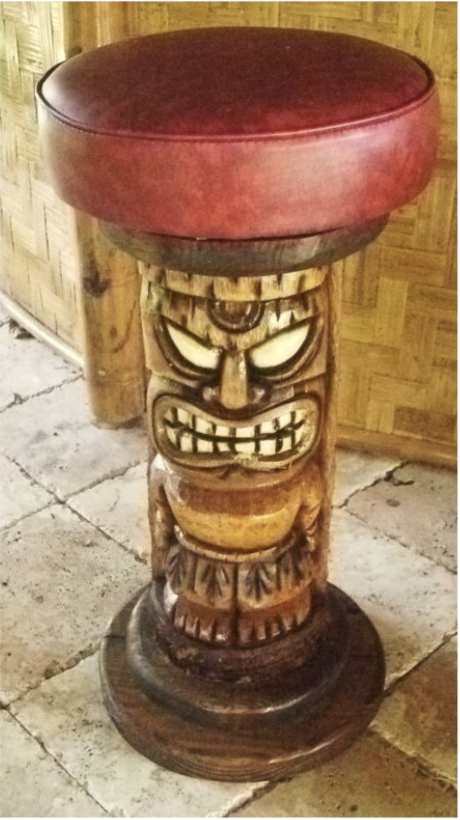
Suncoast Tiki Huts is a Florida-based company best known for its custom-built tiki gazebo kits, but they also offer bar accessories and seating designed to complement their structures. If you're building a complete tiki setup and want everything to match aesthetically, Suncoast is a natural starting point.
- Location: Florida-based, US operations
- Best for: Buyers who want matching furniture and structure packages
- Style: Traditional tropical with natural bamboo and palm materials
- Price range: Mid to high
Their seating lines tend to use natural bamboo and wood finishes that pair well with thatch roofs and carved tiki poles. This cohesion is the main selling point — you're not mixing and matching from different brands and hoping it works.
Master Garden Products
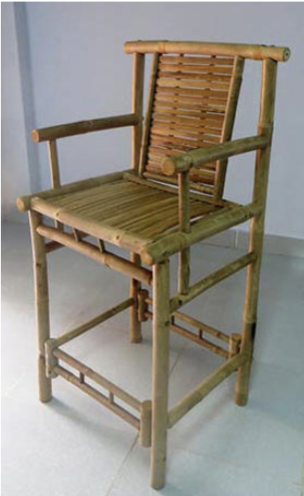
Master Garden Products offers a line of outdoor furniture built with natural and sustainable materials, including bamboo bar stools and rattan-style seating. Their products are designed for US buyers and focus on durability within shaded or semi-outdoor conditions.
- Location: US-based, products available nationwide
- Best for: Buyers who want natural-material seating with a garden-meets-tiki look
- Style: Earthy, natural, eco-conscious
- Price range: Budget to mid
Their bamboo stools work especially well in shaded or covered areas. They're not the most weather-resistant option for full-sun or full-rain exposure, but under a tiki hut or pergola they hold up well and look the part.
Pro tip: If you're using bamboo stools outdoors, always place them in a shaded or covered area — direct UV exposure can cause bamboo to crack and fade within a single season without annual sealing.
Society6 and Boutique Makers
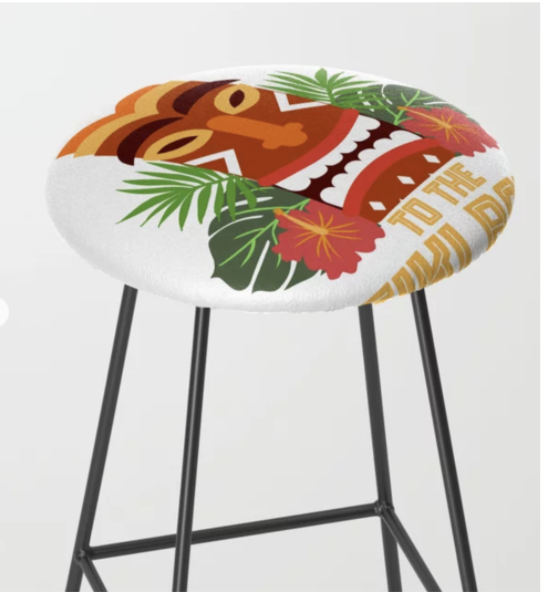
Society6 is a design marketplace where independent artists sell furniture and home goods with custom-printed patterns. You won't find traditional bamboo here — instead, you'll find bar stools with tropical, tiki-inspired artwork on seat cushions or seat backs. It's a creative option if you want something distinctive and personal.
- Best for: Buyers who want personality and art-forward design over traditional materials
- Style: Modern with tropical or tiki-inspired prints
- Price range: Budget to mid
- Important limitation: These products are not weatherproof — indoor or well-covered outdoor use only
Society6 works best if you want a tiki vibe without going full bamboo. Just be realistic — these are decorative first, functional furniture second. They're not built for heavy outdoor use or year-round exposure.
How to Pick the Right Tiki Bar Stool for Your Setup
Step 1 – Measure Your Bar Height
This is the most important step, and the one most people skip. Bar stool seat height should leave roughly 9–12 inches of clearance between the seat and the underside of your bar counter.
- Measure your bar counter height from the floor
- Subtract 10–12 inches from that number
- That result is the seat height you need
Common bar stool height categories:
- Counter height: Seat at 24–26 inches (pairs with 35–37 inch counters)
- Bar height: Seat at 28–30 inches (pairs with 40–42 inch counters)
- Extra tall: Seat at 33–36 inches (pairs with 45–50 inch counters)
Step 2 – Choose Your Material
Your material choice determines how much maintenance you'll do and how long your stools will actually last. If you're also planning the structural elements of your bar, our guide on tiki hut building materials covers this topic in much more depth and applies directly to outdoor furniture decisions.
- Bamboo: Lightweight with a classic tropical look — needs annual sealing for outdoor use
- Teak: Dense, naturally water-resistant, one of the best options for exposed outdoor use
- Aluminum: Rust-resistant, lightweight, easy to clean, often paired with woven seat materials
- Wicker or rattan weaves: Classic tropical aesthetic — our guide on the difference between rattan and wicker explains which holds up better outdoors and why it matters
- Powder-coated steel: Heavy and durable, but prone to rust if the coating chips without prompt touch-up
Step 3 – Match Your Aesthetic
Your stools should look like they belong with your setup — not like leftovers from a patio clearance sale. Here are some common tiki bar styles and what tends to work with each:
- Classic tiki: Natural bamboo or wicker stools with carved or rope details
- Beach bar: Weathered wood or driftwood-finish stools in light, sandy tones
- Modern tropical: Clean aluminum frames with woven seats in neutral or coastal colors
- Rustic backyard: Heavy wood construction, often with cushions in tropical prints
What to Look for Before You Buy: Best Tiki Bar Stools USA Checklist
Material Durability at a Glance
Use this comparison table to weigh your material options before you buy:
| Material | Weather Resistance | Maintenance Level | Outdoor Lifespan | Price Range |
|---|---|---|---|---|
| Teak | Excellent | Low | 10–20 years | High |
| Aluminum + Synthetic Wicker | Very Good | Low–Medium | 7–15 years | Mid |
| Bamboo (sealed annually) | Moderate | Medium | 3–7 years | Budget–Mid |
| Powder-Coated Steel | Good | Medium | 5–10 years | Mid |
| Natural Rattan (outdoor) | Poor | High | 1–3 years | Budget–Mid |
| Untreated Wood | Poor | High | 1–3 years | Variable |
Weight Capacity and Build Quality
Don't skip the specs. A stool that looks great but collapses under normal use is a real liability.
- Look for a minimum 250 lb weight capacity for general residential use
- 300–400 lb capacity is better if your bar gets heavy use or you entertain frequently
- Welded frame joints are stronger than bolted joints, which loosen over time with outdoor use
- Footrests should feel solid — flimsy metal rods bend under repeated pressure
- Swivel mechanisms should include a locking option if you want stability for seated guests
Warning: Avoid any stool that contains particle board or MDF components — these materials absorb moisture rapidly and can structurally fail within a single wet season.
If you're shopping for other outdoor seating at the same time, the outdoor sectional patio furniture guide runs through the same kind of material and build-quality checklist for larger patio pieces.
Keeping Your Tiki Bar Stools Looking Good Long-Term
A Simple Seasonal Care Routine
The biggest threat to outdoor stools isn't daily wear — it's neglect at the start and end of each season. A little time twice a year goes a long way toward extending the life of even budget-friendly stools.
At the start of the season:
- Wipe down all surfaces with a damp cloth and mild soap
- Check every joint and screw — tighten anything that feels loose
- Apply teak oil or bamboo sealant to natural wood or bamboo surfaces
- Inspect cushions for mold or mildew — wash or replace as needed
- Look over footrests and metal parts for early rust spots
At the end of the season:
- Clean all surfaces thoroughly before storing
- Let everything dry completely — never store damp furniture
- Store indoors or in a waterproof deck box if possible
- Use fitted outdoor furniture covers if storing outside
Protecting Against the Elements
Even the most durable stools benefit from a little extra protection if you want them lasting more than a few seasons without visible aging.
- UV protection: Apply a UV-resistant outdoor furniture spray at least once per season
- Moisture sealing: Seal bamboo and natural wood surfaces annually with a waterproof exterior sealant
- Rust prevention: Inspect any metal components at the start of each season and treat surface rust immediately with a rust-inhibiting primer
- Pest control: Bamboo furniture can attract wood-boring insects — our article on tiki hut pest control covers practical prevention steps that apply directly to bamboo seating
If your tiki bar sits under a gazebo or covered structure, your stools will naturally last longer. Reducing direct sun and rain exposure — the two biggest causes of outdoor furniture degradation — is the single most effective thing you can do.
Fixing Common Tiki Bar Stool Problems
Wobbly Legs
A wobbly stool is annoying at best, dangerous at worst. Here's how to address it systematically:
- Identify the source: Rock the stool on a flat surface — is one leg shorter, or is a joint failing?
- Loose bolted joint: Tighten screws or bolts with a screwdriver or wrench
- Failing glued joint: Clean out old glue, apply exterior-grade wood glue, clamp, and let cure for 24 hours
- Uneven leg: Use self-adhesive rubber leveling pads or felt furniture feet to compensate
- Cracked or bent frame: If the structural frame is compromised, replacement is safer than repair
Surface Wear and Rust
Outdoor stools take a beating from sun, humidity, and spilled drinks. When you spot wear early, the fix is usually simple.
- Faded bamboo or wood: Sand lightly with fine-grit sandpaper, then re-apply oil or stain. The guide on liquid sandpaper vs regular sandpaper is useful here — it explains when you can skip the physical sanding step entirely and use a chemical prep instead
- Surface rust on metal: Sand away the rust with medium-grit sandpaper, wipe clean, then apply a rust-inhibiting metal primer before touching up with matching paint
- Cracked wicker weave: Minor cracks can be re-woven with replacement reed strips from a craft store. Extensive damage usually makes replacement more practical
- Cushion mold: Mix one cup of bleach in a gallon of water, scrub the cushion, rinse thoroughly, and let dry fully in sunlight. Replace if mold is deeply embedded in the foam
Frequently Asked Questions
Who makes the best tiki bar stools in the USA?
Several US brands are worth considering depending on your priorities. Suncoast Tiki Huts (Florida-based) is a solid choice for complete tiki setups with matching furniture. Master Garden Products offers natural-material stools at more accessible price points. Society6 is good if you want custom tropical-print designs for covered or indoor bars. The best tiki bar stools USA buyers find tend to come down to matching your climate, budget, and aesthetic.
What height should tiki bar stools be?
The standard rule is to leave 9–12 inches of clearance between the stool seat and the underside of your bar counter. For a typical 42-inch bar, that means a seat height of 28–30 inches. Always measure your specific bar before ordering — counter heights vary more than most people expect.
Is bamboo a good material for outdoor bar stools?
Bamboo works well in shaded or covered outdoor areas, but struggles with direct sun and prolonged rain exposure. Sealed annually and kept under a tiki hut or pergola, bamboo stools can last several years. Left unsealed in full-sun conditions, expect fading and cracking within a single season.
How do I keep outdoor bar stools from rusting?
Choose powder-coated aluminum over bare steel where possible — it resists rust far better. For steel-framed stools, inspect all metal components at the start of each season. Sand off any surface rust immediately, apply a rust-inhibiting primer, and cover or store stools during extended wet periods.
Are tiki bar stools safe for heavy outdoor use?
They can be, but you need to verify the specs before buying. Look for a minimum 250–300 lb weight capacity and welded frame construction rather than bolted joints. Avoid stools with any MDF or particle board components — these absorb moisture quickly and can fail structurally in outdoor conditions.
What is the difference between rattan and wicker for outdoor bar stools?
Rattan is the actual plant material, while wicker refers to the weaving technique — wicker can be made from natural rattan, synthetic resin, or other fibers. For outdoor tiki bar use, synthetic resin wicker over an aluminum frame is far more durable than natural rattan, which degrades quickly with moisture and UV exposure. See our full rattan vs wicker guide for a deeper breakdown.
Final Thoughts
Getting the right stools for your tiki bar doesn't require a big budget or hours of research — but it does require a few deliberate choices about height, material, and build quality before you click buy. Measure your bar, match your climate, and choose a brand that stands behind its products. If you're ready to pull the whole setup together, head over to our outdoor tiki furniture guide for a full look at what you need to create a backyard tiki space you'll actually use season after season.


About Simmy Parker
Simmy Parker holds a Bachelor of Science in Civil Engineering from Sacramento State University and has applied that technical background to outdoor structure design, landscape planning, and backyard improvement projects for over a decade. Her love for the outdoors extends beyond design — she regularly leads nature hikes and has developed working knowledge of native plants, soil conditions, and sustainable landscaping practices across Northern California. At TheBackyardGnome, she covers backyard design guides, landscaping ideas, and eco-friendly outdoor living resources.
You can Get FREE Gifts. Receive Free Backyard Items here. Disable Ad Blocker to get them all now!
Once done, hit anything below