A spa, a hot tub, and a Jacuzzi are not the same thing — even though people swap the terms constantly. Understanding the spa hot tub jacuzzi difference saves you from overpaying for a brand name or buying the wrong type for your backyard. If you're just starting your research, our backyard setup guides cover everything from planning to installation.

The confusion is understandable. All three involve heated, aerated water and a place to sit. But when you're comparing prices, reading product listings, or talking to a dealer, those distinctions matter more than you'd expect.
This guide cuts through the terminology, explains how these products actually differ, and helps you figure out which one fits your space, budget, and lifestyle.
Contents
Where the Confusion Starts: Defining Spa, Hot Tub, and Jacuzzi
The reason these three terms get tangled is that the industry itself doesn't enforce strict definitions. Manufacturers, retailers, and homeowners all use them interchangeably — which makes comparison shopping frustrating if you don't know what you're actually looking at.
What Exactly Is a Spa?
In the broadest sense, a spa refers to any vessel that holds heated, aerated water for therapeutic or recreational soaking. The word traces back to the Belgian town of Spa, historically known for its mineral baths. In the hot tub industry today, "spa" most often refers to a permanently installed or in-ground unit — typically built into a deck or patio, plumbed into the home's water supply, and wired to a dedicated electrical circuit.
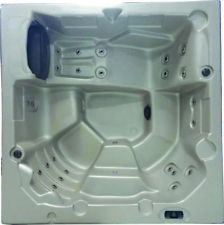
In-ground spas are frequently built adjacent to swimming pools and share their filtration system. They look polished and integrated — more like a permanent backyard feature than a product you bought and dropped in place.
What Is a Hot Tub?
Hot tub is the most generic of the three terms. It covers any large, heated soaking tub — with or without jets, above-ground or in-ground, portable or permanent. Originally, hot tubs were wooden barrels heated by wood stoves. Today the category spans everything from inflatable PVC models to premium acrylic shells with dozens of jets.
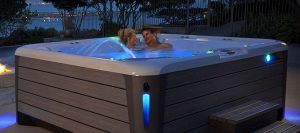
Most modern hot tubs are self-contained portable units — they come with an integrated pump, heater, and jet system. You set them on a level surface, fill them with a garden hose, and plug them in. Some larger models need a 240V connection, but many entry-level tubs run on standard 110V household outlets.
Pro tip: If a salesperson uses "hot tub" and "spa" interchangeably, that's completely normal — the industry doesn't enforce a hard line between the two terms. Focus on specs, not labels.
What Is a Jacuzzi?
Jacuzzi is a brand name, not a product category. The Jacuzzi family invented the whirlpool bath in the 1950s, and the name embedded itself so deeply in everyday language that people now use it to mean any jetted tub. You can read more about the brand's origins on Wikipedia's Jacuzzi article.
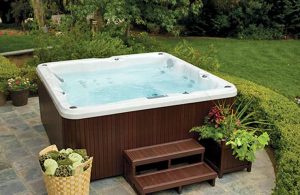
Calling any hot tub a Jacuzzi is like calling any bandage a Band-Aid. Jacuzzi is one manufacturer among many — a well-regarded one, but not the only game in town. If you're shopping for a "Jacuzzi," clarify whether you mean the brand specifically or any jetted hot tub before committing to a price range.
How Each Option Fits Your Outdoor Space
Getting the Most from a Portable Hot Tub
Portable hot tubs are the most flexible option you'll find. You can reposition them, take them with you if you move, or drain them for the off-season. Before you settle on a model, it's worth exploring the full range of hot tub shapes available and thinking carefully about what size actually fits your space and household.
Portable units work well for:
- Renters or homeowners who may relocate
- Smaller yards, patios, or decks
- Budget-conscious buyers who want jets without a full contractor job
- Households that want seasonal use without a permanent footprint
When an In-Ground Spa Makes Sense
An in-ground spa makes the most sense when you're designing a permanent outdoor living space you intend to keep for years. They're harder to remove later — see our guide on removing a hot tub or spa from your backyard if you're weighing exit options — but they're also far more integrated and visually polished than any portable model.

In-ground spas are ideal for:
- Homeowners with long-term backyard renovation plans
- Properties where resale appeal matters
- Larger families who need more seating capacity
- Pairing with a pool, outdoor kitchen, or covered patio
Warning: In-ground spa installation requires permits in most municipalities. Check with your local building department before breaking ground — skipping this step can create headaches at resale.
Comparing Your Options: The Real Tradeoffs
Side-by-Side Breakdown
Here's a direct comparison to help you see the spa hot tub jacuzzi difference clearly before you start talking to dealers:
| Type | Installation | Typical Cost Range | Portability | Best Fit |
|---|---|---|---|---|
| Inflatable Hot Tub | Plug-and-play, no prep | $300–$900 | High | Budget buyers, renters, first-timers |
| Portable Acrylic Hot Tub | Level surface + 240V circuit | $3,000–$12,000 | Medium | Homeowners wanting jets and value |
| In-Ground Spa | Contractor + permits required | $8,000–$25,000+ | None | Permanent installs, pool combinations |
| Jacuzzi Brand Hot Tub | Varies by model | $5,000–$20,000+ | Medium | Premium buyers wanting brand warranty support |
Jetted Tubs: What You Gain and What You Give Up
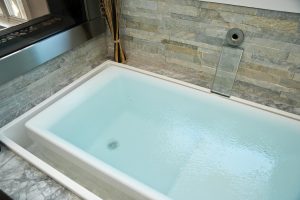
Jetted tubs — whether indoor or outdoor — come with genuine advantages and real ongoing demands. Here's an honest look at both sides:
Pros:
- Hydrotherapy jets can ease muscle tension, joint pain, and post-workout soreness
- Adds a social and entertainment dimension to your backyard
- In-ground models can increase your property's perceived value
- Year-round usability in most climates with proper insulation
Cons:
- Jets and internal plumbing require regular cleaning to prevent biofilm buildup
- Electricity and chemical costs accumulate steadily over time
- Inflatable models produce less water pressure than hard-shell units
- High-end brand tubs can approach the cost of a used vehicle
When Buying One Makes Sense — and When It Doesn't
Signs You're Ready to Buy
A hot tub or spa is a meaningful investment. You're probably in a good position to move forward if:
- You have a stable, level outdoor surface — concrete, pavers, or a reinforced deck rated for the weight
- You have access to the right electrical supply, or budget to have it installed
- You'll realistically use it multiple times per week
- You've reviewed hot tub safety rules and guidelines and feel comfortable with the ongoing maintenance commitment
Before locking in a purchase, it's worth looking at a real mid-range model like the Hudson Bay Spas outdoor hot tub to get a realistic feel for dimensions, seating capacity, and features at a reasonable price point. Knowing how to install a hot tub in your backyard correctly from day one also prevents costly do-overs later.
Reasons to Wait or Skip It
Not every situation calls for a hot tub right now. Consider waiting if:
- Your yard or deck isn't structurally ready — full acrylic tubs filled with water can weigh 3,000 to 6,000 pounds
- You're unwilling to commit to weekly water testing and chemical balancing
- You're renting and haven't gotten explicit landlord approval for large installations
- Your budget is already stretched — the sticker price is just the beginning of the expense
If you do move forward, entry and exit can also be a practical consideration — building hot tub steps is a manageable weekend DIY project that makes daily use significantly more comfortable.
Tip: Budget $75–$150 per month for electricity and chemicals before you buy. That number catches a lot of buyers off guard when the first utility bill arrives.
Common Myths That Lead Buyers Astray
Myth: "Jacuzzi" Is a Generic Term for Any Jetted Tub
This is the most pervasive misconception in the category. Jacuzzi is a registered trademark, not a generic product description. Using it to mean any hot tub with jets is the same as saying "Google" when you mean any search engine. Jacuzzi the company makes both indoor whirlpool baths and outdoor hot tubs — but so do dozens of other manufacturers, many of which offer comparable performance at lower price points.
If someone tells you they have a "Jacuzzi" in their backyard, they may own an actual Jacuzzi-brand unit, or they may just own any jetted hot tub. It's a meaningful distinction if you're cross-shopping warranties or service networks.
Myth: A "Spa" Is Always More Luxurious Than a "Hot Tub"
The word "spa" carries a premium connotation — which is exactly why manufacturers sometimes apply it to mid-range and even budget portable units. An acrylic spa marketed at $4,500 might have the same jet count, pump horsepower, and water temperature range as a product sold as a "hot tub" at the same price point from a different brand.
Don't let the label set your expectations. Compare specs directly: jet count, pump horsepower, insulation rating, shell warranty, and cabinet construction tell you far more than whether the product is called a spa or a hot tub.
Myth: All Three Require the Same Maintenance
Maintenance varies more than most buyers expect. Inflatable hot tubs are easier to drain and clean but typically need more frequent water changes because their filtration systems are less powerful. In-ground spas often share filtration with an adjacent pool, which changes the chemical balancing equation entirely. Hard-shell portable hot tubs fall in the middle — more robust filtration, but tight jet plumbing that benefits from periodic deep cleaning with a pipe flush product.
The spa hot tub jacuzzi difference matters here because each type follows its own maintenance schedule. Getting it wrong early can lead to foam, algae, or cloudiness problems that are much harder to correct than they are to prevent.
Frequently Asked Questions
Is a Jacuzzi the same as a hot tub?
Not exactly. Jacuzzi is a brand name — similar to how Kleenex refers to a specific brand of facial tissue, not all tissues. Hot tub is the generic term for any heated soaking vessel with jets. A Jacuzzi is a hot tub, but not every hot tub is a Jacuzzi. If you're shopping on a budget, you don't need to buy the brand to get a quality jetted tub.
What's the actual difference between a spa and a hot tub?
In everyday conversation, the terms are interchangeable. In the industry, "spa" often refers to a permanently installed or in-ground unit, while "hot tub" typically describes a freestanding portable model. That said, manufacturers use both terms loosely on their product lines, so comparing specifications directly is more useful than trying to decode the label.
Can I use a portable hot tub year-round?
It depends on your climate and the model. Most portable hot tubs can maintain their set temperature in above-freezing conditions, but operating in very cold weather requires significantly more energy to hold temperature. In harsh winter climates, many owners drain and store inflatable units seasonally. Hard-shell acrylic tubs with full-foam insulation handle cold weather considerably better.
Final Thoughts
Now that you understand the spa hot tub jacuzzi difference, you're equipped to shop without getting tripped up by marketing language or brand names. Your next step is straightforward: measure your available space, confirm your electrical setup, and browse a few real models side by side — our backyard guides are a solid starting point for planning the full installation from surface prep to water chemistry.


About Simmy Parker
Simmy Parker holds a Bachelor of Science in Civil Engineering from Sacramento State University and has applied that technical background to outdoor structure design, landscape planning, and backyard improvement projects for over a decade. Her love for the outdoors extends beyond design — she regularly leads nature hikes and has developed working knowledge of native plants, soil conditions, and sustainable landscaping practices across Northern California. At TheBackyardGnome, she covers backyard design guides, landscaping ideas, and eco-friendly outdoor living resources.
You can Get FREE Gifts. Receive Free Backyard Items here. Disable Ad Blocker to get them all now!
Once done, hit anything below