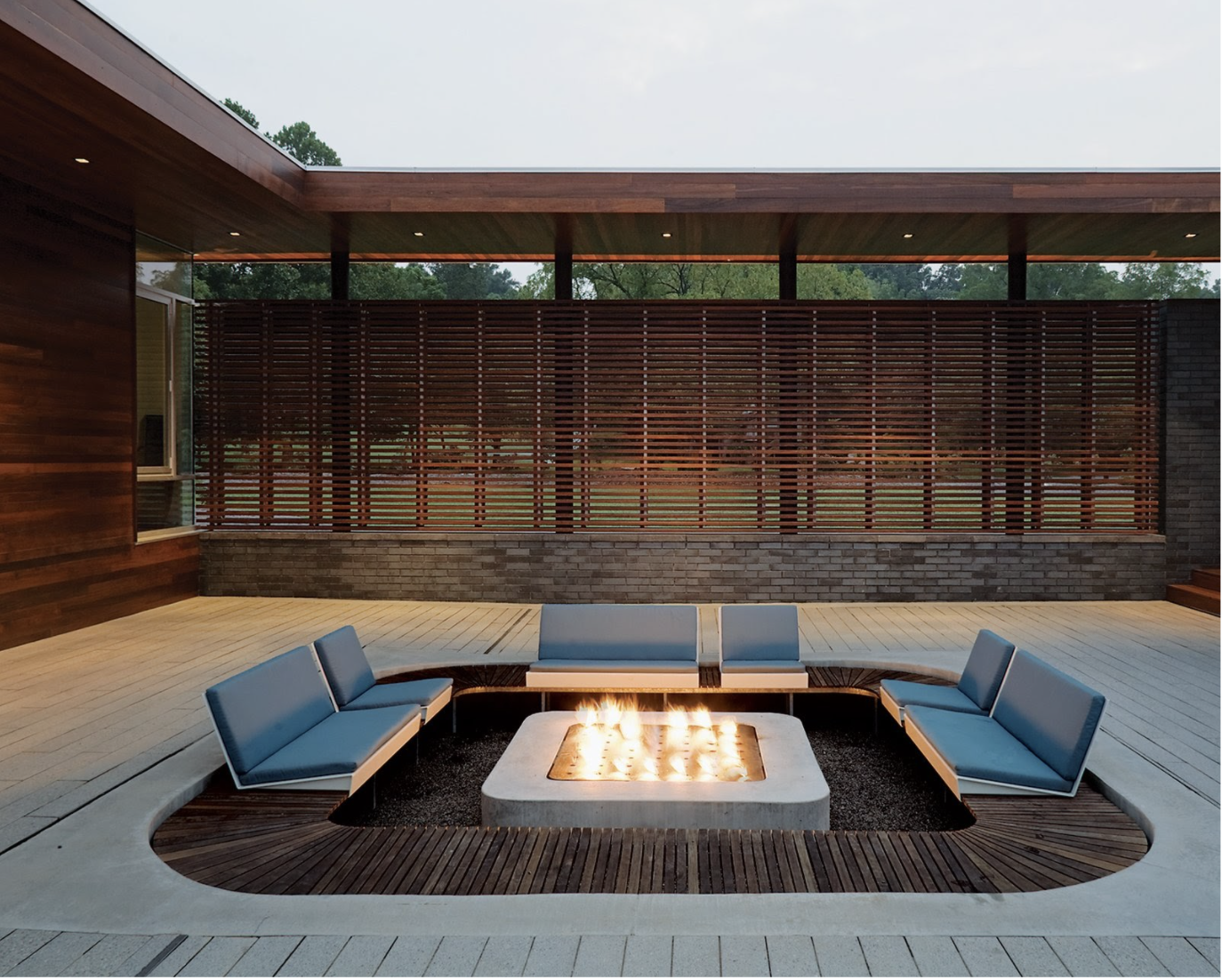
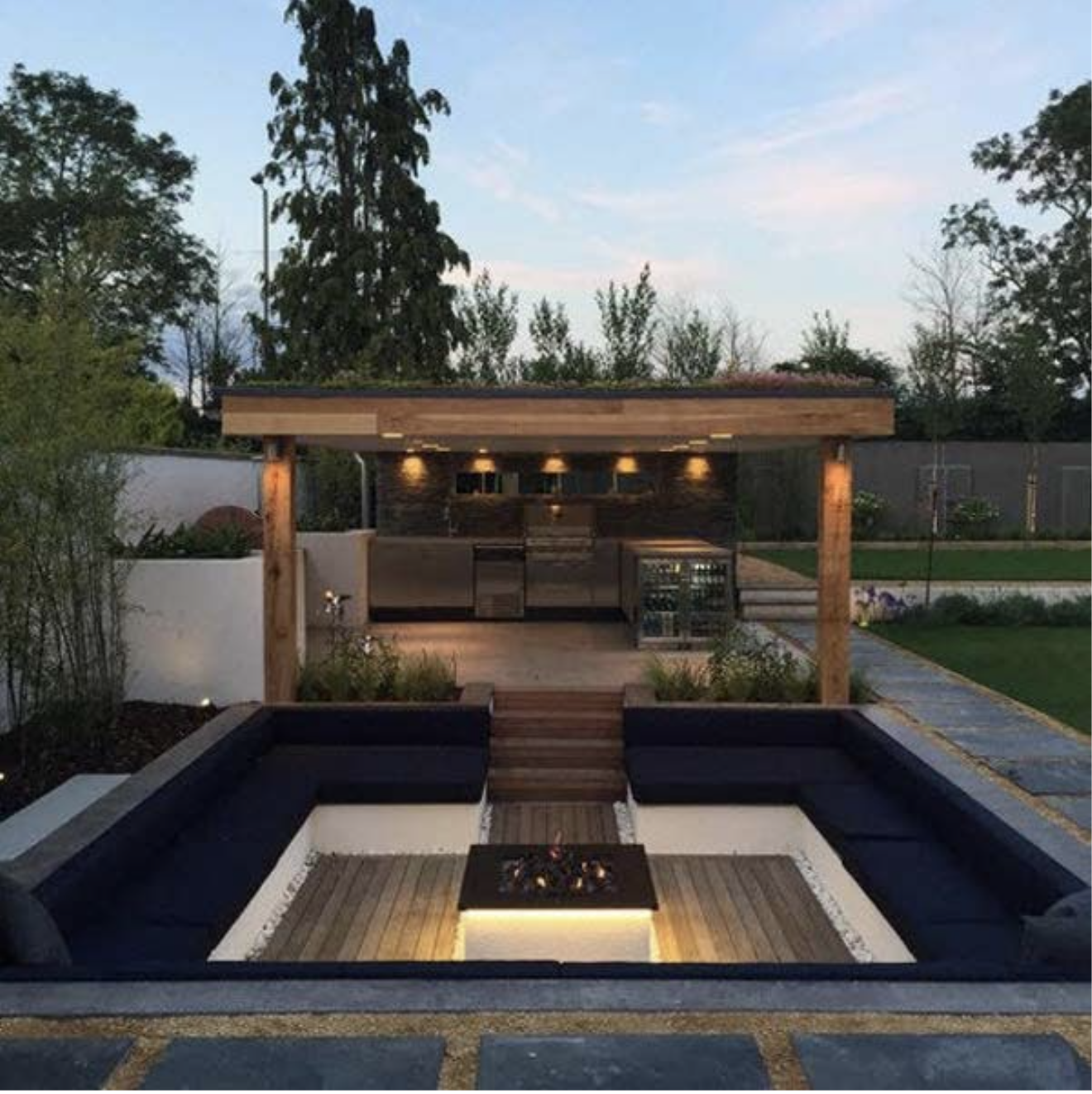
Our team first encountered a truly well-executed sunken fire pit at a neighbor's backyard gathering — the pit sat two feet below the surrounding patio, low stone benches curved naturally around it, and the firelight held at exactly the right height for conversation while seated. That single evening reshaped how we approach outdoor fire features entirely. The best sunken fire pit designs accomplish what above-ground alternatives simply cannot: they anchor a yard, create a natural gathering amphitheater, and make fire feel like it belongs to the landscape rather than resting on top of it. For anyone starting this kind of project, our full outdoor fire pit design guide provides the essential planning foundation.
Sunken fire pits have moved from niche landscaping feature to mainstream backyard upgrade. Our team has evaluated dozens of installations — from simple gravel-lined digs to elaborate multi-level stone constructions — and the consistent finding holds: a properly planned sunken pit delivers more visual impact per dollar than most above-ground alternatives, and it lasts significantly longer when built with the right materials from the start.
In this guide, our team covers the history behind the design, the most effective style variations, realistic cost benchmarks, smart decision criteria for specific yard conditions, and a practical step-by-step build sequence drawn from direct project experience.
Contents
- Why Sunken Fire Pits Have Become a Backyard Essential
- The Best Sunken Fire Pit Designs to Plan for Long-Term Impact
- What a Sunken Fire Pit Actually Costs to Build
- When a Sunken Fire Pit Is the Right Call — and When It Isn't
- How to Build a Sunken Fire Pit: Our Step-by-Step Process
- Frequently Asked Questions
- Key Takeaways
Why Sunken Fire Pits Have Become a Backyard Essential
The History Behind Below-Grade Fire Design
According to Wikipedia's overview of fire pit history, humans have used recessed ground fires for warmth, cooking, and ceremony across virtually every ancient culture. The sunken pit is not a modern trend — it is the original design, refined over centuries. What contemporary landscapers have done is formalize that ancient concept with cut stone, poured concrete, and precision-welded steel inserts that dramatically extend functional lifespan.
The modern resurgence traces directly to a broader shift in how homeowners think about outdoor spaces. Backyards are no longer just lawns with a grill — they function as genuine extensions of the living space, designed with the same intentionality as interior rooms. The sunken fire pit fits naturally and powerfully into that vision.
Why Sunken Outperforms Above-Ground
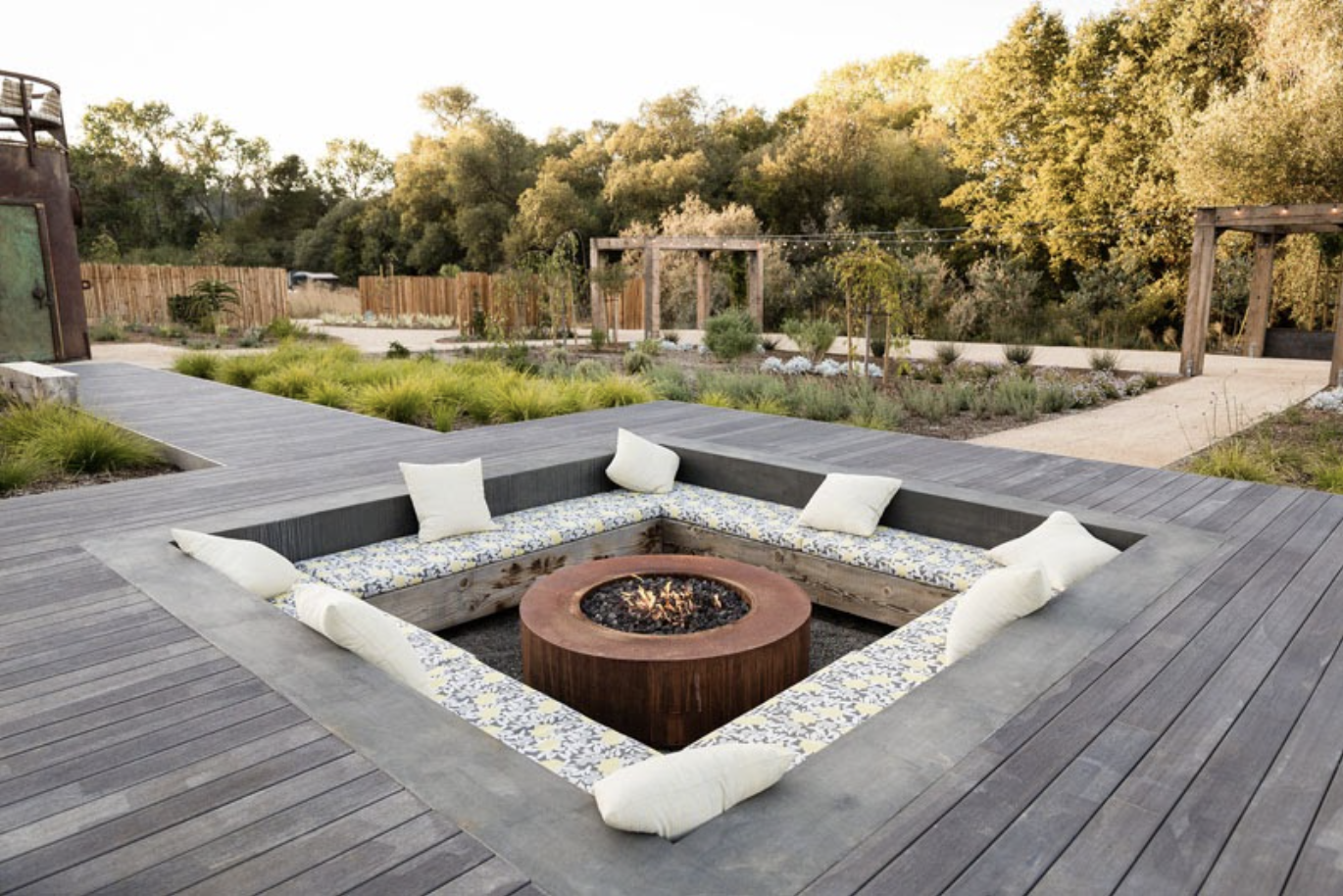
Our team's direct comparison of above-ground and in-ground fire pit installations consistently favors the sunken design for any permanent setup. The structural advantages are real and measurable:
- Fire contained below grade produces far less wind-blown ember scatter — a significant safety gain
- Seated guests at ground level experience heat at chest height, the most comfortable warmth zone for extended gatherings
- The recessed basin naturally separates the fire zone from surrounding foot traffic without requiring fencing or barriers
- Below-grade construction visually anchors the entire patio or yard design in a way portable units simply cannot replicate
- Wind resistance increases substantially — flames stay lower and more stable in a recessed pit than in any above-ground model
Above-ground pits suit renters, frequent movers, or anyone needing a genuinely temporary solution. For homeowners planning a lasting installation, the sunken design is the stronger investment on every measurable dimension.
The Best Sunken Fire Pit Designs to Plan for Long-Term Impact
The range of available sunken fire pit designs is wider than most people expect. Our team breaks the field into three primary categories based on material, construction method, and the aesthetic outcome each reliably produces.
Stone and Masonry Designs
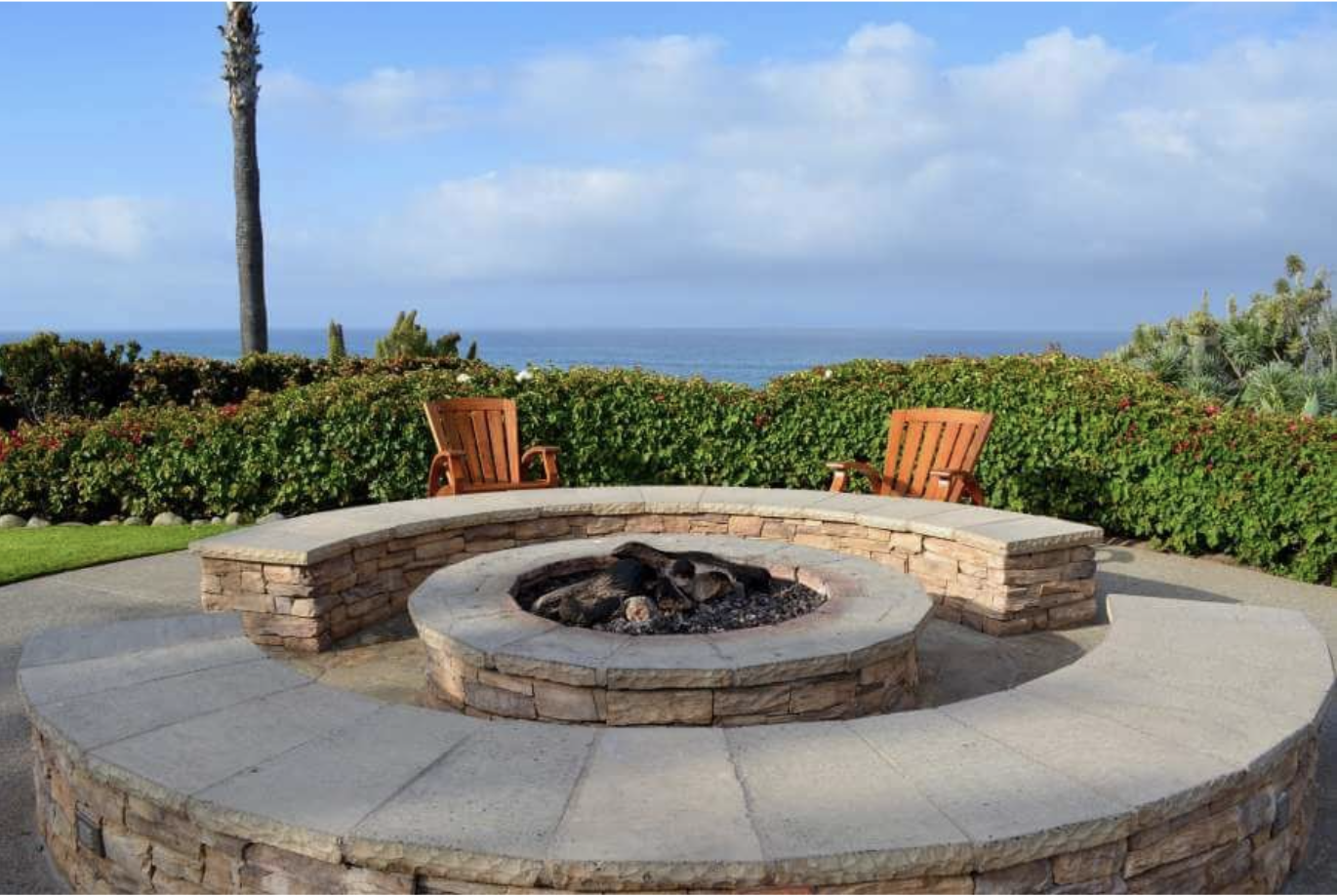
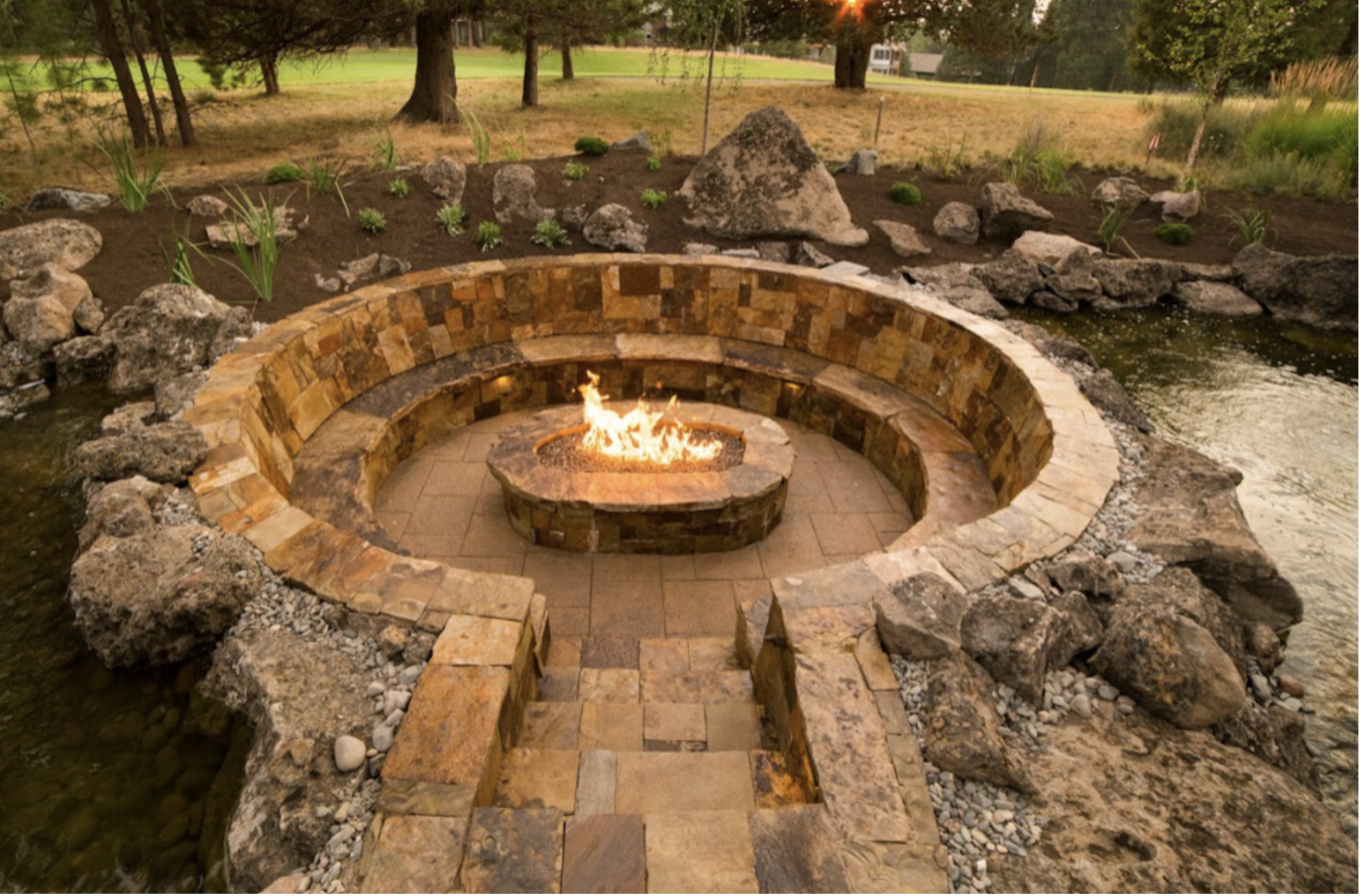
Natural stone designs are the most popular — and for good reason. They age beautifully, handle repeated thermal cycling reliably, and integrate naturally into almost any landscape style.
- Fieldstone and river rock: informal, organic character; best suited to naturalistic and cottage-style landscapes
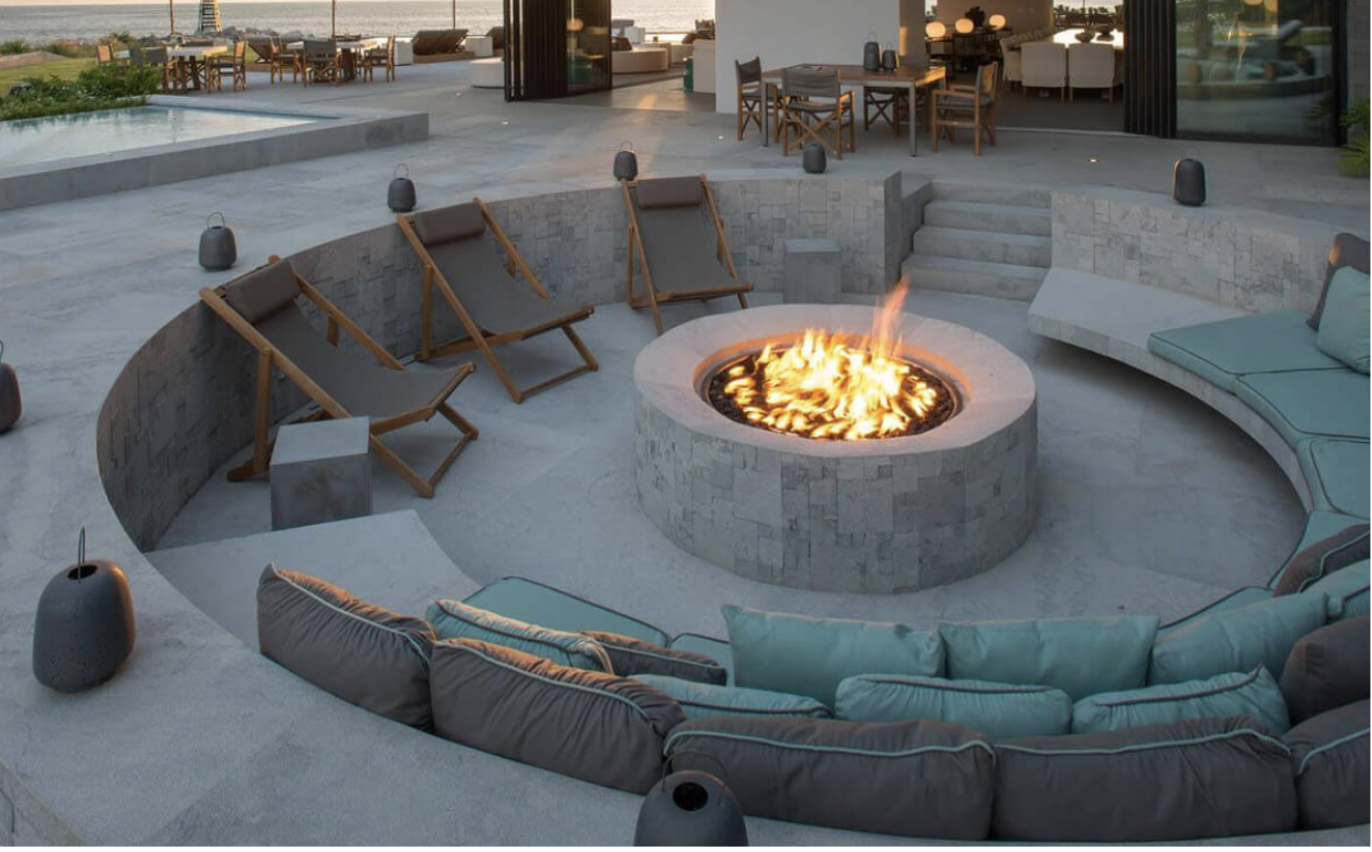
- Cut limestone or bluestone: crisp, formal lines; complements structured patios and modern outdoor rooms
- Flagstone coping: a flat top edge creates a practical rim surface for drinks and plates during gatherings
- Dry-stack construction works in mild climates; mortared stone holds up far better through freeze-thaw cycles
- Typical residential pit diameter: 36–48 inches for comfortable seating of 6–8 people
Concrete and Steel Combinations
Concrete block construction paired with a steel fire ring insert represents the most durable, maintenance-friendly approach in our experience. The steel insert handles thermal stress from direct flame contact; the surrounding concrete forms stable structural walls that outlast most competing materials.
- CMU (concrete masonry unit) block builds faster than stone — a practical advantage for first-time DIY builders
- Poured concrete collar designs produce a cleaner, more contemporary aesthetic
- Steel fire rings are available in 24-, 30-, and 36-inch diameters to match most residential footprints
- Ring steel thickness matters — 3/16-inch minimum for longevity; 1/4-inch steel is the preferred specification
- Pair with a flagstone or concrete cap for a finished, functional rim surface
Natural Landscape Integrations
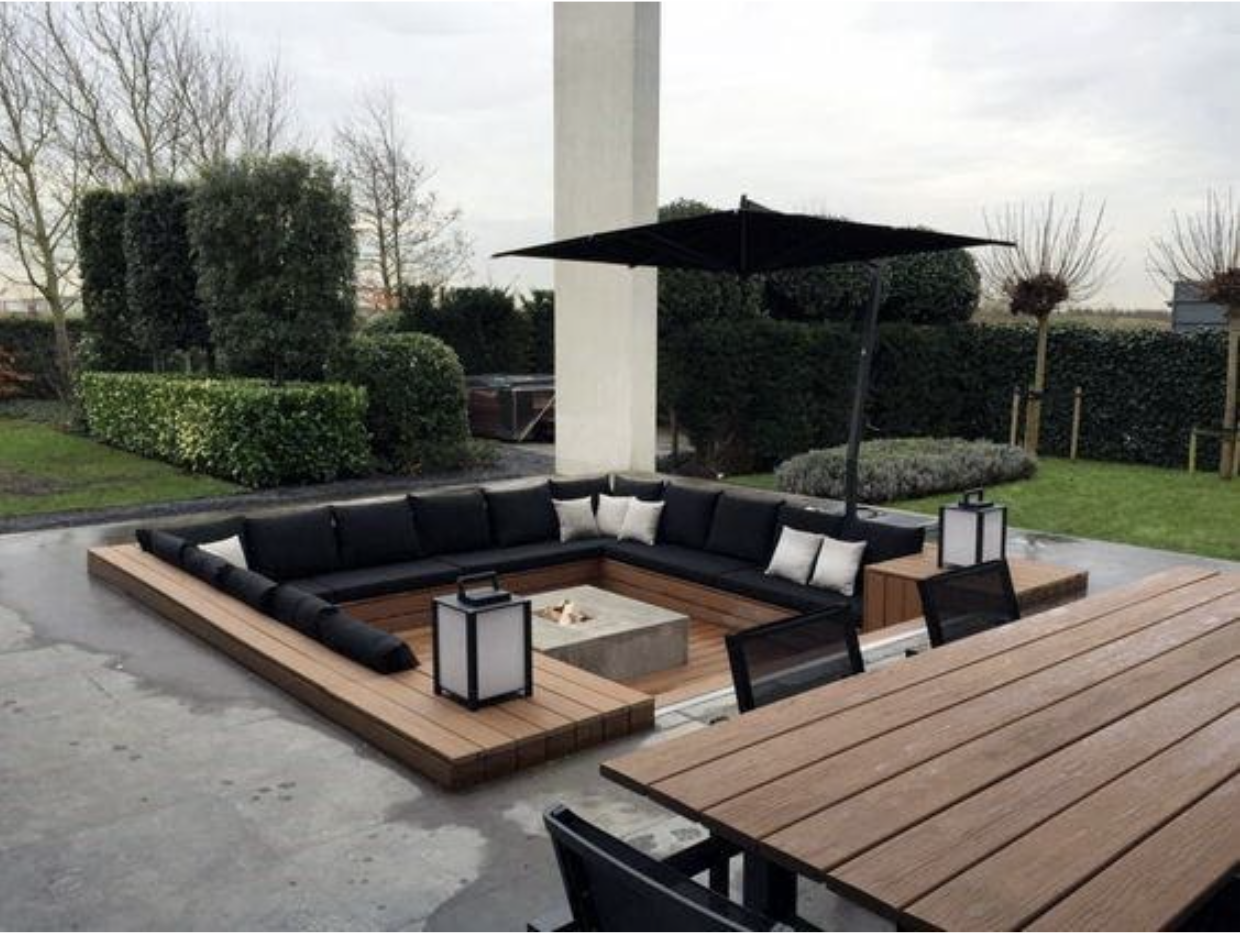
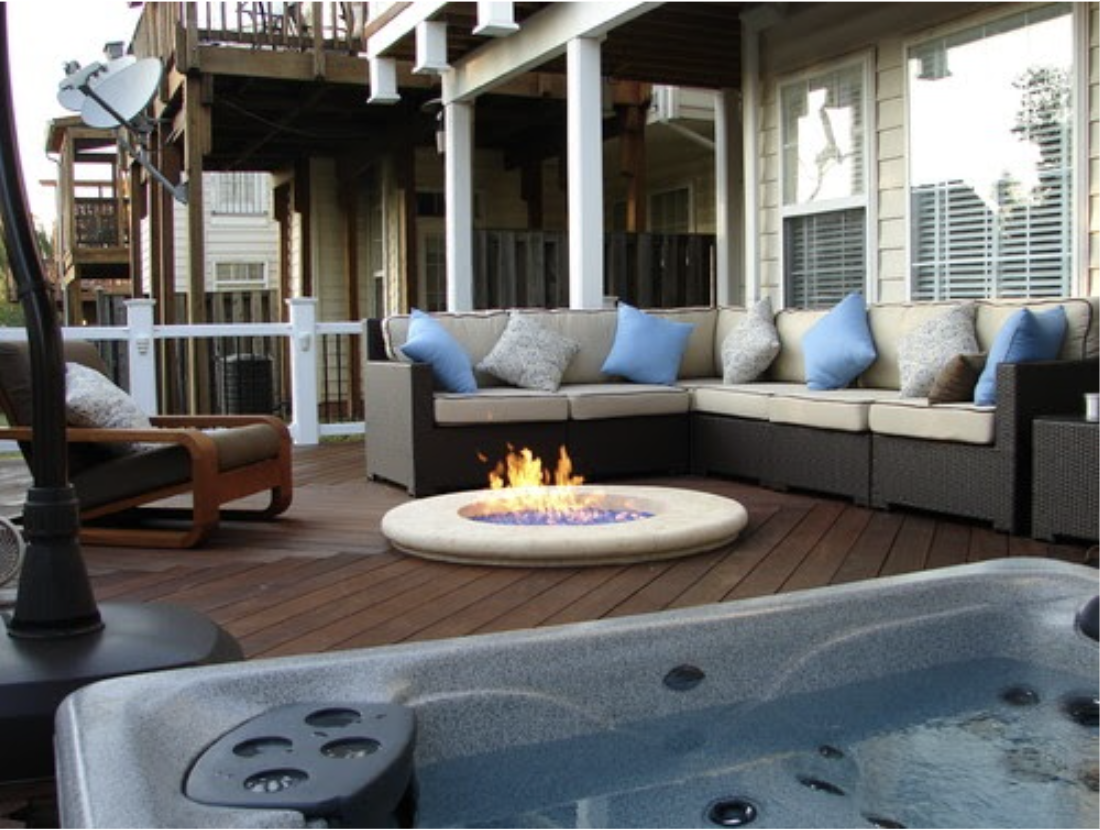
Some of the most visually striking sunken fire pit designs integrate directly into existing terrain — boulder outcroppings, hillside cuts, or natural depressions in a yard. These require more site assessment upfront but consistently produce the most seamless results. Our team recommends a soil percolation test and a consultation with a landscape contractor before committing to a terrain-integrated design, particularly on sloped lots where drainage routing becomes a real engineering consideration.
What a Sunken Fire Pit Actually Costs to Build
DIY vs. Professional Installation
The cost gap between DIY and professional installation is substantial. Our team's general rule: simple stone or block designs are well within reach for confident DIYers, while poured-concrete or terrain-integrated designs almost always benefit from professional execution to get drainage engineering and structural integrity right the first time.
- DIY advantages: saves 50–70% of total project cost; full control over materials and timeline
- Professional advantages: proper drainage engineering, permit navigation, structural warranty on finished work
- Most municipalities require a permit for in-ground construction — always verify local codes before breaking ground
- Professional excavation alone typically runs $200–$600 depending on depth, soil conditions, and site access
Material and Labor Cost Breakdown
The table below reflects our team's research across multiple installation types, covering the full spectrum of common sunken fire pit design approaches:
| Design Type | DIY Material Cost | Professional Total | Typical Lifespan | Build Difficulty |
|---|---|---|---|---|
| Gravel-lined basic pit | $150–$400 | $800–$1,500 | 5–10 years | Low |
| Dry-stack fieldstone | $400–$900 | $1,800–$3,200 | 10–20 years | Medium |
| Mortared stone with coping | $700–$1,500 | $2,500–$5,000 | 25+ years | Medium-High |
| Concrete block + steel insert | $600–$1,200 | $2,000–$4,000 | 20–30 years | Medium |
| Poured concrete / custom design | $1,200–$2,500 | $4,000–$9,000 | 30+ years | High |
When a Sunken Fire Pit Is the Right Call — and When It Isn't
Ideal Conditions for a Sunken Fire Pit
Our team recommends sunken fire pit construction when several key conditions align simultaneously:
- Long-term property ownership: the investment pays off over years, not months — this is a permanent landscape feature
- Well-draining soil, or the ability to engineer drainage — clay-heavy soil requires compacted gravel layers or a French drain system
- A yard with a clear focal-point area where a permanent seating zone makes spatial sense
- Households where outdoor entertaining is a regular activity, not a seasonal afterthought
- Properties where quality hardscape consistently increases assessed value — in most markets, permanent fire pit installations deliver measurable ROI
The safety profile of an in-ground design also strongly favors families with young children. The recessed basin creates a natural physical boundary that above-ground portable pits simply do not provide. Our team always recommends reviewing dedicated backyard fire pit and chiminea safety guidelines before any installation, regardless of design type.
When to Choose a Different Option
Not every situation calls for a sunken pit. Our team identifies several conditions where a different approach serves better:
- High water table or flood-prone yards: a recessed pit will collect standing water and become unusable without significant drainage engineering investment
- Rental properties or temporary living situations — the installation value stays with the property, not the owner
- Very small yards where excavation eliminates usable lawn or patio space
- Properties with significant underground utility runs — always call 811 (the national dig-safe line) before any excavation begins
- Homeowners who anticipate major yard redesigns in the near term
For those situations, our team frequently points toward options like the best outdoor fireplaces — permanently mounted but above-grade, combining strong visual impact with considerably more installation flexibility.
How to Build a Sunken Fire Pit: Our Step-by-Step Process
Our team recommends a concrete block and steel insert build for first-time builders — it is the most forgiving design, produces a clean, durable result, and handles heavy use without demanding constant maintenance. Here is the complete sequence our team follows on every installation.
Site Preparation and Excavation
- Call 811 to mark underground utilities before any digging — this step is non-negotiable in every jurisdiction
- Mark the pit perimeter with spray paint or landscaping flags; a 36–42 inch diameter works for most residential spaces
- Excavate to 12–18 inches deep; add 4–6 additional inches if placing a gravel drainage base, which our team always recommends
- Test soil drainage by pouring a bucket of water into the excavation — it should clear within 30–60 minutes; slower drainage requires a French drain before proceeding
- Add a 4–6 inch compacted layer of crushed stone (not pea gravel) as the drainage base
Building the Structure
- Set the first course of concrete blocks around the perimeter, checking level on every block before moving forward
- Apply construction adhesive between block courses; use mortar only for the final top course
- Build 2–3 block courses to bring pit walls to grade level or just below
- Set the steel fire ring insert centered in the excavation — rest it on the gravel base or on firebrick feet to allow airflow beneath the ring
- Fill the gap between the steel ring and block walls with compacted gravel for stability
- Cap the top course with flagstone or concrete cap units secured with mortar and checked for level
Final Assembly and Safety Check
- Allow mortar to cure fully — 48 hours minimum — before lighting the first fire
- Keep the first fire small: thermal expansion during initial curing can crack mortar joints if the heat load is too high too fast
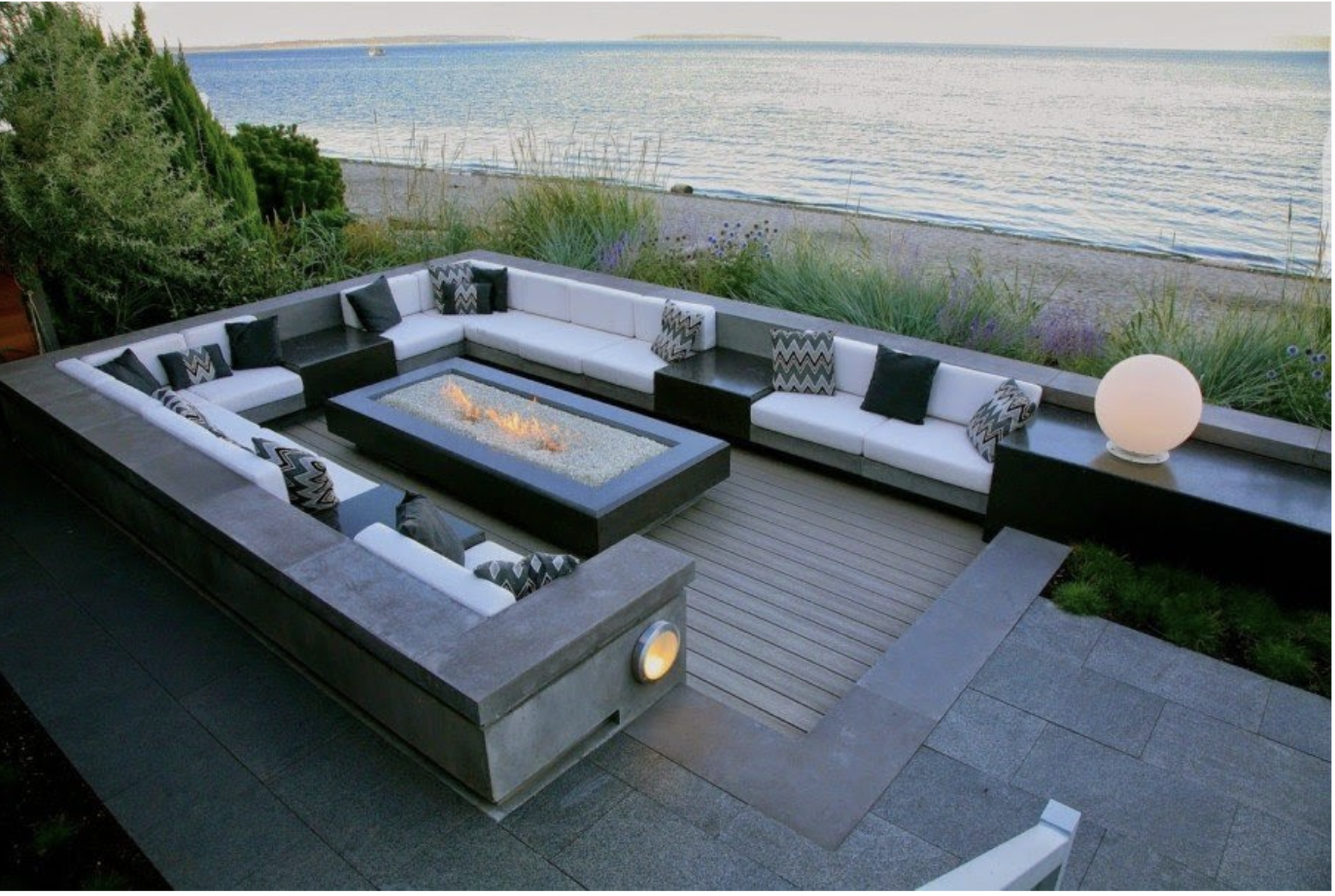
- Install seating after mortar cures — low-profile Adirondack chairs, built-in stone benches, or ground-level cushioned seats all integrate naturally
- Confirm a 10-foot clearance radius from overhanging branches or any structure before first use
- Keep a garden hose or a bucket of sand within arm's reach during any active fire — this is standard practice, not optional
Frequently Asked Questions
How deep should a sunken fire pit be?
Most residential sunken fire pits function well at 12–18 inches below grade. Our team recommends 12 inches as a practical minimum — enough to contain embers and produce the amphitheater seating effect that defines this design. Going deeper than 18 inches tends to restrict airflow and makes fire management more difficult without adding any meaningful safety or aesthetic benefit.
Does a sunken fire pit need drainage?
A gravel drainage base is essential in virtually every climate. Our team installs 4–6 inches of compacted crushed stone at the base of every excavation. Without it, water accumulates after rain, saturates the fire bed, and accelerates rust on steel components. Clay-heavy soils often require a French drain or perforated pipe routed to daylight to maintain reliable drainage across seasons.
What is the best material for a sunken fire pit?
Our team favors concrete block paired with a steel fire ring insert for first-time builders — the combination delivers structural durability at a manageable DIY complexity level. For aesthetics-first installations where budget allows, mortared natural stone with flagstone coping produces the finest long-term result and integrates most naturally with established landscape plantings.
Are sunken fire pits safer than above-ground models?
In most measurable respects, yes. The recessed basin contains embers more effectively, reduces wind-driven flame spread, and creates a natural physical barrier that above-ground portable pits do not offer. Our team still recommends standard precautions across all fire pit types — maintaining proper clearance from structures, keeping extinguishing materials immediately accessible, and reviewing established fire pit safety practices before regular use.
Key Takeaways
- The best sunken fire pit designs consistently outperform above-ground alternatives in wind resistance, ember containment, and long-term aesthetic value — mortared stone and concrete-block builds deliver the strongest return over the life of the installation.
- Budget realistically: DIY material costs range from $150 for a basic gravel pit to $2,500 or more for custom poured-concrete designs, with professional installation typically adding two to four times that on top.
- Drainage is the single make-or-break factor in every sunken pit project — always install a compacted gravel base and evaluate soil percolation before committing to a location.
- Sunken fire pits are a long-term property investment best suited to homeowners with stable plans; those dealing with high water tables, poor drainage, or temporary living situations are better served by above-grade fire features.


About William Murphy
William Murphy has worked as a licensed general contractor in Fremont, California for over thirty years, specializing in outdoor structures, green building methods, and sustainable design. During that career he has written about architecture, construction practices, and environmental protection for regional publications and trade outlets, bringing technical depth to subjects that most home improvement writers approach only from a consumer perspective. At TheBackyardGnome, he covers outdoor product reviews, backyard construction guides, and sustainable landscaping and building practices.
You can Get FREE Gifts. Receive Free Backyard Items here. Disable Ad Blocker to get them all now!
Once done, hit anything below