What would it take to transform a plain backyard into a living, breathing speakeasy? That's exactly the question how to throw 1920s party planning answers — and the answer is more attainable than most people assume. The Roaring Twenties theme is one of the most visually arresting and socially electric setups in outdoor entertaining, with a clear aesthetic language, an iconic music genre, and a costume tradition guests genuinely embrace. For a deeper dive into every element covered here, the complete 1920s party planning resources on this site are a strong starting point.
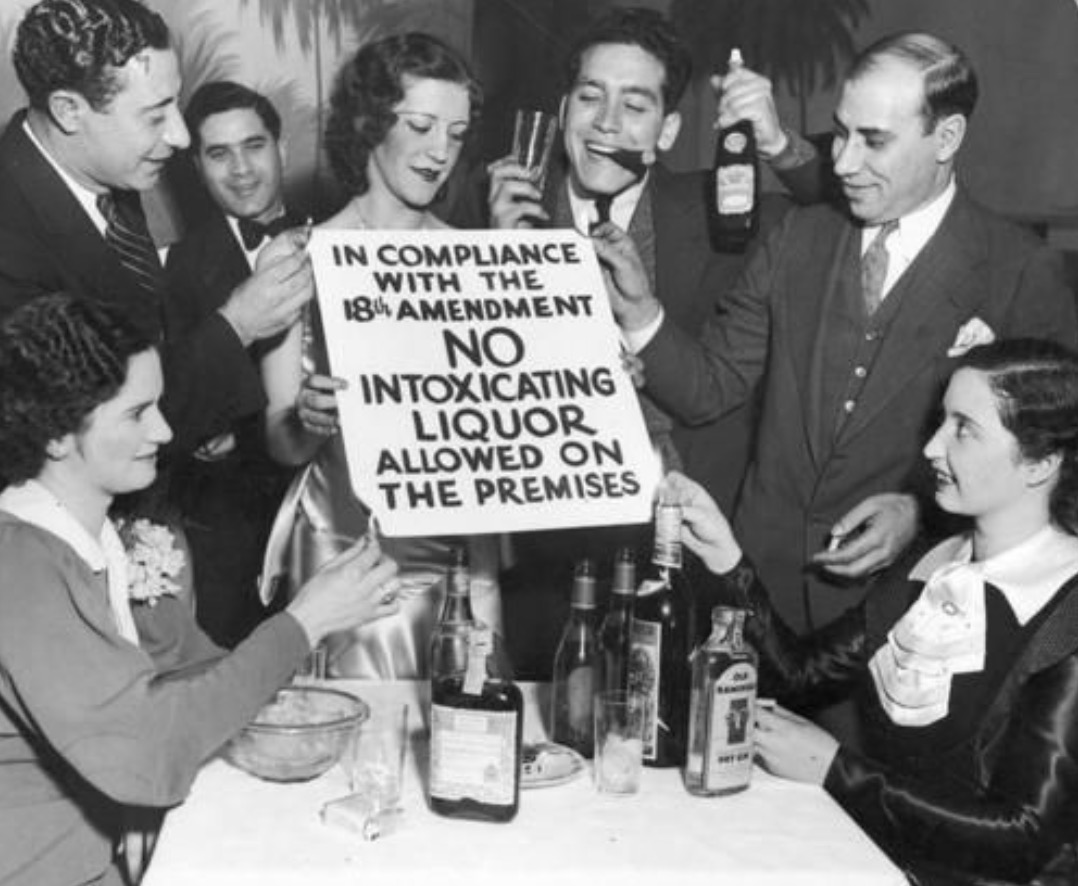
The Roaring Twenties — roughly 1920 to 1929 — were defined by jazz, art deco glamour, speakeasies, and a cultural energy that still resonates nearly a century later. Translating that into a modern backyard event is genuinely manageable. The theme is visually distinctive, guests embrace costumes with unusual enthusiasm, and the right playlist does half the atmospheric work before a single decoration goes up.
This guide covers the full setup from scratch — foundational atmosphere, decorations, music, scaling options across budgets, the honest pros and cons of the theme, and the most common pitfalls hosts run straight into. Every section delivers a clear, actionable path from blank backyard to Jazz Age celebration.
Contents
- How to Throw a 1920s Party: The Essential Foundations
- Decorations and Supplies That Do the Heavy Lifting
- First-Timer vs. Full-Scale Gatsby: Scaling the Experience
- Why the 1920s Theme Works — and Where It Gets Complicated
- When Things Go Wrong: Fixes for Common Problems
- Frequently Asked Questions
- Final Thoughts
How to Throw a 1920s Party: The Essential Foundations
Setting the Outdoor Atmosphere
Outdoor parties live or die by atmosphere. For a 1920s theme, that means committing to three non-negotiables upfront: lighting, color palette, and music. Edison bulbs or warm-white string lights draped between posts, trees, or a covered backyard structure instantly evoke the moody glow of a pre-war ballroom. Gold, black, and white form the core palette — every decoration decision should filter through that lens.
- Edison bulbs or warm string lights draped overhead at roughly canopy height
- Black and gold tablecloths paired with metallic centerpieces
- Feather boas and beaded garlands used as table runners
- A dedicated "stage" or focal point for the music setup
- A clearly labeled bar area positioned as the event's speakeasy anchor
Getting the lighting right is the single highest-impact move in any 1920s setup. Everything else layers on top, but atmosphere starts with light — and there's no faking a warm, intimate outdoor glow with the wrong bulbs.
Invitations That Set the Tone Early
The invitation is the event's first impression. Art deco design — geometric shapes, bold serif fonts, gold foil elements — signals immediately what kind of experience guests are walking into. Digital invites work fine for casual gatherings, but a physical card mailed a few weeks ahead adds a layer of theater that guests consistently respond to and appreciate.
Costume encouragement belongs in the invite, not as an afterthought. Flapper dresses, fedoras, suspenders, long pearl necklaces, and two-tone shoes are all easy to source. The more guests commit to the look, the more immersive the experience becomes for everyone — including the host.
Decorations and Supplies That Do the Heavy Lifting
Must-Have Décor Items
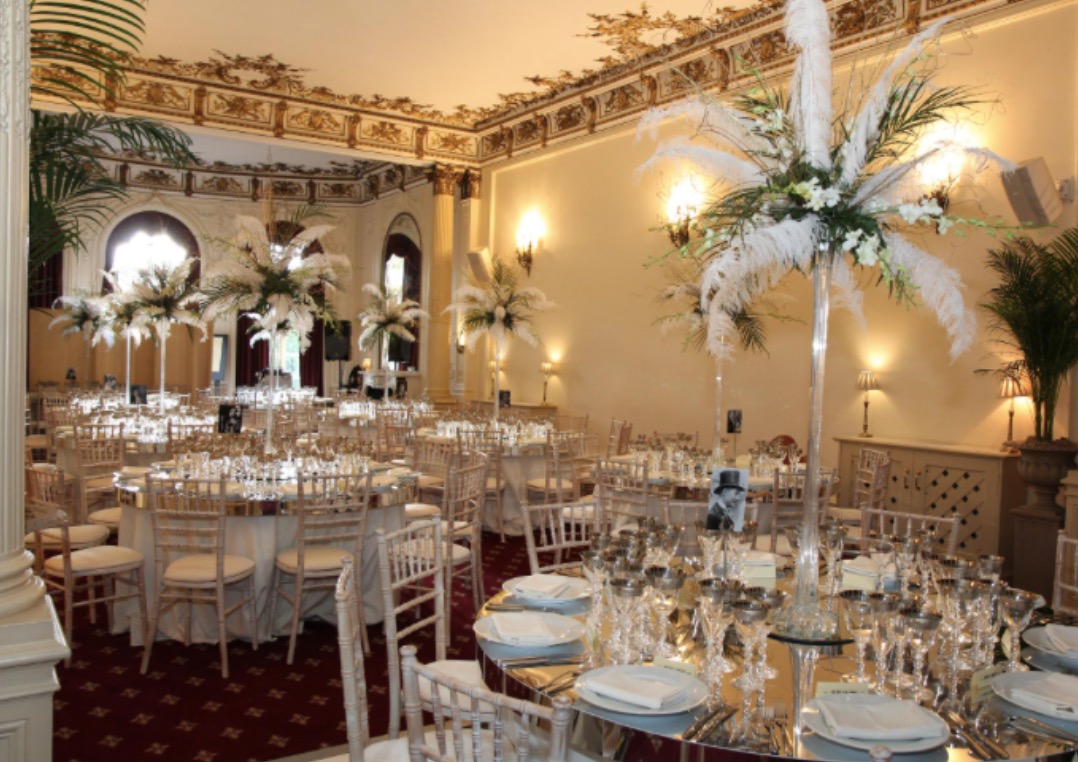
The core decoration list for a 1920s party doesn't require a massive budget. The priority is items with the highest visual impact per dollar — a few well-chosen anchors outperform dozens of generic party-store trinkets every time.
- Art deco geometric centerpieces — DIY versions made with cardboard and gold spray paint hold up remarkably well
- Gold and black balloon clusters — for a creative DIY accent, glitter-dipped balloons fit the 1920s aesthetic perfectly
- Feather fans, vintage-style candle holders, and faux pearl bead strands as table accents
- Printed speakeasy signage ("Password Required," "No Coppers") mounted at the bar or entry point
- A photo booth corner with a Gatsby-style art deco backdrop
Pro tip: Renting brass candlesticks, vintage frames, and dark wood serving trays from a local thrift store almost always produces better-looking results than ordering cheap plastic replicas online — and at a lower cost.
Music and Sound Setup
Jazz is the non-negotiable soundtrack of a credible 1920s party. A playlist anchored by Louis Armstrong, Duke Ellington, Bessie Smith, and Fats Waller should run through at least the first hour. Transitioning into 1920s-influenced swing or big band later in the evening keeps energy up without breaking the period feel.
For outdoor sound, placement matters more than raw power. Distributing speakers evenly at ear level eliminates dead zones and removes the need to blast volume — which quickly degrades the intimate speakeasy atmosphere. A solid guide on mounting outdoor speakers properly is worth reading before setup day for venues with exterior walls or covered structures.
| Supply Category | Budget Option | Premium Option | Priority Level |
|---|---|---|---|
| Lighting | Warm string lights ($15–30) | Edison bulb canopy rental | Critical |
| Music | Streaming jazz playlist (free) | Live jazz quartet | Critical |
| Centerpieces | DIY gold spray paint + cardboard | Custom art deco floral arrangements | High |
| Guest Costumes | Accessory box at the door | Costume contest with prizes | High |
| Glassware | Plastic champagne flutes | Rented vintage coupe glasses | Medium |
| Signage | Home-printed speakeasy signs | Custom vintage letterpress prints | Medium |
First-Timer vs. Full-Scale Gatsby: Scaling the 1920s Experience
The Budget-Friendly Route
A first-time 1920s host doesn't need to recreate Gatsby's West Egg mansion. A focused, minimal setup executes the theme convincingly at a fraction of the cost. The key is identifying which elements carry the most visual and atmospheric weight — then concentrating the budget entirely there.
- Commit the budget to lighting and one strong focal centerpiece per table
- Use a free streaming playlist built around authentic 1920s jazz
- Make costumes a firm expectation in the invite — guest participation multiplies atmosphere without spending anything
- Offer one signature "Prohibition-era" cocktail or mocktail as the event's thematic centerpiece drink
This level of investment consistently delivers strong results. The 1920s visual language is so iconic that even modest implementation reads clearly. Guests fill in the gaps with their imagination once the right cues are in place — the theme has a powerful halo effect that generic party concepts simply don't.
Going Full Great Gatsby
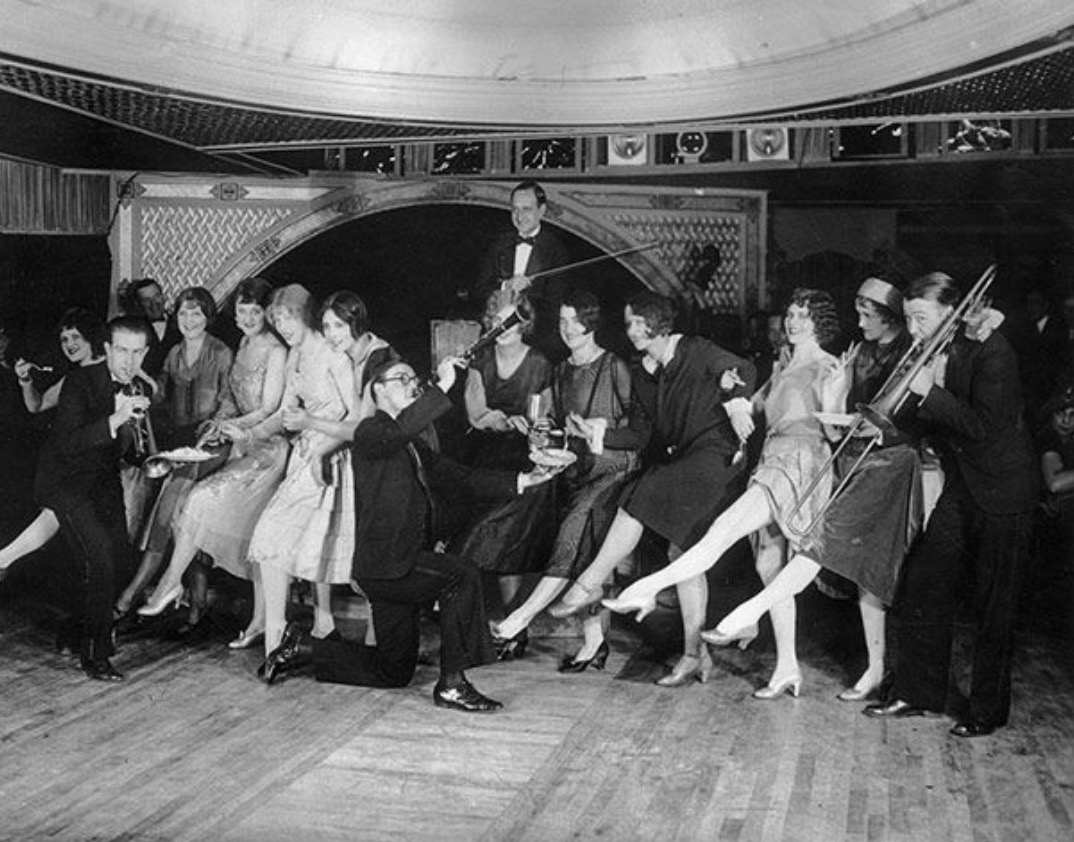
Hosts who want to scale up have a clear upgrade path that compounds impact at each step. Live music is the single biggest upgrade available — a jazz quartet changes the energy of a party in a way no playlist can replicate. A custom photo booth, a champagne tower, and a period food spread (deviled eggs, finger sandwiches, shrimp cocktail, caviar bites) push the experience into genuinely cinematic territory.
For outdoor structure, a quality gazebo or event tent becomes worth the investment at this scale — it creates defined architectural space that transforms a backyard into a venue. A permanent hardtop gazebo handles this beautifully and earns its place across multiple events well beyond the party itself.
Why the 1920s Theme Works — and Where It Gets Complicated
What This Theme Gets Right
The 1920s party theme has structural advantages over most alternatives — and they're advantages that compound on each other once the setup is right:
- Immediately recognizable visual language — guests understand the aesthetic the moment they walk in
- Strong costume participation because the era's fashion is distinct, wearable, and broadly flattering
- Music is atmospheric and broadly appealing across age groups — jazz holds a room in a way pop playlists don't
- The speakeasy concept gives the venue a natural focal point anchored at the bar area
- Works exceptionally well outdoors — warm lighting, open air, and jazz is a hard combination to beat
No other party theme generates this level of costume commitment from guests with so little instruction. Telling guests "it's a 1920s party" is enough — the mental image does the rest of the work.
The Real Challenges
The theme also has genuine friction points that deserve honest acknowledgment before planning begins:
- Art deco decorations can be harder to source locally than generic party supplies — online ordering lead time matters more than people expect
- The theme skews toward evening events — daytime setups lose atmospheric impact without very intentional lighting design
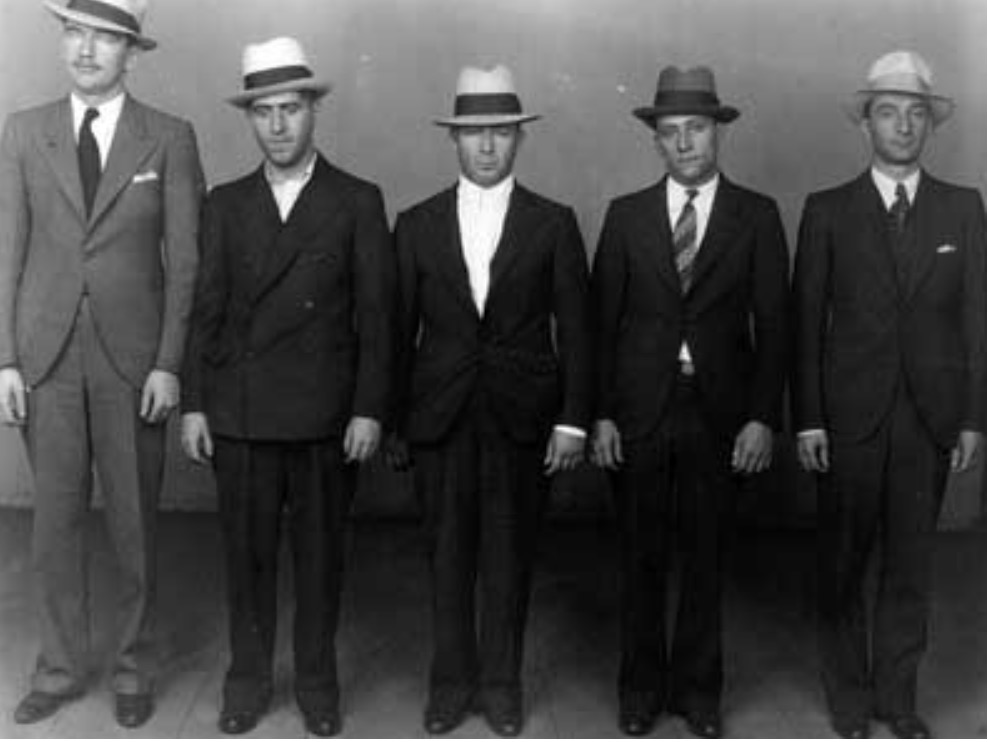
- Prohibition and alcohol-centric imagery requires thoughtful handling at events with mixed age groups or family audiences
- Outdoor evening events carry real weather risk, especially in transitional seasons — a shelter and warmth backup is not optional
None of these are dealbreakers. They're planning variables that reward early attention rather than last-minute scrambling.
When Things Go Wrong: Fixes for Common Problems
Weather and Outdoor Setup Issues
Weather is the most consistent threat to any outdoor evening event. Planning for weather from the start — not as a backup — is the mark of an experienced outdoor host. A proper shelter structure isn't optional for events that run past sunset. Understanding how to set up a gazebo on grass, concrete, or pavers before setup day prevents the kind of last-minute scrambling that derails an otherwise well-planned event.
A warmth backup should be staged and ready before guests arrive: outdoor patio heaters positioned near seating, a fire pit as a gathering anchor, or folded blankets accessible near chairs. Cold guests leave early and quietly. Warm guests stay, drink, and dance.
Last-Minute Decoration Gaps
Even well-planned parties arrive at setup day missing something. The fix is ruthless prioritization — address the highest-visibility gaps and let the rest go without drama.
- Missing centerpieces: gold and black balloon clusters cost almost nothing and read strongly in photos and in person
- No period music queued: any major streaming platform has pre-built 1920s jazz playlists ready in under two minutes
- Costume-less guests: a box of cheap accessories at the door — feather boas, clip-on bow ties, faux pearls — handles this gracefully
- Lighting failure: battery-powered warm string lights from any hardware or dollar store are a fast same-day fix
The worst response to last-minute problems is panic-buying and over-correcting. A calm, prioritized approach consistently produces better outcomes — and guests rarely notice the gaps that hosts fixate on.
Frequently Asked Questions
What food works best for a 1920s party?
Classic finger foods and passed hors d'oeuvres fit the era well — deviled eggs, shrimp cocktail, bite-sized sandwiches, and cheese boards are all period-appropriate and easy to manage at a standing or lounge-style event. A champagne tower or a "bathtub gin" mocktail station as the bar centerpiece adds strong thematic punch. Food works best when kept shareable and manageable, since 1920s parties are inherently social and guests move around freely.
How far in advance should planning begin for an outdoor 1920s party?
Four to six weeks is the practical minimum for a well-executed outdoor 1920s party. Art deco decorations often require online ordering with real lead time, invitations need to go out early enough for guests to source costumes, and any rental equipment — tents, furniture, vintage glassware — books quickly for weekend dates. Starting earlier adds flexibility without adding complexity.
Does a 1920s party theme work for smaller guest lists?
The 1920s theme actually scales down gracefully because its power comes from atmosphere rather than volume. A tight group of ten to fifteen guests in full costume, a jazz playlist, the right lighting, and a well-stocked bar creates an experience that feels more like an authentic speakeasy than a large event would. Intimacy works directly in this theme's favor — the smaller the gathering, the more immersive it tends to feel.
Final Thoughts
Knowing how to throw a 1920s party that actually lands comes down to atmosphere-first planning, a handful of well-chosen anchor pieces, and the willingness to fully commit to the era's costume tradition. Pick a date, send the invitations, lock in the lighting and playlist, and let the Roaring Twenties do the rest — the theme is forgiving of modest budgets and genuinely rewarding when the right elements come together. Start with the complete 1920s party planning resources and build the checklist from there.


About William Murphy
William Murphy has worked as a licensed general contractor in Fremont, California for over thirty years, specializing in outdoor structures, green building methods, and sustainable design. During that career he has written about architecture, construction practices, and environmental protection for regional publications and trade outlets, bringing technical depth to subjects that most home improvement writers approach only from a consumer perspective. At TheBackyardGnome, he covers outdoor product reviews, backyard construction guides, and sustainable landscaping and building practices.
You can Get FREE Gifts. Receive Free Backyard Items here. Disable Ad Blocker to get them all now!
Once done, hit anything below