The average solarium addition cost falls between $30,000 and $150,000, with most homeowners spending around $65,000 to $75,000 for a well-specified mid-range build. That number reflects real decisions you'll make — about glazing, framing, foundation, and climate control — all of which you can influence with smart planning. If you're comparing several outdoor living upgrades at once, our home additions guide covers the full spectrum of options.

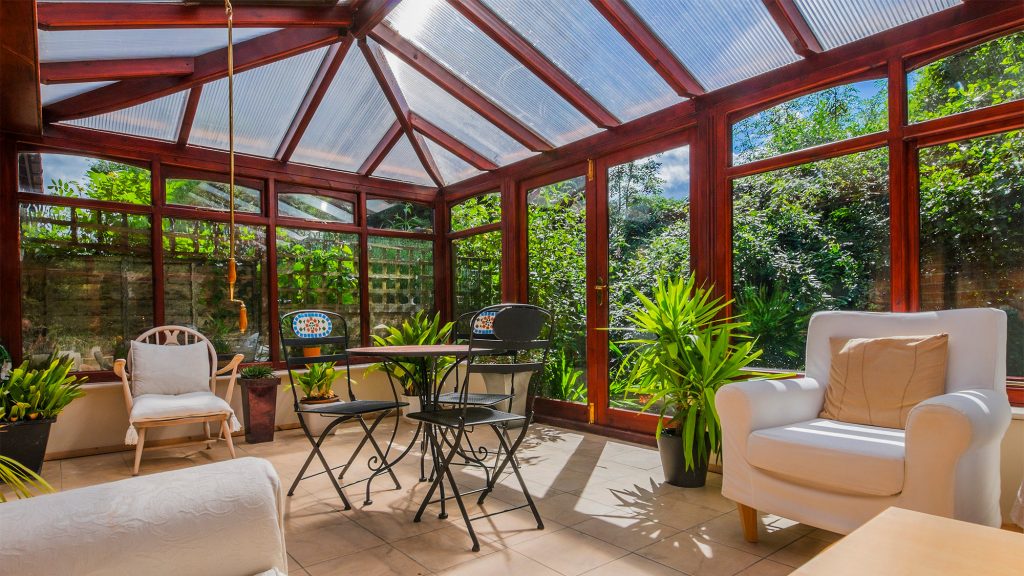
A solarium is a fully glazed room — walls and roof alike — attached to your home. That's what separates it from a conventional sunroom, where only the upper wall area is glass. The full-glass envelope creates a space that feels genuinely immersed in the outdoors while keeping every weather variable on the other side of the pane. That architectural commitment is also what makes the cost conversation more nuanced than a standard room addition.
This guide breaks down every major cost driver, compares the main solarium configurations side by side, and gives you honest guidance on where the money is well spent and where it's easy to overpay. You'll also get a straight answer on some of the most persistent myths that lead homeowners into budget trouble.
Contents
- How a Solarium Addition Pays Off Over Time
- Smart Strategies to Keep Your Budget on Track
- The Real Advantages and Drawbacks of a Solarium
- Planning Your Solarium Addition: From Concept to Completion
- Solarium Cost Myths That Need to Stop
- Solarium Types Compared: Costs at a Glance
- Frequently Asked Questions
- Key Takeaways
How a Solarium Addition Pays Off Over Time
A solarium is one of the higher-ticket home additions you can undertake, which makes the return on investment question essential, not optional. The good news is that a well-built, permitted solarium delivers value in two distinct ways: as genuinely usable square footage you live in today, and as a verifiable selling point when you eventually list your home.
Resale Value and Home Equity
Real estate professionals consistently identify enclosed, climate-controlled additions as stronger value drivers than open-air structures. A solarium that's properly permitted and built to code typically recoups 50% to 80% of its cost at resale, depending on your local market. In regions where outdoor use is limited to a few months per year, that number trends toward the higher end because buyers immediately recognize the functional value of an insulated, weatherproof room.
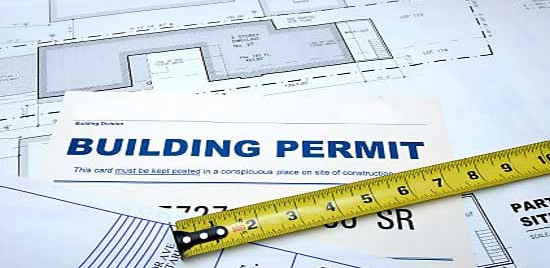
Permitting is the single most important resale factor. An unpermitted solarium doesn't add legally recognized square footage to your home's record, which means it won't show up in the appraisal the way a permitted addition does. Always pull the permits. The fees are modest relative to the total project cost, and the downstream financial impact is significant.
Year-Round Usability vs. Energy Costs
A solarium's biggest practical advantage is extending your usable seasons. While winterizing a pergola is an annual project that still leaves you with a cold, exposed structure in January, a properly insulated solarium functions as a comfortable living space across all four seasons without seasonal prep work. That translates to genuine square footage your household uses daily, not just on mild afternoons.
The energy cost side is real and worth planning for. Full glazing means solar heat gain in summer and heat loss in winter. The U.S. Department of Energy identifies low-emissivity (low-E) glass coatings as one of the most effective tools for reducing heat transfer in glass-heavy structures. For a solarium, specifying the right glazing is not a cosmetic decision — it directly determines how much you spend heating and cooling the space every month.
Pro insight: Specify low-E, argon-filled double-pane glass for your solarium's entire glazing system. The cost premium over standard glass typically runs 15–25%, but the reduction in HVAC load over the structure's lifespan makes it a clear financial win.
Smart Strategies to Keep Your Budget on Track
The average solarium addition cost is not a fixed number — it's a range you can move within based on your decisions. Some of the most effective cost-management moves happen before construction starts.
Timing, Bidding, and Contractor Selection
Contractor demand follows seasonal patterns. In most markets, late fall and winter are slower periods for residential construction projects, which gives you more negotiating leverage and often faster project timelines. Scheduling your build to start during the off-season — targeting spring occupancy — is a straightforward way to reduce labor costs without sacrificing quality.
Get at least three bids, and make sure they come from contractors who specialize in glass enclosures or sunroom additions specifically. General contractors who don't work regularly with glazing systems often underbid the specialized work and produce inaccurate estimates. Ask each bidder for two or three completed solarium projects you can visit or contact as references. A contractor who can't provide that history doesn't have the track record to justify a large contract.
Where to Spend and Where to Scale Back
Invest in the foundation, frame, and glass — those choices follow you for the entire life of the structure. The areas where you can scale back without long-term consequences are the finishing decisions: flooring, interior trim, lighting fixtures, and furniture. Polished concrete or tile floors cost far less than hardwood and actually hold up better in a high-moisture, high-UV environment.
For furnishing the completed space, the same logic that applies to choosing between rattan and wicker for outdoor use applies here — materials rated for moisture and UV exposure outperform indoor upholstery in a solarium's unique climate. Likewise, all-weather outdoor sectional furniture is a smarter fit than standard indoor sofas, which can fade and mildew in the intense sun a solarium receives.
The Real Advantages and Drawbacks of a Solarium
Solariums have genuine strengths and real limitations. Understanding both keeps you from being oversold by a contractor or unnecessarily discouraged before you've done the analysis your specific situation deserves.
What a Solarium Does Exceptionally Well
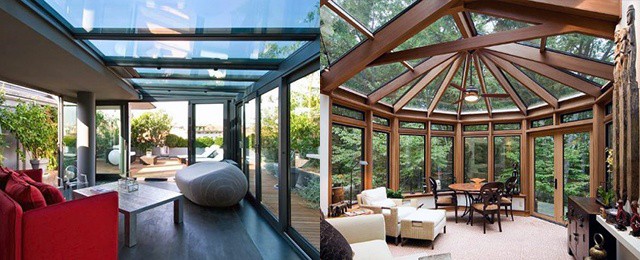
The primary advantage is light — and not just a little more of it. A fully glazed room captures natural light at a level no conventional room addition can approach. That matters enormously for indoor plants: a solarium creates a year-round growing environment for species you'd otherwise need to move outdoors each summer just to keep alive. It also matters for your day-to-day experience of the space. Consistent natural light exposure is well-documented as a contributor to improved mood and better sleep cycles.
A solarium also functions as genuine living space in a way that patios, pergolas, and decks simply cannot replicate. You're not giving up comfort to feel connected to the outdoors — you're getting both simultaneously. That combination is the core value proposition, and it's a compelling one for households that actually use the space.
Legitimate Concerns to Plan For
Heat management is the most common complaint from solarium owners who didn't account for it at the design stage. South-facing solariums in warm climates can become uncomfortably hot in summer if the glazing specification and ventilation system aren't adequate. A dedicated mini-split, integration with your home's existing HVAC, or a ceiling fan and roof vent combination are all viable solutions — but each adds to your project cost and needs to be planned from the beginning, not retrofitted after the structure is built.
Cleaning is also more involved than a standard room. Glass surfaces collect pollen, water spots, and organic debris on both sides, and the roof panels are the hardest to reach safely. If you're used to the maintenance level of replacing a gazebo canopy every few seasons, a solarium is more demanding — though the weather protection it provides in return is proportionally greater.
Planning Your Solarium Addition: From Concept to Completion
Building a solarium well is a sequential process. Rushing or skipping any phase creates problems that are significantly more expensive to fix once the structure is standing.
Foundation, Permits, and Site Work
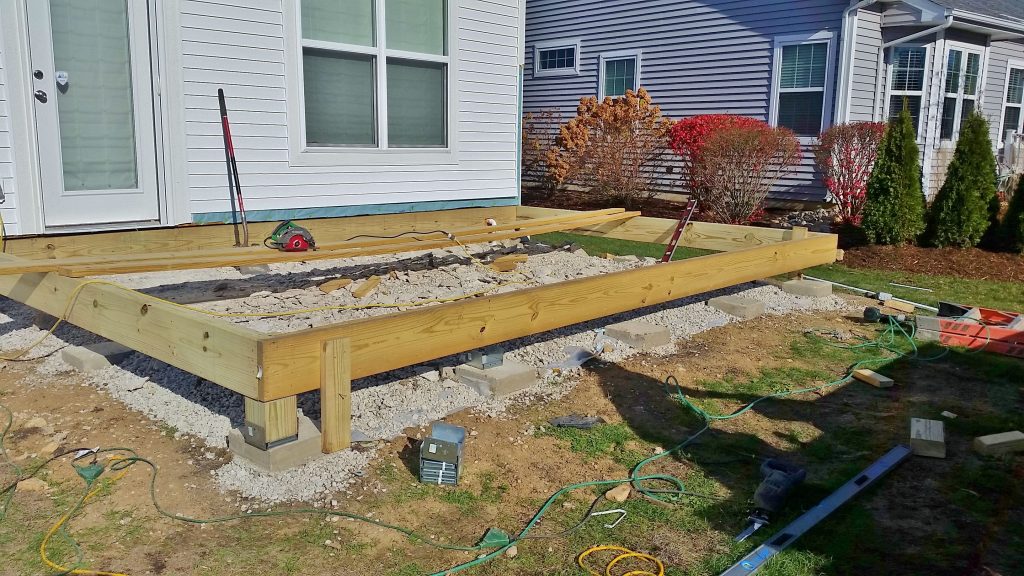
Your foundation type depends on soil conditions, frost depth in your climate, and the structural weight of the completed solarium. Three options cover most residential applications: a full concrete slab, concrete footings with a wood-framed floor deck, or attachment to an existing deck if it was originally built to carry the required load. A structural engineer's assessment costs $300 to $800 and can prevent the kind of foundation failure that runs tens of thousands of dollars to remediate.
Building permits for a solarium typically require a site plan, structural drawings, and glazing system specifications. Approval timelines range from two weeks to three months depending on your municipality — factor this into your project schedule from the very first planning conversation. Inspections happen at the foundation, framing, and final completion stages, each one serving as a checkpoint that catches construction errors before they're buried behind finished surfaces.
Choosing Materials and Your Builder
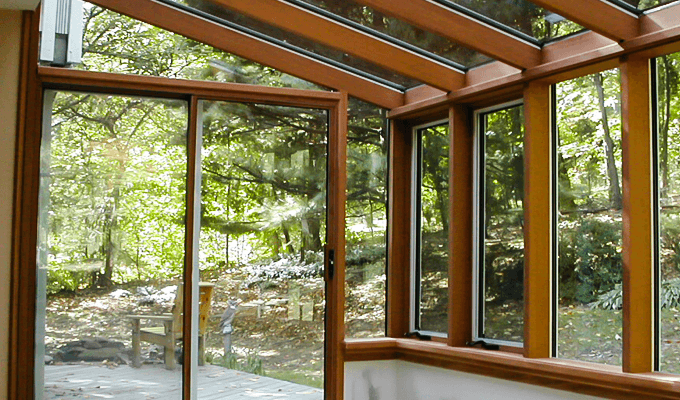
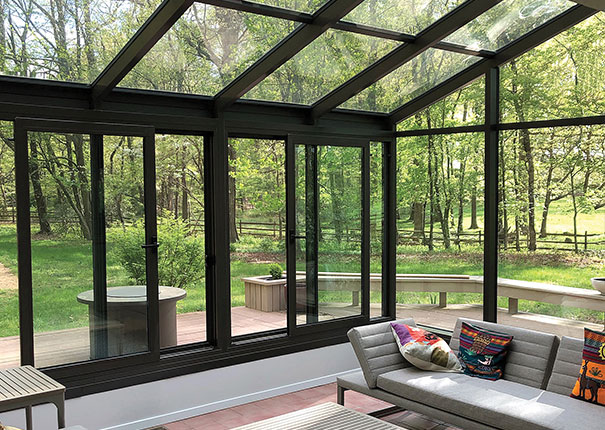
Frame material is the decision that shapes cost, maintenance burden, and longevity simultaneously. Aluminum is the professional-grade standard for both commercial and high-end residential solariums. It's thermally broken to limit heat conduction, structurally rigid, and dimensionally stable across wide temperature swings. Wood frames carry a warmer aesthetic and suit certain architectural styles, but they require regular painting or staining and are genuinely vulnerable to moisture over time.
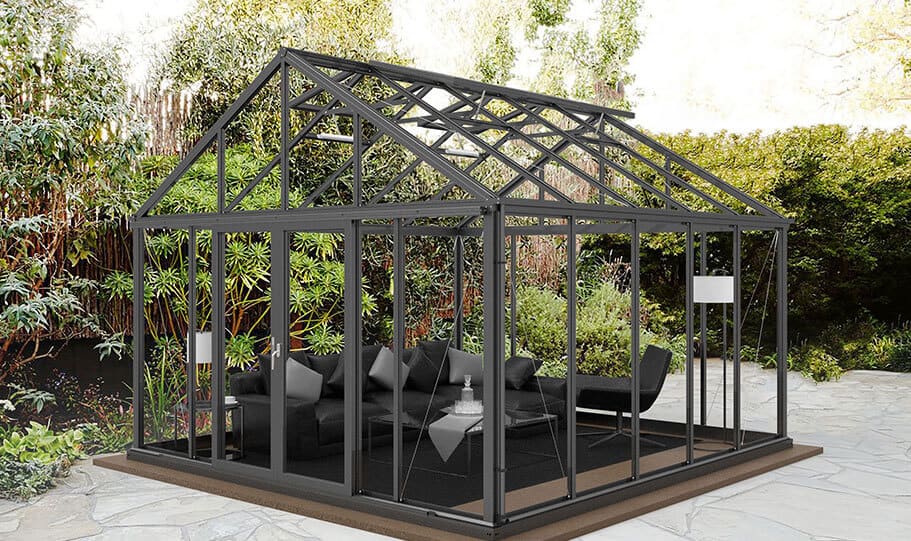
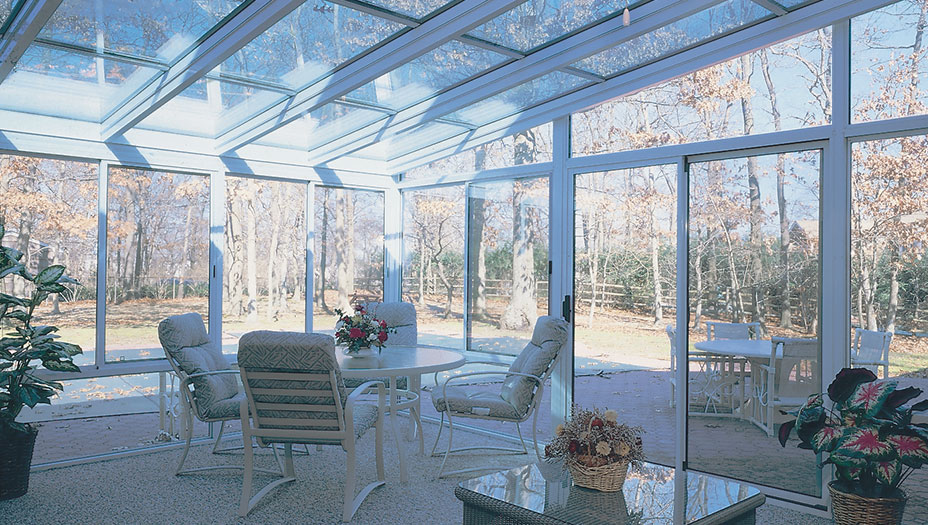
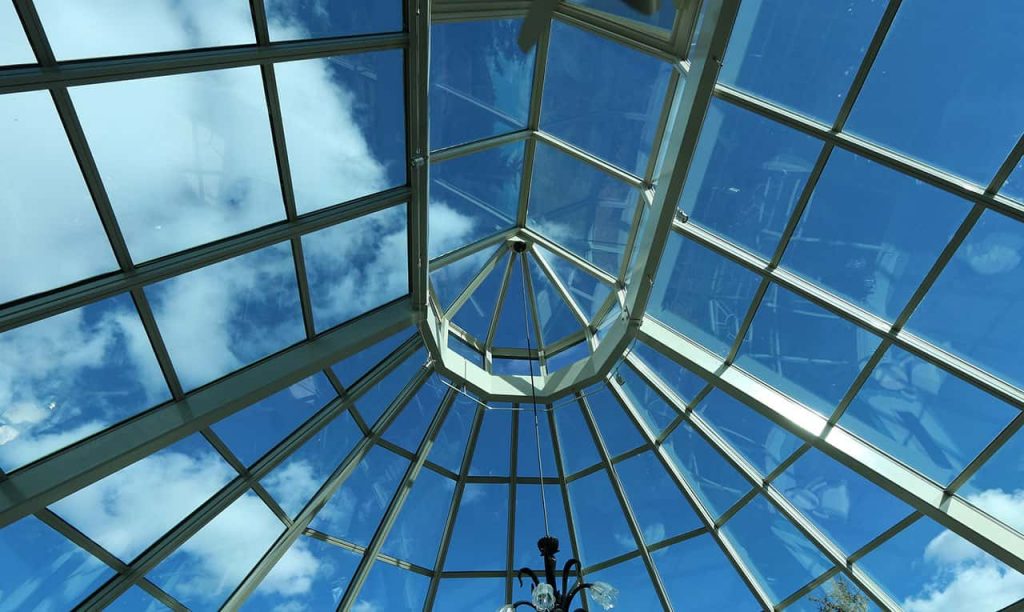
For glazing, insulated double-pane glass with a low-E coating is the correct baseline for a thermally comfortable solarium in virtually any climate. Polycarbonate panels cost significantly less and offer reasonable insulation values, but they yellow with UV exposure over time, scratch easily, and lack the optical clarity of glass. They're a workable choice for a budget build in a moderate climate; for anything you intend to live in long-term, glass is the right call.
Solarium Cost Myths That Need to Stop
Two widely repeated assumptions about solarium projects are responsible for more budget surprises than any other factor. Both are worth addressing directly before you start getting bids.
The DIY Savings Myth
The claim that you can save 40 to 50 percent by managing your own solarium construction is almost universally false for a fully glazed structure. Aluminum-framed glazing systems require precision alignment measured in millimeters during installation. Glazing gaskets, thermal breaks, drainage channels, and roof flashing all have to work as an integrated system. A single misalignment creates chronic water infiltration that can damage the adjacent home structure within a single season — and the remediation cost dwarfs any labor savings from the original DIY attempt.
Where you can genuinely save with your own labor is interior finishing. Flooring, painting, trim work, and furniture placement represent 15 to 25 percent of the total project cost in most builds. That's meaningful money you can keep. For understanding material quality trade-offs in structural outdoor applications, the same logic that applies when you evaluate tiki hut building materials holds here — the structural elements are not where you cut corners.
The "Any General Contractor Can Build One" Myth
A solarium is a specialized build, not a standard room addition with glass substituted for drywall. General contractors who don't regularly work with glazing systems consistently underestimate the complexity of the roof system, the flashing requirements at the house junction, and the drainage details that prevent water from pooling in the frame channels. The result is a structure that looks correct at completion and develops serious water infiltration within two or three seasons.
Ask specifically for contractors who have completed five or more solarium or glass enclosure projects. Ask for photos and contact at least two past clients before you sign anything. The structural remediation process on a failed outdoor structure — like what's involved in removing a failed gazebo — gives you a sense of the scale of work involved when things go wrong. With a solarium, the adjacent home structure adds another layer of complexity and cost to any remediation.
Warning: Never accept a lump-sum bid without a written breakdown of labor, materials, permits, and contingency. A vague bid protects the contractor's margin, not your budget. Itemized bids are the industry standard for projects of this size.
Solarium Types Compared: Costs at a Glance
The average solarium addition cost shifts substantially depending on which configuration you're building. This table covers the four most common residential solarium types with realistic installed cost ranges that include foundation, framing, glazing, basic electrical, and standard HVAC integration.
| Solarium Type | Typical Size | Frame Material | Glazing Standard | Installed Cost Range |
|---|---|---|---|---|
| Entry-Level Lean-To | 100–150 sq ft | Vinyl or basic aluminum | Single-pane or polycarbonate | $28,000 – $45,000 |
| Mid-Range Attached Room | 150–250 sq ft | Thermally broken aluminum | Low-E double-pane glass | $55,000 – $90,000 |
| Premium Victorian Style | 200–350 sq ft | Aluminum or painted steel | Low-E double-pane, decorative glass accents | $90,000 – $140,000 |
| Freestanding Glass Room | 250–500 sq ft | Structural aluminum | Low-E double or triple-pane | $100,000 – $175,000 |
These ranges do not include premium flooring, custom interior finishes, or high-end furniture. Kit-style prefabricated solariums — manufactured component systems you assemble on-site — sit at the lower end of these ranges and are a legitimate option for simple lean-to configurations where budget is the primary constraint. Custom-designed structures built entirely on-site give you more flexibility in sizing and detailing but carry a corresponding premium in both design fees and labor.
Tip: Budget a 10–15% contingency specifically for the foundation and site work phase. Soil conditions, underground utilities, and grade issues are the most common sources of cost overruns in solarium projects — and they're the ones you can't fully anticipate until excavation begins.
Frequently Asked Questions
What is the average solarium addition cost for a 200-square-foot space?
A 200-square-foot solarium with a thermally broken aluminum frame, low-E double-pane glazing, and standard HVAC integration typically runs between $55,000 and $85,000 installed, including permits and foundation work. Premium glass options, complex roof geometry, or custom interior finishes push the number toward and beyond the upper end of that range.
Is a solarium treated as a permanent structure for property tax purposes?
In most jurisdictions, yes. A permitted solarium attached to your home is classified as a permanent addition and increases the assessed value of your property, which produces a corresponding — typically modest — increase in your annual property tax. Factor this into your long-term cost calculation, not just the upfront build cost.
How long does a solarium addition take to build?
Most solarium projects run 8 to 16 weeks from permit approval to a finished, livable space. Foundation and framing typically takes 2 to 4 weeks, glazing installation 1 to 2 weeks, and HVAC plus electrical plus finishing work 3 to 6 weeks. Permit approval timelines are separate and can add anywhere from two weeks to three months depending on your municipality.
Can a solarium be used comfortably year-round in a cold climate?
Yes — provided the glazing system and heating solution are specified correctly from the start. A properly insulated solarium with low-E double-pane glass, a dedicated heating source such as a mini-split or radiant floor system, and tight weatherstripping at all operable panels is fully comfortable through severe winters. Retrofitting heating after construction is always more expensive than integrating it during the original build.
What is the difference between a solarium and a standard sunroom?
A solarium is fully glazed — walls and roof are predominantly glass or polycarbonate. A sunroom typically has knee walls and a conventional insulated roof, with only the upper portion of the walls glazed. Solariums deliver more natural light and a more immersive outdoor connection; sunrooms are easier and less expensive to heat and cool. The right choice depends on your climate and how you intend to use the space.
Do I need a building permit to add a solarium?
In virtually every U.S. municipality, yes. A solarium is a permanent structural addition to your home and requires permits covering foundation, framing, electrical work, and HVAC integration at minimum. Skipping permits creates problems at resale — lenders and buyers will identify unpermitted additions during the appraisal and inspection process — and typically voids your homeowner's insurance coverage for the addition itself.
Which frame material lasts the longest in a solarium?
Thermally broken aluminum is the longest-lasting residential solarium frame material available, with a realistic service life of 30 to 50 years under normal conditions. It resists corrosion, doesn't warp or rot, and holds its dimensional accuracy through thousands of thermal expansion and contraction cycles far better than vinyl or wood alternatives.
Key Takeaways
- The average solarium addition cost ranges from $30,000 to $150,000, with most quality mid-range builds landing between $55,000 and $90,000 for a 150–250 square foot attached glass room.
- Always pull building permits — they protect your investment at resale, ensure legal square footage recognition in appraisals, and keep your homeowner's insurance valid for the addition.
- Thermally broken aluminum frames and low-E double-pane glass are the right baseline material choices for a solarium that performs well thermally and lasts decades without major maintenance.
- Hire a contractor with documented solarium experience, collect at least three itemized bids, and reserve a 10–15% contingency specifically for the foundation and site work phase of your project.


About Simmy Parker
Simmy Parker holds a Bachelor of Science in Civil Engineering from Sacramento State University and has applied that technical background to outdoor structure design, landscape planning, and backyard improvement projects for over a decade. Her love for the outdoors extends beyond design — she regularly leads nature hikes and has developed working knowledge of native plants, soil conditions, and sustainable landscaping practices across Northern California. At TheBackyardGnome, she covers backyard design guides, landscaping ideas, and eco-friendly outdoor living resources.
You can Get FREE Gifts. Receive Free Backyard Items here. Disable Ad Blocker to get them all now!
Once done, hit anything below