My neighbor spent three weeks researching before she finally committed to adding a glass room off her living area. After one afternoon walking through her finished solarium — warm, light-filled, and already growing herbs in January — I understood the appeal completely. If you're sorting through the different types of solariums available today, the options are broader than most people expect. Getting clear on what each style actually offers before you sign anything is the smartest move you can make.

A solarium is a glass-enclosed structure — walls and roof — designed to flood your living space with natural light while keeping you sheltered from rain, wind, and cold. Unlike a standard deck or patio cover, it creates a genuine indoor-outdoor hybrid space. Attached solariums connect directly to your home through an existing exterior wall. Freestanding versions sit independently in the garden. Both rely on glass or high-performance glazing on at least three sides plus the ceiling.
Each solarium style has a distinct profile, a different price point, and a different relationship with sunlight and heat. Your home's architecture, your local climate, and your intended use — plant sanctuary, dining extension, year-round reading room — all shape which type is right for you. This guide walks you through every major option so you can move forward with real confidence.
Contents
A Quick Look at the Different Types of Solariums
The term "solarium" covers more ground than most buyers realize. Shape, roof profile, framing material, and attachment method combine to create distinct categories with meaningfully different outcomes. Here are the four you'll encounter most often when you start planning.
Lean-To Solariums
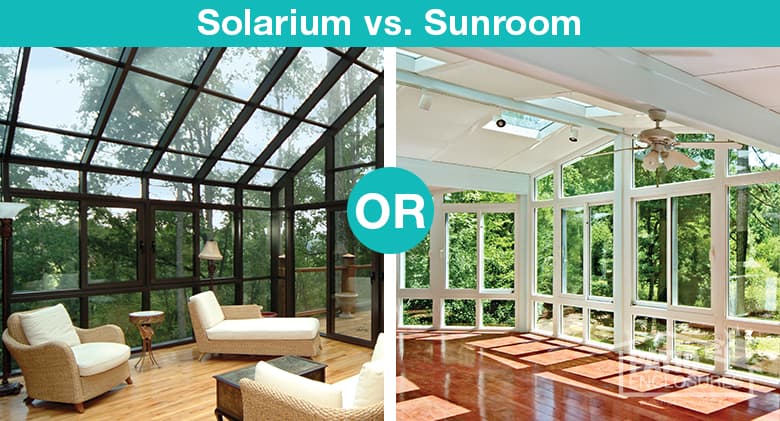
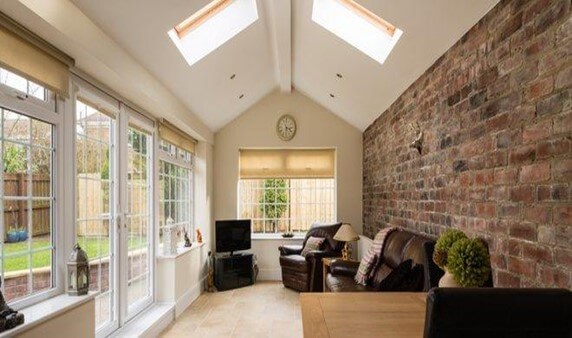
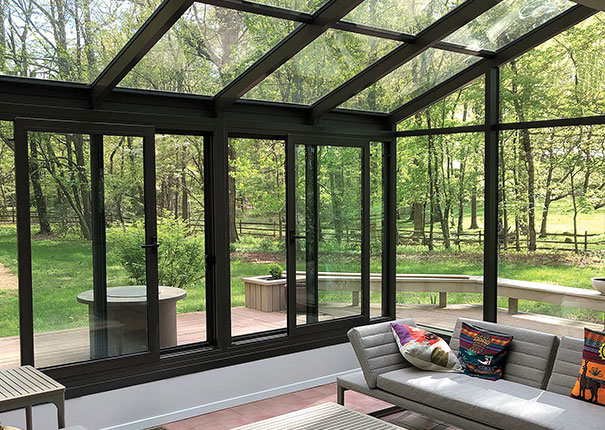
A lean-to solarium attaches to one exterior wall of your home and uses that wall as its back panel. Because you're building only three glass walls instead of four, and the structural load is partly shared with your existing home, this is the most cost-effective entry point into solarium ownership. It suits narrow lots, side yards, and rear extensions equally well. South- and west-facing walls are the strongest placement options because they capture consistent sun throughout the day without requiring complex orientation adjustments.
Curved Solariums
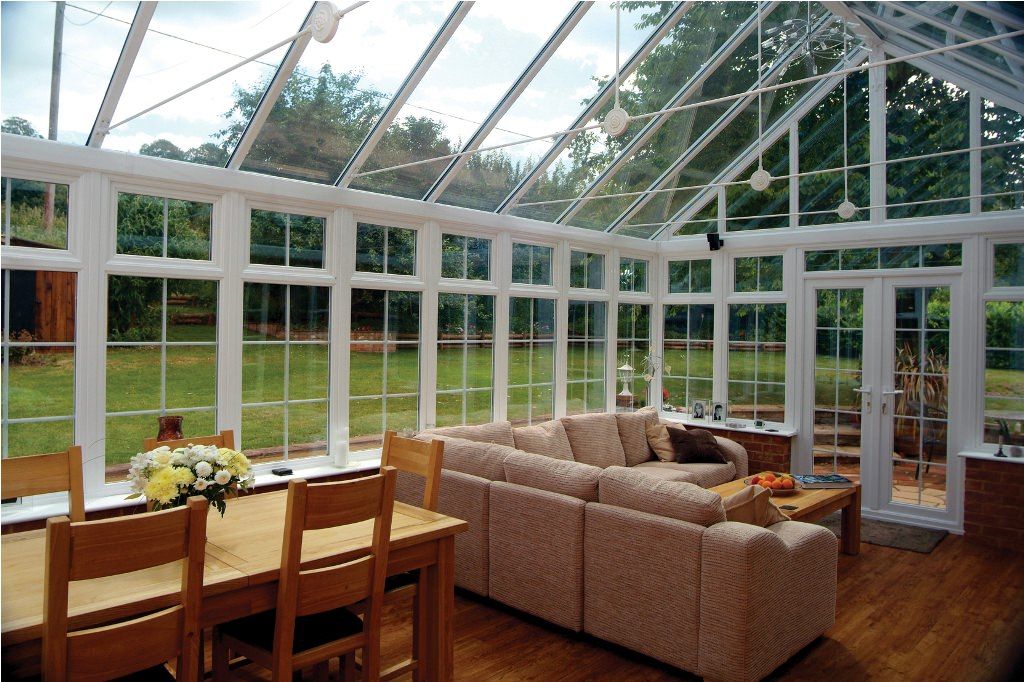
Curved solariums use arched or barrel-vaulted glass roofs to create a distinctly dramatic profile. The curved geometry handles rain and snow runoff naturally because there are no flat panels for water to pool on. The trade-off is cost — curved glass or polycarbonate panels require custom fabrication, which pushes the price well above lean-to options. But if panoramic light and architectural impact are your priorities, no flat-roofed design delivers the same effect. The barrel vault wraps the interior in diffused light from every angle.
Cathedral Solariums
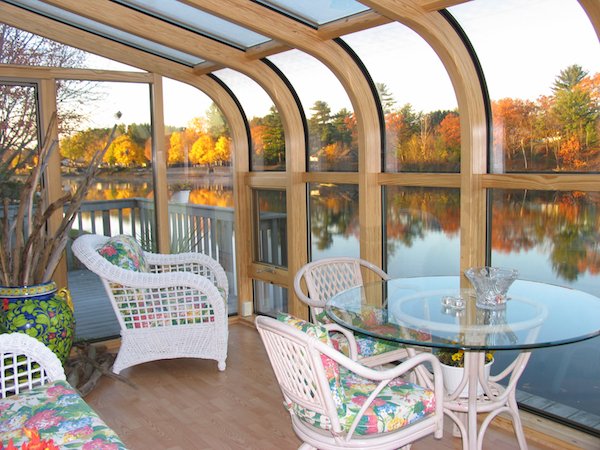
Cathedral solariums feature steeply pitched glass roofs that echo the lines of traditional residential architecture. They look particularly natural on colonial, craftsman, or Victorian-era homes because the roof pitch mirrors the dominant angles of the main structure. The high interior ceiling creates a sense of volume that makes the space feel like a proper room rather than an add-on. If seamless architectural integration is your priority — not just function — the cathedral profile is your strongest option.
Victorian and Conservatory-Style Solariums
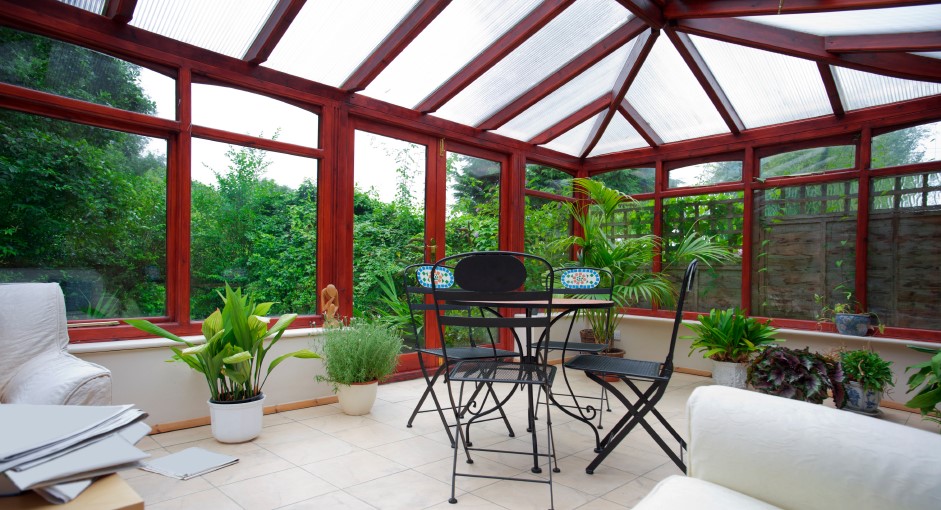
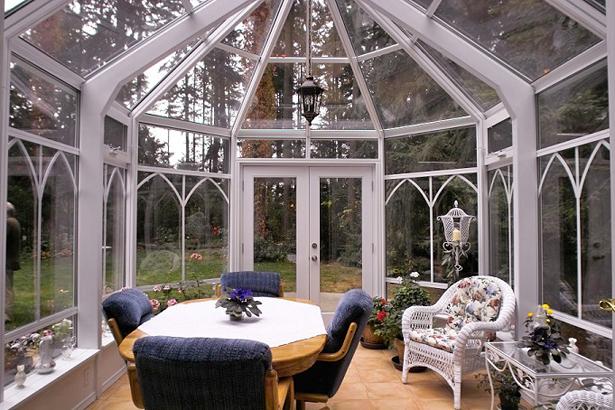
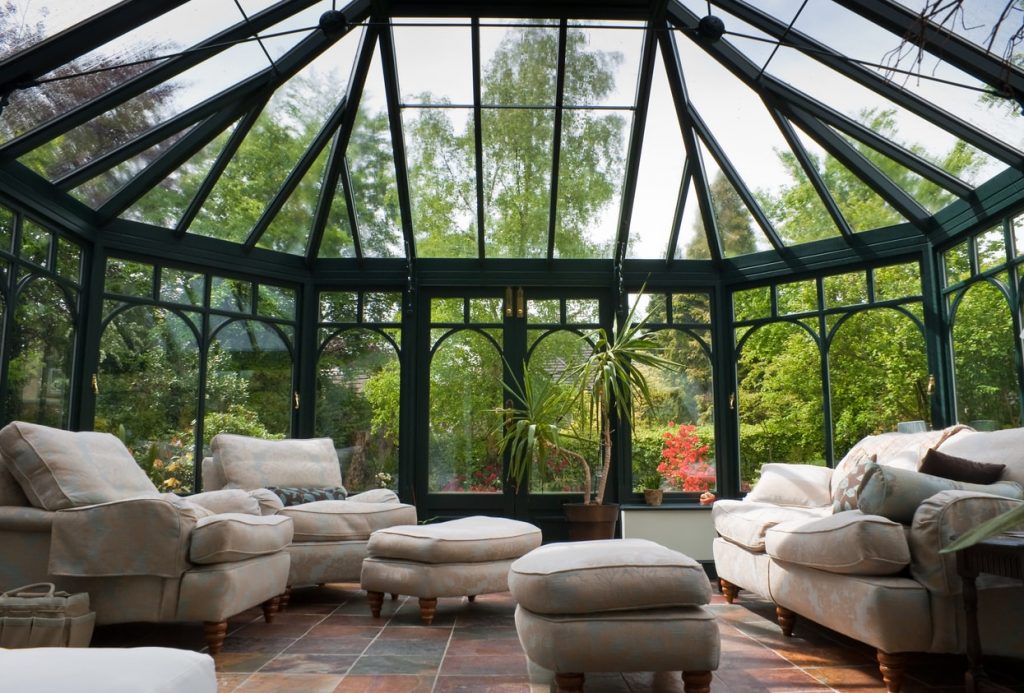
Often called conservatories, these structures draw directly from the Victorian glasshouse tradition. They typically feature ornate ridge cresting, decorative finials, and glass panels set within painted aluminum or timber framing. The style dates back centuries in Europe, originally built to shelter citrus trees through harsh winters. Today, conservatories function as year-round dining rooms, libraries, and morning rooms — elegant spaces that add as much character as they do usable square footage.
| Type | Roof Style | Best For | Relative Cost | Light Level |
|---|---|---|---|---|
| Lean-To | Single-slope | Small lots, tight budgets | $ | Good |
| Curved | Arched / barrel vault | Panoramic views, bold design | $$$ | Excellent |
| Cathedral | Steeply pitched | Period homes, formal rooms | $$ | Very Good |
| Victorian / Conservatory | Decorative ridge | Year-round living spaces | $$$ | Excellent |
| Freestanding | Varies | Garden studios, detached offices | $$–$$$ | Very Good |
How to Pick the Right Solarium for Your Property
Narrowing down the different types of solariums to one that genuinely fits your situation comes down to two things first: how your home looks and how your site handles sun.
Match the Style to Your Home's Architecture
Your solarium should look like it was always there, not bolted on as an afterthought. A sleek curved aluminum structure reads as modern and will clash against a traditional colonial exterior. A Victorian conservatory with ornate cresting looks mismatched on a clean-lined contemporary build. Start by identifying your home's dominant design language — roofline pitch, cladding material, window proportions — and choose a solarium profile that shares those visual cues. Any serious installer should offer digital renderings before a single permit is filed. Demand that service before you commit to anyone.
Consider Your Climate and Sun Exposure
Glass captures heat — that's the defining feature and the primary challenge. In colder regions, a south-facing solarium with high-performance insulated glazing acts as a passive solar heater and meaningfully cuts your winter energy costs. In hot climates, that same south-facing exposure turns your new room into an oven from late spring through early fall without proper ventilation and shade management. Map your site's sun angles at different times of year before you finalize the design. Roof vents, operable side panels, and ceiling fans handle the bulk of heat control. If you have an outdoor fireplace nearby, integrating it thoughtfully with the solarium layout extends your comfortable use season on both ends of the calendar.
What a Solarium Really Adds to Your Home
The Clear Advantages
A well-designed solarium delivers real, measurable value across several fronts:
- Extra living space — adds functional square footage without a full structural addition
- Consistent natural light throughout the day, which improves mood and reduces daytime electricity use
- A visual and physical connection to your garden that stays comfortable through rain, wind, and cold
- A dedicated growing space for plants, herbs, or citrus trees that wouldn't survive outdoors in your climate
- A meaningful boost to property value — quality solariums show strong return on investment at resale
The Honest Trade-offs
No structure is without its demands. Here's what comes with the territory:
- Higher upfront cost compared to a pergola, gazebo, or standard patio cover
- Ongoing glass cleaning — dirt, algae, pollen, and mineral deposits accumulate quickly on roof panels
- Potential overheating in summer if ventilation wasn't factored into the original design
- Condensation on interior glass surfaces during significant temperature swings between day and night
- Permit requirements in most municipalities — budget additional lead time for planning approvals

Solarium Myths That Deserve a Second Look
Myth: Solariums Are Just Glorified Greenhouses
This one comes up constantly, and it misses the point entirely. A greenhouse is engineered for plant cultivation — typically uninsulated, unheated beyond what the sun provides, and built to sustain high humidity. A residential solarium is engineered for human comfort. It uses thermally broken frames, insulated glazing units, and integrated HVAC connections to maintain livable temperatures in all seasons. You can grow plants in a solarium — many people do — but that's a bonus feature, not the defining purpose. Calling a solarium a greenhouse is like calling your kitchen a storage room because it has cabinets.
Myth: Glass Rooms Don't Work in Cold Climates
Modern insulated glazing has changed this equation completely. Double- and triple-pane glass units with low-emissivity coatings retain interior heat effectively, even in climates that drop well below freezing. Homeowners across Canada and the northern United States use their solariums comfortably through winter by pairing quality glazing with radiant floor heating or electric panel heaters. The key is specifying the correct glass package at the design stage, not attempting a costly upgrade after installation. Get the U-value and solar heat gain coefficient in writing before you approve any glazing specification.
Smart Tips for Planning and Furnishing Your Solarium
Furniture That Holds Up
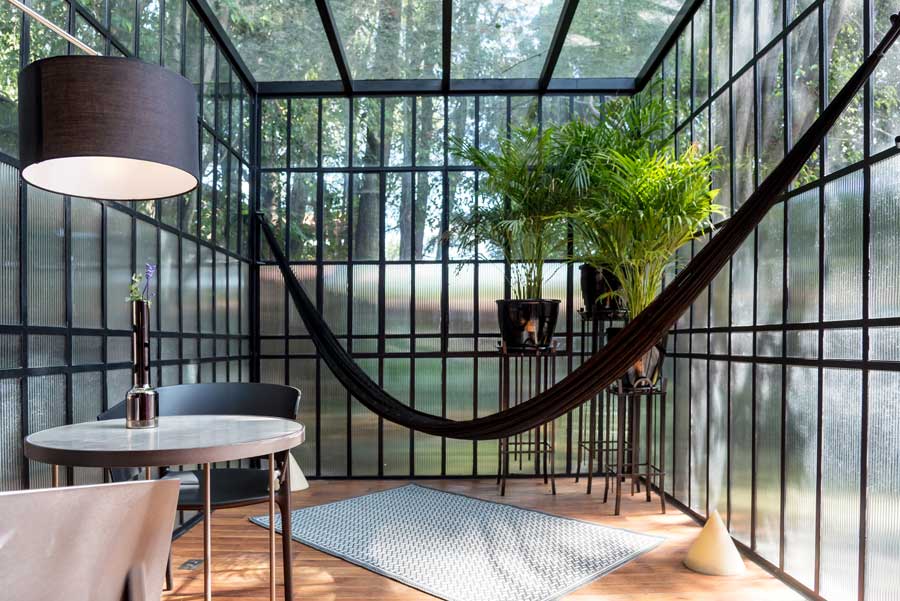
Solarium interiors experience more UV exposure, humidity variation, and temperature swing than virtually any other room in your home. Standard indoor furniture degrades quickly in these conditions — fabrics fade, wood warps, and foam cushions break down within a season or two. Choose furniture rated for outdoor conditions but styled for indoor use. Quality outdoor sectional furniture works particularly well in larger solariums where you want a conversation-area layout. For smaller spaces, a compact patio conversation set keeps things proportional without crowding the room. A pair of zero gravity chairs positioned to face the garden is one of the most popular solarium setups for good reason — maximum comfort with an unobstructed view.
Light Control and Finishing Details
Even the best-oriented solarium needs active shade management. Cellular blinds designed specifically for roof glazing are one of the most effective solutions — the honeycomb cells trap air and add insulation value while cutting direct glare. External roller shades mounted above the glass panels work even better because they prevent heat from entering the glass in the first place, rather than trapping it between the blind and the pane. For external shade at specific sun angles, a quality patio umbrella positioned just outside the structure can block low morning or late afternoon sun that internal blinds can't address. For ambience after dark, string lights along the ridge or perimeter frames make the space feel finished and inviting. The same lighting principles that work for dressing up a gazebo translate directly to a solarium — the enclosed structure actually makes installations easier to manage and more dramatic in effect.
Keeping Your Solarium in Top Shape
Glass and Frame Cleaning
Glass accumulates dirt, algae, bird droppings, and mineral deposits faster than almost any other exterior surface. Clean the exterior panels at minimum twice a year — more often if you live under tree cover or in a high-pollen region. Use a telescoping window cleaning pole with a squeegee head and a mild soap solution. Avoid abrasive cleaners and close-range pressure washing — both can damage glazing seals and scratch low-emissivity coatings that took years off your heating bill to justify. For aluminum or timber frames, a soft brush and mild detergent followed by a clean water rinse is all you need. Wipe frames dry after cleaning to prevent water spotting and oxidation around the joints.

Seals, Drainage, and Seasonal Checks
The most common solarium failures trace back to neglected seals and blocked drainage channels. Inspect all silicone seals along the glass-to-frame joints once a year. Cracking, shrinkage, or discoloration signals it's time to reseal before moisture penetrates the frame system. Check the drainage channels in the roof and base frame after every significant rainstorm to confirm that leaves and debris haven't blocked the outlets. In climates with hard freezes, verify that all standing water has fully cleared the drainage channels before the first frost. Trapped water expands as it freezes, cracking channel joints and warping frame sections in ways that are expensive to repair properly.
Frequently Asked Questions
What is the difference between a solarium and a sunroom?
A solarium uses glass on the walls and the entire roof, maximizing natural light from every direction. A sunroom typically has a solid or partially solid roof with glass only on the walls or sections of them. Solariums let in more light and feel more connected to the outdoors, but they require more precise climate management because the glass roof creates greater heat gain and heat loss than an insulated ceiling would.
How much does a solarium typically cost to build?
Lean-to solariums start around $15,000 to $30,000 installed for a basic aluminum-frame structure with standard double-pane glazing. Mid-range cathedral and curved designs typically run $30,000 to $60,000. Full Victorian conservatories with custom timber framing and premium glazing packages can exceed $80,000. Local labor rates, permit fees, and foundation requirements all affect the final number significantly, so get at least three detailed quotes before committing.
Do solariums add value to your home?
A professionally installed, well-maintained solarium adds measurable resale value — typically returning 50 to 80 percent of construction cost at sale, and sometimes more in markets where year-round outdoor living is a strong selling point. The key factors are build quality, glazing specification, and how well the structure integrates visually with the main home. A poorly built or mismatched solarium can actually hurt resale appeal by signaling deferred maintenance to buyers.
Can you use a solarium year-round in a cold climate?
Yes, with the right glazing and heating setup. Triple-pane low-emissivity glass combined with radiant floor heating or electric panel heaters makes year-round use comfortable even in climates that drop below freezing for months at a time. The critical decision is specifying the correct U-value and solar heat gain coefficient for your specific climate zone during the design phase. Retrofitting inadequate glazing after installation is expensive and often requires replacing entire glass units.
Final Thoughts
Now that you have a clear picture of the different types of solariums and what each one demands from your budget, your property, and your maintenance schedule, the best next step is to get outside with a measuring tape and a compass. Note the sun angles hitting your target wall or garden area at different times of day, sketch a rough footprint, and reach out to two or three local solarium installers for detailed quotes that include glazing specifications in writing. The more informed you are walking into those conversations, the better the structure you'll end up with.


About William Murphy
William Murphy has worked as a licensed general contractor in Fremont, California for over thirty years, specializing in outdoor structures, green building methods, and sustainable design. During that career he has written about architecture, construction practices, and environmental protection for regional publications and trade outlets, bringing technical depth to subjects that most home improvement writers approach only from a consumer perspective. At TheBackyardGnome, he covers outdoor product reviews, backyard construction guides, and sustainable landscaping and building practices.
You can Get FREE Gifts. Receive Free Backyard Items here. Disable Ad Blocker to get them all now!
Once done, hit anything below