A neighbor once asked why a patio chair should cost as much as a weekend getaway. The answer came into focus after one afternoon spent in a byKATO AC2 chair — the way the aluminum frame distributes weight, the silence of precision joints, the feeling that nothing was placed there accidentally. The byKATO Designs founders, Karl Rossell and Tonny Glismand, built their Copenhagen-based studio on exactly that premise: outdoor furniture deserves the same rigorous craft thinking as the finest interior work. Their story belongs to a tradition that serious collectors and followers of Danish design will recognize immediately.

Karl Rossell and Tonny Glismand co-founded byKATO Designs with a clear intent: to close the persistent gap between indoor design sophistication and what passed for outdoor furniture in most catalogs — plastic-molded chairs, rust-prone steel frames, cushions that sagged after a single season. byKATO's mission was to close that gap permanently, applying the same structural discipline and material honesty that defines the best Scandinavian interiors.
The studio operates within a lineage of celebrated Danish design partnerships. Pairs like Foersom & Hiort-Lorenzen demonstrated that collaborative authorship — when the partners' strengths are genuinely complementary — produces work more resolved than either individual could achieve alone. Rossell and Glismand understood that lesson from the start, and byKATO's output reflects it: coherent, considered, and unmistakably Nordic in its commitment to purposeful restraint.
Contents
The byKATO Designs Founders: Building a Design Legacy
From Danish Roots to a Global Design Studio
Denmark has long functioned as a crucible for functional design. The country's tradition — rooted in the conviction that everyday objects should be beautiful without being decorative — produced generations of furniture makers whose work now commands permanent museum collections. The byKATO Designs founders emerged from this tradition with a specific mandate: bring that discipline to outdoor living, a context that mainstream manufacturers had treated as secondary for decades.
Rossell and Glismand both trained in industrial and furniture design, and their early careers gave them exposure to high-volume manufacturing processes alongside bespoke craft production. That dual perspective is visible in byKATO's output. Products are engineered for repeatability — every weld, joint, and finish can be executed consistently at scale — but the proportions and material choices reflect a craft sensibility that resists compromise. The Danish design tradition from which byKATO draws is grounded in the belief that beauty and utility are inseparable, not competing values.

Pro Insight: When evaluating any Scandinavian outdoor furniture brand, trace the founders' training backgrounds. Studios led by credentialed industrial designers — not marketing teams — consistently produce pieces with superior structural longevity and more defensible price points.
The Partnership Between Rossell and Glismand
Co-founder partnerships in design studios are notoriously fragile. The history of Danish furniture is littered with studios that dissolved when aesthetic differences became irreconcilable. Rossell and Glismand avoided that fate by dividing creative labor along lines that matched their genuine strengths. Rossell's background leans toward structural engineering and manufacturing feasibility; Glismand brings sensitivity to proportion, surface finish, and the lived experience of using a piece over time. Together, the byKATO Designs founders produce work that is simultaneously buildable and beautiful.
Their early collaborations were tested in competitive exhibition contexts — design award cycles that demanded rigorous jury evaluation rather than peer admiration. byKATO's recognition in those arenas confirmed that the studio's approach resonated far beyond the Scandinavian market. Award recognition also provided access to distribution networks that allowed byKATO to reach serious buyers in Northern Europe, North America, and the Asia-Pacific region simultaneously.

Signature Collections That Define byKATO
The AC2 Chair — A Study in Structural Precision
The AC2 chair is the piece most associated with byKATO's outdoor portfolio. It uses powder-coated aluminum for the frame — a material choice that directly addresses the core problem of outdoor seating: corrosion resistance without excessive mass. Aluminum's weight-to-strength ratio allows for slender profiles that would be structurally compromised in mild steel. The AC2 achieves a visual lightness that reads as delicate but performs as genuinely durable through multiple seasons.
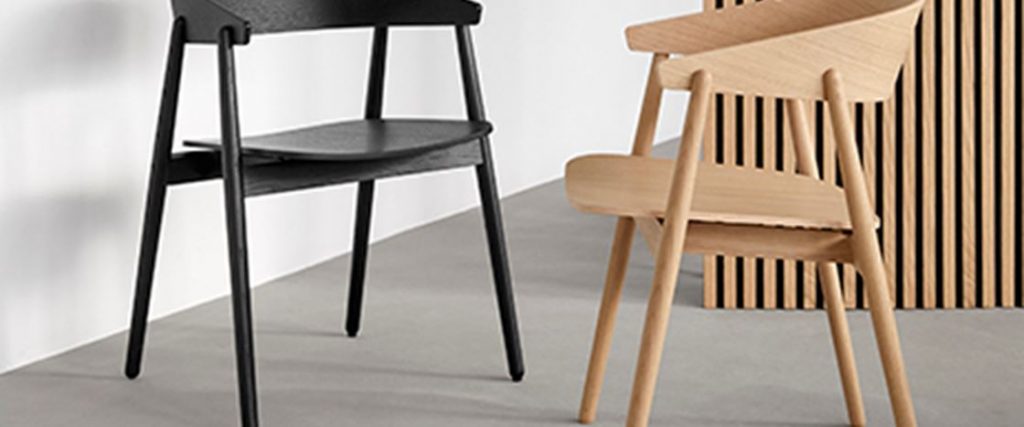
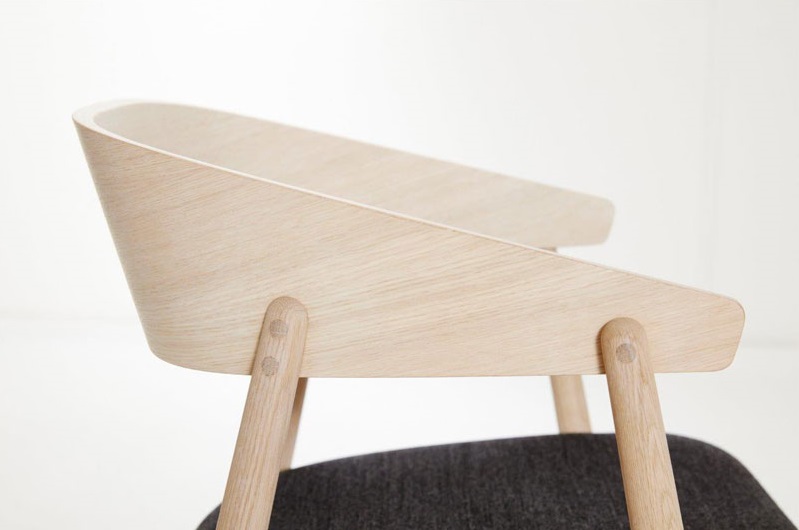
The seat shell is formed from a single piece of polypropylene, injection-molded to maintain consistent wall thickness throughout. This matters in outdoor conditions where thermal cycling — the expansion and contraction driven by temperature swings — stresses components at their weakest points. A well-executed injection mold eliminates those weak points by design. Understanding the difference between rattan and wicker clarifies precisely why byKATO's material decisions carry weight: natural fibres degrade predictably under UV exposure, while engineered polymers and coated metals do not follow the same decay curve. The AC2 is stackable up to eight units high — a practical feature for hosts managing seasonal storage — and available in a range of powder-coat colors that maintain color stability under prolonged solar exposure.
The T1 Table and S2 Cache Collection
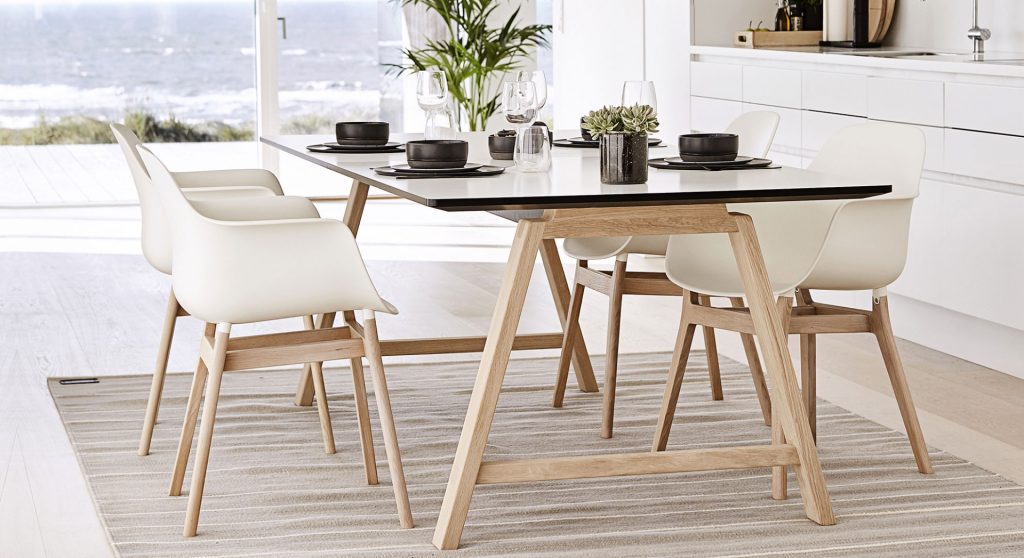
The T1 dining table extends byKATO's structural philosophy into a larger footprint. The frame uses the same powder-coated aluminum logic as the AC2 — consistent material language across collections reduces visual noise in a space and simplifies long-term maintenance decisions. The T1's tabletop is available in HPL (high-pressure laminate), a surface that resists UV yellowing, moisture penetration, and abrasion with equal effectiveness. It cleans with a damp cloth. That is the level of practicality that separates a design studio's outdoor collection from a manufacturer's catalog filler.
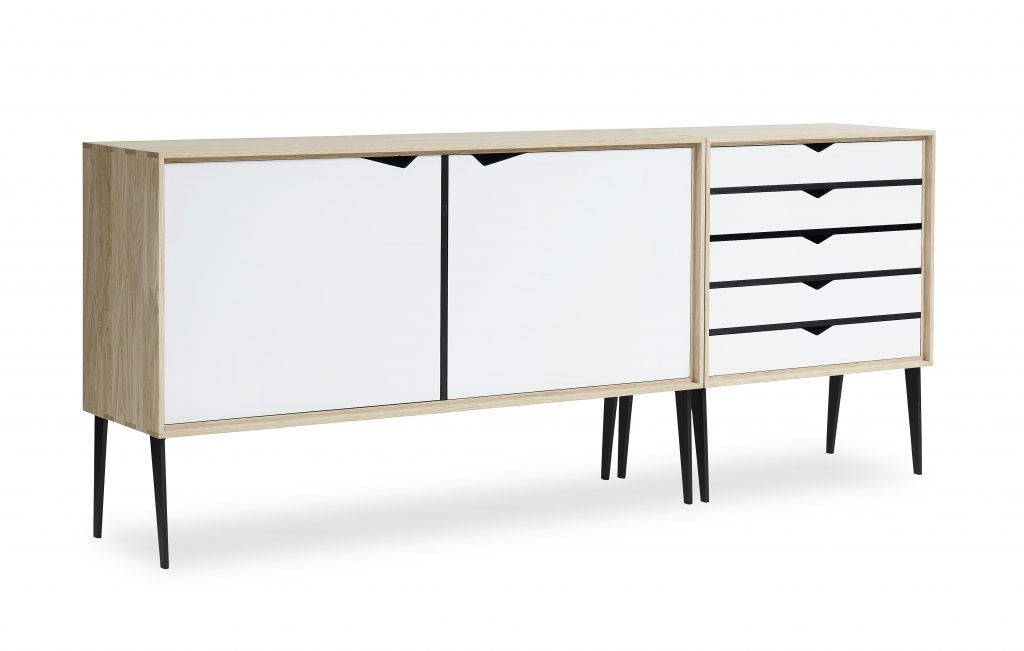
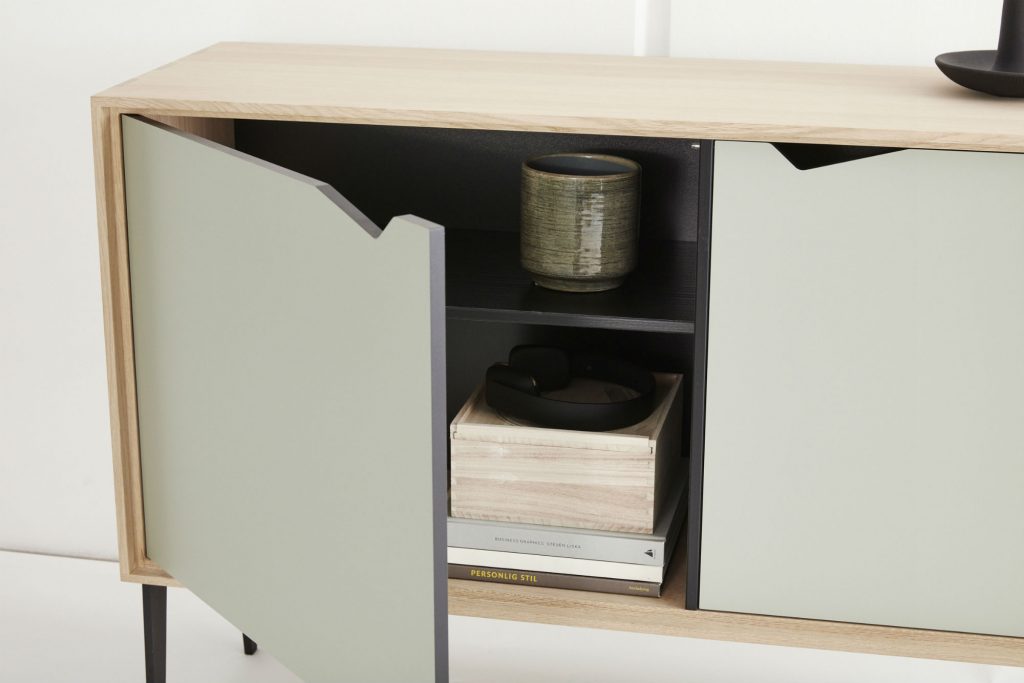
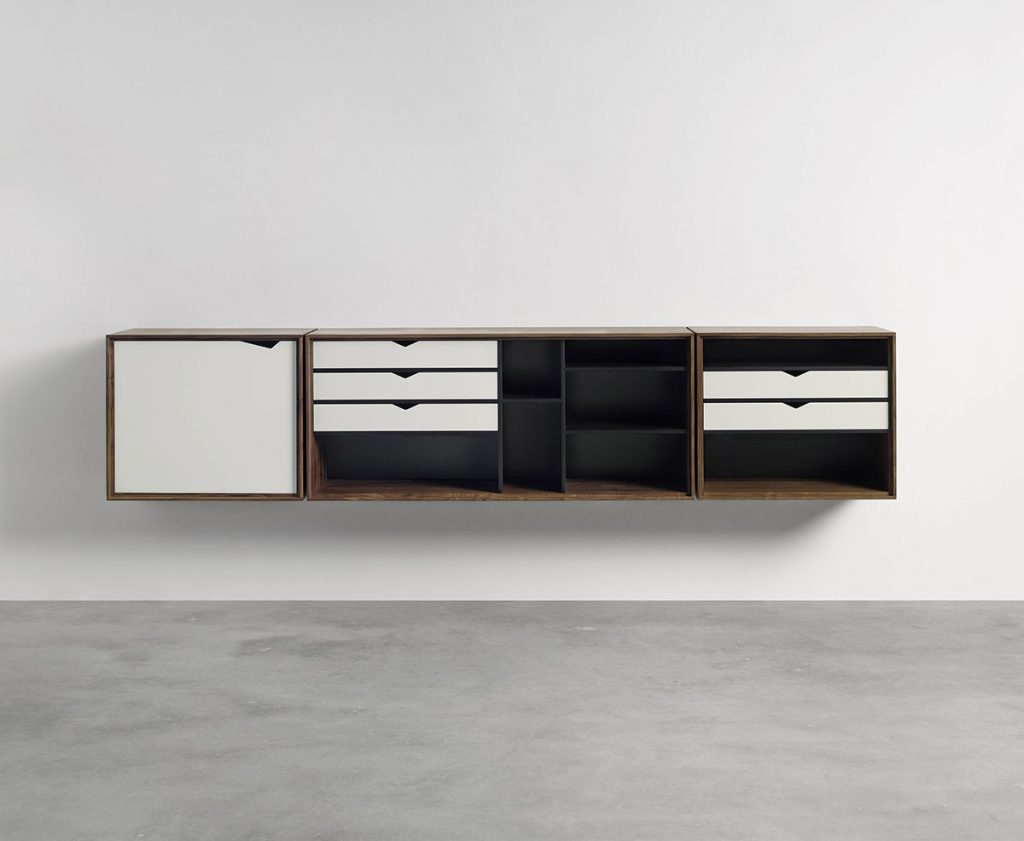
The S2 Cache is byKATO's most architecturally ambitious piece — a modular outdoor storage and seating system designed to function as a spatial anchor. Unlike standalone benches or storage boxes, the S2 Cache integrates both functions into a single form that reads cleanly from every angle. The system's compartmentalized interior accommodates cushions, garden tools, and outdoor accessories without requiring a secondary storage solution. For anyone building a well-considered outdoor sectional setup, the S2 Cache addresses the perennial problem of where everything goes when guests arrive.
Insider Principles Behind Every byKATO Design
The Discipline of Reduction
The most persistent misreading of Scandinavian design is that minimalism is an aesthetic preference — a choice to use fewer elements because it looks clean. That misreading produces furniture that is merely sparse. byKATO's minimalism is structural, not decorative: every element that can be removed without compromising function or integrity is removed, because each additional element introduces a new failure point, a new maintenance obligation, and a new visual distraction.
This principle has direct consequences for how byKATO pieces read in outdoor environments:
- Fewer joints mean fewer points where moisture infiltrates the frame
- Single-material components eliminate galvanic corrosion between dissimilar metals
- Reduced surface area in the frame decreases pollen and debris accumulation
- Absence of decorative applied elements prevents paint adhesion failures over time
The byKATO Designs founders applied this logic consistently across collections. The AC2 chair has no applied decorative trim. The T1 table has no inlaid surface pattern. The S2 Cache has no surface ornamentation. What remains is structure, proportion, and material — which turns out to be more than enough.
Material Intelligence in Practice
byKATO's material palette is narrow by design. Powder-coated aluminum, injection-molded polypropylene, and HPL surfaces cover the entire collection. That narrowness is not a limitation — it is a commitment. Each material was selected after evaluating performance across the full range of outdoor conditions: salt air, UV index, freeze-thaw cycling, and sustained heat exposure.
Powder coating on aluminum performs differently from liquid paint. The coating is electrostatically applied as a dry powder and then cured under heat, producing a film that bonds chemically to the substrate rather than sitting on top of it. This matters because outdoor furniture coatings are subjected to impact, thermal stress, and UV photodegradation simultaneously. A powder-coat finish on properly pretreated aluminum routinely outlasts liquid paint by a factor of three to five under equivalent exposure conditions.
Pro Insight: When inspecting a used byKATO piece, check the powder coat at corners and weld points — these are the highest-stress zones. Intact coating at those locations is a reliable indicator of proper pretreatment, which is the factor most often cut by lower-cost competitors.
Understanding the Investment in byKATO Designs
Price Points Across the Collection
byKATO products occupy the upper tier of the outdoor furniture market. That positioning is consistent with where the studio's design and production choices place it — not aspirational pricing, but an accurate reflection of what precision manufacturing and material selection cost. The question serious buyers ask is not whether the price is high but whether it is justified.
| Product | Category | Approx. Price Range (USD) | Primary Material | Key Feature |
|---|---|---|---|---|
| AC2 Chair | Seating | $380 – $520 | Powder-coated aluminum / polypropylene | Stackable, UV-stable shell |
| T1 Dining Table | Dining | $1,100 – $1,600 | Powder-coated aluminum / HPL | Weather-resistant HPL top, multiple sizes |
| S2 Cache (single module) | Storage/Seating | $750 – $950 | Powder-coated aluminum / HPL | Modular, integrated storage lid |
| S2 Cache (full system) | Storage/Seating | $2,200 – $3,100 | Powder-coated aluminum / HPL | Configurable layout, spatial anchor function |
Measuring Value Against the Competition
The useful comparison for byKATO is not mass-market outdoor furniture — that comparison collapses immediately on material grounds. The relevant comparison is with other premium European outdoor brands in the same category. Against that field, byKATO holds its position on three criteria: design coherence across the collection, material specification, and structural longevity.
Buyers evaluating a full outdoor dining setup — four to six chairs, a dining table, and a storage solution — will find that a byKATO configuration competes directly in price with comparable configurations from Danish and Italian premium brands. The differentiation then comes down to aesthetic preference and material performance priorities. Those who prioritize storage integration alongside seating and dining will find the S2 Cache system provides genuine value that few competing configurations match. For those comparing full sets at this tier, reading reviews of other premium outdoor furniture sets provides useful context for evaluating what the market delivers at different price points.
Caring for byKATO Outdoor Furniture
Routine Maintenance by Material Type
byKATO's material palette makes maintenance straightforward. The discipline is consistency rather than complexity. Each material in the collection has a defined maintenance protocol, and following it at regular intervals prevents the accumulation of problems that require costly remediation.
Powder-coated aluminum frames:
- Wash with warm water and a pH-neutral detergent quarterly, or after heavy pollen or salt-air exposure
- Rinse thoroughly to remove detergent residue, which attracts particulate contamination
- Inspect weld points and corners annually for coating micro-fractures — address immediately with touch-up powder-coat aerosol
- Apply a thin layer of automotive carnauba wax to the frame once per season to reduce UV degradation of the coating
Polypropylene seat shells (AC2):
- Clean with a mild soap solution and a soft brush — avoid abrasive pads that scratch the surface and accelerate UV degradation
- Apply a UV-protectant spray rated for plastics at the start of each outdoor season
- Store stacked units in a location that minimizes prolonged direct sun exposure during periods of disuse
HPL tabletops and Cache lids:
- Wipe down with a damp cloth after each use — HPL resists staining but benefits from prompt cleaning of oils and tannins
- Avoid abrasive cleaners; they remove the surface layer that provides stain resistance
- Check edge seals annually; any delamination at edges allows moisture into the substrate and accelerates deterioration
Those managing other outdoor structures alongside byKATO furniture will find that the same seasonal maintenance rhythm applies broadly. Guidance on winterizing a pergola and caring for a chiminea through winter follows parallel logic — consistent small interventions prevent large repairs.
Seasonal Storage and Long-Term Protection
byKATO products are designed for year-round outdoor exposure in temperate climates. That does not mean storage is irrelevant — it means storage is optional rather than mandatory for structural preservation. The meaningful storage decision is about surface appearance over multi-decade ownership, not structural integrity.
Powder-coat color saturation does fade over extended UV exposure, particularly in darker colorways. Storing frames indoors or under breathable covers during peak summer months extends color saturation noticeably. The AC2's stackable design means a set of eight chairs occupies the footprint of roughly one chair when stored — a genuine practical advantage that the byKATO Designs founders built directly into the product geometry.
Solving Common Problems with Premium Danish Outdoor Furniture
Finish and Frame Issues
The most frequently reported issue with powder-coated aluminum outdoor furniture — byKATO included — is coating damage at contact points. When chairs are stacked without protective pads, the frame contact zones abrade against each other, eventually cutting through the powder coat to bare aluminum. The fix is mechanical: rubber or felt pads at all stacking contact points. The byKATO Designs founders anticipated this and the AC2's stacking geometry is designed to minimize metal-on-metal contact, but adding pads is a sensible precaution for high-frequency use environments.
A second common issue is joint loosening on the T1 table after exposure to significant temperature cycling. The aluminum frame expands and contracts with temperature, and over several seasons the fasteners at leg-to-frame connections can work slightly loose. The resolution is straightforward: check and re-torque all frame fasteners at the start of each outdoor season with an appropriate hex key. Specifications are documented in byKATO's maintenance guide. This is normal behavior for any precision-fitted aluminum system and is not a structural defect.
For situations where outdoor structures need to be disassembled or components replaced, the methodology for removing and reassembling hard-top outdoor structures provides applicable guidance on working with fitted aluminum components without damaging surface finishes.
Sourcing Genuine byKATO Pieces
The premium outdoor furniture market has a counterfeit problem. byKATO's products have been replicated — with inferior materials and looser manufacturing tolerances — by multiple manufacturers operating primarily through online marketplaces. The differences are visible at inspection: counterfeit versions use thinner-walled extrusions, less consistent powder-coat application, and polypropylene formulations without UV stabilizers. Authentic byKATO pieces are only available through authorized dealers in each territory, and the studio maintains a current dealer directory on its official site.
When purchasing secondhand, inspect the frame at weld points under direct light. byKATO welds are fully ground smooth and show no porosity. Counterfeit versions typically show visible weld beads and occasional surface porosity. The seat shell underside on genuine AC2 chairs carries a molded production code; counterfeit shells typically have smooth or illegible undersides. These distinctions matter most when purchasing through secondary markets where provenance cannot be verified through dealer documentation.
Frequently Asked Questions
Who are the byKATO Designs founders?
Karl Rossell and Tonny Glismand are the co-founders of byKATO Designs, a Copenhagen-based outdoor furniture studio. Both trained industrial designers, they established the studio to bring Scandinavian design discipline to the outdoor furniture market, producing collections that prioritize structural integrity, material honesty, and long-term performance over decorative complexity.
What does the name byKATO mean?
The name byKATO is a studio designation combining the founders' initials and a Scandinavian structural reference. It does not reference a specific person named Kato but functions as a brand identity that signals the studio's design-authorship approach — a common naming convention among Nordic design studios where the brand name represents the partnership rather than an individual founder.
Is byKATO furniture suitable for year-round outdoor use?
Yes, byKATO's core collection — powder-coated aluminum frames, polypropylene shells, and HPL surfaces — is engineered for year-round exposure in temperate climates. The materials are selected specifically for resistance to UV degradation, moisture, and thermal cycling. Storage extends color saturation life but is not required for structural preservation in temperate regions.
How does byKATO compare to other premium Danish outdoor furniture brands?
byKATO competes directly with brands such as Cane-line, Normann Copenhagen, and Skagerak in the premium outdoor segment. Its differentiating characteristics are the S2 Cache's integrated storage-seating system and the consistent cross-collection material language of powder-coated aluminum and HPL. byKATO's price positioning is comparable to those brands, with value differentiation driven by the modular storage functionality the other brands do not offer at the same tier.
What is the warranty on byKATO products?
byKATO offers a standard two-year structural warranty through authorized dealers, covering frame defects and coating adhesion failures under normal use conditions. Some dealers in specific territories offer extended warranty programs. Warranty coverage does not extend to color fading from UV exposure, which is considered normal wear, or to damage from improper stacking or storage without protective pads.
Can byKATO furniture be left out in winter?
In temperate climates without sustained freeze-thaw cycling, byKATO furniture can remain outdoors through winter without structural risk. In regions with hard winters — sustained temperatures below -10°C or heavy snow loading — storing the furniture indoors or under breathable covers is advisable. The primary concern is not structural damage from cold but accelerated coating wear from abrasive ice particles and road salt carried by wind.
Where can authentic byKATO pieces be purchased outside Denmark?
byKATO maintains an authorized dealer network across Northern Europe, North America, and the Asia-Pacific region. The current dealer directory is listed on the official byKATO Designs website. Purchasing through unauthorized resellers or online marketplaces carries significant counterfeit risk, particularly for the AC2 chair, which is the most frequently replicated piece in the collection. Authorized dealers provide documentation of provenance and access to warranty support.
Next Steps
- Visit the official byKATO Designs dealer directory and identify the nearest authorized retailer — request a physical sample of the AC2 chair in the intended colorway before committing to a full set purchase.
- Measure the intended outdoor space carefully and map the T1 table and S2 Cache system against traffic flow patterns before ordering — byKATO's modular configurations require adequate clearance to function as spatial anchors rather than obstacles.
- Establish a seasonal maintenance schedule: mark calendar reminders for quarterly frame washing, annual fastener torque checks on the T1, and UV-protectant application at the start and midpoint of each outdoor season.
- Source rubber or felt stacking pads for AC2 chairs before the first use — this single low-cost intervention prevents the most common finish damage and should be standard practice from day one.
- Cross-reference byKATO's collection against the broader Scandinavian design context by exploring related work from the Danish design tradition to build a more informed aesthetic framework before making final purchasing decisions.


About William Murphy
William Murphy has worked as a licensed general contractor in Fremont, California for over thirty years, specializing in outdoor structures, green building methods, and sustainable design. During that career he has written about architecture, construction practices, and environmental protection for regional publications and trade outlets, bringing technical depth to subjects that most home improvement writers approach only from a consumer perspective. At TheBackyardGnome, he covers outdoor product reviews, backyard construction guides, and sustainable landscaping and building practices.
You can Get FREE Gifts. Receive Free Backyard Items here. Disable Ad Blocker to get them all now!
Once done, hit anything below