Have you ever stood in your backyard after a big snowfall and wondered just how massive you could make a snowball if you really went for it? The answer is bigger than you think — but only if you know what you're doing. Learning how to roll the biggest snowball comes down to three things: the right snow, the right location, and the right technique. Get all three lined up and you can build something genuinely impressive. Get even one wrong and you'll spend an afternoon pushing a crumbling lump that goes nowhere. If you love getting the most out of your outdoor space in winter, our winter activities guide is packed with more ideas to keep you outside all season long.
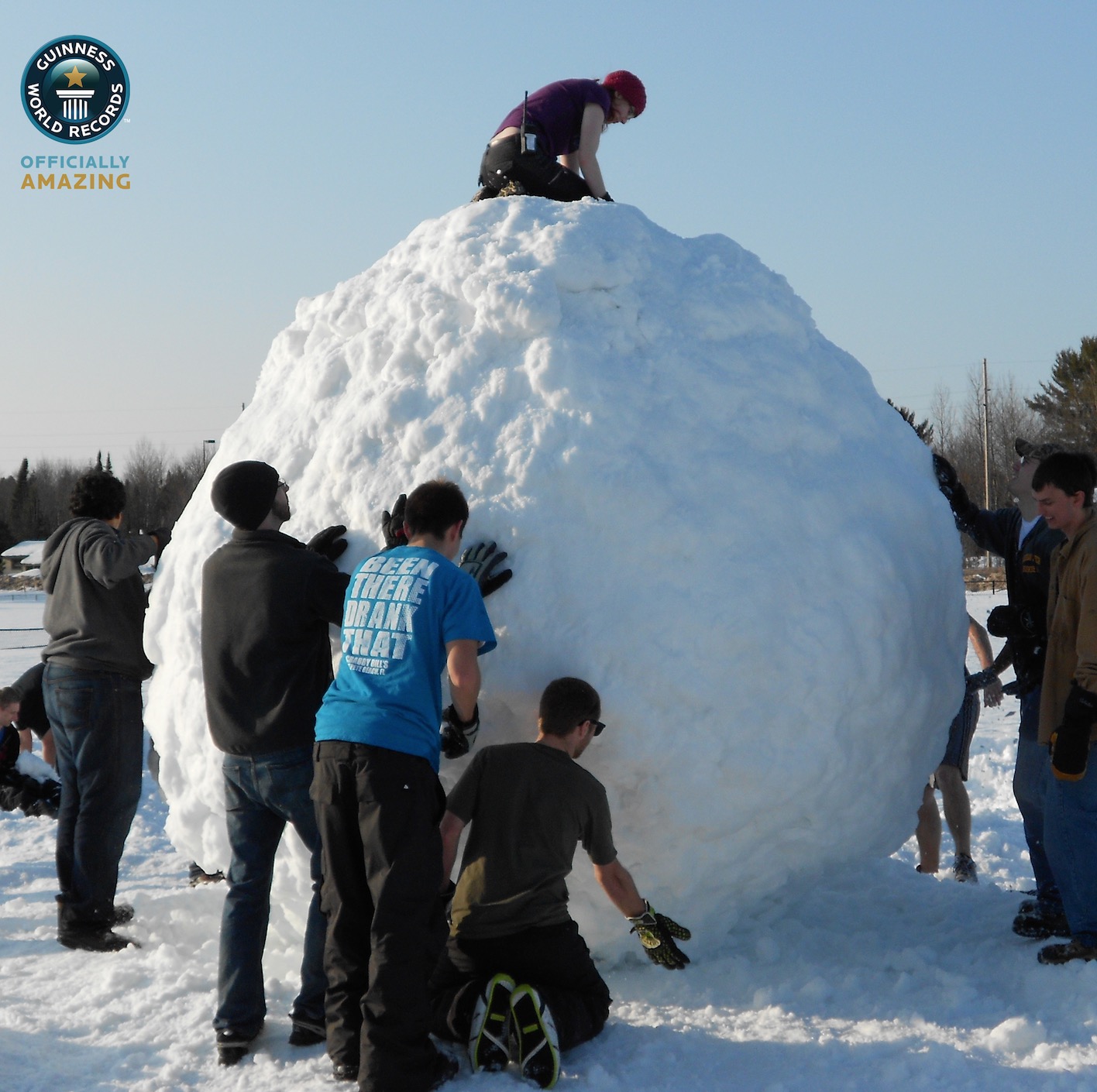
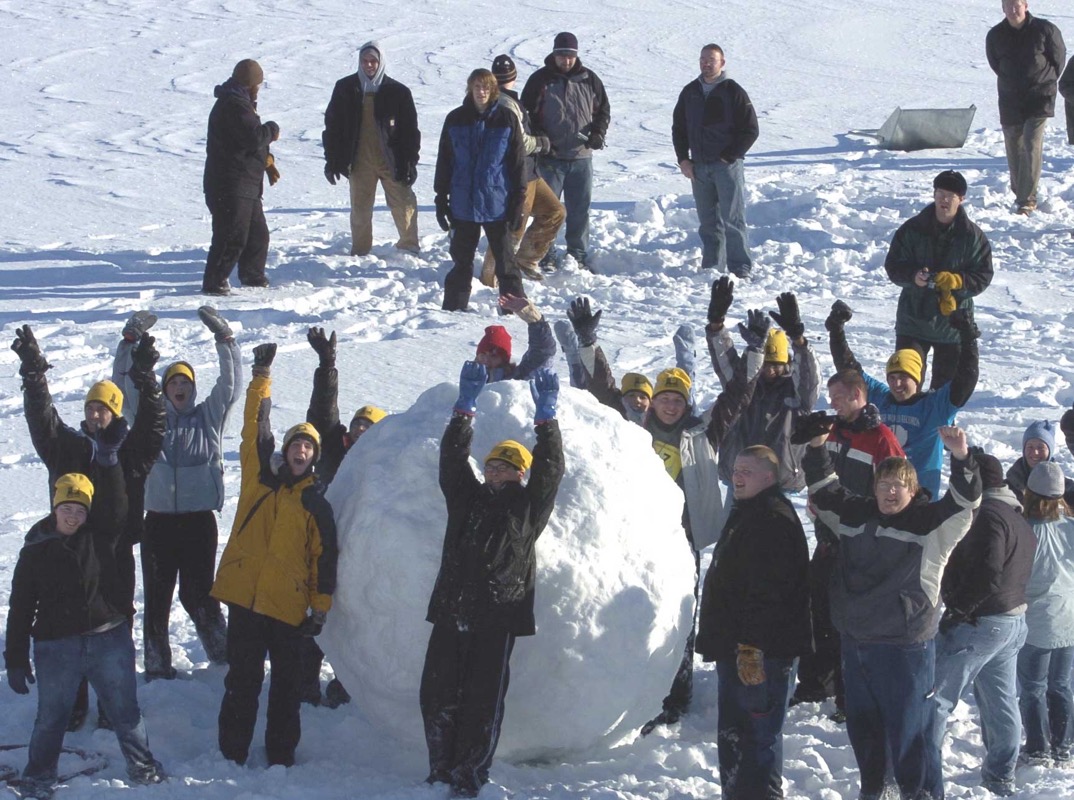
Rolling a massive snowball isn't just a kid's activity. It's a real outdoor challenge that rewards patience and strategy with a result you can actually be proud of. According to Wikipedia's snowball article, record-breaking snowballs have reached over ten feet in diameter — that took a large team and nearly perfect conditions, but you don't need to aim that high to build something remarkable in your own backyard.
Whether you're building the base for a snowman, setting up a centerpiece for a winter gathering, or just chasing a personal best, the method matters. Here's exactly how to do it right.
Contents
The Real Rewards — and Real Challenges — of Going Big
Why a Giant Snowball Is Worth the Effort
There's something deeply satisfying about building something enormous with your own hands and nothing but snow. Rolling a truly massive snowball is physical, it's creative, and it gives you something tangible at the end of a cold afternoon. If you're hosting a winter backyard party, a giant snowball becomes an instant focal point — an unexpected centerpiece that gets people talking and kids excited.
Beyond the bragging rights, the process itself is good for you. Pushing heavy snow builds upper body strength, engages your core, and gets your heart rate up in a way that a casual walk never does. It's one of those rare outdoor activities where the effort is half the fun. You're outside, you're moving, and you're working toward something visible and satisfying.
The social payoff alone makes it worth trying at least once. Neighbors stop and stare. Kids come running to help. What starts as a solo project can turn into an afternoon that everybody remembers.
The Drawbacks You Should Know
That said, going big comes with real trade-offs. The physical strain is the main one. Once your snowball grows past waist height, pushing it becomes hard work — not a gentle stroll, but a genuine effort that you'll feel in your back, shoulders, and legs the next day. If you have any joint issues or back problems, take that seriously before you start.
There's also the lawn factor. Rolling repeatedly over the same ground strips away the snow layer and can drag up grass and topsoil underneath. And once your snowball freezes solid overnight, it isn't going anywhere until a thaw comes. Plan where you want it to end up before you start, because once it's there, it's staying.
| Snow Type | Temperature Range | Packability | Best Use |
|---|---|---|---|
| Wet, heavy snow | 28°F to 34°F (-2°C to 1°C) | Excellent | Rolling giant snowballs |
| Fresh powder | Below 20°F (-7°C) | Poor | Skiing — not rolling |
| Partially melted snow | 33°F to 36°F (1°C to 2°C) | Good | Medium snowballs |
| Icy or crusty surface | Below 25°F (-4°C) after a thaw | Poor | Avoid — snow won't bond |
| Overnight settled snow | 26°F to 30°F (-3°C to -1°C) | Good to Excellent | Rolling with a compact base |
How to Roll the Biggest Snowball — Location and Timing
Finding the Perfect Spot
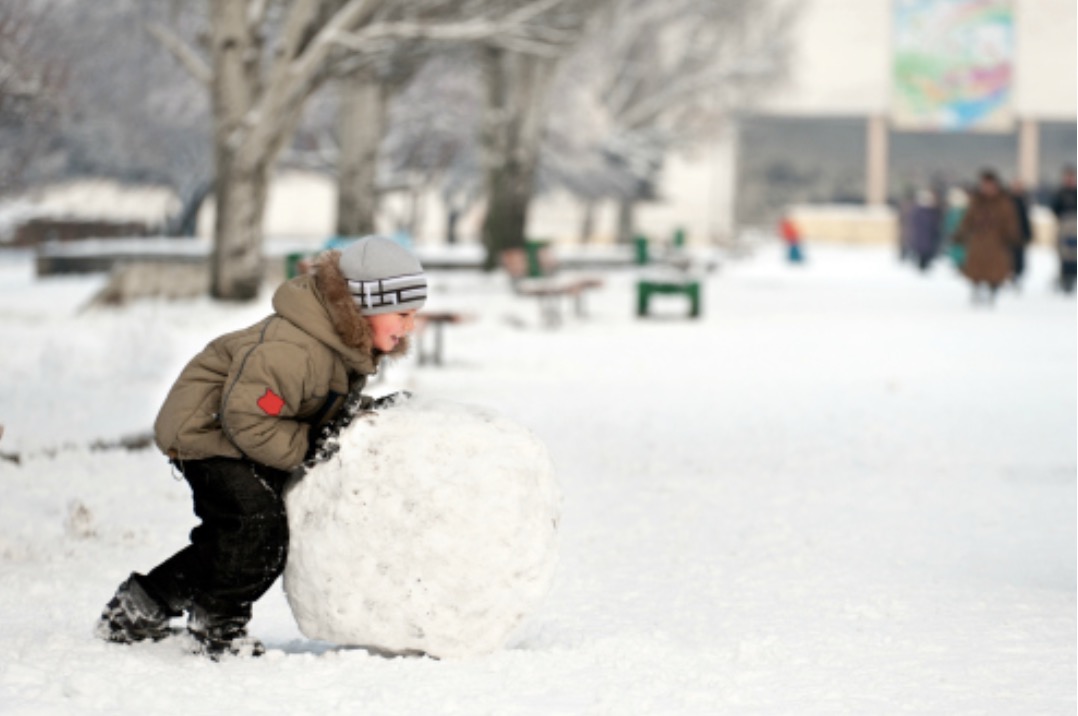
Flat, open ground is the foundation of this whole project. You want a wide area — a backyard, a park field, or any large open space — where you can roll in a relatively straight line for at least 20 to 30 feet. The more fresh, untouched snow you pass over, the more material gets packed onto your ball and the bigger it grows.
Avoid sloped terrain if maximum size is your goal. A downhill slope might seem useful because gravity helps, but a ball rolling downhill moves too quickly for snow to pack properly — it rolls over the surface instead of collecting it. Flat ground gives you full control, and control is what builds size. A very slight uphill actually works in your favor once your ball is already substantial, because the extra resistance compresses the snow more tightly and produces a denser, harder result.
Pro tip: Stick to grass or packed dirt surfaces when possible — rolling over concrete or pavement picks up grit and debris that weakens the snowball's structure and ruins the surface texture.
Timing Your Roll for Maximum Size
Your window for rolling a truly giant snowball is narrower than most people expect. The best time is within the first 12 hours after snowfall, when the snow is still fresh, moist, and loose enough to grab and stick to itself. Wait too long and the snow settles and hardens on its own — it stops bonding cleanly and your ball stops growing.
Temperature is just as important as timing. You want conditions right around freezing — between 28°F and 34°F (-2°C to 1°C). Warmer than that and your ball gets slushy and loses its shape as you push it. Colder than that and the snow turns to dry powder that won't bond at all. That narrow range is where the magic happens, so check your forecast and plan accordingly. If you're clearing your driveway or property before rolling, it's worth knowing which machine to use — here's a breakdown comparing 2-stage vs 3-stage snow blowers so you can pick the right tool for your setup.
Proven Techniques That Actually Work
Building the Core Right
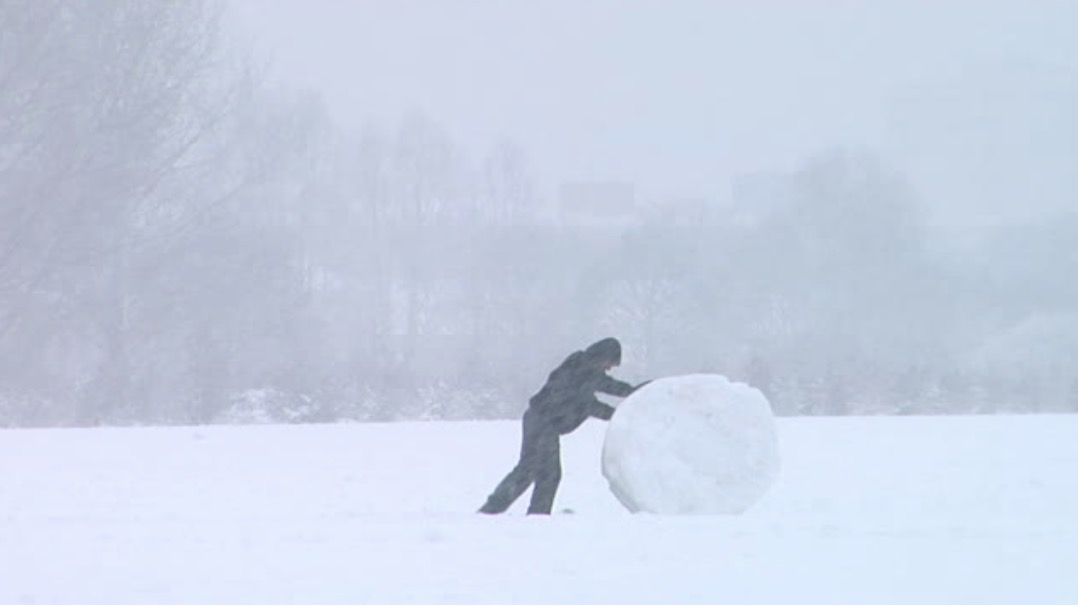
Don't just grab a clump of snow and start pushing. The core — that first dense ball you build by hand — determines everything that comes after it. Pack snow by hand until you have a ball roughly the size of a large grapefruit. Make it as solid and round as you can. This is the seed that all future snow will stick to, so a loose or oblong core will give you problems all the way to the end.
Once your core is ready, set it down on fresh, untouched snow and start pushing forward slowly and deliberately. The goal in the first ten feet is to let the core pick up a solid outer shell. After every few feet, rotate the ball 90 degrees and roll in a new direction. This keeps the shape spherical rather than letting it flatten into a cylinder. Shape control early on is the single most important factor in how big your final snowball gets.
- Pack your starting core as tightly as possible — loose cores collapse under the weight added later and leave hollow spots that crack the ball apart.
- Change rolling direction every few feet to maintain even coverage and a round shape throughout the process.
Advanced Tricks to Push Past Your Limits
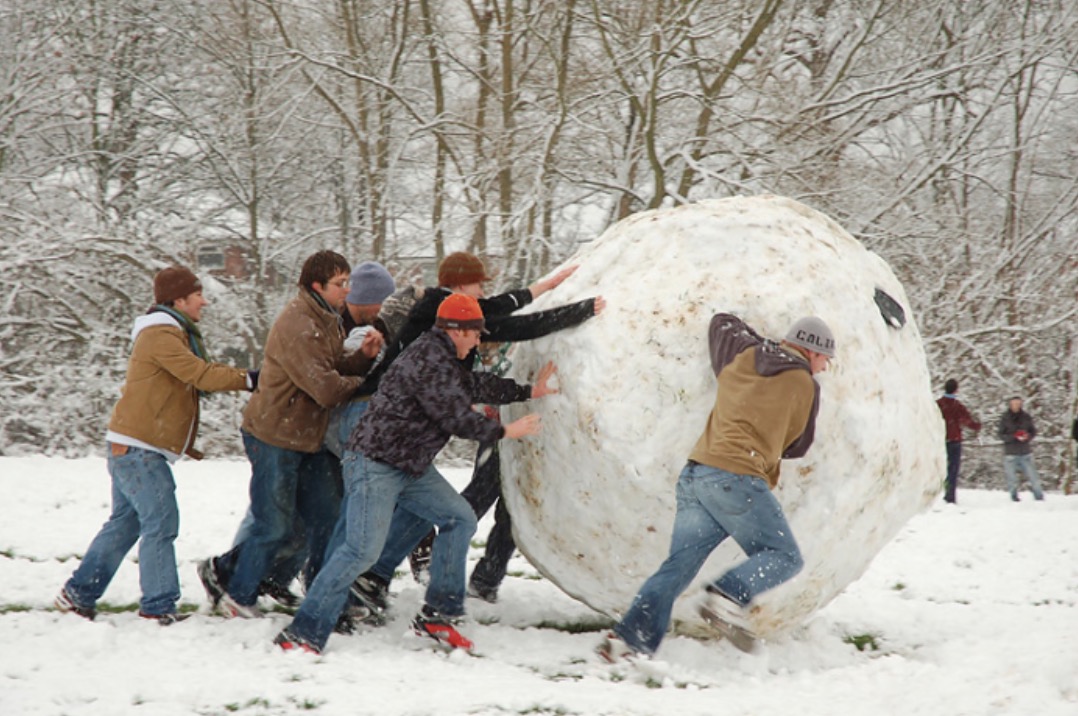
Once your snowball reaches around knee height, pushing it with your hands becomes awkward and inefficient. Switch to using your whole body — lean your upper body into the ball and drive forward with your legs, letting your glutes and core do the actual work. Your arms are just for steering at this point, not for pushing.
If you have a helper, position one person on each side rather than both pushing from behind. One person pushes while the other guides, keeping the ball on track and the shape round. Two people also lets you take on a slight uphill path, which adds compression and produces a denser, harder ball than flat ground alone.
Warning: Once your snowball reaches chest height, stop pushing from directly behind it — that angle puts serious stress on your lower back. Push from the sides instead and let your body weight do the work.
Always move to fresh, undisturbed snow. If you're rolling over a path you've already stripped, you're wasting energy. Plan your route before you start so you're constantly collecting new material and never doubling back over bare ground.
First-Timer Mistakes vs. What Experienced Rollers Do
Where Beginners Go Wrong
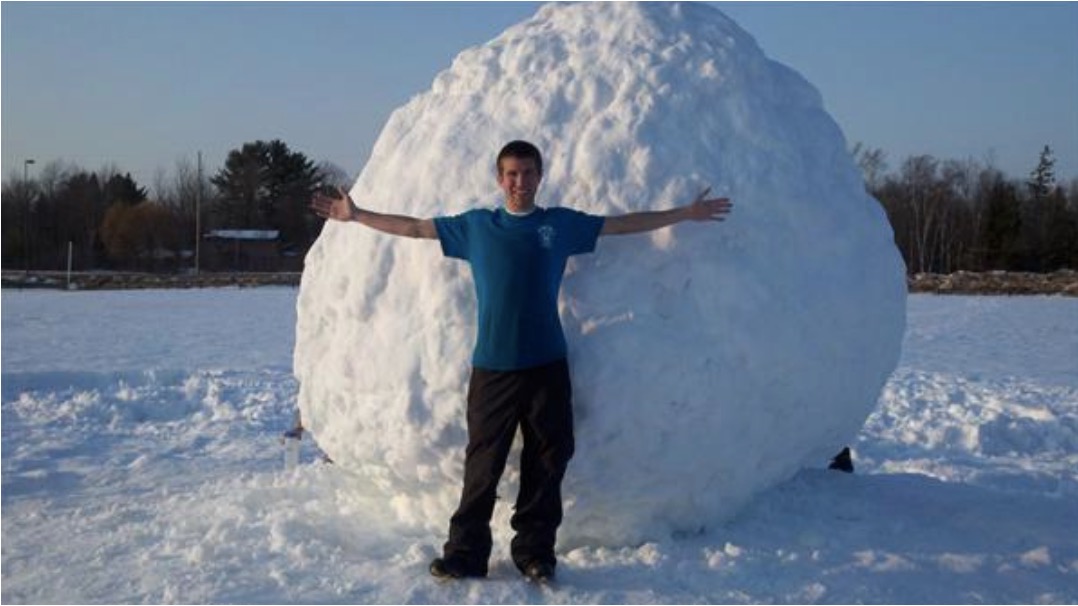
Most first-timers make the same handful of mistakes. They rush — moving the ball too fast across the surface so it skims over snow instead of collecting it. They roll in one direction the entire time and end up with something shaped like a log rather than a sphere. And they head outside too late, after the best snow conditions have already passed.
Another mistake is underestimating how fast the ball gets too heavy to steer. Once you lose control of the shape, it's nearly impossible to correct — you end up with a lopsided mass that tips and cracks instead of rolling cleanly. The time to fix shape problems is during the first few feet, not after the ball is already the size of a washing machine. Early shape control is everything.
How to Level Up Your Game
Experienced rollers plan before they step outside. They watch the forecast and wait for the ideal temperature window. They walk their yard beforehand to identify where the snow is deepest and most untouched. They map out a rough path in their head — one that keeps them on fresh ground the entire time — so they're never backtracking over stripped snow.
They also know when to stop. A perfectly round four-foot ball beats a cracked, lopsided five-footer every single time. Chasing size at the expense of form is a beginner move. The goal is something you're genuinely proud of, not just something technically bigger.
After a long session in the cold, you'll want a way to warm up outside without retreating indoors. If you don't already have an outdoor fire feature, read up on what chimineas are — they're one of the best investments for a winter backyard. You can even use yours for more than just warmth — cooking with a chiminea is easier than you'd think and makes the whole experience even more rewarding. And if you're turning your giant snowball session into an outdoor event, our outdoor winter party guide walks you through everything you need to host a proper cold-weather gathering. While you're setting up the space, decorating your gazebo for the season can pull the whole backyard together into something genuinely impressive.
Final Thoughts
Now you have everything you need to know about how to roll the biggest snowball possible — from reading the snow conditions and picking your terrain to the core-building technique and advanced pushing strategies that separate a good result from a great one. The next time a snowfall hits, get outside while the snow is fresh, find your flat ground, and start rolling. Drop a photo in the comments below — we want to see just how big you managed to get it.


About William Murphy
William Murphy has worked as a licensed general contractor in Fremont, California for over thirty years, specializing in outdoor structures, green building methods, and sustainable design. During that career he has written about architecture, construction practices, and environmental protection for regional publications and trade outlets, bringing technical depth to subjects that most home improvement writers approach only from a consumer perspective. At TheBackyardGnome, he covers outdoor product reviews, backyard construction guides, and sustainable landscaping and building practices.
You can Get FREE Gifts. Receive Free Backyard Items here. Disable Ad Blocker to get them all now!
Once done, hit anything below