What separates a plant that merely survives from one that genuinely transforms a living space? Our team has trialed dozens of species across indoor rooms, covered patios, and shaded garden corners — and the answer we return to most consistently is the pothos. Knowing how to care for pothos plants unlocks one of the most rewarding, lowest-friction relationships in home gardening. This guide, part of our pothos plant care series, covers every dimension of successful growing — from variety selection to common problems that lead most people to give up prematurely.
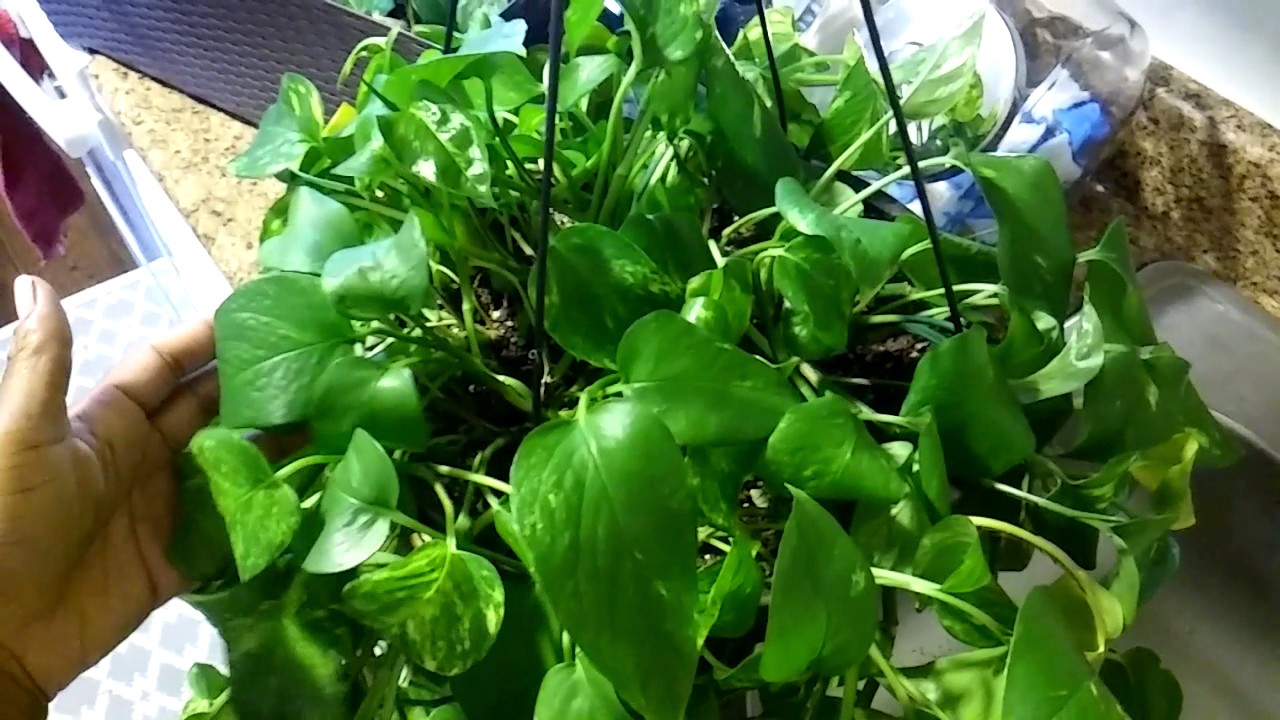
Pothos — formally classified as Epipremnum aureum — evolved beneath dense forest canopies in the Solomon Islands, which explains their remarkable tolerance for low light and irregular watering. That evolutionary history translates directly to performance in the environments most home growers actually have: dim offices, north-facing rooms, covered porches. Our team considers them the benchmark plant for anyone building a first green space, and what follows reflects years of hands-on experience across a wide range of real-world conditions.
Most people approach pothos with appropriate confidence. But a handful of persistent misconceptions still cause unnecessary plant loss — overwatering being the most destructive. Our team's goal here is to give anyone a clear, accurate framework for consistently healthy plants, season after season.
Contents
Where Pothos Plants Truly Shine
Indoor Environments That Pothos Love
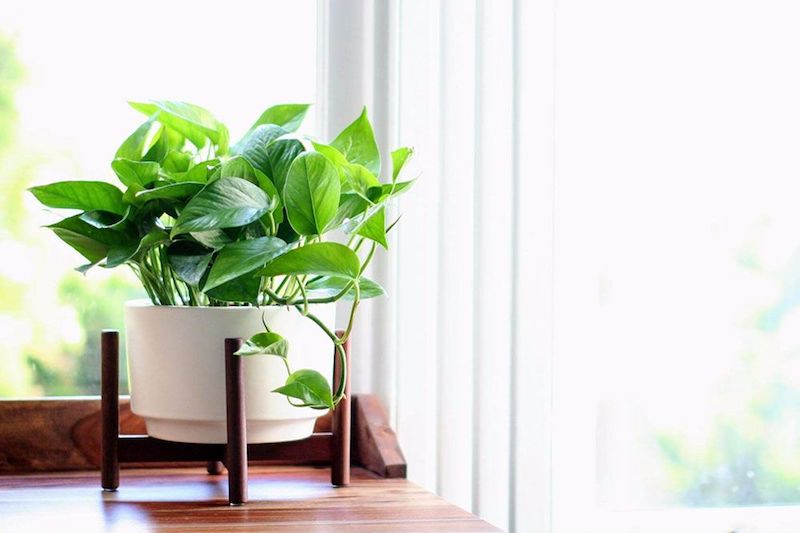
Pothos perform reliably in spaces that would defeat most other plants — dim hallways, windowless offices, north-facing corners that receive almost no direct light. Our team has placed them in virtually every challenging indoor scenario imaginable, and they consistently outperform alternatives at a fraction of the care investment. Their trailing habit makes them natural fits for high shelves, bookcase tops, and hanging baskets positioned above seating areas. In our experience, a mature golden pothos with two to three feet of trailing vine becomes a genuine focal point in any room.
For anyone assembling a low-maintenance indoor plant collection, pothos pair naturally alongside drought-tolerant plants like succulents — together they create a layered, curated look without demanding constant attention. The combination suits anyone who wants visual impact from their plant selection without intensive daily care routines.
Covered Outdoor Spaces and Patios
Most people overlook pothos as an outdoor plant, but covered patios, pergola-shaded decks, and screened porches in USDA zones 10–12 are genuinely excellent environments for them during warm months. The increased ambient humidity and filtered outdoor light drive noticeably faster growth than most indoor settings provide. They work especially well as trailing accents near outdoor seating — the cascading green vines complement rattan and wicker furniture with a natural, resort-inspired elegance. For anyone managing pothos alongside a chiminea or open-air fire feature in the same outdoor space, our guide to winterizing chimineas covers the full seasonal transition process that coincides with bringing pothos back indoors. Similarly, anyone with a covered pergola structure should review our pergola winterizing guide to protect both the structure and any cold-sensitive plants during seasonal shifts.
Comparing Popular Pothos Varieties
The Most Common Types at a Glance
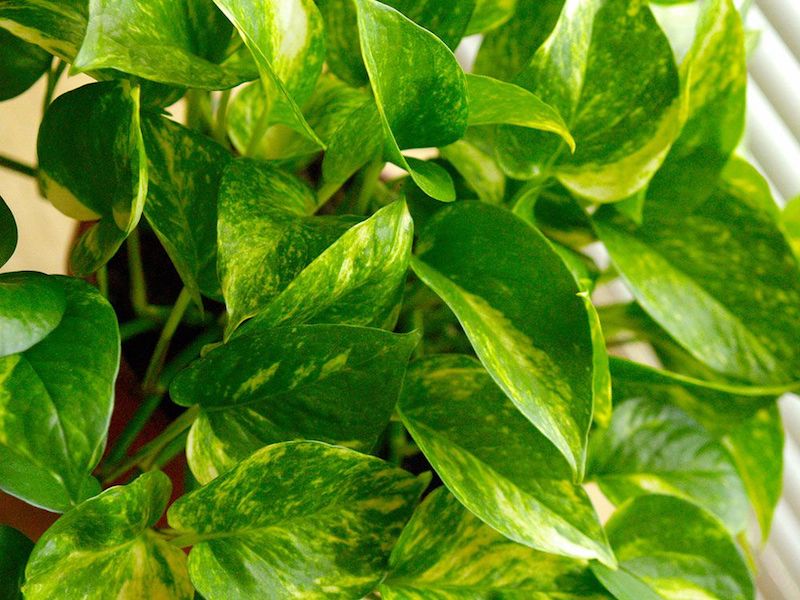
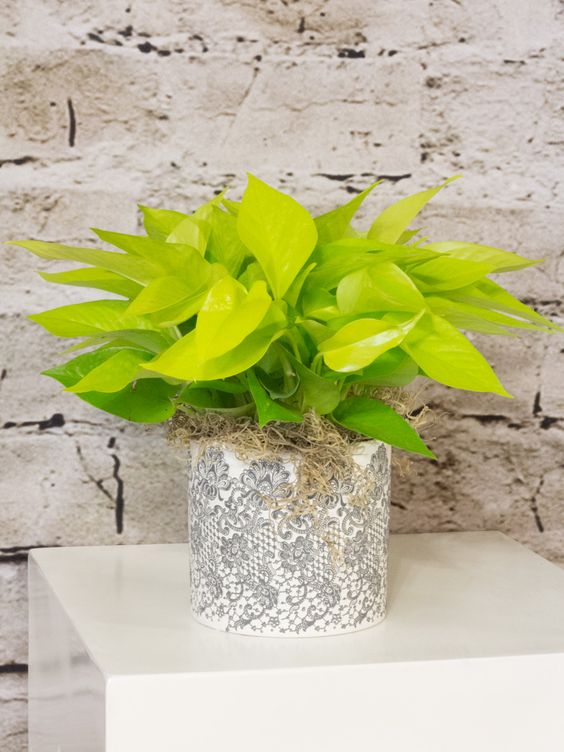
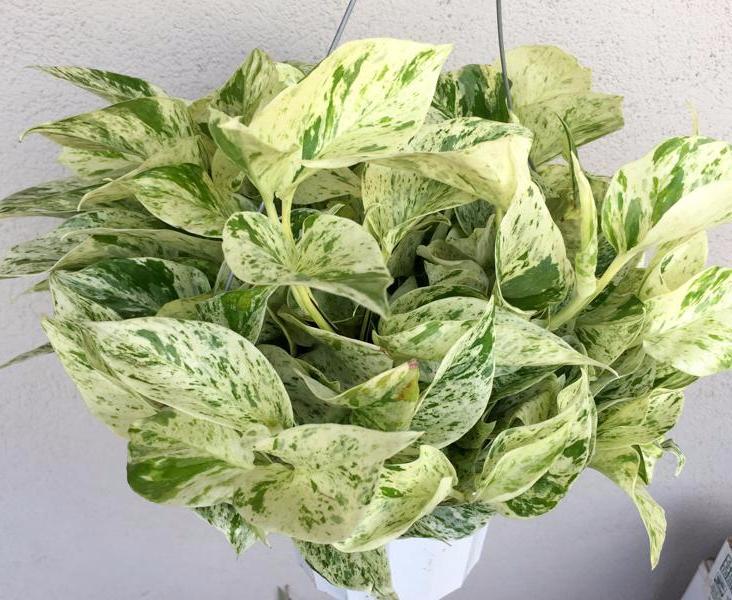
The pothos genus encompasses significantly more variety than most people realize at first. Each cultivar carries distinct visual characteristics and slightly different care tolerances, which makes choosing the right type for a specific environment more consequential than many growers initially appreciate. The table below captures the key distinctions across the most widely available varieties.
| Variety | Light Tolerance | Growth Rate | Variegation | Best Setting |
|---|---|---|---|---|
| Golden Pothos | Low to bright indirect | Fast | Gold and green | Shelves, hanging baskets |
| Marble Queen | Medium indirect | Moderate | White and green | Statement focal displays |
| Neon Pothos | Medium to bright indirect | Fast | Solid chartreuse | Color contrast arrangements |
| Cebu Blue | Medium indirect | Moderate | Blue-silver sheen | Moss pole or trailing displays |
| Pearls and Jade | Low to medium | Slow | White-edged green | Small spaces, desks |
| Jessenia | Medium indirect | Moderate | Lime-green streaks | Feature walls, trellises |
| Manjula | Medium indirect | Slow | Cream and green marbling | Desk plants, focal displays |
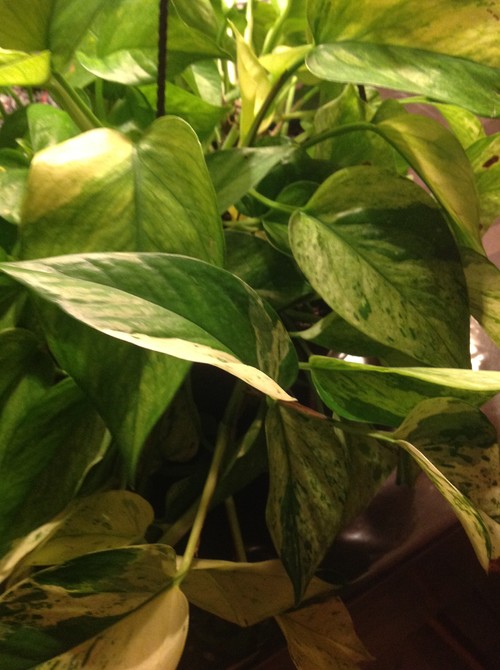
Specialty Cultivars Worth Seeking Out
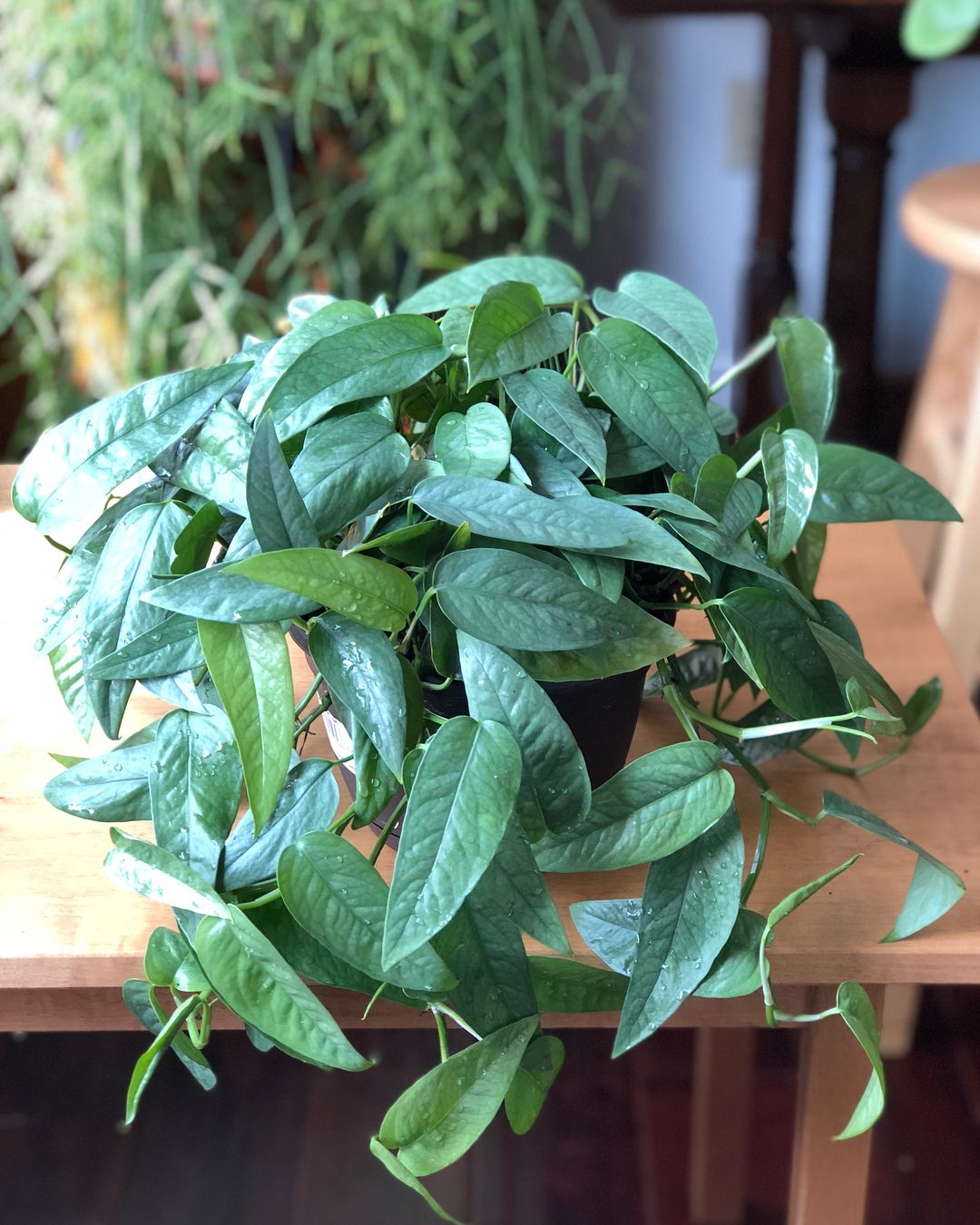
Beyond the standard lineup, several cultivars have built dedicated followings among serious plant collectors. The Cebu Blue produces striking silver-blue foliage that deepens in color as the plant matures — a genuinely distinctive look that most people don't associate with the pothos family. Pearls and Jade, a patented cultivar developed by the University of Florida, features compact leaves with crisp white margins ideal for smaller display spaces.
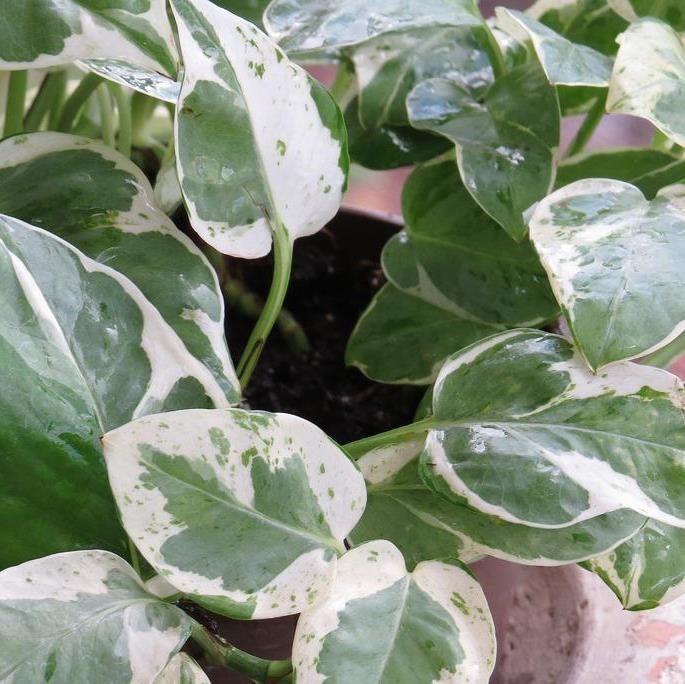
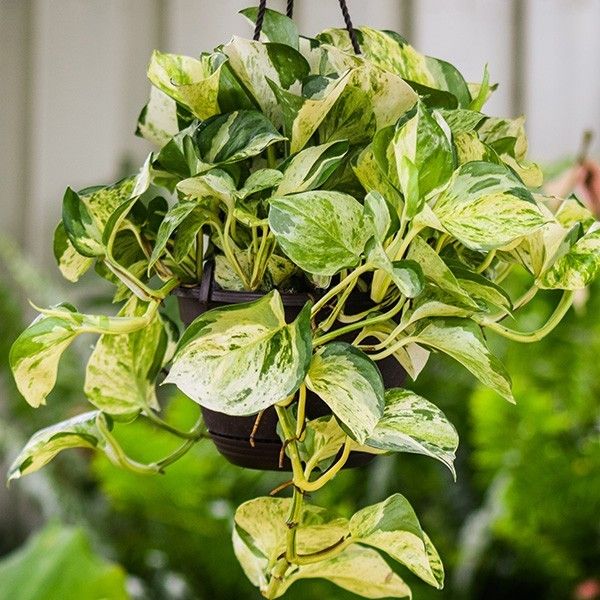
Manjula, another patented variety, produces large heart-shaped leaves with sweeping cream patterns that no two plants express identically — it's one of the most visually variable cultivars in the entire family. For anyone drawn to the lush, layered plant aesthetic that works well near an outdoor sectional or patio furniture arrangement, these specialty varieties offer the kind of visual interest that outperforms mass-market tropical plants at a similar price point.
How to Care for Pothos Plants: Light, Water, and Feeding
Getting the Watering Rhythm Right
Overwatering kills more pothos than any other factor — and our team has confirmed this across dozens of growing scenarios. The most common mistake most home growers make is treating pothos like moisture-hungry tropical plants that need constant hydration. The correct approach is to water thoroughly, then allow the top inch or two of soil to dry out completely before watering again. In most indoor environments, that translates to roughly once every seven to ten days during active growing seasons and every fourteen to twenty-one days in winter when growth slows.
Pro tip from our team: Always press a finger an inch deep into the soil before reaching for the watering can — a pot that feels light when lifted and soil that crumbles between fingers is the right signal to water.
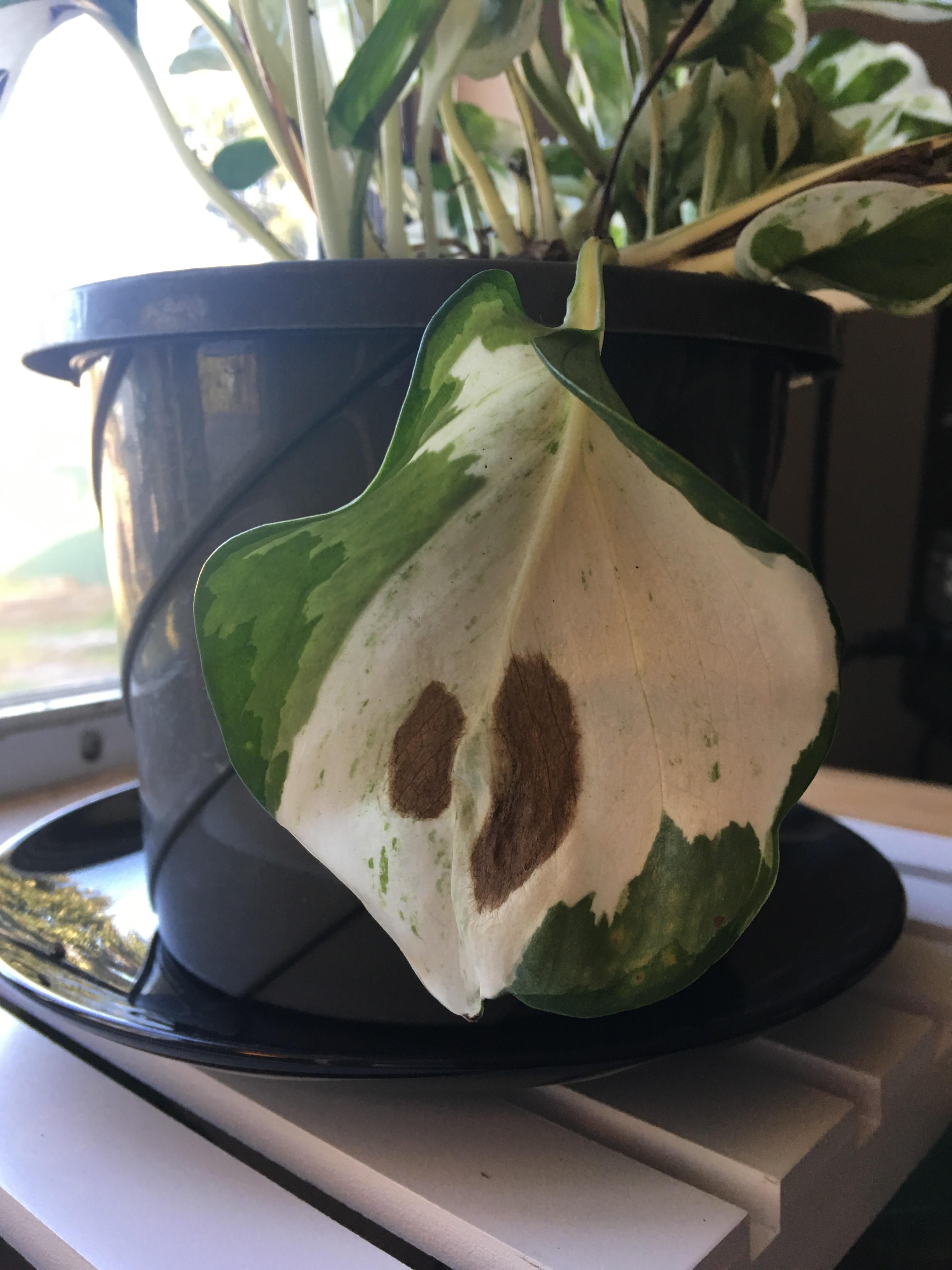
Root rot is the direct consequence of chronically wet soil, and it moves fast. Once roots turn brown and mushy, recovery requires immediate action: unpot the plant, trim all damaged roots with sterile scissors, let the root ball dry briefly, then repot in fresh well-draining mix. Our team has rescued plants that appeared completely lost using this protocol — but prevention is always cleaner than recovery. The naturally humid air near an indoor pool or spa and hot tub enclosure suits pothos well in terms of moisture in the air, but still requires careful soil drainage management.
Light Conditions That Produce Lush Growth
Pothos tolerate low light, but "tolerate" and "thrive" are not the same thing. In very dim conditions, variegated varieties like Marble Queen gradually lose their patterning and revert toward solid green — the plant redirecting energy away from expensive coloration. Bright, indirect light consistently produces the most vigorous growth and vibrant variegation across all varieties. Direct afternoon sun, particularly through south-facing windows, scorches leaves rapidly. East-facing exposures offering gentle morning light represent the ideal balance for most indoor growing situations.
Fertilizing Without Overdoing It
Pothos are light feeders compared to most tropical houseplants. A balanced liquid fertilizer at half the recommended strength, applied monthly during spring and summer, covers their nutritional requirements without risk of fertilizer burn. Our team avoids feeding entirely in autumn and winter, when growth naturally slows and the plant's capacity to process nutrients drops. Slow-release granular fertilizers also perform reliably — a small amount worked into the top inch of soil at repotting time provides steady baseline nutrition throughout the growing season.
The Supplies Worth Having Before Getting Started
Containers, Soil, and Drainage Essentials
The single most consequential equipment decision for pothos growers is drainage. Any pot without drainage holes is an overwatering problem waiting to happen. Our team recommends terracotta or unglazed ceramic pots for their breathability — plastic containers retain moisture longer and increase root rot risk in enclosed indoor environments. For soil, a well-draining mix made from standard potting soil cut with perlite at a roughly 3:1 ratio provides the aeration pothos roots require. Pre-mixed aroid or tropical plant blends available at most garden centers also work consistently well.
Container sizing matters more than most people assume. Pots significantly oversized relative to the existing root ball hold excess moisture in unused soil zones, replicating exactly the wet conditions that promote rot. Moving up one pot size at repotting — typically every twelve to eighteen months for actively growing plants — is the approach our team follows without exception.
Propagation and Pruning Gear
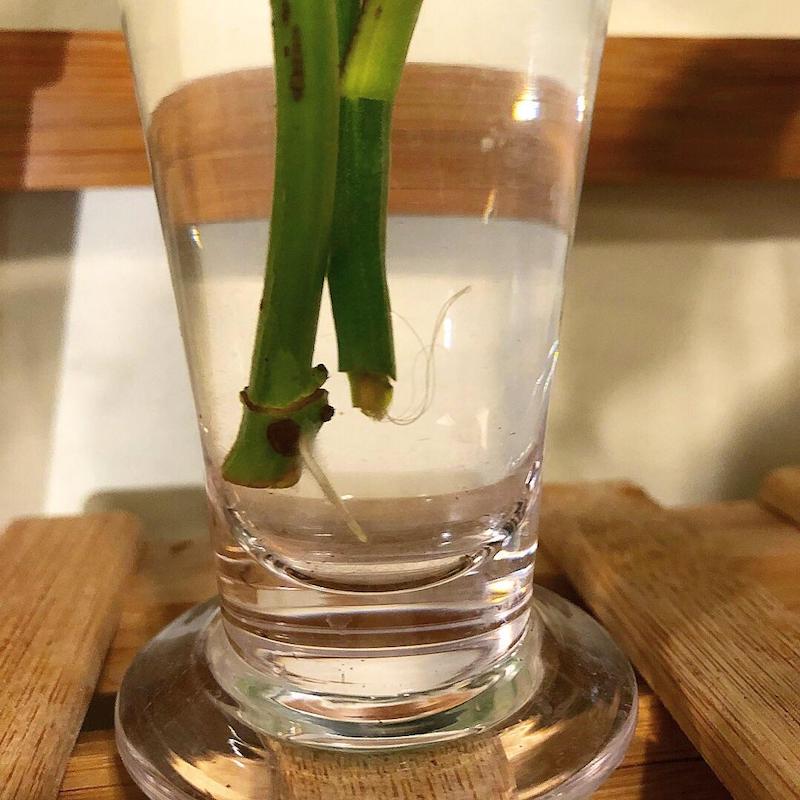
Propagating pothos is genuinely one of the simplest processes in home horticulture. The equipment list is minimal: a sharp pair of clean pruning scissors, a glass of room-temperature water or a small container of fresh perlite, and one healthy cutting that includes at least one node — the small brown bump on the stem from which roots emerge. Two to three leaves per cutting is optimal. Roots develop within two to four weeks at room temperature, after which the cutting can be transferred into a prepared pot.
Regular pruning serves a dual purpose: it keeps established plants from becoming leggy and redirects energy into producing denser foliage from the base rather than extending existing stems. Monthly trimming of the longest trailing vines is the routine our team maintains for all established plants. For anyone expanding into other low-maintenance species alongside pothos, our exploration of coastal greenbelt ecosystems offers useful perspective on how native plant communities balance growth and resilience — principles that translate directly to mindful indoor gardening choices.
Pothos Myths That Lead Home Growers Astray
The "Zero Maintenance" Myth
The most damaging misconception our team encounters is that pothos require essentially no attention. They're forgiving — not self-sustaining. Plants left in the same soil for several years without repotting become severely root-bound, with drainage and nutrient uptake both compromised. Variegated varieties placed permanently in low light lose their coloration entirely over several months. Pothos reward a modest level of consistent attention with exceptional performance; they punish true neglect the same way any plant does — slowly at first, then dramatically.
The "indestructible plant" label is a useful marketing shorthand for beginners, but experienced growers understand it as a relative comparison — pothos forgive mistakes that would immediately kill a fiddle-leaf fig or orchid. That forgiveness has limits.
Pest and Disease Misconceptions
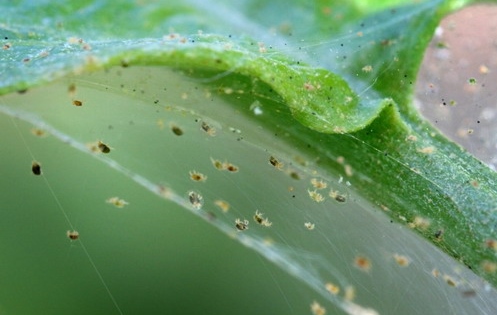
Many growers assume pest resistance comes bundled with pothos' general toughness. It doesn't. Spider mites, mealybugs, and scale insects all target pothos in dry indoor environments, particularly during winter months when heating systems reduce ambient humidity. Spider mites — identifiable by fine webbing on leaf undersides — respond well to a diluted neem oil spray applied every seven days for three weeks. Mealybugs require direct application of isopropyl alcohol on a cotton swab to each visible colony.
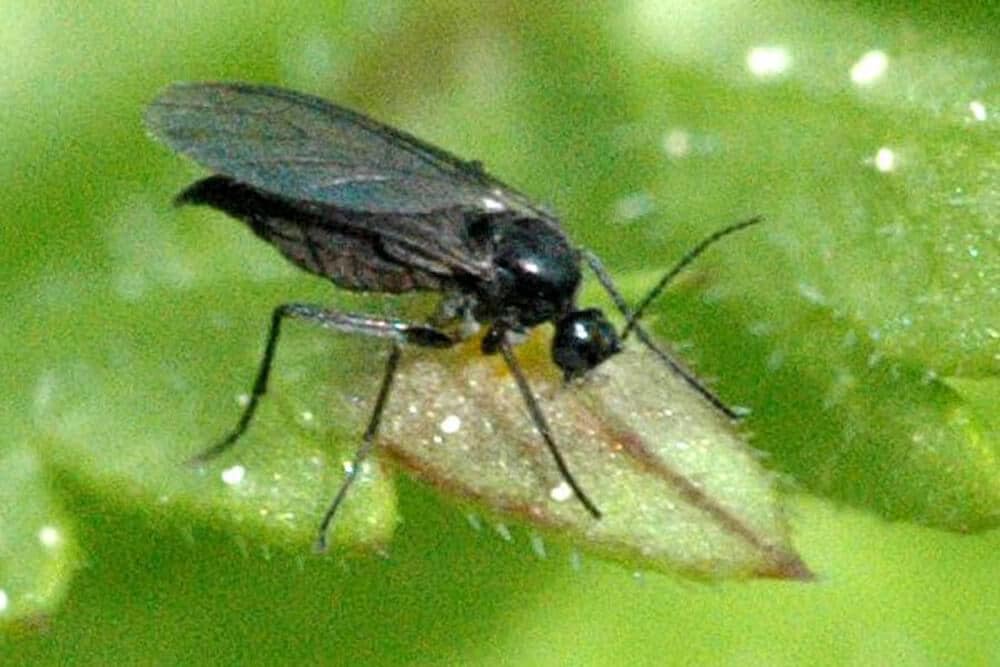
Fungus gnats are a secondary symptom, not a primary problem — they breed in consistently moist topsoil, which means their presence is almost always a signal that the watering frequency is too high. Allowing the top two inches of soil to dry completely between waterings eliminates the breeding environment within one to two generations. Yellow sticky traps catch adults in the meantime. Our team addresses the soil moisture first and the insects second, which resolves the issue permanently rather than managing symptoms in a loop.
Frequently Asked Questions
How often should pothos be watered?
Most home growers see the best results watering pothos every seven to ten days during spring and summer, and every fourteen to twenty-one days in winter. The reliable indicator is soil moisture: the top one to two inches should be completely dry before the next watering. Pot weight is a useful secondary check — a noticeably lighter pot signals that moisture has been depleted.
Can pothos survive in very low light conditions?
Pothos tolerate genuinely low light better than almost any other common houseplant, but low-light performance comes with trade-offs. Growth slows substantially, and variegated varieties like Marble Queen revert toward solid green as the plant reduces energy investment in coloration. Our team recommends the brightest indirect light available for any space where strong growth and full variegation are priorities.
What is the easiest way to propagate pothos?
Water propagation is the most straightforward method for most people. A stem cutting of four to six inches with at least one node is placed in a glass of room-temperature water in a bright spot away from direct sun. Roots typically emerge within two to four weeks. Once roots reach an inch or more in length, the cutting transfers cleanly into a well-draining potting mix.
Are pothos plants toxic to pets?
Pothos contain calcium oxalate crystals that cause oral irritation, excessive drooling, and difficulty swallowing in cats and dogs if ingested. Our team treats them as a meaningful hazard in homes with pets and recommends hanging placements or high shelves that keep trailing vines entirely out of reach. The toxicity is rarely life-threatening but consistently unpleasant for animals that chew on leaves or stems.
Why do pothos leaves turn yellow?
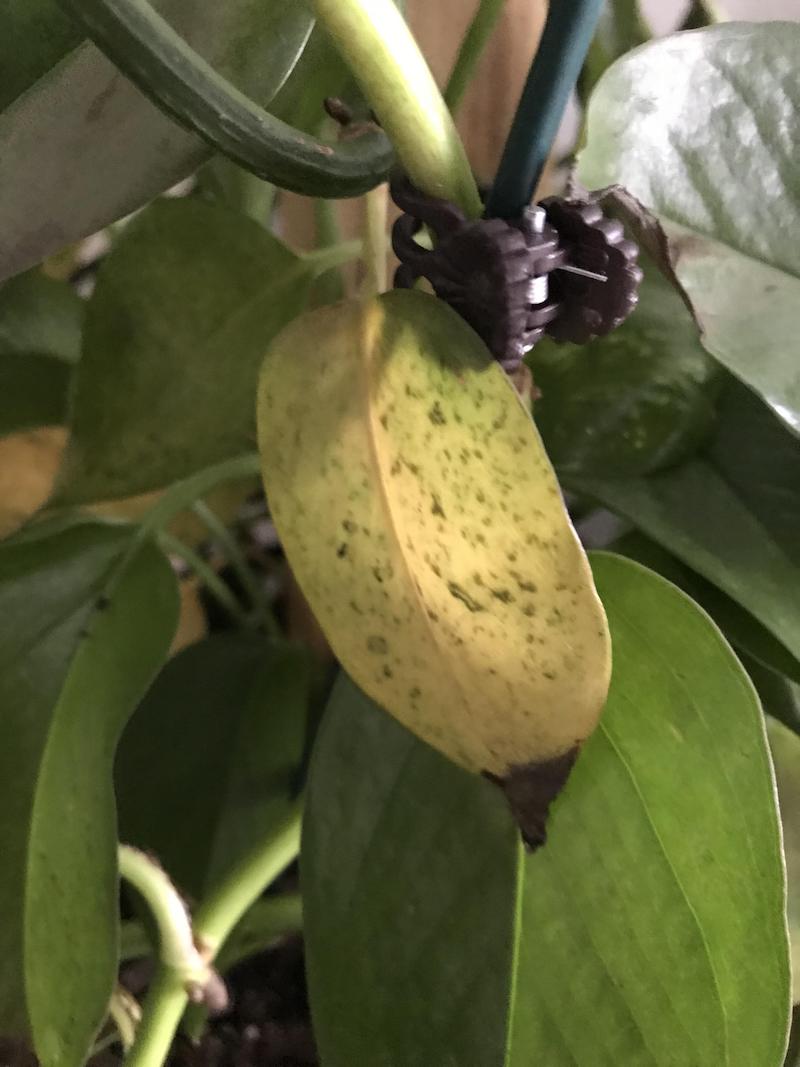
Yellow leaves on pothos most commonly signal overwatering — the single most frequent care error our team observes. Other causes include nutrient deficiency in plants that haven't been fertilized or repotted in an extended period, excessively low light, or natural shedding of the oldest basal leaves as the plant redirects resources to newer growth. Identifying the pattern — which leaves are yellowing, how fast, and in what conditions — points reliably to the correct diagnosis.
How large do pothos plants grow indoors?
In typical indoor conditions, pothos vines reach six to ten feet in length without pruning over a growing season, and significantly longer in optimal light. Outdoors in tropical climates, the same species produces leaves that can exceed a foot in diameter and climb trees to thirty feet or more. Indoor specimens stay far more compact but benefit from occasional pruning to encourage dense, bushy growth rather than long, sparse trailing stems.
Next Steps
- Select a variety from the comparison table above that matches the specific light conditions of the intended growing space — prioritizing the match between cultivar and environment before purchasing.
- Repot any existing pothos into a terracotta or ceramic container one size up from the current root ball, using a 3:1 potting soil to perlite mix, and confirm that drainage holes are unobstructed.
- Establish a watering check routine: press a finger into the soil before every potential watering and water only when the top inch or two is completely dry — this single habit eliminates the majority of pothos care problems.
- Take at least two stem cuttings from an established plant and start them in water in a bright, indirect-light location — propagation is the fastest way to build a multi-plant collection at no additional cost.
- Inspect the undersides of leaves monthly for early signs of spider mites or mealybugs, and address any infestations immediately with neem oil or isopropyl alcohol before populations become established.


About William Murphy
William Murphy has worked as a licensed general contractor in Fremont, California for over thirty years, specializing in outdoor structures, green building methods, and sustainable design. During that career he has written about architecture, construction practices, and environmental protection for regional publications and trade outlets, bringing technical depth to subjects that most home improvement writers approach only from a consumer perspective. At TheBackyardGnome, he covers outdoor product reviews, backyard construction guides, and sustainable landscaping and building practices.
You can Get FREE Gifts. Receive Free Backyard Items here. Disable Ad Blocker to get them all now!
Once done, hit anything below